

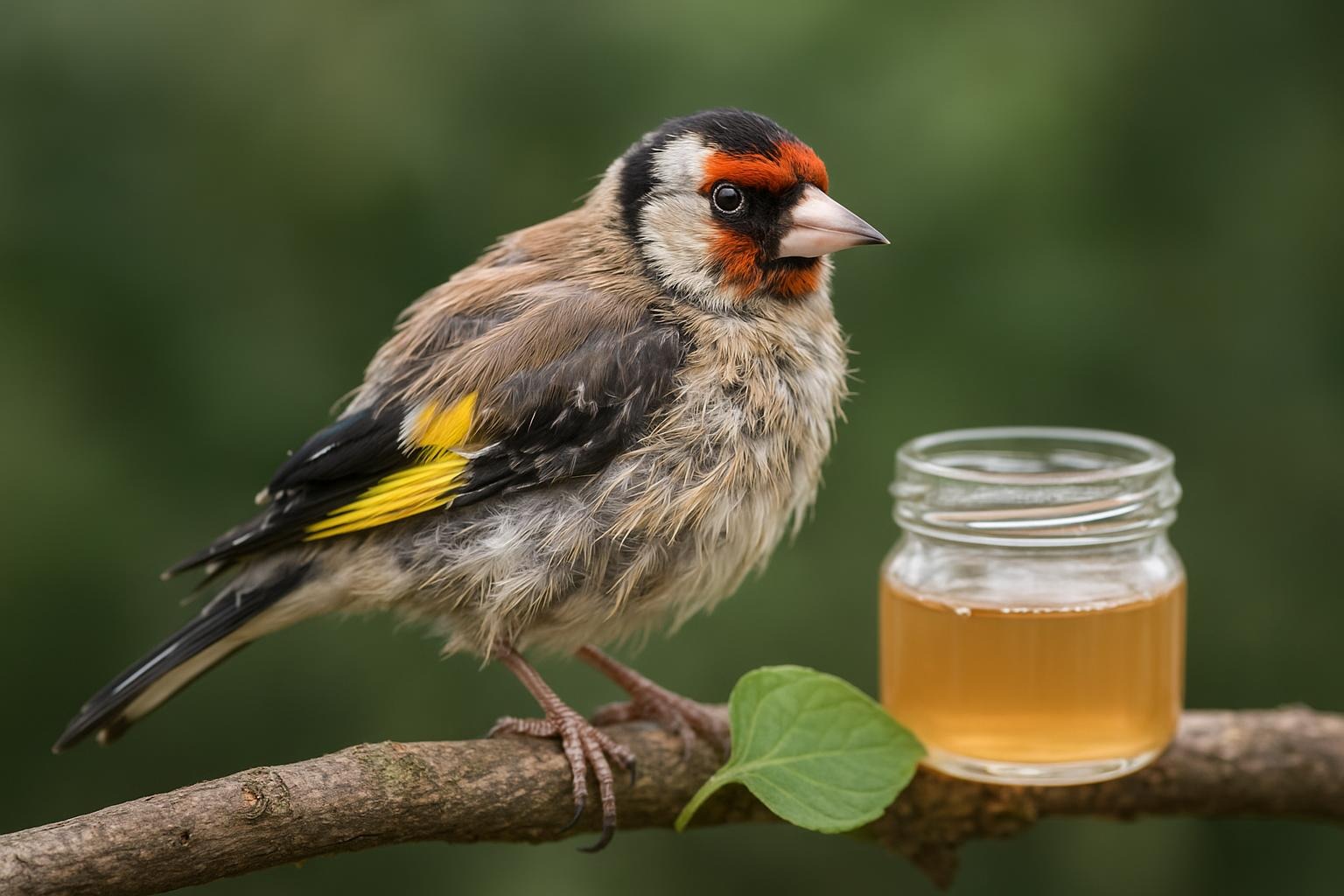
If you’re the sort who keeps a window seat for birdwatching, you’ve likely met the fluff-and-flare phase that is molting. Goldfinches go through a feather reboot that can look dramatic: patchy plumage, altered behavior, and a sudden interest in privacy. This friendly guide walks you through understandable reasons for the change and practical, natural home remedies to support your little yellow neighbors—whether they’re wild backyard visitors or kept in aviaries.
## Goldfinch Molting: What To Expect
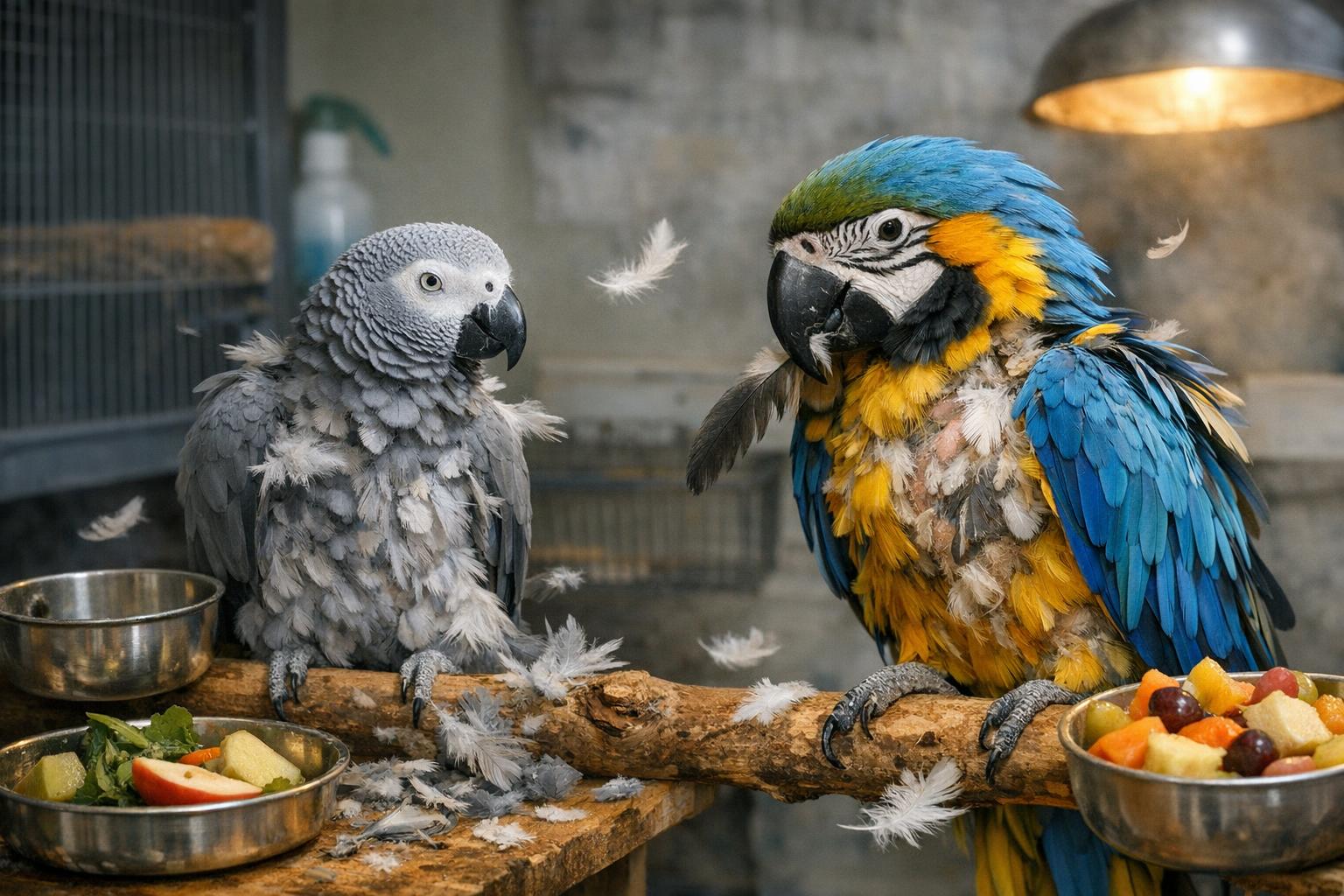
Molting is a normal biological process where old feathers are replaced by new ones. During goldfinch molting birds may lose primary, secondary, or body feathers in a predictable sequence, and the process can take several weeks. The timing and pattern depend on age, sex, and whether the bird is a wild migrant or a captive individual.
### Common Signs And Timeline
You’ll notice:
– Scattered pin feathers (new feathers wrapped in a sheath).
– Increased preening followed by brief periods of stillness as feathers grow.
– Dull or scruffy appearance as old feathers are shed.
– Changes in behavior: more resting, less social activity, and a stronger interest in sheltered roosting spots.
Male American goldfinches molt after the breeding season to lose their bright breeding plumage; females molt on a slightly different schedule. If you’re observing backyard visitors, expect molting activity typically late summer into early fall, though captive birds can have more variable timing.
### When Molting Becomes Concerning
Occasional feather loss is expected, but look out for:
– Large bald patches that don’t show pin feathers.
– Obvious signs of parasites (lice or mites), persistent scratching, or feather-breakage at the shaft base.
– Signs of systemic illness such as lethargy, fluffed appearance, or poor appetite despite easy access to food.
If you suspect disease, parasites, or nutritional deficiency, consult an avian veterinarian promptly. Proper diagnosis will guide effective treatment beyond home-care measures.
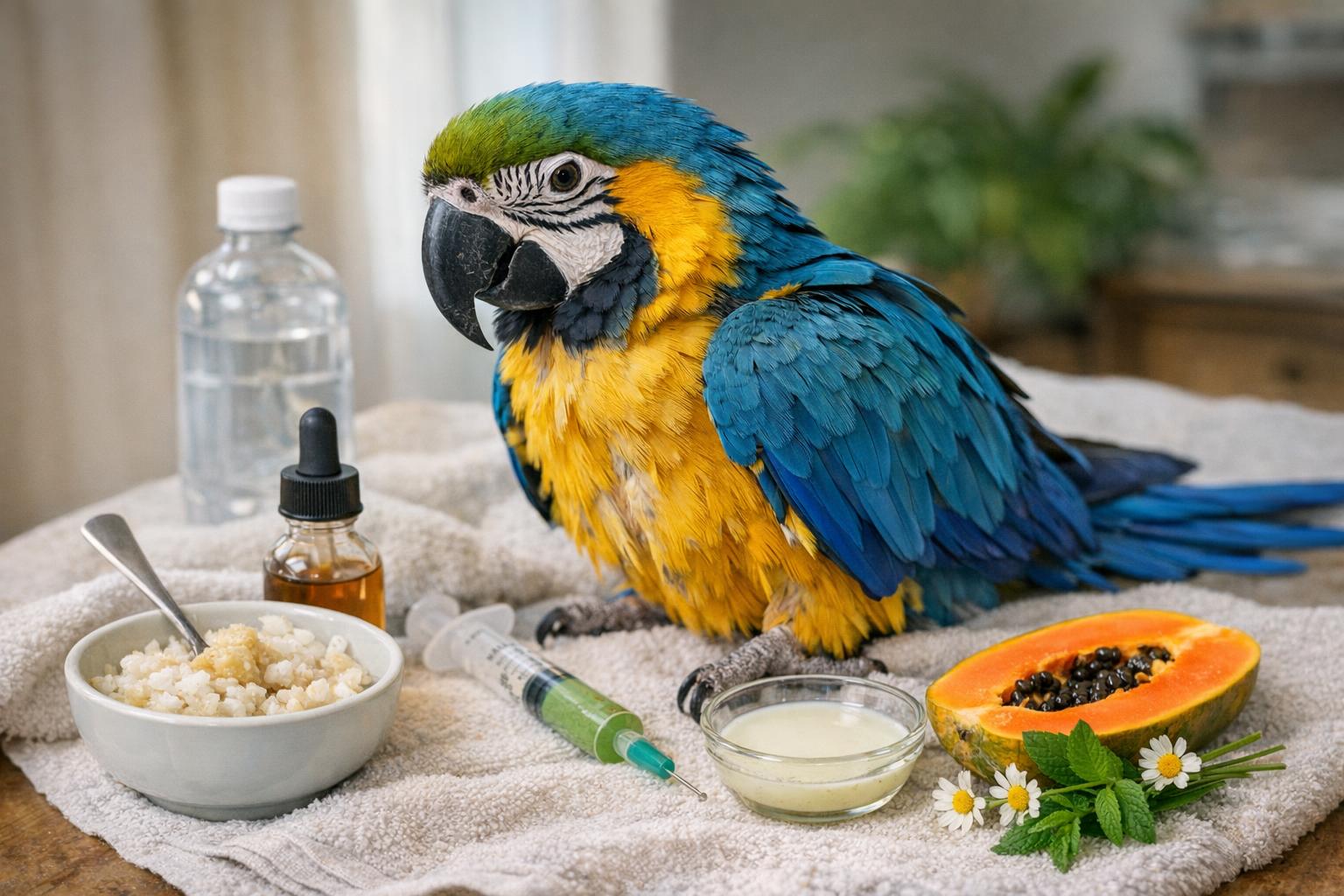
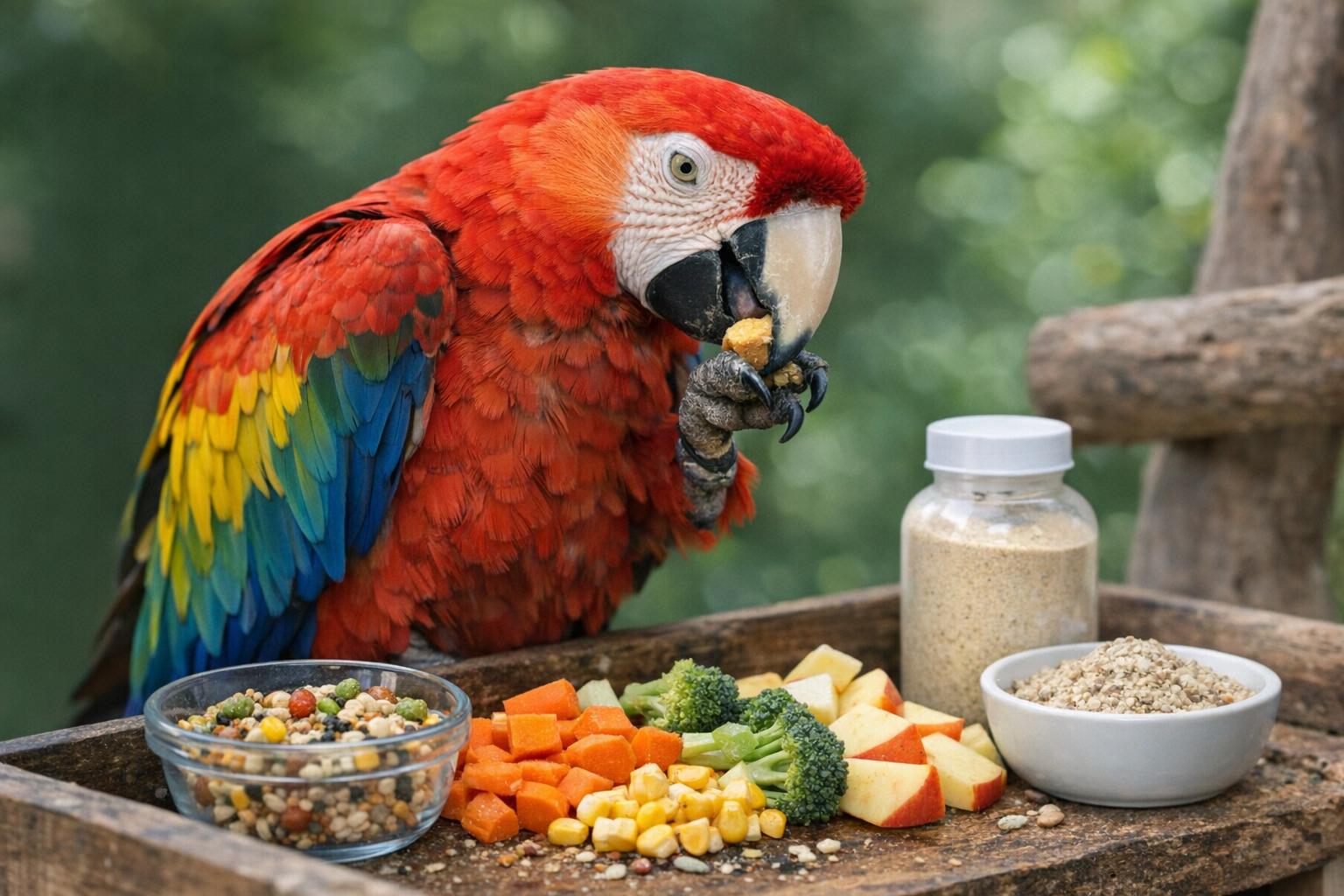
## Remedy 1: Nutritional Support During Goldfinch Molting
Feather growth is metabolically expensive—protein, specific amino acids, and micronutrients like zinc and vitamin A are essential. This remedy focuses on safe, supportive dietary changes.
#### Ingredients Or Required Materials
– High-quality nyjer (thistle) and sunflower seeds (hulled for captive birds if needed)
– Fresh or soaked high-protein sprouted seeds (e.g., millet)
– Finely chopped hard-boiled egg or commercial high-protein bird supplement (captive only)
– Mineral block or high-quality avian vitamin/mineral supplement (follow label dosing)
– Fresh water renewed daily
### Why This Helps
Feathers are made of keratin, a protein requiring adequate dietary building blocks. Zinc, methionine, and vitamin A support feather integrity and follicle health. Increasing available protein and ensuring clean water creates an environment for efficient feather regeneration.
### Step-By-Step Creation And Application
1. Assess Current Diet: Observe what the goldfinches are already eating and whether supplemental foods are accepted.
2. Introduce High-Protein Items Slowly: For captive birds, offer a small portion of chopped hard-boiled egg or a commercial supplement once daily for a week, then adjust. For wild birds, increase offerings of nyjer and sunflower seeds in feeders—these are readily accepted.
3. Offer Sprouted Seeds: Rinse and soak millet or mixed seeds overnight, then sprout for 24–48 hours in a sterile jar. Offer a small amount in a tray feeder.
4. Provide Minerals: Place a mineral block or sprinkle a measured avian supplement per instructions in or near the feeding area.
5. Monitor Intake And Condition: Track seed consumption and visible improvement in pin feather development over 2–4 weeks.
Be precise with dosages for captive birds—over-supplementation of fat-soluble vitamins can be harmful. For backyard feeders, maintain variety rather than large single-item changes.
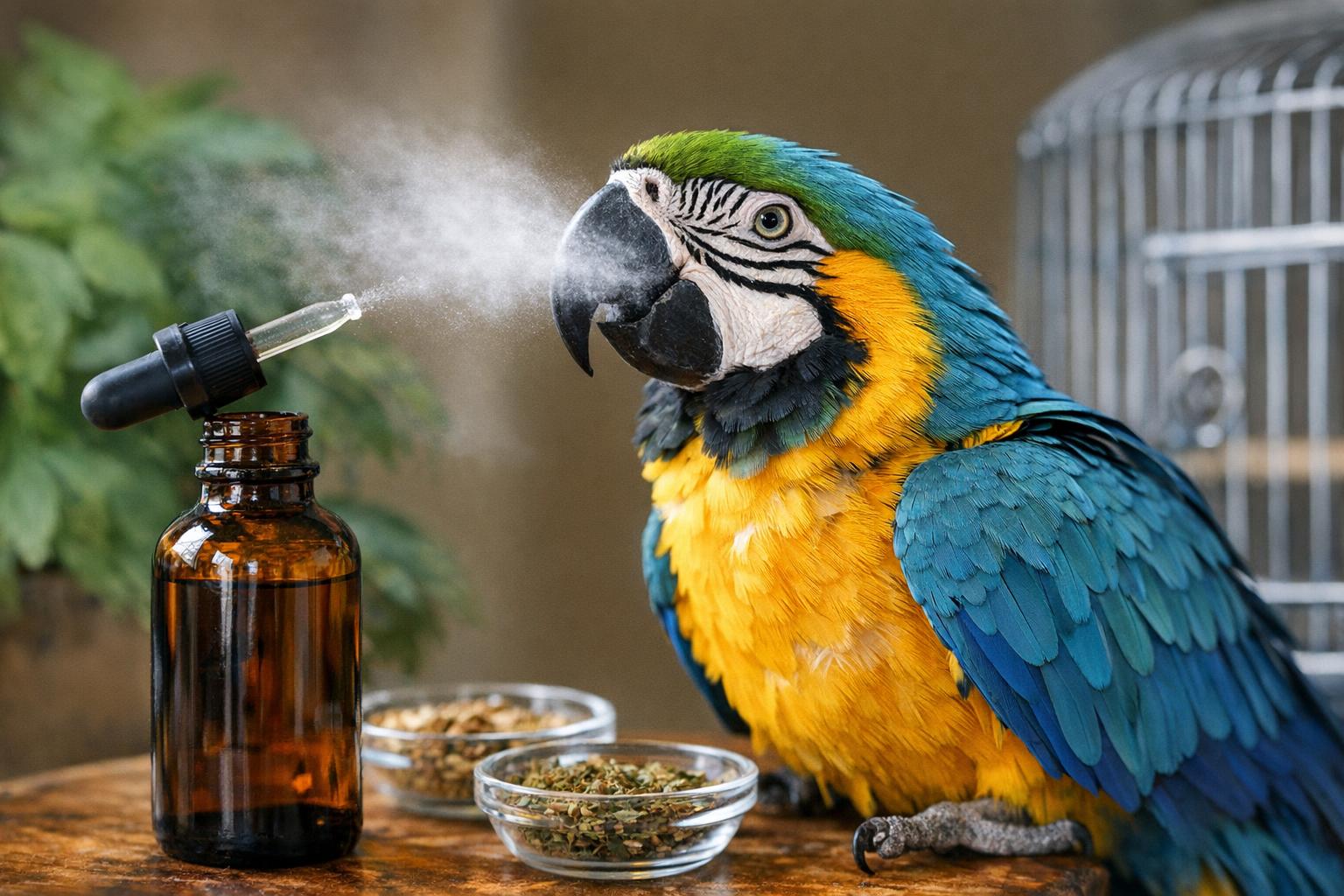
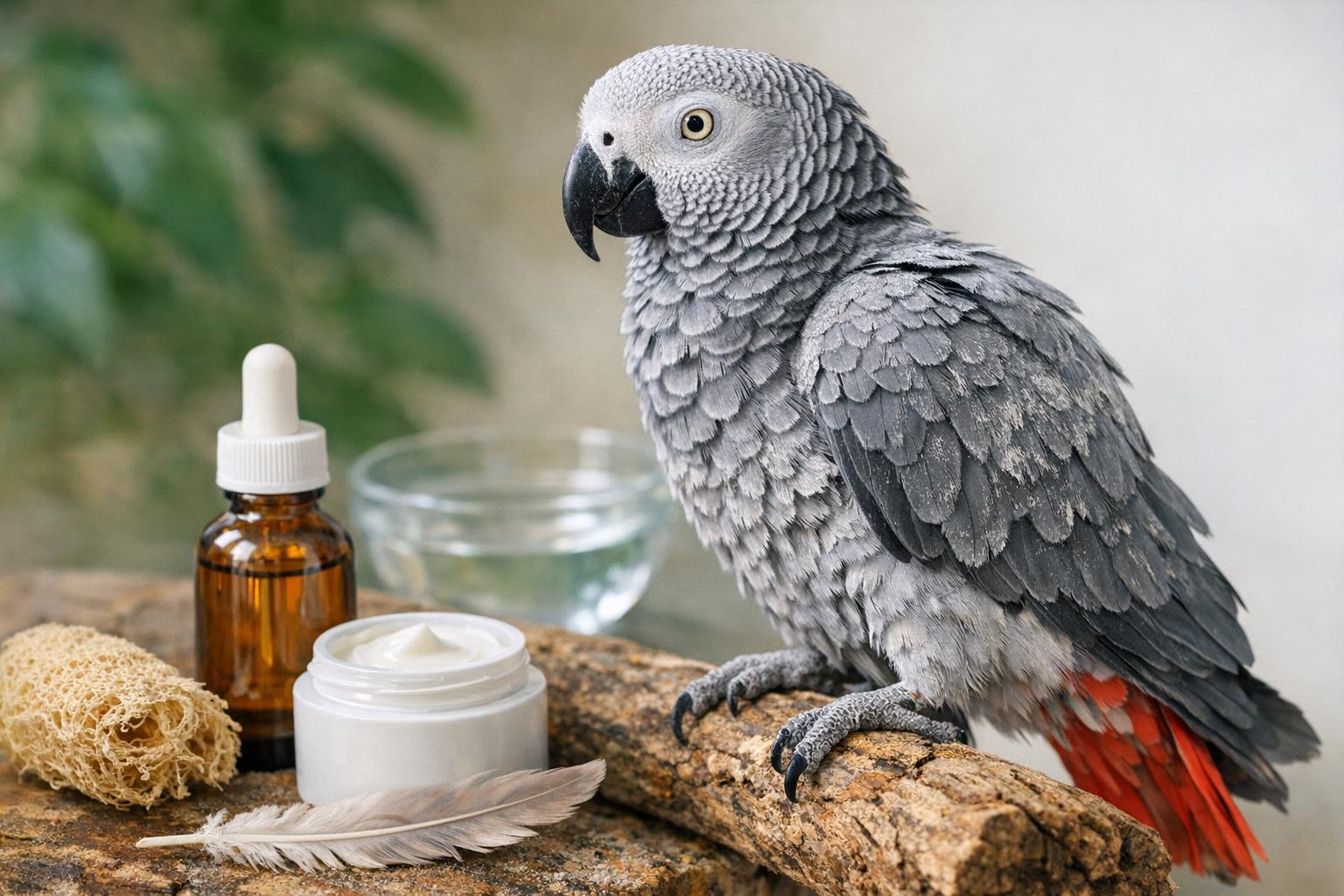
## Remedy 2: DIY Conditioning Spray For Molting Feathers
A light conditioning spray can help keep pin feathers clean and reduce brittleness. This is for external use only and must be applied gently.
#### Ingredients Or Required Materials
– Distilled water (1 cup)
– Aloe vera juice (1 tablespoon, pure)
– A few drops of food-grade vegetable glycerin (1/2 teaspoon)
– Chamomile or calendula infusion (cooled, 2 tablespoons)
– Fine mist spray bottle (clean and labeled)
### Why This Helps
Aloe vera provides gentle moisturization; glycerin retains moisture without leaving an oily residue that can mat feathers. Chamomile/calendula are soothing and mild anti-inflammatory agents. The solution should support feather flexibility and maintain a clean microenvironment around growing feathers.
### Step-By-Step Creation And Application
1. Prepare The Infusion: Steep 1 teaspoon chamomile or calendula flowers in 1/2 cup boiling water for 10 minutes, then cool and strain.
2. Mix Ingredients: In a clean container, combine distilled water, the cooled infusion, aloe vera juice, and glycerin. Stir gently.
3. Bottle And Label: Pour into a fine mist spray bottle. Refrigerate if using fresh infusion; otherwise store in a cool dark place and use within 7–10 days.
4. Test A Small Area: On a calm captive bird, test a tiny spray on a feather patch and observe for 24 hours for irritation. For wild birds, only use if you are handling a rescued or temporarily contained individual—do not spray free wild birds.
5. Application Technique: Lightly mist from 8–10 inches away once every 2–3 days during peak molting. Avoid soaking feathers or the bird’s vent area. Allow the bird to preen naturally; do not attempt to manually align feathers.
This remedy should be applied conservatively. Over-wetting feathers can interfere with thermoregulation and should be avoided.
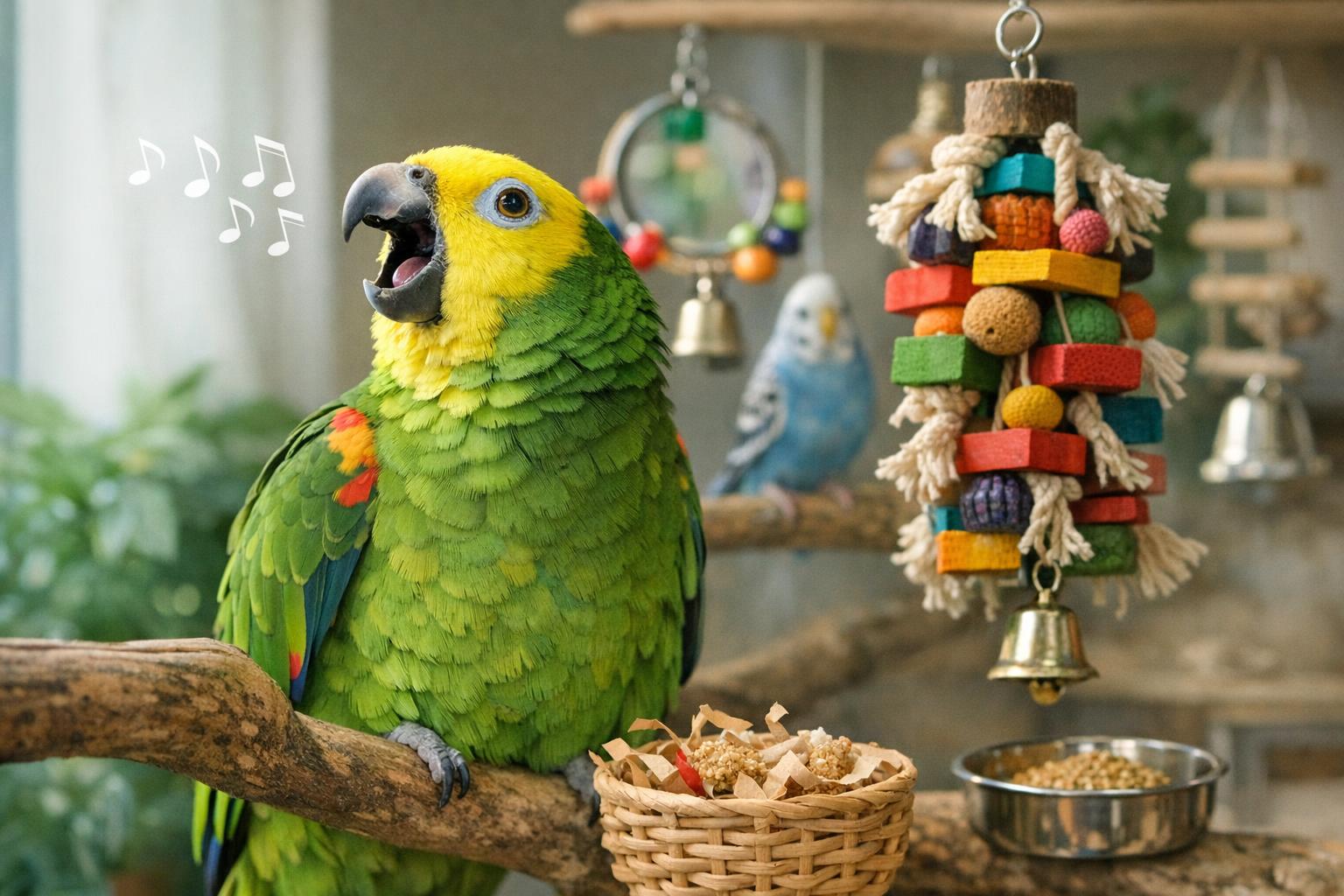
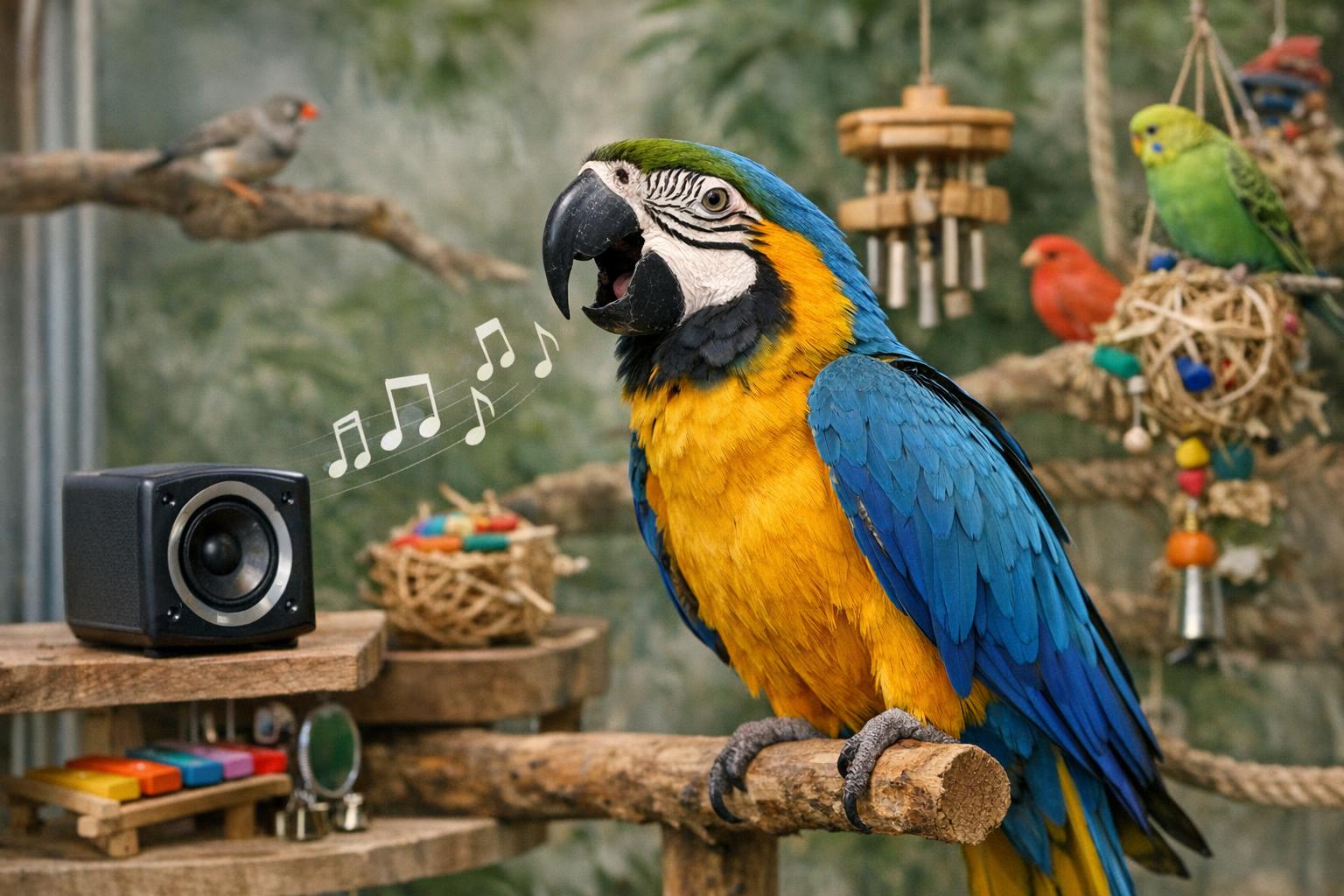
## Remedy 3: Habitat Enhancements To Reduce Stress During Molting
Stress management is crucial—birds in a calm environment invest more energy in feather growth. This remedy covers practical habitat tweaks.
#### Materials Or Required Items
– Quiet sheltered spots or roost boxes
– Soft natural perches (non-toxic wood)
– A shallow dust bath area with sand or fine soil (for wild or aviary use)
– Fresh water source for drinking and preening
– Live plants or leafy cover for privacy
### Why This Helps
Less stress equals better nutrient allocation for feather production. Perches of varying diameters reduce foot strain, dust baths help remove excess oil and parasites, and cover reduces predator stress for wild birds.
### Step-By-Step Creation And Application
1. Provide Shelter: Install a small roost box or create leafy shelter near feeding areas. Ensure it’s predator-proof and well-ventilated.
2. Offer Proper Perching: Add branches of different diameters to support natural foot health. Avoid abrasive or treated wood.
3. Set Up A Dust Bath: Fill a shallow tray with equal parts fine sand and diatomaceous earth (food-grade for aviaries; use plain sand for wild setups). Replace weekly or when soiled.
4. Maintain Clean Water: Refresh daily and position away from heavy foot traffic. Consider a shallow bathing dish for preening assistance.
5. Reduce Disturbances: Limit loud noise, avoid frequent handling of captive birds during molting, and keep pets away from outdoor feeding spots.
These changes create a low-stress microhabitat that supports physiological processes like feather regeneration.
## Observations And Record Keeping
Keep a simple log noting dates when molting signs began, changes in diet, and any remedies applied. Photographing progress every week helps evaluate whether interventions are beneficial or if professional care is necessary.
## When To See A Vet
If you observe persistent feather loss without pin feather development, heavy parasite loads, bleeding or infected feather follicles, severe lethargy, or sudden weight loss, seek an avian veterinarian. Diagnostic tests (skin scrapings, blood work) may be required to determine underlying causes beyond normal goldfinch molting, such as nutritional deficiency, bacterial or fungal infection, or systemic disease.
Stay calm and curious—supporting a molting goldfinch is mostly about good food, gentle care, and the right environment. If you need a printable checklist or a shopping list for the remedies above, I can put one together.






Leave a Reply