
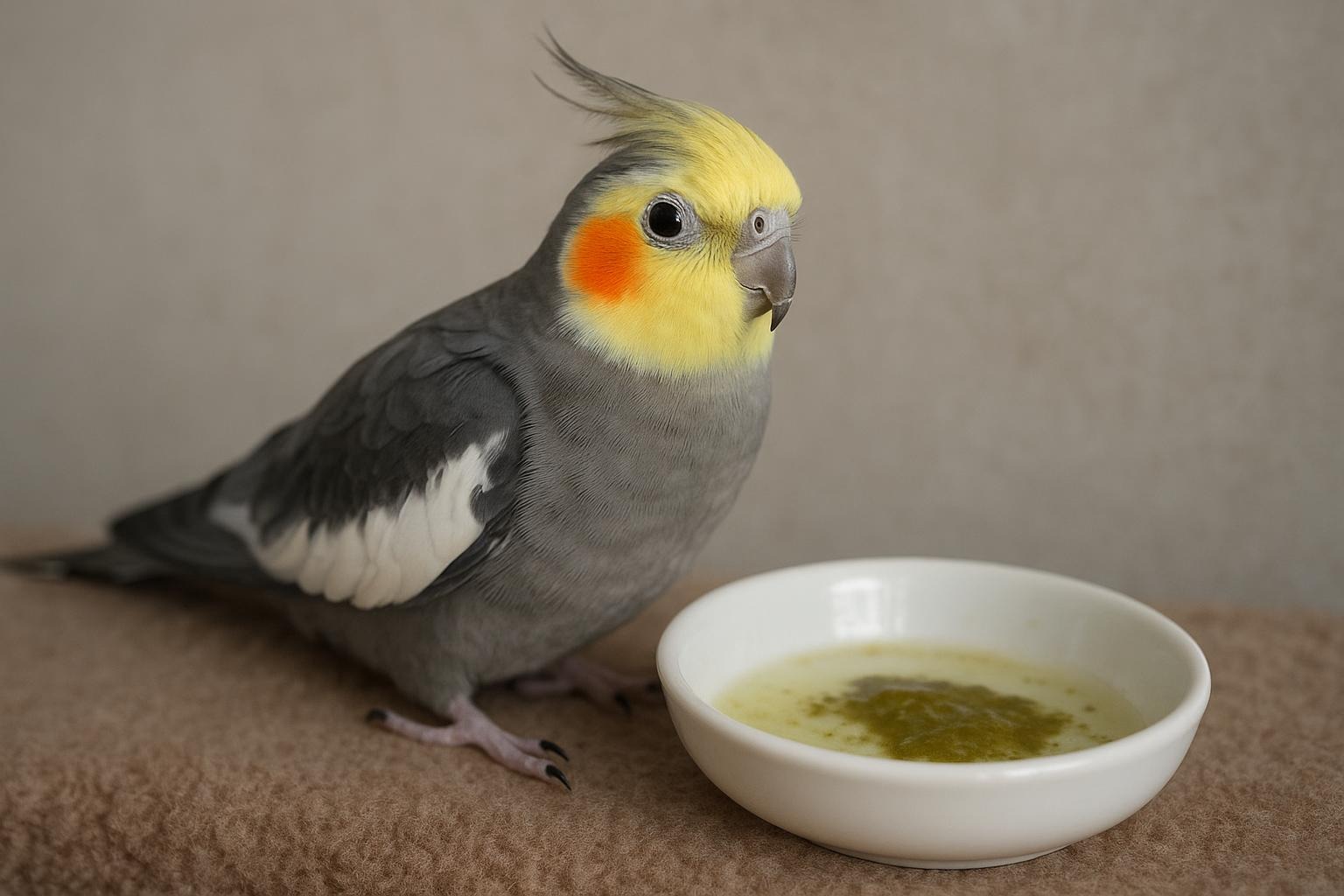
Most cockatiel owners freak out a little when they see runnier droppings — and for good reason. A healthy cockatiel’s stool has three parts: the dark fecal portion, the white urate, and a clear liquid urine. When the dark portion becomes dilute or the whole dropping looks thin and gloppy, you’re likely dealing with digestive upset. Let’s walk through what that might mean, what you can safely try at home, and when to get professional help — with a little levity to balance the stress. After all, birds don’t come with instruction manuals, just lots of personality and an opinion about your choice of music.
## Understanding Cockatiel Poop Watery: What It Means
Normal droppings are fairly well formed; watery changes indicate more liquid passing through the gut. If you notice cockatiel poop watery, consider recent changes: diet swaps, stressors (new cage, new people, loud noises), or exposure to spoiled food or toxins. Sometimes it’s a mild, self-limiting upset. Other times it points to infections (bacterial, viral, or parasitic), fungal issues, liver or kidney problems, or crop and intestinal disorders.
### Normal Droppings Vs Watery Droppings
A quick checklist to compare:
– Color: Normal feces vary with diet; sudden color shifts paired with liquidity are suspicious.
– Consistency: Watery droppings are thinned or runny; true diarrhea in birds is frequent watery feces with decreased fecal mass.
– Frequency: More frequent droppings, especially with weakness or fluffing, is concerning.
– Behavior: If your bird is eating, drinking, active, and perching normally, the issue might be mild. Lethargy, fluffed posture, or decreased appetite means see the vet.
#### When Minor Upsets Happen
Young birds, recent diet changes (new fruits, high-moisture greens), or brief anxiety can cause a single episode of loose droppings. If it’s a one-off and your cockatiel seems fine, monitor closely for 24 hours.
## 1. Rehydration And Electrolyte Support
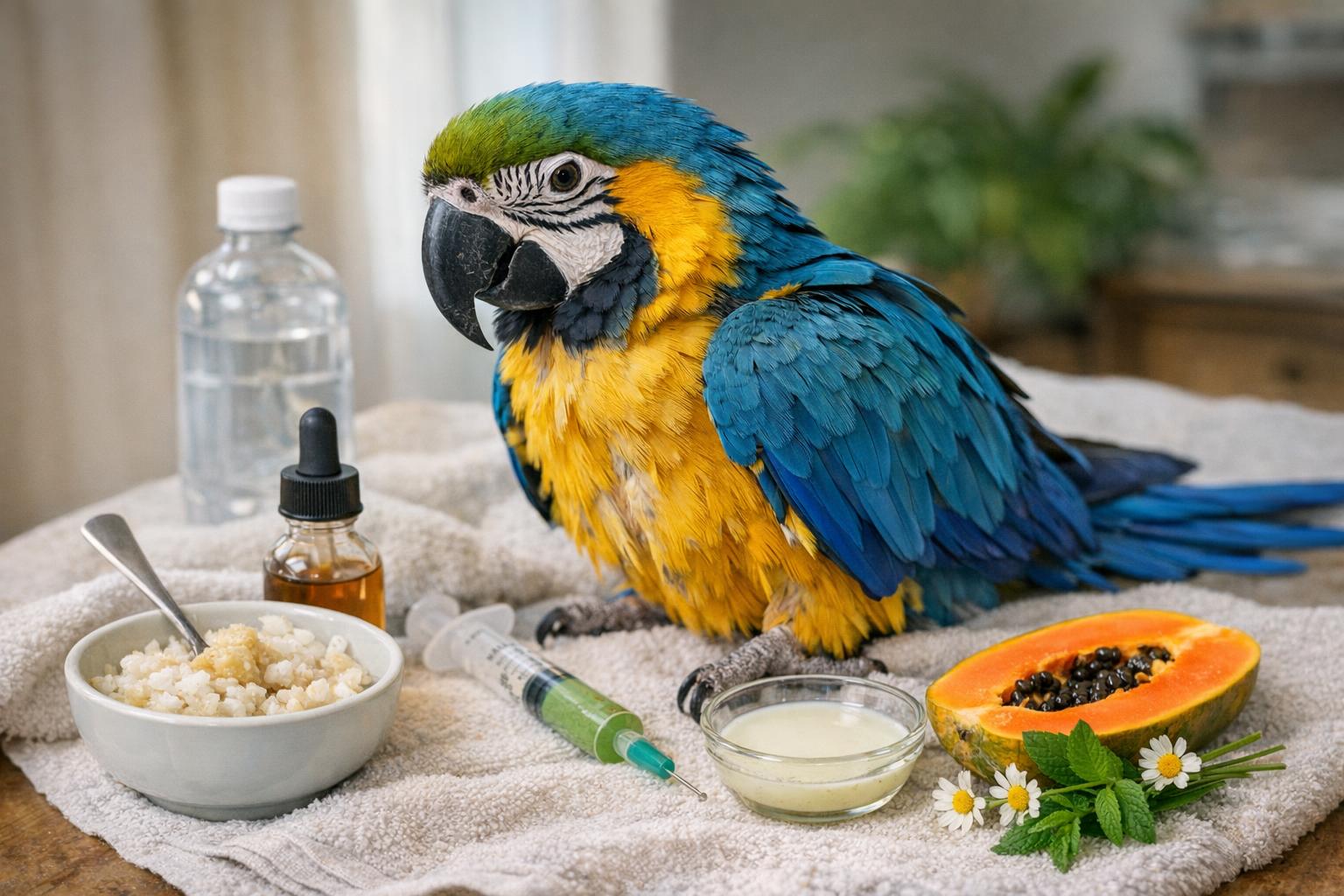
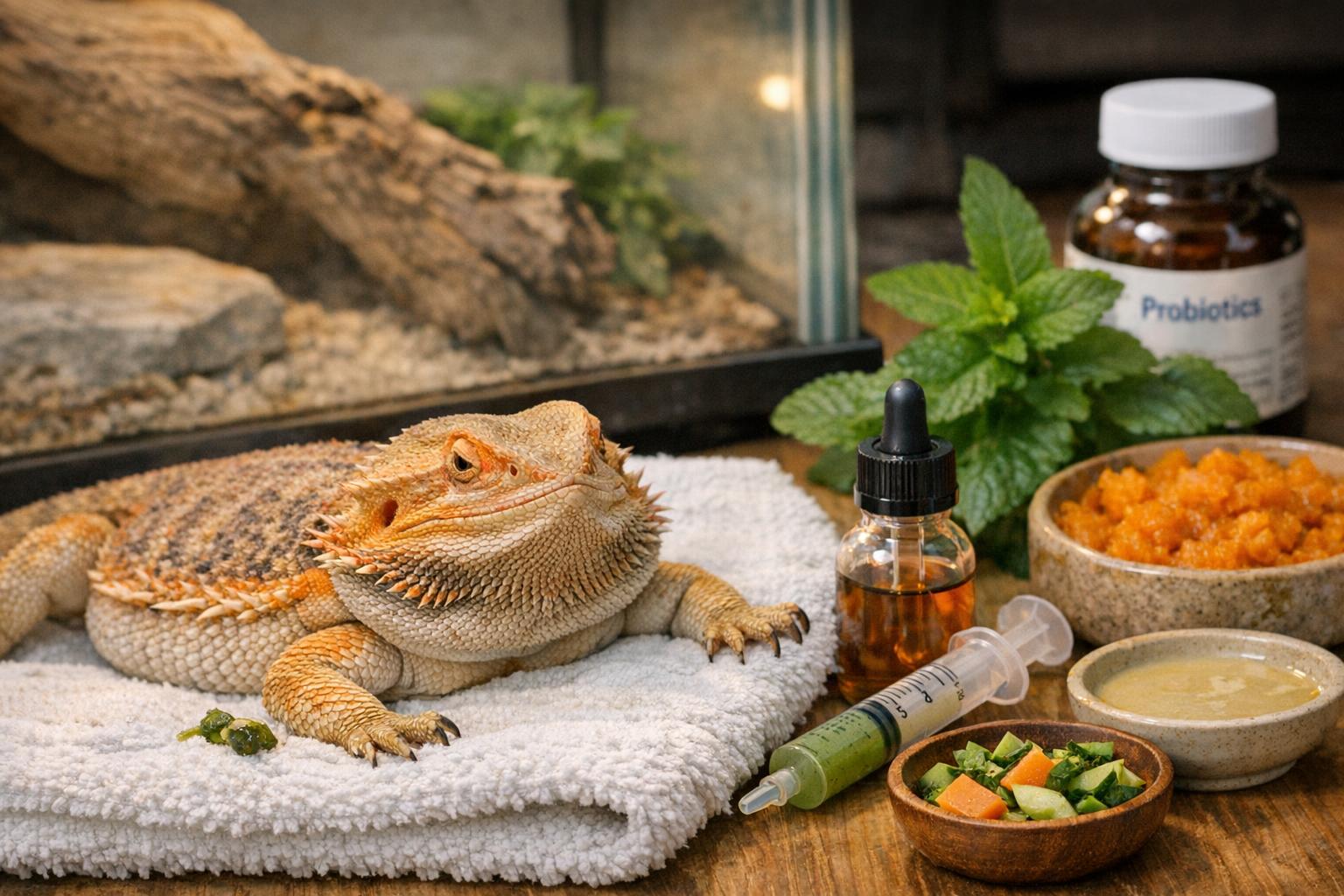
If cockatiel poop watery is causing your bird to lose fluid, rehydration is the first priority. This remedy focuses on restoring fluids and electrolytes safely.
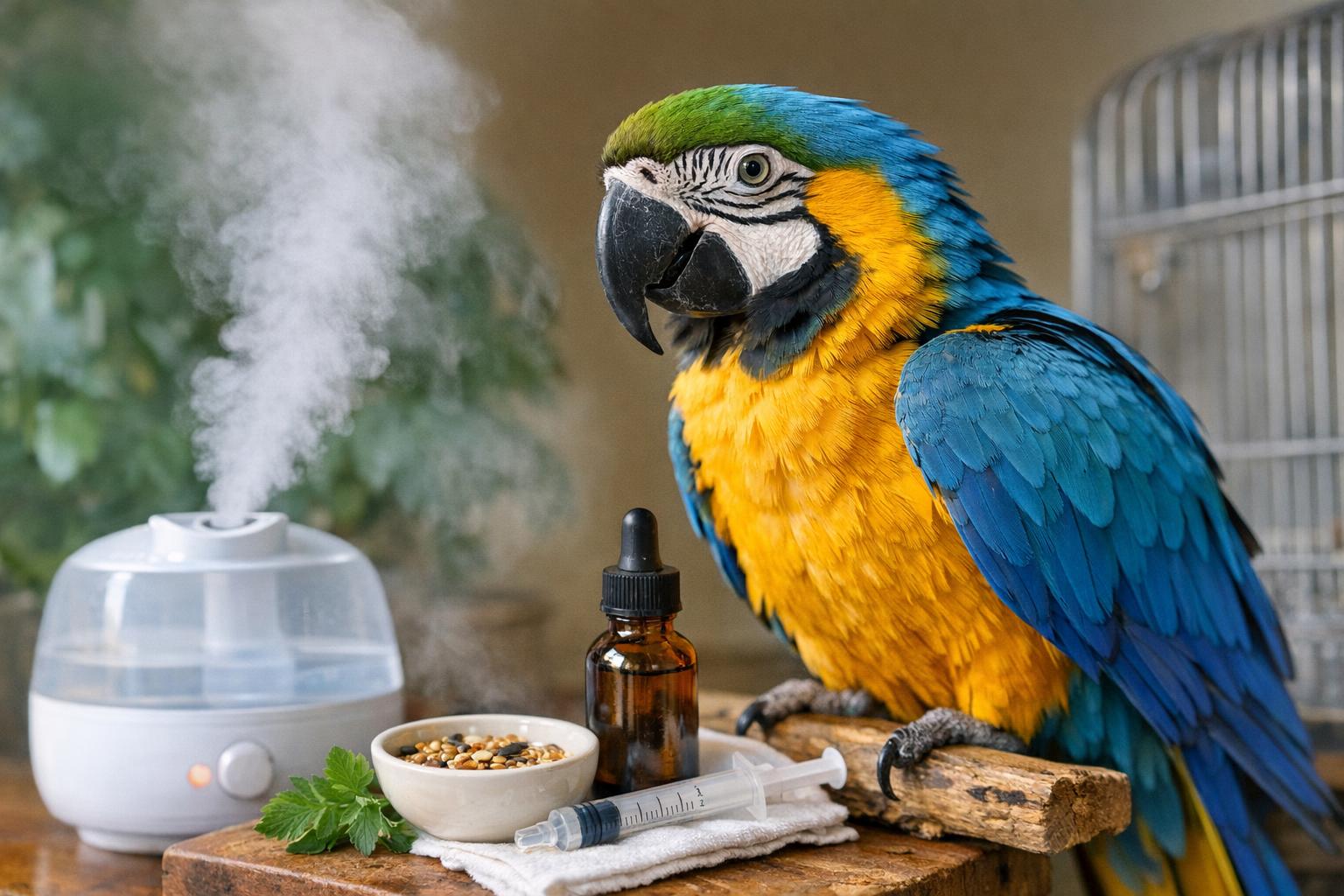
Ingredients / Materials:
– Clean, fresh water
– Veterinary avian electrolyte solution (preferred) OR homemade oral rehydration mix (see steps)
– Small syringe (1–3 mL) or dropper (for syringe feeding if needed)
– Shallow water dish and bird-safe water bottle
Creation And Application (formal steps):
1. Provide fresh, clean water immediately and change it at least twice daily. Ensure the water dish is shallow and accessible.
2. If you have a commercial avian electrolyte solution, offer it diluted per label instructions. Do not force fluids unless the bird is weak.
3. Homemade mix (only if veterinary product unavailable): dissolve 1 teaspoon sugar and 1/8 teaspoon salt in 1 cup (240 mL) of boiled, cooled water. This is a short-term option — not a substitute for a veterinary electrolyte formula.
4. Encourage drinking by placing the solution in a favored dish and near the perch. You can lightly mist the bird’s beak with the solution to prompt interest.
5. If the bird is weak or not drinking, administer fluids via syringe: seat the cockatiel securely, place the syringe at the side of the beak, and deliver 0.5–1 mL slowly, allowing swallowing pauses. Repeat small doses every 10–15 minutes as tolerated.
6. Monitor hydration by checking skin elasticity (gently lift small nape skin; it should return quickly). Seek veterinary care if dehydration is moderate to severe.
## 2. Gentle Dietary Adjustment And Short Fast
Altering the diet briefly can reduce intestinal load and help the gut settle.
Ingredients / Materials:
– Soft plain cooked rice or plain cooked oats (cooled)
– Boiled, mashed pumpkin or sweet potato (no seasoning)
– Fresh, clean water
– Measuring spoons and clean bowls
Creation And Application (formal steps):
1. Remove all seeds and high-fat treats for 12–24 hours. Do not withhold water.
2. Offer small amounts of bland, easily digestible food: 1–2 teaspoons of plain cooked rice or oats, or mashed pumpkin/sweet potato. These are binding and low-residue.
3. Feed small, frequent portions (every 2–3 hours when awake) to avoid overloading the gut. Observe droppings for improvement.
4. After 24 hours, gradually reintroduce normal foods: steamed greens, soaked pellets, then seeds if appropriate. Restore a balanced diet — pellets should be the mainstay.
5. Avoid giving yogurt, milk, bread, or human snacks. These can worsen diarrhea.
## 3. Probiotics And Fermented Foods
Restoring healthy gut flora can shorten the course of digestive upset, especially after dietary changes or mild antibiotic-related issues.
Ingredients / Materials:
– Avian-specific probiotic powder or a veterinary-recommended probiotic paste
– Small spoon or measuring scoop
– Optional: small amount of unsalted fermented foods (like a splash of unflavored kefir or a pea-sized bit of plain yogurt) after vet approval
Creation And Application (formal steps):
1. Use only avian-formulated probiotics where possible. Read label for dosage by weight and species.
2. Administer per product instructions, usually daily for 5–14 days. If using paste, apply a small dab to a treat or directly to the beak with a clean utensil.
3. If you’re considering kefir or yogurt, get veterinary approval. A small introduction (pea-sized) once daily may help, but adult cockatiels often do better with species-specific formulas.
4. Record responses. If droppings improve within 48–72 hours, continue probiotic for the recommended course. If no improvement or worsening occurs, stop and consult your vet.
### Using Probiotics Safely
Avoid human probiotic strains without vet guidance; some are fine, some aren’t. Probiotics are adjuncts, not replacements for vet care if the bird is systemically ill.
## 4. Environmental And Hygiene Fixes
Cleanliness and comfort reduce bacterial load and stress, both of which influence digestive health.
Materials:
– Cage liners (paper or washable tray liners)
– Mild disinfectant safe for birds (diluted bleach solution: 1 part bleach to 10 parts water, used off-site and rinsed thoroughly) or avian-safe cleaner
– Fresh perches and a designated clean feeding area
Steps:
1. Remove soiled cage liners daily. Wash bowls and perches with hot, soapy water and rinse thoroughly.
2. Deep-clean cage weekly: remove bird, clean all surfaces, scrub perches, toys, and accessories. Rinse and dry completely before returning the cockatiel.
3. Replace any moldy or old food immediately. Rinse fresh produce and remove uneaten fresh food after a few hours.
4. Keep the cage away from drafts, cooking fumes, aerosols, and Teflon-coated cookware fumes, which can cause sudden illness.
## When To Call A Vet
If cockatiel poop watery persists beyond 24–48 hours, or if your bird shows any of the following, contact an avian vet immediately:
– Lethargy, fluffed posture, or refusal to perch
– Loss of appetite or weight loss
– Green droppings with mucus or blood
– Vomiting, regurgitation, or crop abnormalities (swelling, delayed emptying)
– Excessive thirst or signs of dehydration
### Red Flags You Can’t Ignore
Severe weakness, trembling, breathing difficulties, or rapid changes in droppings should be treated as emergencies. Birds can deteriorate quickly; when in doubt, veterinary assessment is safer than waiting.
#### Monitoring Frequency And Records
Keep a simple log: date, time, short note on consistency and color, and any recent diet/environment changes. Photos are very helpful for vets. Use this record to spot trends and provide clear history at your appointment.
A watery stool episode is often fixable with careful home care: hydration, a temporary diet change, probiotics, and improved hygiene. But because birds mask illness, stay proactive. If home measures don’t show steady improvement in 24–48 hours, or if your cockatiel shows systemic signs, get veterinary help promptly — and maybe remind your bird that the vet is technically a friend with treats.

Leave a Reply