

## Bird Throwing Up: Causes And Quick Checks
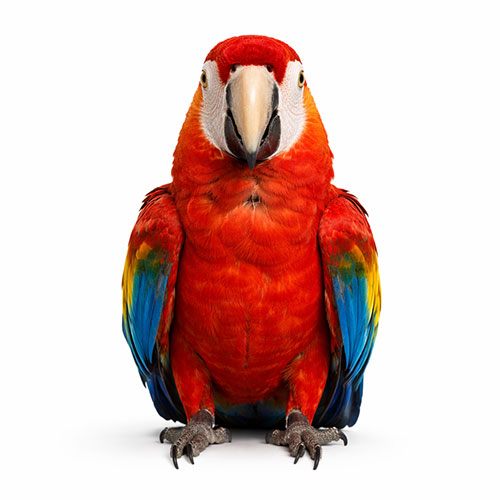
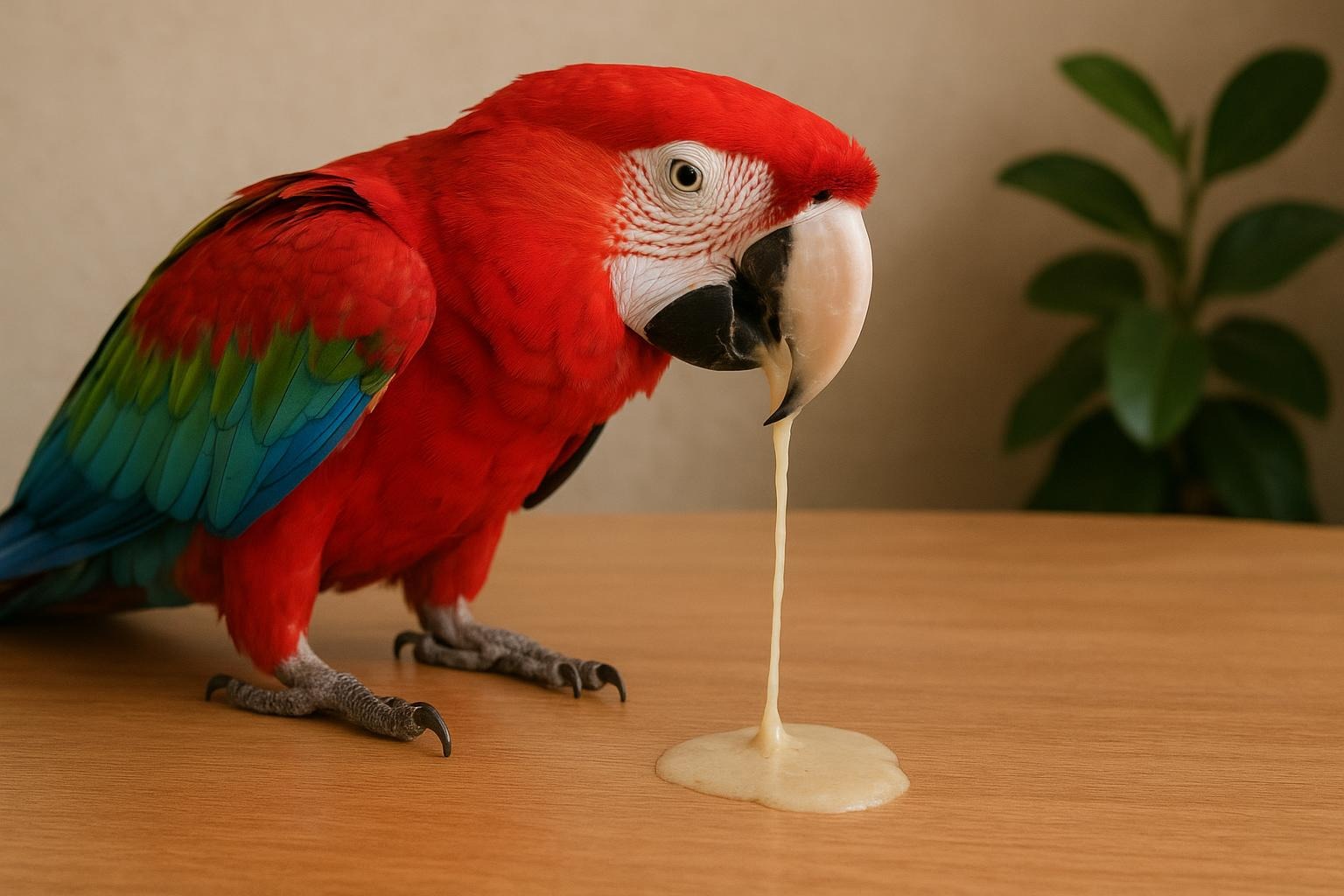
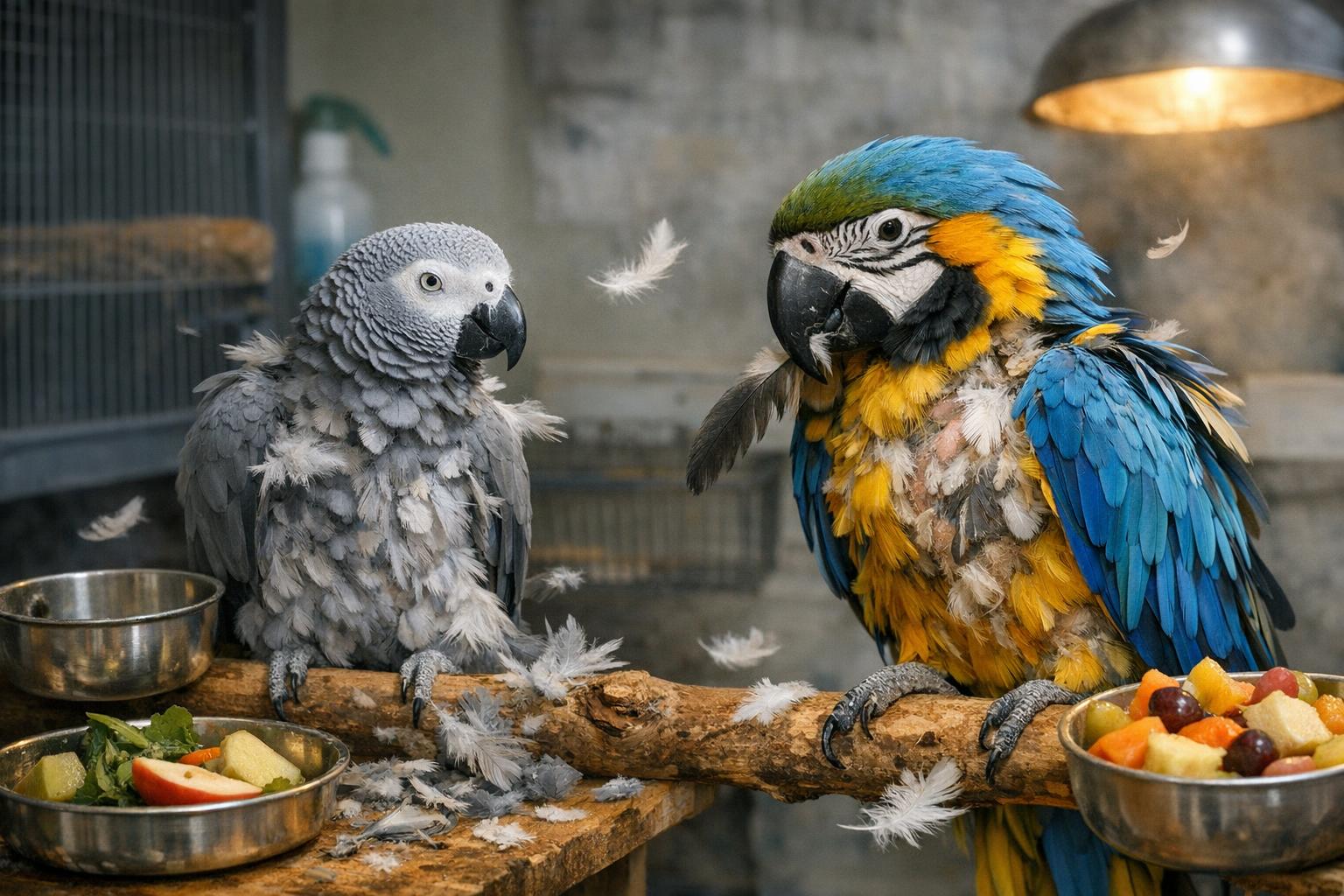
If you’ve ever found a soggy mess near the cage and wondered whether your parrot or finch is auditioning for a dramatic performance, you’re not alone. A bird throwing up can be alarming, but it’s important to know what “vomiting” really means in avian terms and when it’s simply regurgitation (a normal, affectionate or digestive behavior) versus true vomiting (often a sign of illness).
### How Regurgitation Differs From Vomiting
Regurgitation is usually deliberate and looks like the bird is offering softened food—common during bonding or feeding chicks. Vomiting, on the other hand, is often abrupt, messy, may contain bile or blood, and the bird may show other signs like lethargy, ruffled feathers, or loss of appetite. If you see frequent episodes of a bird throwing up, note the context and appearance of the material.
### Common Causes When A Bird Is Throwing Up
– Bacterial, viral, or fungal infections
– Toxins from household cleaners, plants, or contaminated food
– Sudden diet changes or spoiled food
– Air sac or crop infections
– Heavy metal toxicity (lead, zinc)
– Stress, heat stroke, or systemic illness
– Parasites or gastrointestinal obstruction
If the episode is isolated and the bird otherwise acts normal, you can try a careful home approach. But repeated vomiting or any signs of distress require prompt veterinary care—birds hide illness, and what looks minor can escalate quickly.
## Signs To Watch Beyond The Obvious
### Physical And Behavioral Red Flags
– Weakness, collapse, or inability to perch
– Droppings that are watery, discolored, or full of undigested food
– Weight loss or fluffed feathers for extended periods
– Difficulty breathing or open-mouth breathing
– Blood in vomit or droppings
If you notice any of these with a bird throwing up, contact an avian vet immediately. Time can be critical.
## 1. Remedy: Rehydration And Electrolyte Support
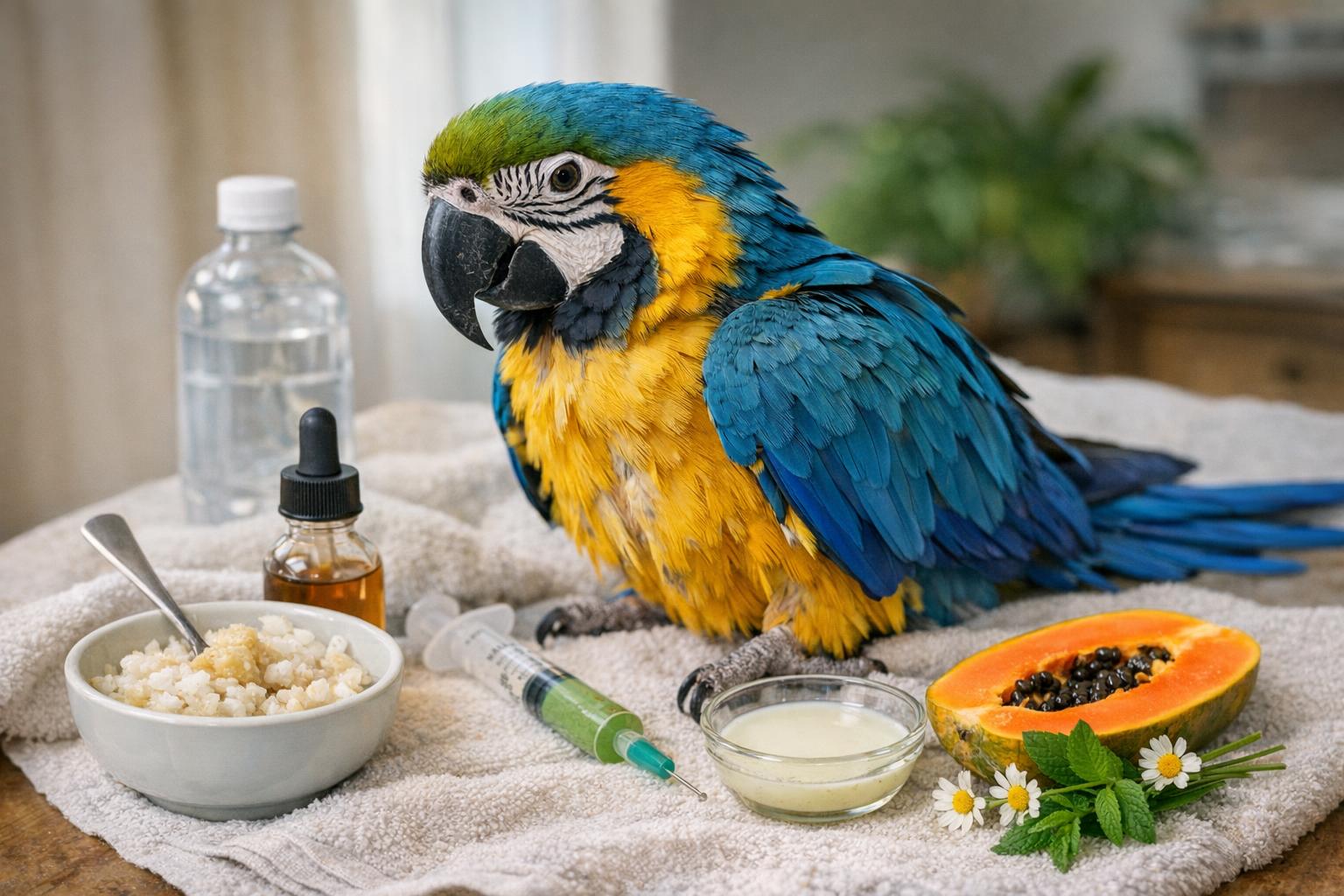
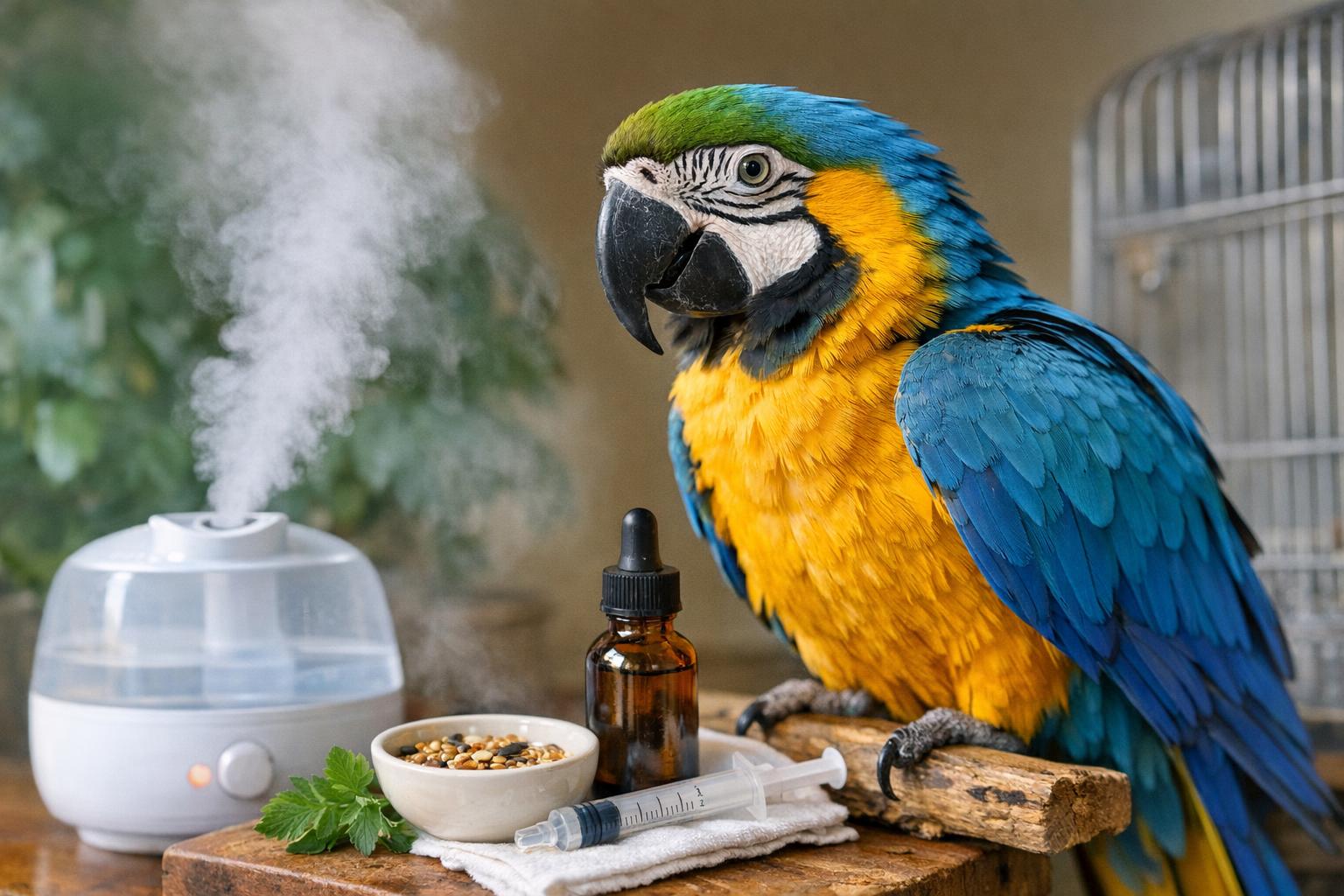
When a bird has vomited, dehydration is the biggest immediate concern. Rehydration is the first, safe step you can take at home.
#### Ingredients / Materials
– Unflavored pediatric electrolyte solution (e.g., Pedialyte)
– Clean syringe (1–5 mL) or dropper
– Clean water
– A quiet, warm area for the bird
#### Step-By-Step Creation And Application
1. Dilute the pediatric electrolyte solution with equal parts clean water (50:50). Birds are small and can be sensitive to concentrated solutions.
2. Warm the mixture to around room temperature or slightly warm; cold fluids can stress the bird.
3. Gently restrain the bird—wrap in a soft towel if needed—keeping the head upright.
4. Use the syringe or dropper to slowly administer 0.5–2 mL per dose for small birds, and up to 5–10 mL for larger parrots. Deliver slowly at the side of the beak so the bird swallows, not aspirates.
5. Offer small amounts every 15–20 minutes for the first hour, then reassess appetite and activity.
6. Monitor droppings and behavior. If the bird cannot keep fluids down or shows breathing difficulty, stop and contact a vet.
This remedy is a stabilizing measure. It’s not a cure for underlying causes, but it helps prevent dehydration while you monitor or arrange veterinary care.
## 2. Remedy: Probiotic And Gentle Diet Support
Restoring healthy gut flora and easing digestion can reduce recurrence of vomiting in mild cases. Use this approach only if the bird is alert, not in respiratory distress, and can swallow.
#### Ingredients / Materials
– Avian-specific probiotic powder or capsules (consult product label for avian species)
– Plain cooked white rice or hand-feeding formula recommended for your species
– Clean feeding syringe or spoon
– Clean water
#### Step-By-Step Creation And Application
1. Reintroduce food slowly: if the bird accepts water and has no fever, offer a small amount of plain cooked white rice or a diluted hand-feeding formula. Avoid seeds and fatty treats initially.
2. Prepare probiotic according to manufacturer instructions for the bird’s weight and species (avian-specific products will have dosing guidelines).
3. Mix probiotic into a small portion of the food or water to ensure ingestion. If using a syringe to feed, ensure the mixture is smooth and not too thick.
4. Feed small, frequent meals—about one-fourth of the normal portion every 2–3 hours for the first day.
5. Continue probiotic administration for 5–7 days, or as advised by an avian vet.
6. Observe for improvement in stool consistency and reduced vomiting episodes.
Clinical note: Many human probiotics are not appropriate for birds; use avian-formulated options when possible. If symptoms persist, stop home treatment and seek veterinary diagnostics.
## 3. Remedy: Slippery Elm Paste For GI Soothing (Use With Caution)
Slippery elm can soothe mucous membranes and is sometimes used for mild gastrointestinal irritation. Use only in species with no known sensitivities and after vet approval.
#### Ingredients / Materials
– Slippery elm powder (USP-grade)
– Warm water
– Small bowl and spoon
– Feeding syringe or spoon
#### Step-By-Step Creation And Application
1. Mix 1/8 to 1/4 teaspoon of slippery elm powder with a few milliliters of warm water to form a thin paste. Adjust volume for very small birds—less is more.
2. Stir until smooth and let sit for a minute to thicken slightly.
3. Offer a tiny taste on the tip of the beak or administer 0.2–1 mL with a syringe for small birds; larger parrots may receive up to 2–3 mL per dose. Start with the lowest effective volume.
4. Give this paste once or twice daily for up to 3 days while monitoring for any allergic reactions or worsening symptoms.
5. Discontinue if vomiting increases, appetite declines, or any respiratory signs appear.
Do not use slippery elm if the bird has an obstructed crop or suspected foreign body. Always consult an avian vet before introducing herbal remedies.
### Environmental And Feeding Adjustments (H4 For Quick Tips)
#### Keep The Cage Clean And Calm
– Remove potential toxins like aerosols, strong cleaners, and toxic plants.
– Offer fresh, small servings of food; avoid moldy or fermented items.
– Maintain a warm, draft-free environment; hypothermia can worsen recovery.
#### Monitor Temperature And Stress
Birds are sensitive to temperature changes and stress. Keep handling to a minimum unless needed for feeding or medication.
## When To Call The Vet Immediately
### Emergency Signs That Mean No More Waiting
If your bird is repeatedly throwing up, has bloody vomit, seems disoriented, cannot stand, or develops labored breathing, this is an emergency. Also seek immediate care if you suspect poisoning or if the bird is a child-minder species (young chicks) showing any vomiting.
### Diagnostic Steps A Vet Will Take
An avian vet may run crop checks, radiographs, blood work, fecal exams, and possibly endoscopy or metal screens for toxins. Early diagnostics allow targeted treatment—antibiotics, anti-fungal meds, chelation for heavy metals, or surgery for obstructions.
## Preventive Measures To Reduce The Risk Of Vomiting
### Routine Care And Safe Feeding Practices
– Rotate and clean food/water containers daily.
– Offer a balanced diet appropriate to your species: pellets, fresh vegetables, and species-appropriate protein sources.
– Avoid giving avocado, chocolate, caffeine, alcohol, or high-salt human foods.
### Environmental Safety
Keep windows screened, non-stick pans ventilated, and houseplants checked for toxicity. Many household items and human foods are surprisingly dangerous to birds.
If you notice your bird throwing up even once, take a breath, isolate potential causes, and decide whether to use gentle home remedies or seek veterinary care. The key is careful observation and early action—birds are small but resilient, and with the right support, many mild issues resolve quickly.


Leave a Reply