
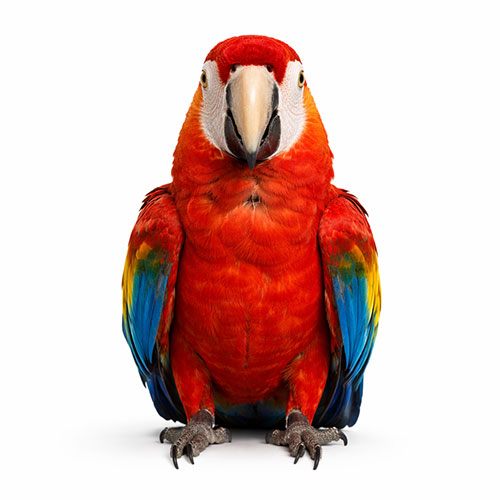

If you share your home with a cockatoo, macaw, conure, or any feathered comedian, beak care quickly becomes part of your daily routine. Psittacine beak feather disease affects more than feathers — it can change the texture, growth and strength of the beak itself — so a calm, consistent care plan is worth its weight in sunflower seeds.
## Psittacine Beak Feather Disease: Beak Care Basics
Psittacine beak feather disease is a viral condition that primarily targets growing tissues like feathers and beak keratin. For many bird owners, the beak becomes the most visible problem: brittle tips, excessive overgrowth, pits, and abnormal texture. Understanding the beak’s biology will help you choose remedies that support healthy keratin formation while reducing secondary problems like infections and mechanical trauma.
### Why The Beak Is Vulnerable
The avian beak is composed of a bone core covered by a living, continuously growing keratin sheath called the rhamphotheca. When psittacine beak feather disease interferes with normal cell production, the keratin becomes malformed. That leads to cracking, chipping, and abnormal wear patterns. Environmental irritants, poor diet, and stress make things worse, so addressing lifestyle and husbandry is as important as treating the beak.
## Recognizing Beak Problems Early
Early detection gives you more options. If your bird develops a flaky, crumbly, or oddly shaped beak, or if the beak stops wearing down normally, get a closer look. Watch for reluctance to eat hard foods, abnormal preening behavior, or increased beak-related vocalization. Keep a photo log once a month so you can spot gradual changes early rather than discovering a crisis when the beak is already overgrown or damaged.
### Signs On The Beak To Watch For
– Crumbling or pitting of the surface.
– Asymmetrical growth or overgrowth that interferes with closing.
– Splitting, bleeding, or sharp edges that can damage oral tissue.
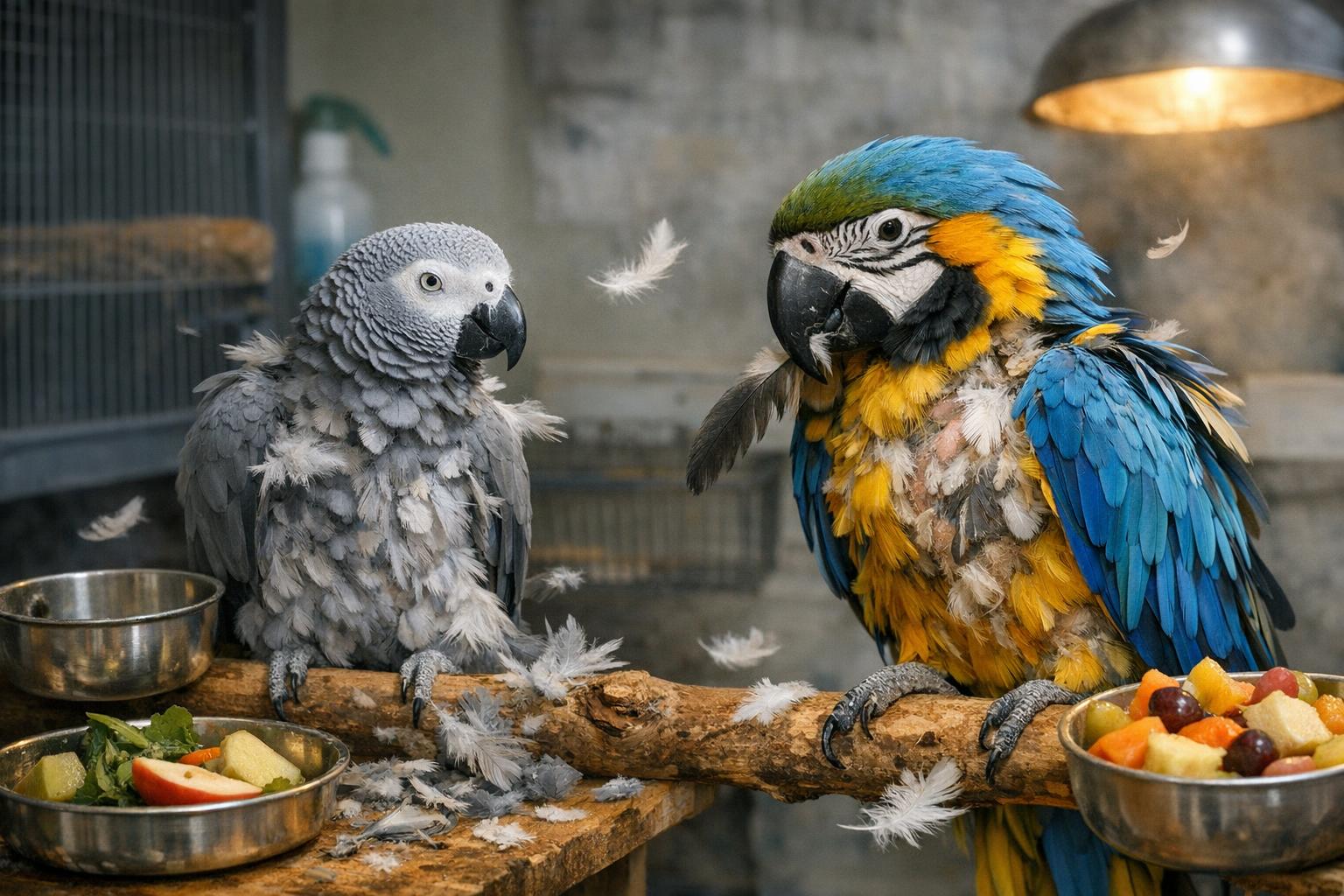
– Changes accompanied by feather abnormalities or lethargy.
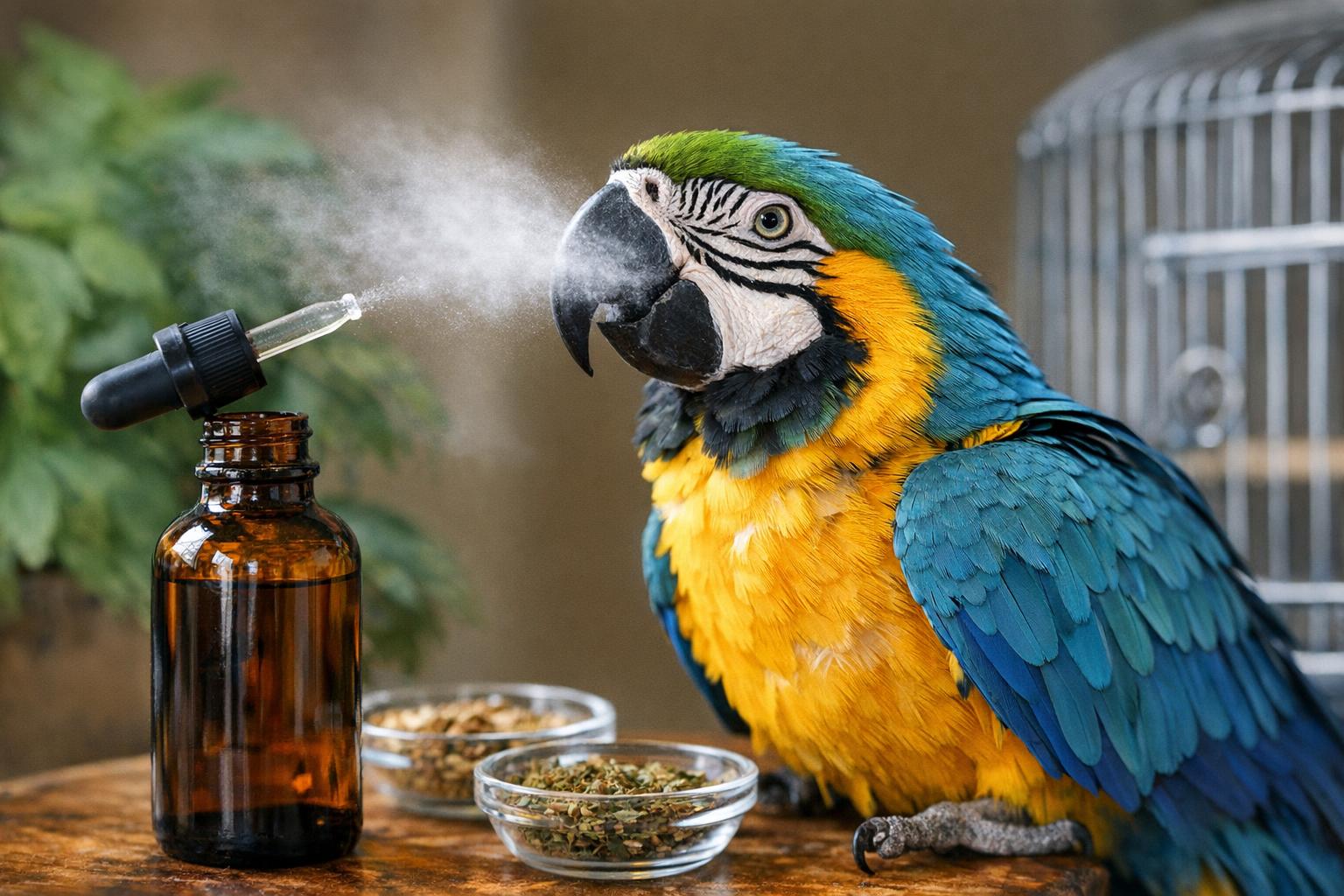
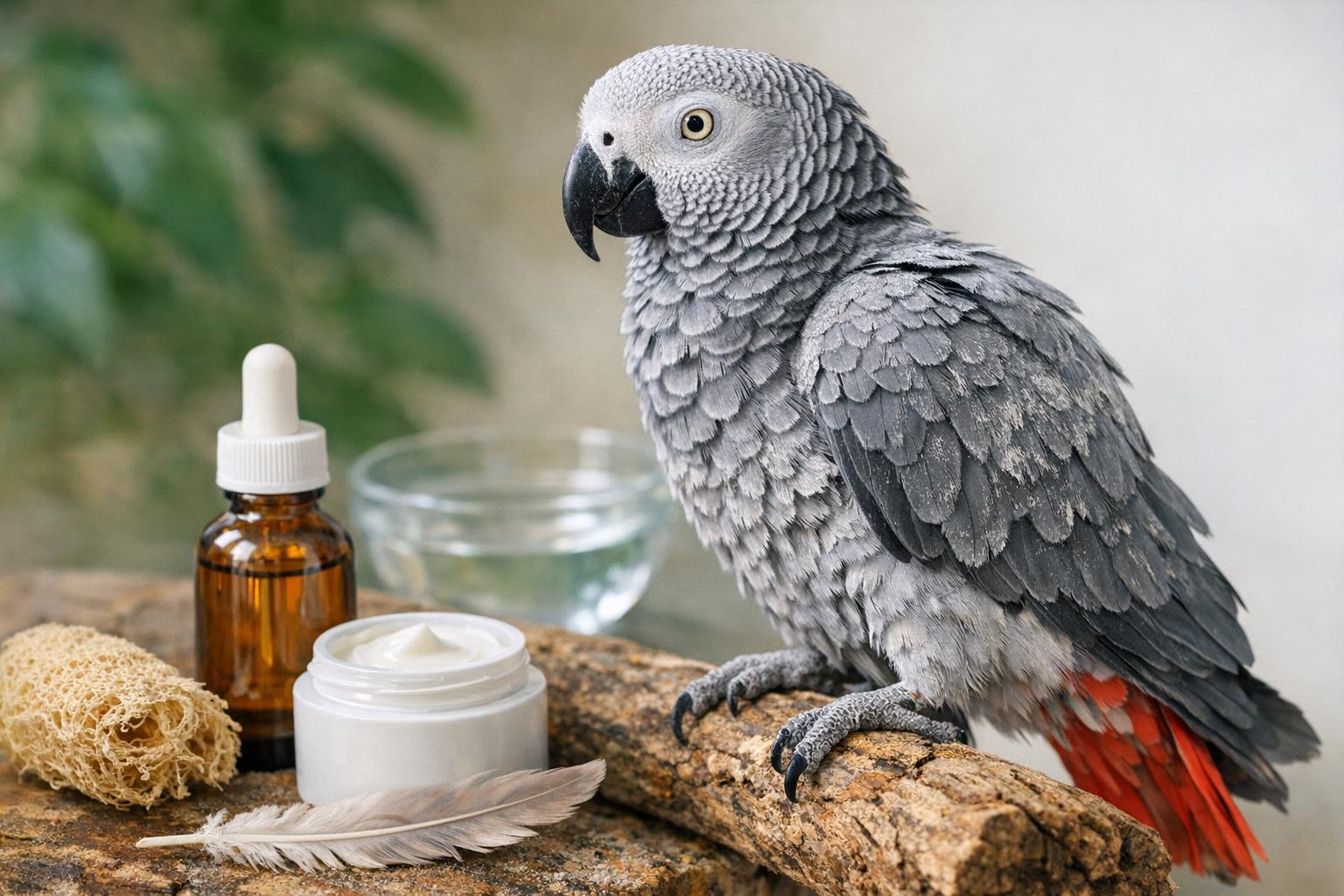
## Remedy 1: Gentle Beak Conditioning Paste
This remedy is intended to soften and protect fragile keratin while providing antimicrobial protection to minor cracks. Use it for maintenance and mild damage only. If the beak is severely misshapen or interfering with eating, contact an avian vet before attempting at-home remedies.
### Materials And Ingredients
– 1 teaspoon natural beeswax (filtered)
– 2 teaspoons fractionated coconut oil (liquid at room temperature)
– 1/2 teaspoon vitamin E oil (liquid)
– 1 drop tea tree oil (optional — antimicrobial; use sparingly)
– Small glass jar with lid
– Clean cotton swabs and disposable gloves
– Soft toothbrush or small pet toothbrush
### Preparation And Application Steps
1. Sanitize your tools and work surface. Wash hands and put on disposable gloves.
2. In a small heat-safe container, gently melt beeswax using a double boiler; avoid direct flame.
3. Remove from heat and stir in fractionated coconut oil and vitamin E oil until fully blended. Add a single drop of tea tree oil if using, and mix thoroughly.
4. Allow the mixture to cool to a warm—not hot—temperature and pour into the glass jar.
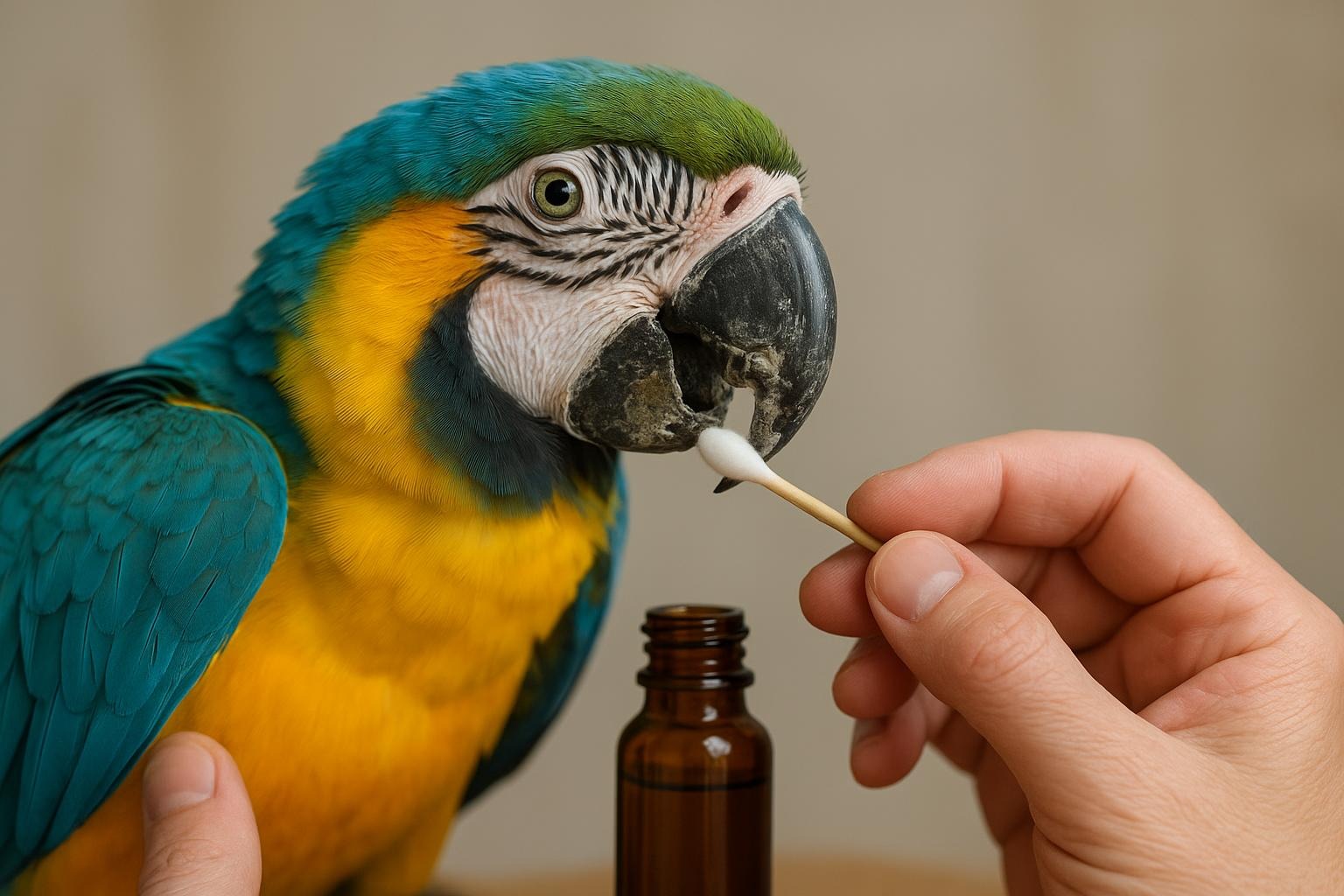
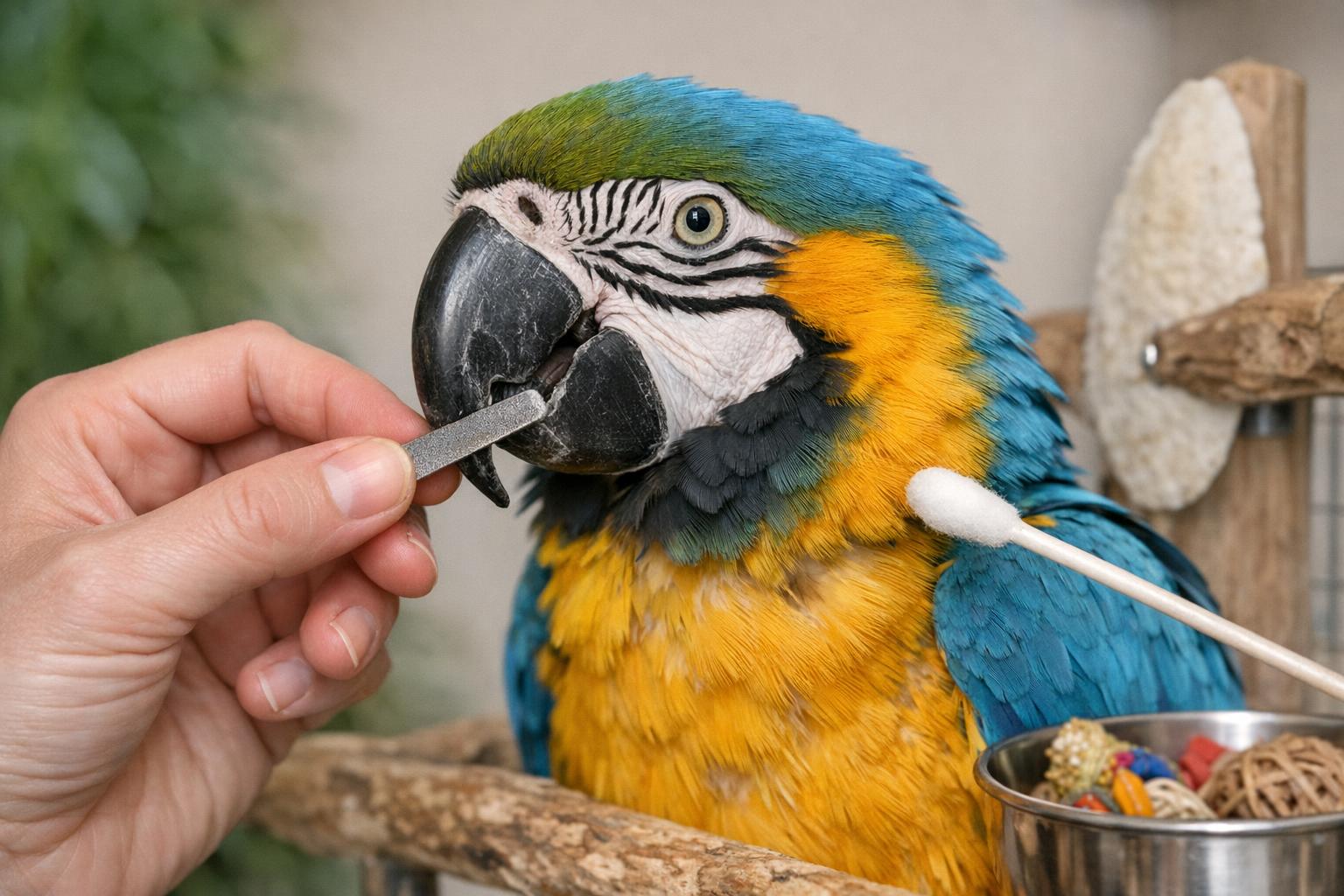
5. To apply: restrain the bird calmly with a towel if needed, or ask a helper to hold. Use a clean cotton swab to pick up a tiny amount of paste.
6. Gently rub the paste over the surface of the beak, focusing on cracked areas and the edges. Avoid the inside of the nares (nostrils) and the mouth.
7. Use a soft toothbrush to smooth thick buildup; do not use abrasive tools. Leave a thin film on the beak—this acts as a conditioning barrier.
8. Apply 2–3 times per week for maintenance. Stop if you notice irritation or increased debris; consult your veterinarian.
Be formal note: Do not use petroleum jelly, essential oil blends with multiple ingredients, or any product not labeled safe for avian use. Tea tree oil can be toxic in higher concentrations; one drop per batch is sufficient. If the bird swallows a large amount during application and becomes lethargic, seek veterinary care.
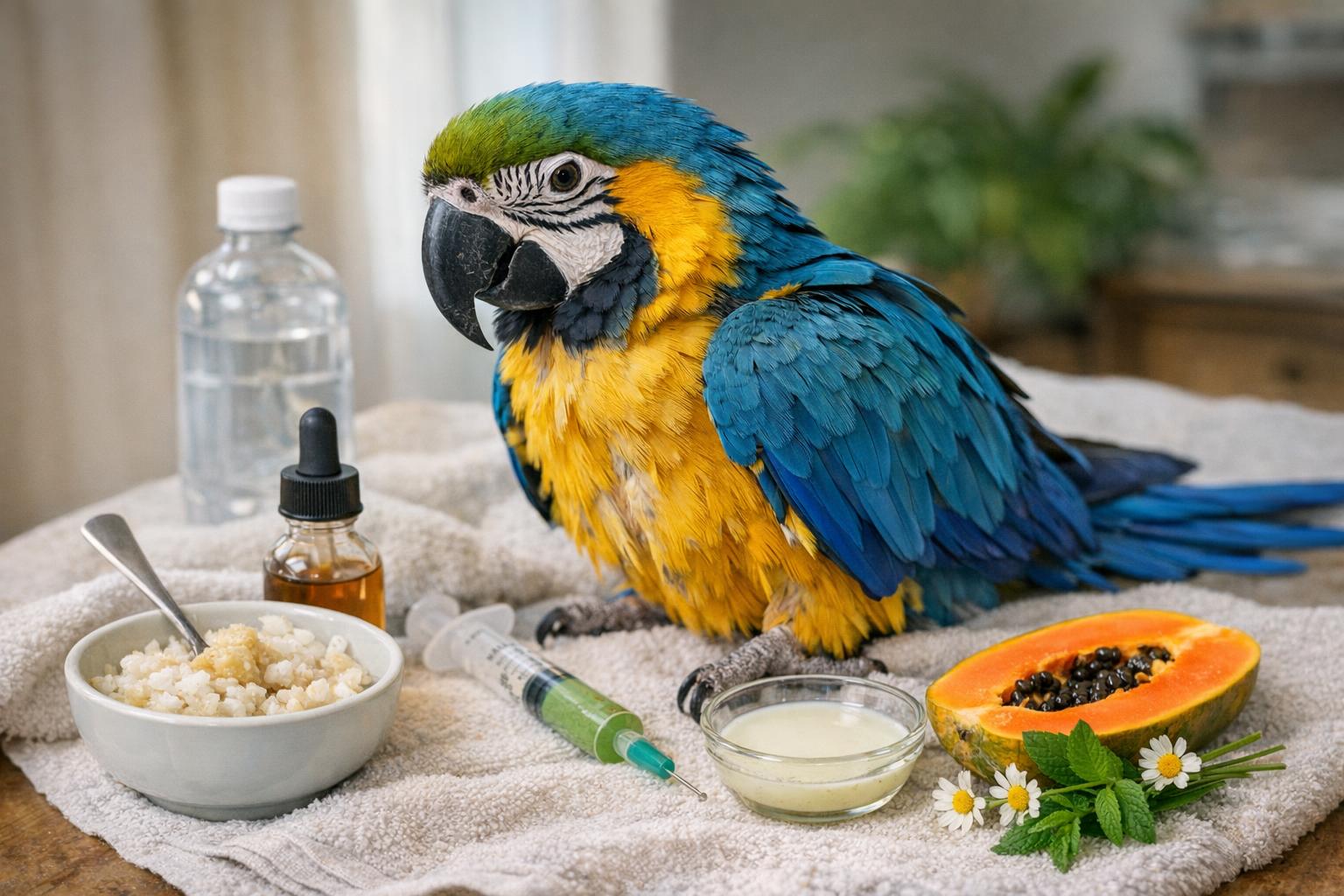
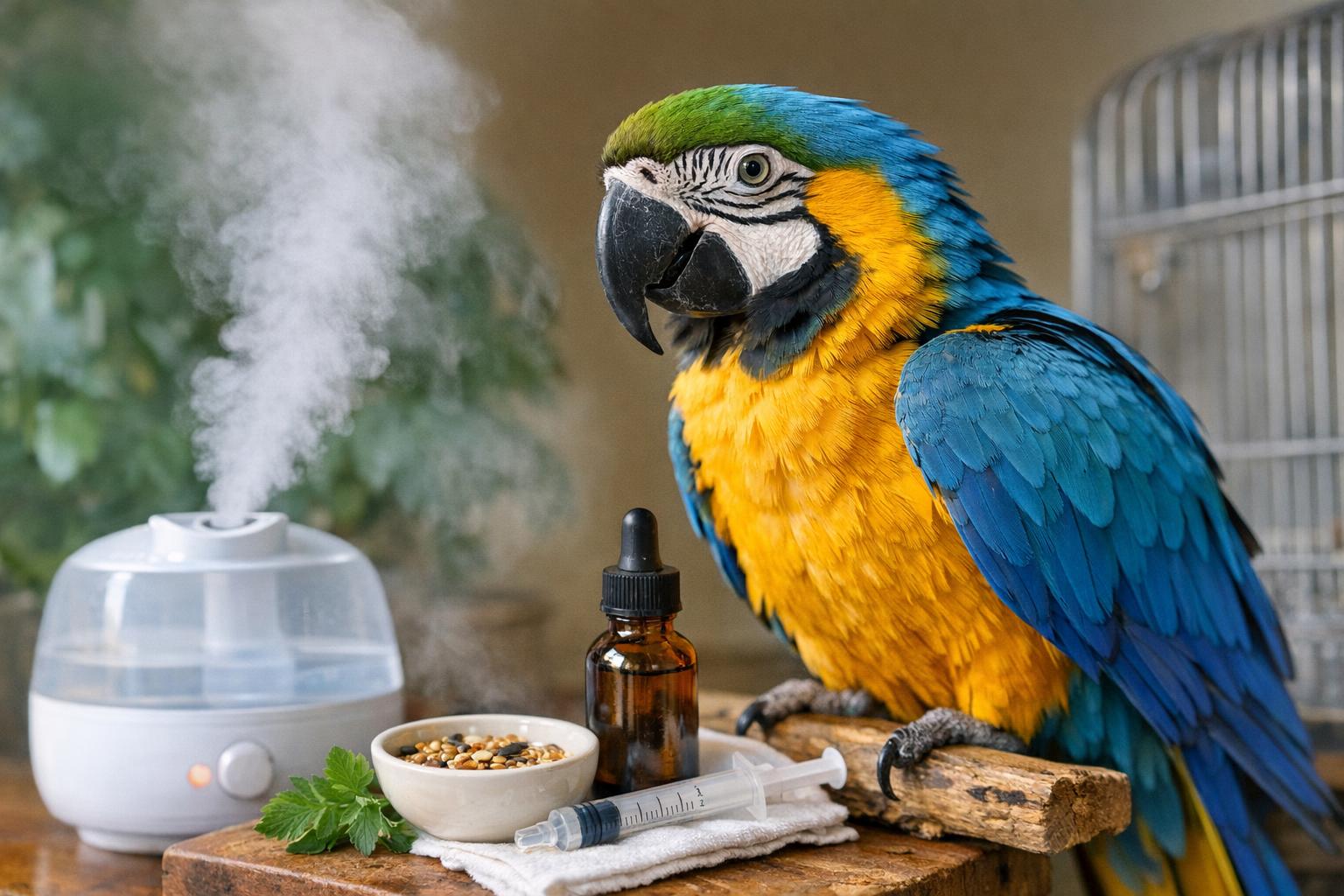
## Remedy 2: Hygienic Soaks And Environmental Support
This remedy focuses on reducing secondary bacterial or fungal colonization and improving the bird’s overall ability to produce healthy keratin. When practicing these steps, be precise and clinical — inconsistent or overly frequent soaks can cause stress and skin problems.
### Materials Needed
– Sterile saline solution (0.9% sodium chloride) or veterinary wound wash
– Warm (not hot) distilled water
– Small shallow basin
– Clean soft towel
– Disposable gloves
– Clean toothbrush or gauze pads
### Soaking And Environmental Protocol
1. Prepare a warm soak: mix one part saline with three parts warm distilled water. Test temperature on your wrist; it should be comfortably warm, not hot.
2. Gently encourage the bird to perch on a stable surface near the basin. If the bird enjoys bathing, allow self-bathing with the saline-water misted lightly. If not, perform a controlled soak using a soft gauze pad dipped in solution to wipe the beak surface.
3. Soak for short intervals—30 to 60 seconds—then dry thoroughly with a soft towel. Ensure the bird’s head and nares remain dry; never pour water into the beak or nares.
4. Repeat 2–3 times per week if mild crusting or debris is present. For heavy buildup, seek veterinary evaluation before increasing frequency.
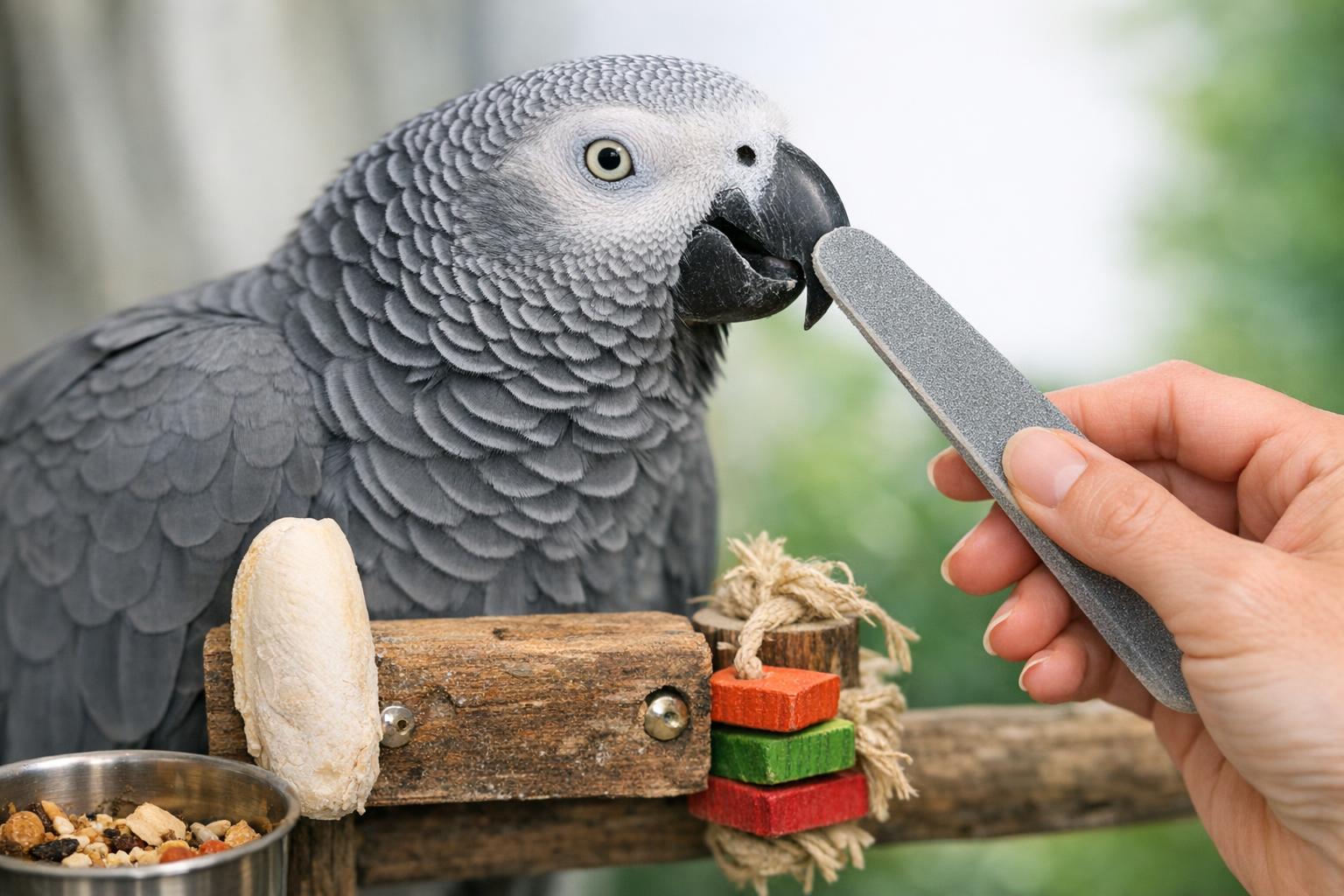
5. Environmental support: maintain clean cage perches and toys. Replace preening toys and food dishes regularly and avoid dusty bedding. Provide chewing blocks made of non-toxic wood or mineral blocks to encourage natural wear.
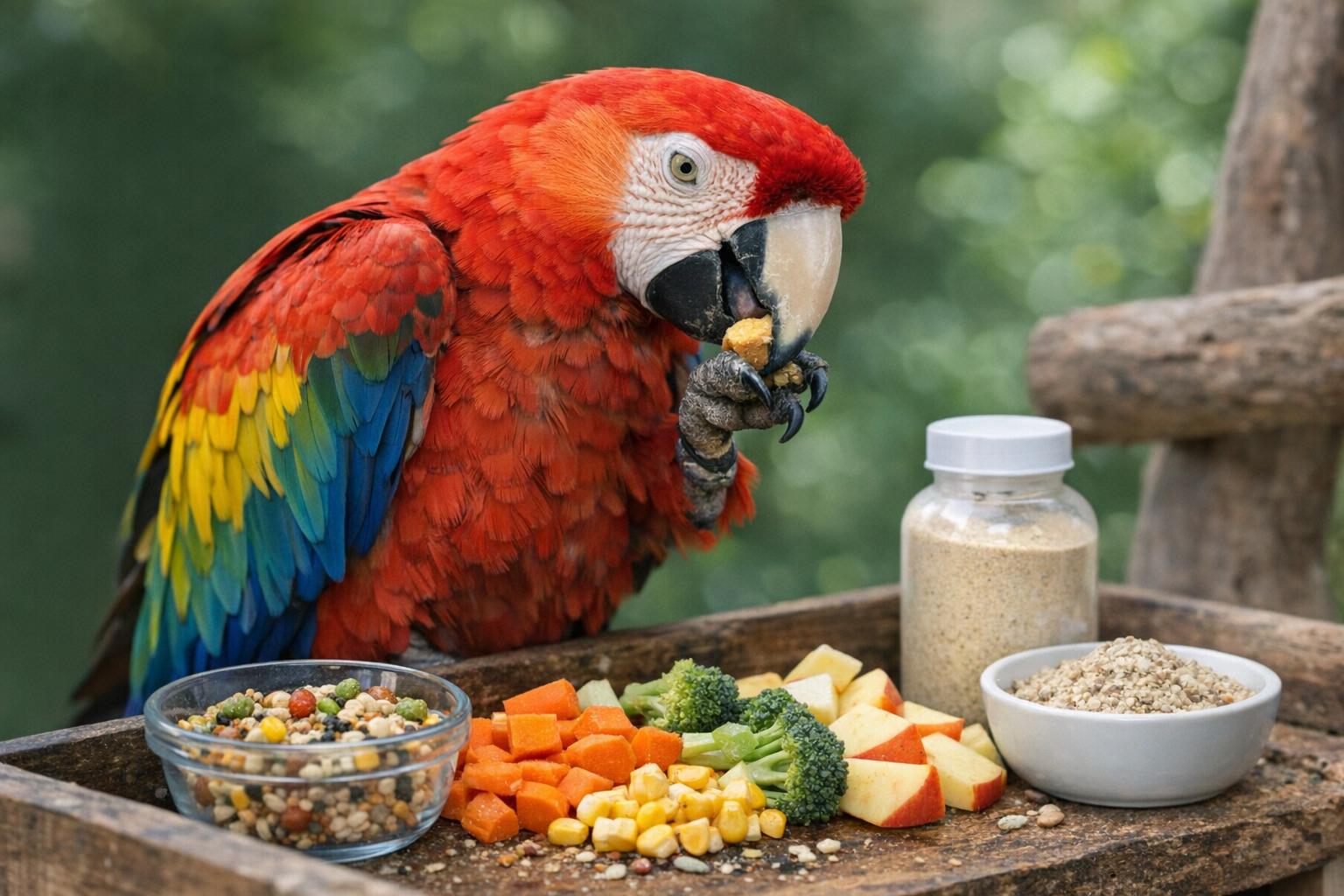
6. Nutrition: ensure a balanced diet rich in zinc, biotin, vitamins A and D, and quality protein. Consider a veterinary-formulated supplement only under professional guidance.
## When To Seek Veterinary Care
Home remedies support care but do not replace medical assessment. If psittacine beak feather disease is suspected or confirmed by a vet via PCR or other diagnostics, coordinated medical management is required. Warning signs for immediate veterinary attention include bleeding, severe overgrowth that prevents closing the beak, sudden weight loss, or behavioral changes.
### Diagnostics And Treatment Options
Veterinarians will likely perform a physical exam, oral and beak inspection, radiographs if bone involvement is suspected, and laboratory testing such as PCR to detect viral DNA. Treatment is primarily supportive: trimming by a trained avian vet, antibiotics for secondary infections, nutritional support, and strict quarantine protocols to prevent spread. In some cases, topical antimicrobials or medicated polishing agents are used under veterinary supervision.
#### Tips For Vet Visits
– Bring photos of the beak’s progression.
– Transport in a secure, familiar carrier with a favorite perch and minimal stressors.
– Ask your vet about long-term monitoring and when to schedule follow-up trims.
## Practical Daily Care Practices
A calm daily routine helps prevent complications. Keep nails and environmental debris in check, offer safe chew toys, rotate perches of different textures to encourage uniform wear, and monitor food intake. Keep an eye on communal cages — psittacine beak feather disease can spread between birds, so isolate any affected bird immediately and consult your avian vet for testing recommendations.
### Red Flags To Not Ignore
– Rapid deterioration despite home care.
– Signs of systemic illness: diarrhea, respiratory distress, or marked lethargy.
– Beak deformity affecting function, drooling, or oral pain.
If you’ve been living in denial about beak upkeep because “he’s fine, he shaves his own breakfast,” remember that birds are stoic. Regular checks, a calm approach, and careful use of the remedies above can make a meaningful difference for birds affected by psittacine beak feather disease. Frequent communication with an avian veterinarian ensures you aren’t unintentionally doing more harm than good while trying to help.



Leave a Reply