

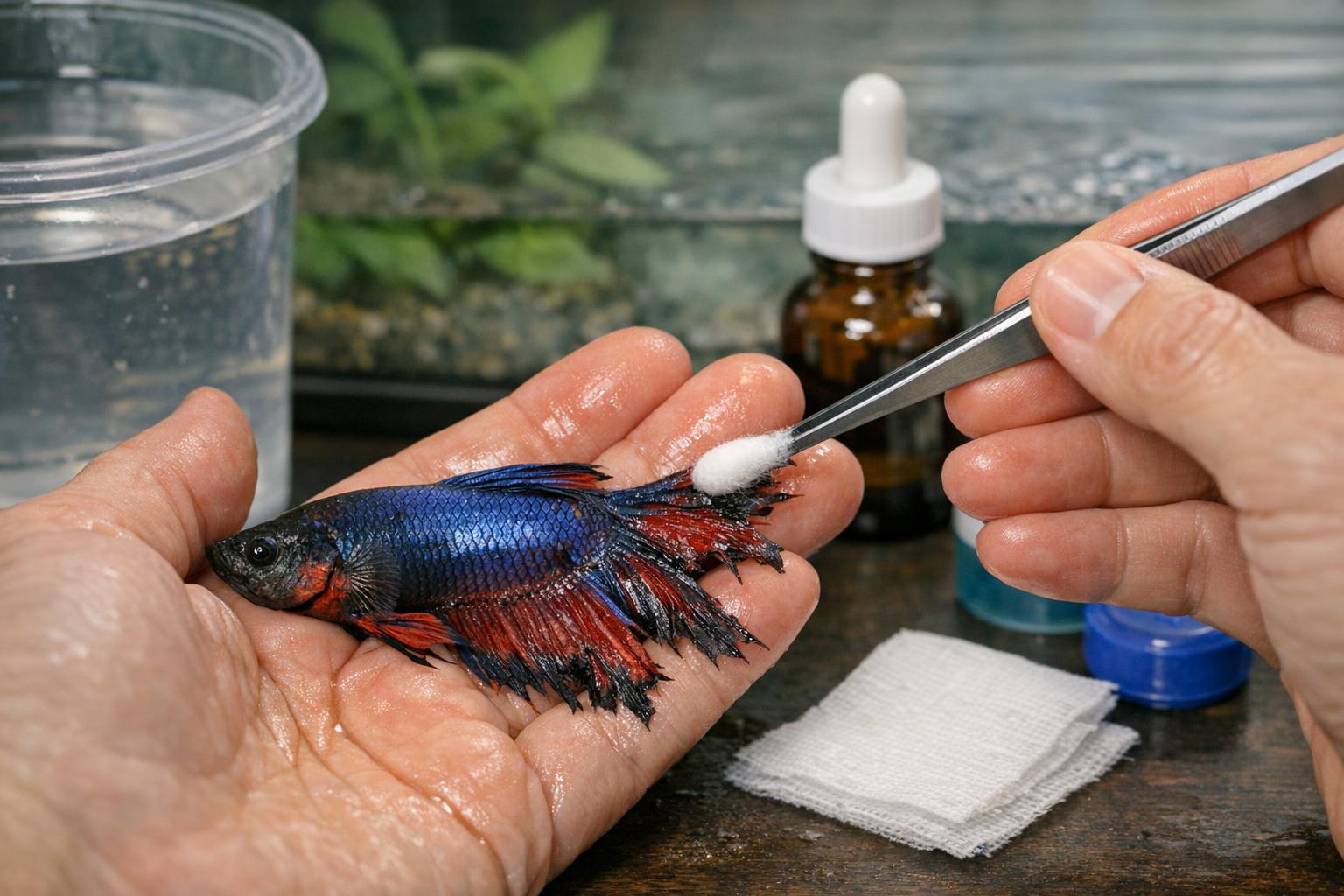
Treat fin damage quickly. It’s the single best move you can make when a fish arrives with torn, ragged, or inflamed fins. Left alone, what looks like a cosmetic nick can become a bacterial or fungal infection that eats away more tissue and stresses the fish until recovery is slow or impossible.
## Treating Fin Damage in Freshwater Fish: Practical Steps
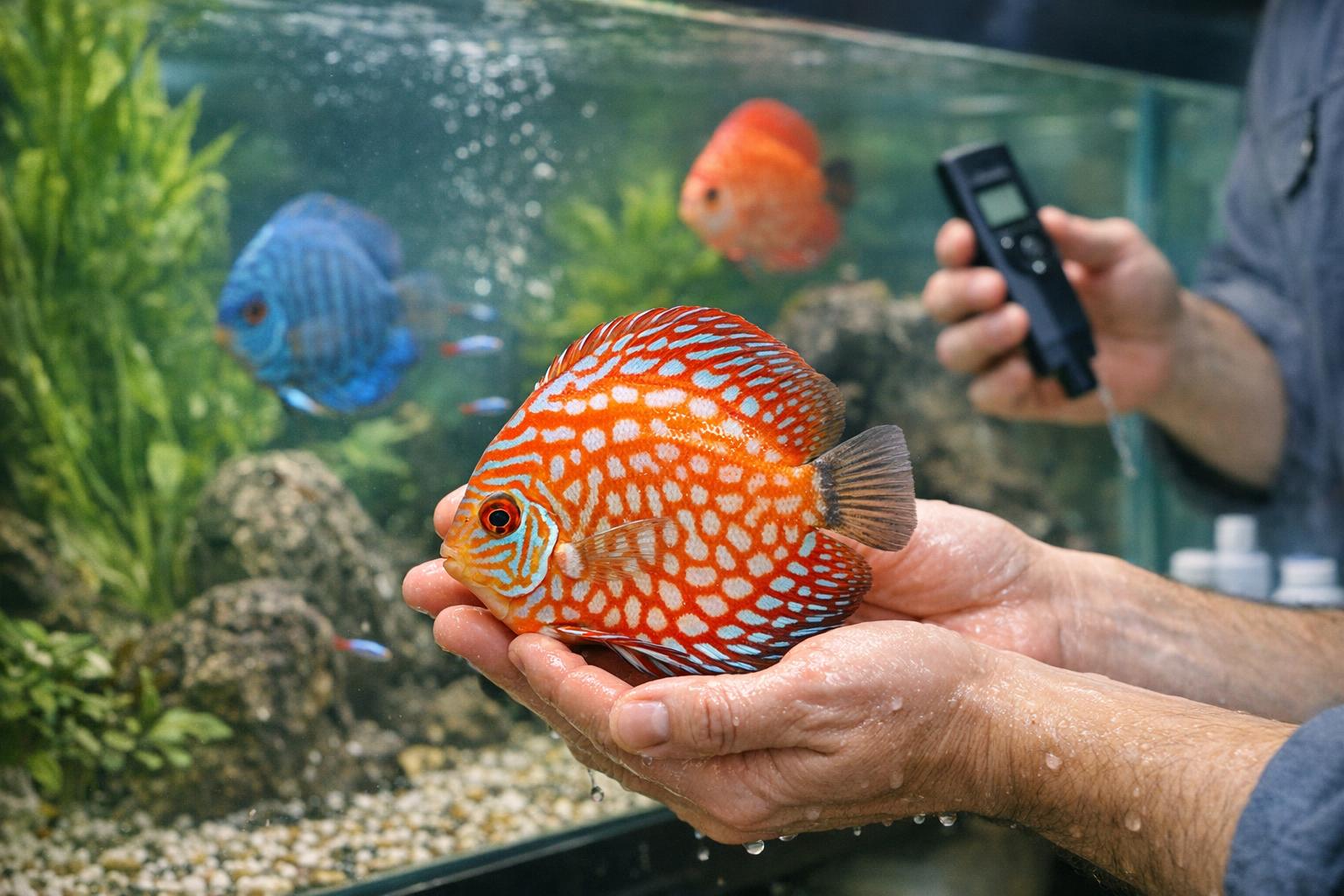
Start by judging severity. Is the fin frayed at the tips, or are large chunks missing? Are the bases red and inflamed? Is the fish lethargic or refusing food? Small tears at the edge of a fin often heal with better water and rest. Deep nicks, blackened tissue, or fins falling apart mean you need active treatment.
Treating fin damage in freshwater fish depends on a few reliable levers: water quality, isolation, targeted medication when necessary, and removing the source of the damage. Those four things, done in the right order, will cure most cases and prevent repeat episodes.
## Treating Fin Damage In Freshwater Fish Best Practices
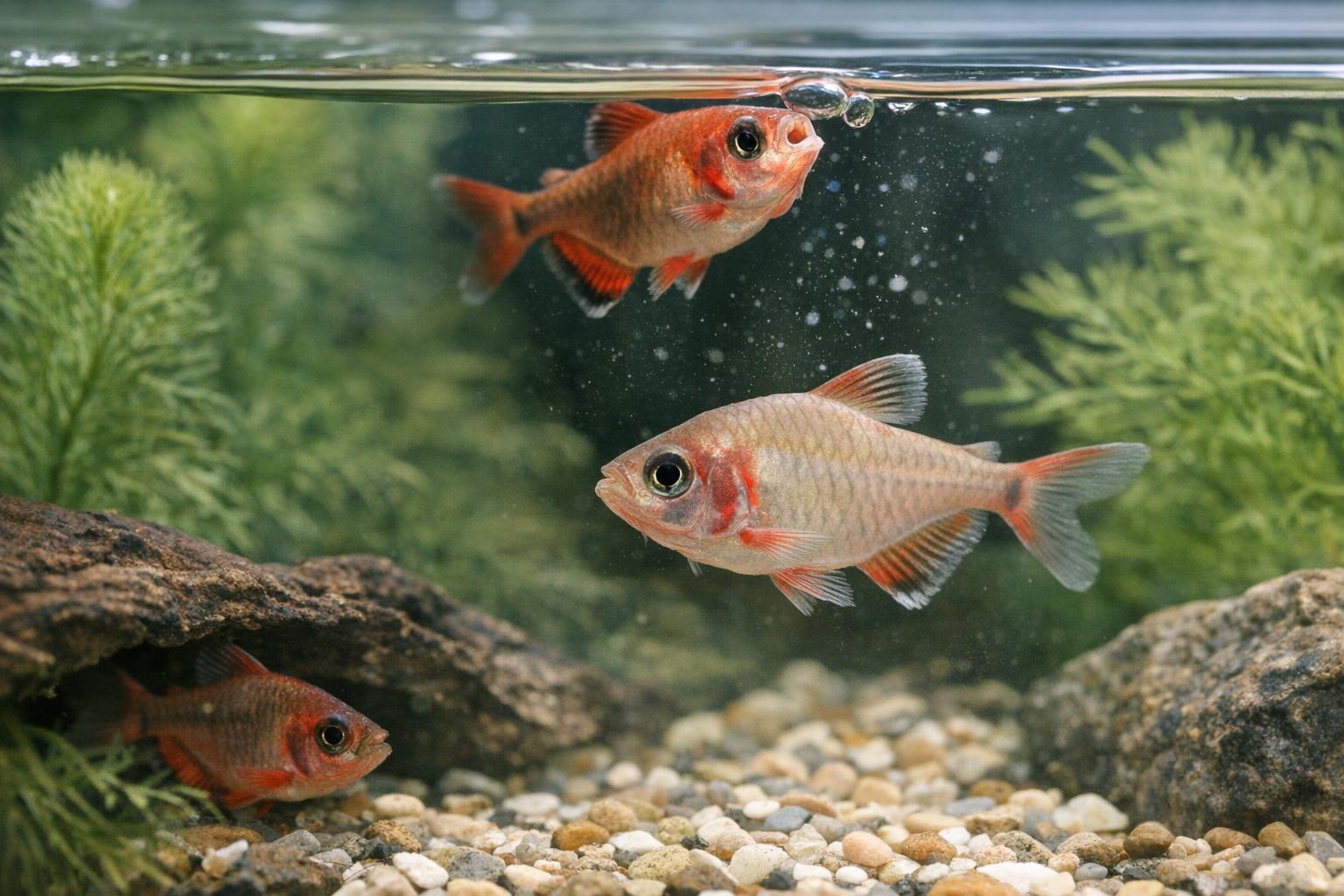
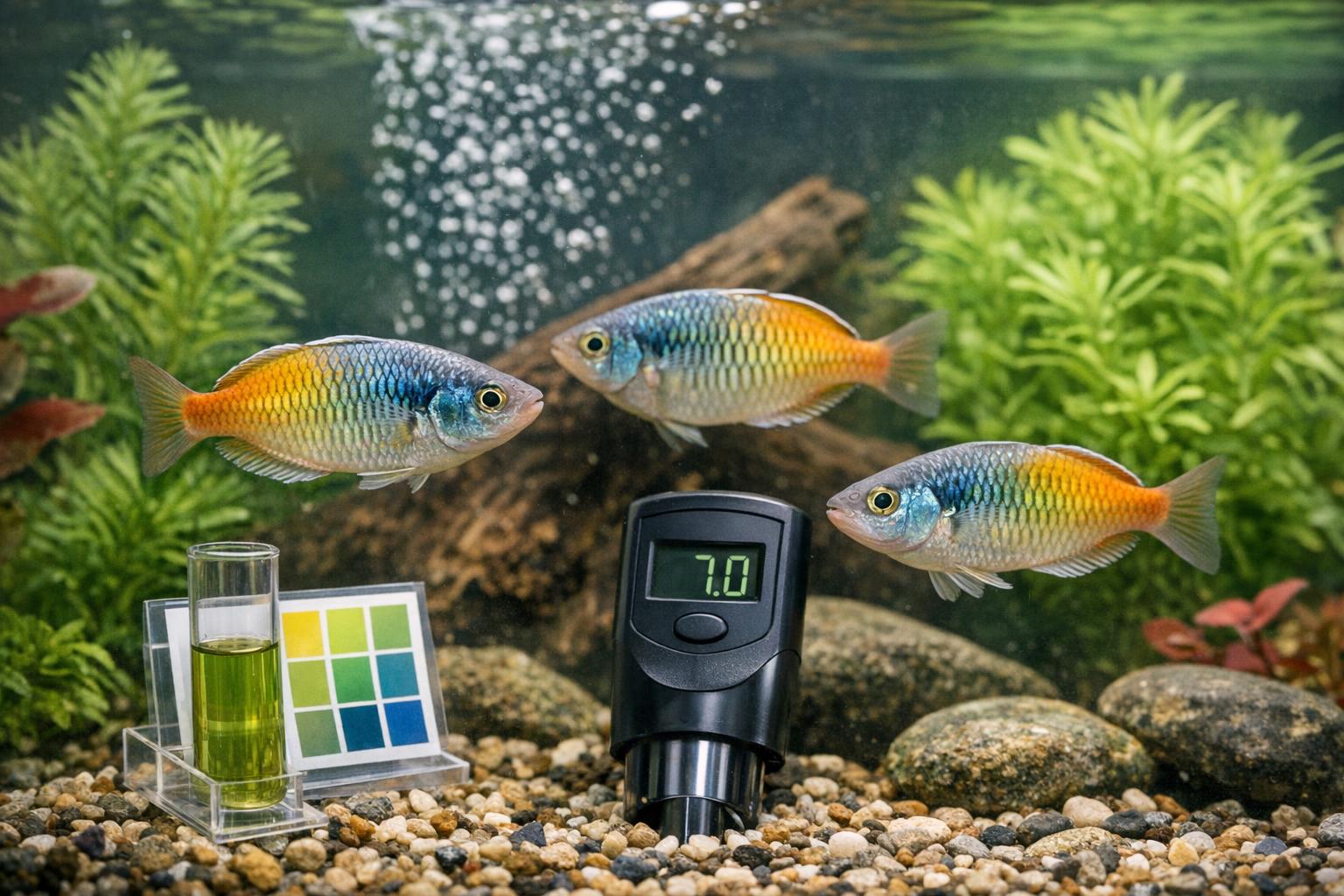
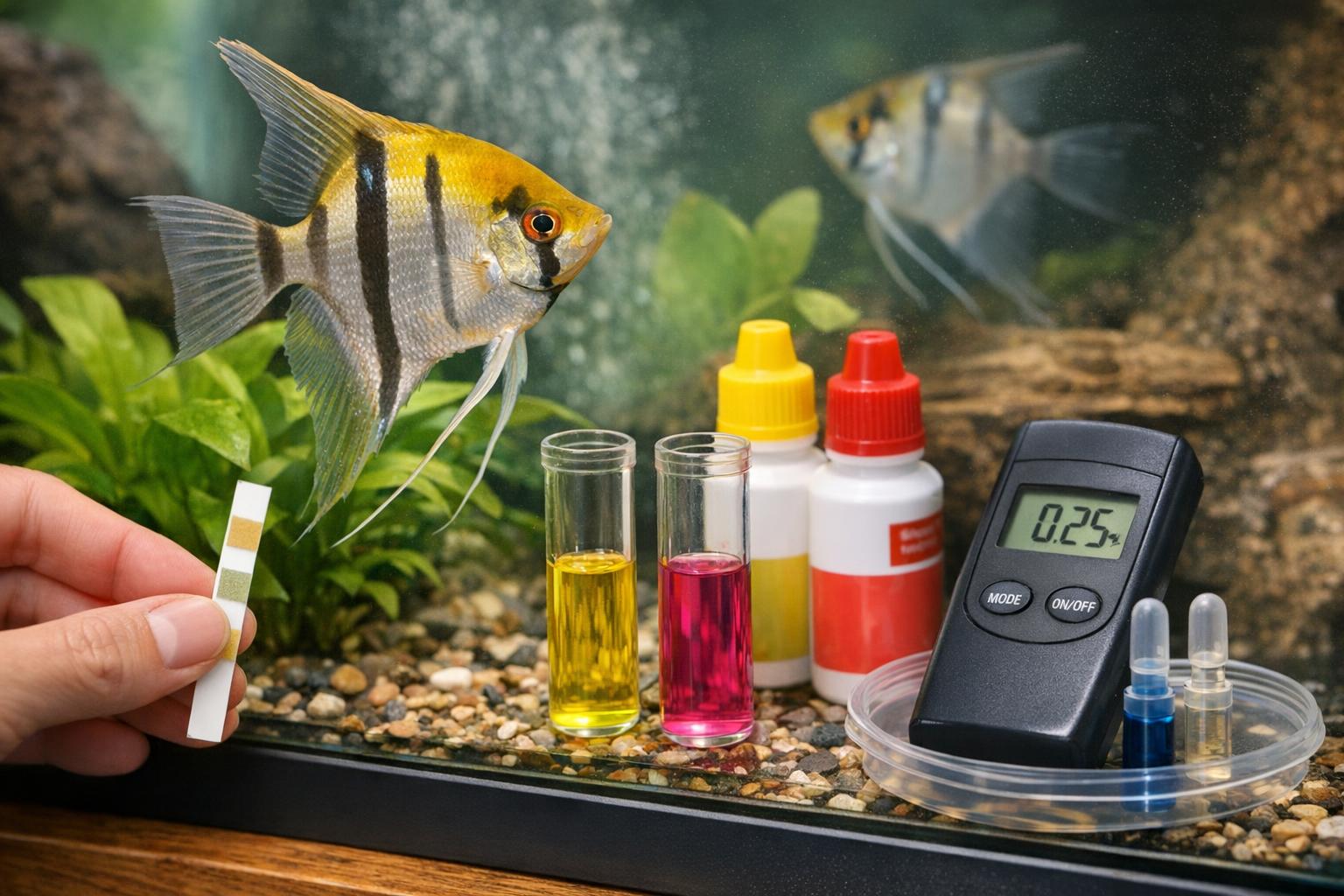
Treat the tank environment first. Poor water is the most common underlying cause. Even a single elevated ammonia or nitrite spike can break down mucus and tissue in fins, and then bacteria take over. Do a 25–50% water change right away if you suspect anything off. Test ammonia, nitrite, nitrate, pH, and temperature and correct them. If parameters are stable, keep them rock solid during healing.
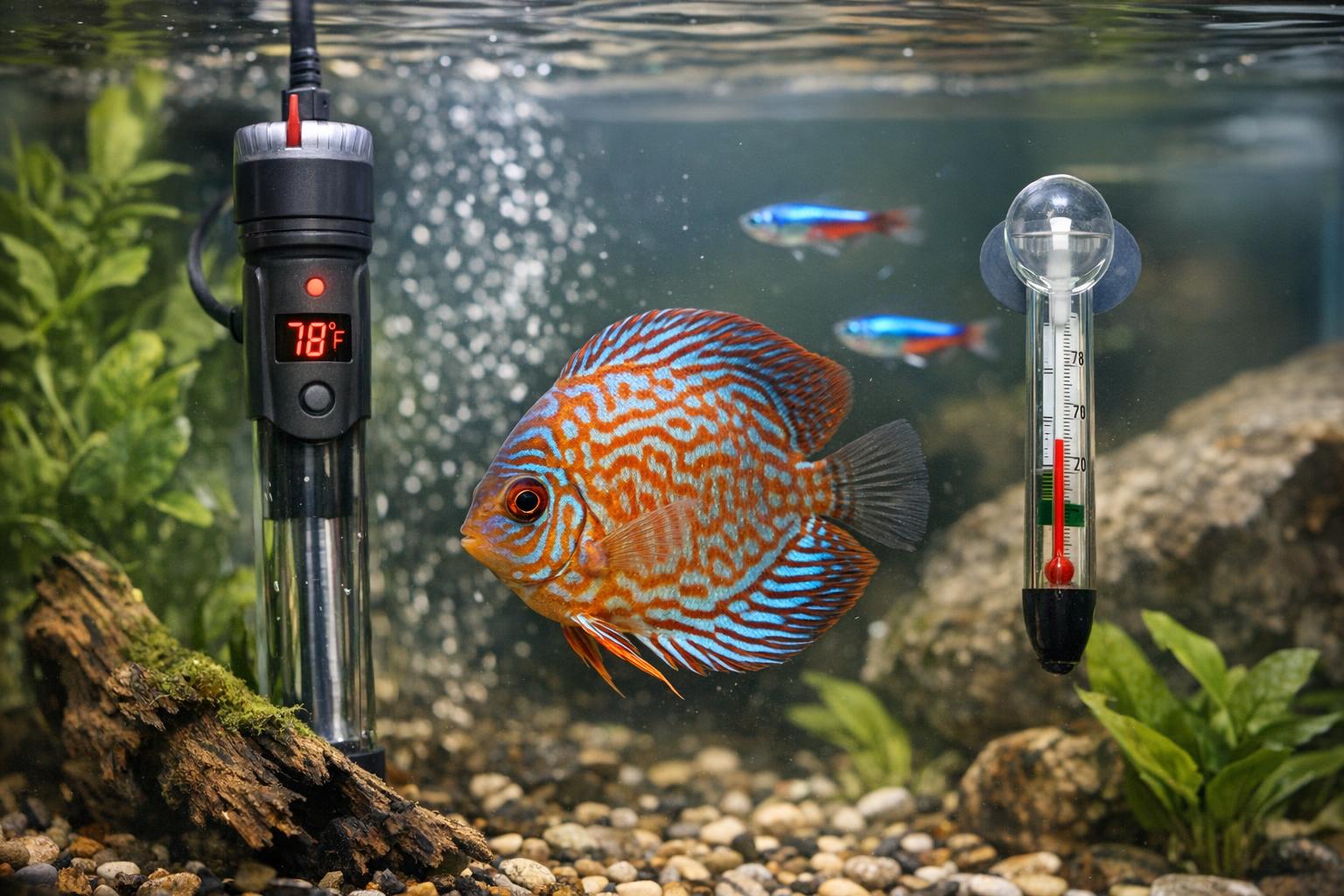
Isolate the injured fish in a quarantine or hospital tank if you can. This does three things: it prevents further nipping from tankmates, lets you tailor treatment without affecting the main tank, and cuts stress from constant chasing. The hospital tank doesn’t need to be fancy. A bare tank with a sponge filter, heater, and one or two hiding places is enough.
### Identifying Causes And Risk Factors
Look for obvious culprits. Fin-nippers like tiger barbs, some tetras, and some cichlids will chew fins until they’re shredded. Overcrowding and poor oxygenation increase aggression. Sharp decor or poorly finished equipment can catch fins and tear them. Finally, chronic stress or malnutrition weakens tissue, making it much easier for pathogens to invade.
If you see other fish with similar damage, address the tank dynamics first. If only one fish is affected, the problem may be localized to that individual — a fight, an infection, or a genetic fragility.
### Simple First-Aid Steps
1. Water First: Correct water chemistry. Stabilize temperature within the species’ preferred range. For tropical community fish that generally means 24–27°C (75–81°F), but adjust to suit your species.
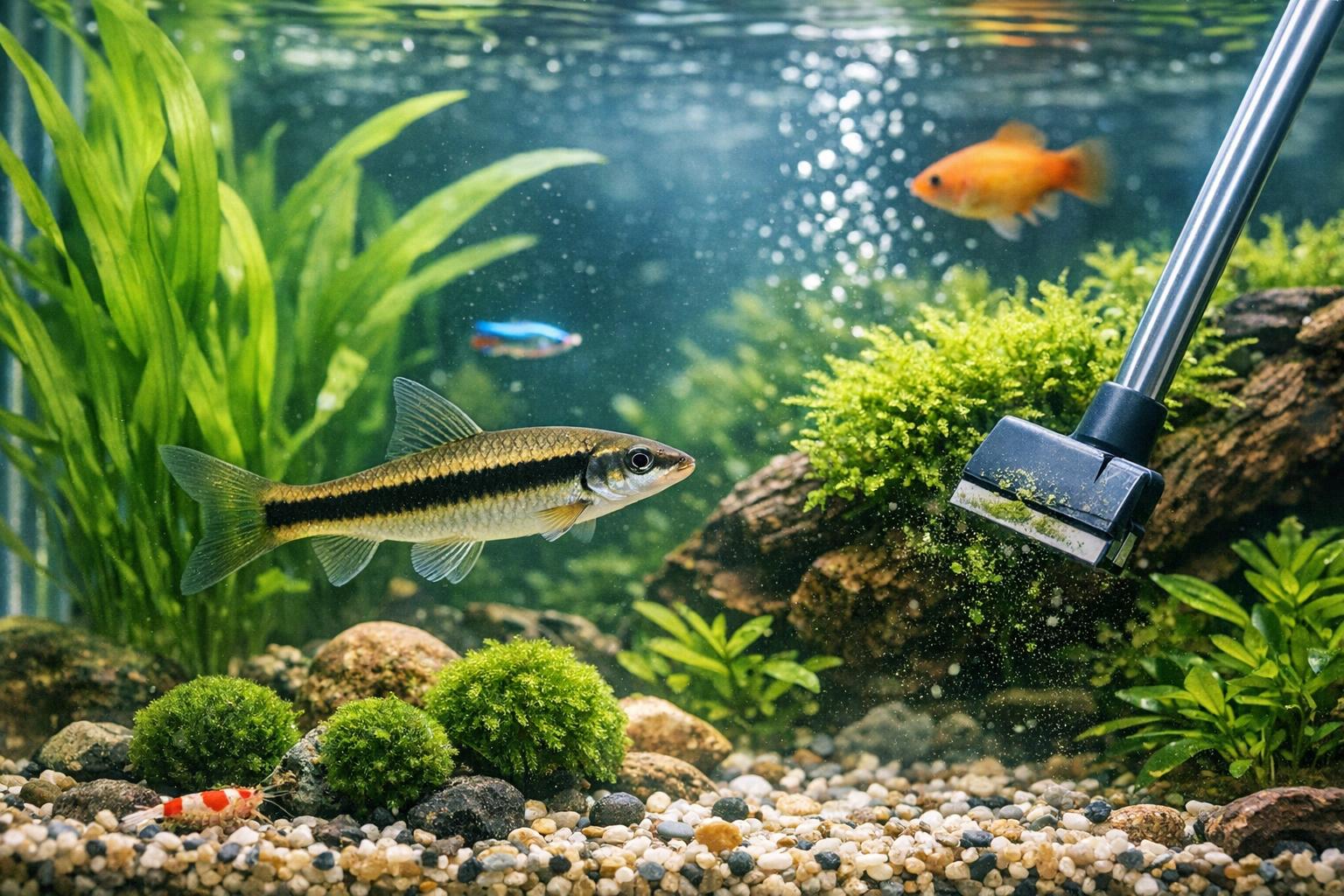
2. Clean Tank: Vacuum debris, reduce organics, and keep ammonia and nitrite at zero. Frequent small water changes help.
3. Salt Baths: A short-term mild aquarium salt treatment can reduce osmotic stress and help prevent secondary infection in many species. Use aquarium salt at a conservative dose and follow product instructions. Some plants and certain species (like most scaleless fish) are sensitive, so don’t blanket-treat without checking compatibility.
4. Reduce Stress: Dim lights, add hiding spots, and stop aggressive tankmates from harassing the injured fish.
Those measures alone will resolve many mild cases of freshwater fin damage. If you see swelling at the base, a white fuzzy growth, or progressive loss of tissue, step up to medicated options.
### Medication Options And When To Use Them
Deciding to medicate is about watching progression. If a fin is frayed but stable and improving in a clean tank, avoid antibiotics. If the fin edge looks black and ragged or the base is red and receding, you’re likely dealing with bacterial fin rot and should treat.
Common approaches include:
– Broad-Spectrum Bacterial Treatments: Aquarium antibiotics labeled for fin rot are the usual choice. Use products designed for aquarium use and follow directions. Avoid dosing the main tank unless you understand the effects on biological filtration and plants.
– Antifungal Agents: If you see cottony, white growths, add an antifungal medication or an antiseptic. Fungal infections often follow tissue damage.
– Topical And Bath Treatments: Short-term medicated dips in chloramine-T or other safe dips can reduce surface microbes. Use caution and measure carefully.
– Supportive Therapy: Epsom salt (magnesium sulfate) baths can reduce swelling in the abdomen and sometimes help fish recuperate. This is more for internal edema than fin tears, but can be useful if the fish looks bloated.
Consult product inserts and, when in doubt, reach out to an aquatic vet or an experienced local aquarist. Don’t rely on human antibiotics or guesswork. Fish dosing and physiology differ.
### Managing Meds Without Harming The Biofilter
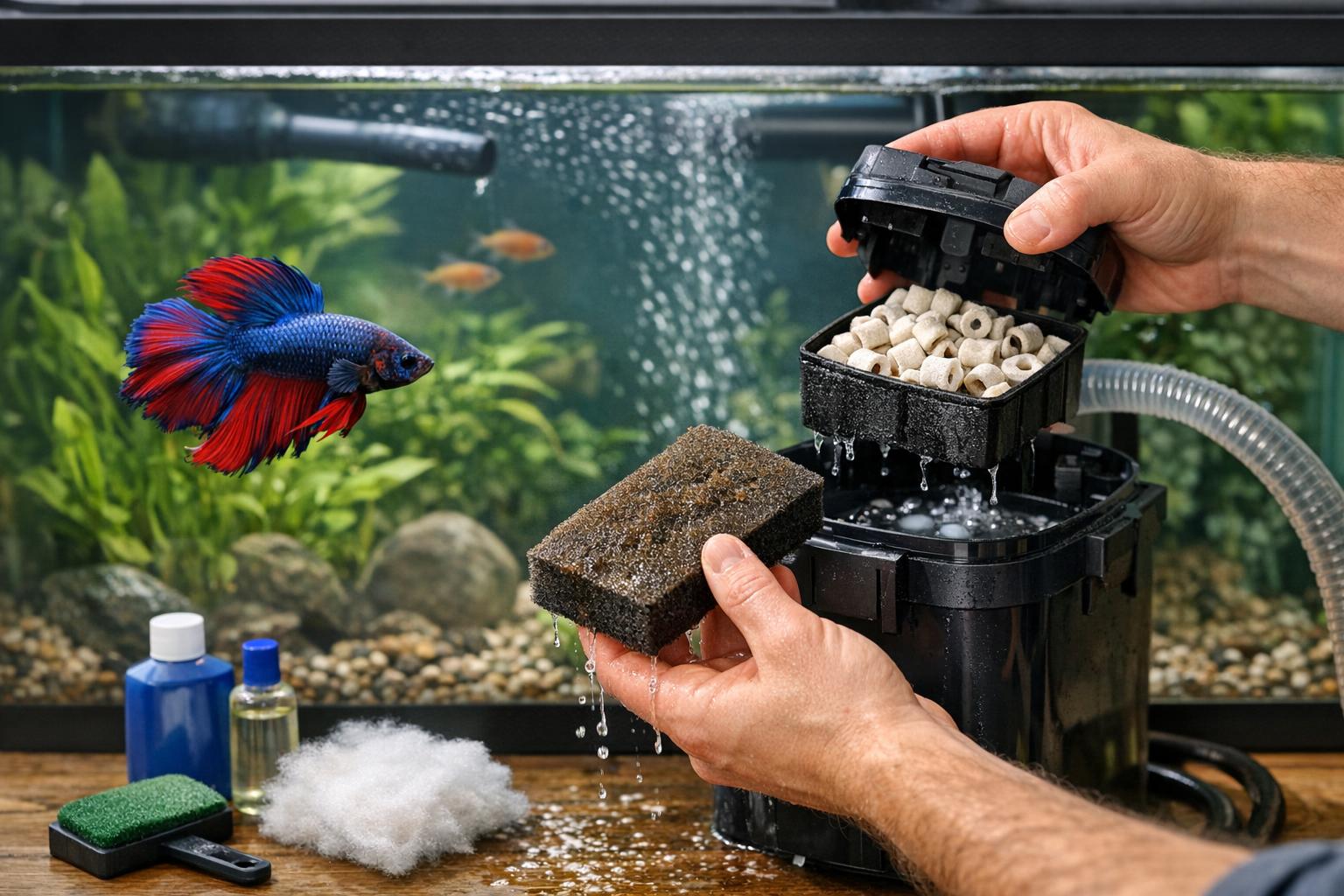
If you must medicate in the main tank, be mindful of nitrifying bacteria. Some antibiotics and antiseptics will reduce beneficial bacteria and cause ammonia spikes. To protect the biofilter, either medicate in a quarantine tank or use carbon removal and partial water changes after treatment to help restore filtration. Sponge filters in quarantine tanks are great because they preserve beneficial bacteria and are easy to move.
### Feeding And Nutrition During Recovery
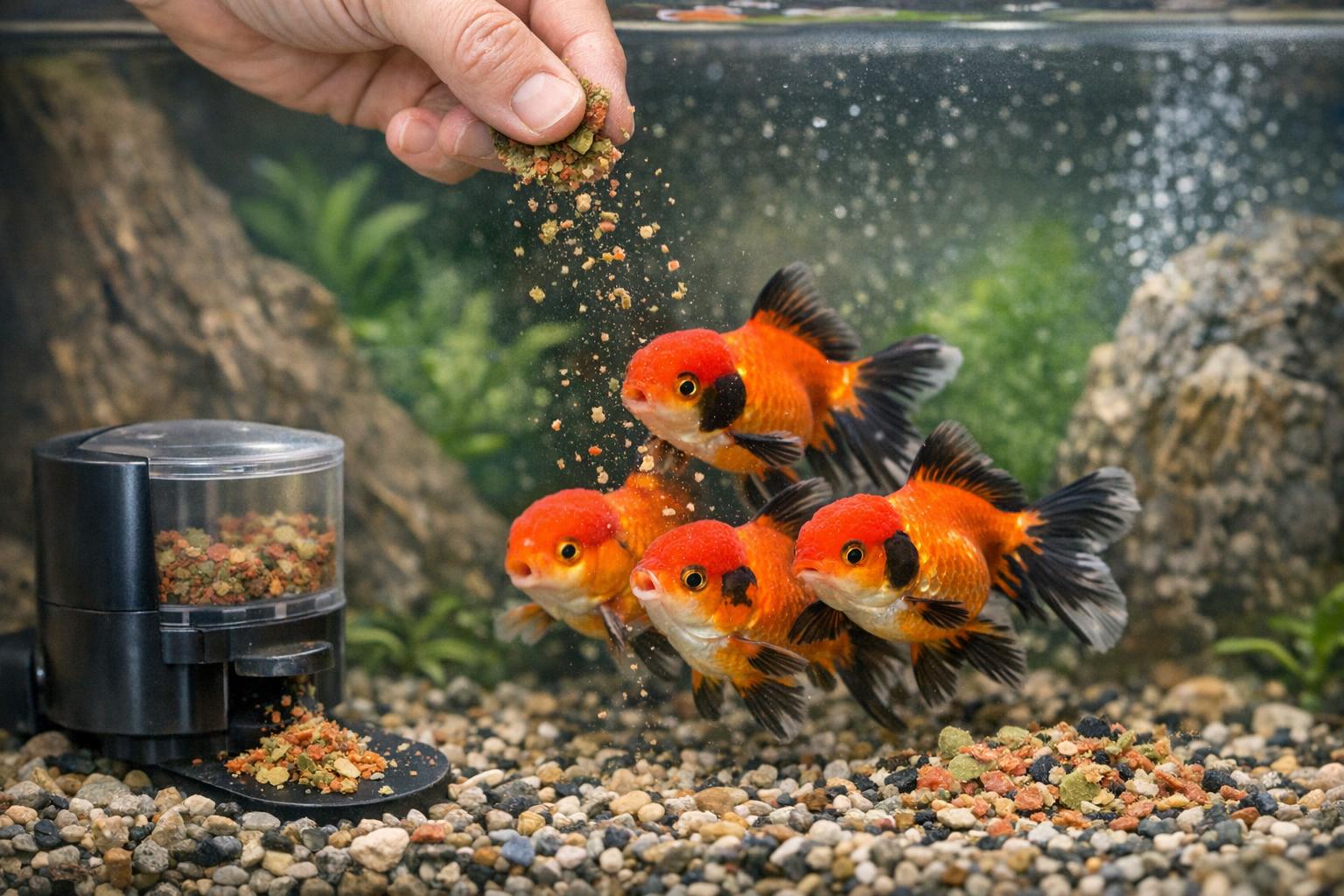
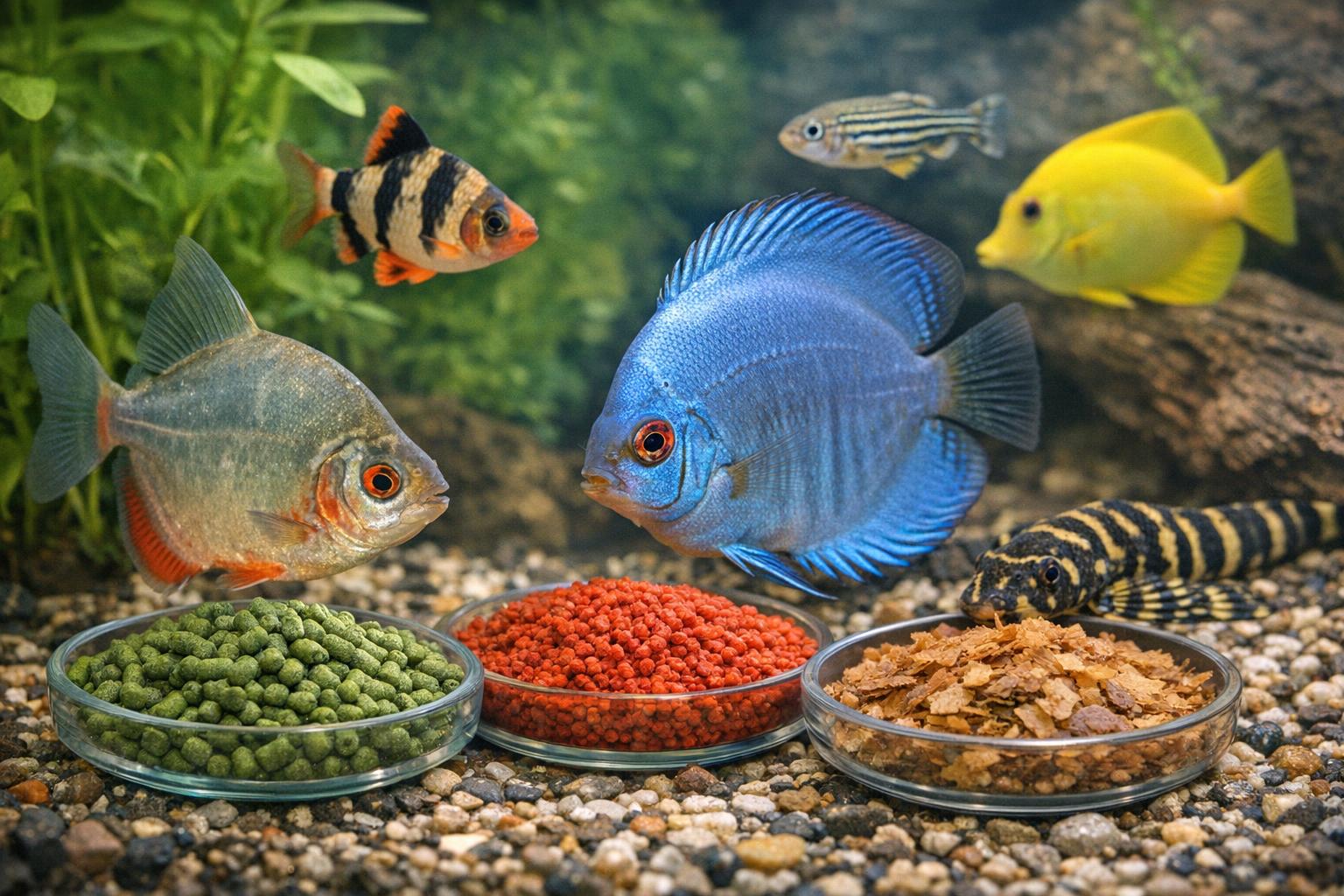
Good food speeds healing. Offer high-quality protein and vitamin-rich foods: frozen brine shrimp, daphnia, or a premium flake/pellet. Avoid overfeeding; uneaten food will foul water. Consider supplements with vitamin C and vitamin E to support tissue repair. Feed smaller amounts more often if the fish is hesitant at mealtime.
### Preventing Re-Occurence
Prevention matters more than a fancy medicine cabinet.
– Avoid Overcrowding: Give each species room to school and hide. Crowding raises aggression and reduces water quality.
– Choose Compatible Tankmates: If fin-nippers are present, don’t keep long-finned species like fancy guppies or bettas with them.
– Smooth Decor Edges: Check driftwood and plastic plants for rough edges that can shred fins.
– Quarantine New Fish: New arrivals can carry pathogens that show up later as freshwater fin damage. A two-week quarantine lets you catch problems before introducing them.
– Maintain Water Quality: Regular testing and consistent maintenance will stop many issues before they start.
– Varied Diet: Feed a mix of flakes, pellets, frozen, and live foods where appropriate. A balanced diet strengthens fins and immune response.
### Caring For Healed Fins And Scar Tissue
Fins regenerate, but not always perfectly. They often grow back ragged or with slightly different ray structure. That’s okay. Focus on keeping that fish comfortable as the fins regrow: gentle filtration, extra hides, and nutrient-rich food. Avoid aggressive tankmates until regrowth is well established.
Sometimes a fin will never fully return to its original shape. That doesn’t mean the fish won’t thrive, but you should only reintroduce it to a community with low risk of repeat damage if the regrowth seems fragile.
### Recognizing When It’s More Than A Fin Problem
If you see any of the following, escalate care:
– Systemic signs like lethargy, loss of appetite, rapid breathing.
– Widespread lesions or multiple affected fish.
– Sudden spikes in mortality.
– Cloudy eyes, lifted scales, or other external changes.
Those signs suggest the infection has moved beyond the fin and needs stronger intervention or veterinary input. At that stage, treating only the fin is insufficient.
#### When To Seek Professional Help
An aquatic veterinarian can run bacterial cultures and recommend targeted antibiotics when over-the-counter options fail. If you’ve medicated and there’s no improvement after a reasonable course, or if fish worsen, consult a pro. A vet can also advise on species-specific issues: some fish are very sensitive to medications that others tolerate well.
#### Record Keeping And Observations
Keep a simple log when treating fish. Note dates of water changes, medication doses, temperature, and visible changes in the affected fin. These records help you identify patterns and show a vet what’s already been tried. They also help prevent dosing mistakes if you need to medicate again.
### Special Considerations For Sensitive Species
Not every remedy suits every fish. Carp-like species (barbs, goldfish) tolerate slightly higher salt levels better than many true scaleless species. Loricariids, many catfish, and some tetras are salt-sensitive. Livebearers like guppies tolerate salt well and often respond fast to mild salt treatments. Know the needs of each species in your care.
If you’re treating a delicate species, prioritize quarantine treatment with gentle options and seek targeted advice rather than relying on general aquarium forums.
### Community Tank Decisions
If you identify a chronic fin-nipper, decide early whether to rehome that fish or rearrange the tank. Housing incompatible species together is a recurring source of freshwater fin damage. Rearranging decor can break established territories and reduce aggression, but it often requires careful management to avoid stress-related outbreaks.
### Notes On DIY Remedies And Folk Treatments
You’ll hear people swear by household items. I’ve seen useful bath recipes and dangerous choices both. Stick to aquarium-grade products. Improvised doses of antiseptics or antibiotics are risky and often counterproductive. The temptation to treat quickly is strong, but the wrong product or dose can worsen freshwater fin damage.
### Tracking Recovery Timelines
Healing rates vary. Tiny tears can show improvement in a week. More severe rot can take several weeks to months as fins slowly regrow. During this time, monitor function: is the fish swimming normally? Are fins being used without obvious pain? Restoration of behavior is as important as tissue regrowth.
Keep expectations realistic. A fin that’s been half-eaten won’t reappear overnight. Consistent care is what counts.
Treating fin damage in freshwater fish isn’t glamorous. It’s mostly steady maintenance: clean water, careful observation, thoughtful isolation, and the right medicine applied at the right time. Do those things and you’ll see far better outcomes than with quick fixes or panic dosing.
Treat the root cause, not just the ragged edge. That approach reduces recurrence and keeps your community healthy and functional. A single attentive day of work can prevent weeks of slow recovery. And sometimes it’s just about fixing a simple tank setup problem that never needed to turn into a medical case in the first place.
Treating fin damage in freshwater fish means being methodical. Start with water and quarantine, move to specific meds when needed, support nutrition, and remove the cause so the same thing won’t happen again.
Treating fin damage in freshwater fish is a routine skill every hobbyist should have. It’s not always dramatic, but it rewards careful observation and consistent action. You’ll get better at spotting the small things before they become big problems. And your fish will thank you by recovering faster and staying active.






Leave a Reply