

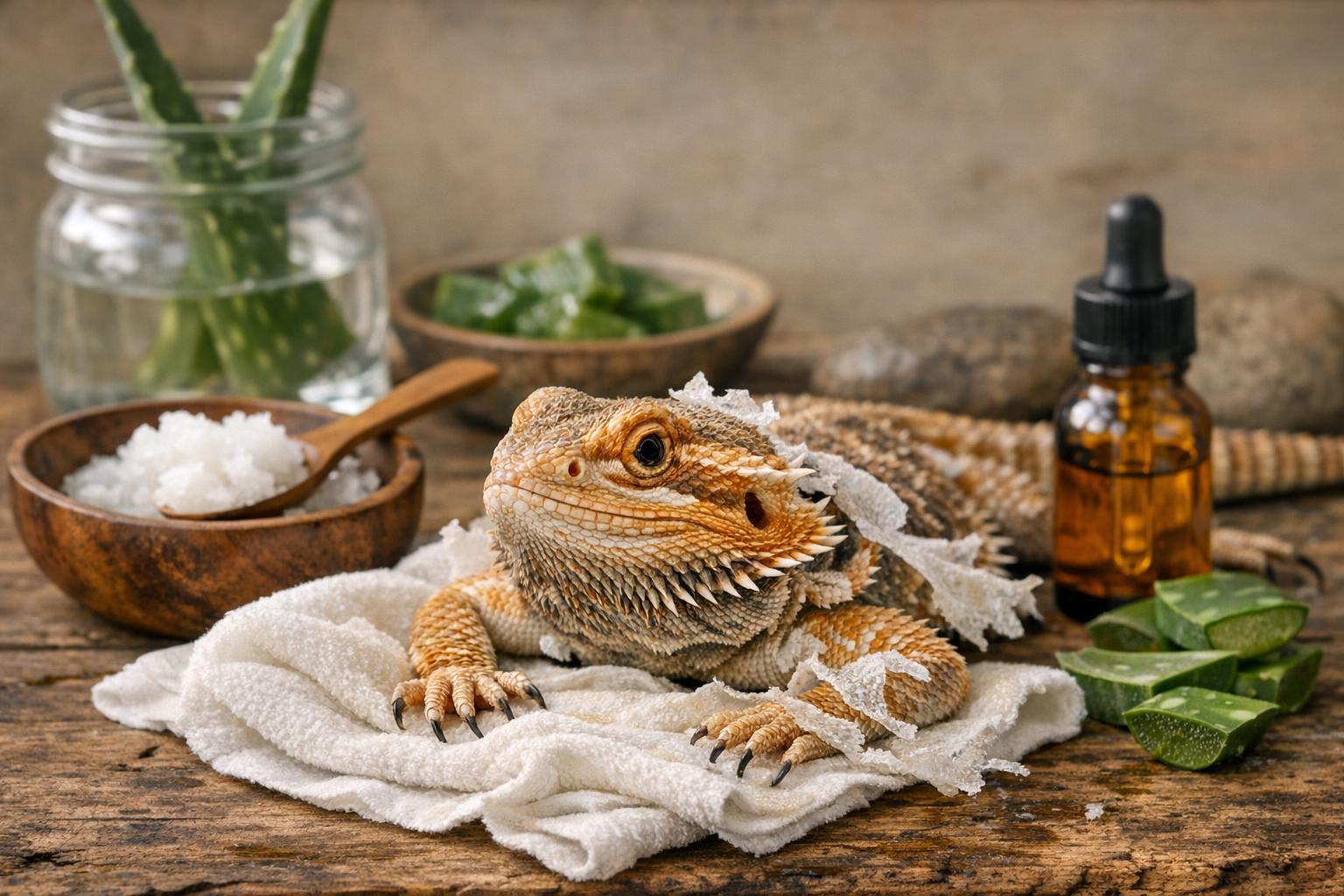
A simple salt-free soak and habitat tweak can make a huge difference when your lizard or snake is struggling to shed. You don’t need fancy gadgets. You need a repeatable, safe approach that treats skin gently and reduces the chance of retained shed.
## Reptile Dry Skin Home Remedy For Gentle Shedding
If you search for a “reptile dry skin home remedy,” you’ll find a lot of opinions and a fair few bad ideas. The method I recommend is practical, low-risk, and relies on three things: humidity management, targeted soaking, and light topical care. Those three elements combine to ease the old skin off without stressing the animal or masking an underlying problem.
### Why Shedding Goes Wrong
Shedding is a natural process, but it needs the right conditions. In many captive setups the humidity is too low for consistent skin hydration. That makes the outer skin layer stick to the new one. Retained eye caps or tail rings are painful and can lead to infection. Low humidity is the most common problem, but other causes include poor nutrition, parasites, and injury. A home remedy can help with the immediate discomfort caused by stuck shed, while you fix the long-term issues.
### A Practical Home Remedy Overview
I’ll explain a step-by-step routine you can use at home. It works for a range of species — bearded dragons, leopard geckos, ball pythons, green iguanas — but adjust soak times and temperature to species needs. This is not a cure-all, it’s a targeted fix for obvious dryness and stuck skin.
#### Materials You’ll Need
– A shallow, non-slip container sized so the animal can sit comfortably without being submerged.
– Warm (not hot) water — around the ambient temperature your reptile prefers.
– A soft toothbrush or a damp cotton ball.
– Paper towels or a soft cloth.
– A humidity hide or a small plastic box with ventilation holes.
– Optional: reptile-safe moisturizer specifically labeled for reptiles or pure aloe vera gel with no added ingredients.
### The Soak Technique
Fill the container with water deep enough to cover the belly but shallow enough that the reptile can keep its head above water. For many lizards this is 1–2 inches; for snakes it can be a bit deeper as long as they can support themselves. Keep the water lukewarm — too hot can cause stress, too cold reduces circulation and may not help the shedding.
Place the animal in the water for 10 to 20 minutes. Stay with it. Watch breathing and posture. If it strains or looks distressed, end the soak. The goal is to rehydrate the outer layer so it loosens. For some species a second short soak later in the day helps.
After the soak, use a damp cotton ball or soft toothbrush to gently massage stuck patches. Work only on loosened flakes; do not force peel tight patches. If an eye cap or very stubborn patch won’t budge, stop and try again the next day. For eyes, a moist cotton ball pressed gently against the eye cap encourages slippage. Never pull.
### Humidity Hides And Long-Term Habitat Fixes
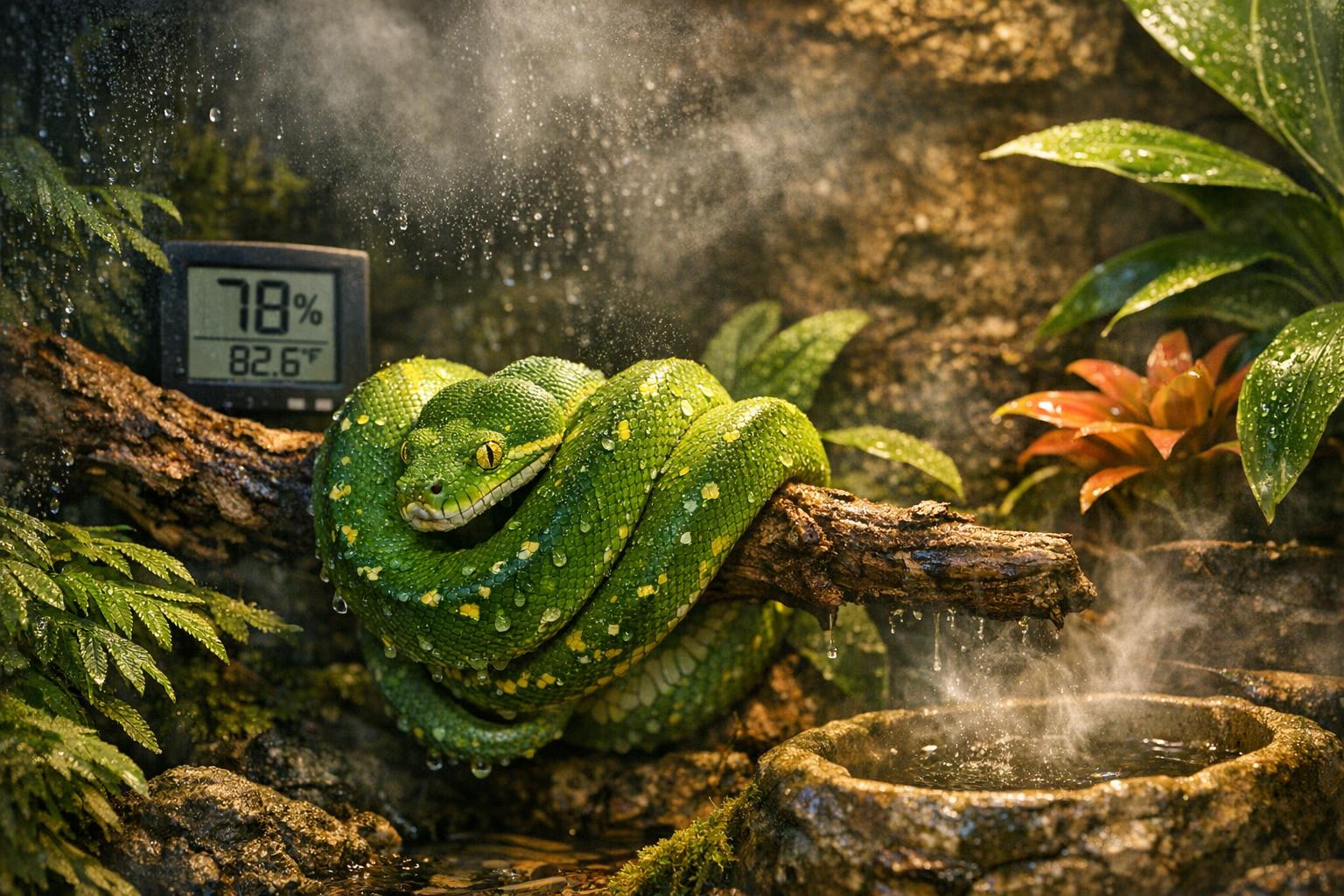
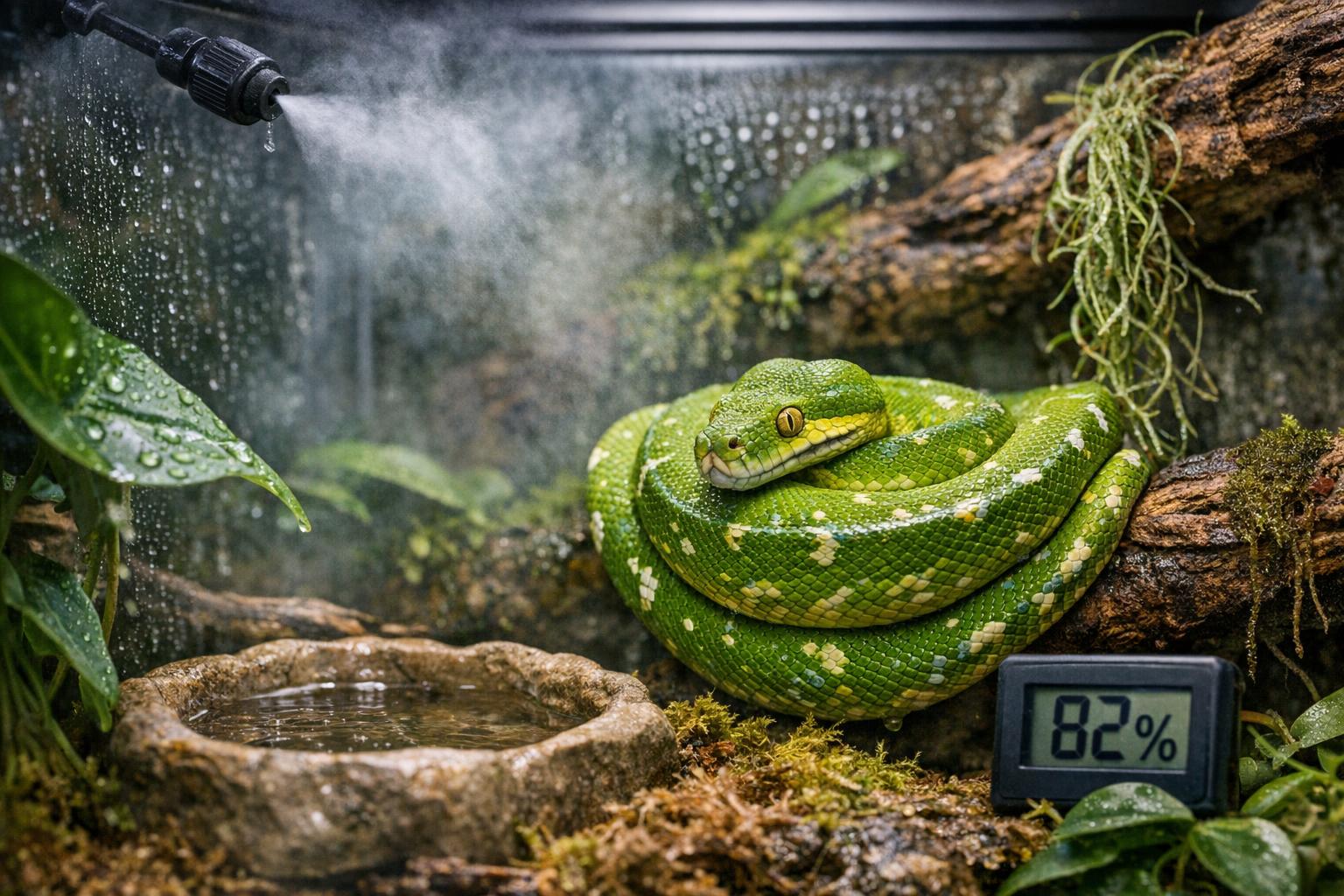
A single soak helps, but repeated problems mean the enclosure needs adjustment. Add a humidity hide: a small plastic box lined with damp sphagnum moss or paper towels, with a hole for entry. This creates a microclimate the reptile can choose. For animals that need consistently higher humidity, use substrate that retains moisture and mist the enclosure. For species that prefer dry air, offer a humid hide only, not a constantly wet environment.
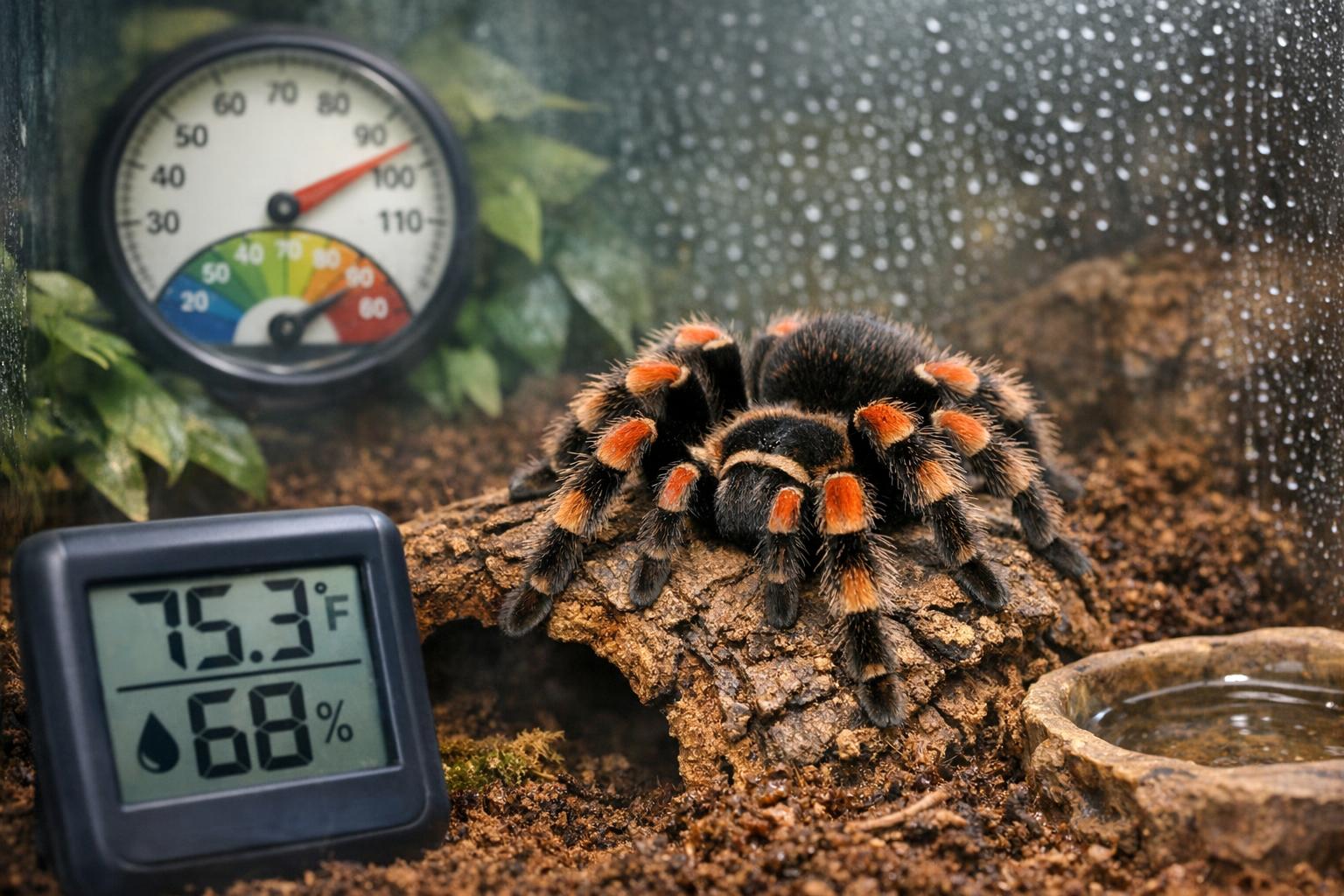
Use a digital hygrometer to track humidity. Many people overestimate how humid an enclosure is. Place the gauge at animal level, not at the top of the tank. Aim for species-appropriate ranges: leopard geckos like 30–40% generally but need a humid hide for shedding; crested geckos and tropical species need 60–80% more consistently.
### Safe Topical Care
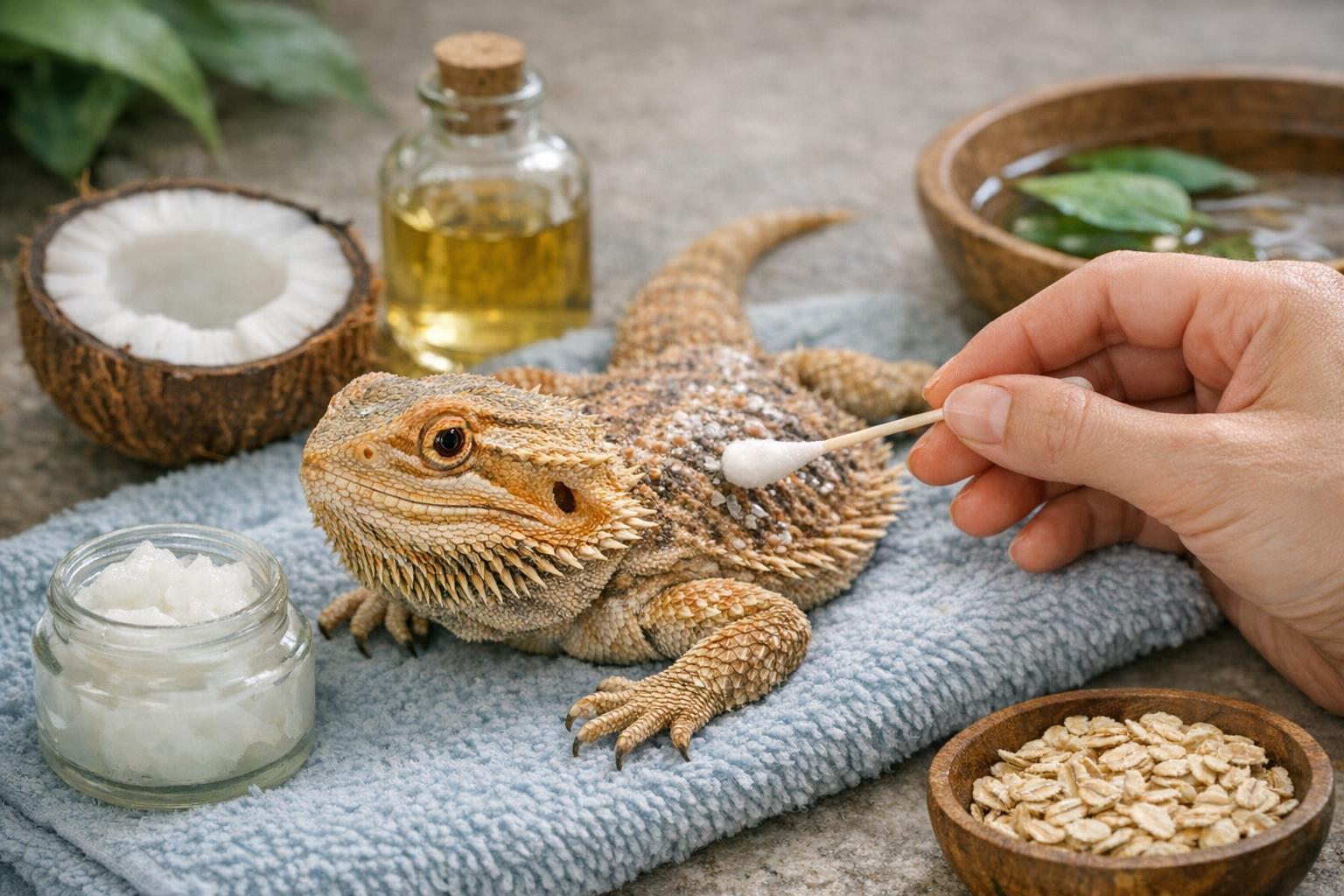
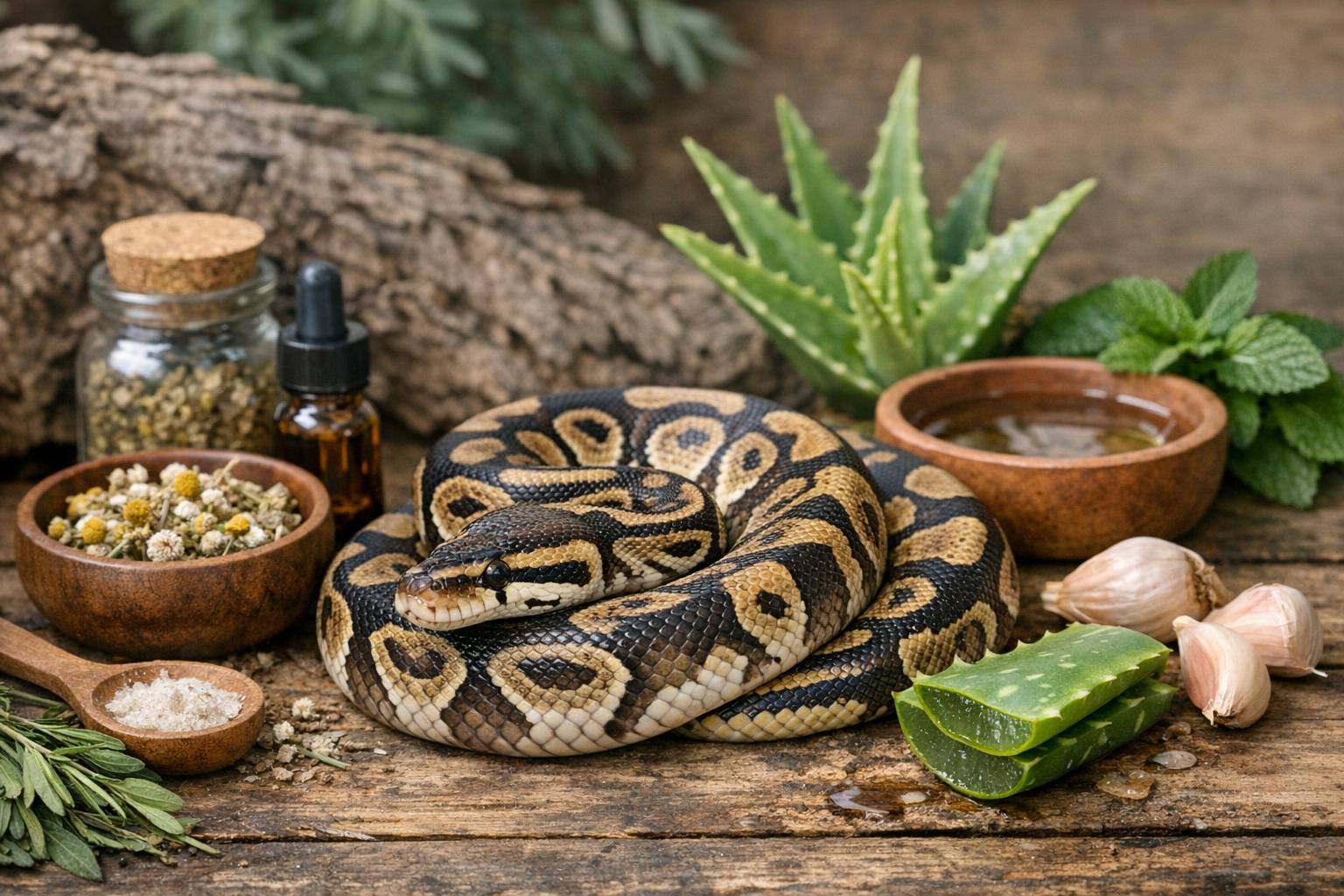
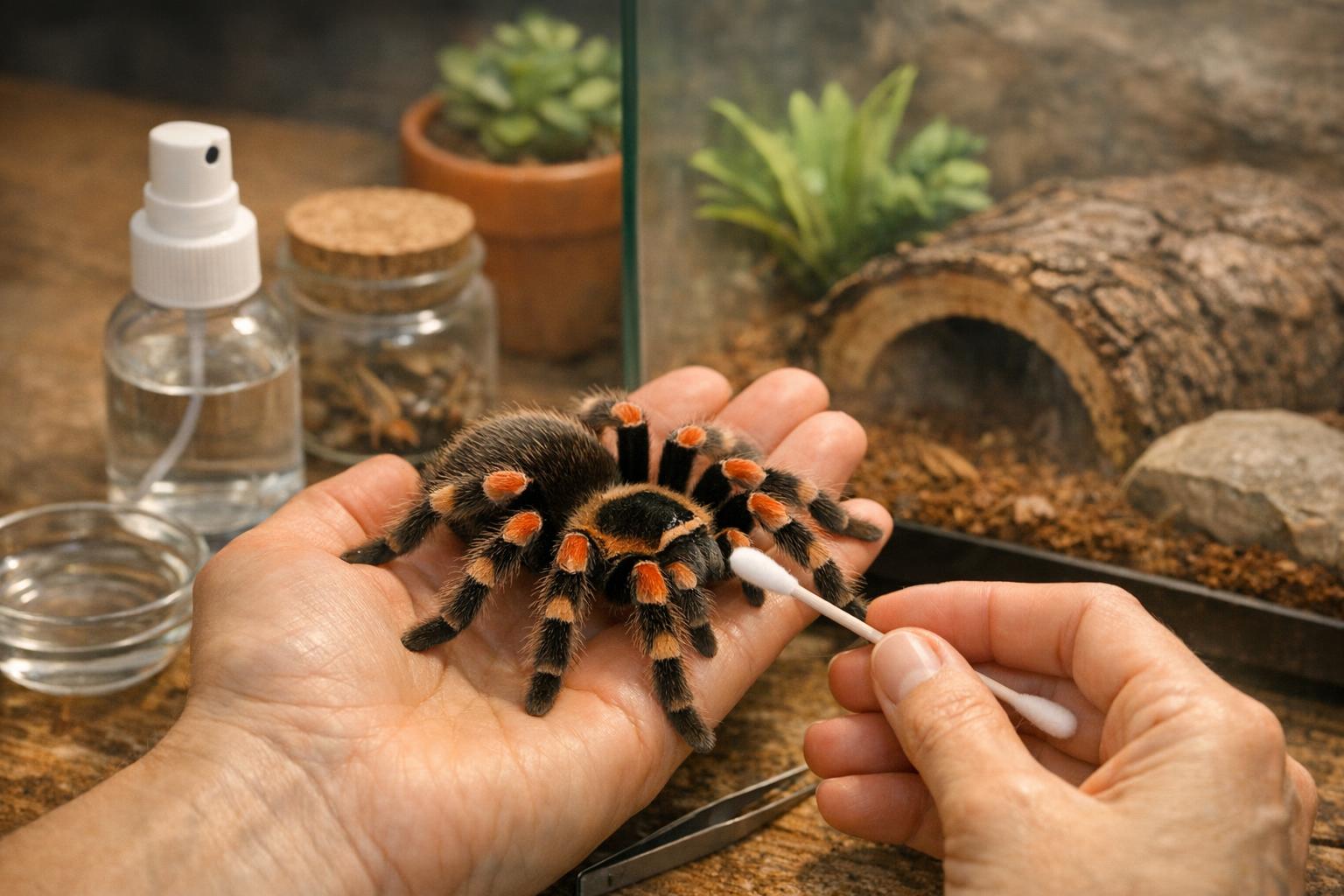
If small flakes remain after soaking, a dab of reptile-safe moisturizer can help. Look for products formulated for reptiles or use pure, additive-free aloe vera gel sparingly. Apply with a cotton swab, not your fingers. Avoid petroleum jelly and other heavy occlusive products that can trap bacteria or clog scales. Use topical care only for surface flakes; do not apply to raw or bleeding areas without vet advice.
### When To Use A Gentle Trim
Sometimes a thin piece of skin is so tight at the tail tip or digits that it must be trimmed. This should be a last resort and done carefully. After soaking, when a tip of skin is fully loosened and dangling, you can trim the free edge with sterilized, blunt-ended scissors to prevent further constriction. Never cut skin that is still attached along its length. If you’re unsure, take photos and ask a vet or an experienced keeper before cutting.
## Common Mistakes To Avoid
People try to rush shedding with too-hot water, vigorous scraping, or hormone-based supplements. Those move fast from helpful to harmful. Excessive heat can cause burns. Scraping with metal tools injures skin. Supplements promising faster sheds often do nothing and could unbalance diet. Stick to gentle soaking and habitat fixes.
### Misapplied Products To Stay Away From
– Oils designed for human skin or baby oil can trap dirt and promote bacterial growth.
– Essential oils are toxic to many reptiles.
– Over-the-counter human moisturizers often contain fragrances and alcohols that irritate reptile skin.
### Why Humidity Alone Isn’t Always The Answer
Raising humidity helps, but if your reptile’s diet is deficient, or it’s carrying internal parasites, the shedding will still be poor. Check that the animal is eating well, maintaining weight, and passing normal feces. If appetite drops or lesions appear, get a vet involved.
### Species-Specific Notes
Different reptiles respond differently to the same approach. Here are some practical tweaks by species.
#### Bearded Dragons
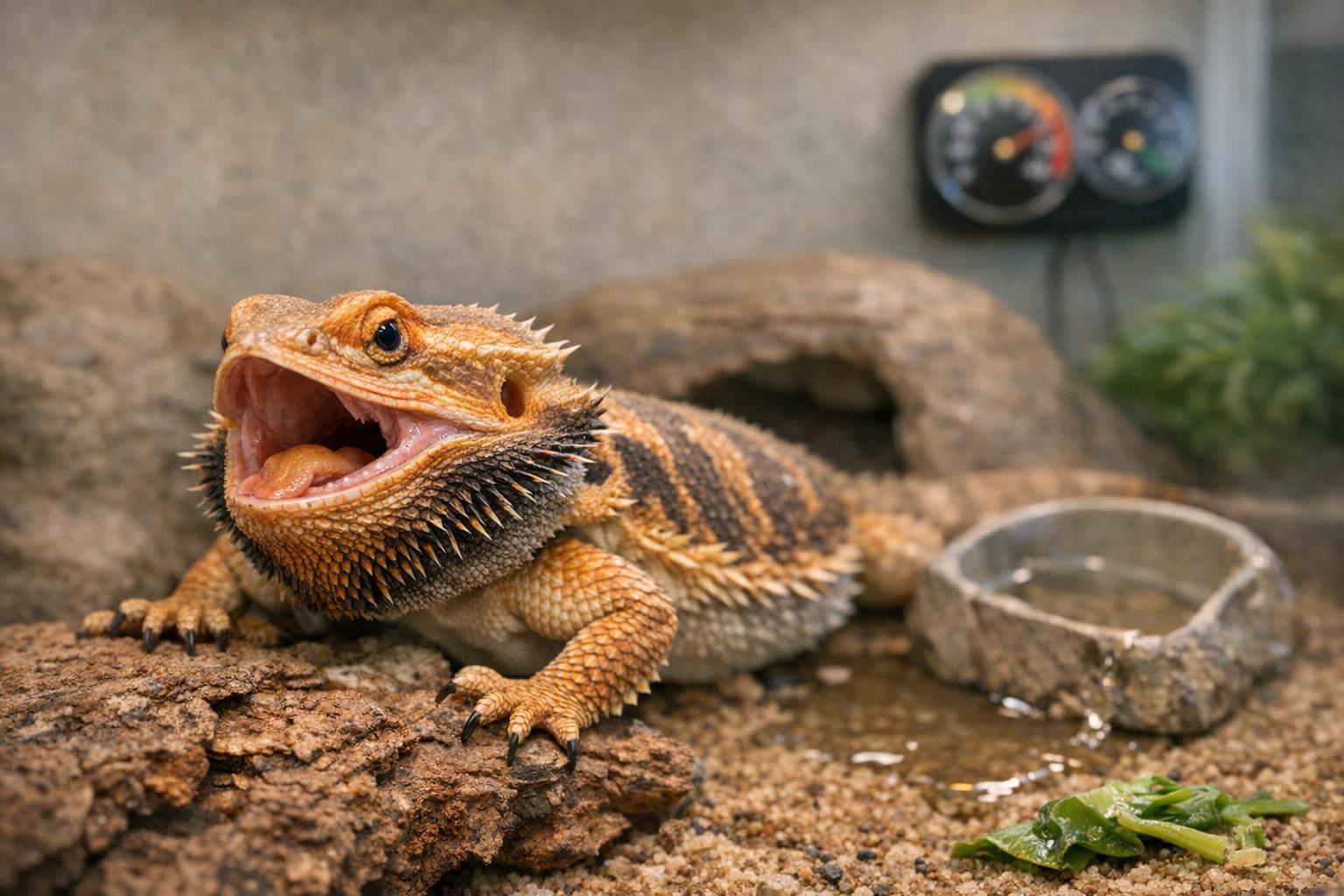
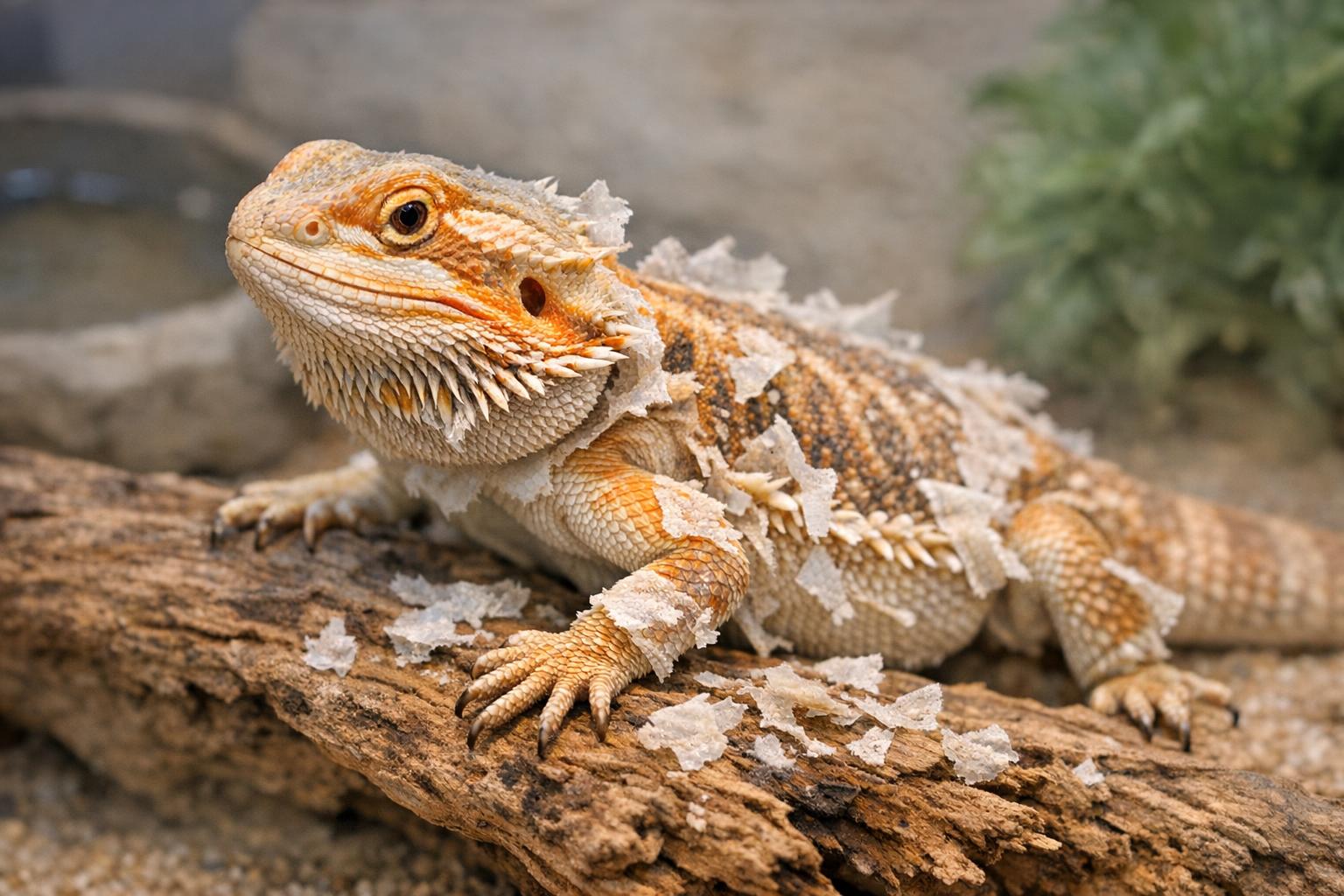
Bearded dragons tolerate soaking well. A 15- to 20-minute bath in 90–95°F water twice a day during shedding can work. Pay particular attention to toes; dragons often retain shed on digits. A humidity hide is rarely needed full-time, but provide one during the shed cycle.
#### Leopard Geckos
Leopard geckos need a moist hide. If they retain eye caps, a short soak followed by gentle rubbing with a wet cotton ball usually loosens them. Avoid prolonged immersion for very stressed or thin geckos; monitor weight.
#### Ball Pythons And Snakes
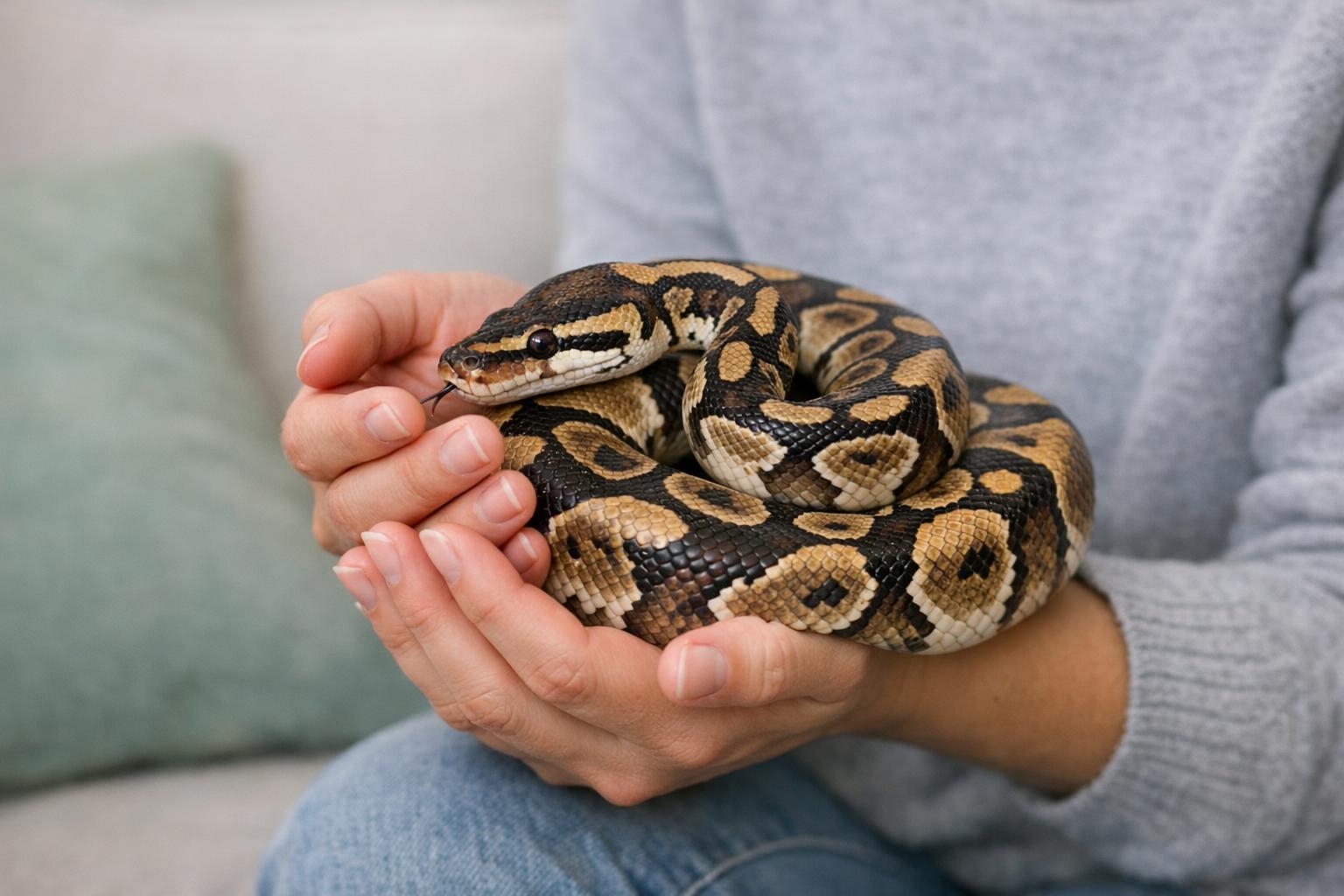
Snakes often appreciate deeper soaks because they can coil and soak more surface area. A bath long enough for them to soak and slither in helps. Use a plastic bin big enough for the snake to curl. Always supervise to prevent regurgitation or undue stress.
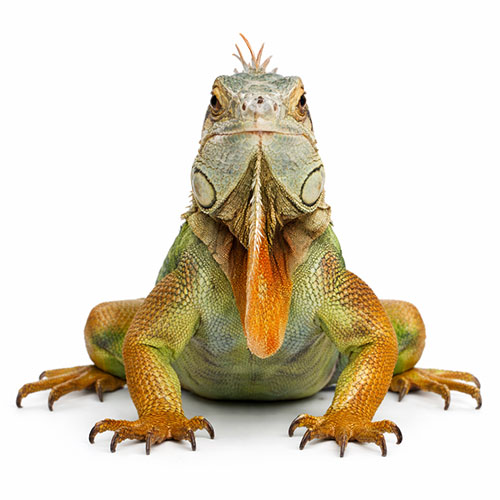
#### Iguanas And Large Lizards
Large species need larger setups for soaking and careful temperature control. For an iguana, humidity management in the enclosure is more important than baths. Mist heavily and provide a moist hide, especially for juveniles.
## Monitoring Progress
After you start the home remedy routine, keep a log. Note soak times, humidity readings, and any changes in behavior or appetite. Take photos of problem areas so you can track improvement. If a patch of skin remains for more than a few sheds or if swelling, redness, or discharge appears, it’s time for a veterinarian.
### When To Call A Vet
Call a vet if you see:
– Persistent retained shed after attempts with soaking and a humid hide.
– Swelling, discharge, foul odor, or bleeding.
– Loss of function in a digit or tail segment.
– Repeated shedding problems despite environmental fixes.
Veterinarians can remove stuck shed under proper restraint and sterile conditions and can diagnose underlying causes like mites or metabolic bone disease.
## Nutrition And Hydration Basics
Shedding is tied to overall health. Make sure the diet matches species needs. Calcium deficiency, for example, affects cell turnover and skin quality. Provide a balanced vitamin and mineral program appropriate for the reptile. For animals that drink rarely from a bowl, offer a shallow dish and mist food items so they get additional moisture. Hydration is subtle. Even if your reptile appears to drink little, correct humidity and moist forage items (where appropriate) help skin health.
### Supplements To Use Carefully
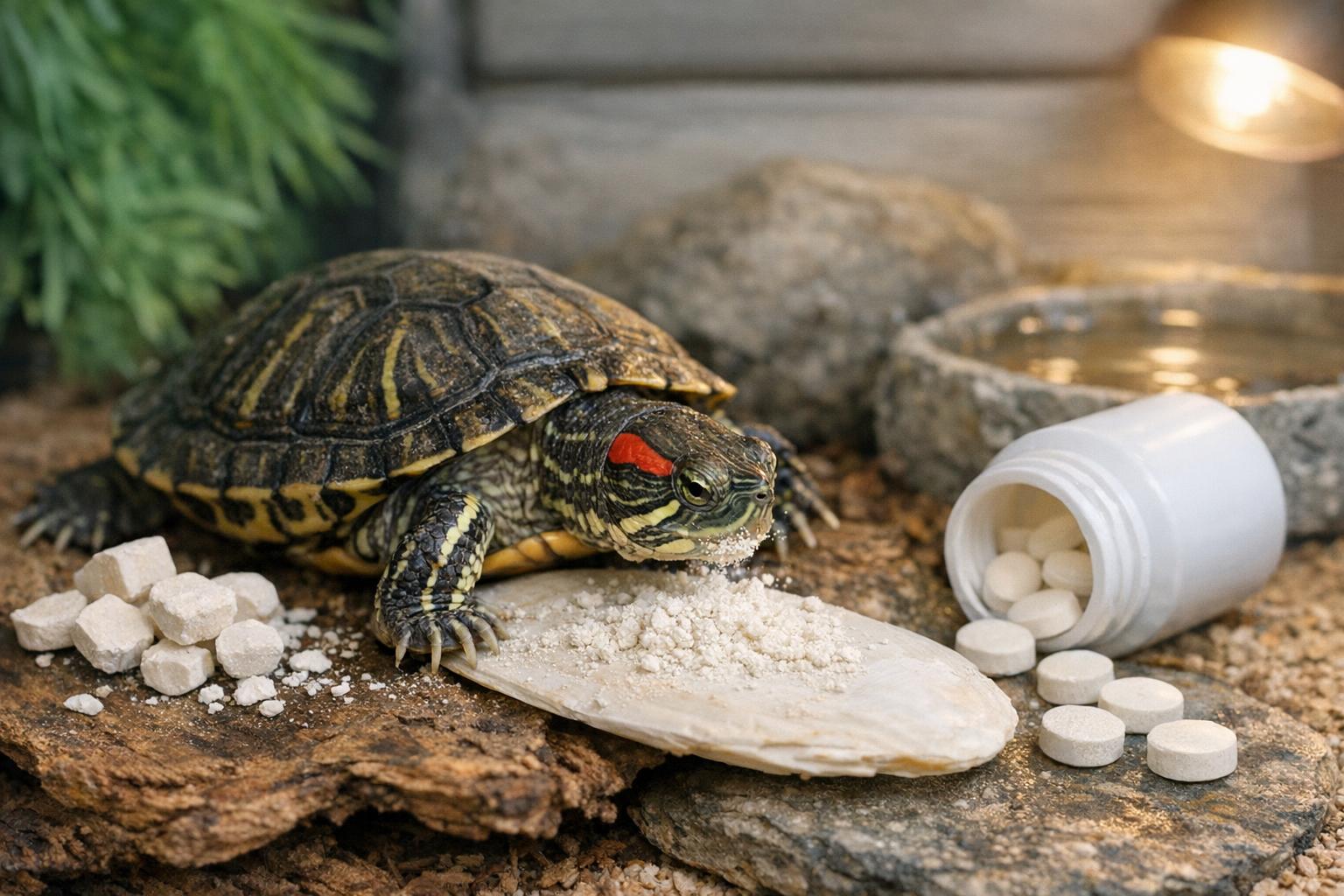
A basic calcium supplement with vitamin D3 used as directed is often necessary. Avoid multivitamins daily unless recommended. Too much vitamin A can cause skin issues. Consult a vet about supplement frequency and dose.
## Practical Examples From Keepers
I’ve seen a twenty-gram green anole that refused to shed its tail tip. A quick 10-minute soak and a soft cotton swab the next morning freed the tip. Another keeper had a ball python with repeated stuck neck rings; the fix was not daily soaks, but adding a second hide with damp moss and cleaning out a clogged vent that trapped humidity pockets. Small changes often solve what looks like a big problem.
### Case: A Bearded Dragon With Loose Flakes
A dragon kept on an old substrate had persistent scale lifting. Switching to a paper-based substrate, adding a humidity hide during sheds, and doing a weekly controlled bath cured it within two months. The initial dry patches were flaking but not infected. They needed consistent moisture and a cleaner bedding to heal.
## How Often To Repeat The Home Remedy
Use the soak method during active shedding cycles. For animals that shed frequently, a daily soak for a few days is okay. For those that shed rarely, limit soaks to avoid stress. If you use topical aloe or reptile moisturizer, apply sparingly and only on loosened flakes. The goal is to assist, not to continually alter skin texture.
### Signs You’re Overdoing It
If the reptile avoids the soak area, becomes lethargic after baths, or stops eating, cut back. Monitor weight and behavior. The remedy should be supportive, not a new stressor.
## DIY Humidity Hide Tips
You can make a humidity hide from a small plastic container. Cut a doorway and drill a few small holes for ventilation. Line with damp sphagnum moss or paper towels. Replace the lining if it gets soiled. Place the hide in the warm zone of the enclosure so the animal can pick temperature and humidity simultaneously.
### Cleaning And Hygiene
Always clean the soak container between uses. Use a reptile-safe disinfectant and rinse thoroughly. Change the hide lining regularly to prevent mold. Good hygiene prevents bacterial and fungal problems that can complicate dry skin.
## Final Practical Notes
Addressing dry skin is about small, patient steps. A sensible reptile dry skin home remedy routine helps animals shed comfortably and reduces the risk of retained skin causing lasting damage. Adjust for species, monitor closely, and get professional help for persistent or complicated cases. Occassionally a stubborn problem reveals a deeper health issue, and that’s something a vet needs to handle.












Leave a Reply