




## Substrate Options For Reptiles: Practical Choices
Choosing substrate options for reptiles is more than picking something that looks natural. The floor of a terrarium affects humidity, hygiene, and a reptile’s risk of impaction or respiratory issues. Think of it like the foundation of a house: if it’s wrong, everything above it suffers.
### Why Substrate Matters For Health And Behavior
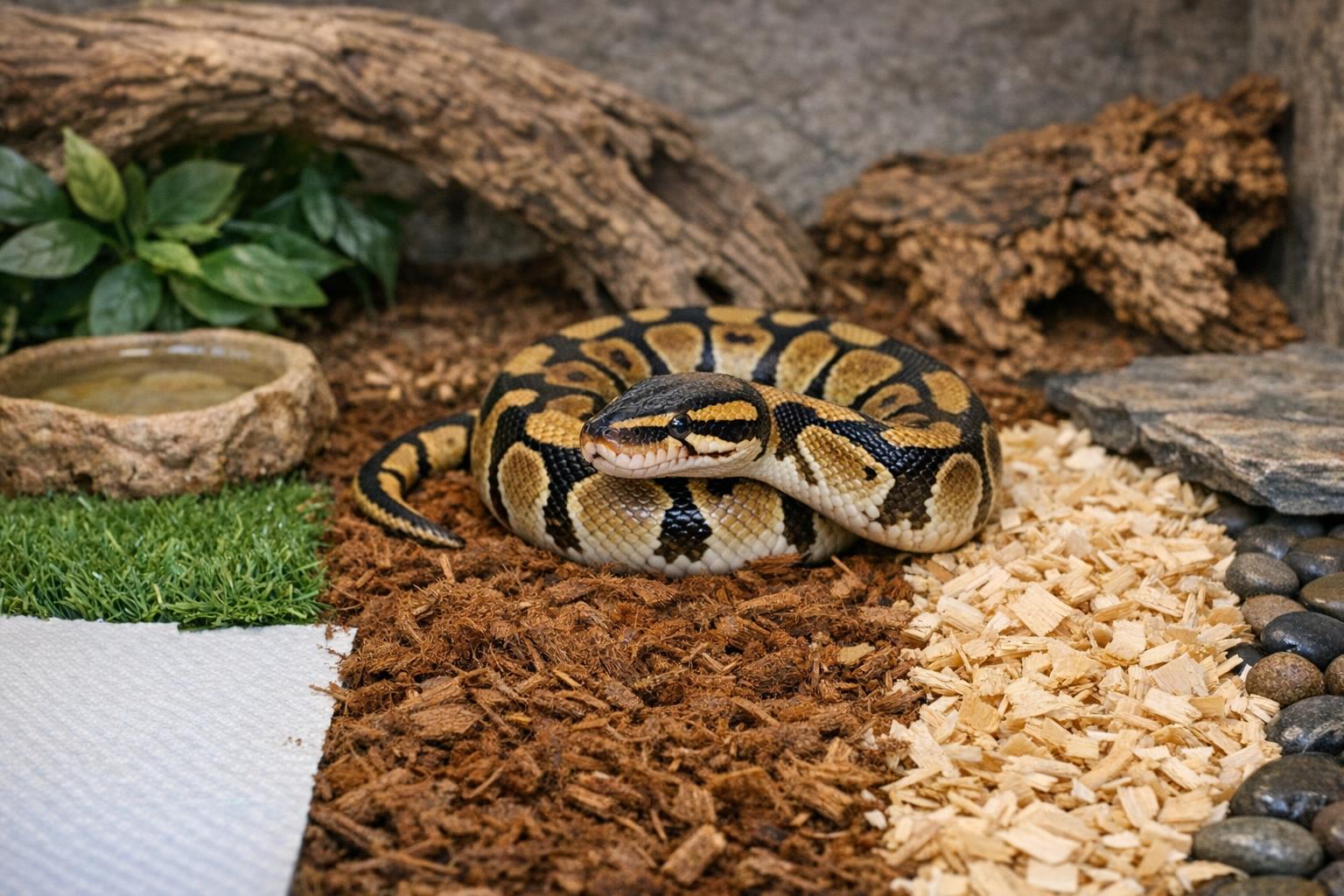
A good reptile substrate supports species-specific behaviors: burrowing, hiding, basking, or soaking. It also helps manage odors and wastes between cleanings. For example, a ball python that likes to curl into a tight hide will be stressed on a slick tile floor, while a leopard gecko will tolerate tile and even prefer it. Owners who match substrate to the animal’s needs cut down on medical visits and stress-related behaviors.
### Matching Substrate To Species
There’s no single best material for every species. Tortoises need different flooring than arboreal geckos. Here are practical categories and when to use them.
#### Natural Loose Substrates
Loose natural substrates include things like aspen shavings, coconut coir, cypress mulch, and clean topsoil mixes. They allow digging and moisture control.
– Aspen: Good for many snakes and tortoises that dig. It’s low-dust and doesn’t hold too much moisture. Avoid scented or softwood shavings.
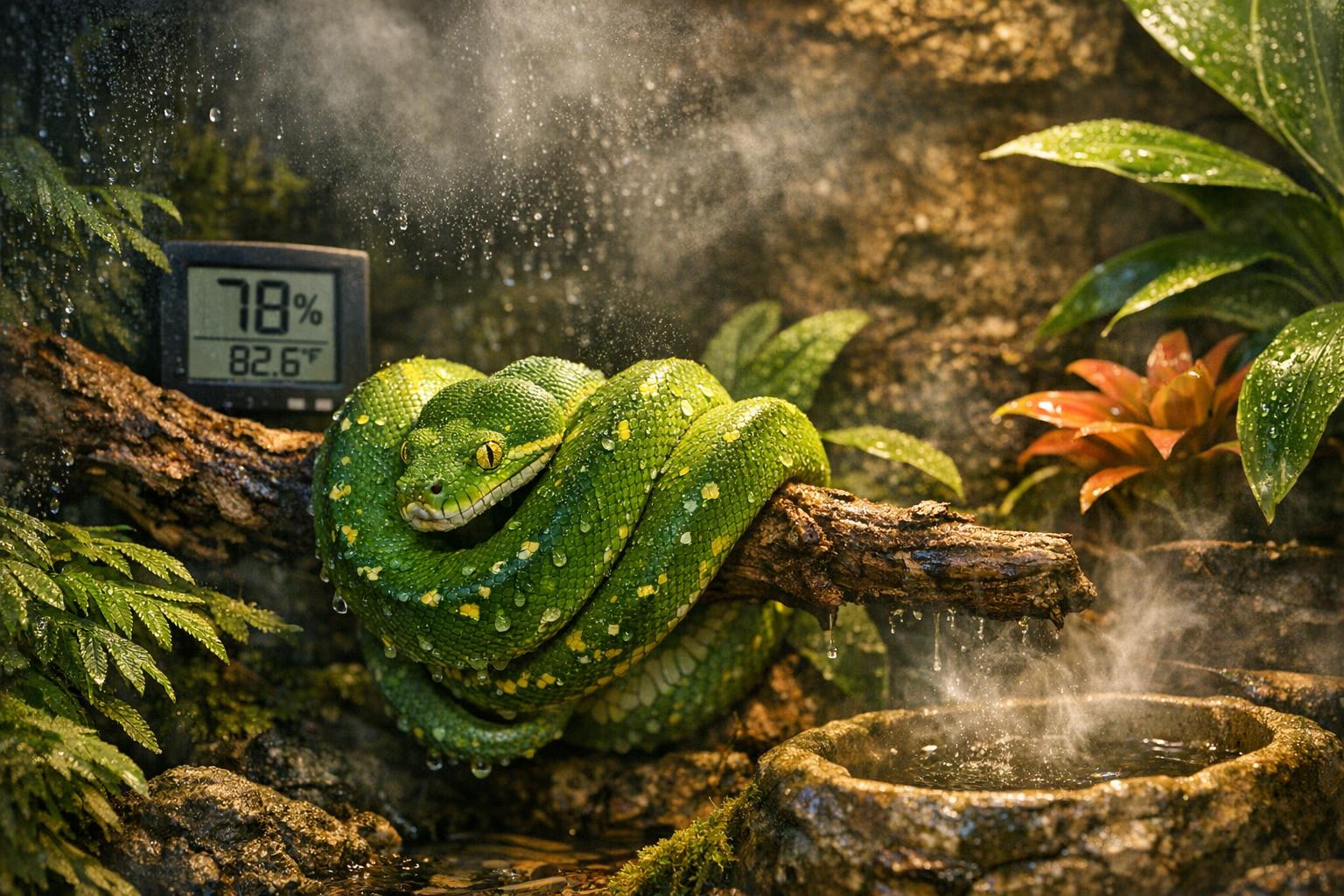
– Coconut Coir: Excellent for humidity-loving species because it holds moisture without molding quickly if changed regularly.
– Cypress Mulch: Keeps humidity up and smells neutral. Often used in tropical setups.
These materials are useful but increase the chance a reptile will ingest bits while feeding. That ingestion can lead to impaction. If your snake strikes meals from the ground, be cautious. Use feeding bowls or separate tubs when possible to reduce risks.
#### Hard Surface Options
Tiles, slate, and linoleum are increasingly popular. They’re easy to disinfect and mimic rock basking surfaces.
– Ceramic Tile: Simple to clean and great for bearded dragons and tortoises. Provides good traction.
– Slate: A bit heavier and more natural-looking. It retains warmth well when used over a heat source.
– Linoleum Or PVC: Affordable, waterproof, and easy to replace. It’s often used in breeding racks.
Hard surfaces don’t allow digging or moisture gradients, so they aren’t ideal for species that need to burrow or retain moisture. But they eliminate ingestion risk and make spotting waste trivial.
#### Sand And Grit (Use With Caution)
True desert sand and specially formulated calcium sands are controversial. Some species, like certain desert tortoises, historically live on sandy soils, but loose sand presents impaction risk for lizards and snakes that accidentally swallow it.
If you opt for sand:
– Choose coarse grains rather than fine dust to reduce dust inhalation.
– Avoid sand mixes marketed to look “natural” without safety data.
– Consider using sand only for animals that have evolved to handle it and always supervise feeding.
#### Bioactive Substrates
Bioactive setups use layers: a drainage layer, a soil mix, and a surface layer populated with cleanup crew organisms (springtails, isopods). They can drastically reduce odor and mimic natural nutrient cycles.
Bioactive is great for crested geckos, chameleons, and arboreal or semi-terrestrial species. It requires a commitment: monitoring microfauna, keeping the right humidity, and preventing mold. But the payoff is a living floor that recycles waste and supports plants.
### Specific Substrate Recommendations By Species
#### For Bearded Dragons
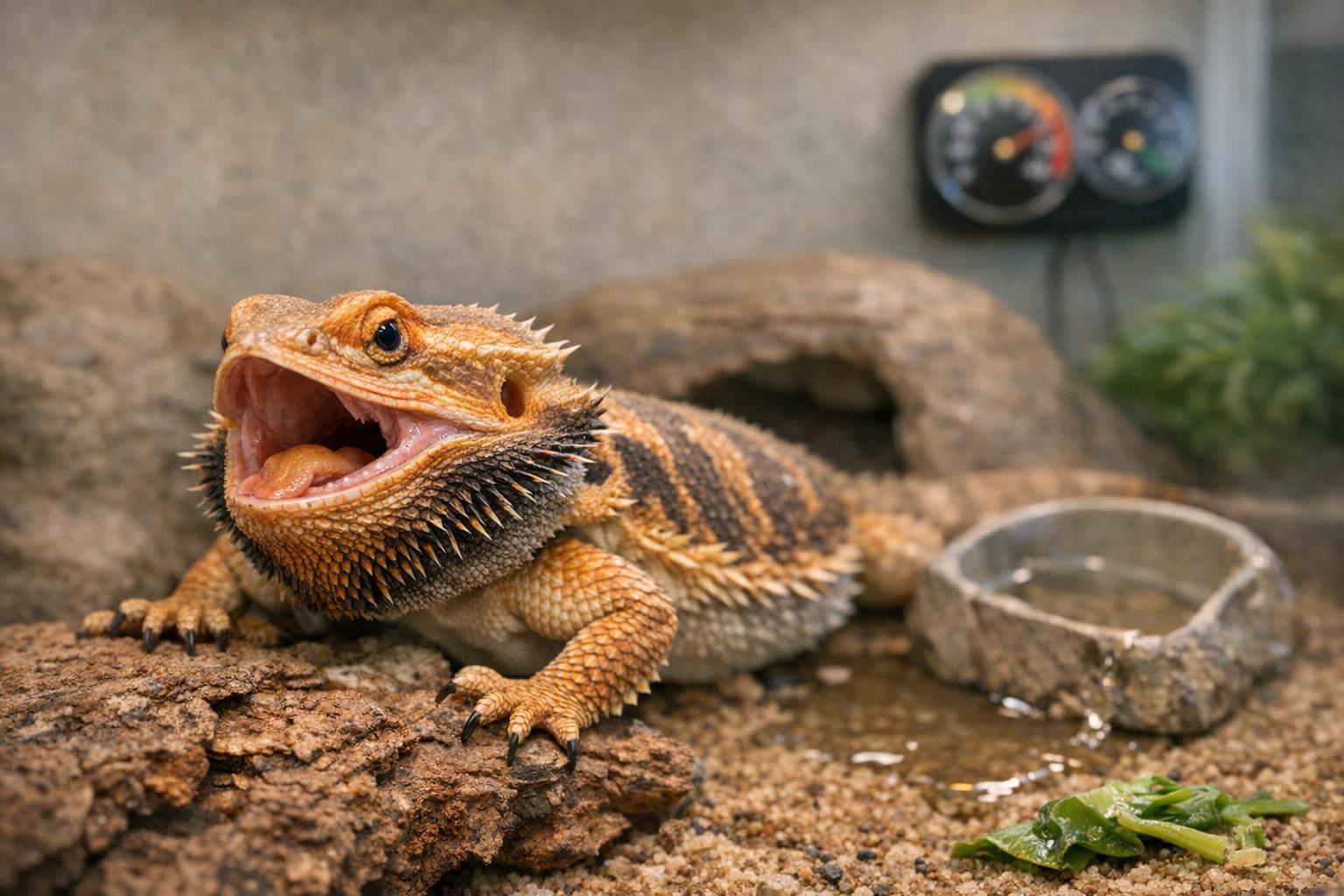
Opt for tiles or non-adhesive linoleum as the primary reptile substrate. They accidentally ingest sand while hunting, and impaction is a well-documented risk. Add a shallow water dish and spot-clean daily. An area with safe loose substrate like dry coconut coir can be offered in a separate digging box for enrichment.
#### For Ball Pythons And Corn Snakes
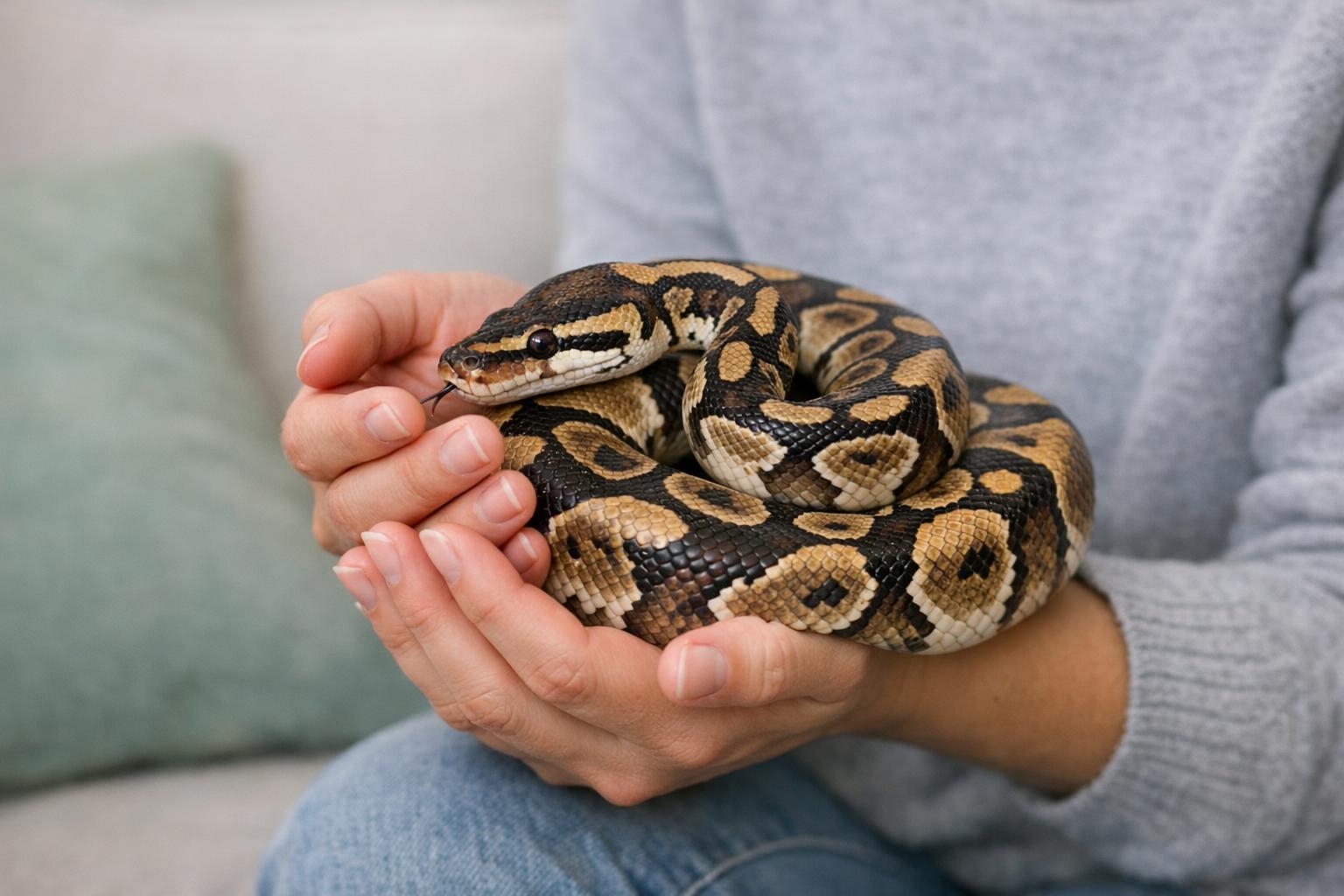
Aspen or cypress mulch works well. Ball pythons like a slightly humid hide, so a moist hide lined with paper towel inside an aspen box is simple and effective. Avoid cedar and pine—those oils are toxic.
#### For Leopard Geckos
Tiles are excellent. They regulate temperature well and avoid ingestion issues. If you want a softer substrate, use reptile carpet or paper towels for hatchlings. Loose substrates increase impaction risk, especially with small geckos.
#### For Tortoises
A mix of topsoil and play sand is commonly used, depending on species. Mediterranean tortoises need a drier mix, while sulcata require deeper, firmer substrate for digging. Make sure it’s free of fertilizers and pesticides.
#### For Arboreal Lizards And Chameleons
They benefit from substrates that retain moisture and support live plants—coconut coir or bioactive soil mixes. These species rarely ingest substrate, so the ingestion risk is lower, but humidity and mold must be controlled.
### Practical Tips On Installation And Maintenance
#### Depth And Layering
Match depth to behavior. For burrowers like Rosy Boas or uromastyx, provide several inches of loose, tamped substrate. For non-burrowers, a shallow layer or hard surface is fine. For bioactive builds, use a drainage layer (hydroton pebbles), then a soil layer, then leaf litter and microfauna.
#### Heating Considerations
Heat mats placed under a solid ceramic tile or stone will transfer warmth. Avoid putting a heat mat directly under loose substrates that might overheat or dry unevenly. Use a thermostat to prevent hotspots.
#### Cleaning Routine
Spot-clean daily. Replace or deep-clean substrate on a schedule that matches the material: paper towels and newspaper weekly, aspen every 4–8 weeks, and bioactive mixes can go months with maintenance of the cleanup crew. Always monitor for mold or ammonia smells, which means it’s time for a deeper clean.
#### Feeding Practices To Reduce Ingestion
Use feeding tubs or elevated feeding dishes to avoid direct contact with loose substrate. For snakes, feed in a separate tub or on a tile surface. For lizards, use dishes that are heavy or attached to prevent tipping into substrate.
#### Avoid These Common Mistakes
– Using aromatic woods (cedar, pine). The oils can cause liver and respiratory issues.
– Adding sand to enclosures where it isn’t necessary just for the “look.” The risk of impaction outweighs aesthetics for many species.
– Assuming one substrate that worked for a neighbor will work for your animal. Microclimates vary even with identical materials.
### How To Transition Substrate Safely
Change substrate gradually if you’re switching types. Start by replacing a small area at a time, especially for species sensitive to environmental change. Provide plenty of hides and maintain temperature and humidity during the transition. If you must swap everything at once, expect a few days of altered behavior as your reptile adjusts.
### When To Consider Veterinary Advice
If your reptile shows signs of ingestion (weight loss, lack of appetite, abnormal stools) or respiratory problems (wheezing, bubbling at the nose), contact a vet. Some issues linked to poor substrate choices lead to problems that are hard to reverse. An X-ray can reveal impaction, and a vet can advise on surgical or medical options.
### Buying And Testing Materials
Not all brands are the same. Look for dust-free, pesticide-free, and kiln-dried labels when buying loose natural materials. Test new materials in a small tub with a thermostat for a few days to check for mold growth under typical humidity and temperature levels. I one time ordered a bag of “premium” soil that smelled off and discovered it contained contaminants—learned to always check small batches first. That was a mispelled learning moment on my part.
### Final Practical Notes On Cost And Availability
Some substrates are cheap and disposable, like paper towels and newspaper liners. Others are investment pieces: slate, ceramic tiles, and bioactive soil take time and money but cut maintenance later. Think about how much time you want to spend cleaning, how often you plan to replace the material, and whether you’ll keep live plants or cleanup crews.
If you’re unsure, start conservative: tiles and spot-cleaning are low-risk. Then experiment with small changes—a moist coir corner or a bioactive planting zone—until you find what works for your reptile and your schedule. Substrate options for reptiles vary, but careful choice and thoughtful maintenance give your animal the best chance to thrive.










Leave a Reply