

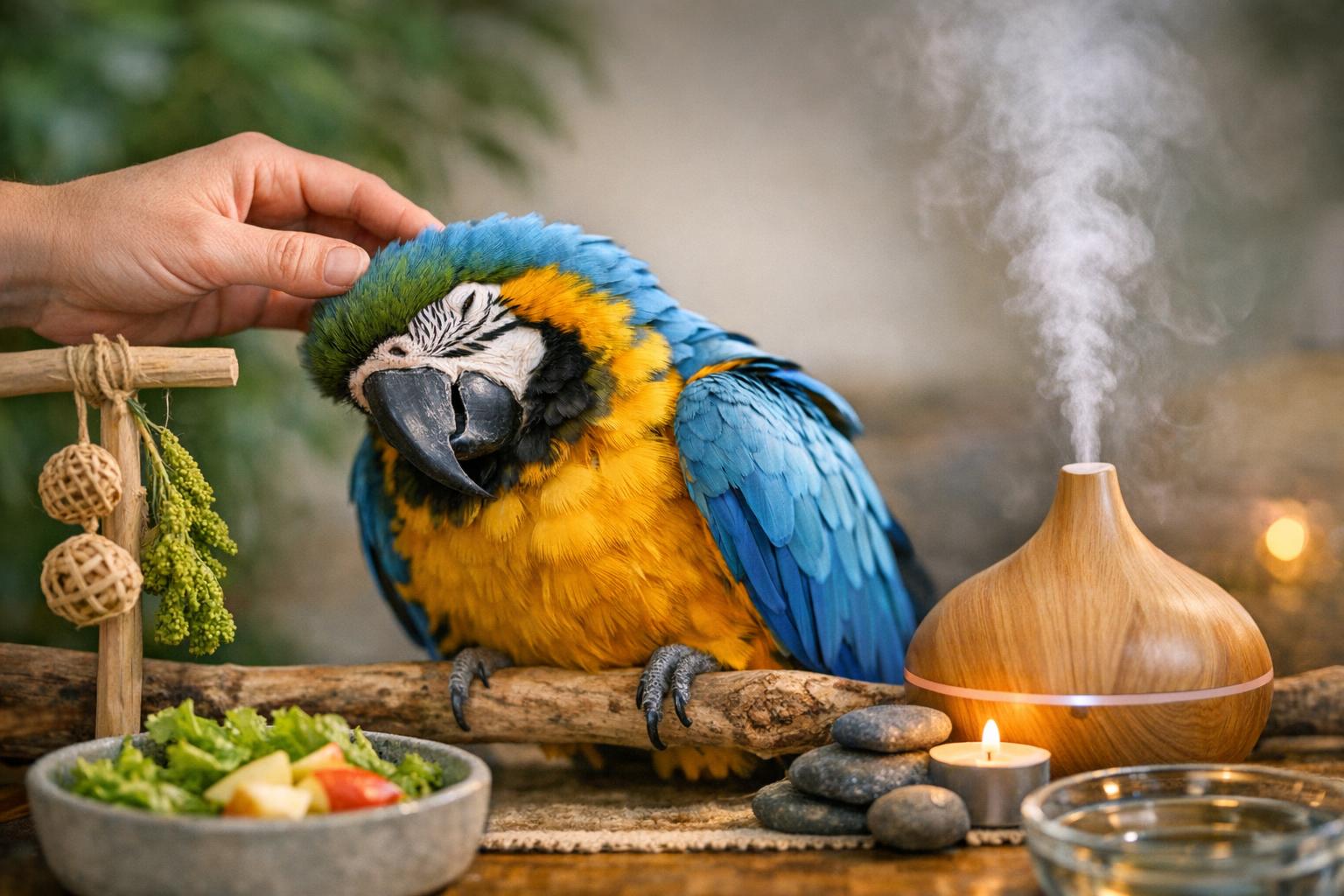
Birds don’t show stress the way dogs or cats do. They hide it. One day a cockatiel is lively, the next it’s puffed up, listless, or screaming at strange hours. That’s the part that trips people up: by the time behavior changes are obvious, the bird has already been living with poor welfare for weeks. There’s a lot you can fix, though, when you notice the signs and know which levers to pull.
## Practical Avian Stress Reduction Techniques For Home Birdkeepers
Start with the cage. Size matters, and not just for flight. A cage that’s too small forces constant maneuvering around perches and toys, which is tiring and stressful. A cage that’s too empty leaves a bird with nothing to do. Give them clear flight space and multiple resting spots. Use a mix of horizontal and vertical perches to let feet and legs shift positions through the day.
Place the cage where life happens. Birds are social, and they want a view of the room. But avoid putting the cage where loud appliances, heavy foot traffic, or direct drafts occur. Windows are fine if you can manage predators (including neighborhood cats) and sudden temperature swings. If your bird is reactive to outside stimuli, a partially covered cage can give a safe retreat without isolating them.
### Know The Subtle Signs Of Avian Stress
Stress doesn’t always mean feather-plucking or breathlessness. Listen and watch for smaller cues. A stressed bird may:
– Fluff and stay fluffed for long periods.
– Change its eating routine or drop food from the beak.
– Increase territorial behavior, biting more often or lunging.
– Sleep less or at odd times.
– Over-preen or suddenly avoid grooming.
These behaviors can be seasonal or linked to hormonal cycles, but they’re also the first red flags of environmental or social stressors. When you see one, treat it like an early warning rather than a temporary quirk.
### Set Up A Routine That Reduces Anxiety
Birds thrive on predictability. A consistent schedule for meals, interaction, and lights helps reduce baseline anxiety. That doesn’t mean every minute must be scripted. It means basic expectations — morning play time, afternoon quiet, predictable sleep hours — so birds know what to expect.
Light matters. Birds use photoperiod to regulate hormones and sleep. Aim for about 10–12 hours of daylight and 10–12 hours of uninterrupted darkness overnight. If you keep lights on late or have a lot of artificial light leaking into the room, a bird can get hormonally aroused and stressed. A simple drape over the cage works wonders.
## Diet And Health Measures That Cut Stress
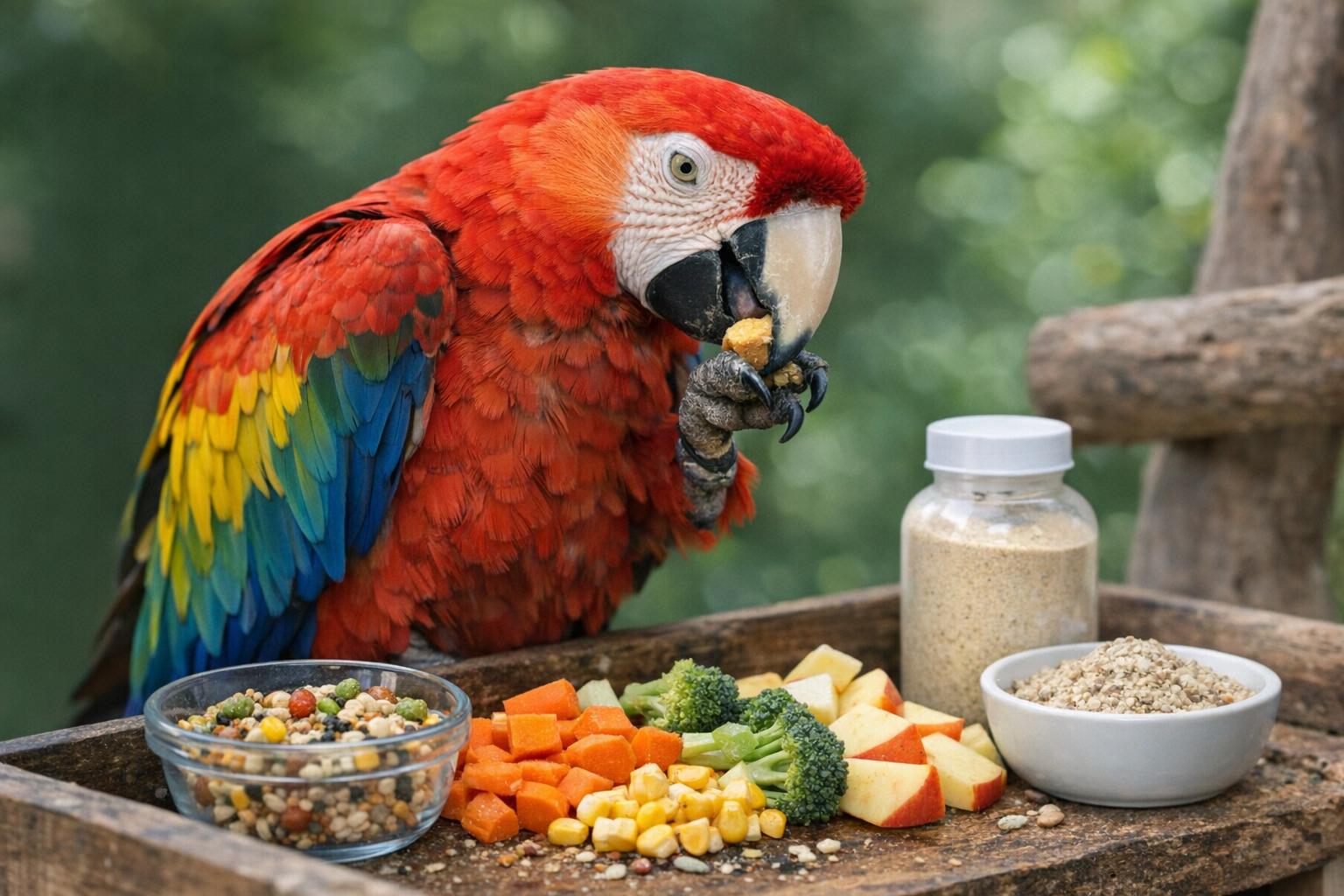
Food is more than calories. Variety, predictability, and feeding method change how birds perceive safety. Fresh vegetables and quality pellets form a solid base. Add seeds, fruits, and foraging treats in controlled amounts. Foraging is crucial: it turns feeding into an activity and engages the brain.
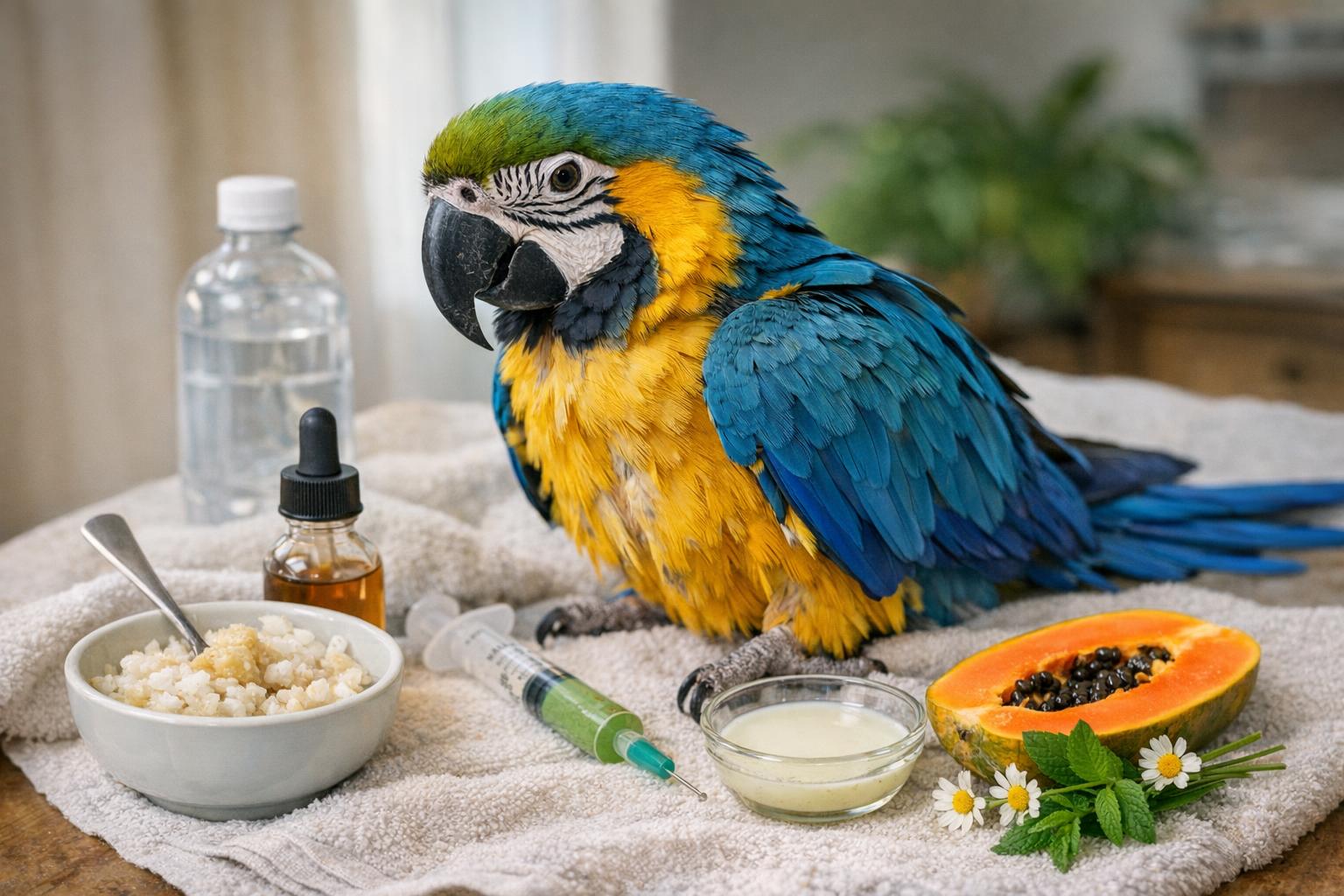
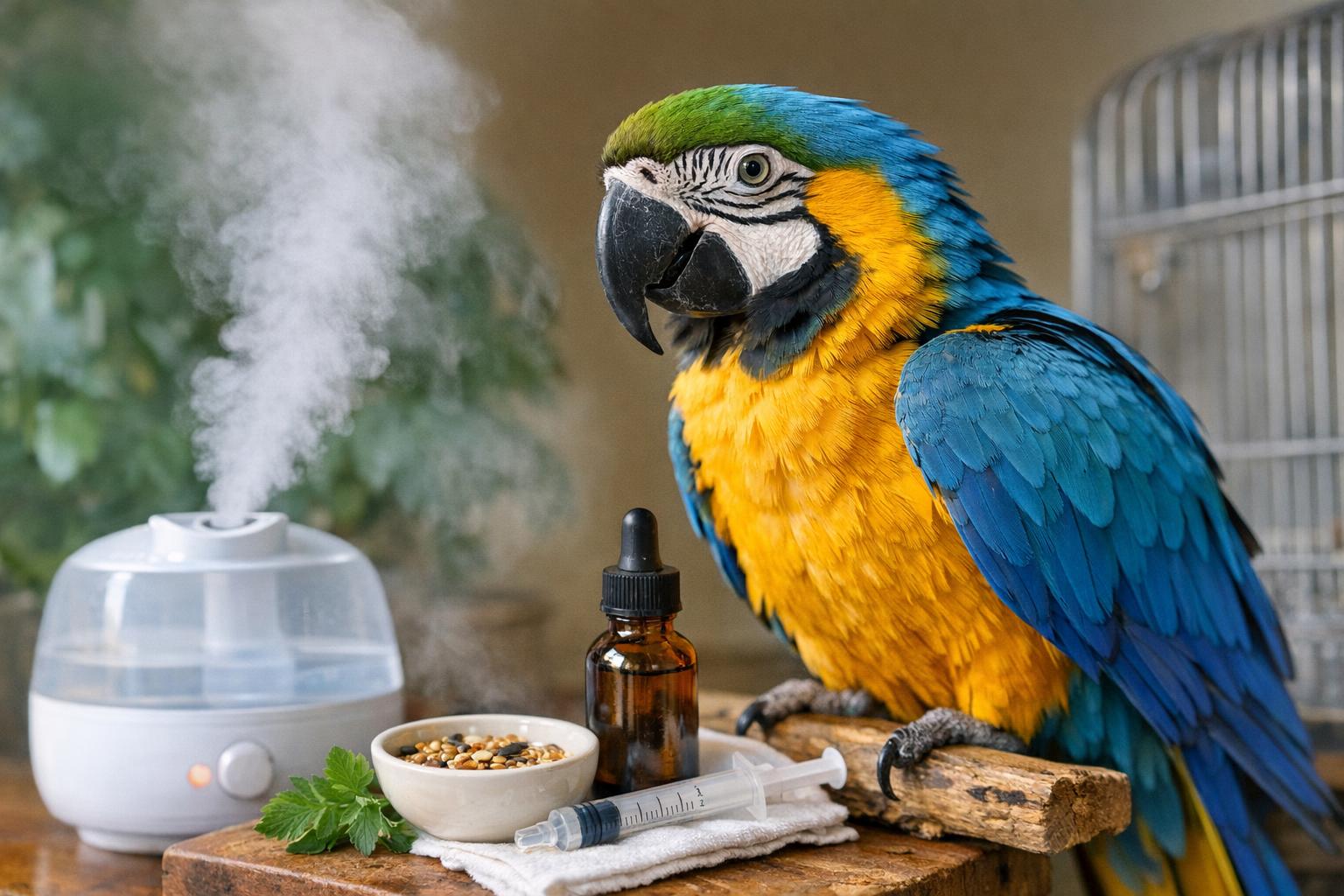
If your bird suddenly refuses food or loses weight, that’s a medical emergency. Illness and pain are major causes of chronic stress. Regular checkups with an avian vet catch problems early. Don’t try to medicate or change diet dramatically without consultation. Small, steady changes are less stressful than big switches.
### Train For Cooperation And Lower Stress
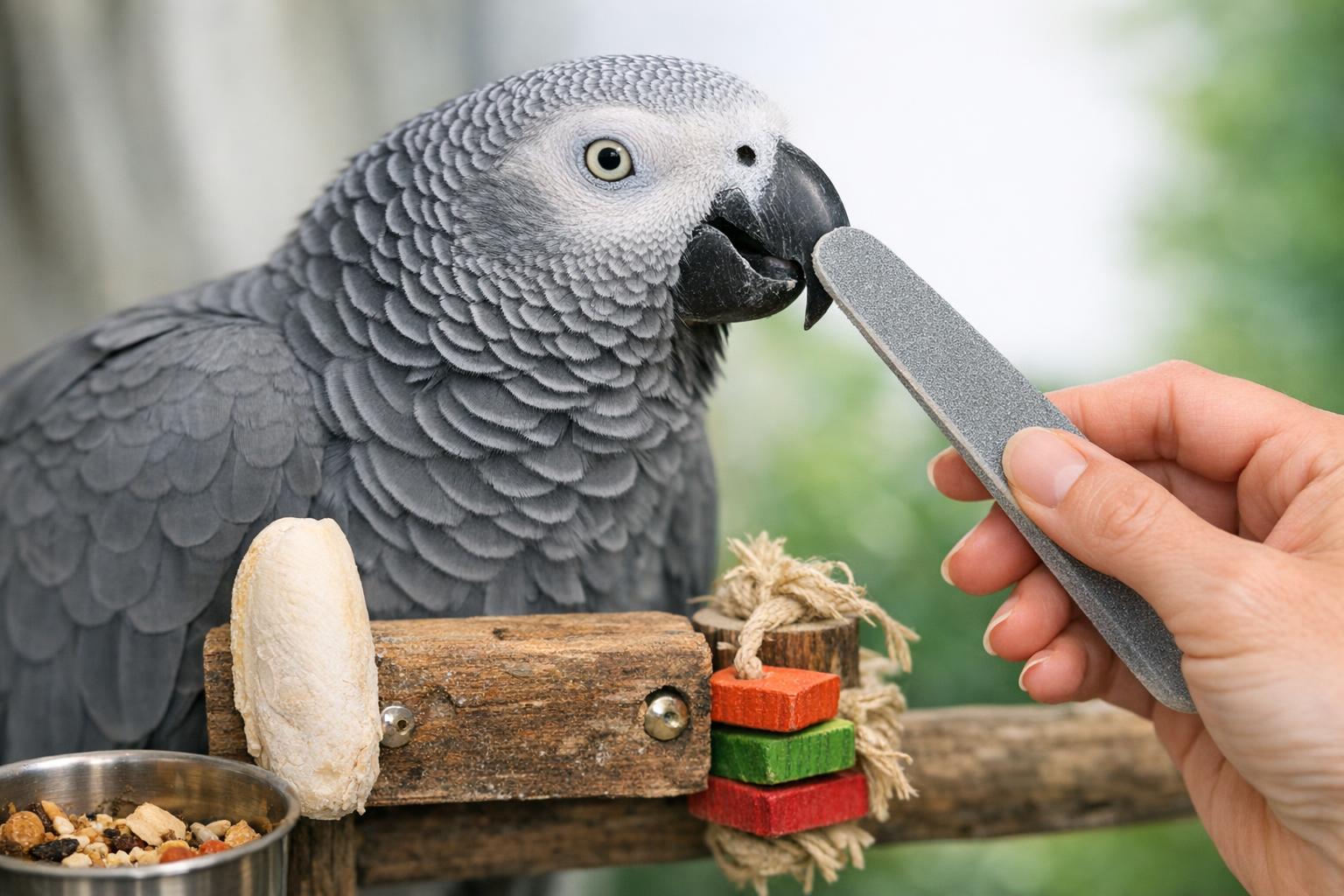
Training isn’t about tricks. It’s about communication. Teaching a bird simple target or step-up behaviors reduces struggle during handling and vet visits. Use short, positive sessions — three to five minutes, two or three times a day. Reward small steps. The goal is to make interaction predictable and non-threatening.
Clicker training is especially useful. The click marks the exact moment the bird did something you want, which speeds learning and reduces frustration. Training builds trust, which chips away at chronic anxiety over months.
#### Use Handling Protocols That Minimize Panic
When you need to capture or move a bird, keep it calm. Cover the cage slowly, speak softly, and move with intent but not rush. If a bird is clearly terrified, stop. Back away and rebuild trust before trying again. Handling should never be a surprise. The fewer times you have to chase and grab, the safer your bird will feel.
## Environmental Enrichment That Matters
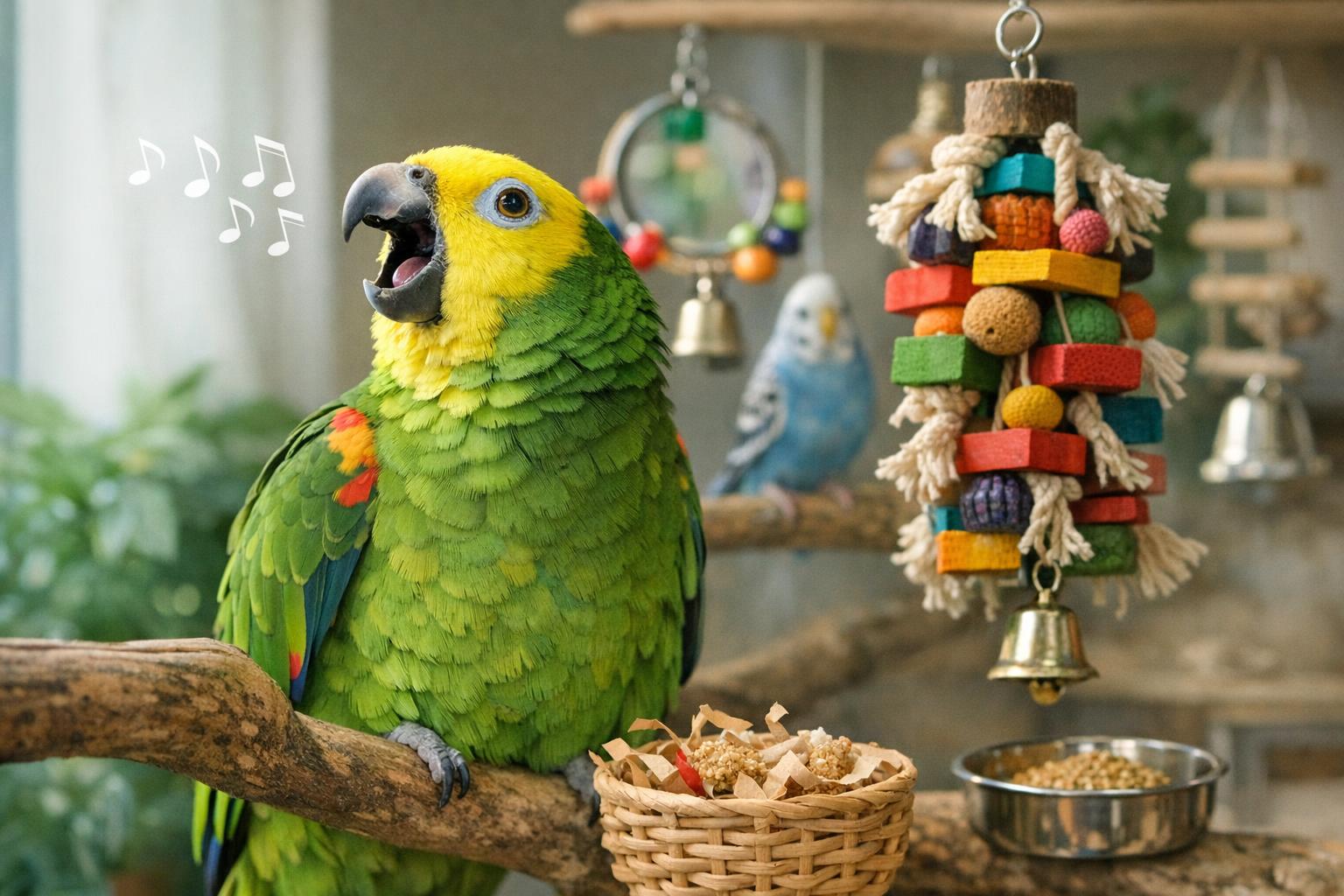
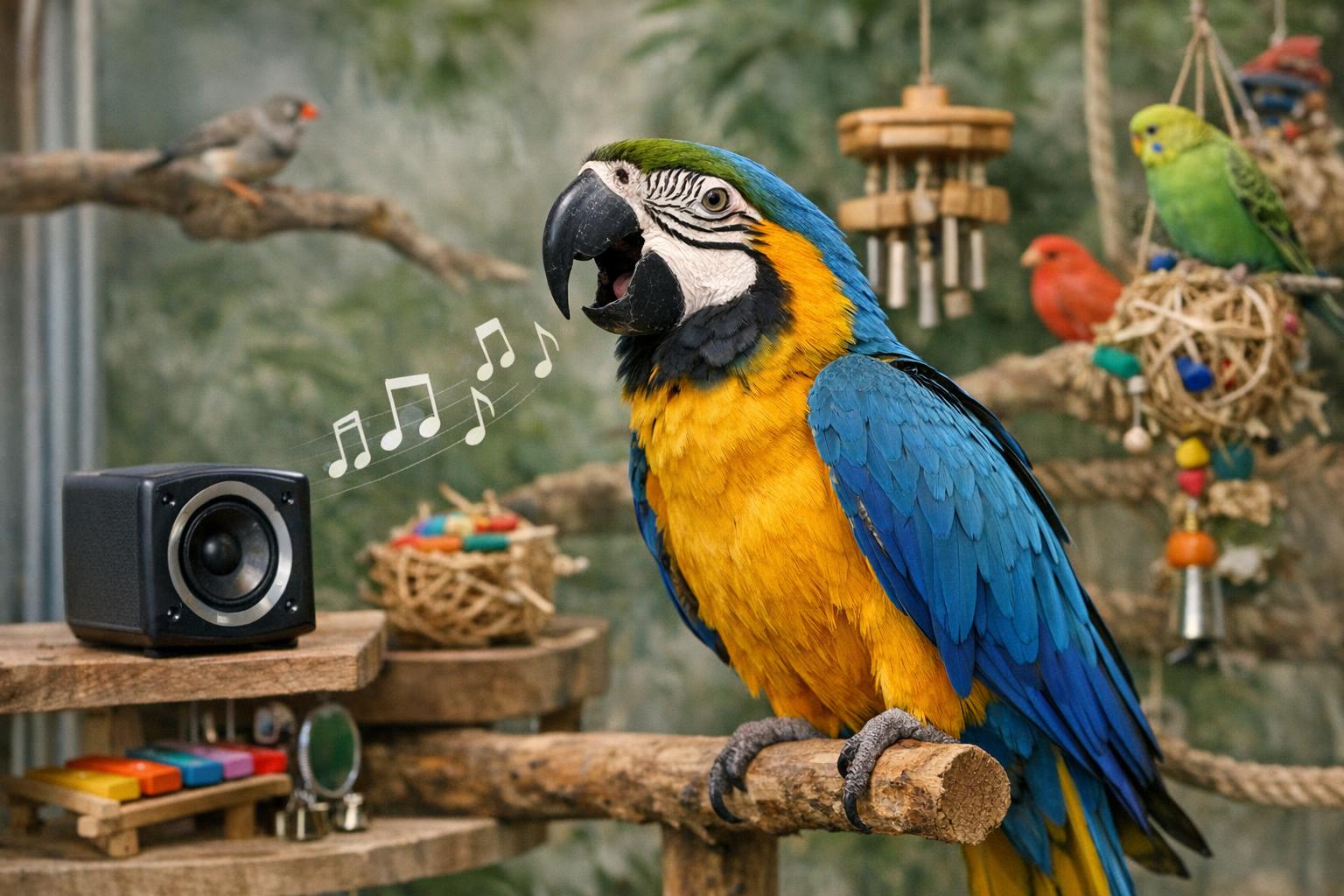
Enrichment isn’t just toys. It’s challenges, choices, and novelty balanced with safety. Rotate toys every week or two so items feel fresh. Introduce different textures: wood, rope, paper, and safe metal. Include puzzle feeders to encourage problem-solving. Foraging sites at different heights make the cage landscape richer and reduce boredom-related stress.
Plants can be great enrichment, but only if they’re non-toxic and pest-free. Avoid citrus, rhubarb, and many houseplants that are poisonous. Simple branches from safe trees (apple, willow, eucalyptus if pesticide-free) offer natural chewing and perching options. Replace branches regularly to avoid mold.
### Social Enrichment And Companionship
Some species are happiest with another bird. Others form such tight bonds with a human that adding a mate causes stress. Know your species. Budgies and cockatiels often do well with companions if introduced carefully. Macaws and African greys can become intensely bonded to one person and resent another bird.
If you’re the main companion, be mindful of intensity. Constant attention is not the same as quality attention. Short focused interactions — a grooming session, a short training round, or a shared quiet time — will often reduce anxiety more than continuous handling.
## Manage Noise, Smells, And Sleep To Keep Stress Low
Sound is a big factor. Sudden noises trigger a bird’s flight response. If your household has noisy neighbors, a pet that barks, or construction nearby, consider ways to buffer sound. Rugs, curtains, and a calmer placement of the cage help. White noise machines can work, but use them at low volume.
Smells can be equally aversive. Strong perfumes, cleaning chemicals, and even cigarette smoke cause respiratory stress. Switch to bird-safe cleaners and air the room well after cooking. Avoid aerosol sprays near the cage.
Light and sleep go together. If your bird wakes up too early because of streetlights, an adjustable blackout cover fixes that. Let the bird sleep through the night without a flashlight on the cage unless there’s an emergency.
### Emergency Steps When Stress Peaks
If a bird suddenly shows signs of severe distress — open-mouth breathing, severe lethargy, or self-mutilation — call your avian vet immediately. For less dramatic but worrying signs, start with environmental fixes: reduce noise, cover part of the cage, check food and water, and offer a warm, quiet spot. De-escalate before making big changes.
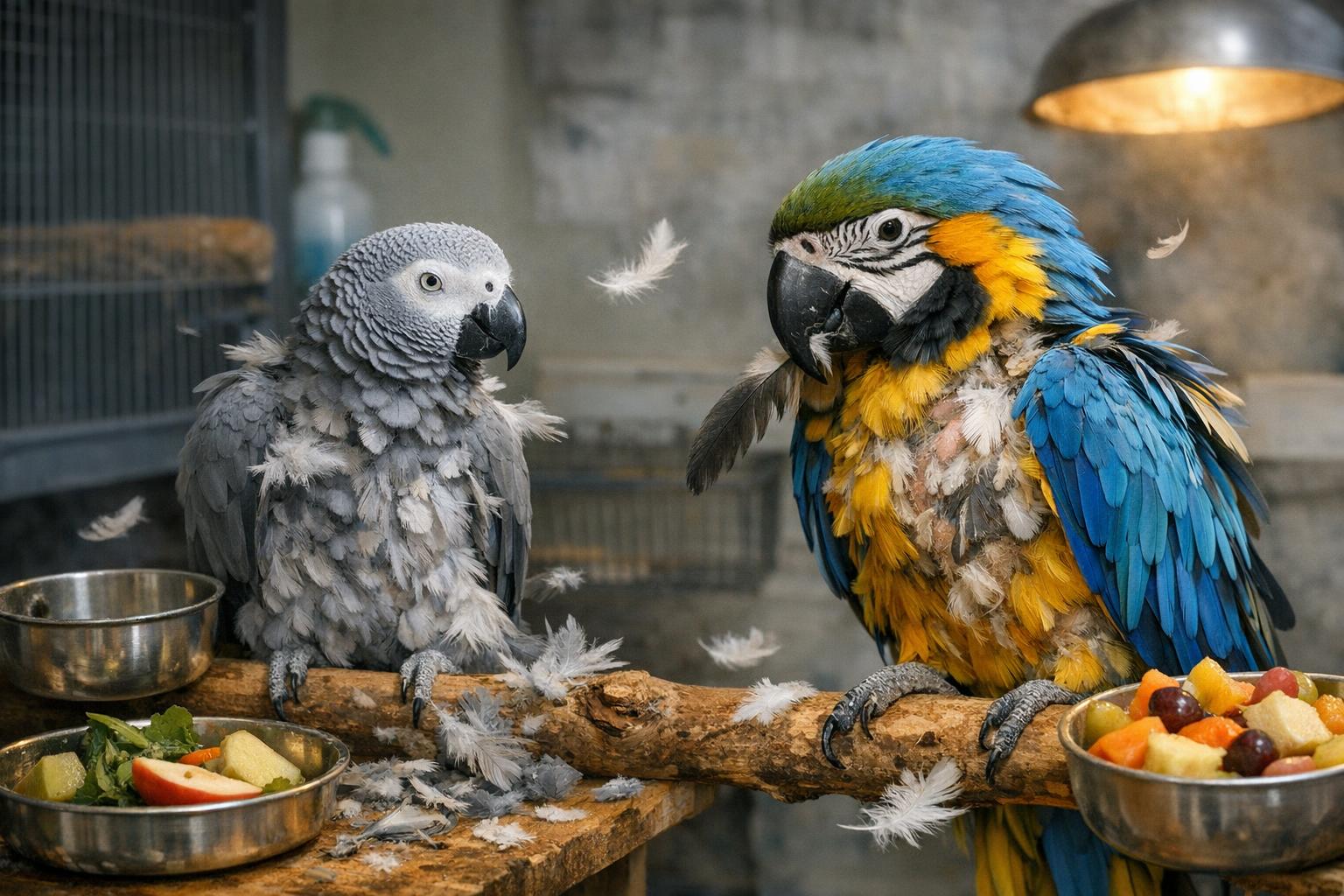
If feather-plucking appears, don’t assume it’s purely behavioral. Screen for skin infections, mites, or internal disease. Once the medical basis is excluded or treated, pair medical care with environmental and behavioral changes to prevent recurrence.
## Long-Term Thinking: Habits That Prevent Future Stress
Stress builds gradually. The measures that matter are the ones you can sustain. That means choosing a cage you can live with, a care routine you’ll stick to, and toys and training you’ll rotate. Avoid elaborate setups that you won’t maintain. A consistent, simple routine beats a flashy but transient overhaul.
Keep a bird diary for a month. Note eating, sleeping, vocal changes, and incidents like near escapes or new household stressors. Patterns show up in writing more quickly than you might think. When you spot a trend, act on it while it’s still small.
### When To Use Professional Help
Behaviorists and avian vets have different roles. If a medical test comes back clear but anxiety persists, a certified avian behaviorist can design a stepwise plan. They’ll suggest training schedules, environmental tweaks, and gradual desensitization to specific triggers. Don’t rely on generic advice forums for complex issues. Personalized plans reduce stress faster than trial-and-error.
#### Keep Records For Better Care
Document vet visits, vaccine dates, diet changes, and behavioral interventions. When progress stalls, these records tell the next professional what you already tried. They also prevent repeated mistakes, like switching foods too quickly or reintroducing a stressor too soon.
Play with the routine. Try a new foraging toy for a week. Move a perch a few inches. These small, reversible experiments reveal what helps and what makes stress worse. It’s part of learning your bird’s personality.
One more practical thing: if you plan significant household changes — new baby, renovation, or bringing in a new pet — introduce them slowly. Birds are sensitive to shifts in their social and environmental landscape. A staged introduction reduces the chance of behavioral fallout.
If your bird starts hiding signs of stress again after improvements, don’t assume backsliding. Re-evaluate diet, vet status, and daily rhythm. Sometimes a simple change — different brand of pellet, a quieter window, or a new perch — is enough to calm things down. And remember, birds communicate on their own timetable. Patience pays. Also, don’t forget to double-check that toys and perches are safe and free of chips or loose pieces; tiny hazards can suddenly become a major source of distress for a curious bird.
Keep at it. Small, steady changes add up, and birds will tell you what works — if you take the time to listen.









Leave a Reply