




## Gentle At Home Care For Canine Digestive Upset: Initial Assessment
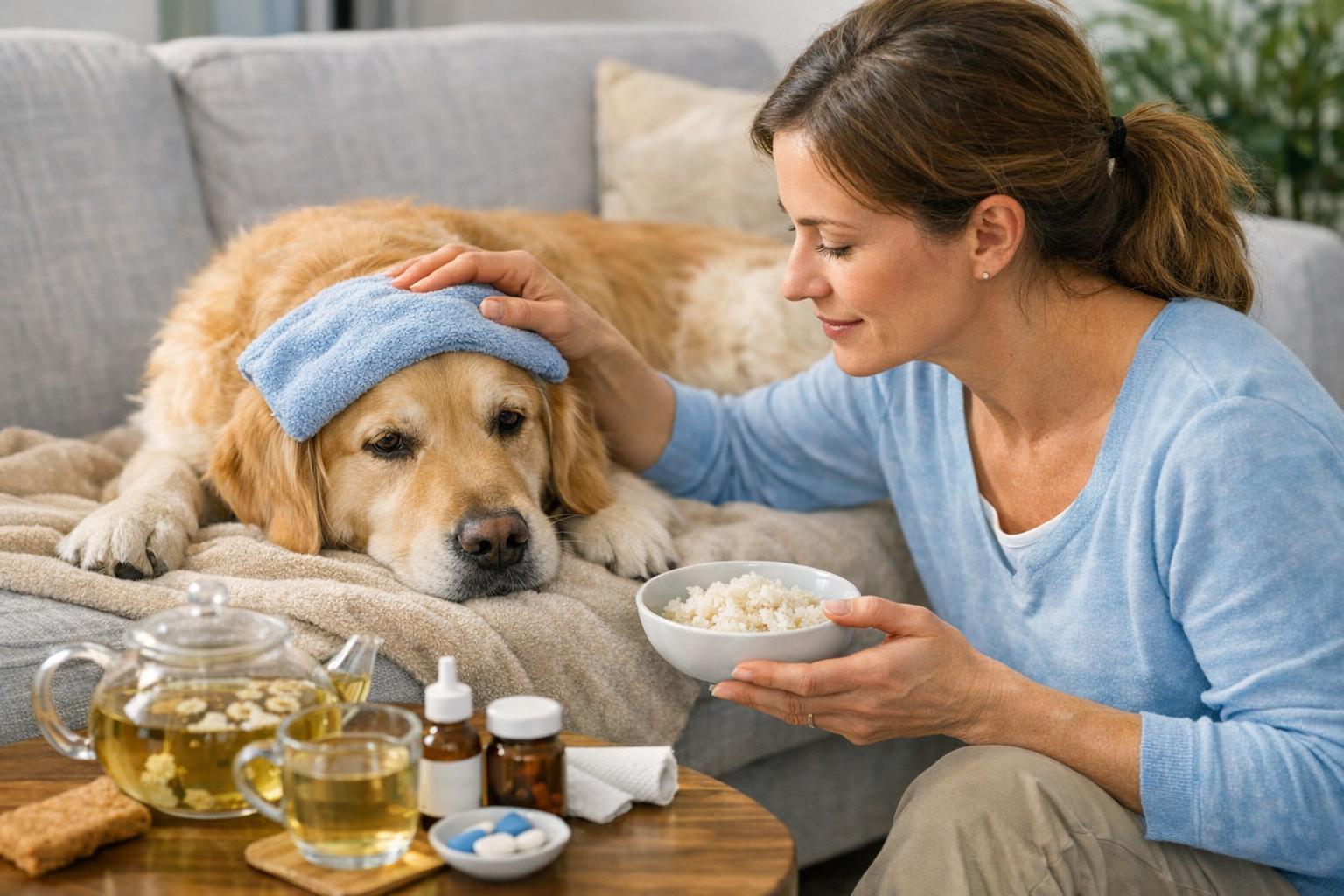
Recognizing mild versus severe gastrointestinal issues is the first step in gentle at home care for canine digestive upset. Symptoms that typically indicate mild dog digestive upset include soft stool, occasional vomiting, decreased appetite for 24 hours, mild lethargy and minor gas. More serious signs — persistent vomiting, blood in stool or vomit, severe abdominal pain, collapse, or inability to keep water down — require immediate veterinary attention.
### When This Guide Applies
This guide addresses non-life-threatening cases of digestive upset that begin suddenly and are limited in duration. Use gentle at home care for canine digestive upset only when the dog is alert enough to respond, is not dehydrated, and shows no neurological or severe systemic signs. If you are unsure whether symptoms are mild, call your veterinarian or an emergency clinic.
### Basic Safety And Preparations
Before starting any home remedy, ensure your dog has access to fresh water and a quiet, comfortable place to rest. Remove access to garbage, foreign objects and potentially toxic foods. Keep a record of the dog’s symptoms, what they ate recently, and any environmental exposures — this information is essential if you consult your veterinarian.
## 1. Bland Diet Remedy For Gentle Recovery
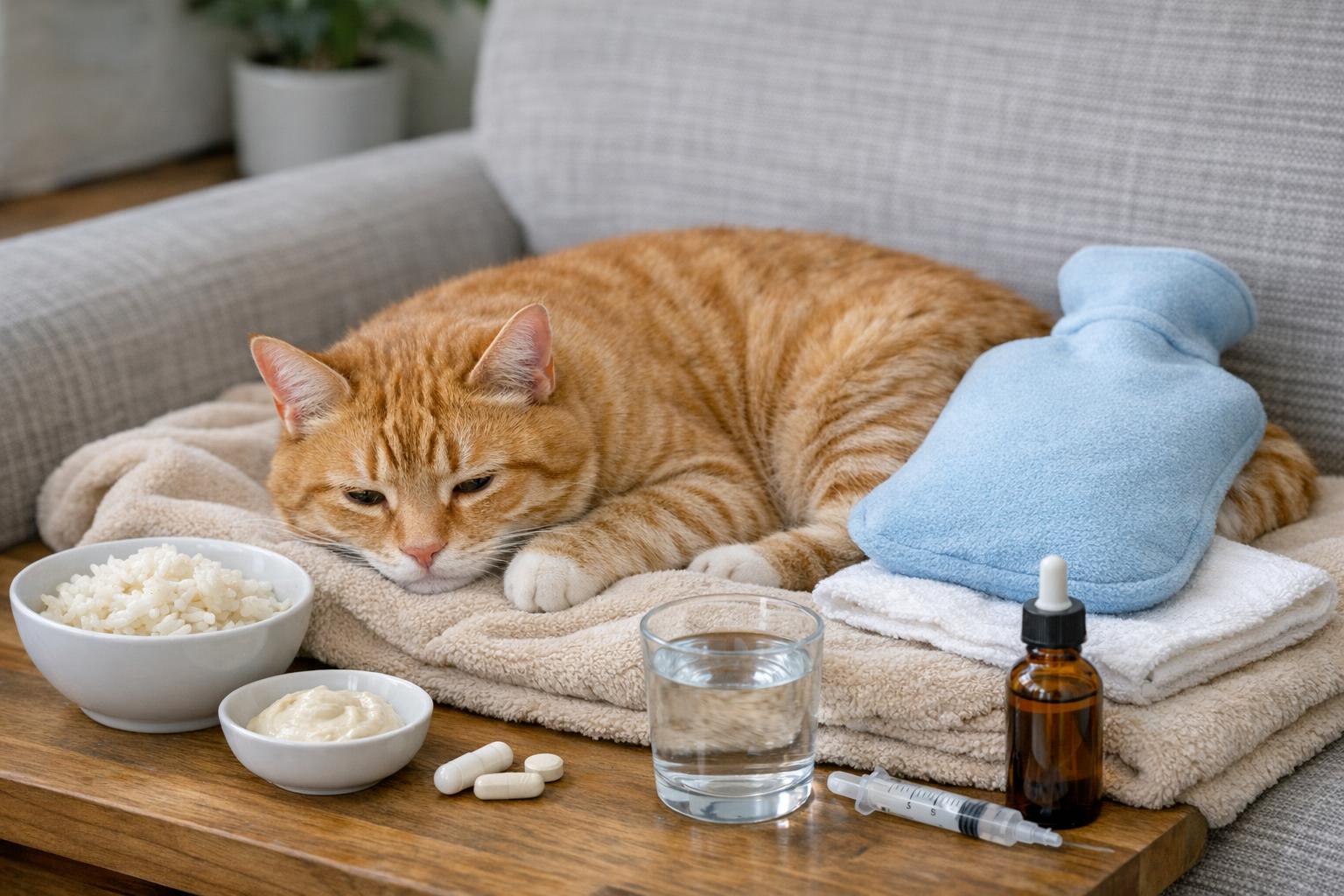
When treating mild dog digestive upset, transitioning to a bland, easily digestible diet reduces intestinal workload and often speeds recovery.
#### Ingredients And Materials
– Plain boiled white rice (no seasonings)
– Plain boiled, skinless chicken breast (no bones, no skin, no seasoning)
– OR canned pumpkin (100% pumpkin, not pie filling)
– Clean bowls and measured feeding scoop
#### Preparation And Application Steps
1. Fast for 8–12 hours for adult dogs (puppies require veterinary advice) while allowing free access to fresh water to reduce stomach irritation.
2. After fasting, prepare a 2:1 rice-to-chicken mixture (by volume). For dogs sensitive to rice, substitute with plain boiled potato or canned pumpkin as directed by your vet.
3. Feed small portions every 3–4 hours, approximately 1/4 to 1/2 of the dog’s normal meal size. Monitor tolerance for 24–48 hours.
4. If vomiting ceases and stool begins to firm, slowly reintroduce the regular diet over 3–5 days by mixing increasing amounts of regular food with the bland diet.
5. Discontinue if vomiting or severe diarrhea returns; seek veterinary care.
## 2. Probiotic Support For Stabilizing Gut Flora
Probiotics can be a formal and evidence-based component of gentle at home care for canine digestive upset by restoring beneficial intestinal bacteria.
#### Ingredients And Materials
– Veterinary-recommended canine probiotic supplement (CFU and strain specified on label)
– Alternatively: plain, unsweetened yogurt or kefir in small amounts (only if dog has tolerated dairy before)
– Measuring spoons
#### Preparation And Application Steps
1. Select a probiotic formulated for dogs; human probiotics vary widely and may not contain appropriate strains or dosages.
2. Follow the product label or your veterinarian’s recommendation for dosage. Typical products provide clear daily dosing by weight.
3. Administer probiotics concurrently with or after the bland diet meal for better gastric tolerance.
4. Continue probiotics for at least 7–14 days or as advised by your veterinarian to support recovery and reduce recurrence risk.
5. If diarrhea worsens or new symptoms appear, discontinue and seek veterinary guidance.
## 3. Hydration And Electrolyte Support
Maintaining hydration is crucial when addressing digestive upset. Mild dehydration can be corrected at home if the dog is otherwise stable.
#### Ingredients And Materials
– Fresh potable water
– Canine-specific electrolyte solution or an unflavored pediatric electrolyte solution (vet-approved)
– Syringe or small bowl for administration
#### Preparation And Application Steps
1. Encourage small, frequent sips of water rather than allowing access to large amounts at once to reduce vomiting risk.
2. If the dog is mildly dehydrated but able to drink, offer a diluted canine electrolyte solution (follow label ratios). For human pediatric solutions, dilute as directed by your vet.
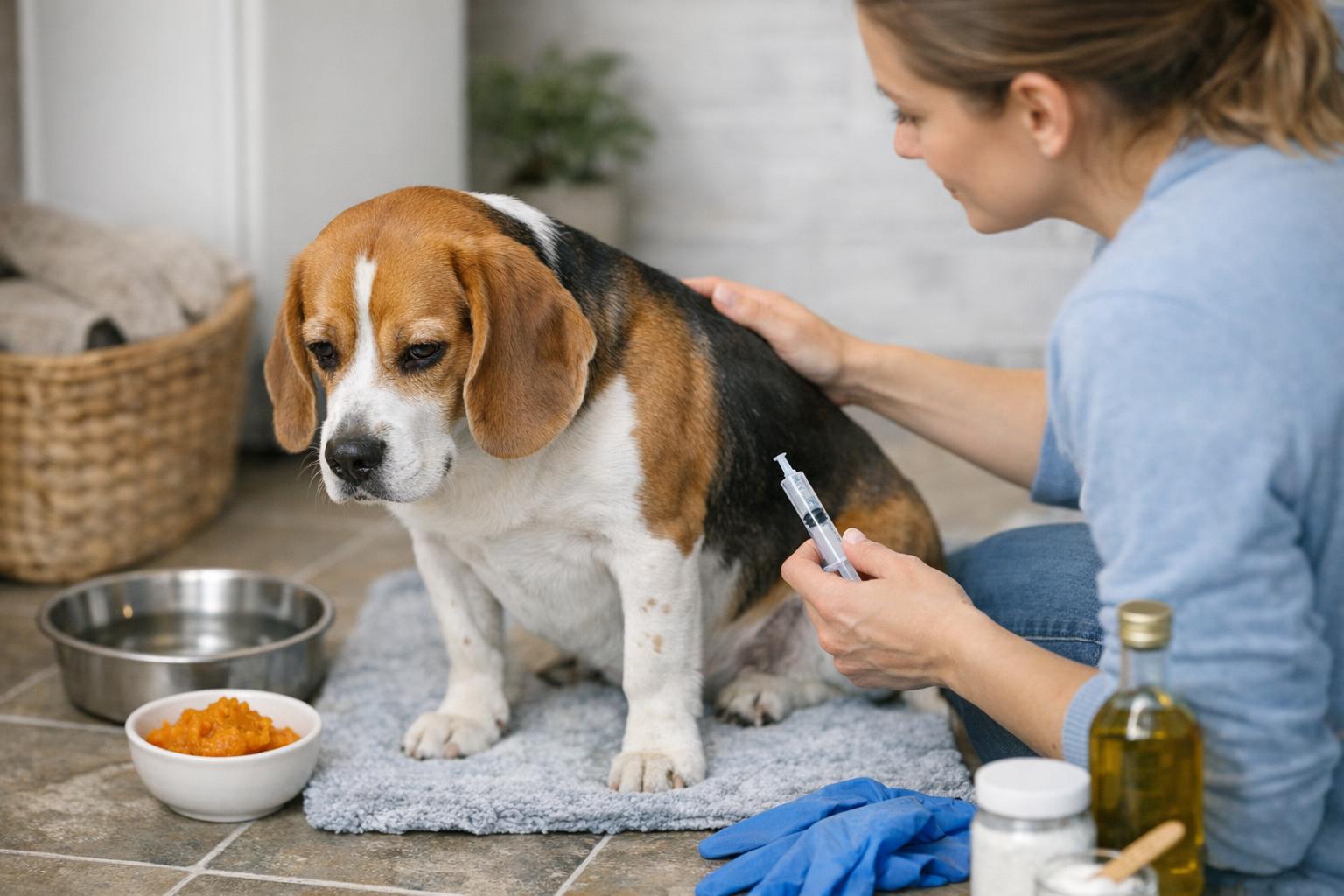
3. For dogs reluctant to drink, administer electrolytes slowly with a syringe (1–2 teaspoons every 10–15 minutes) under calm conditions.
4. Monitor skin tenting, gum moisture and urine output. Seek veterinary care if dehydration worsens or if the dog cannot keep fluids down.
### Additional Gentle Measures To Reduce Discomfort
Keep the environment quiet and stress-free. Gentle abdominal massages, warm compresses applied briefly to the abdomen, and avoiding strenuous activity can soothe an uncomfortable dog. Avoid anti-diarrheal or anti-nausea medications intended for humans; many are unsafe for dogs.
### When To Contact A Veterinarian
Contact a vet immediately if any of the following occur: persistent vomiting for more than 24 hours, severe or bloody diarrhea, signs of abdominal pain, fever, lethargy that worsens, pale gums, or if a puppy or senior dog shows symptoms. These are not candidates for at-home management and may be signs of severe disease requiring diagnostics and professional treatment.
### Monitoring Progress And Adjusting Care
Set a monitoring timeline: reassess every 6–12 hours in the first day and then twice daily thereafter. Record appetite, water intake, stool consistency, vomiting episodes, and energy levels. If there is steady improvement — stabilized appetite, reduced vomiting, firmer stool — continue the bland diet and probiotic support until full recovery. If no improvement within 48–72 hours, escalate to veterinary care.
### Preventive Practices To Reduce Recurrence
Preventing future episodes of digestive upset involves consistent feeding routines, secure storage of garbage and toxic foods, gradual diet changes, and limiting scavenging on walks. Regular parasite prevention and veterinary checkups reduce the incidence of chronic or recurrent digestive upset.
### Managing Special Cases: Puppies, Seniors, And Chronic Conditions
Puppies and senior dogs have less tolerance for fasting and dehydration. For these groups, implement gentle at home care for canine digestive upset only with veterinary guidance. Chronic digestive upset requires diagnostic evaluation; home remedies may mask symptoms but will not replace proper diagnosis of underlying disease.
### Safe Foods And Substances To Avoid
Avoid feeding bones, fatty table scraps, dairy (unless previously tolerated), xylitol-containing products, grapes, raisins, onions, garlic and any medication without veterinary approval. These substances can cause or worsen digestive upset and systemic illness.
#### When Home Remedies Are Contraindicated
Do not attempt home remedies if the dog ingested known toxins, sharp objects, medications not prescribed to them, or if there are progressive neurological or cardiovascular signs. Ingestion of foreign bodies or toxins requires professional decontamination and specific therapies.
### Recordkeeping And Communication With Your Veterinarian
Keep a concise log of symptoms, home treatments applied, and the dog’s response. If you contact the clinic, provide this log along with the dog’s weight, recent diet changes, and access to potential hazards. Clear documentation speeds accurate triage and treatment decisions.
### Follow-Up Care Post-Recovery
After a successful period of gentle at home care for canine digestive upset, reintroduce the normal diet slowly and watch for recurrence. Consider a follow-up call or visit with your veterinarian if episodes recur more than once or if you suspect food intolerance or allergy.
### Practical Tips For Owners Administering Care
Administer meals in a calm, quiet space and use measured portions. Keep medication schedules and probiotic dosing consistent. If administering fluids or using a syringe, move slowly and speak soothingly to reduce stress. Always use canine-specific products when available.
## Resources And When To Escalate
If you have questions about specific remedies, doses or product choices, consult your veterinarian or a veterinary nutritionist. Emergency clinics are best suited for severe signs. For persistent or recurrent digestive upset, lab testing, imaging and specialist referral may be necessary to identify conditions such as pancreatitis, inflammatory bowel disease, or metabolic disorders.








Leave a Reply