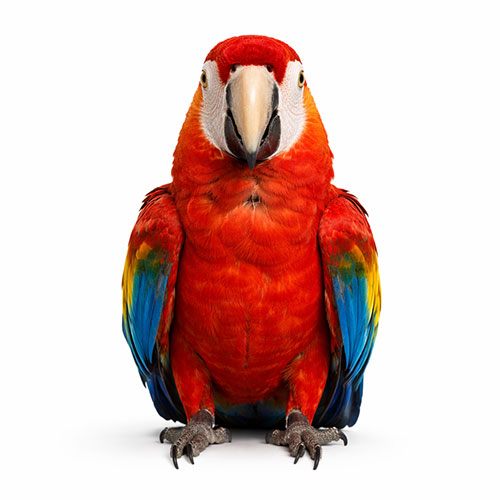

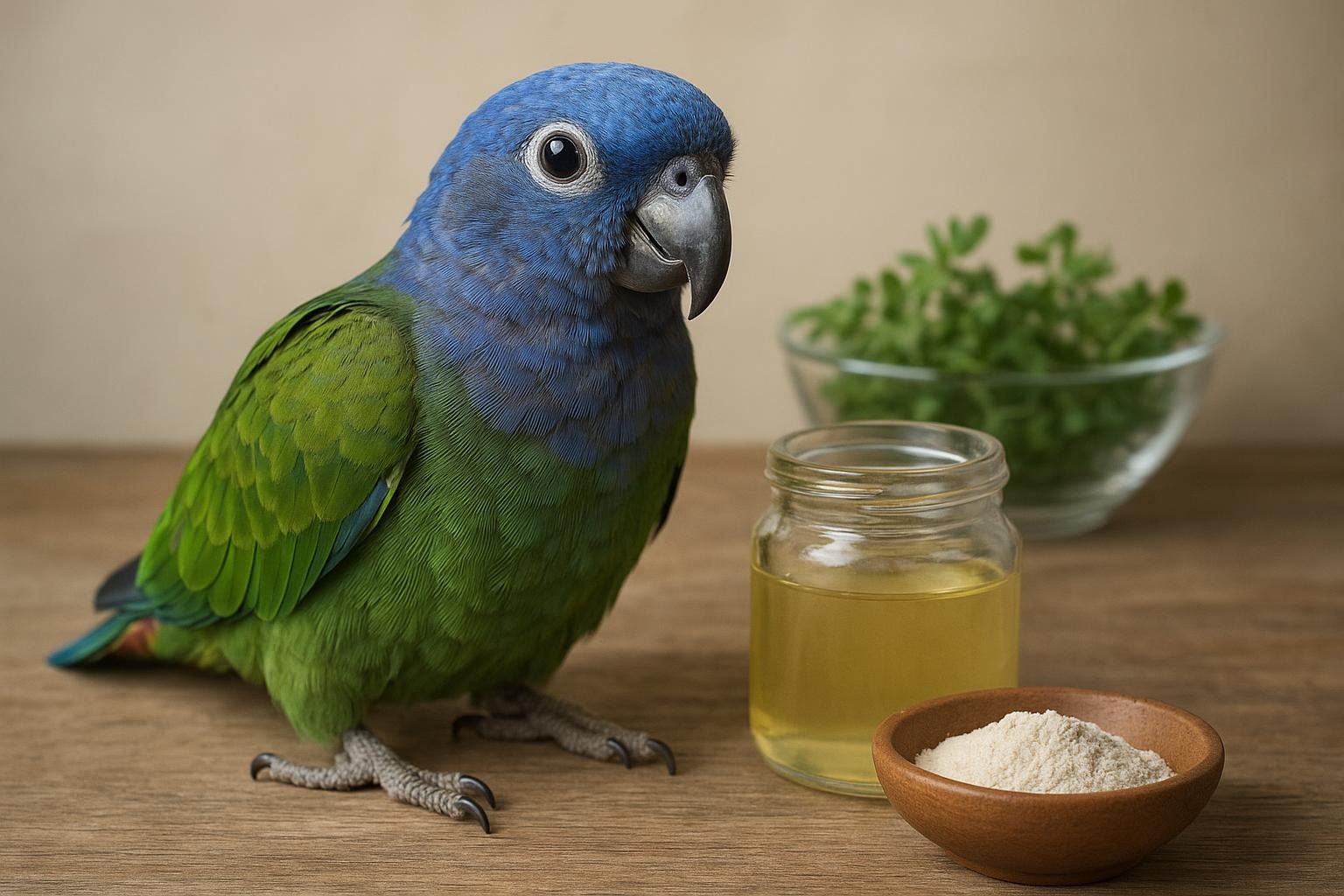
Feathered friends can be dramatic about a draft one minute and perfectly regal the next, but when their breathing changes, your attention is due. Respiratory problems in birds are a fairly common concern — they can range from mild irritation to serious infections — and early, calm care can make a big difference. Below I’ll walk you through how to recognize trouble, safe home-support strategies you can try, and clear step-by-step remedies that are gentle and vet-friendly. Remember: these are supportive measures, not replacements for professional veterinary care.
## Recognizing Respiratory Problems In Birds
Knowing what to look for is half the battle. Birds hide illness well, so subtle signs often come first.
### Common Signs To Watch For
– Sneezing, nasal discharge (clear to colored), or crusts around the nostrils.
– Open-mouth breathing, tail bobbing with each breath, or audible wheezing and clicking.
– Lethargy, reduced appetite, or changes in vocalization.
– Fluffed feathers and sitting at the bottom of the cage.
#### Mild Versus Severe Signs
Mild signs might be a bit of sneezing or a dusty discharge and still-active behavior. Severe signs include blue-tinged skin or conjunctiva (sign of low oxygen), frequent open-mouth breathing, collapse, or bleeding — these are emergencies. If you see severe signs, seek urgent veterinary care immediately.
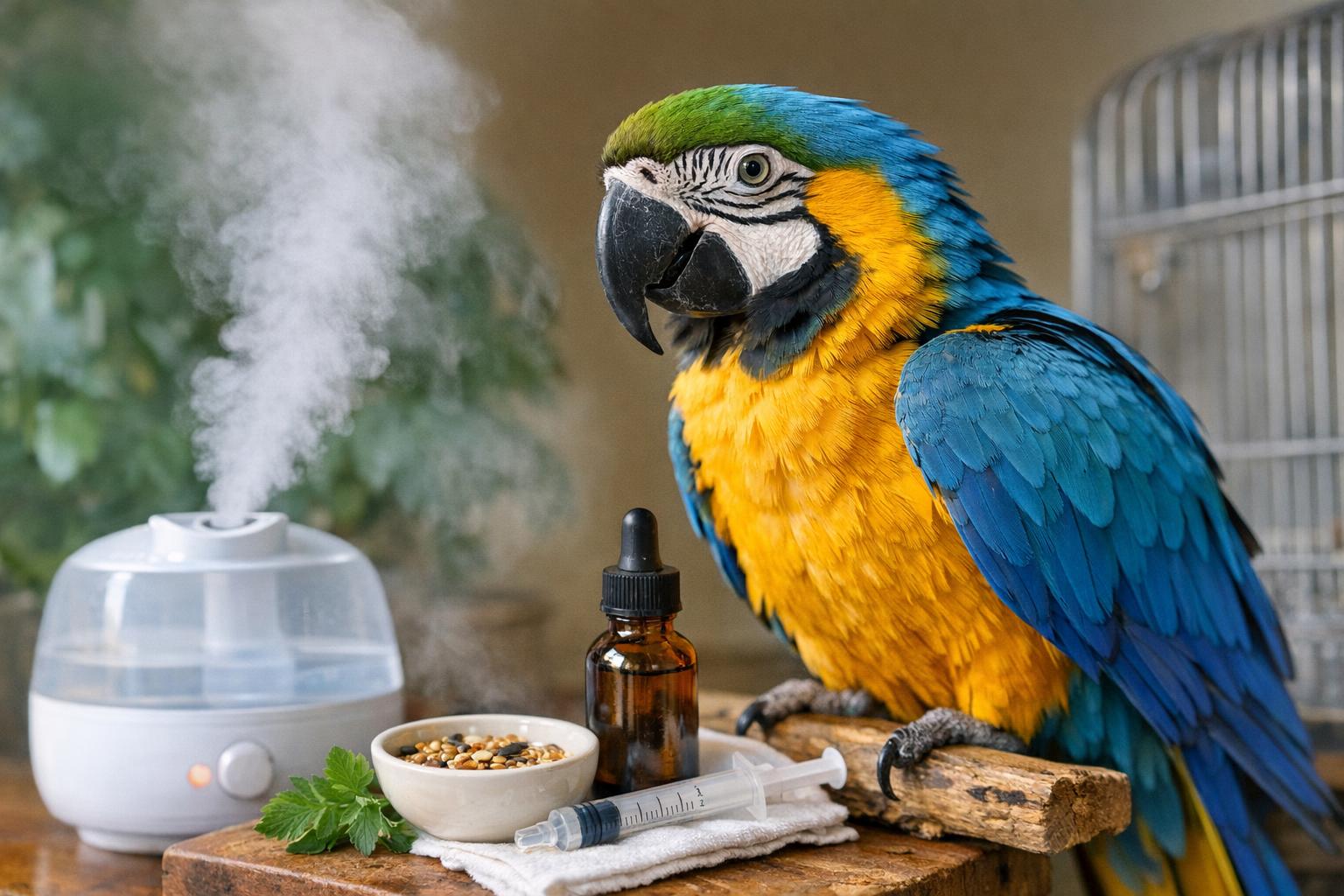
## 1. Steam Humidification With Chamomile (Gentle At-Home Support)
This is a gentle, non-invasive way to soothe mucous membranes and help loosen secretions. It’s generally well tolerated when done carefully and without essential oils. Do not use eucalyptus, tea tree, or other essential oils — many are toxic to birds.
### Ingredients And Materials
– Freshly brewed chamomile tea (1–2 tea bags) cooled to warm, not hot.
– A medium-sized bowl.
– Clean towel or lightweight carrier cover.
– A small pet carrier or a secure room where the bird feels comfortable.
– Thermometer (optional) to ensure steam is warm, not hot.
### Creation And Application (Step-By-Step)
1. Brew chamomile tea with one teabag in 500 ml (about 2 cups) of boiling water for 5–7 minutes. Remove the teabag and allow the tea to cool until it is warm and mildly steamy (about 40–45°C / 104–113°F). Use a thermometer if uncertain.
2. Pour the warm tea into the bowl and place it on a stable surface. Position the bird in its carrier about 30–50 cm (12–20 inches) from the bowl so it can receive moist air without being directly over hot water.
3. Drape a towel over the carrier and the bowl to trap the steam, ensuring there is sufficient airflow and the bird is not overheated. Keep one side slightly open to prevent excessive humidity build-up.
4. Sit with your bird calmly for 10–15 minutes while it breathes the steam. Talk softly to reassure them.
5. After the session, allow the cage or carrier to air out. Offer fresh water and monitor the bird for improvement.
### Frequency And Safety Notes
Limit sessions to once or twice daily for 3–5 days. Stop the treatment if the bird becomes stressed, panting increases, or you notice any aversive behavior. Steam should be warm but not hot — birds are sensitive to temperature and humidity extremes. If there is no improvement within 48–72 hours, consult your avian veterinarian.
## 2. Nebulized Saline Therapy (Veterinary-Approved Support)
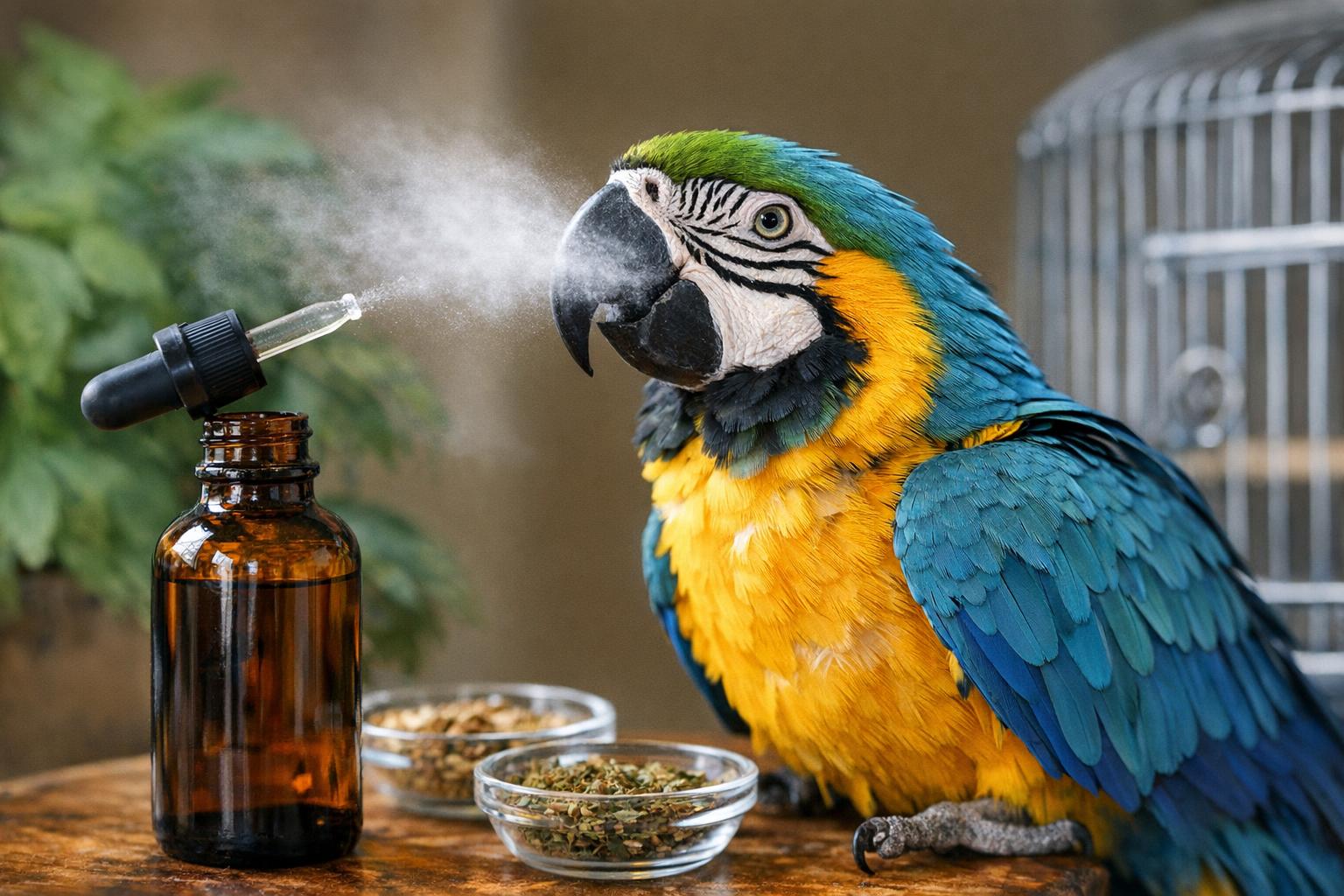
Nebulization delivers tiny saline droplets to the airways and is commonly used by avian vets to thin mucus and facilitate breathing. This remedy is effective but should be performed with guidance, especially for birds with underlying heart or severe respiratory disease.
### Materials Required
– Isotonic (0.9%) sterile saline solution (veterinary supply or pharmacy).
– A veterinary nebulizer or small ultrasonic nebulizer suitable for birds.
– A clean treatment enclosure (small carrier or nebulizer chamber).
– Timer and towel.
### Preparation And Application Steps
1. Consult your avian veterinarian before starting nebulization — they will confirm the correct saline volume and frequency for your bird’s species and condition.
2. Place one to two milliliters of isotonic sterile saline into the nebulizer chamber (follow vet instructions for volume).
3. Place the bird into the clean carrier or nebulizer chamber. Turn on the nebulizer; confirm the mist is fine and not too cold.
4. Nebulize for the time recommended by your veterinarian, commonly 5–15 minutes per session.
5. After nebulization, allow the bird to rest in a warm, draft-free area. Offer water and observe for changes in breathing.
### Important Precautions
Always use sterile saline and a clean nebulizer to prevent introducing pathogens. Do not add oils or medications to the saline unless specifically prescribed by a vet. Monitor for signs of distress during the session and stop immediately if the bird becomes agitated or breathing worsens.
## 3. Environmental Fixes To Reduce Irritation
Often respiratory problems in birds are triggered or worsened by the environment. Small changes can significantly reduce airway irritation.
### Key Adjustments To Make
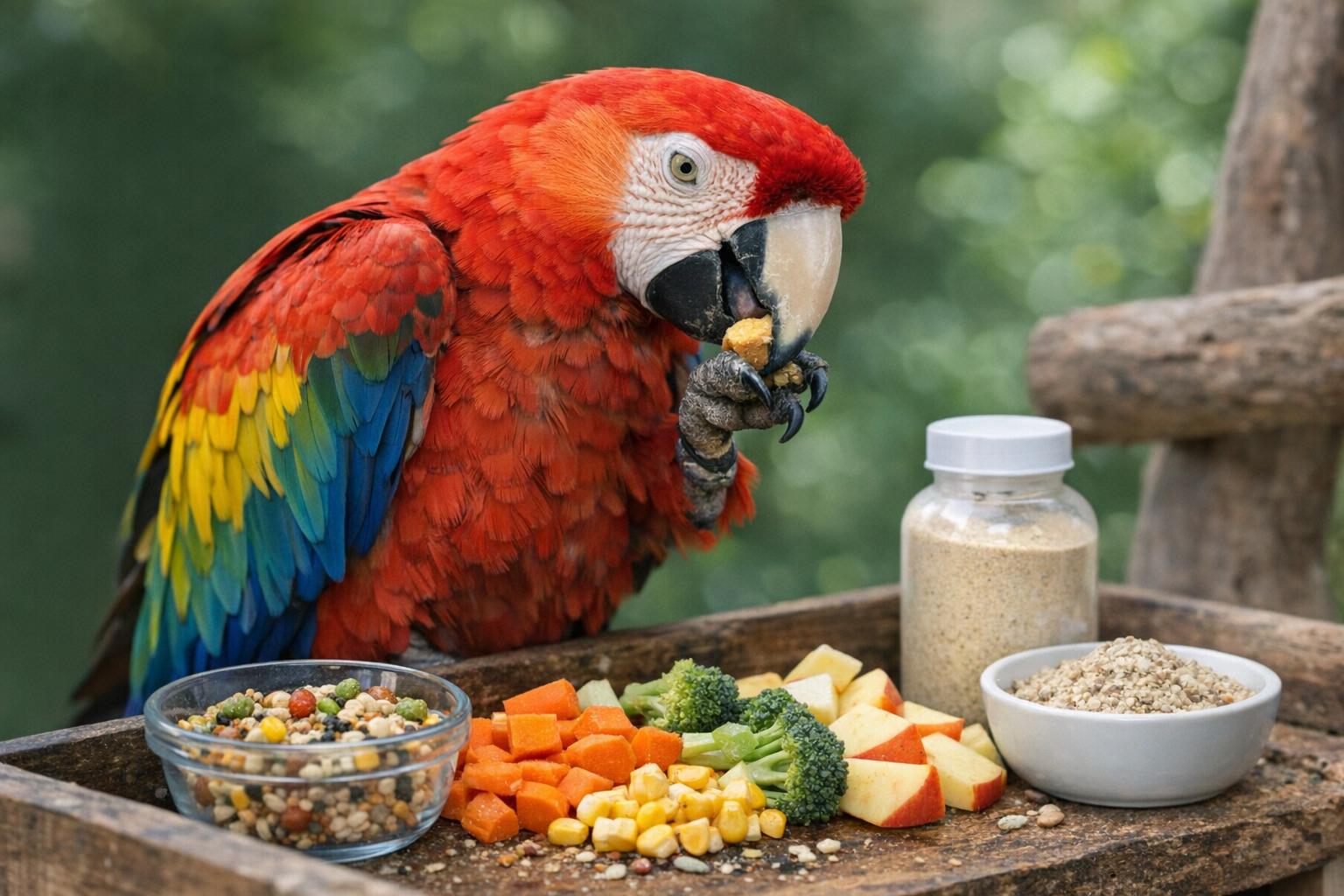
– Replace dusty seed mixes with pelleted diets or thoroughly rinsed seeds. Dusty food produces particulate matter that irritates sensitive respiratory systems.
– Remove aerosol products, perfumes, candles, and smoking from the bird’s environment.
– Use HEPA air purifiers and avoid humidifiers that can harbor mold. Clean humidifiers daily with a dilute vinegar solution and dry thoroughly.
– Keep bedding and cage liners changed regularly; use paper or washable liners instead of wood shavings that create dust.
– Minimize drafts and sudden temperature swings. Place cages away from cooking fumes and windows where temperature changes are frequent.
#### Monitoring Air Quality
If you have multiple birds or chronic issues, consider testing indoor air quality for particulates and mold. Simple steps like regular vacuuming with a HEPA-filter vacuum and airing out rooms periodically help a lot.
## When To Call The Vet Now
If your bird shows worsening breathing, blue discoloration around the beak or eyes, open-mouth breathing with head extended, or fainting, call your avian veterinarian immediately. Respiratory problems in birds can escalate quickly because their air sacs and lungs are more delicate than mammalian systems.
### What To Tell Your Vet
Be ready to describe onset, duration, any visible discharge, diet changes, household exposures (smoke, sprays, new cleaners), and what supportive care you’ve already tried. This helps the vet decide on in-person evaluation, diagnostic testing, or immediate treatment.
## Safe Supportive Care While Waiting For A Vet Appointment
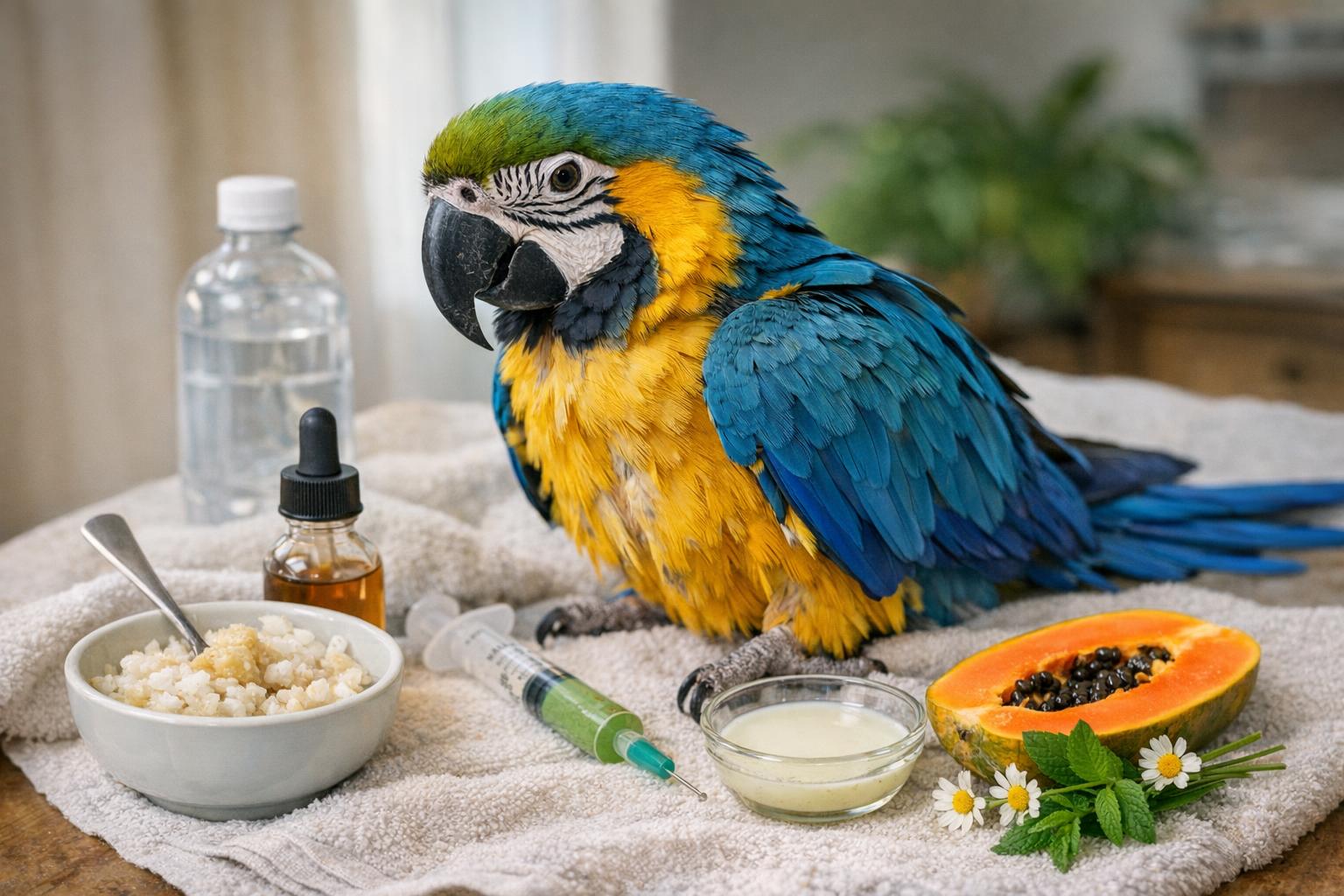
Keep the bird calm and warm, reduce stressors, and continue the gentler supportive remedies described above (steam and environmental fixes), unless advised otherwise. Avoid administering human medications or essential oils. Hydration and nutrition are supportive — offer favorite, easily accessible foods and fresh water. If the bird won’t eat or drink, seek veterinary help sooner.
A little gentle care, the right supportive remedies, and timely veterinary input can go a long way. Respiratory problems in birds are nothing to poke fun at (though the bird might), but with calm, informed steps you can help your companion breathe easier while you make a plan with your vet.




Leave a Reply