
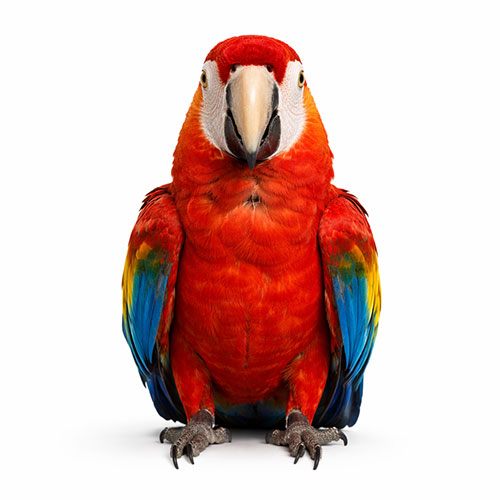

Keeping a bird’s home sparkling doesn’t have to involve hazmat suits, industrial chemicals, or a guilt complex about the planet. With a few natural tricks, sensible routine, and a little humor for the messy days (we see you, parrot Picasso), your feathered friend can live in clean comfort. Below you’ll find practical advice and two natural remedies with full ingredient lists and step-by-step applications for how to clean a bird cage safely and effectively.
## How To Clean A Bird Cage Naturally
Before we get scrubbing, a couple of basics: the aim is to remove droppings, food debris, and dust, discourage bacterial growth, and keep surfaces safe for beaks and feet. If you’re wondering how to clean a bird cage without stressing your bird or your own nose, the easiest route is consistent short duties and occasional deep cleans. Read on for routine schedules, safety notes, and two natural cleaning methods that actually work.
### Why Natural Cleaning Matters
Birds have sensitive respiratory systems. Strong fumes, essential oils, and abrasive chemicals can irritate them. A natural approach minimizes risks while still removing the grime. When deciding how to clean a bird cage, think ventilation, gentle detergents, and thorough rinsing. Your goal: clean surfaces with no lingering scent or harmful residue.
### Frequency And Routine For Best Results
A little daily attention saves hours later. Here’s a simple cadence for how to clean a bird cage:
– Daily: Remove fresh droppings, change food and water, wipe perches and feeding areas.
– Weekly: Remove toys, trays, and grates; wash with a natural cleaner and rinse thoroughly.
– Monthly (or when needed): Full deep clean with disassembly and soaking.
### Safety And Bird Comfort
Always remove your bird from the cage before cleaning. Avoid aerosol sprays, bleach, scented products, or any essential oils. Rinse well and let everything dry completely before reassembling. If you’re unsure about an ingredient, skip it. Now, onto the practical remedies.
### Remedy 1: Vinegar-Based Deep Clean
This is the go-to for full cage refreshes. White vinegar is mildly acidic, breaks down mineral deposits and droppings, and has antibacterial properties without toxic fumes. Follow a formal step-by-step approach for effectiveness and safety.
#### Ingredients And Materials
– White distilled vinegar (1 cup)
– Warm water (4–5 liters)
– Mild, unscented dish soap (a few drops)
– A soft-bristle brush or toothbrush
– A scrub pad (non-scratch)
– Cleaning bucket or basin
– Clean towels or drying rack
– Gloves (optional)
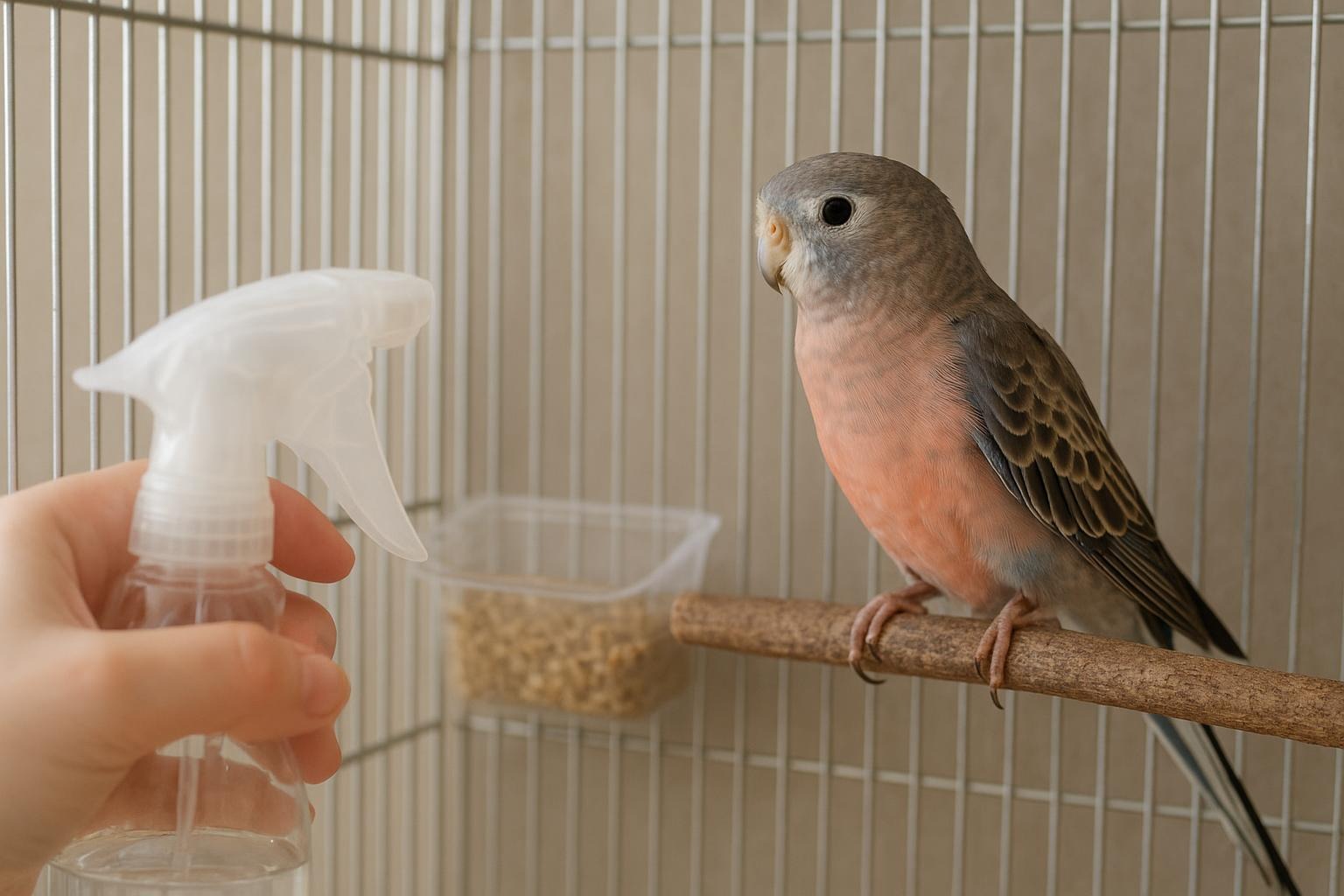
– A spray bottle (optional)
#### Creation And Application Steps
1. Prepare The Area: Move your bird to a safe, ventilated space away from the cleaning area. Lay down towels or a washable drop cloth to catch debris.
2. Disassemble The Cage: Remove perches, toys, food and water dishes, grates, and any removable trays. Leave in a shaded, ventilated spot.
3. Pre-Rinse Components: Rinse loose debris off with warm water. Use a scrub brush for stuck-on droppings.
4. Mix Vinegar Solution: In a bucket, combine 1 part white vinegar to 4 parts warm water. Add two to three drops of mild dish soap to cut grease if necessary.
5. Soak Removable Parts: Place perches, trays, and dishes in the solution for 15–30 minutes. For tough build-up, allow longer.
6. Scrub Mechanically: After soaking, scrub each item with the brush or pad. Pay attention to corners, wire junctions, and the undersides of trays.
7. Rinse Thoroughly: Rinse all items under running water until no soap or vinegar scent remains. Vinegar smell dissipates, but ensure no residue.
8. Clean The Frame And Bars: Spray or wipe the vinegar solution onto the cage frame and wire, then scrub with the brush. For tough spots, let the solution sit a minute before scrubbing.
9. Dry Completely: Air-dry or towel-dry everything. Ensure full dryness to prevent rust and bacterial growth.
10. Reassemble And Return Bird: Once completely dry, reassemble cage with clean bedding, toys, and dishes, then return your bird.
This method balances power and safety; vinegar is effective but requires thorough rinsing. Use it monthly or whenever a deep clean is called for.
### Remedy 2: Baking Soda Spot Cleaner And Steam Refresh
Baking soda is mildly abrasive and deodorizing, ideal for spot cleaning. Combine it with steam or hot water for a chemical-free refresh that reduces odors and breaks down grime. This remedy is excellent for weekly maintenance and stain treatment.
#### Ingredients And Materials
– Baking soda (sodium bicarbonate)
– Warm or hot water
– Mild, unscented dish soap (optional)
– A spray bottle
– A bowl for paste
– A soft toothbrush or cloth
– Steam source (kettle or handheld steamer) or hot water from tap
– Clean cloths for wiping
#### Creation And Application Steps
1. Spot-Test: Choose an inconspicuous area to ensure the baking soda will not scratch or cause discoloration.
2. Make A Paste For Stains: Mix baking soda with just enough water to form a spreadable paste.
3. Apply Paste To Stains: Using a cloth or toothbrush, apply the paste to droppings stains or mineral build-up. Let sit for 5–10 minutes.
4. Steam Or Rinse With Hot Water: Apply steam or pour hot water over the area to loosen the paste and grime. The combination of mild abrasion and heat helps lift residue.
5. Scrub Gently: Scrub with a toothbrush or cloth until clean. Avoid aggressive scrubbing that could remove protective finishes.
6. Rinse And Dry: Rinse thoroughly and dry the area. If using a spray bottle with warm water, follow up with a clean wipe.
7. Deodorize Trays: Sprinkle baking soda onto detachable trays, let sit 10–20 minutes, then rinse to neutralize odors.
8. Routine Spot Care: Use this method for mid-week maintenance between deeper cleans.
This treatment is particularly useful for smaller cages or apartments where a full soak isn’t practical every week. It’s mild, effective, and very bird-friendly—provided you rinse well.
### Tools, Bedding, And Toy Care
Cage hygiene isn’t just metal and trays. Fabrics, wooden perches, and cork toys need special attention. For wooden items, avoid soaking; instead, wipe with a damp cloth and a little vinegar solution, then dry immediately. Soft toys should be machine-washed if washable; otherwise swap them out regularly. Rotate toys to allow full drying time between cleanings and to keep your bird entertained (and less destructive).
#### Choosing Safe Substrates
Use paper-based liners or plain craft paper that you can remove daily. Avoid pine or cedar shavings—aromatic woods can be harmful. Change liners daily or as needed when soiled. When thinking about how to clean a bird cage floor, a daily liner swap is the simplest and safest answer.
### Troubleshooting And Common Concerns
If your bird shows respiratory signs after cleaning, ventilate the area and stop using the product immediately. Consult a vet if symptoms persist. If rust appears on the cage, replace affected parts; rust can harm birds if ingested. For persistent mildew, increase drying time and consider replacing heavily affected items rather than continually treating them.
### Practical Tips For Busy Caregivers
– Keep a small cleaning kit handy—brush, vinegar spray, cloth—so spot-cleaning is easy.
– Time deep cleans to coincide with your bird’s longest outing or when someone can supervise them in a safe carrier.
– Make cleaning predictable: birds appreciate routine, and a predictable cleaning schedule reduces stress.
– If window weather allows, perform deep cleans outdoors to reduce indoor humidity and odors.
Keeping a bird’s home clean naturally doesn’t require magic potions—just good habits, safe ingredients, and sensible steps. Use these methods to keep your feathered roommate healthy, happy, and slightly less judgmental about your housekeeping skills.



Leave a Reply