
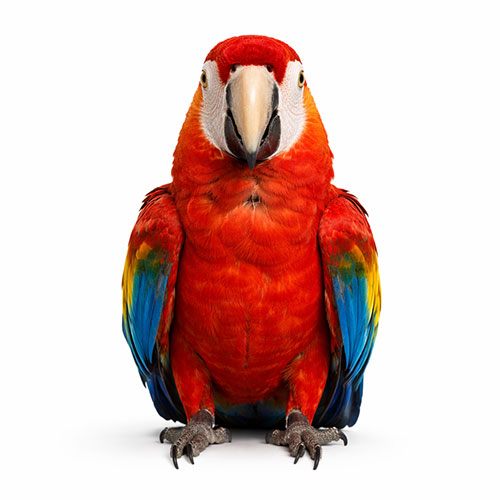

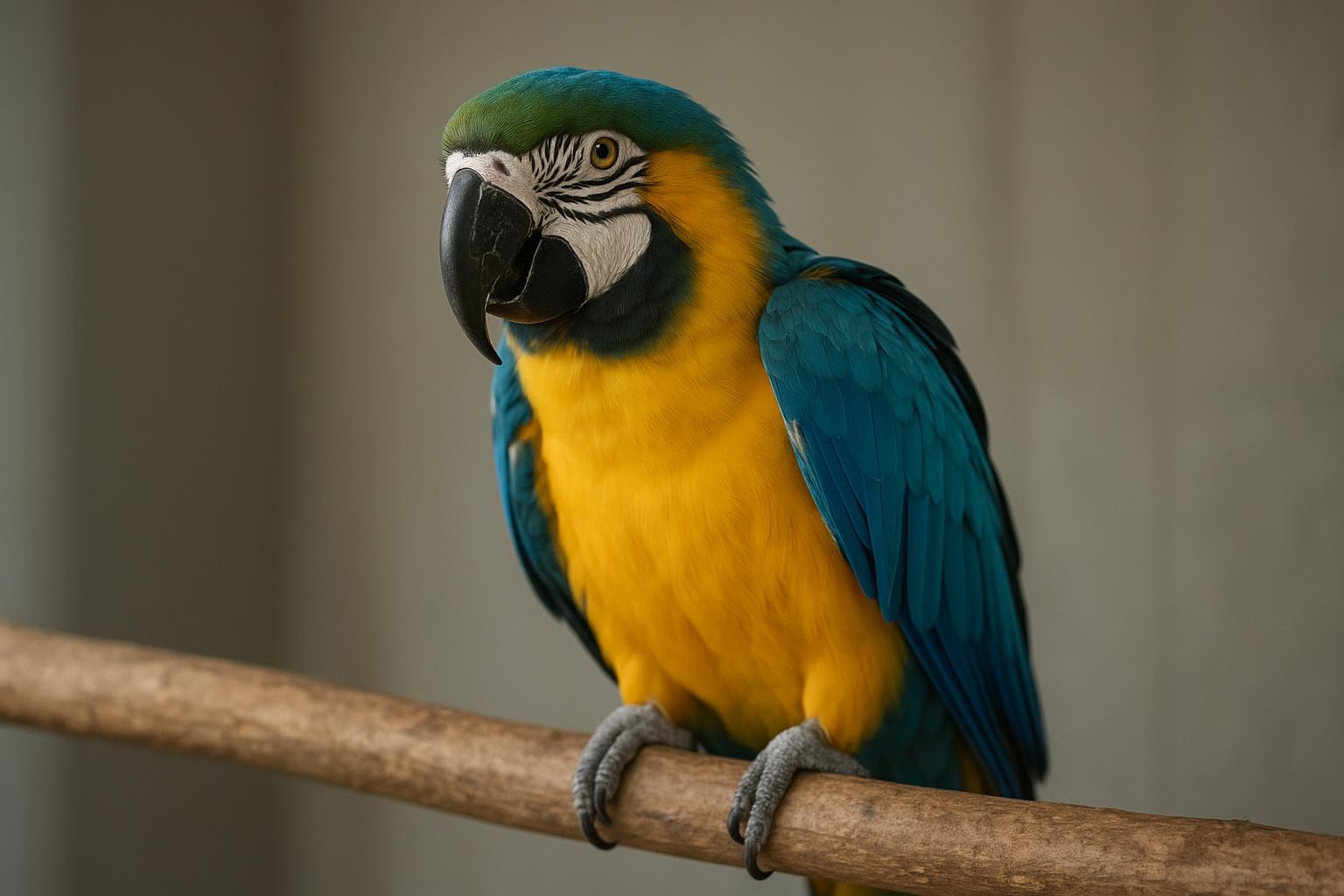
Have you ever been jolted awake by a feathered alarm clock at 2 a.m. and thought, “Really, now?” Nighttime vocalizations can be charming when you’re watching a moonlit aviary documentary, but less so when they turn your bedroom into prime-time concert hall. This guide will walk you through why birds noisy at night often sing or call, and — more importantly — practical, natural, and humane ways to calm them so everyone gets a better night’s sleep.
## Vocalization Behavior Guide To Calm Birds Noisy At Night
### Why Some Birds Sing Or Call After Dark
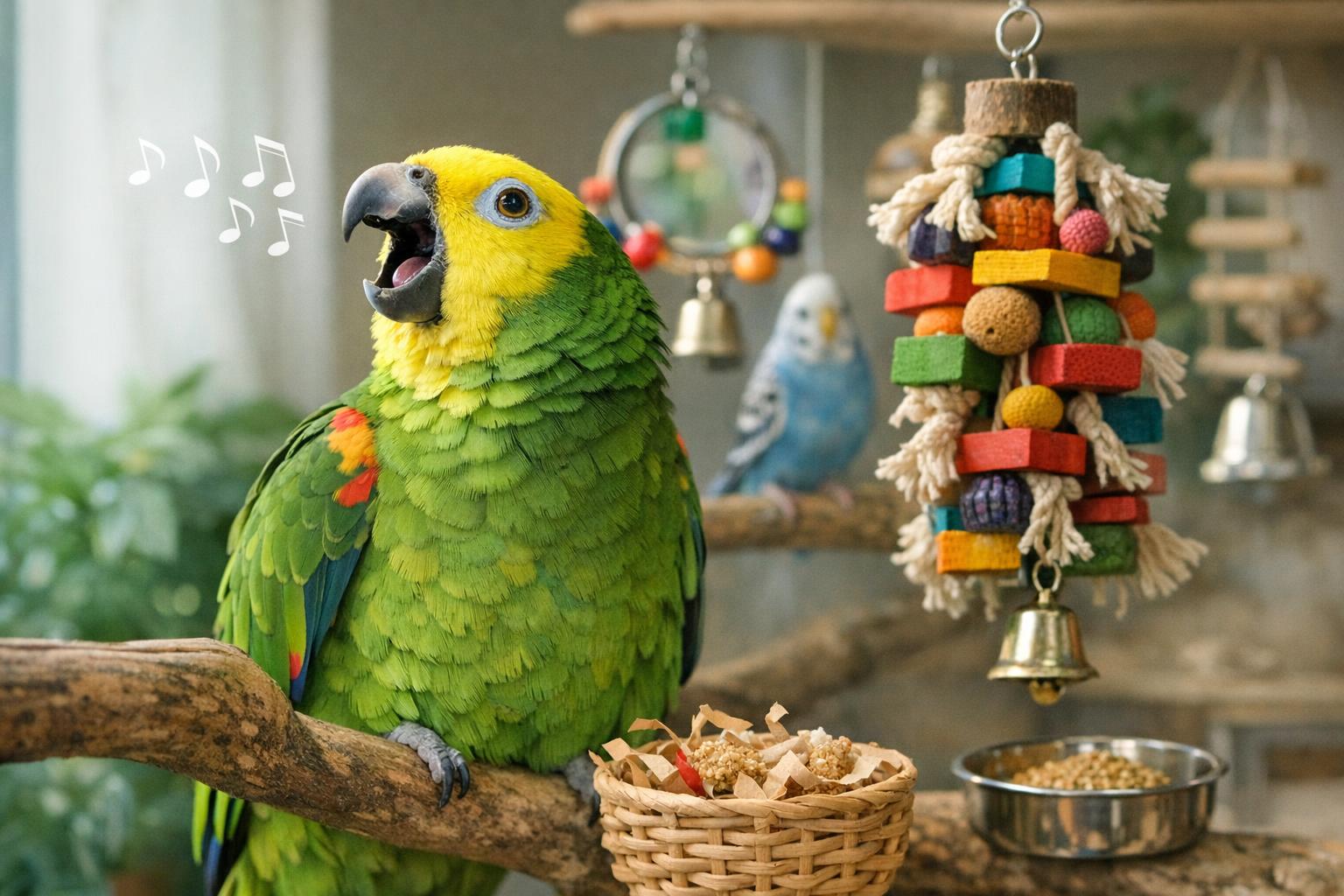
Birds communicate constantly. Vocalizations can signal territory, attract mates, indicate stress, or respond to environmental stimuli. Some species are crepuscular or nocturnal by nature and will be active at dawn, dusk, and through the night. Indoor pet birds sometimes mimic this pattern because of lighting, routine disruption, or unmet needs. When you notice birds noisy at night, it’s your cue to consider both physical and behavioral causes.
### Common Triggers For Nighttime Noise
Understanding what triggers the behavior will point to the correct remedy. Typical causes include:
– Artificial light that confuses day-night cycles.
– Insufficient sleep due to household activities or inconsistent schedules.
– Hunger, thirst, or cage discomfort.
– Stress, loneliness, or boredom, especially for social species.
– Medical issues such as pain, respiratory problems, or hormonal imbalances.
#### How Light And Routine Affect Sleep
Birds rely heavily on light cues to regulate hormones. Even small amounts of light — a streetlamp glow or a TV left on — can trick a bird’s brain into thinking it’s still daytime. Sleep deprivation increases irritability and can heighten vocal behavior.
#### Social And Environmental Stressors
Loneliness can cause singing for attention; new pets, visitors, loud noises, or changes in the home can all trigger nocturnal calls. With “birds noisy at night” you’ll often find a social or environmental root.
## Remedy 1: Create A Calm Night Routine (Step-By-Step)
#### Required Materials
1. Thick, breathable cage cover or opaque cloth
2. Dimmable room lighting or blackout curtains
3. Quiet, nighttime feeding schedule (if needed)
4. A small, safe night perch or darkened sleeping area
Formal Instructions:
1. Establish A Consistent Lights-Out Time: Select a lights-out window that gives your bird 10–12 hours of uninterrupted dark for typical pet species. Consistency is essential.
2. Gradually Dim Lights: Begin dimming lights 30–60 minutes before lights-out to signal winding down. Avoid abrupt changes that can startle.
3. Cover The Cage Properly: Use a breathable, opaque cover that blocks external light but still allows air circulation. Secure it so drafts don’t create a chill.
4. Maintain Night Feeding Routine (If Necessary): Avoid offering food immediately before lights-out unless recommended by a veterinarian; this helps separate feeding cycles from sleep cues.
5. Reduce Noise And Activity: Guide household members to lower speaking volume and activity levels near the bird’s room during the pre-sleep period.
## Remedy 2: Environmental Modifications To Reduce Disturbance
#### Required Materials
1. Blackout curtains or adhesive window film
2. Ambient white noise machine or low-volume fan
3. Cage relocation plan (if needed)
4. Non-reflective toys and muted cage accessories
Formal Instructions:
1. Block External Light Sources: Apply blackout curtains or films to windows that allow streetlights or moonlight into your bird’s room. The goal is a solid, dark environment that mimics natural night.
2. Manage Indoor Lighting: Use warm, low-wattage bulbs in adjacent rooms in evening hours. Avoid blue-rich screens or bright LEDs near the bird.
3. Introduce Low-Level Ambient Sound: A steady low-volume white noise or fan can mask sudden noises that provoke calling. Position the machine safely away from the cage to prevent drafts.
4. Evaluate Cage Placement: Move the cage away from doors, hallways, and windows where foot traffic or outdoor noises are frequent. Even a small relocation can dramatically reduce disturbances.
5. Minimize Shiny or Mirror-Like Surfaces: Reflections and movement can provoke territorial or curious calls. Switch to muted toys for evening hours.
### Behavioral Tips For Households
If family members work odd hours, establish a quiet zone for the bird’s sleeping area. Consider signposting the bird’s room hours to remind others. Small behavior changes by household members often resolve the “birds noisy at night” issue without medication.
## Remedy 3: Mental And Physical Enrichment Earlier In The Day
#### Required Materials
1. Foraging toys and destructible enrichment items
2. Safe, supervised out-of-cage time (if appropriate)
3. Training treats and schedules for engagement
Formal Instructions:
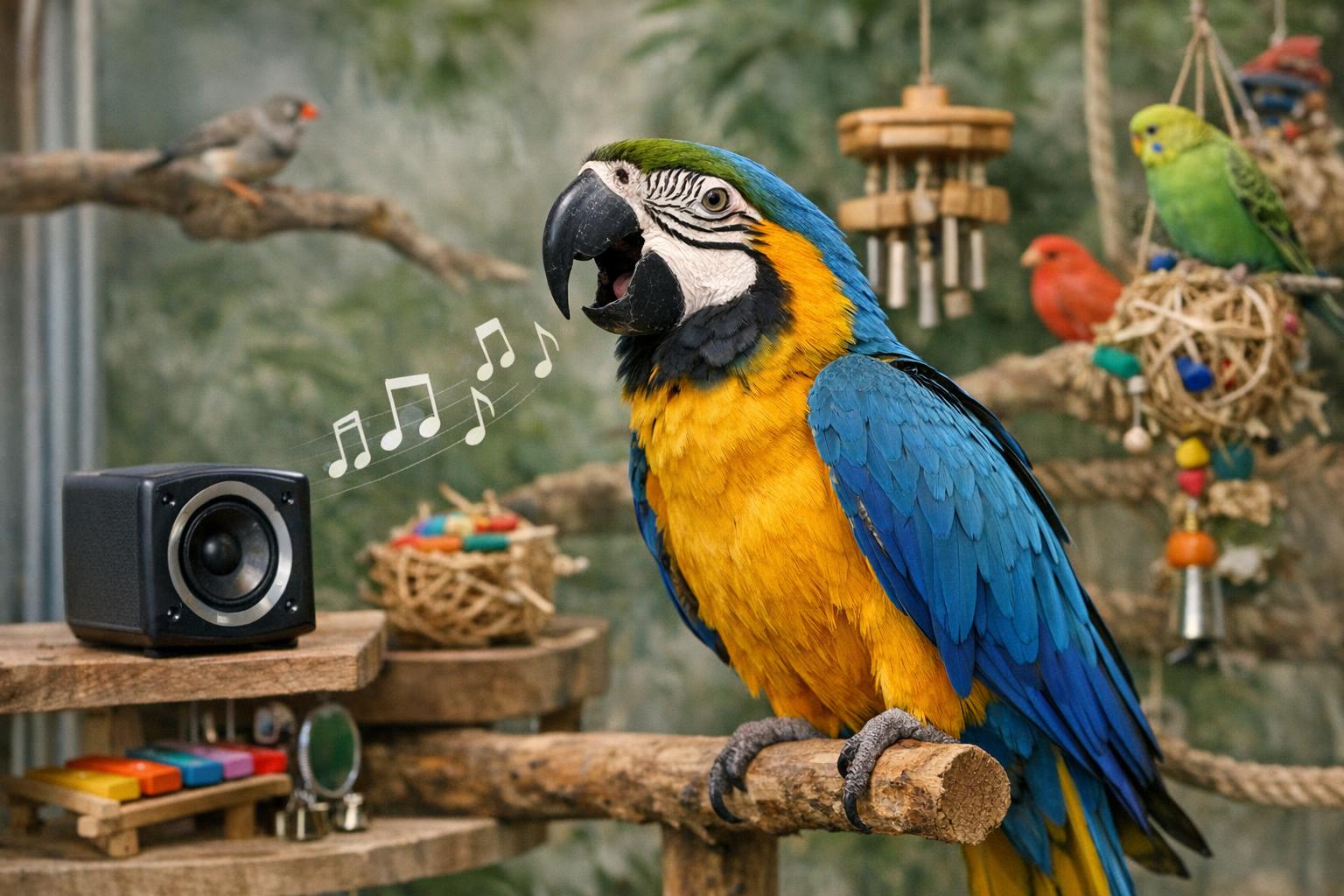
1. Increase Daytime Activity: Schedule interactive sessions and supervised out-of-cage time during daylight to burn off energy and satisfy social needs.
2. Use Foraging Toys To Reduce Boredom: Rotate enrichment items daily so the bird works for treats and mental stimulation. This decreases the likelihood of nighttime attention-seeking calls.
3. Implement Short Training Sessions: Teaching simple cues or tricks provides mental exercise and strengthens the human-bird bond, reducing nocturnal vocalizing motivated by loneliness.
4. Avoid Late-Night Play: Ensure high-energy interaction or play is completed well before the bird’s calm-down routine to prevent excitement carrying into the night.
### Supplementary Soothing Strategies
Calming pheromone-like products designed for birds are limited; rely instead on environmental and behavioral management. Herbal supplements should only be used after veterinary consultation. When investigating remedies, prioritize safety, natural approaches, and evidence-based practices.
## When Medical Issues May Be The Cause
### Recognizing Red Flags
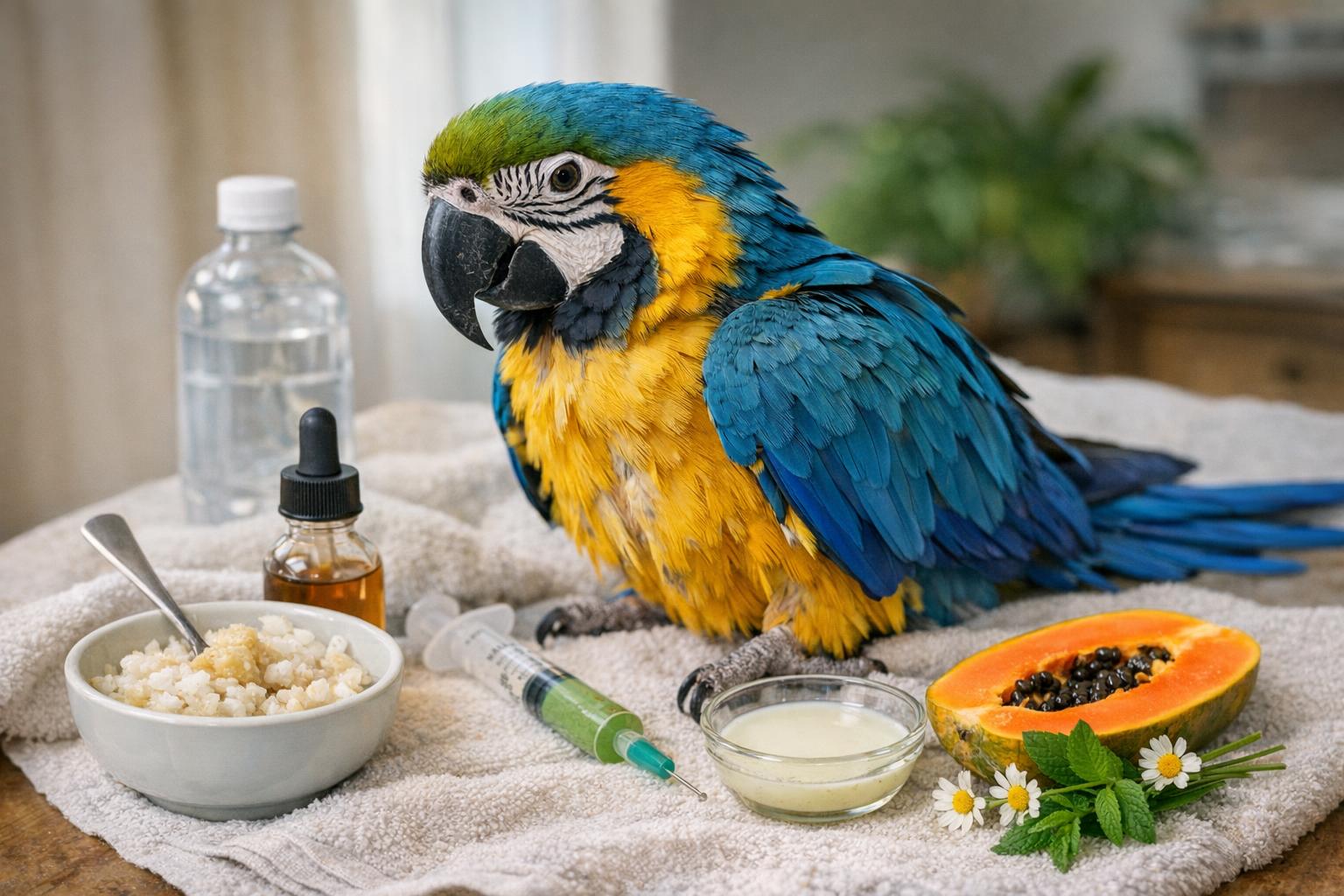
If behavioral and environmental changes don’t reduce the calls, a medical problem may be present. Seek veterinary care when vocalization is accompanied by:
– Respiratory noise, wheezing, or changes in breathing
– Loss of appetite or weight loss
– Fluffed feathers, lethargy, or discharge from the eyes/nose
– Sudden, drastic change in vocalization patterns
#### Diagnostic And Treatment Protocols
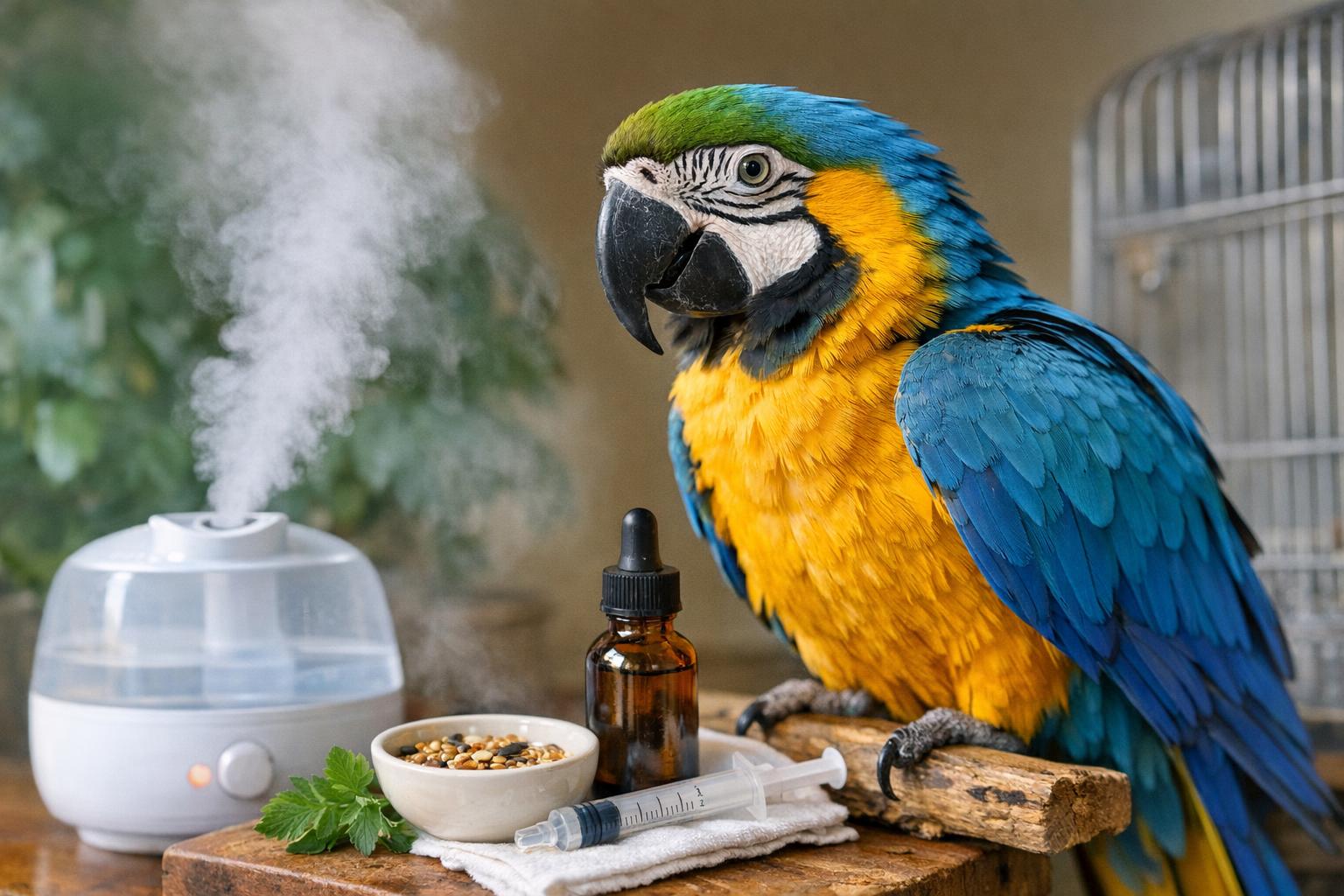
A veterinarian will perform a physical exam and may recommend bloodwork, imaging, or cultures. Treatment may involve antibiotics, anti-inflammatories, or environmental adjustments based on the diagnosis. Addressing medical causes promptly often resolves persistent “birds noisy at night” behaviors.
## Practical Nighttime Checklist For Owners
Use this checklist to run through likely causes before making big changes:
1. Is the room truly dark for 10–12 hours?
2. Are there sudden noises or reflections waking the bird?
3. Has the daily enrichment been sufficient?
4. Any recent changes in household routine, visitors, or pets?
5. Has a vet exam ruled out medical issues?
When you answer these, you’ll eliminate the usual suspects and most likely find the remedy that works.
### Gentle Reassurance And A Little Humor
If you’ve tried everything and your bird still holds night concerts, remember birds are social, communicative creatures with personalities. Think of nocturnal singing as their quirky personality shining through — albeit at 3 a.m. While humor helps, long-term success comes from patient, consistent application of the remedies above. And if your feathered friend proves stubborn, the sensible next step is a vet consult to ensure health and hormonal factors aren’t driving the behavior.
## Resources For Further Reading And Support
If you want deeper dives into species-specific behavior, consult avian behavior texts or reach out to certified avian behaviorists. Local bird clubs and veterinarians can provide hands-on help tailored to your species and environment. Addressing the causes of birds noisy at night often requires both environmental fixes and behavioral adjustments — and you don’t have to do it alone.


















Leave a Reply