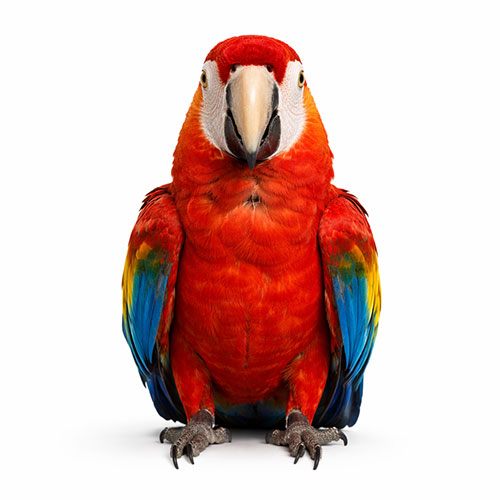

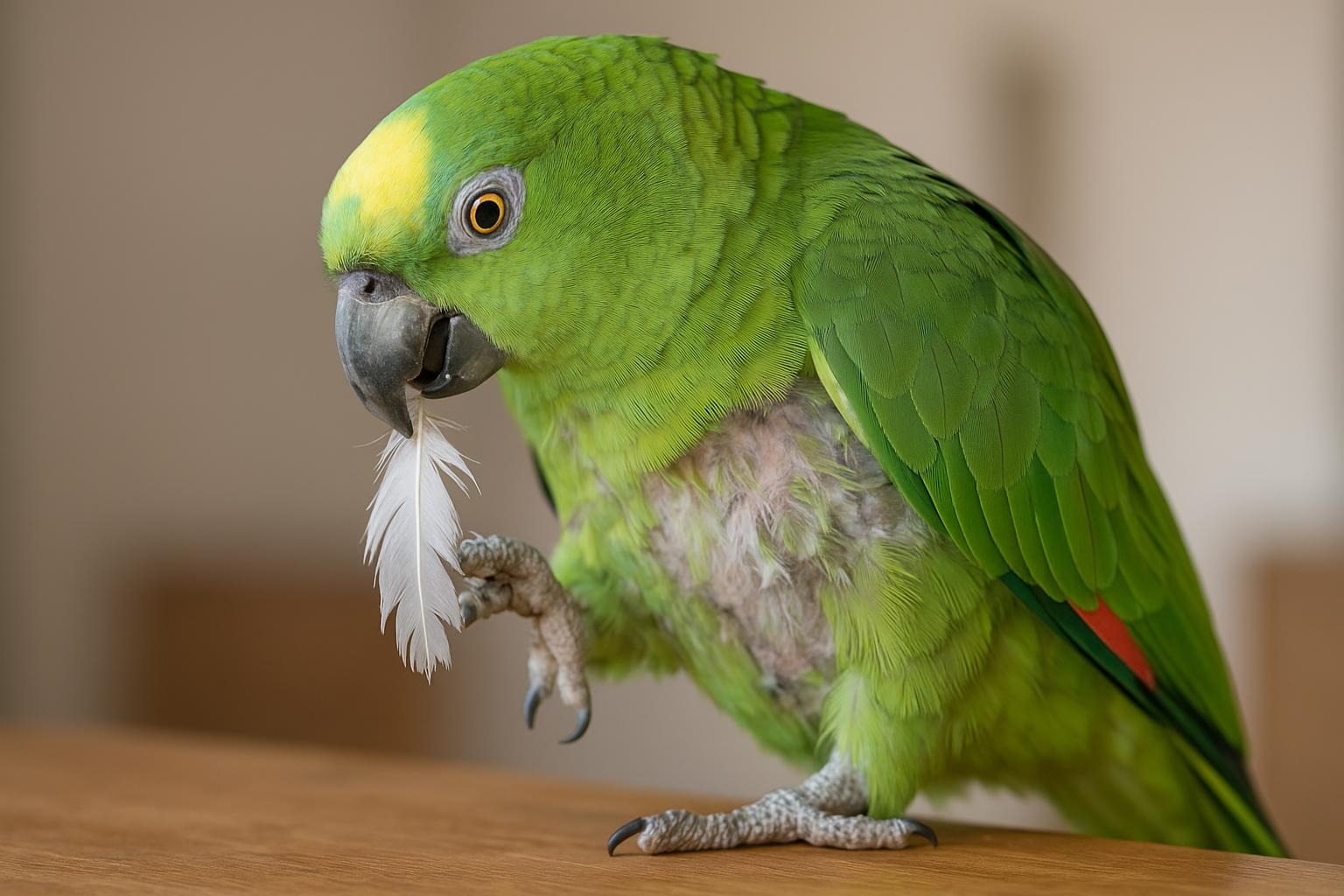
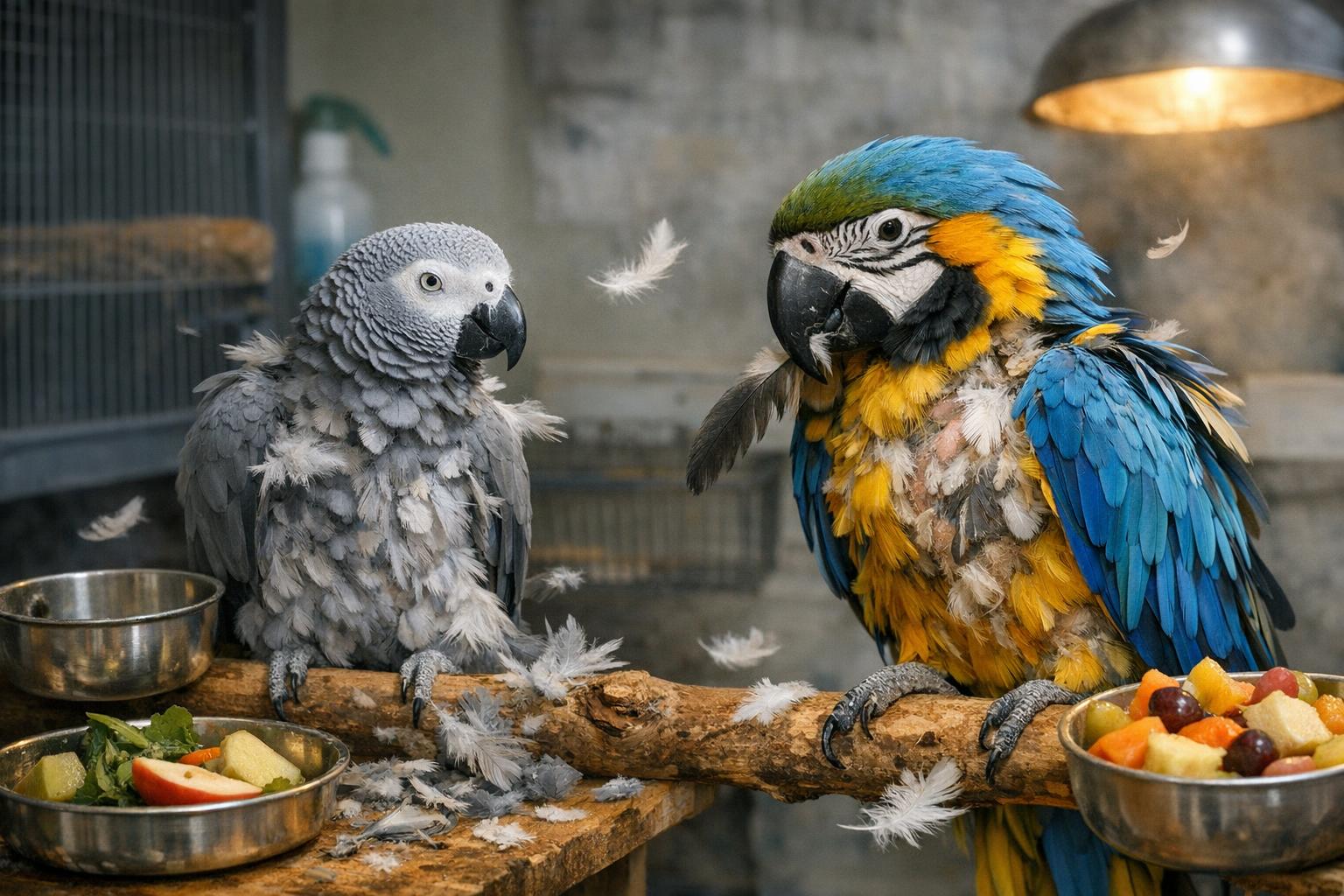
Welcome. If you’ve ever walked into a room and found a fluff-shaped carpet of tiny feathers, you know that “parrot plucking feathers” is one of those phrases that turns a fun pet day into a worry. This article looks at why parrots pluck, what you can try at home to help, and clear, safe steps for a few practical remedies. I’ll keep it friendly and easygoing, but when we get to the actual fixes, I’ll be precise and formal so you have reliable, repeatable steps.
## Parrot Plucking Feathers: Why It Happens
### Stress, Boredom, And Environmental Triggers
Parrot plucking feathers is often a symptom, not a problem in itself. Stressors such as new household routines, loud noises, changes to cage placement, or a lack of social interaction can push some birds into over-preening and then plucking. Parrots are intelligent and sensitive—if they’re bored or anxious, feathers can become a focal coping mechanism.
### Medical Causes And When To See A Vet
Physical issues like skin infections, parasites (mites), hormonal imbalances, allergies, and underlying systemic illnesses can lead to feather damage and plucking. Always rule out medical causes first. If you notice scabs, bleeding, sores, sudden weight loss, respiratory changes, or a rapid onset of feather loss, seek a veterinarian experienced with avian patients promptly.
### Hormonal And Seasonal Influences
Some parrots pluck more during breeding seasons or when their hormone cycles are altered by light exposure and diet. Be mindful that environmental cues—longer daylight, richer diets—can shift hormone-related behaviors.
## 3 Home Remedies For Parrot Plucking Feathers
Below are three safe, practical home remedies you can try. Each remedy includes required materials and step-by-step creation and application instructions. These are supportive strategies for mild to moderate feather-picking behavior; they are not substitutes for veterinary care when medical causes are likely.
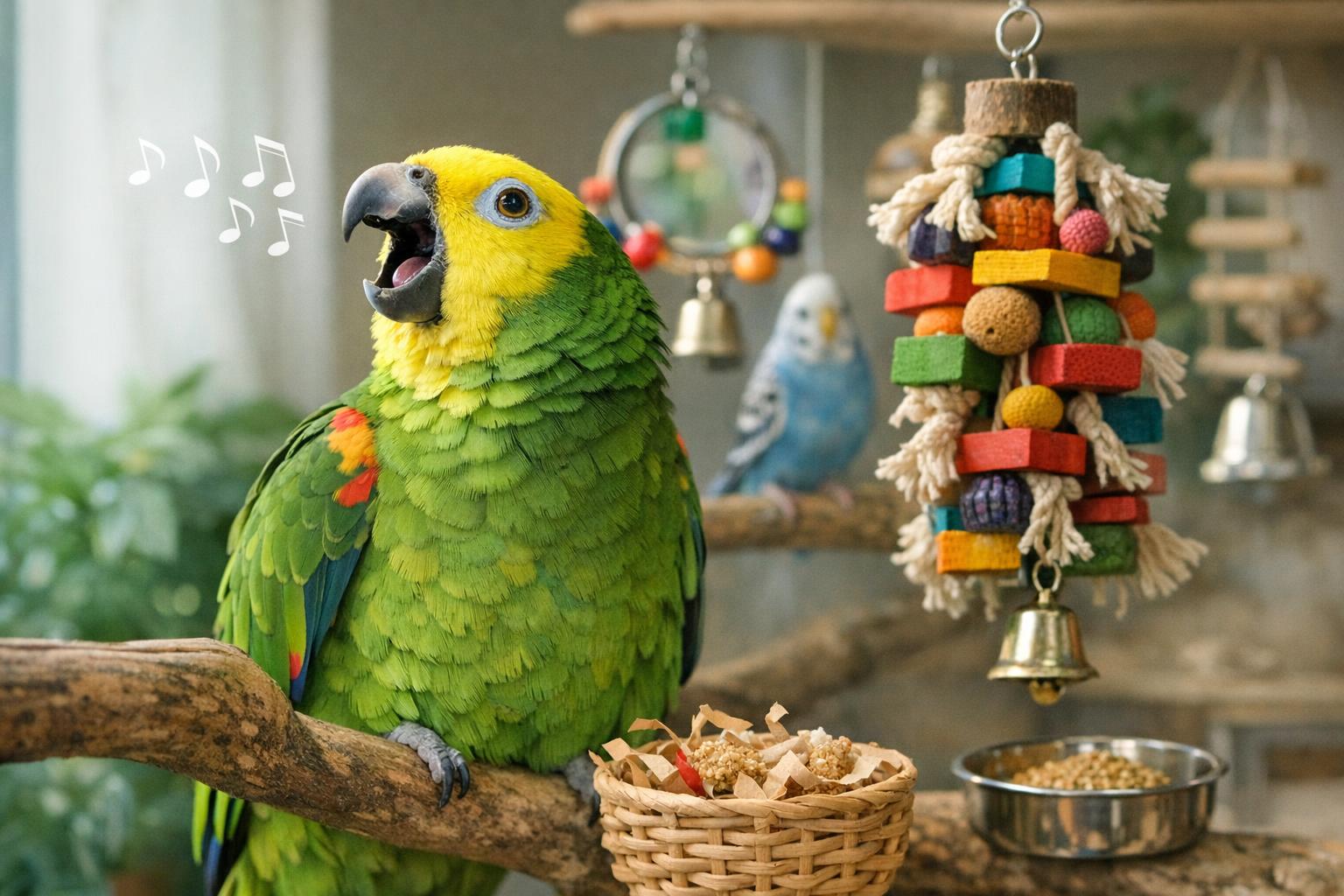
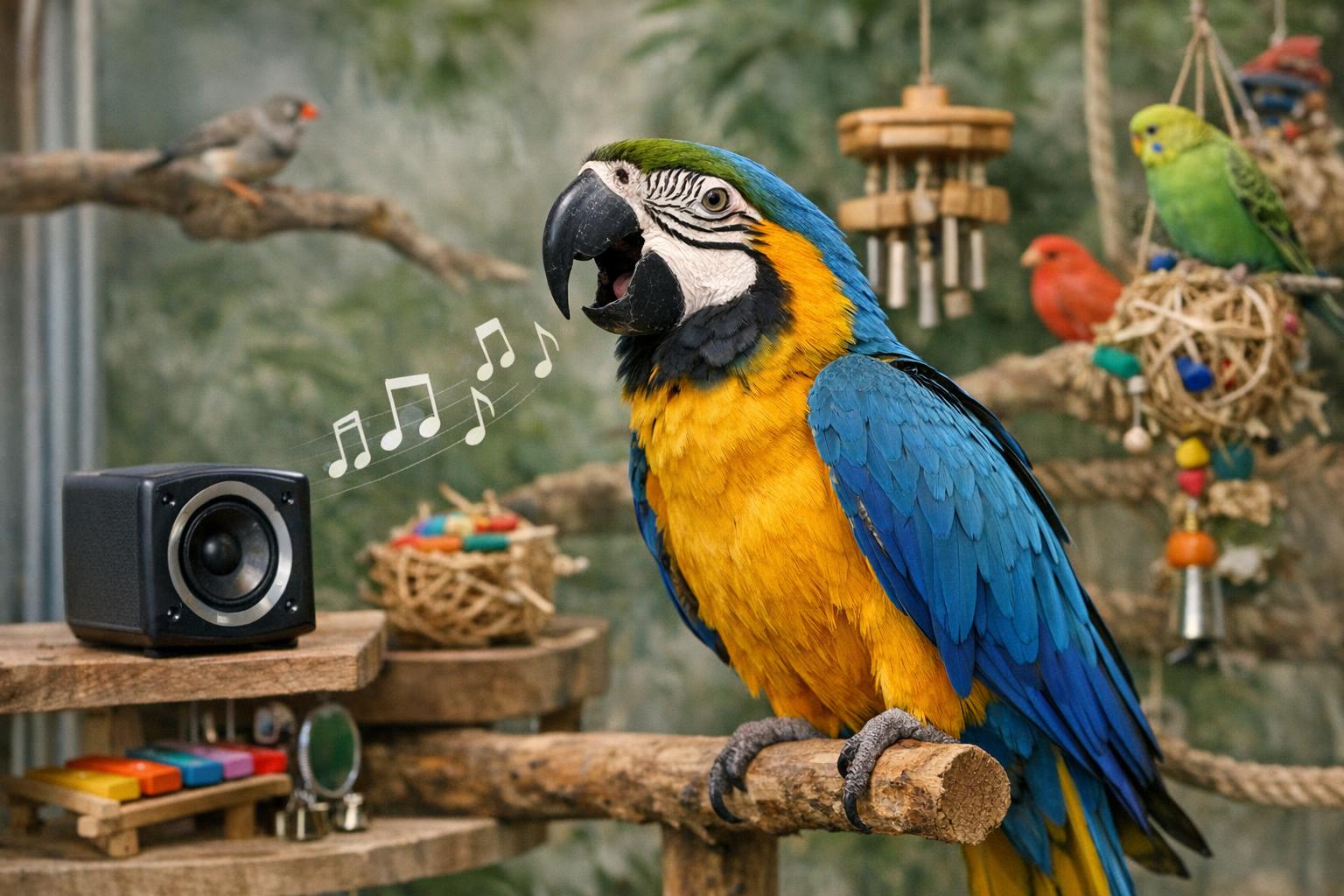
### 1. Enrichment Rotation To Reduce Boredom
#### Materials Required
– A variety of bird-safe toys (foraging, shredder, chewable)
– Perches of differing diameters and textures
– Foraging treats and puzzle feeders
– A small calendar or phone reminder system
#### Creation And Application Steps
1. Inspect and gather toys and perches. Ensure all items are free of toxic paints, loose parts, and harmful materials.
2. Create a weekly rotation plan. Replace one or two toys every 2–3 days so the environment remains novel. Use a calendar or phone reminders to keep the schedule consistent.
3. Introduce simple foraging opportunities: hide small pieces of nut or fruit inside paper cups, cardboard tubes, or puzzle toys to encourage natural foraging behavior.
4. Offer perches at various heights and textures throughout the day to encourage movement and reduce repetitive grooming in one spot.
5. Monitor the bird’s response. If plucking decreases, continue the rotation. If not, combine with other remedies or consult a veterinarian.
This remedy focuses on behavioral enrichment, which directly addresses boredom—one of the most common drivers of parrot plucking feathers.
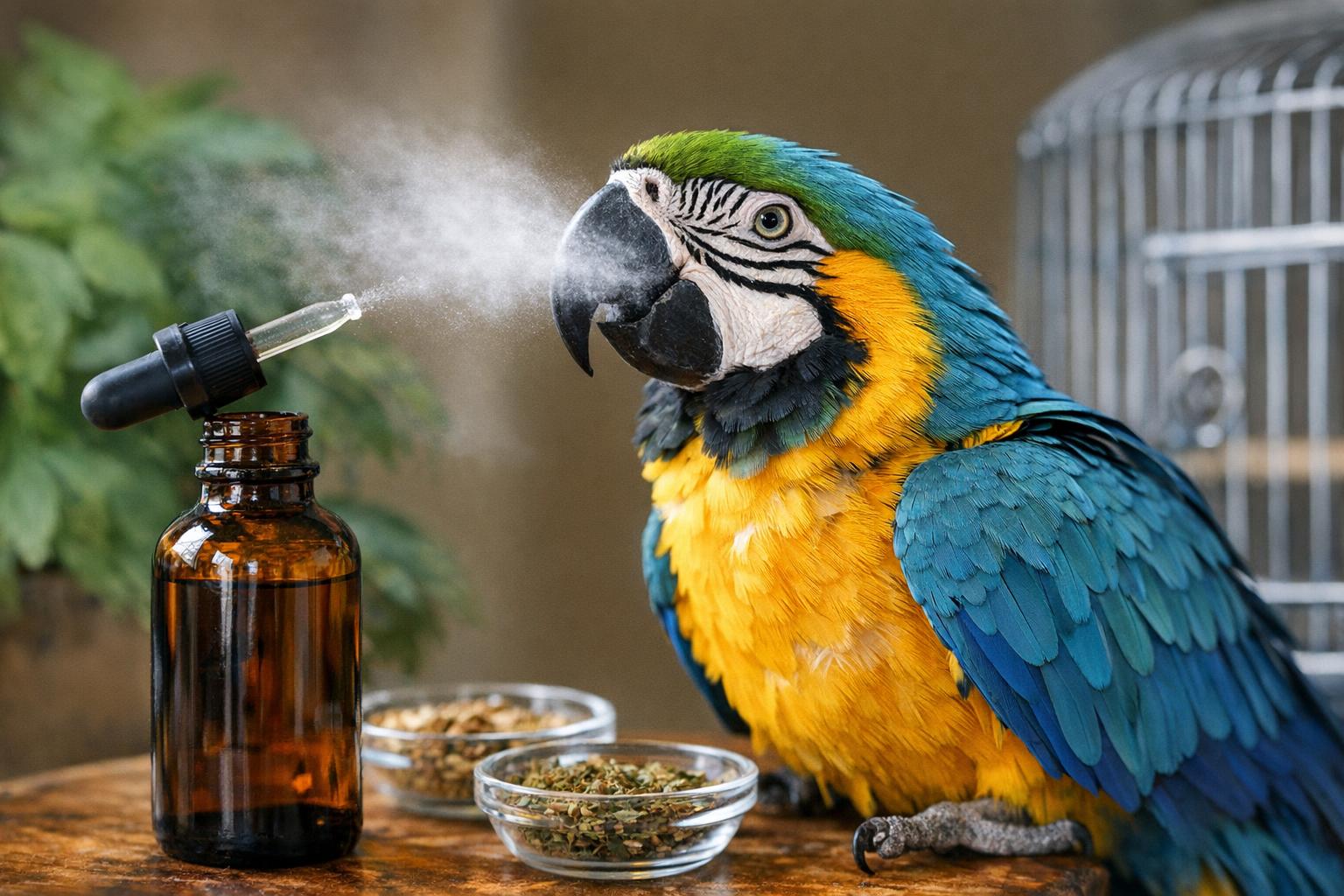
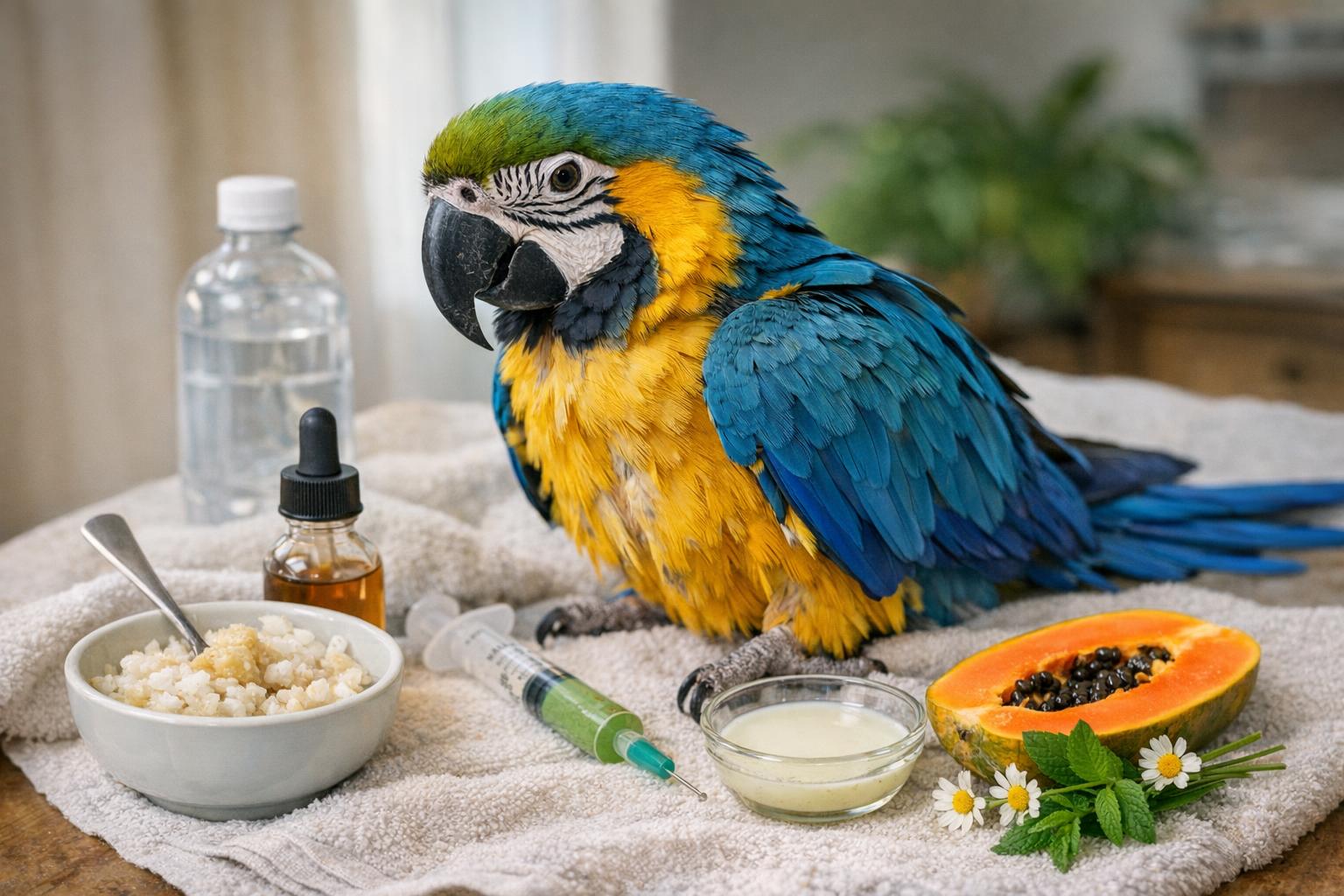
### 2. Soothing Oat And Herbal Bath Spray
#### Ingredients And Tools
– 1 cup distilled water
– 1 tablespoon colloidal oat (finely ground oats)
– 3 drops calendula tincture (or 1/2 teaspoon calendula infusion)
– 2 drops chamomile essential oil diluted into a carrier (use with caution; essential oils must be very dilute for birds) — alternatively use chamomile tea instead
– A small clean spray bottle (100–200 ml)
– Fine mesh strainer or cheesecloth
#### Preparation And Application Steps
1. Boil distilled water and steep colloidal oat and calendula for 10 minutes. If using chamomile tea instead of essential oil, add it to the steep.
2. Allow the mixture to cool to room temperature. Strain through a fine mesh strainer or cheesecloth into a clean bowl to remove particulates.
3. Pour the strained liquid into the spray bottle. If you choose the essential oil route, ensure the final dilution is extremely low (no more than 0.01% in the final mix) — generally, I recommend using tea instead of essential oil for safety.
4. Application: Lightly mist your parrot from 12–18 inches away once or twice daily. Observe the bird’s reaction—most parrots enjoy a gentle mist; stop if the bird shows stress.
5. Use this spray for soothing skin irritation and encouraging normal preening behavior without harsh chemicals. Clean the spray bottle weekly and discard any unused solution after 48 hours.
This remedy is skin-soothing and can help birds with mild irritation that contributes to plucking. Strict dilution and cautious use are essential.
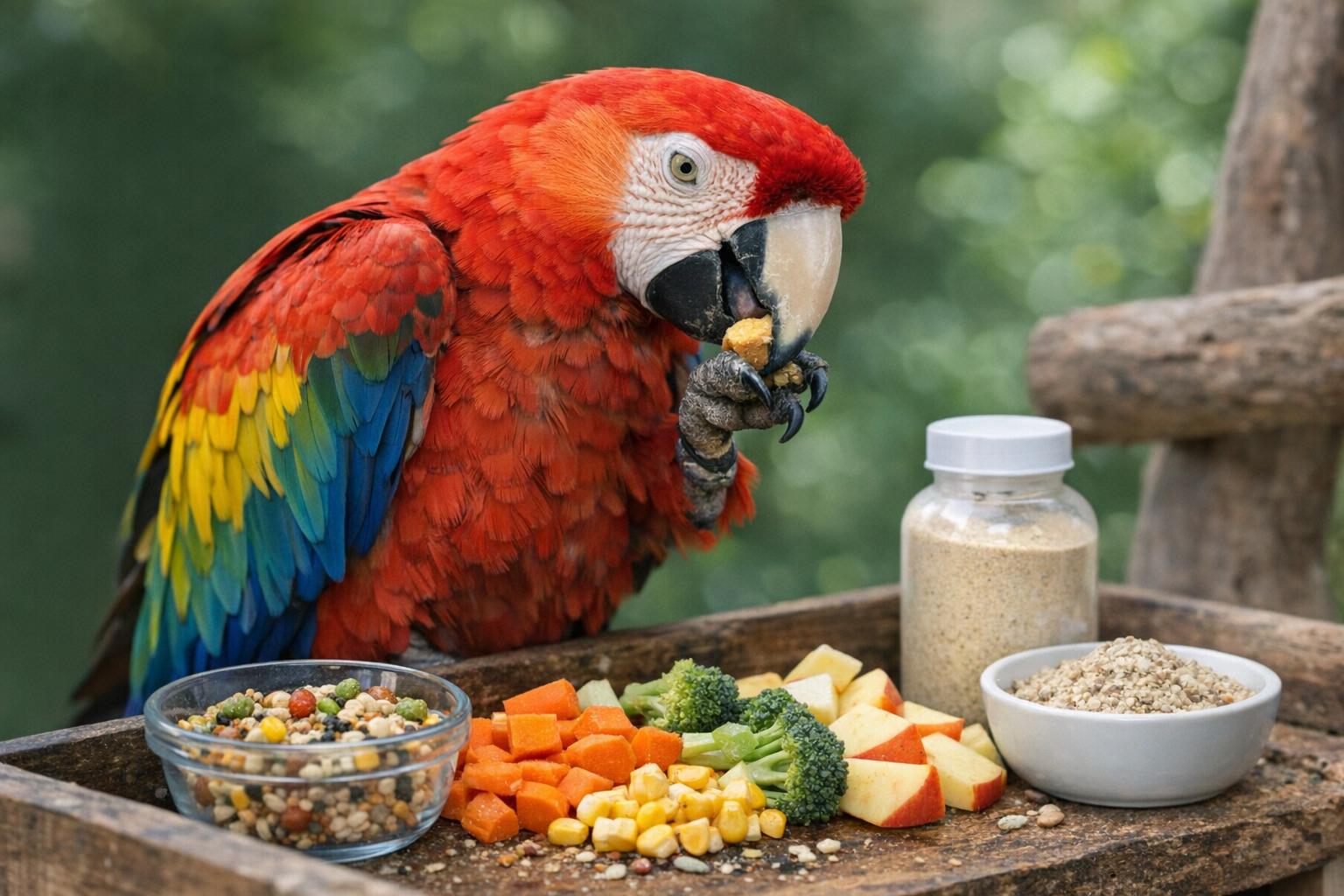
### 3. Diet Adjustment And Nutritional Support
#### Materials Required
– High-quality pellet food formulated for your parrot species
– Fresh vegetables and fruits (leafy greens, carrots, bell peppers)
– Supplements only as advised by your avian veterinarian (omega-3/6, vitamin A if deficient)
– Measuring spoons and a food scale (optional but recommended)
#### Preparation And Application Steps
1. Transition gradually from seed-heavy diets to a balanced pellet base if needed. Replace no more than 10–20% of the diet with pellets every 3–4 days to avoid upset. Monitor eating habits closely.
2. Add a colorful variety of fresh produce daily. Offer small portions of chopped vegetables and fruits; aim for at least 25–50% of the diet to be fresh produce depending on species and vet advice.
3. Discuss supplements with your avian vet. Only start omega fatty acids or vitamins after consultation and appropriate dosing. Over-supplementation can cause harm.
4. Keep a feeding log for 2–4 weeks noting appetite, fecal changes, and any changes in feather condition.
5. If feather condition improves after dietary changes or supplementation, continue this balanced regime and maintain periodic vet check-ups.
Nutritional deficits and imbalances frequently underlie chronic feather issues. A controlled dietary approach can reduce instances of parrot plucking feathers by improving skin and feather health.
## Additional Home Care Tips
### Environment, Lighting, And Routine
Consistent lighting cycles (10–12 hours of daylight, 10–12 hours of darkness) and a stable daily routine help stabilize hormones and reduce stress-driven feather picking. Use blackout covers for nighttime sleep if household light is intrusive.
### Gentle Handling And Bonding Work
Spend quality time with your parrot in calm ways: step-up training, foraging games, and quiet talking. Positive reinforcement training can redirect attention away from destructive preening and toward cooperative behaviors.
### When To Seek Professional Help
If home remedies do not improve the situation within a few weeks—or if your parrot exhibits signs of infection, bleeding, or severe skin damage—consult an avian veterinarian. Behaviorists specializing in birds can provide targeted behavior modification plans when necessary.
## Keeping It Real (And Feathered)
Parrots can be stubborn and dramatic—much like certain humans when coffee runs out. Trying multiple supportive strategies and keeping calm, consistent habits will often reduce the urge to pluck. Remember that “parrot plucking feathers” is a phrase loaded with nuance: sometimes fixing it takes time, patience, and a few veterinary visits.
If you want, I can help you design a tailored enrichment schedule or a safe bath spray recipe specific to your parrot species and household setup.

Leave a Reply