
## Bird Molting: What To Expect
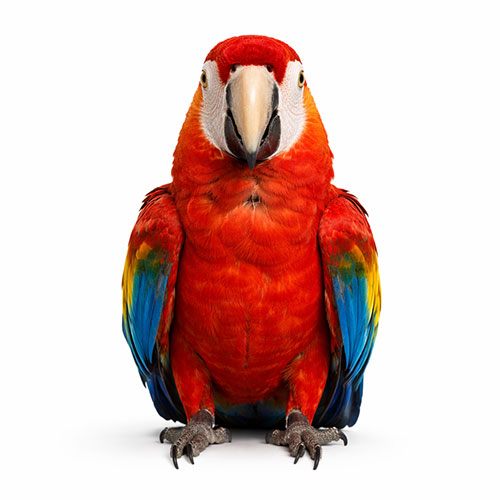
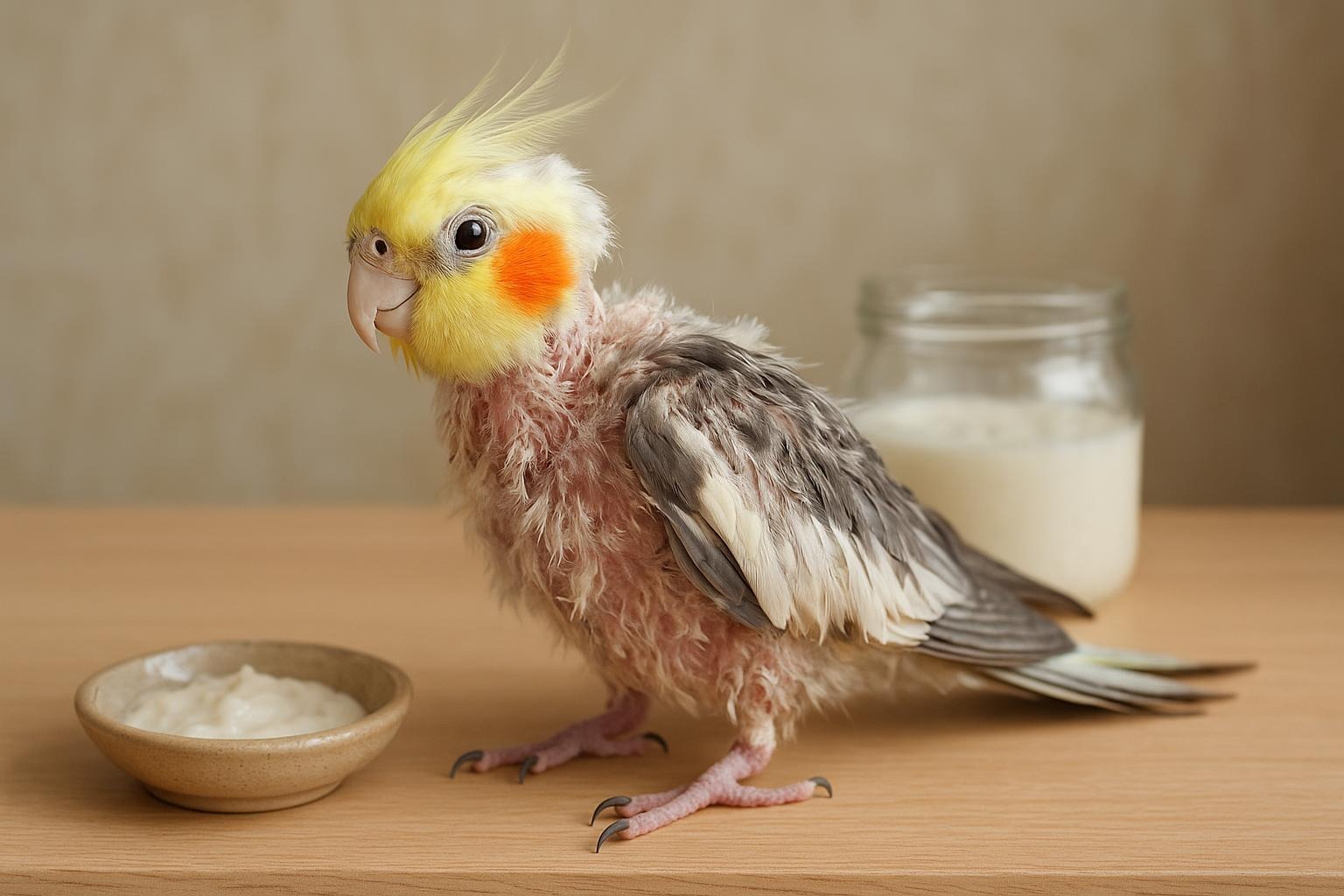
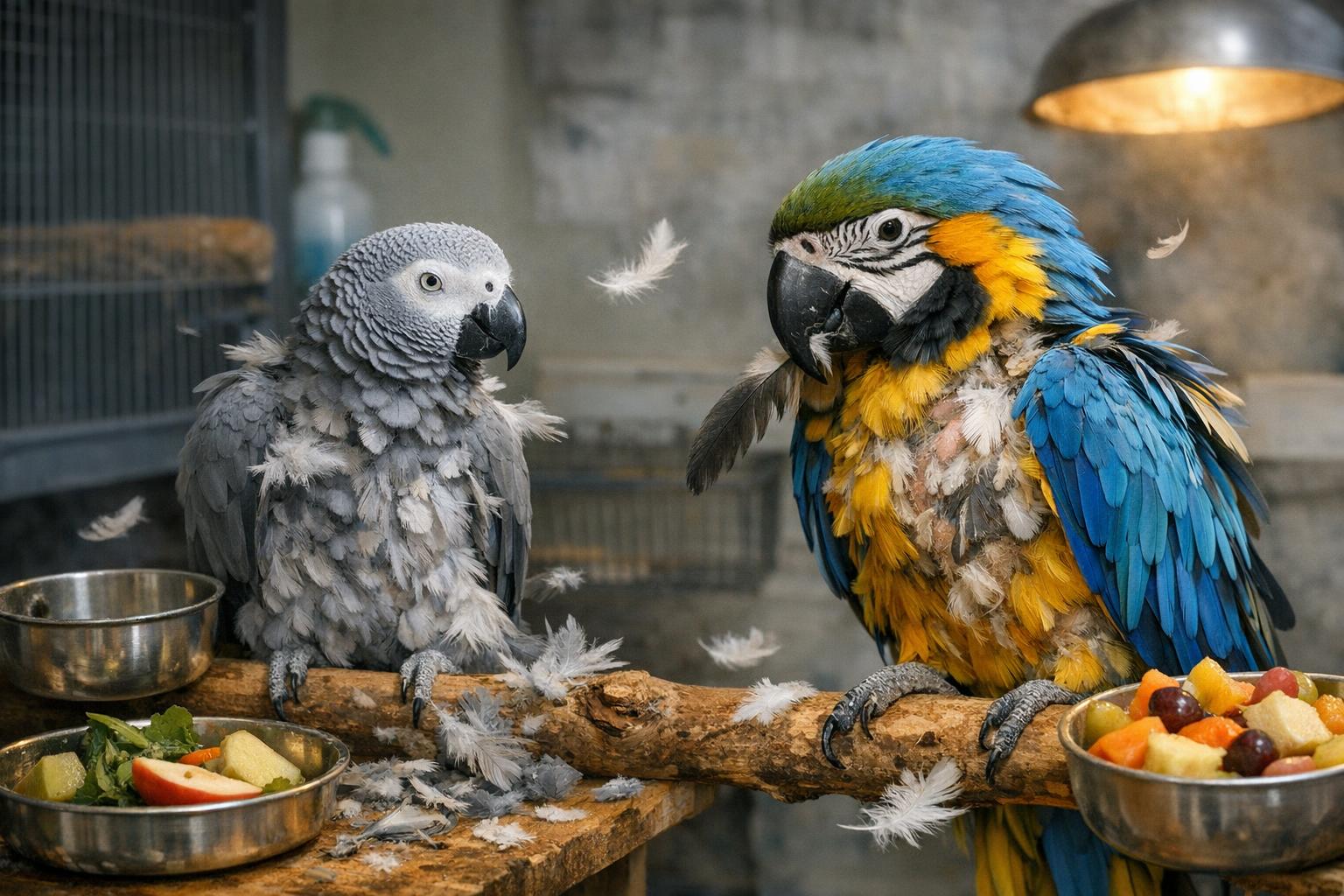
Molting is one of those natural, slightly dramatic life events that every bird goes through — like puberty, but fluffier. Bird molting is the process of shedding old feathers and growing new ones. It happens annually for most species and can be triggered by seasonal changes, daylight length, hormones, or stress. Knowing what to expect helps you keep your feathered friend comfortable and healthy, rather than wondering if they’re staging a tiny, beaky protest.
## Understanding The Molting Timeline
### Natural Timeline And Triggers
Bird molting patterns vary widely. Some birds experience a gradual molt over months, while others replace large tracts of feathers in a shorter window. Factors that influence timing include species, age, diet, and environment. Juveniles often have a different molt schedule than adults, and birds recovering from illness may molt irregularly.
#### Seasonal Versus Stress Molting
Stress molting can look similar to seasonal molt but tends to be more abrupt and uneven. If your bird molting seems off schedule — missing patches, unusually slow regrowth, or accompanied by changes in appetite or behavior — it could point to an underlying health issue. If in doubt, consult an avian veterinarian.
## Caring For Comfort During Molting
### Environment Adjustments
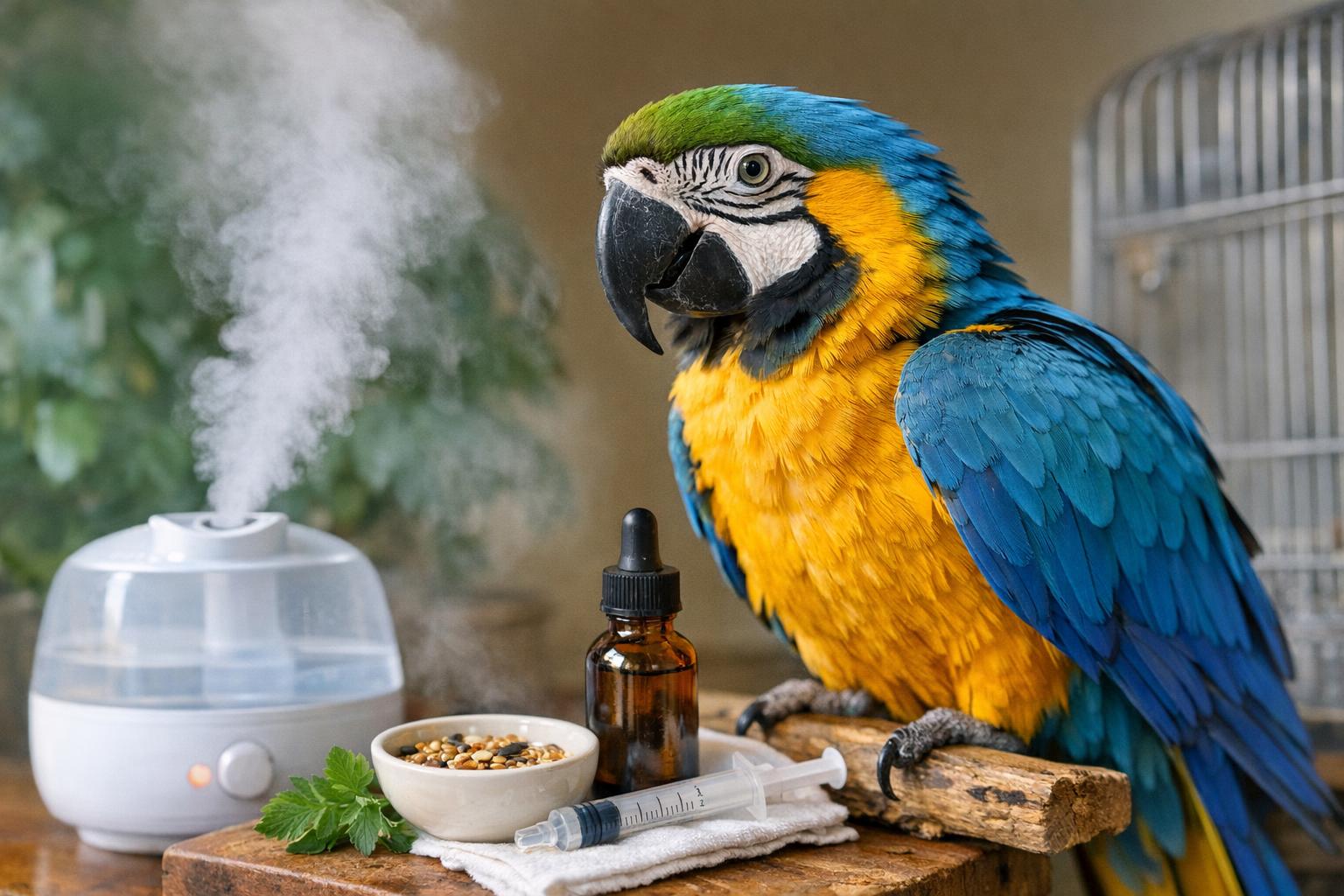
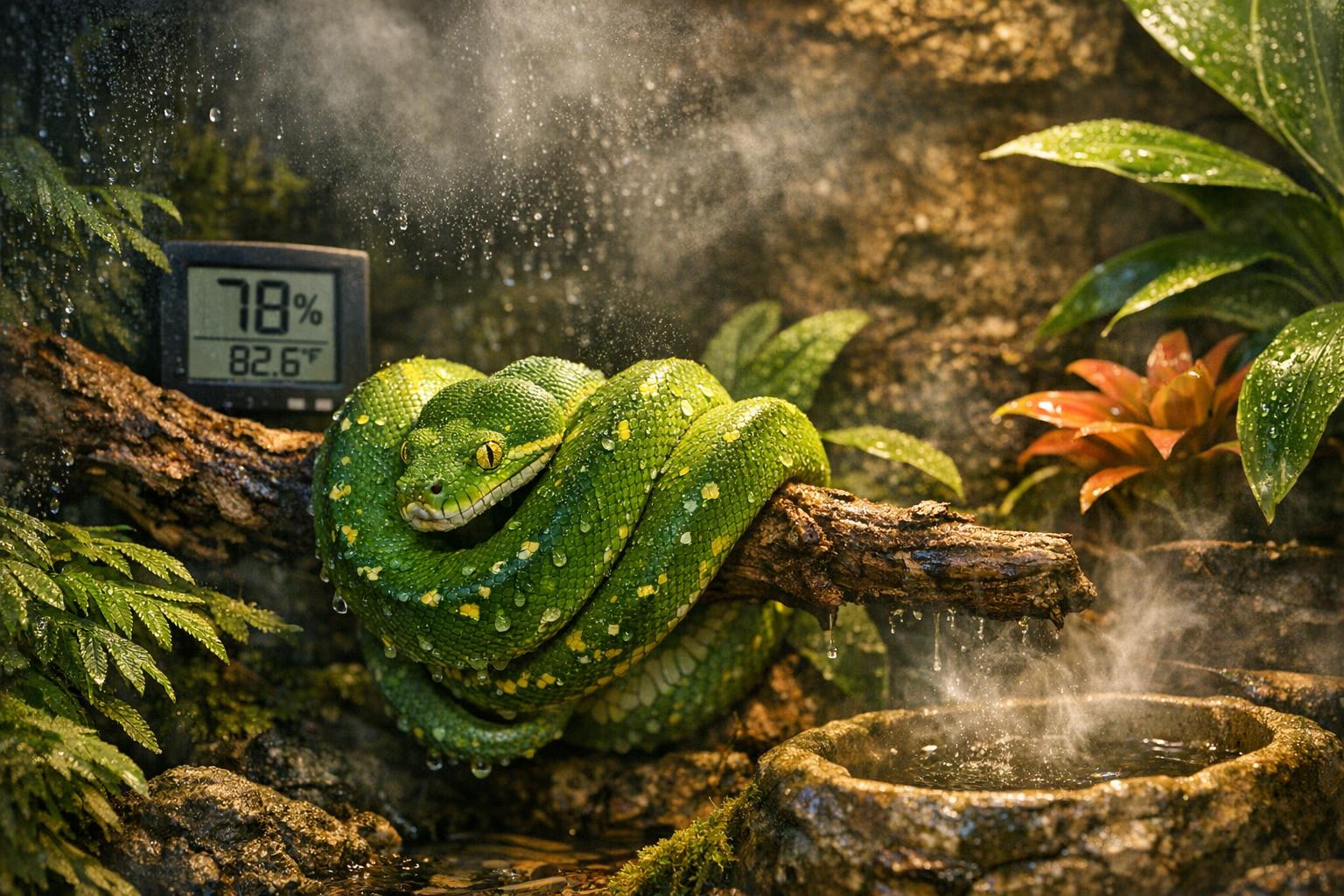
When a bird molting begins, comfort is key. Provide a calm, stable environment: gentle noise levels, consistent lighting, and a draft-free cage placement can reduce stress. Increased humidity often helps itchy skin and makes preening less irritating.
#### Lighting And Temperature Tips
Avoid dramatic temperature swings. Keep ambient temperatures steady and mimic natural day/night cycles with soft lighting. Sudden changes can disrupt molt timing and stress your bird.
### Nutrition For Feather Health
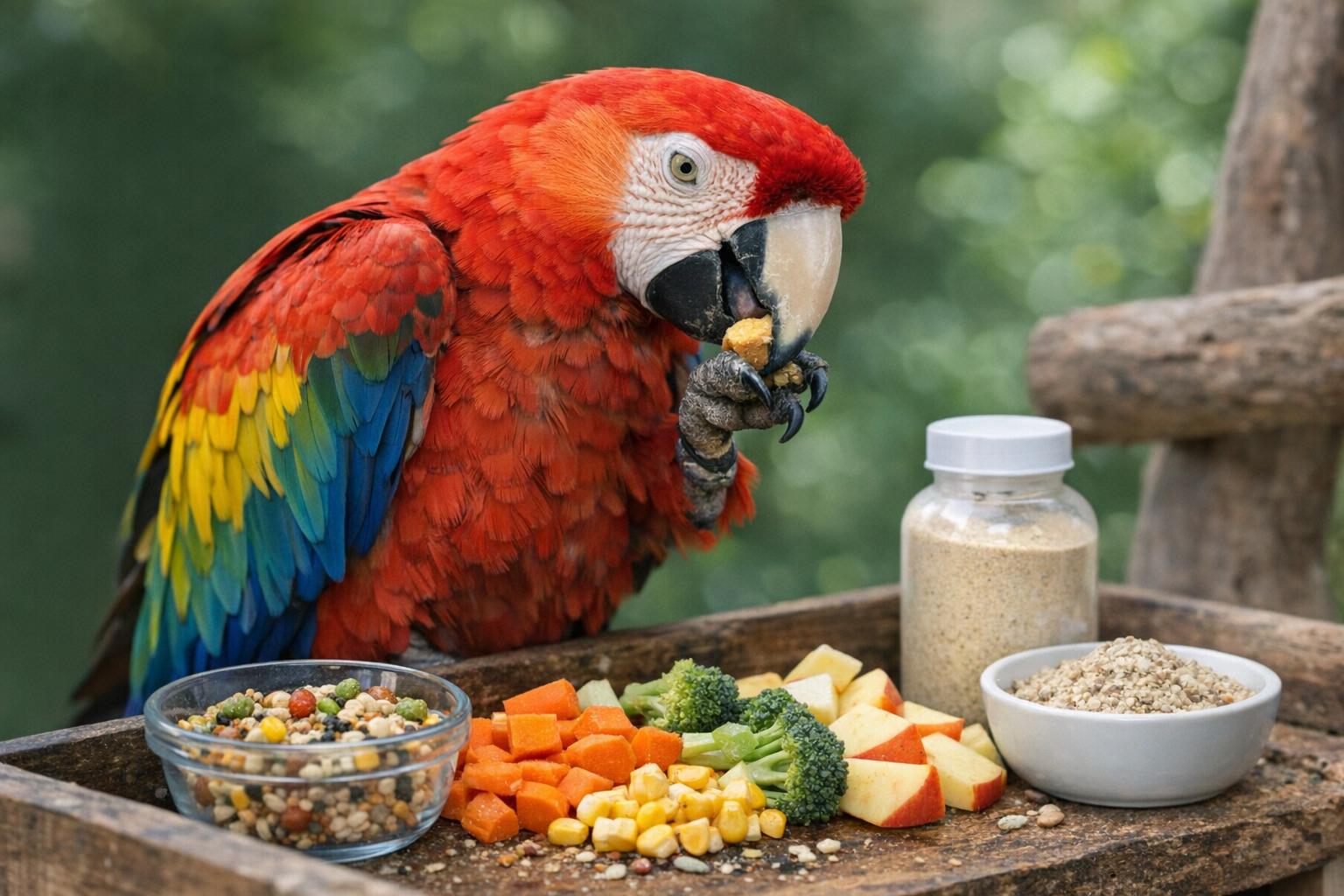
Feathers are mostly protein (keratin), so birds need extra high-quality protein during molt, plus vitamins and minerals like vitamin A, vitamin D, calcium, and omega-3 fatty acids. Fresh foods — leafy greens, steamed vegetables, small amounts of cooked eggs, and safe seeds — can boost nutrition. Consider an appropriate, species-specific supplement only after discussing it with your avian vet.
## When To Step In And When To Let Nature Do Its Thing
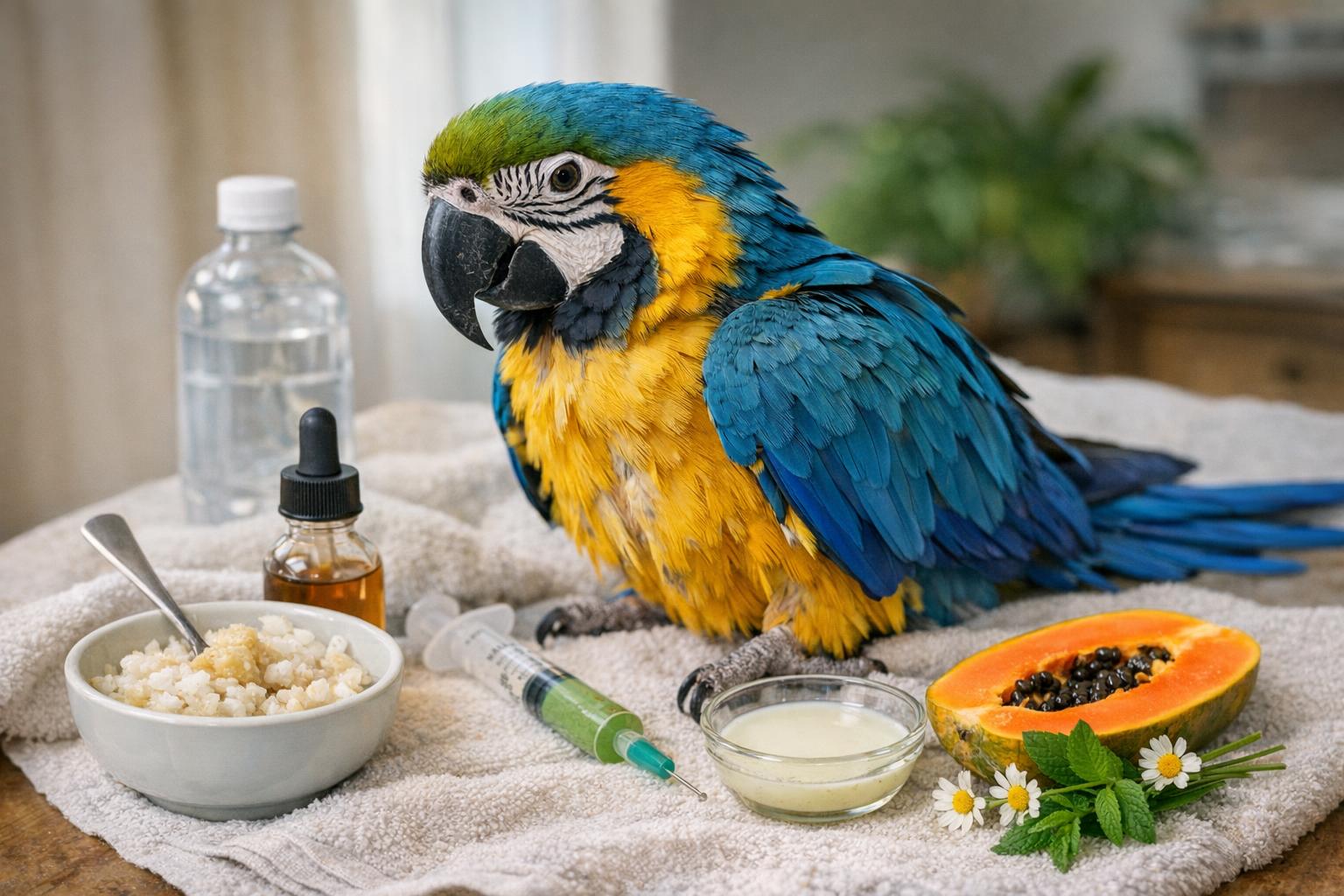
Most molting is normal and self-correcting. Signs that you should intervene include bleeding feathers that won’t stop, festering skin, lethargy, or a dramatic, prolonged inability to preen. If you’re ever unsure, a vet visit is better than guessing — feathers may be small, but the consequences of untreated issues can be big.
## Remedy 1: Soothing Humidity Mist For Sensitive Skin
Materials/Ingredients:
– Clean, distilled or filtered water (500 ml)
– 1–2 teaspoons of pure aloe vera gel (ensure it’s free of alcohol and additives)
– A clean spray bottle (fine mist)
– Soft towel
Creation And Application (Formal Instructions):
1. Sanitize the spray bottle with hot water and allow to cool. Use only bottles previously reserved for pet care.
2. Mix 500 ml of distilled water with 1–2 teaspoons of pure aloe vera gel. Shake gently to combine; do not use essential oils or fragrances.
3. Test the mist on your wrist to ensure a delicate spritz; it should feel barely there.
4. Place your bird in a calm, quiet area. Avoid direct drafts or bright sunlight during application.
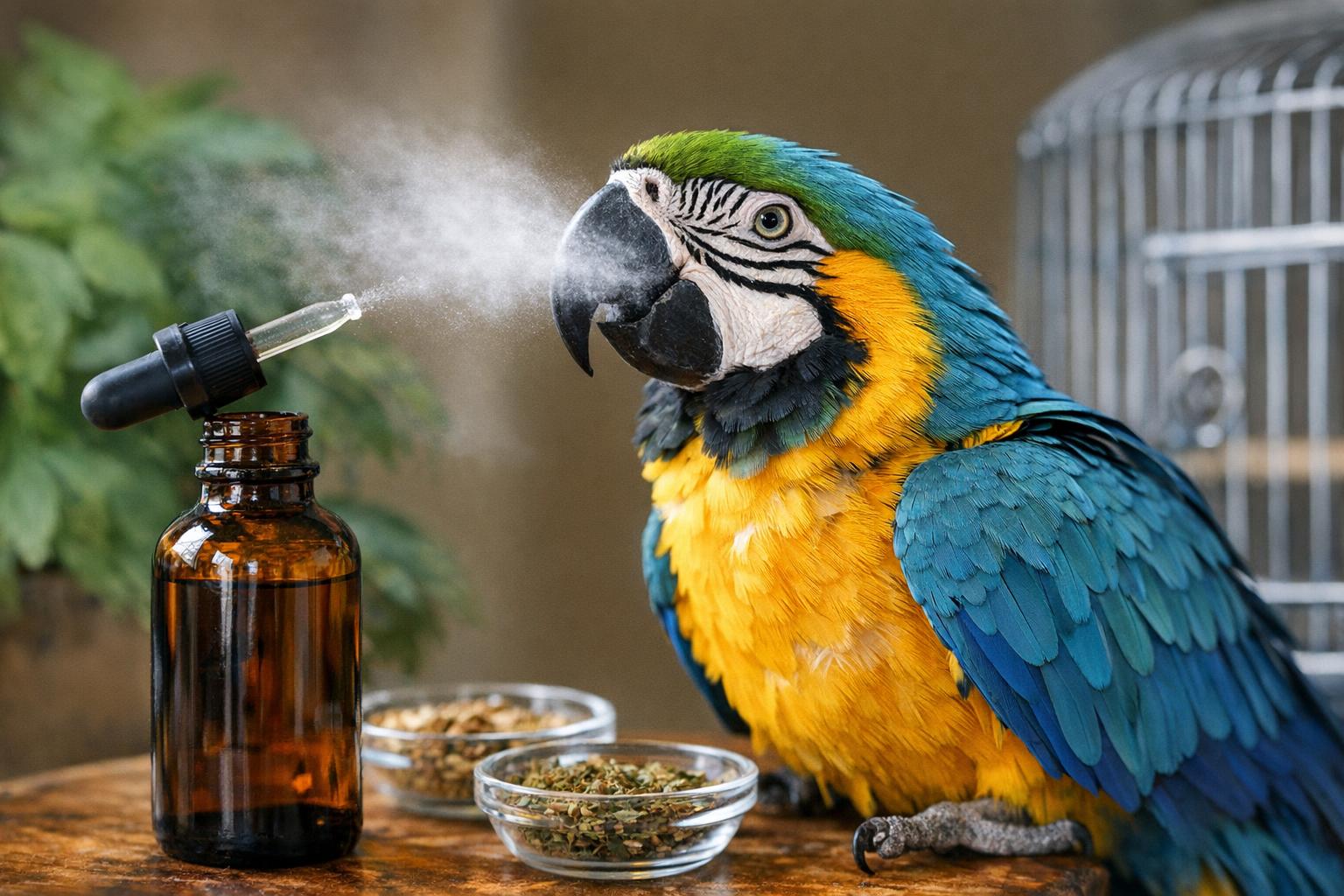
5. From a distance of about 30–40 cm, lightly mist the cage environment and the feathers (not directly into the bird’s face). Aim for humidity enhancement, not saturation.
6. Allow the bird to preen naturally. Repeat once or twice daily as needed for two weeks, monitoring for any signs of irritation or respiratory distress.
Notes: This mist is intended to alleviate dry skin and ease preening discomfort during bird molting. Avoid prolonged exposure to wet feathers without allowing proper drying time, as damp conditions may encourage fungal growth.
## Remedy 2: Nutrient-Rich Soft Food Mix For Molting Support
Materials/Ingredients:
– Cooked, mashed egg yolk (1 large yolk)
– Cooked quinoa or oats (2 tablespoons)
– Finely chopped steamed spinach or kale (1 tablespoon)
– A teaspoon of plain, unsweetened yogurt (for probiotics) — optional and only if species-appropriate
– A pinch of ground flaxseed (for omega-3s) — optional
– Small mixing bowl and spoon
Creation And Application (Formal Instructions):
1. Prepare all ingredients separately: hard-boil an egg and mash the yolk thoroughly; cook quinoa or oats until soft and cool; steam greens until tender and chop finely.
2. Combine the mashed yolk, cooked grain, and greens in a bowl. If using yogurt and flaxseed, add them at this stage and mix to a uniform consistency.
3. Form small portions appropriate to your bird’s size. For small parrots or parakeets, a pea-sized portion per feeding is sufficient; scale accordingly for larger species.
4. Offer the mixture in a shallow dish during periods of active molting. Provide fresh portions twice daily, removing uneaten food after a couple of hours to prevent spoilage.
5. Monitor intake and stool consistency. Adjust quantities to maintain a balanced diet; this mix is a supplement, not a full replacement for a species-appropriate pellet or seed diet unless advised by your vet.
Notes: This remedy focuses on providing extra protein, healthy fats, and micronutrients to support feather regrowth during bird molting. Avoid long-term reliance without professional dietary assessment.
## Remedy 3: Gentle Feather Massage And Spot Care
Materials/Ingredients:
– Clean hands and trimmed nails
– Soft-bristled toothbrush or tiny grooming brush (clean)
– Sterile saline solution (for minor skin cleaning)
– Cotton gauze or pads
Creation And Application (Formal Instructions):
1. Ensure hands are clean and warm. Approach your bird calmly and speak softly to prevent stress.
2. Observe before touching. Allow the bird to preen and settle; only proceed if the bird is relaxed and used to being handled.
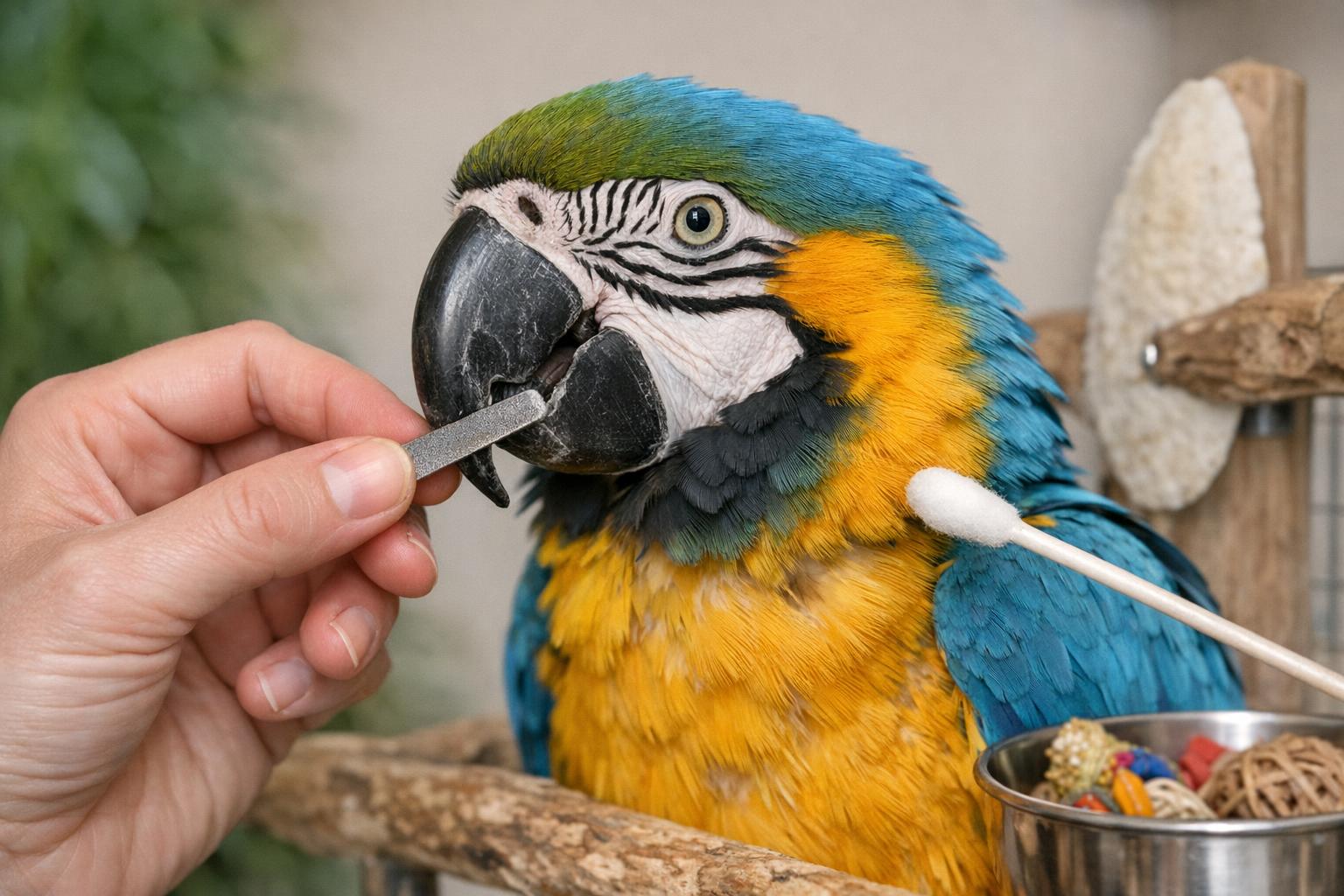
3. Using a soft brush, gently coax feathers along their natural lay. Do not pull. The aim is to help remove loose feathers and encourage circulation without disturbing developing pin feathers.
4. For minor scabs or dirty skin near feather bases, lightly dab with sterile saline applied to a cotton pad. Pat gently — do not rub.
5. If a feather is bleeding, apply gentle pressure with a clean gauze pad until bleeding stops. If bleeding is excessive or recurrent, seek veterinary care.
6. Limit sessions to a few minutes; molting birds may be more sensitive. Perform spot care no more than once daily unless otherwise directed by an avian professional.
Notes: This remedy is for comfort and maintenance during bird molting. Aggressive handling or excessive plucking of pin feathers can cause permanent damage; always be conservative and consult a vet for significant skin or feather abnormalities.
## Helping Emotional Well-Being During Molt
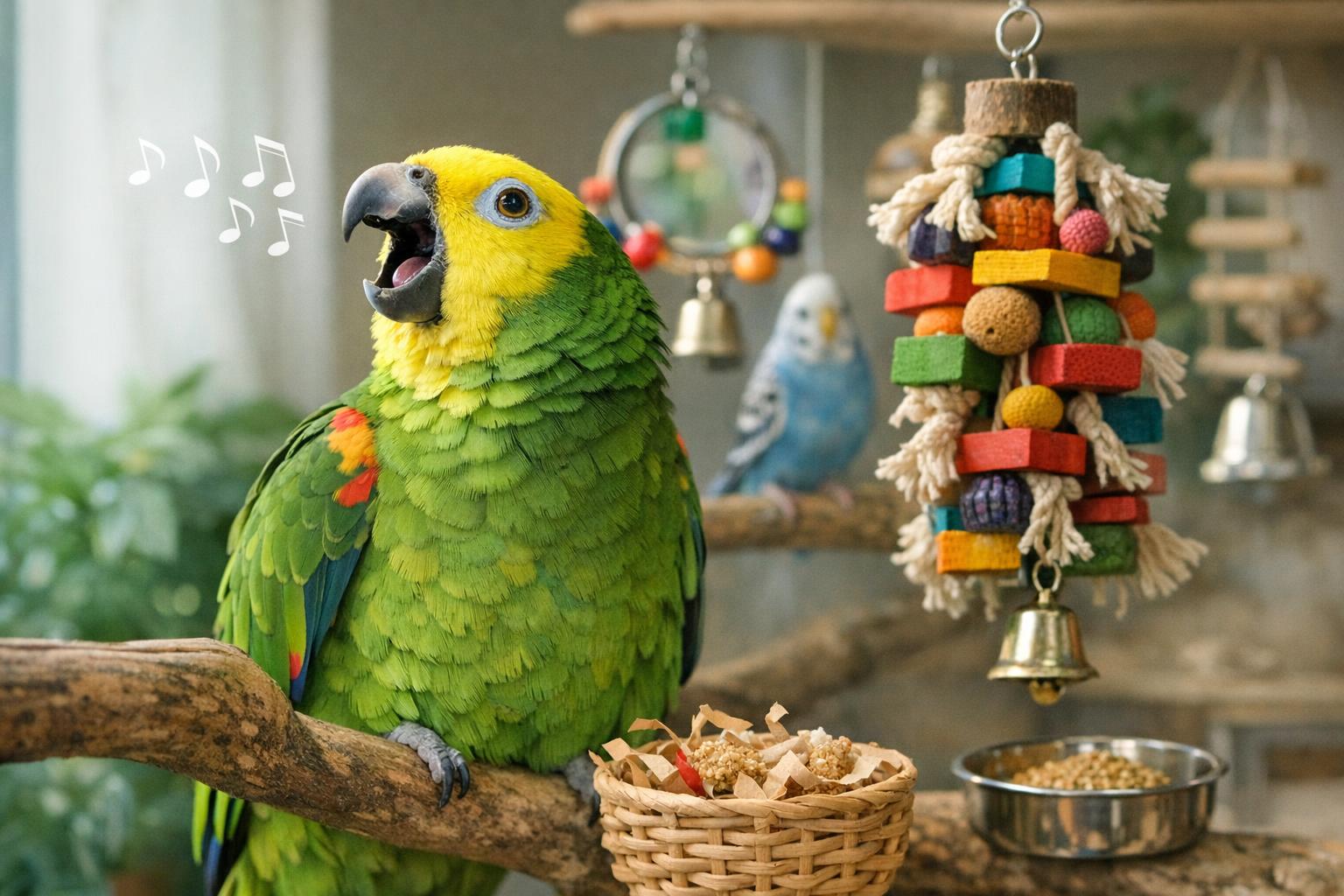
Birds often feel vulnerable during bird molting. They may be quieter, less active, or more clingy. Spend calm, quality time near the cage, offering soft conversation and gentle presence rather than forceful interactions. Rotate favorite toys in to stimulate interest, but avoid introducing new stressful items mid-molt.
### Safe Grooming And Bathing Practices
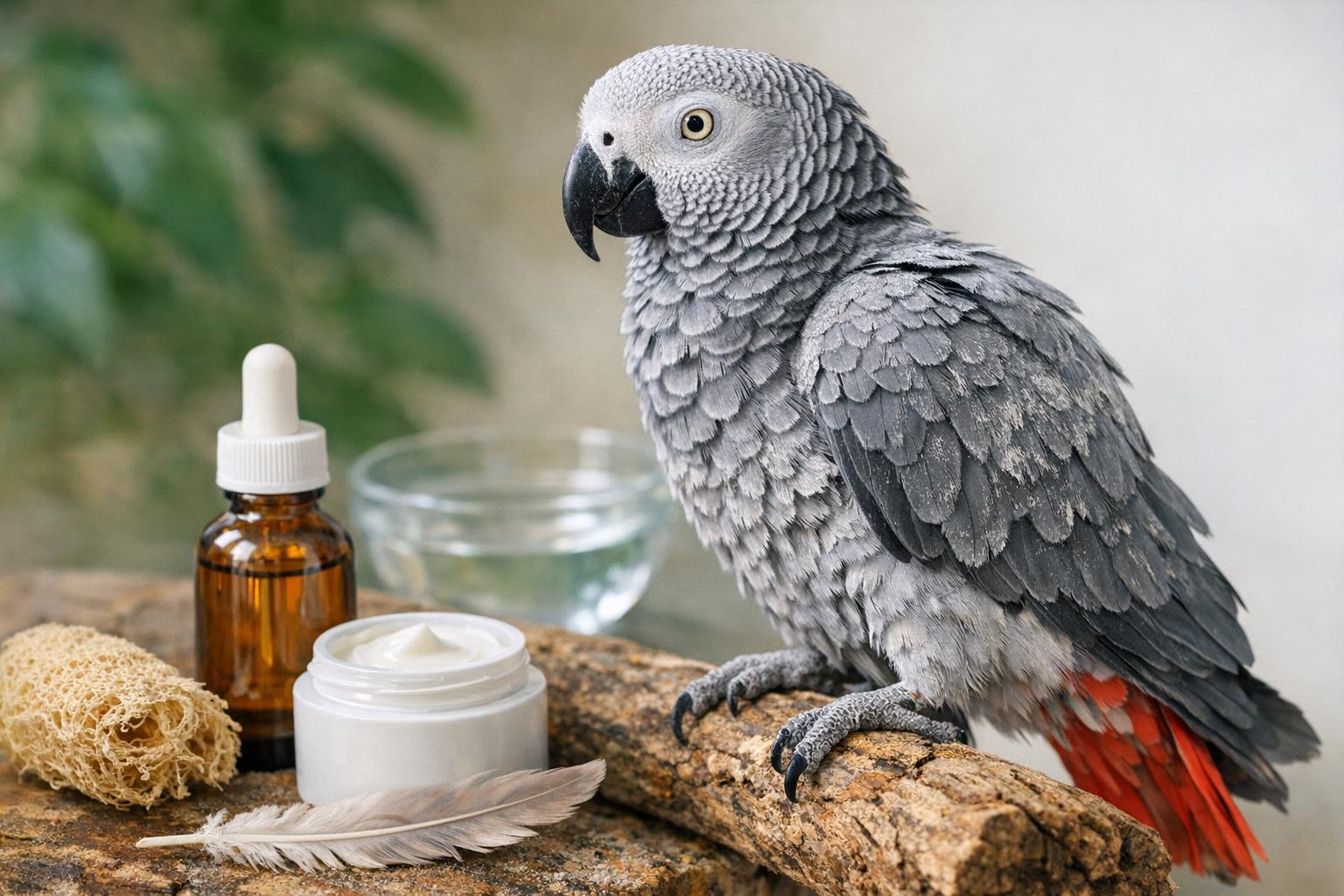
Bathing can help with itchy skin, but use lukewarm water and a shallow bath or misting rather than deep immersion for most pet birds. Allow the bird to dry in a warm, draft-free space. Avoid soaps, shampoos, or human products that can strip natural oils and irritate sensitive skin during bird molting.
## When To Seek Professional Help
If bird molting is accompanied by weight loss, persistent lethargy, changes in droppings, bald patches that don’t fill in, or behavioral changes like feather plucking, schedule a veterinary exam. Lab work, skin scrapings, or feather analysis may be necessary to rule out infections, parasites, or metabolic disorders.
### Record Keeping For Better Care
Keeping a simple molt log — dates, food changes, environmental shifts, and any symptoms — can help you and your veterinarian track patterns and pinpoint causes. Small details often reveal big clues.
## Final Practical Tips For Molt Season
During bird molting, prioritize predictable routines, balanced nutrition, and gentle environmental adjustments. Observe carefully and intervene only when necessary, using the remedies provided to relieve discomfort and support feather regrowth. Think of your role as part nurse, part concierge: keep the ambience soothing, the menu nutritious, and the feather salon gentle.

Leave a Reply