





Keeping aquarium water clear can feel a bit like magic—except it’s science, and you don’t have to pull a rabbit out of a hat. A simple, well-maintained filter media can do most of the heavy lifting. One common and highly effective media is activated carbon, which many hobbyists rely on to polish water, remove odors, and keep tanks looking their best.
## Understanding Activated Carbon For Fish Tank
Activated carbon is basically charcoal that’s been given a glow-up: treated to create lots of tiny pores and a huge surface area. That structure traps dissolved organic compounds, discoloration (tannins), and many chemicals by adsorption (molecules stick to the carbon surface). It won’t replace good biological filtration, but it makes water clearer and less smelly—kind of like making the water go through a tiny, polite vacuum cleaner.
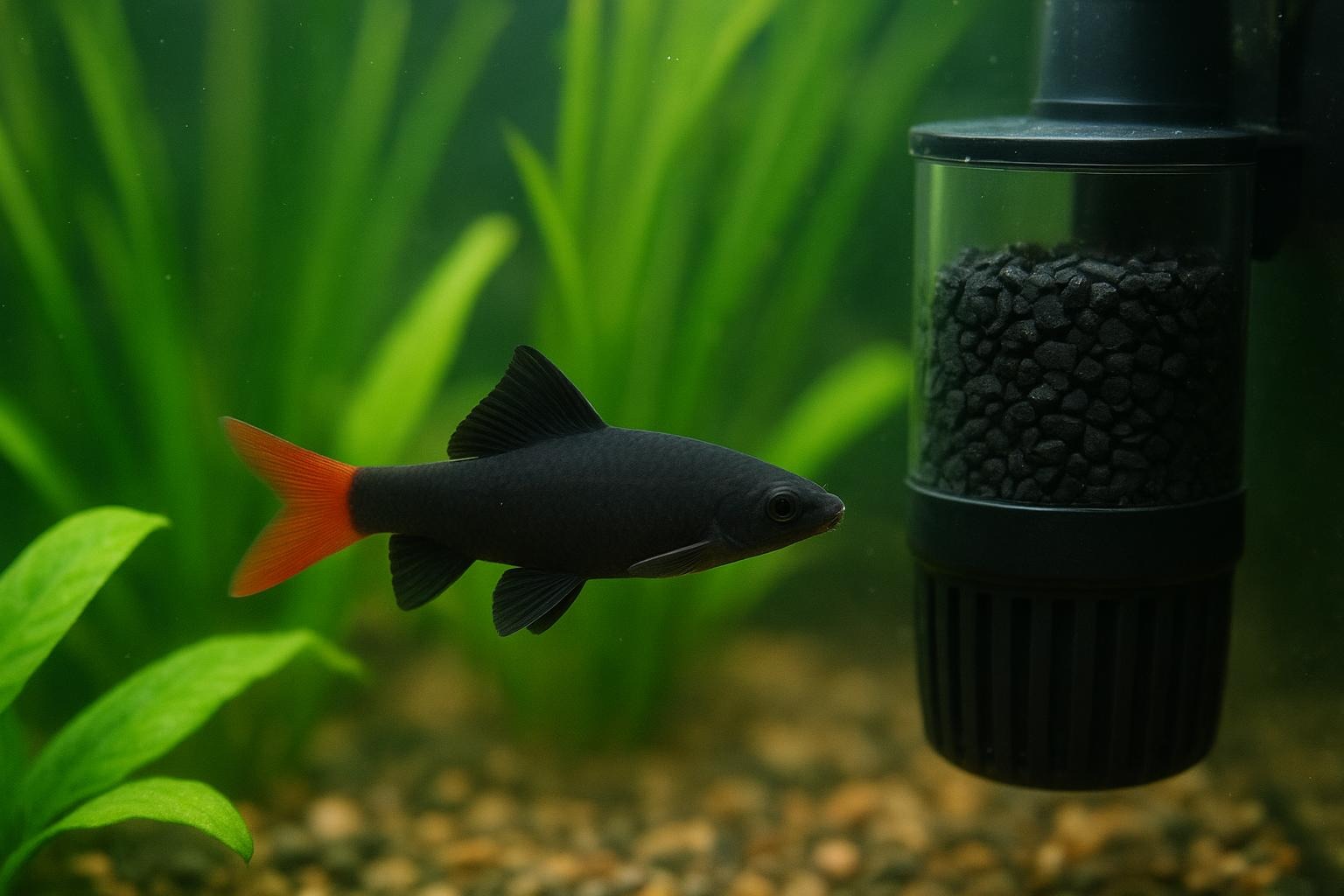
How you use it matters. In many setups, activated carbon for fish tank filtration lives in a small mesh bag inside the filter canister, hang-on-back, or sump. It’s best used as a polishing step after mechanical and biological filtration do the heavy lifting of removing solids and cycling ammonia and nitrites.
### How It Works
Adsorption is the key term. Unlike absorption (where something soaks in), adsorption is a surface phenomenon: organic molecules stick to the surface of the carbon due to chemical attraction. Because activated carbon has a massive internal surface area, a teaspoon can offer many square meters of adsorption surface.
Temperature, pH, and the presence of other contaminants can affect efficiency, but for most home aquaria, activated carbon will remove tannins, discoloring compounds, many smells, and trace organic pollutants with predictable results.
### Benefits And Limitations
Activated carbon for fish tank use offers a handful of practical benefits: clearer water, reduced discoloration, and removal of odors or residual pesticides/chemicals. It’s also great for removing medication residues after a treatment (but more on that later).
Limitations: it won’t remove ammonia, nitrite, or nitrate, and it won’t replace live plants, proper feeding, or regular water changes. Over time it becomes saturated and less effective; if left too long it can start to release adsorbed compounds back into the water. Also, it can strip beneficial trace elements and some water conditioners, so timing its use matters.
## Choosing The Right Type
Not all activated carbon is created equal. Look for aquarium-grade carbon from a reputable manufacturer; avoid lump charcoal meant for barbecues or unspecified “carbon” sold for ponds—those could leach unwanted things.
Consider the form: granular, pelletized, or powdered. Granular is a popular all-rounder—good flow, solid surface area. Pelletized has slightly lower dust and is easy to handle. Powdered carbon has the highest surface area but can cause clogging and is messy to rinse. If you’re unsure, granular aquarium carbon packaged for hobbyists is the safest starting point.
### Granular Vs Pelletized Vs Powder
Granular and pelletized carbon both perform well; preference often depends on filter type. Granular carbon provides quick contact with water and good polishing. Pelletized carbon is less likely to break down and create fines (tiny dust). Powdered carbon is best reserved for specialized uses (e.g., flocculation-type methods) and is generally not recommended in standard filter cartridges because it can bypass mechanical media and cloud the water if not properly contained.
### What To Avoid
Avoid carbon packaged with binding agents or additives intended for water treatment unless explicitly marketed for aquarium use. Also skip any product labeled “activated charcoal” for grills or general household uses—these may contain binders and impurities.
## DIY Remedy: Build A Carbon Filter Pack
If you like tinkering, you can make a reusable carbon filter pack for canister filters, hang-on-back units, or sumps. The following is a straightforward, formal procedure to create and apply a carbon media pack safely and effectively.
Materials
– Activated Carbon For Fish Tank (Granular Or Pelletized) — 100–200 g depending on tank size
– Fine Mesh Media Bag Or Nylon Filter Sock With Drawstring
– Rinse Container (Bucket Or Sink)
– Aquarium-Safe Scissors Or Heat-Sealer (Optional)
– Protective Gloves (Optional)
Step-By-Step Creation And Application
1. Inspect The Carbon: Visually check the carbon for large dust clumps or foreign debris. Remove obvious dust clods by hand or a quick sift. This reduces cloudiness when first used.
2. Rinse The Carbon: Place the required amount of activated carbon for fish tank media into the rinse container. Run cool tap water through the carbon while gently stirring until the rinse water is mostly clear. This step removes dust and fines.
3. Load The Media Bag: Spoon the rinsed carbon into the mesh media bag. For canister filters, a thin, even layer is preferable to a tightly packed block to ensure adequate water flow and contact time.
4. Secure The Pack: Close the bag using the drawstring, knot, or heat-sealing method. Ensure no carbon can leak out; fine dust that escapes into the filter pathway can cause temporary cloudiness.
5. Place The Pack In The Filter: Insert the pack into the designated media chamber after mechanical foam and before any final polishing pads. For hang-on-back filters, place it in the media basket where water flows through it last.
6. Monitor The Tank: Observe flow rate and watch for any initial dust cloudiness over the first few hours. If clouding occurs, remove the pack, rinse it again, and reinstall. Check fish behavior and water clarity to ensure normalcy.
7. Schedule Replacement: Replace the activated carbon pack regularly according to the schedule below to maintain effectiveness.
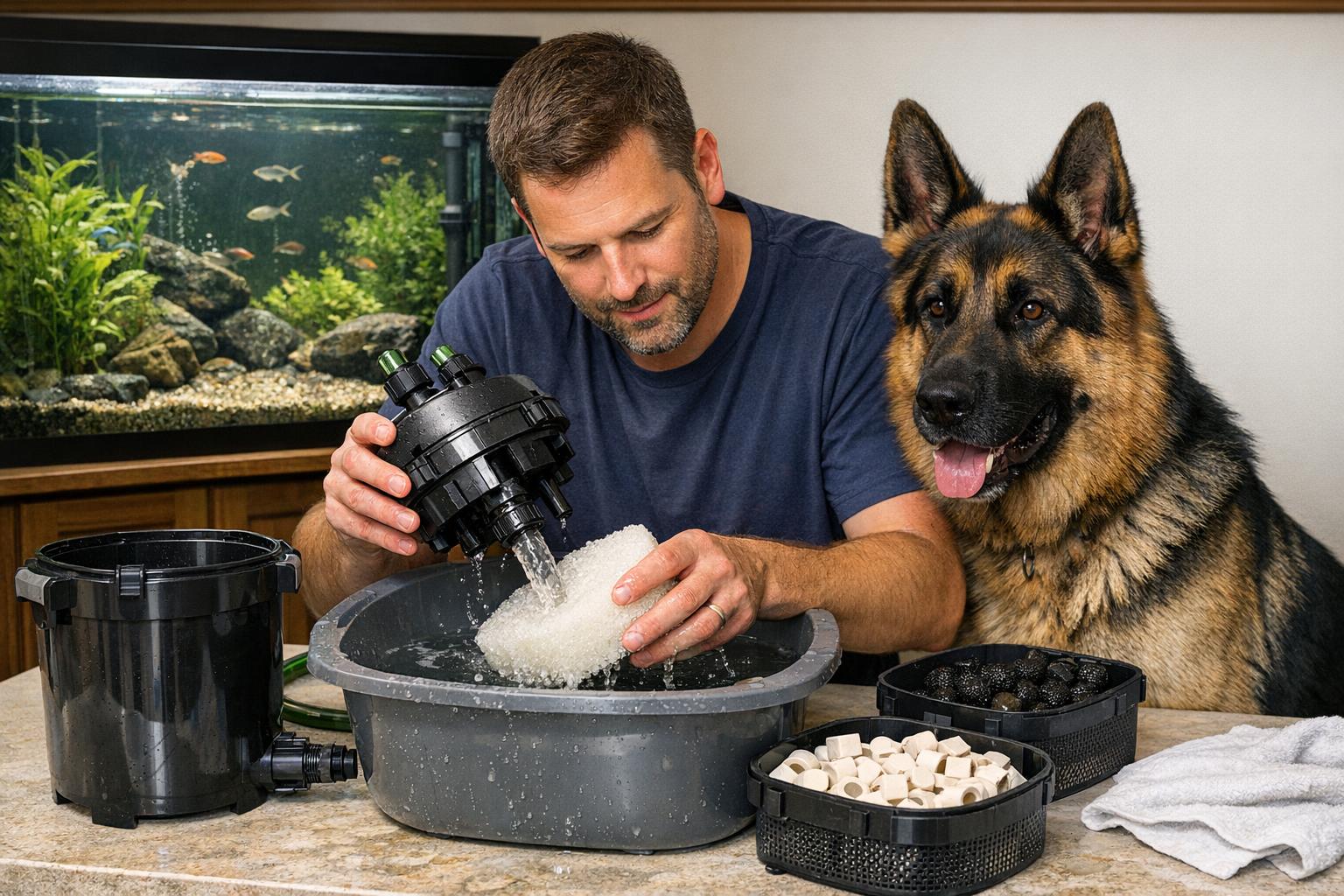
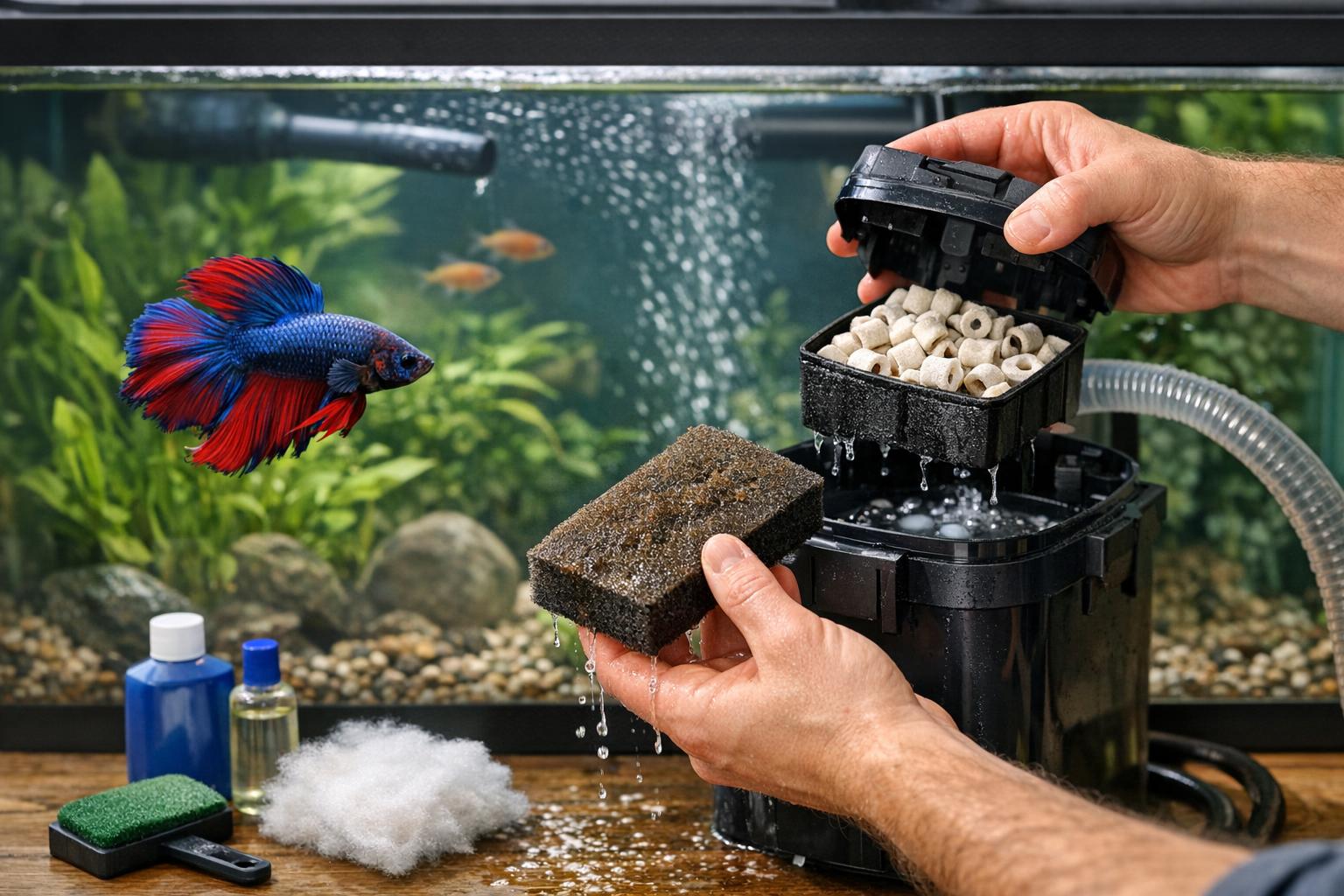
When loading a canister, avoid putting carbon directly on top of biological media like bio-balls or ceramic rings; place it in its own compartment or before/after bio-media depending on manufacturer guidance. Proper placement minimizes carbon fouling and preserves beneficial bacteria.
## How Much And How Often To Change
General guidance: replace activated carbon for fish tank media every 2–4 weeks in heavily stocked or planted tanks and every 4–6 weeks in lightly stocked aquaria. If you’re using it after a medication treatment, change it more frequently—sometimes every 1–2 weeks—because carbon will rapidly adsorb drug residues and become saturated.
Signs carbon needs replacement include reduced clarity, return of odors, or diminished tannin removal. If your carbon becomes discolored or you see fines in the filter, replace it promptly. Don’t assume “the longer the better”: exhausted carbon can re-release adsorbed compounds and provide little benefit.
### Measuring Dosage
A rough rule of thumb is 1–2 tablespoons of carbon per 10 gallons (40 L) for general polishing—more if you’re dealing with heavy discoloration or chemical contamination. Adjust based on manufacturer recommendations and tank conditions. Overdosing won’t typically harm fish directly but can make water slightly stripped of certain trace compounds, so use as part of a balanced maintenance plan.
## When Not To Use Activated Carbon For Fish Tank
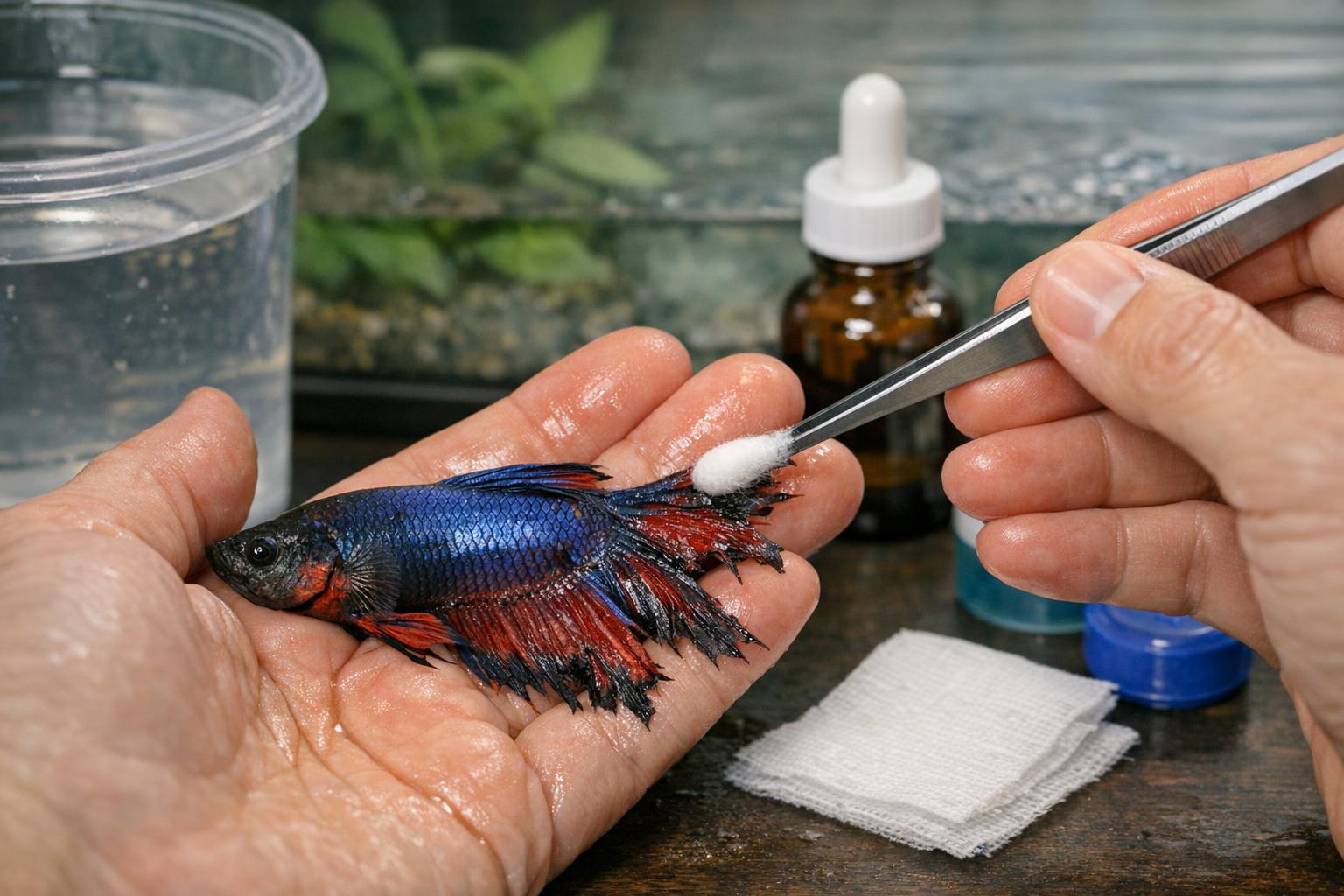
There are times you should avoid using activated carbon for fish tank filtration. If you’re treating a serious ammonia/nitrite spike, focus first on water changes and boosting biological filtration—carbon won’t help with those issues. During some medication regimens, activated carbon should be removed because it will adsorb the medication and render treatment ineffective; always follow medication instructions regarding carbon removal and reintroduction.
### Interactions With Medications And Additives
Most medications—especially antibiotics, antiparasitics, and some anti-fungal agents—are adsorbed by carbon. If a product label warns to remove carbon during treatment, do so. After treatment, wait the recommended period (often 24–48 hours after withdrawal of medication) before reinstalling carbon to avoid prematurely removing residual therapeutic amounts. Carbon also can remove certain water conditioners and trace supplements, so time its use to avoid interference with these treatments.
#### Safety Notes
– Rinse thoroughly before use to prevent cloudy water.
– Use aquarium-specific carbon to avoid unwanted contaminants.
– Keep records of when carbon is changed so you don’t accidentally let it sit past its effective life.
Sprinkle in a little routine care and this unglamorous black media will make a visible difference—clearer water, fewer tannins, and a happier-looking tank. If you ever feel the carbon is mysteriously not working, double-check placement, contact time, and whether it’s been in service too long. And if your fish throw you a “but why” face, remember they’re just judging you for not sharing snacks.












































Leave a Reply