
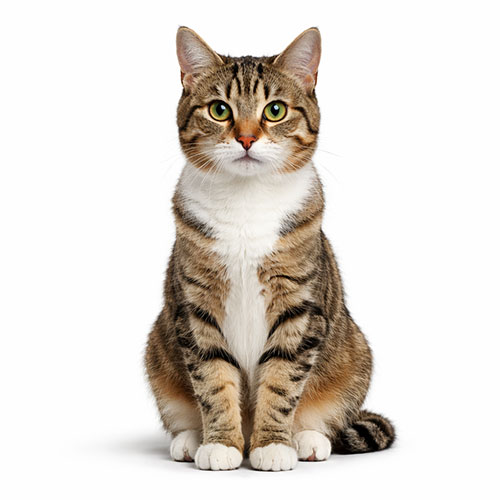

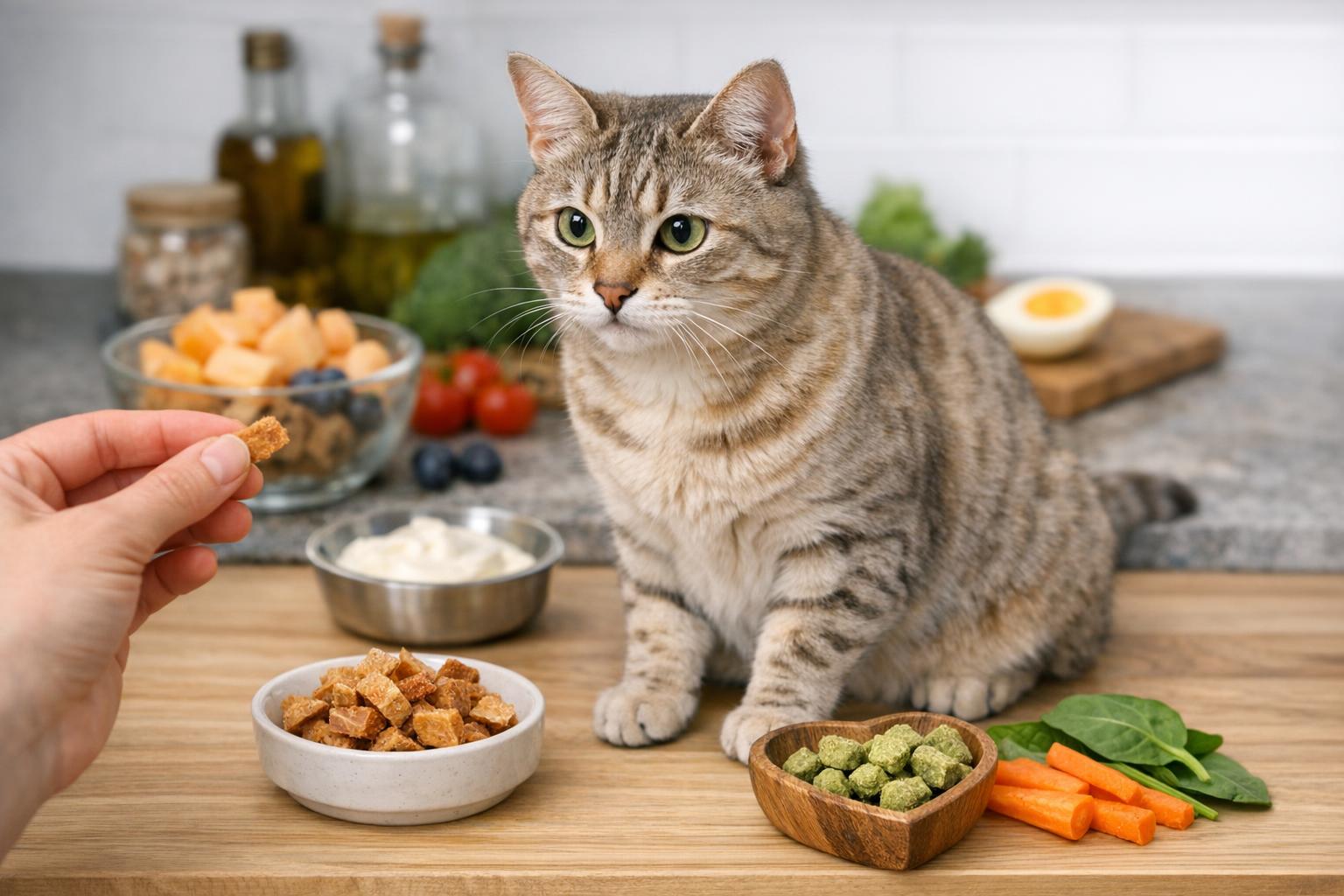
You love your cat — the head boops, the soft purrs, and the performance of knocking a sock into oblivion are priceless. But if your feline’s weight is creeping up (or you’re trying to prevent that from happening), switching to lower-calorie rewards is a smart, humane move. This guide walks through why lighter treats matter, how to choose them, safe homemade options, feeding amounts, and when to check in with your veterinarian — with a few whisker-friendly quips along the way.
## Nutrition Guide: Low Calorie Treats For Cats For Health
Why focus on low calorie treats for cats? Because extra calories add up faster than your cat can nap through a sunbeam. Treats should be fun, reinforcing, and beneficial — not a secret pathway to weight gain and joint stress. Using low calorie treats for cats helps maintain a healthy body condition while still letting you reward good behavior, practice training, or comfort your buddy after a vet visit.
### Why Calories And Treat Size Matter
Cats evolved as small, efficient carnivores. Their natural meals are high in protein and moderate in fat, with few carbohydrates. Modern commercial treats can be calorie-dense, high in carbs, or laden with additives. A teaspoon here and one there can pile on extra calories quickly.
– Even for sedentary indoor cats: excess calories lead to obesity, which increases the risk of diabetes, arthritis, and decreased lifespan.
– Treats should generally make up no more than 5–10% of total daily calories. If you feed a low calorie treats for cats option, you reduce the risk of overshooting that target.
### How To Read Labels Like A Pro
When shopping, look beyond cute packaging. Key elements to compare:
– Calories per treat or per gram.
– Protein and fat percentages (higher protein, moderate to low fat is ideal).
– Ingredient list order — real meat listed first is a plus.
– Avoid artificial colors and excessive fillers.
Choose treats marketed as low calorie treats for cats or simply measure out portions of lean proteins to stay in control.
### 1. Homemade Tuna Freeze-Bites (Remedy 1)
These are a simple, highly palatable low calorie treats for cats that act like crunchy ice chips on a hot day — and cats love them.
Ingredients:
– 1 can (3 oz) tuna in water, drained
– 2 tablespoons low-sodium chicken or turkey broth (no onion/garlic)
– Optional: 1 teaspoon plain canned pumpkin (for fiber and texture)
Materials:
– Ice cube tray or small silicone mold
– Spoon and bowl
– Freezer
Step-by-Step Creation and Application:
1. Mash the drained tuna in a bowl until flaky.
2. Stir in the low-sodium broth and optional pumpkin until mixture is slightly loose but not soupy.
3. Spoon into ice cube tray or small molds, filling each cavity about two-thirds full.
4. Freeze until solid (2–4 hours).
5. To serve, pop out one cube; break into 2–3 smaller pieces if needed. Offer as a chilled micro-treat or weekday reward.
Notes: Each cube contains minimal calories yet delivers strong aroma and protein. Store in a sealed container for up to one week.
### 2. Baked Chicken Chips (Remedy 2)
A crunchy, low-fat substitute for store-bought crunchy treats.
Ingredients:
– 1 boneless skinless chicken breast
– Optional: A pinch of dried catnip
Materials:
– Sharp knife or mandoline
– Baking sheet and parchment paper
– Oven
Step-by-Step Creation and Application:
1. Preheat oven to 200°C/400°F (or 350°F if in a fan oven).
2. Slice the chicken breast very thinly into strips or use a mandoline for thin slices.
3. Place slices on parchment-lined baking sheet. If desired, sprinkle a tiny pinch of dried catnip.
4. Bake 20–30 minutes until fully cooked and slightly crisp. Flip once for even drying.
5. Let cool completely, then break into small bite-sized pieces.
6. Store in an airtight container in the refrigerator for up to five days or freeze for longer.
Notes: These are high in protein and low in fat when made from lean chicken. Use sparingly as treats and not as meal replacements.
### Balanced Feeding: How Many Treats Is Too Many?
Feeding should be planned. Start by calculating your cat’s daily calorie needs (many online calculators exist, or ask your vet). Then limit treats to 5–10% of that total. With low calorie treats for cats, you’ll have more treats per day without exceeding limits, but always factor them into the overall daily intake.
Practical tips:
– Weigh treats by grams for accuracy if possible.
– Use treats for training and enrichment — not because you’re avoiding chores.
– If replacing part of a meal with treats, ensure meals remain balanced in protein and nutrients.
### Commercial Options That Are Sensible
Not all store treats are created equal. Several reputable brands offer low calorie treats for cats; look for items labeled specifically as low calorie or weight management. Freeze-dried single-ingredient treats (chicken, salmon) are often low in calories and high in protein, making them a good choice. Remember to still check serving sizes and ingredient lists.
### Foods To Avoid As Treats
Some human foods are toxic or inappropriate for cats. Never offer these:
– Onions, garlic, chives (allium family) — toxic even in small amounts.
– Grapes, raisins, chocolate — potentially dangerous.
– Xylitol-containing items — severe hypoglycemia risk.
– Excess dairy — many adult cats are lactose intolerant.
Avoid using fatty meats, highly seasoned food, or anything meant for dogs, which may not suit feline dietary needs.
### Treats For Special Needs And Senior Cats
Older or overweight cats may benefit from specially formulated low calorie treats for cats that also support joint health or are softer for dental sensitivity. Look for controlled-calorie, high-protein options; consider wet treat portions or pureed meat treats for easier chewing.
If your cat has medical conditions (diabetes, kidney disease), always consult your veterinarian before introducing new treats — even low calorie treats for cats can affect blood glucose or electrolyte balance.
#### Enrichment Beyond Food
Treats are only one part of positive reinforcement. Interactive toys, puzzle feeders, and short play sessions burn calories and stimulate your cat. Using low calorie treats for cats inside puzzle toys extends reward time and makes each treat more satisfying.
#### When To Talk To Your Vet
If your cat is gaining weight despite diet changes, or if they suddenly refuse food, exhibit increased thirst, or show changes in litter box habits, seek veterinary advice. A professional can rule out underlying endocrine or metabolic disorders and help you craft a safe weight-loss plan that includes appropriate treats.
### Quick Troubleshooting And FAQs
Q: My cat loves high-calorie treats. How do I transition?
A: Gradual swap works best. Mix a new low calorie treats for cats option with the old treat, slowly increasing the new portion over a week or two. Use smaller portions and increase training frequency to keep rewards frequent but low-calorie.
Q: Can I give vegetables as treats?
A: Most cats aren’t into veggies, but small amounts of plain, cooked pumpkin can help with fiber and is low-calorie. Avoid starchy veggies in large amounts.
Q: Is wet food a good treat?
A: Small spoonfuls of high-protein wet food can be used as treats. Measure carefully and count toward daily calories.
### Final Practical Checklist For Treating Wisely
– Measure and plan treats into daily calorie goals.
– Prefer single-ingredient, high-protein options and low fat.
– Make and store homemade treats safely (refrigerate or freeze soon after making).
– Use treats for enrichment and training, not filler between meals.
– Check with your vet if your cat has health issues or is on a special diet.
Enjoy spoil-time without the extra pounds — your cat can have rewards, you can have peace of mind, and the couch might finally remain a three-cushion masterpiece.












Leave a Reply