
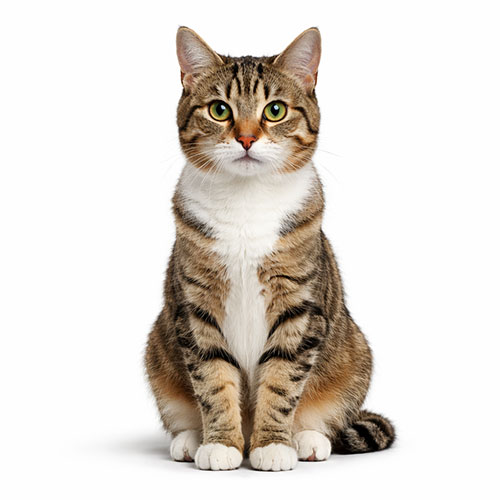


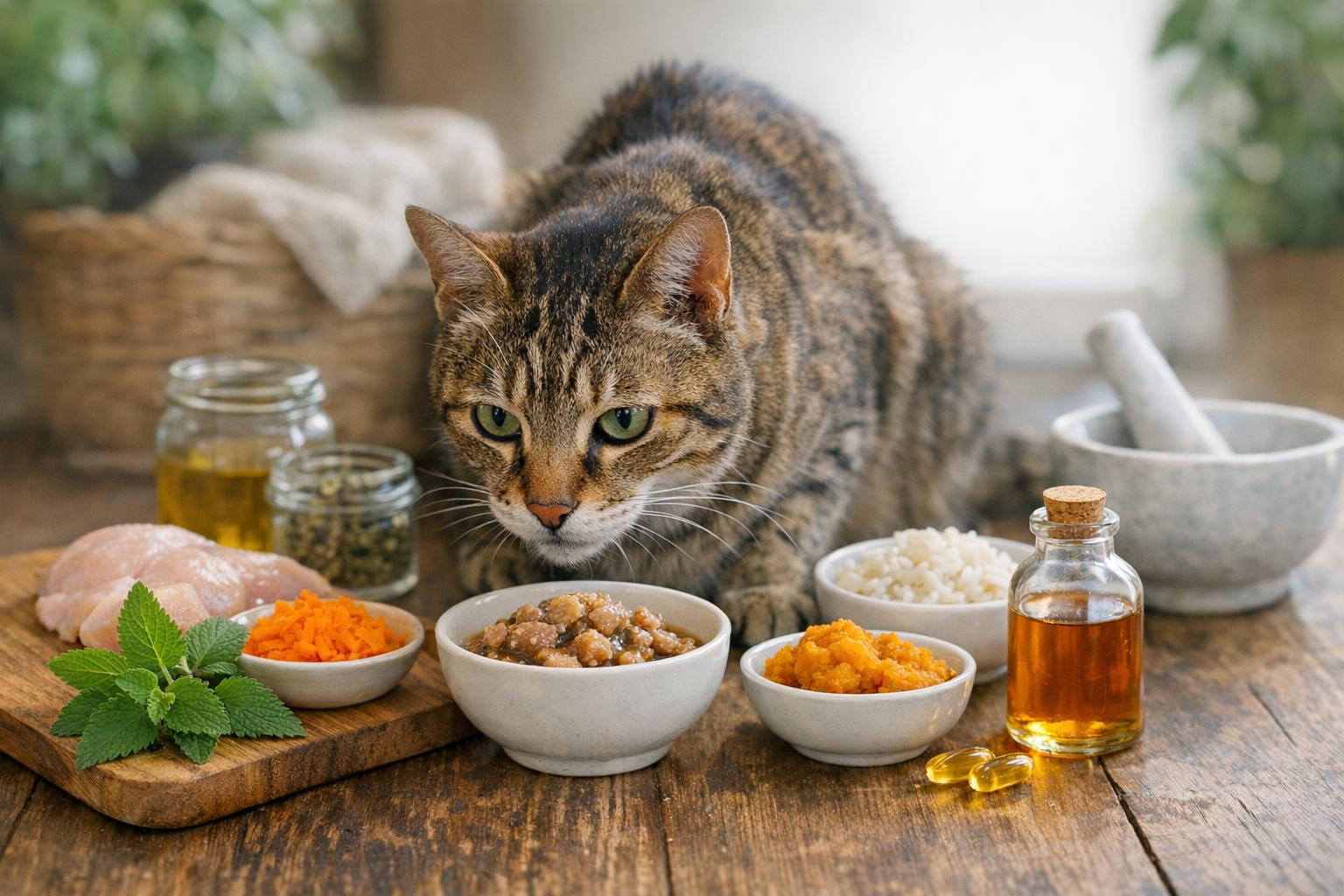
Aging cats deserve a little extra TLC — think comfy beds, slower play sessions, and food that whispers “you got this” rather than roars “eat faster!” If you’ve noticed your feline friend moving a bit more slowly, losing a touch of weight, or suddenly becoming picky, it might be time to rethink their plate. This article focuses on practical, gentle approaches and safe home remedies that support a senior diet for cats without turning your kitchen into a mysterious pet-food lab.
## Senior Diet For Cats: What Changes Matter
Older kitties undergo metabolic and dental changes that affect appetite, digestion, and nutrient needs. A thoughtful senior diet for cats emphasizes higher-quality protein that’s easy to chew, balanced fats for coat and energy, moderate phosphorus for kidney health, and extra moisture. Weight loss in a senior cat is not “cute” — it can indicate muscle wasting or an underlying illness — so food that preserves lean mass is key. Talk to your vet before making major changes, especially if your cat has kidney disease, hyperthyroidism, or diabetes.
### Signs Your Cat Needs Dietary Support
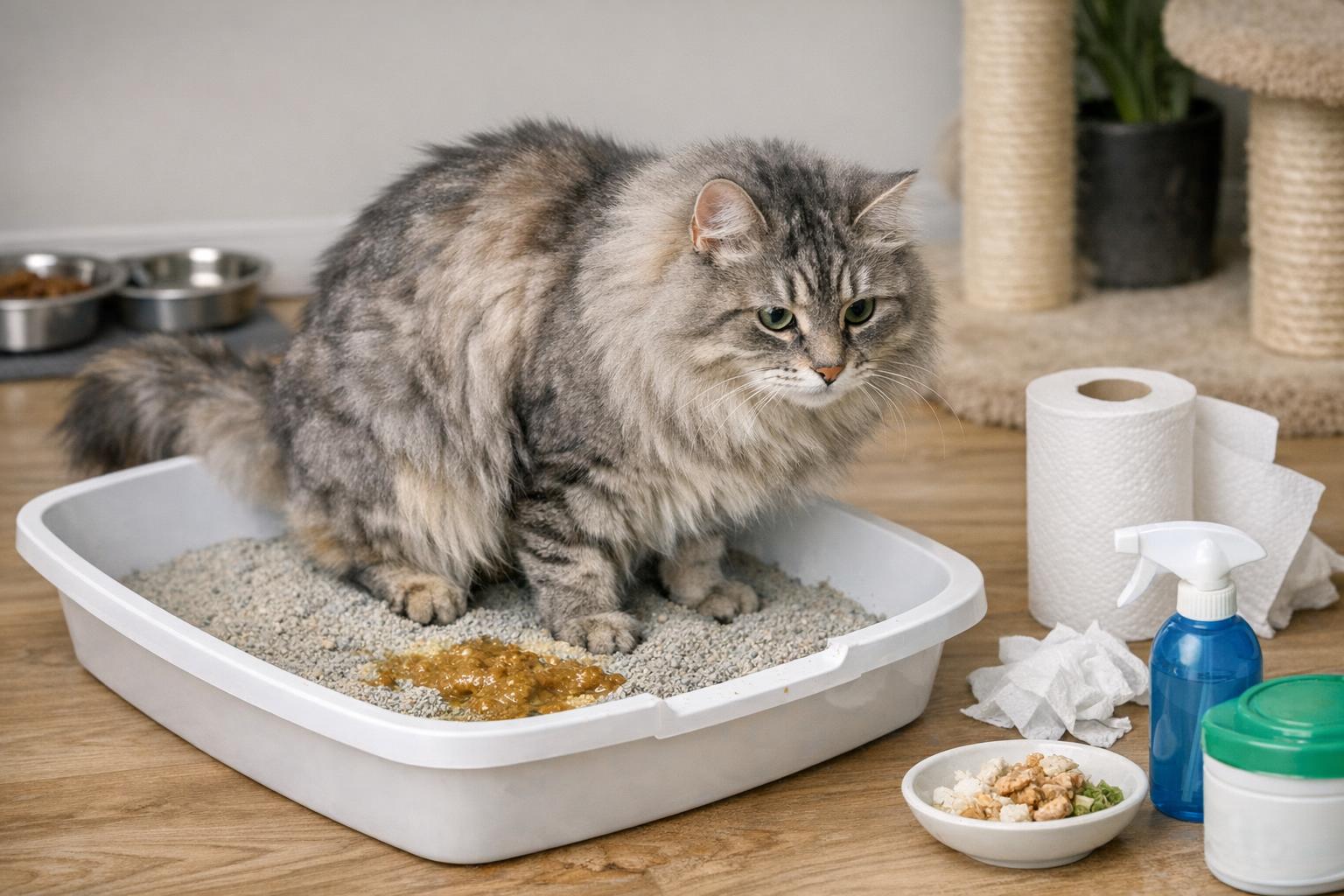
Watch for subtle signals: decreased interest in food, difficulty chewing, drinking less, increased vomiting, or a dull coat. These signs can indicate that the current diet isn’t matching the needs of a maturing body. Appetite fluctuations are common, but persistent change over a week or two deserves attention. A veterinarian can check for dental disease, oral pain, or organ issues that require targeted nutrition.
### How Aging Affects Digestion And Appetite
Slower digestion and decreased sense of smell can make food less appealing. Dental disease reduces chewing ability, favoring softer options. Muscle loss means calorie needs can vary — some senior cats need fewer calories to avoid obesity, others need more to maintain weight if they’re losing muscle. The objective is to support lean mass while keeping joints, kidneys, and digestive comfort in mind.
## Reading Labels And Choosing Food
When shopping, look for named animal proteins (chicken, turkey, salmon) at the top of the ingredient list. Avoid vague terms like “meat by-products” and minimize fillers like excessive grains. A senior diet for cats often benefits from moderate to high protein, controlled phosphorus if kidneys are a concern, and added omega-3s (EPA/DHA) for inflammation and joint support. Canned food can be an excellent base for seniors because of its higher moisture content.
#### Feeding Schedule And Portioning
Smaller, more frequent meals can encourage eating if appetite is reduced. For cats with decreased mobility, place bowls in easy-to-access spots. Use electronic food scales to portion precisely if your cat needs weight management. Monitor body condition monthly: ribs should be easily felt but not prominent.
## Remedy 1: Homemade Soft Protein Pâté For Senior Diet For Cats
Formal Note: This recipe is designed to be a supplement to a balanced commercial diet, not a complete replacement. It increases palatability, moisture, and digestible protein for cats that struggle with dry kibble or have dental issues. Always confirm with your vet that ingredients and portion amounts suit your pet’s health conditions.
Ingredients:
– 1 cup cooked boneless skinless chicken breast (pooled and cooled)
– 1/4 cup canned pumpkin (plain, unsweetened)
– 1 tablespoon low-sodium chicken broth (no onion or garlic)
– 1 teaspoon fish oil (salmon oil, veterinary-grade)
– Optional: 1/8 teaspoon taurine powder (if not in their main food — check vet)
Step-By-Step Creation:
1. Cook chicken thoroughly by boiling or baking until no pink remains. Cool completely to room temperature.
2. Combine chicken, pumpkin, and chicken broth in a clean blender or food processor.
3. Pulse until smooth. Add fish oil and taurine (if using) and blend again to incorporate.
4. Check texture: it should be spreadable but not watery. If too thick, add a teaspoon of broth at a time until desired consistency is reached.
5. Chill in the refrigerator for up to 48 hours in an airtight container. Freeze single-serving portions (ice cube tray) for up to 4 weeks.
Application:
– Offer a tablespoon mixed into regular canned food or warmed slightly (not hot) on top to entice eating. For cats with dental pain, serve alone as a meal replacement for up to 25% of daily caloric intake unless otherwise directed by your vet.
– Monitor for any intolerance (vomiting, diarrhea). Stop and consult your veterinarian if adverse signs appear.
## Remedy 2: Hydration Boost Soup (Numbered Remedy 2)
Formal Note: Dehydration is common in seniors and exacerbates kidney and urinary issues. This hydration boost soup is a palatable, low-sodium way to increase fluid intake while delivering gentle nutrition. It is a supplement, not a sole diet.
Ingredients:
– 1 cup low-sodium, plain chicken broth (no onion/garlic)
– 1/4 cup finely shredded cooked white fish (cod or pollock) or chicken
– 1 tablespoon plain canned pumpkin OR 1 teaspoon cooked mashed carrot
– 1/2 teaspoon fish oil (optional)
– Fresh water as needed
Step-By-Step Creation:
1. Warm the chicken broth gently in a saucepan until just warmed; do not boil. Remove from heat.
2. Stir in the shredded fish or chicken and the pumpkin or carrot. Mix thoroughly.
3. Add fish oil if using and stir to combine.
4. Test temperature: the soup should be lukewarm.
5. Serve in a shallow bowl to make lapping easier; finish leftovers within a day and discard any uneaten portion.
Application:
– Offer this soup between meals or pour a small amount over dry or canned food to improve moisture content and palatability.
– For cats with kidney disease, discuss sodium content with your veterinarian. Use homemade low-sodium bone broths carefully, ensuring no onion or garlic is present.
### Supplements To Consider (With Vet Approval)
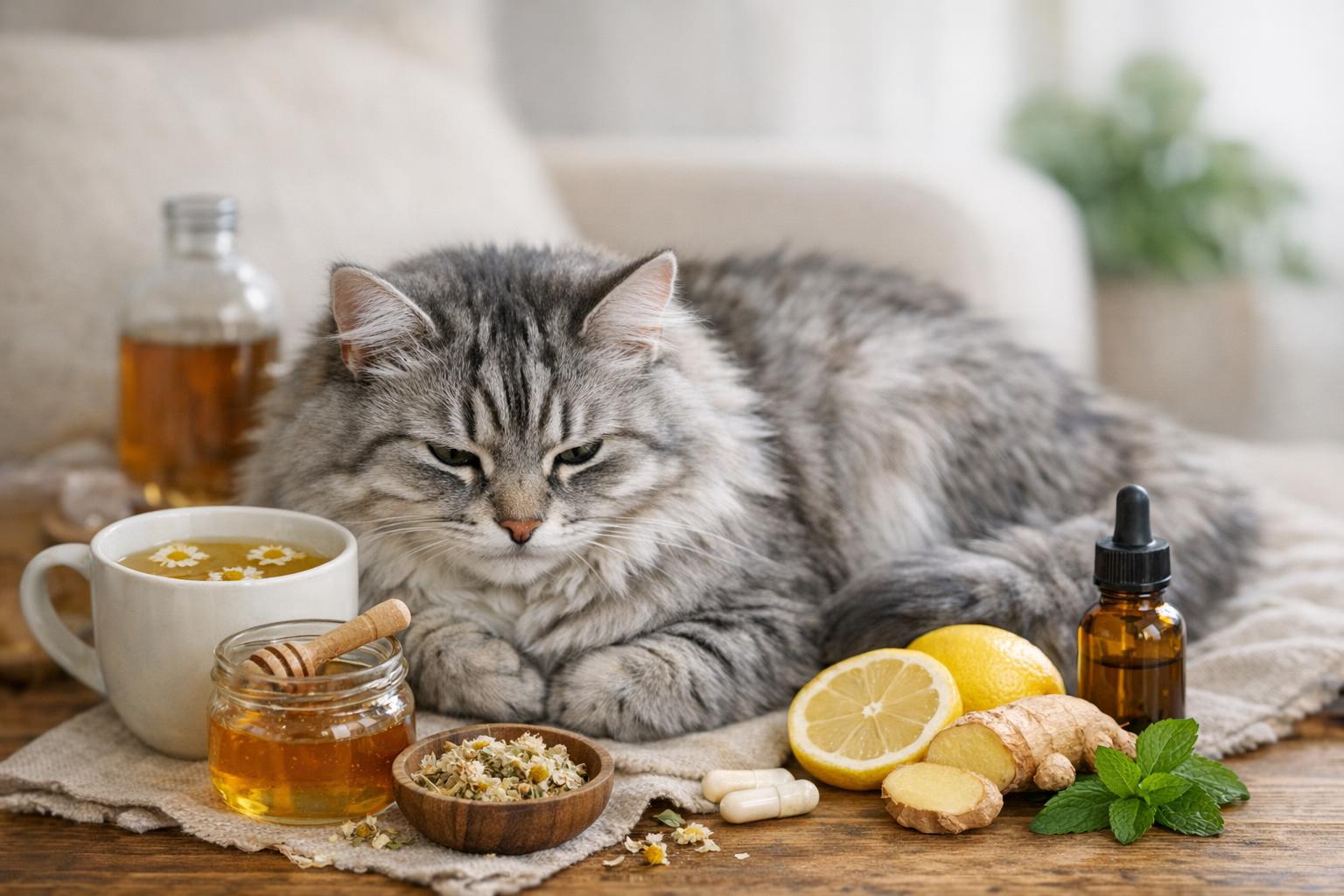
Many seniors benefit from targeted supplements: omega-3 fatty acids for joint health, antioxidants like vitamin E and C for cellular support, and probiotics for digestion. Always use veterinary-formulated products and confirm dosages with your veterinarian because overdosing certain vitamins or minerals can be harmful.
### Dental-Friendly Feeding Tips
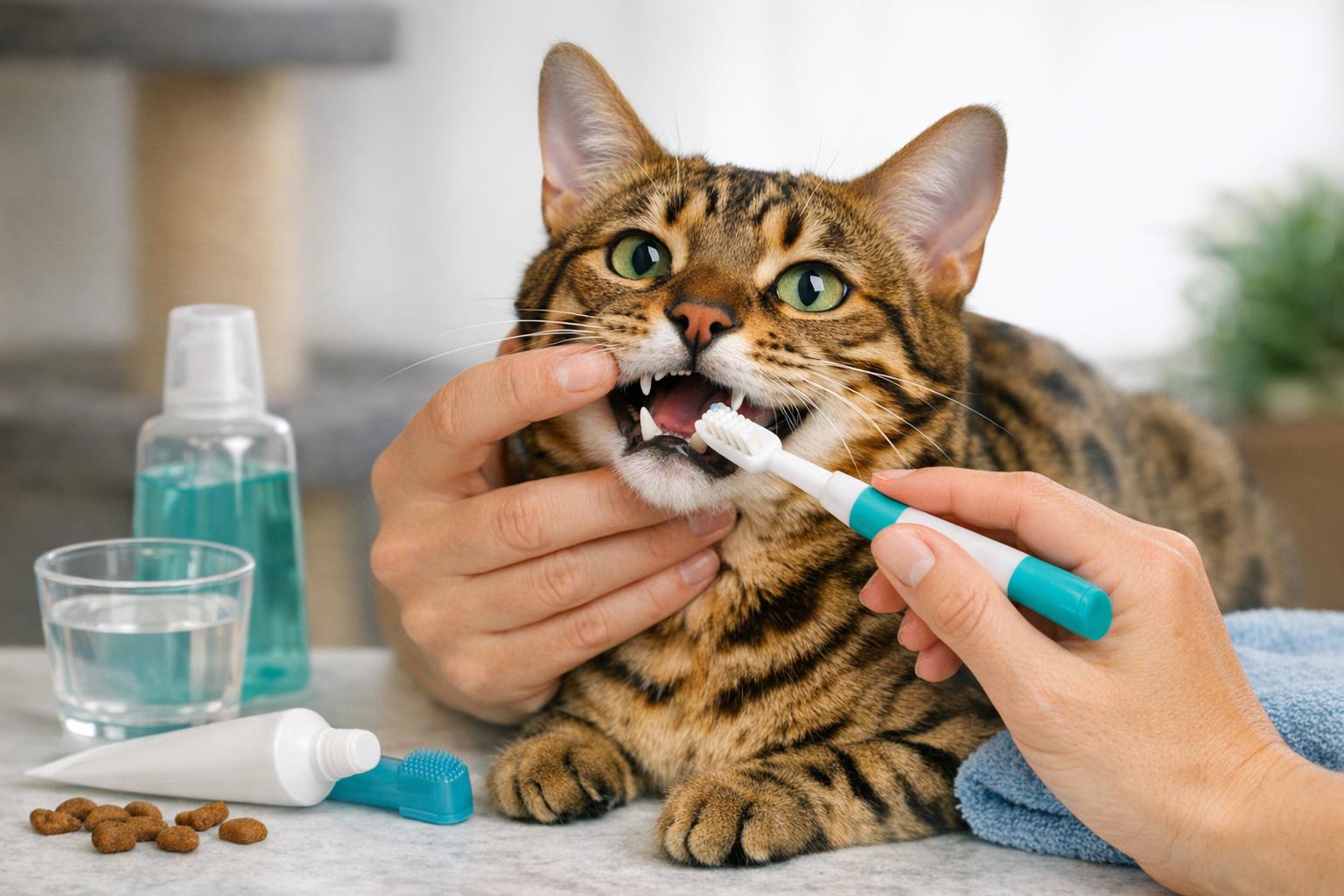
Seniors with dental issues often prefer softer textures. Consider moistening dry kibble with water or broth for a few minutes before serving. Elevated feeding stations may reduce neck strain for arthritic cats. Small, frequent meals can help those with poor dentition eat more comfortably without overwhelming their mouths.
## Practical Monitoring And When To Call The Vet
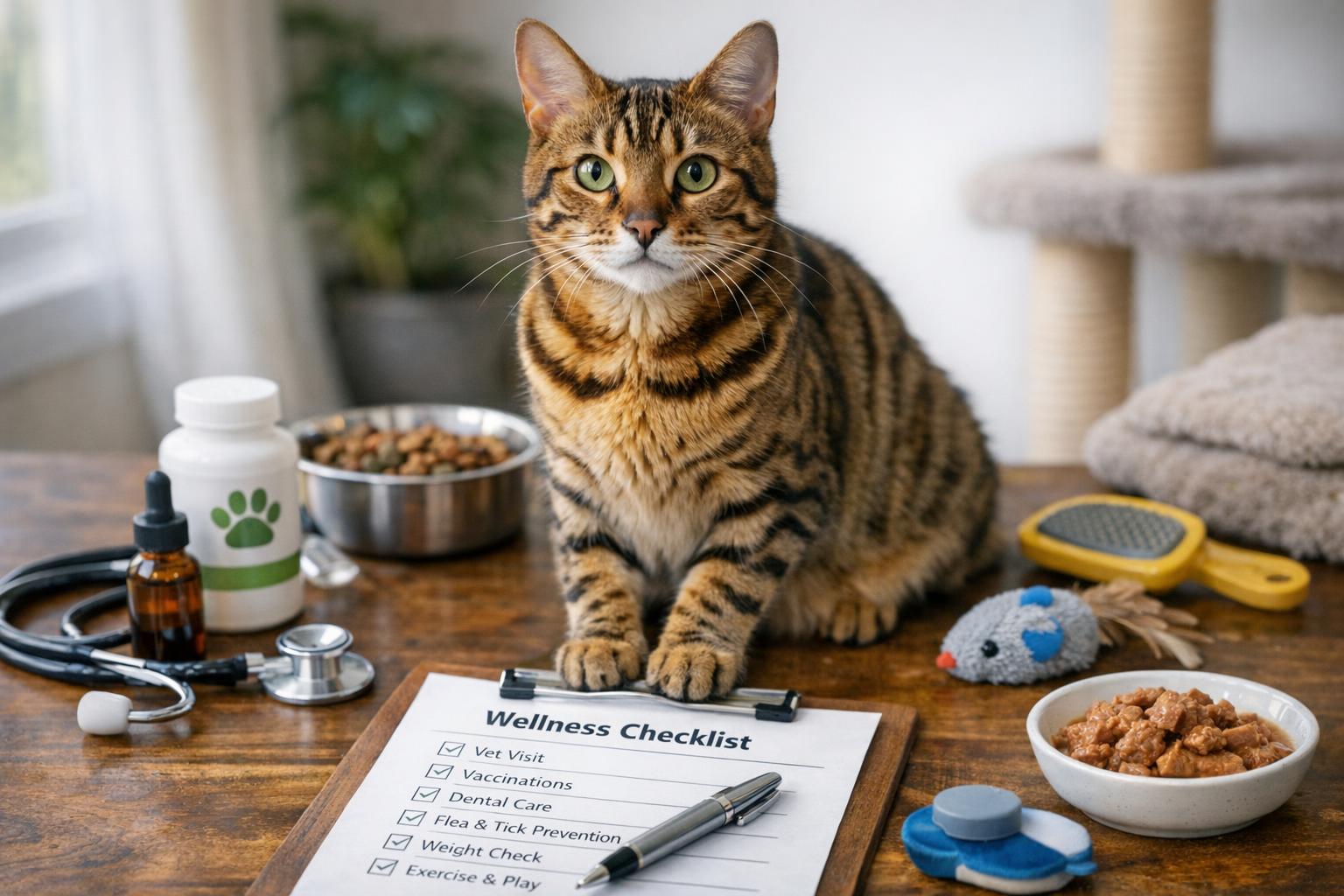
A change in appetite or weight over a week or two, increased thirst or urination, vomiting, diarrhea, or noticeable weakness should prompt a veterinary check. Track weight weekly and keep a log of food intake and behavior. Regular bloodwork, ideally every 6–12 months for seniors, helps catch kidney or thyroid issues early so the senior diet for cats can be adjusted appropriately.
### Transitioning Foods Safely
When switching diets, take 7–10 days to transition gradually: start with 25% new food on day one, then increase to 50%, 75%, and finally 100% while monitoring stool quality and appetite. Sudden switches can cause digestive upset in sensitive older systems.
#### Simple Enrichment To Encourage Eating
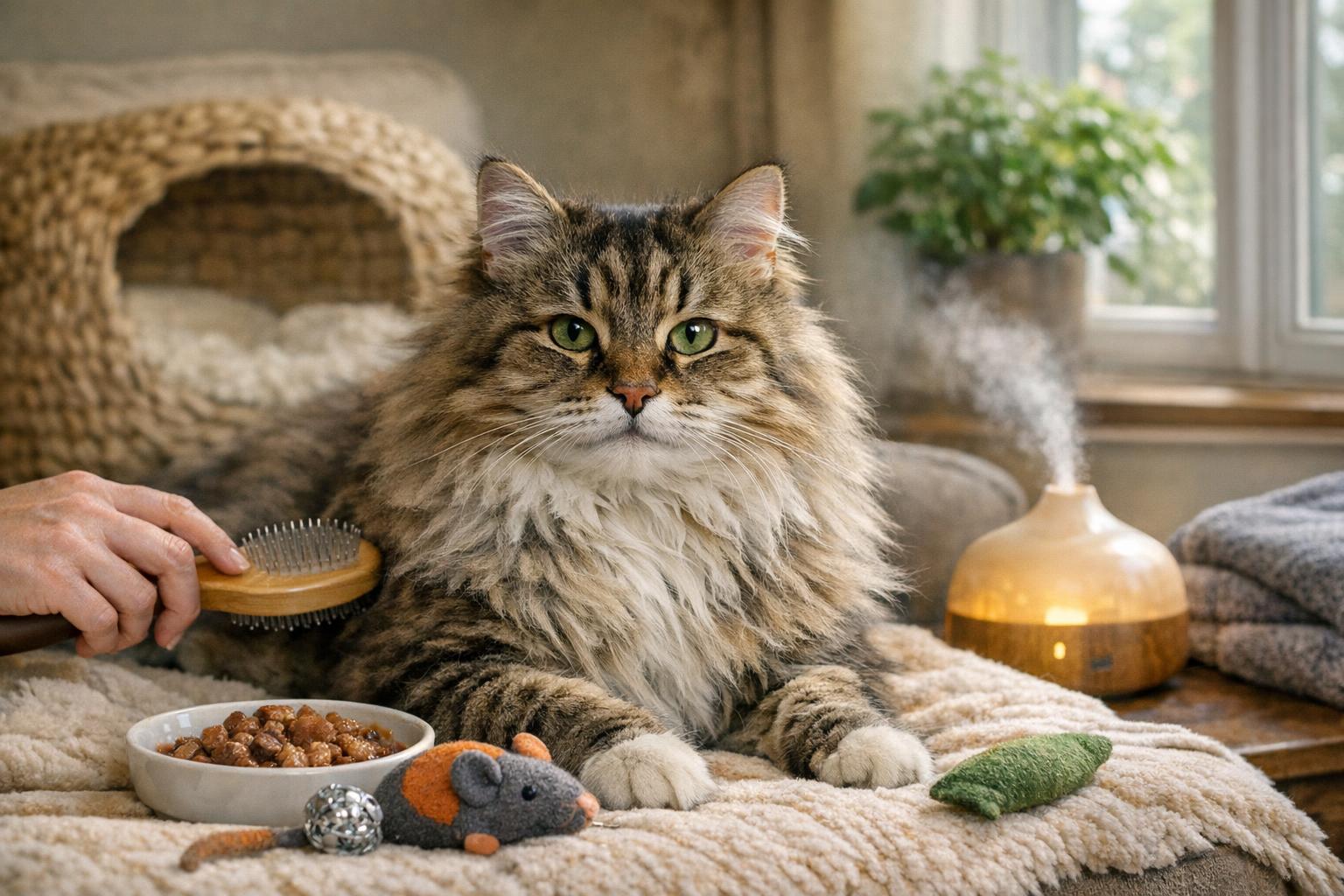
Make mealtime more enticing with gentle food puzzles that release small amounts of pâté or soup, warming canned food slightly to enhance aroma, or hand-feeding in short, affectionate sessions. Stress-reducing changes (consistent feeding area, quiet surroundings) often improve intake.
Food is comfort, medicine, and love for older cats. Thoughtful tweaks — moisture-rich meals, softer textures, and palatable supplements — go a long way toward keeping your senior companion lively and comfortable. If uncertain about ingredients, supplements, or changes in appetite, a veterinary check and individualized nutrition plan will ensure the senior diet for cats preserves quality of life without unintended risks.




Leave a Reply