



You probably noticed a crusty corner of your cat’s eye this morning and your brain did exactly what mine does: imagine dramatic medical scenarios while the cat acts like nothing’s wrong. Good news—many mild eye problems can be managed at home for comfort while you watch for red flags. This article offers practical, safe, and gentle cat eye infection home care tips to keep your feline friend comfy and to help you decide when the vet is actually necessary.
## Cat Eye Infection Home Care: Spotting Trouble Early
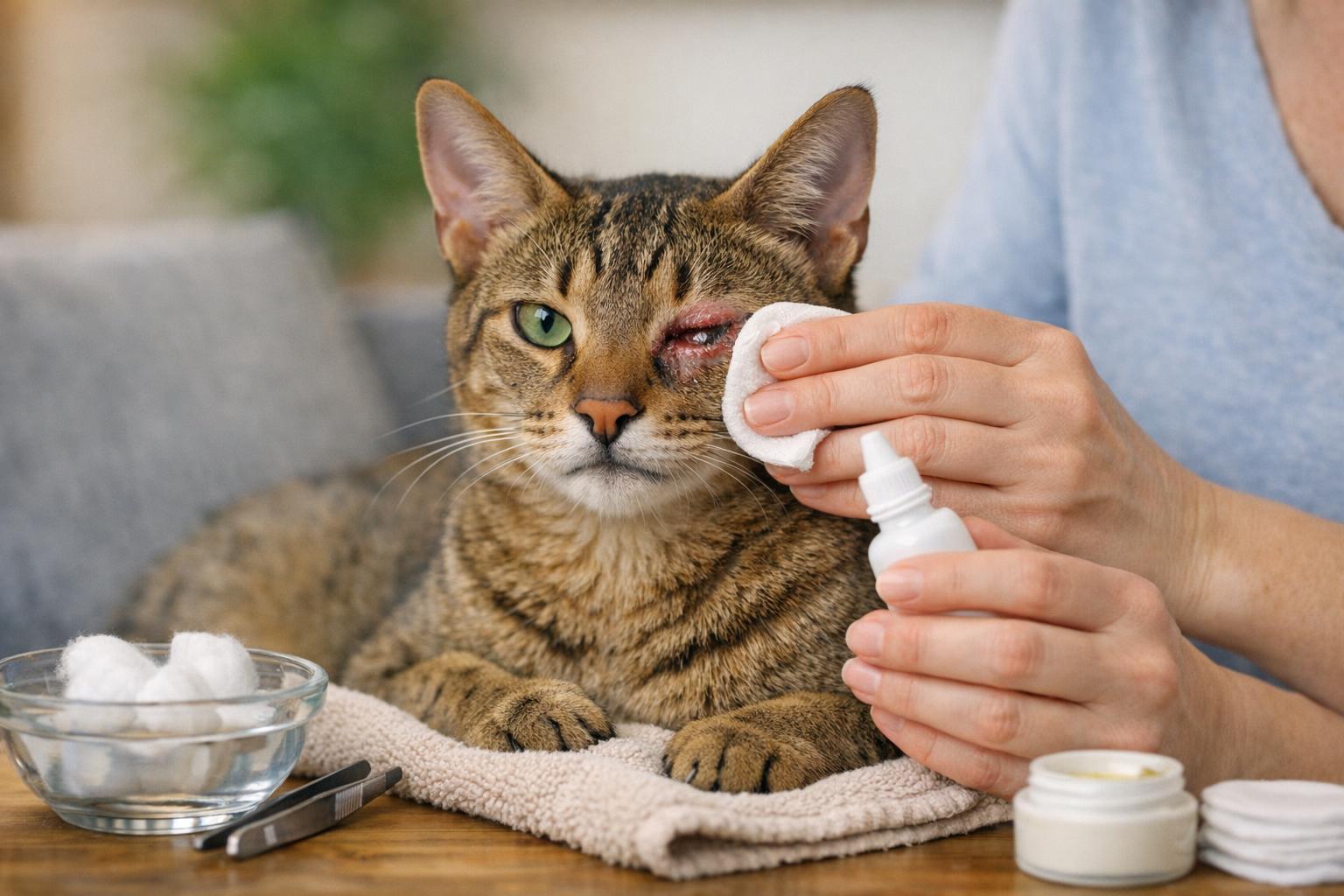
A little watery eye or some sleep in the corner can be normal. But cat eyes that are squinting, red, producing thick yellow or green discharge, or that won’t open properly are signs something is up. The most common causes include conjunctivitis (pink eye), upper respiratory viruses, allergies, foreign bodies (a teeny grass seed), or trauma. Some of these can be handled with supportive cat eye infection home care measures, but serious infections or injuries require prompt veterinary attention.
### What A Typical Mild Case Looks Like
Mild cases often show:
– Mild tearing or clear discharge that forms crust overnight.
– Occasional blinking or squinting.
– No change in appetite or behavior.
If your cat is bright, eating, and using the litter box normally, you can start gentle home care and monitor closely.
### Red Flags That Need A Vet Fast
If you notice any of these, don’t delay:
– Thick yellow/green pus or rapidly worsening discharge.
– Eye is cloudy, bulging, or the third eyelid is permanently covering part of the eye.
– Persistent squinting or pawing at the eye, or obvious pain.
– Any sign the cat isn’t eating or is lethargic.
When in doubt, a vet visit is the right call—eyes can deteriorate quickly.
## 1. Saline Rinse Remedy
A saline rinse is the gentlest first-aid for debris and mild discharge. It dilutes irritants without stinging and is safe if done properly.
#### Materials For Saline Rinse
– Sterile saline solution (0.9% NaCl) from a pharmacy (eye wash or contact lens saline).
– Clean cotton balls or sterile gauze pads.
– A small syringe (without needle) or a clean dropper.
– A towel to gently swaddle your cat.
Step-By-Step Creation And Application
1. Prepare: Wash your hands thoroughly and set materials within reach. Warm the saline to near room temperature by holding the bottle in your hands for a minute—do not microwave.
2. Restrain gently: Wrap the cat in a towel with only the head exposed to prevent sudden movements. Ask someone to help if needed.
3. Apply the saline: Hold the head steady. Using the syringe or dropper, place 1–2 drops of saline into the corner of the affected eye and allow it to wash across and out. Alternatively, you can moisten a cotton ball with saline and gently wipe from the inner corner outward.
4. Repeat: Use a fresh cotton ball for each wipe. Perform rinses 2–4 times a day if the eye is sticky or has crusts.
5. Monitor: If discharge becomes thicker or more colored, or if the eye doesn’t improve in 24–48 hours, contact your vet.
## 2. Warm Compress And Cleaning
Heat can loosen dried crusts and soothe inflammation. This remedy pairs well with saline rinses.
#### Materials For Warm Compress
– Clean washcloth.
– Bowl of warm water (not hot).
– Sterile gauze or cotton balls for wiping.
Step-By-Step Creation And Application
1. Soak the washcloth in warm water and wring it out so it’s damp but not dripping.
2. Place the compress gently over the closed eyelid for 3–5 minutes to soften any crust.
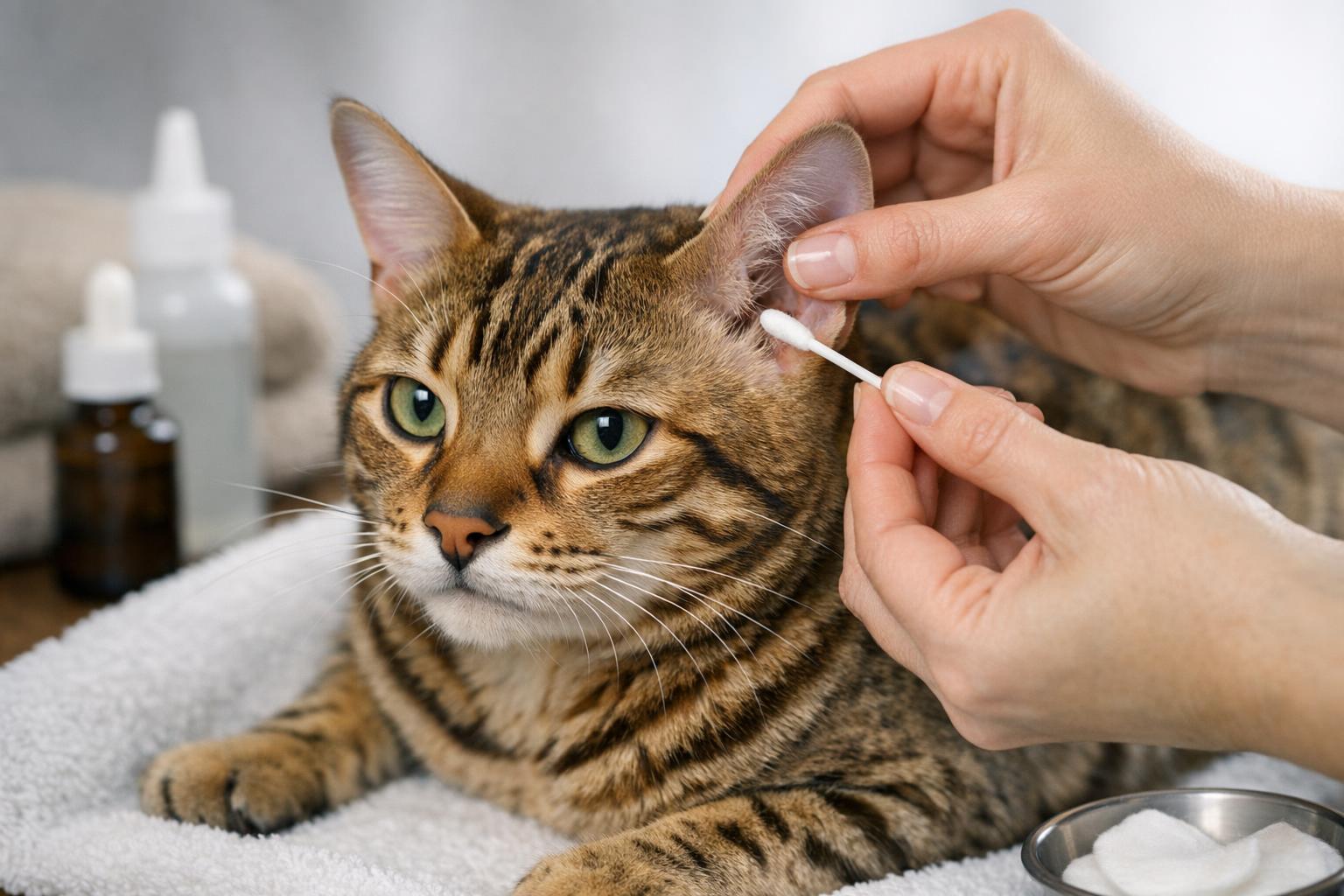
3. Using a new cotton ball or gauze for each wipe, gently wipe away softened discharge moving outward from the inner corner.
4. Repeat the compress and wipe cycle 2–3 times if needed, up to three times daily.
5. Dispose of used materials and wash the cloth afterwards to prevent spread if the cause is infectious.
## 3. Preservative-Free Lubricant Drops (Artificial Tears)
Lubricating drops relieve dryness and help flush mild irritants. Use preservative-free formulas specifically made for eyes.
#### Materials For Lubricant Application
– Preservative-free artificial tears (single-use vials are ideal).
– Towel to steady your cat.
Step-By-Step Creation And Application
1. Wash your hands. Open a single-use vial or ensure the bottle is clean.
2. Hold the cat’s head steady and gently pull down the lower eyelid to create a small pocket.
3. Instill 1–2 drops into the eye. Avoid touching the eye with the bottle tip.
4. Use as directed on the product label: often 2–6 times daily for comfort. If you need more frequent use, consult your vet.
### Important Safety Notes About Over-The-Counter Medications
Do not use OTC human antibiotic ointments, steroid drops, or antiseptics in your cat’s eye unless explicitly directed by your veterinarian. Some human products contain ingredients that can be toxic or irritating to cats. If your vet prescribes medications after confirming the cause, follow dosing instructions exactly.
### Hygiene And Household Care
Containment and cleanliness reduce spread if more than one animal is affected:
– Wash your hands after touching the cat’s face.
– Replace or wash bedding and cushions your cat uses.
– Keep other pets separated if you suspect a contagious cause.
– Avoid using the same cloth or cotton for both eyes.
## 4. Environmental And Nutritional Support
Healthy immune function helps speed recovery. These are supportive measures, not cures, and should be used alongside proper medical care when required.
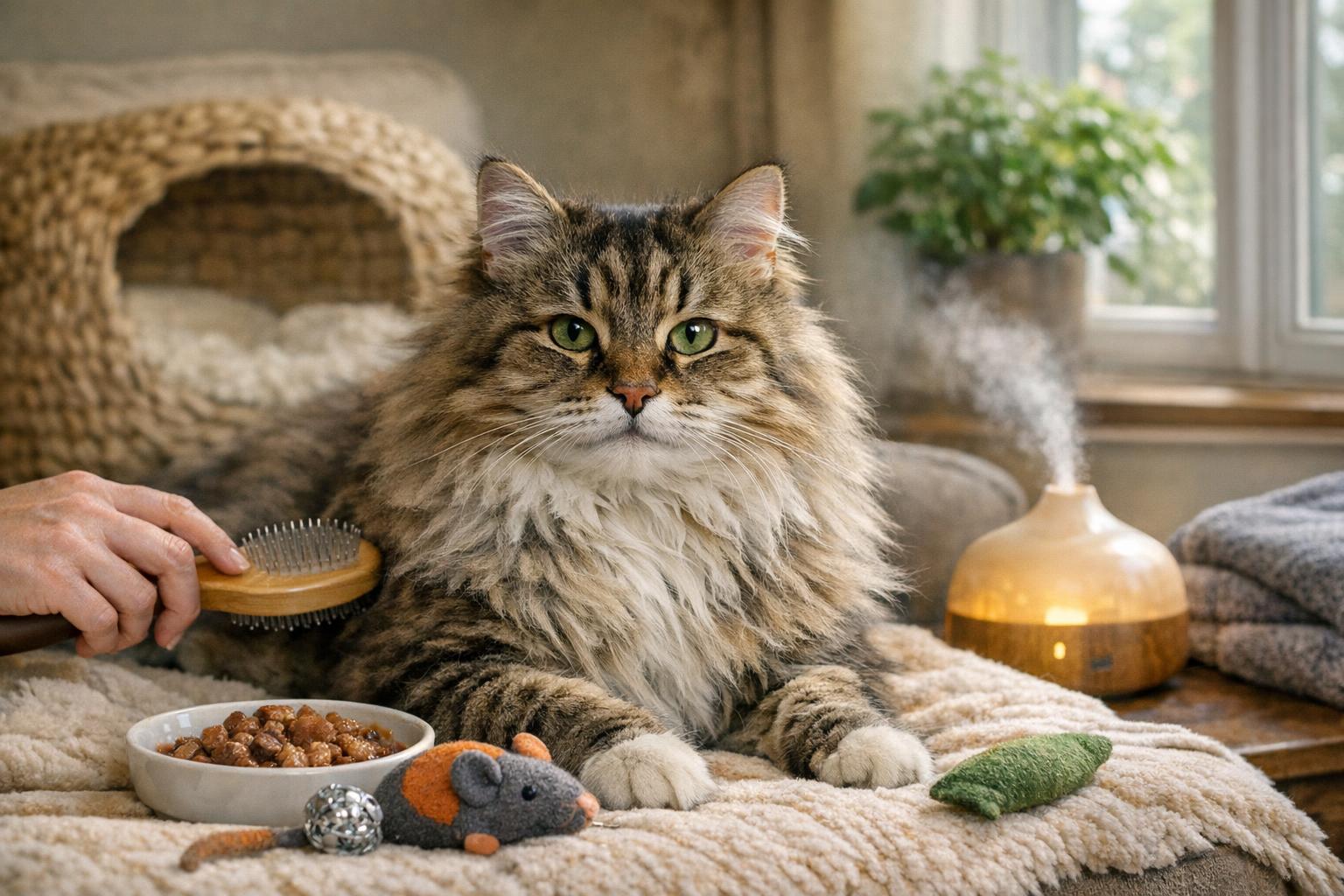
#### Materials For Comfort And Support
– Quiet, warm resting spot.
– Clean food and water bowls.
– Optional: cat-safe humidifier set at a moderate level.
Step-By-Step Creation And Application
1. Reduce stress: Provide a calm, comfy resting area away from drafts.
2. Hydration and nutrition: Ensure fresh water and appetizing food are available. Soft, warm food may help if the cat’s busy sniffles reduce appetite.
3. Environment: A moderately humid environment can ease irritation (avoid high humidity that encourages mold).
4. Monitor: Track appetite, eye appearance, and behavior daily.
### When Home Care Isn’t Enough
If home measures don’t improve symptoms within 48 hours, or if the eye worsens at any time, contact your vet. Diagnostic testing (fluorescein stain, cytology, cultures, or bloodwork) and prescription treatments (antibiotics, antivirals, or anti-inflammatories) may be required. Eye conditions can escalate quickly and cause lasting damage if not properly treated.
### Handling Multiple Pets And Contagion Control
If more than one cat in your household develops eye issues, treat all as potentially infectious until your veterinarian diagnoses the cause. Isolate affected cats, disinfect surfaces, and avoid sharing food bowls and litter boxes where practical during the infectious period.
#### Simple Disinfection Tips
– Use pet-safe surface cleaners.
– Wash bedding in hot water and dry on high heat if the fabric allows.
– Replace or clean toys and soft surfaces nearby.
### Gentle Restraint Techniques To Reduce Stress
A calm approach helps the procedure go smoothly:
– Speak in a soothing voice and move slowly.
– Have treats ready as a positive association after the procedure.
– Towel-wrap (the “burrito” method) to protect both you and the cat.
## Veterinary Treatments You May See
When home care isn’t enough, a vet may prescribe:
– Topical antibiotics for bacterial infections.
– Antiviral drugs for confirmed viral causes.
– Anti-inflammatory medications for pain and swelling.
– Pain management if the eye injury is severe.
These medications should be used under veterinary guidance—never substitute human medications for prescribed veterinary treatments.
When practicing cat eye infection home care, your goal is comfort and containment while you determine if veterinary treatment is necessary. If at any point you feel uncertain, a quick call or visit to the vet can spare your cat discomfort and prevent complications.




















Leave a Reply