


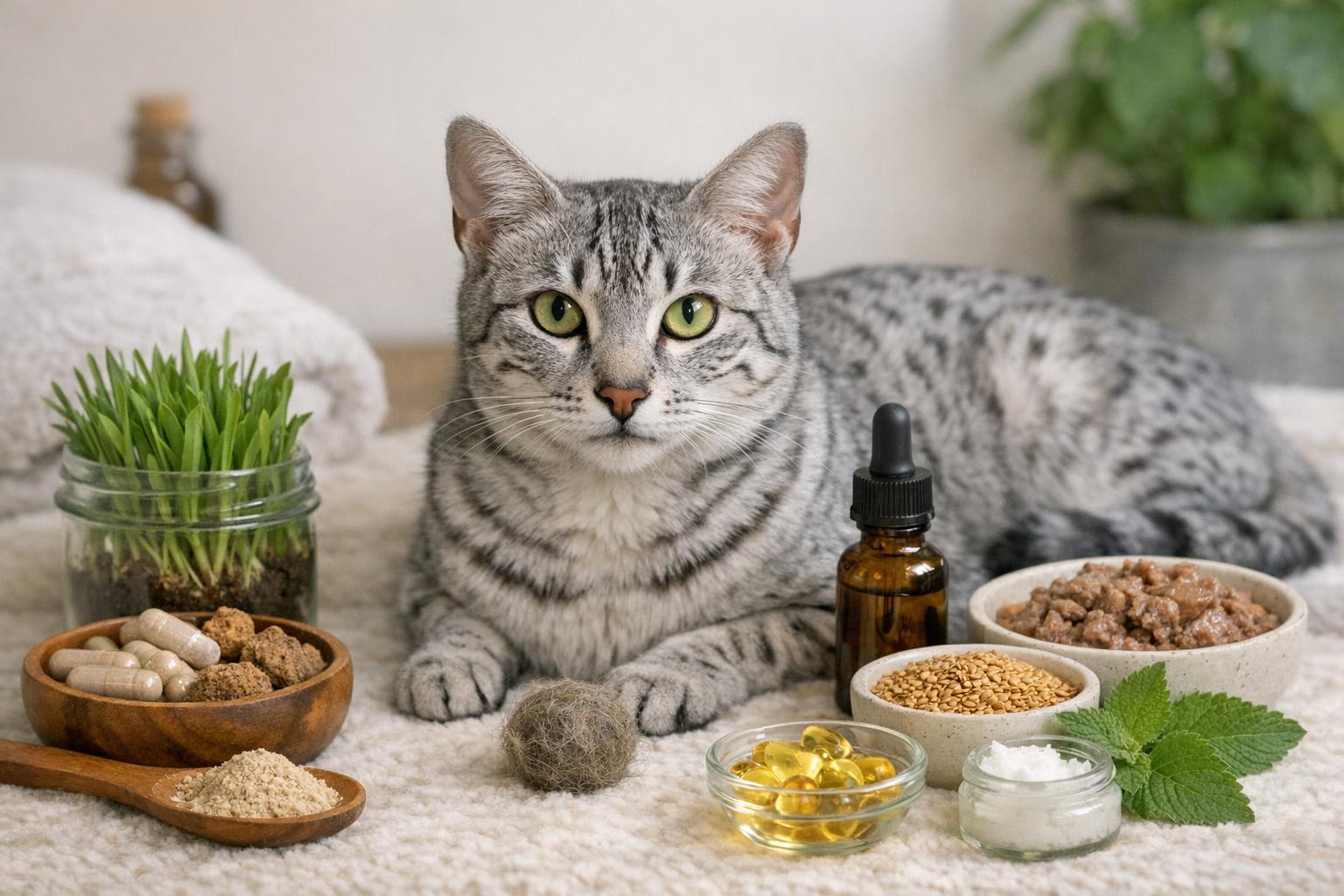
Cats are natural groomers, and sometimes that translates into an unfortunate little coughed-up souvenir: the hairball. If you’re searching for a cats and hairballs remedy that leans on gentle, natural fixes rather than processed gels and unknown additives, pull up a chair (and maybe a lint roller). Below are practical, holistic strategies and DIY remedies that support healthy digestion and reduce hairball frequency — with clear, formal instructions where it matters.
## Why Hairballs Happen And What Normal Looks Like
Cats swallow loose hair during grooming. Most of that hair passes harmlessly through the digestive tract, but some collects in the stomach and forms compacted balls that cats eventually vomit up or, less commonly, pass in feces. Occasional hairballs are normal, but frequent retching, reduced appetite, constipation, or lethargy are warning signs.
Key contributing factors:
– Long or thick coats with heavy shedding.
– Inadequate grooming and brushing.
– Low-fiber diets or abrupt diet changes.
– Underlying gastrointestinal motility issues, parasites, or skin problems that increase shedding.
If you’re hunting a cats and hairballs remedy that reduces both hair ingestion and supports internal passage, a combined approach—grooming, fiber, lubrication, and diet—is most effective.
## Holistic Hairball Support For Cats And Hairballs Remedy
This section lays out three numbered, practical remedies. Each remedy includes ingredients or materials and step-by-step creation and application instructions. When used responsibly and combined with routine grooming and vet guidance, these approaches can significantly decrease hairball events.
### Remedy 1: Pumpkin Fiber Paste For Gentle Passage
Pumpkin is safe for most cats in small amounts, and the soluble fiber can help move hair through the gut. Use this cats and hairballs remedy as a daily or occasional supplement to the diet.
#### Ingredients And Materials
– 1 tablespoon plain canned pumpkin (not pumpkin pie filling)
– 1/4 teaspoon plain full-fat yogurt (optional, for palatability and probiotics)
– Measuring spoons and a small mixing bowl
– A spoon or small syringe for administration (if needed)
#### Creation And Application Steps
1. Measure and Mix: Place 1 tablespoon of plain canned pumpkin into the bowl. Add yogurt only if your cat tolerates dairy—this is optional and primarily for picky eaters.
2. Test Taste: Offer a pea-sized amount on your finger or a plate. If your cat accepts it, you can proceed with the full amount.
3. Daily Use: Feed 1 teaspoon to 1 tablespoon (depending on cat size and tolerance) mixed into wet food or offered separately once per day. For kittens or very small cats, use smaller amounts (start at 1/4 teaspoon).
4. Monitor: Use for up to 7–10 days and observe stool consistency. If diarrhea occurs, reduce the dose or stop. If constipation persists, consult your veterinarian.
5. Frequency: For chronic shedding seasons, you may use pumpkin as part of a routine feeding plan, but always rotate and monitor for tolerance.
This cats and hairballs remedy is evidence-informed: soluble fiber increases fecal bulk and can reduce the tendency for hair to compact in the stomach.
### Remedy 2: Short-Term Lubricant With Food-Grade Olive Oil (Use Cautiously)
Lubrication can help hair slide through the intestines. This is a temporary measure and should not replace long-term fiber and grooming strategies.
#### Ingredients And Materials
– High-quality extra-virgin olive oil or light-tasting food-grade oil (not mineral oil or baby oil)
– Measuring spoons
– Syringe without a needle (optional for direct dosing)
– Small bowl for mixing into food
#### Creation And Application Steps
1. Measure Carefully: Use 1/2 teaspoon (for average adult cats) mixed into wet food. For small or senior cats, use 1/4 teaspoon. Never exceed recommended doses without veterinary advice.
2. Mix: Incorporate the oil thoroughly into a single meal so it’s evenly distributed.
3. Offer Food: Present the meal as usual. If the cat refuses, do not force-feed with a syringe unless instructed by a vet.
4. Short-Term Use Only: Limit use to 2–3 days unless advised by your veterinarian. Prolonged oil use can interfere with nutrient absorption and may cause diarrhea.
5. Monitor: Watch for changes in stool quality and for any vomiting after meals.
Formally stated: lubrication may temporarily assist in hair passage but is not a long-term solution and must be dosed conservatively.
### Remedy 3: Brushing, Diet, And Routine Supplements
Prevention is the real MVP. Regular grooming reduces the amount of hair a cat swallows, and certain dietary adjustments improve gut motility and stool bulk.
#### Materials And Recommended Items
– Slicker brush and flexible rubber grooming glove
– High-fiber canned pumpkin (regular supply)
– Omega-3 fish oil supplement formulated for cats
– A high-quality, not overly fatty, wet food with moderate fiber or a veterinary-prescribed hairball formula (if recommended)
#### Implementation Steps
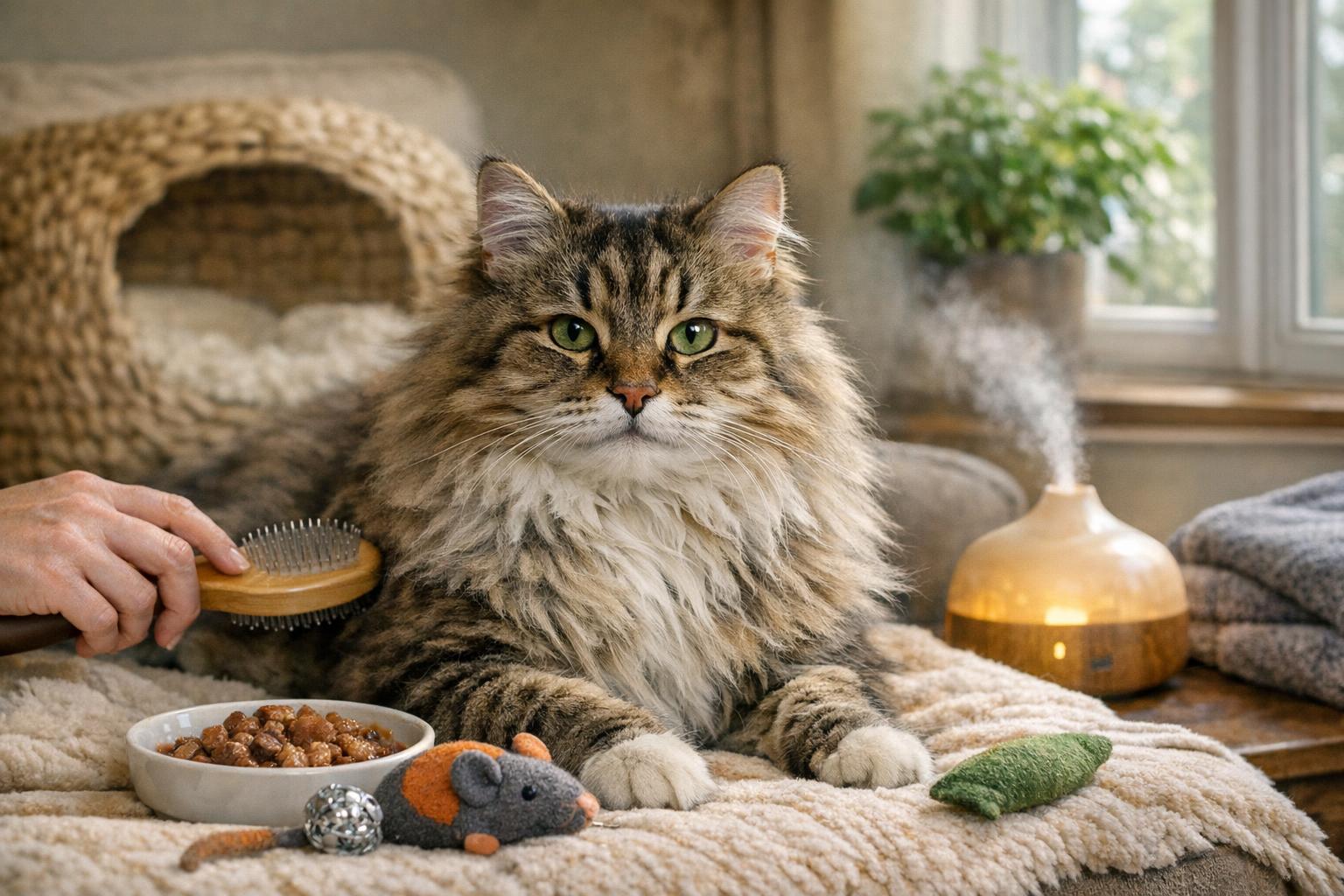
1. Establish A Grooming Schedule: Brush short-haired cats twice weekly, long-haired cats daily. Use gentle strokes in the direction of hair growth. Spend 5–10 minutes per session and praise your cat with treats (if allowed).
2. Adjust Diet Gradually: If switching foods, do so over 7–10 days to avoid digestive upset. Choose a wet food that includes fiber and moisture, which helps stool passage.
3. Introduce Supplements Carefully: Add omega-3 oil at manufacturer-recommended doses. Fish oil reduces inflammation and can improve coat condition, which indirectly reduces shedding. Use only products labeled for cats.
4. Environmental Support: Provide hydration via water fountains (many cats prefer running water) and keep litter box monitoring consistent to observe stool frequency and consistency.
5. Record And Review: Keep a simple log of grooming sessions, stool quality, and hairball events for a month, then review patterns. If hairball frequency remains high despite these measures, consult your veterinarian for diagnostics like fecal testing and possible motility agents.
This combined program acts as a comprehensive cats and hairballs remedy by reducing hair ingestion, increasing intestinal transit, and improving stool form.
## Safe Practices, Red Flags, And When To See A Vet
Using home remedies responsibly is essential. Avoid human laxatives, mineral oil without vet approval, or any essential oils or scented products that can be toxic to cats. If your cat displays any of the following, seek veterinary care:
– Repeated vomiting without producing hairballs
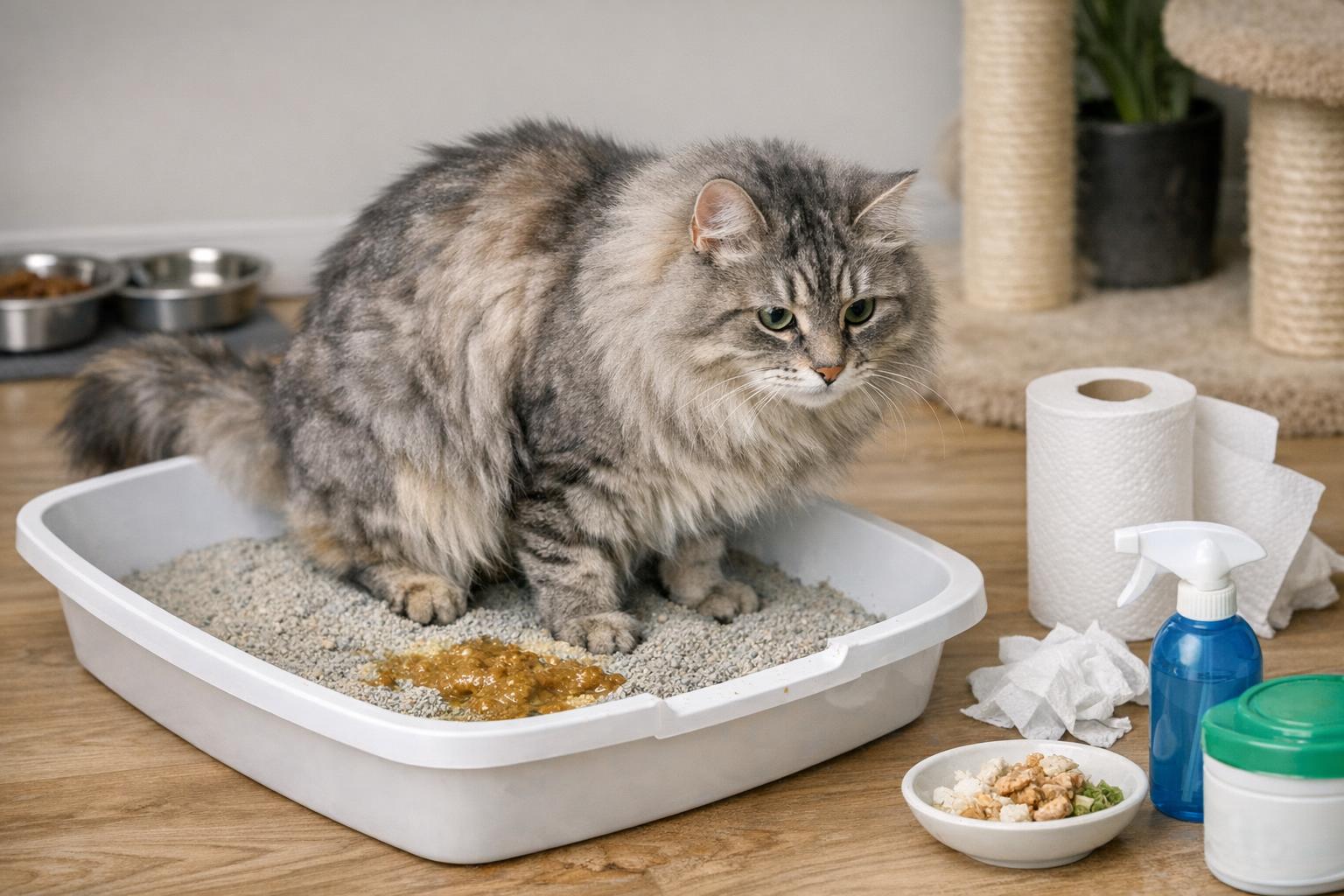
– No bowel movements for 48 hours or more
– Lethargy, reduced appetite, or weight loss
– Signs of intestinal obstruction (distended abdomen, severe pain, retching with nothing produced)
Your vet can evaluate for hairball impactions, parasites, or other gastrointestinal conditions and may prescribe a safe lubricant or prokinetic medication if needed.
## Practical Tips To Keep Hairball Episodes Low
– Make grooming a positive ritual: short treats, soft tones, and gradual petting.
– Vacuum and lint-roll regularly to reduce environmental loose hair.
– Consider seasonal coat trims for long-haired cats (done gently and safely by a groomer).
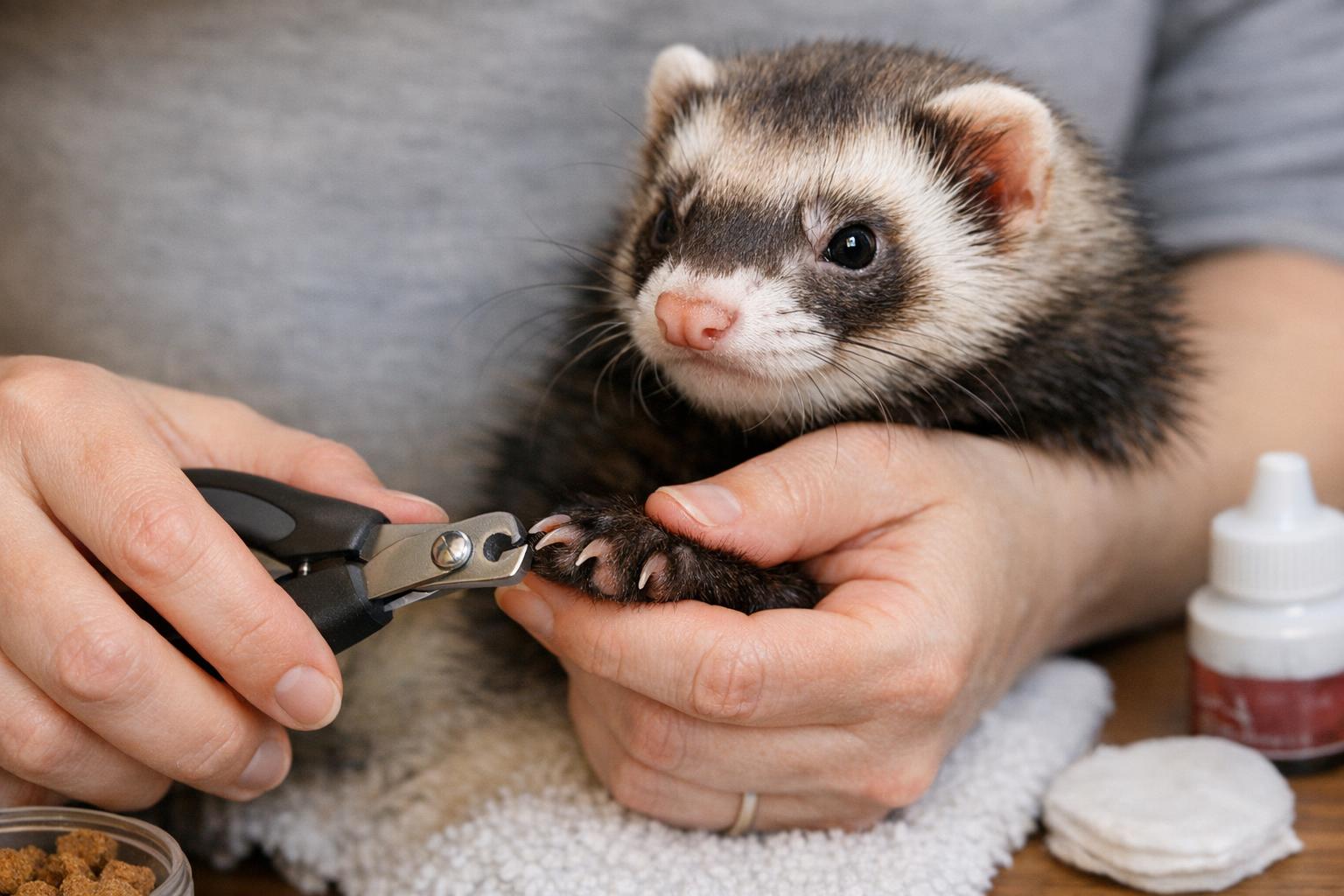
– Keep nails trimmed to reduce the amount of skin irritation and subsequent grooming.
– Rotate grooming tools if one becomes uncomfortable—some cats prefer rubber gloves to brushes.
If you’re looking for a balanced, gentle approach, these methods form a realistic cats and hairballs remedy plan that fits into everyday life. Use the pumpkin paste, short-term lubrication as needed, and a consistent grooming-plus-diet routine to keep your cat comfortable and your floors slightly less hair-covered.







Leave a Reply