





If your whiskered roommate has been doing a frantic little scratch-dance, you’re probably dealing with a flea bite on cats — not the most glamorous party guest. The good news: many of the immediate annoyances can be eased at home with simple, safe care while you get the bigger infestation under control. Below you’ll find clear, practical remedies and household steps to soothe bites, remove fleas, and protect sensitive skin without resorting to harsh or unsafe treatments.
## Flea Bite On Cats: Quick Facts And Signs To Watch For
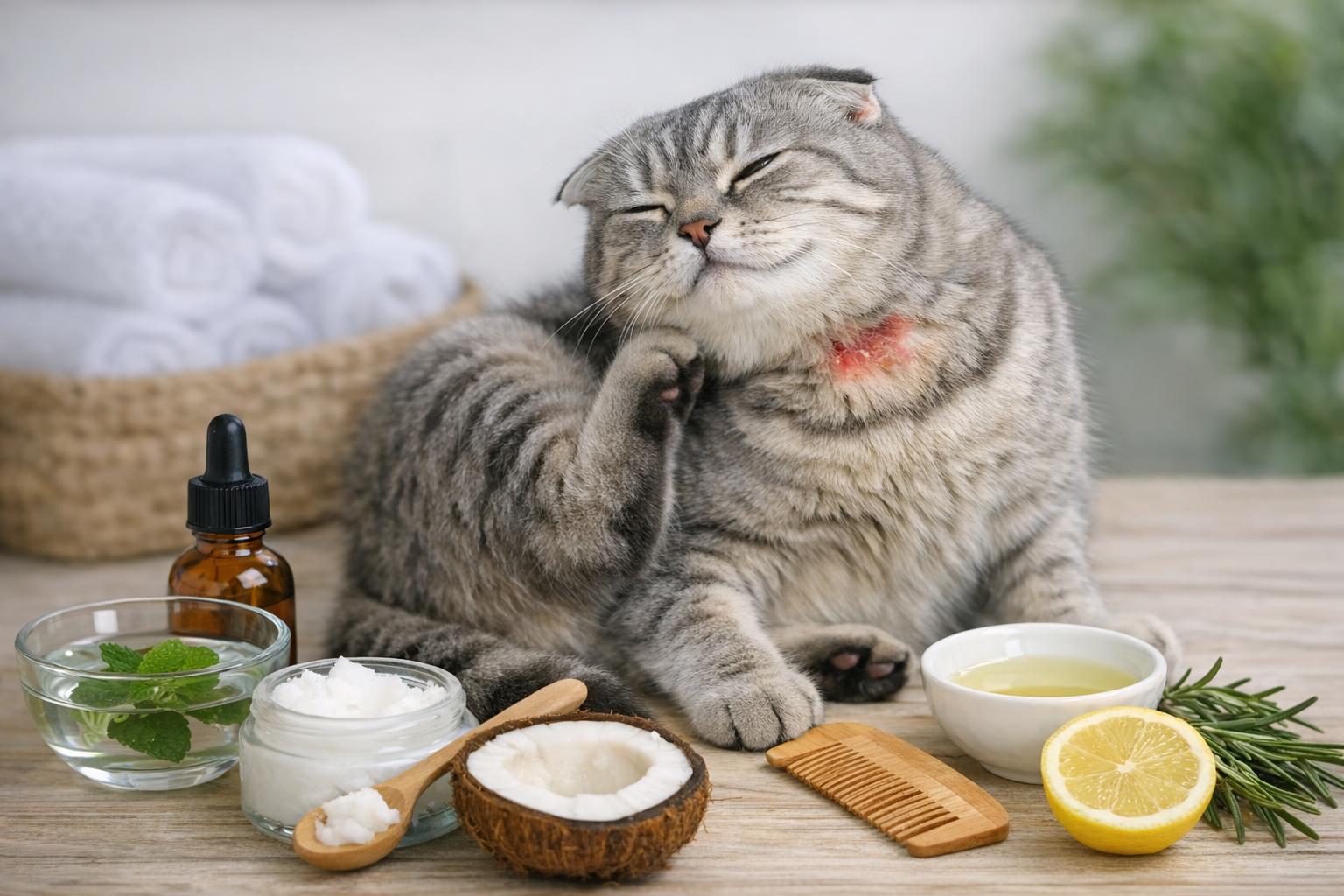
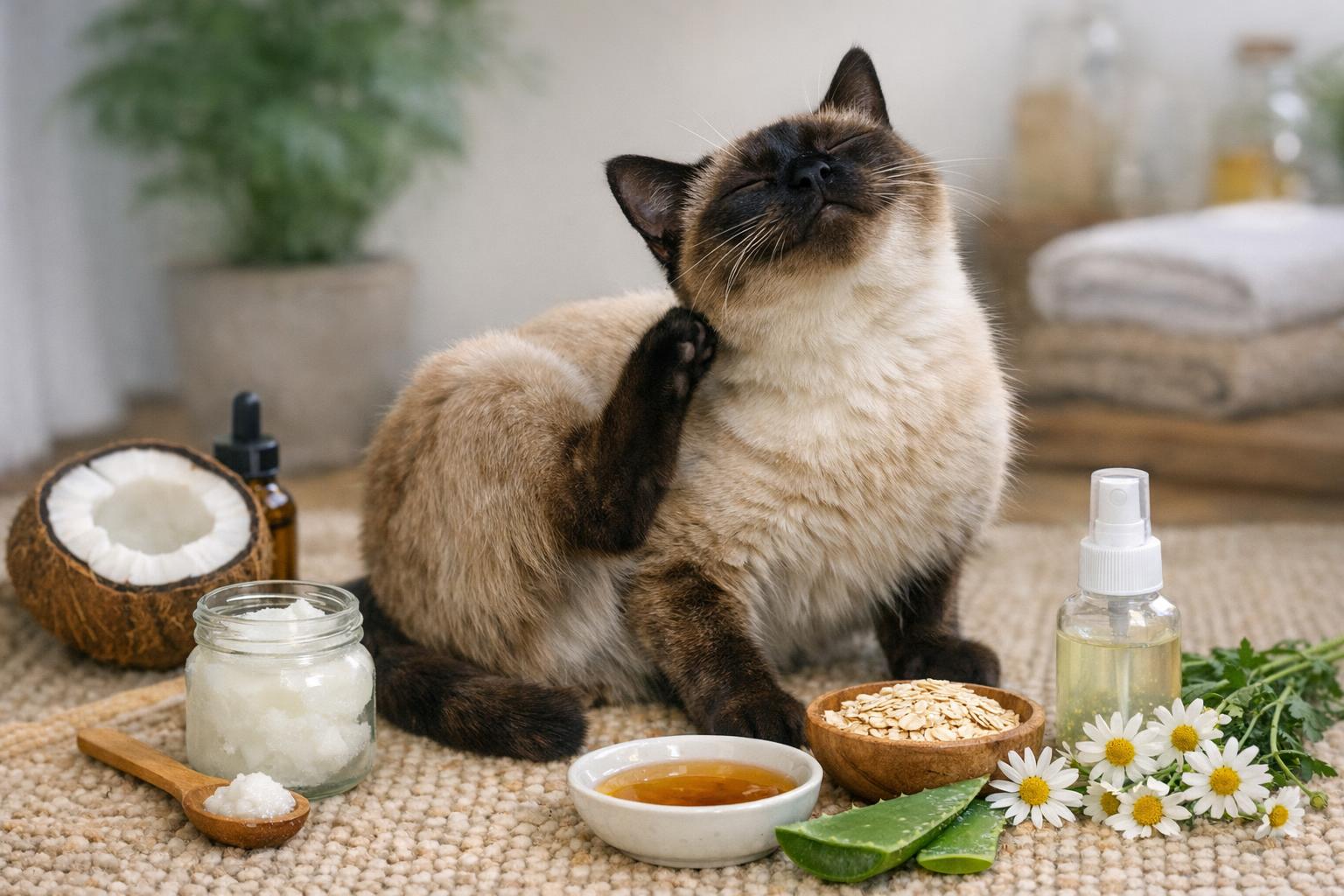
Cats react differently to flea bites. Some barely flinch, others develop intense itching or reddened spots. A single flea bite on cats typically looks like a small red dot, often surrounded by irritated skin. If your cat scratches persistently, develops scabs, hair loss, or inflamed patches, they might have flea allergy dermatitis — an allergic reaction to flea saliva that needs careful management.
Common signs to notice:
– Clusters of tiny red bumps or black “flea dirt” (dried blood) in the fur.
– Scratching, biting, or overgrooming in one area (base of tail, neck, belly).
– Restlessness, reduced sleep, or lethargy if irritation is severe.
– Pale gums or weakness in young kittens or heavily infested cats (possible anemia).
If you’re seeing a few bites and mild irritation, home care can help a lot. If symptoms escalate, see the vet (more on that below). Meanwhile, read on for three safe, numbered remedies you can try.
## Remedy 1: Flea Combing And Gentle Bathing
### Materials Needed
– A fine-tooth flea comb (metal combs are best).
– Cat-safe shampoo (no dog shampoos or human products; avoid dish soap unless advised by a vet).
– Towels and a warm, quiet bathing area.
– A bowl of warm water (for kittens or nervous cats, a sponge-bath is an alternative).
### Step-By-Step Application
1. Calm your cat with soft praise and slow movements. If your cat is stressed, wait until they’re relaxed.
2. Use the flea comb along the fur in short strokes, especially around the neck, base of tail, and belly. Wipe the comb into a bowl of soapy water or onto paper towels to drown or capture fleas.
3. If bathing is tolerated, wet the coat with warm water and lather with a small amount of cat shampoo. Keep soap away from eyes and ears. Rinse thoroughly to avoid residue.
4. Towel-dry gently and comb again to remove any remaining fleas.
5. Dispose of captured fleas by sealing them in a plastic bag and trashing them or flushing (if local disposal guidelines permit).
#### Safety Notes
– Bathing can stress some cats; never force it. A flea comb is often sufficient and safer for anxious cats.
– Do not use essential oils, tea tree, or citrus-based shampoos — these can be toxic to cats. Use only products labeled safe for cats.
## Remedy 2: Chamomile Or Calendula Rinse For Soothing (Remedy 2)
### Ingredients
– 2 chamomile tea bags or 2 tablespoons dried chamomile flowers (or calendula).
– 2 cups boiling water.
– A clean container for cooling and storage.
### Step-By-Step Creation And Application
1. Pour boiling water over the chamomile or calendula and steep for 20–30 minutes, covered.
2. Allow the infusion to cool to lukewarm, then strain into a clean bowl.
3. After combing or bathing, gently pour or sponge the cooled rinse over the irritated areas, avoiding eyes and open wounds.
4. Let air-dry or towel-dry gently. You can repeat this rinse once daily for up to 5 days to reduce redness and itch.
#### Formal Notes
Chamomile and calendula contain natural anti-inflammatory compounds that can relieve mild irritation. Ensure the infusion is cool and well strained to avoid plant particles being trapped against the skin. If the skin is broken or infected, consult your veterinarian before applying any topical remedy.
## Remedy 3: Pure Aloe Vera Spot Treatment (Remedy 3)
### Ingredients
– 100% pure aloe vera gel (no fragrances, alcohol, or added essential oils).
– Cotton swabs or a clean fingertip wrapped in gauze.
### Step-By-Step Creation And Application
1. If using plant aloe, cut a leaf, squeeze out the clear gel, and strain to remove pulp. If using store-bought, confirm the ingredient list is pure aloe.
2. Apply a thin layer of gel directly to small flea bite sites. Use a cotton swab to avoid contaminating the container.
3. Allow to absorb; repeat up to three times daily for a few days until irritation subsides.
#### Safety Notes
Pure aloe vera is generally safe and soothing, but avoid products with additives that could irritate or be toxic if licked. Use sparingly — cats will groom, so keep applications minimal and observe for licking or adverse reaction.
## Home And Bedding Cleaning Plus Safe Diatomaceous Earth Use
### Materials And Supplies
– Vacuum cleaner with attachments.
– Hot water and pet-safe laundry detergent.
– Enzyme-based cleaner for furniture or upholstery.
– Food-grade diatomaceous earth (DE), if used — and a mask for you.
### Step-By-Step Application
1. Wash all pet bedding, blankets, and soft toys in hot water and dry on high heat. Flea eggs and larvae are temperature-sensitive.
2. Vacuum carpets, baseboards, upholstery, and under furniture thoroughly. Empty or seal the vacuum bag/canister contents in an outdoor trash bin immediately.
3. For deep infestations, sprinkle a light layer of food-grade diatomaceous earth on carpets and pet sleeping areas. Leave for several hours (or overnight), then vacuum again. Avoid spreading where your cat spends time during the application and do not use DE directly on the cat.
4. Wipe vinyl or wood floors with a damp mop and an enzyme cleaner on upholstery to remove flea dirt.
#### Precautions
– Diatomaceous earth is abrasive and can irritate lungs if inhaled — wear a mask and keep pets and children away during application. Use only food-grade DE.
– Re-clean regularly for at least two weeks to catch developing fleas breaking the cycle.
## When A Flea Bite On Cats Needs Veterinary Care
If your cat shows signs of severe allergic reaction, widespread skin infection, worsening hair loss, pale gums, weakness, or if kittens are involved, contact your veterinarian promptly. Flea allergy dermatitis often requires prescription topical or oral medication, and anemia from heavy infestations can need medical treatment. Your vet can recommend safe, effective flea-control products specifically formulated for cats (spot-on treatments, oral medications, or environmental control) and advise against any home remedy that could interfere with prescribed therapy.
## Quick Safety Checklist For Home Care
– Use only cat-safe products; avoid essential oils, tea tree oil, and many over-the-counter “natural” products not labeled for cats.
– Test any topical remedy on a small patch of skin first and watch for adverse reaction for 24 hours.
– Keep kittens, pregnant, or ill cats under veterinary guidance before applying remedies or treatments.
– Address both the pet and the environment — treating only the cat won’t stop the reinfestation cycle.
If that frantic scratch-fest has you feeling frazzled, these steps give you a solid, humane starting point for easing discomfort from a flea bite on cats while you tackle the bigger problem. If irritation persists or you find dozens of fleas despite your efforts, a vet visit and professional flea-control plan are the safest next step.
























Leave a Reply