






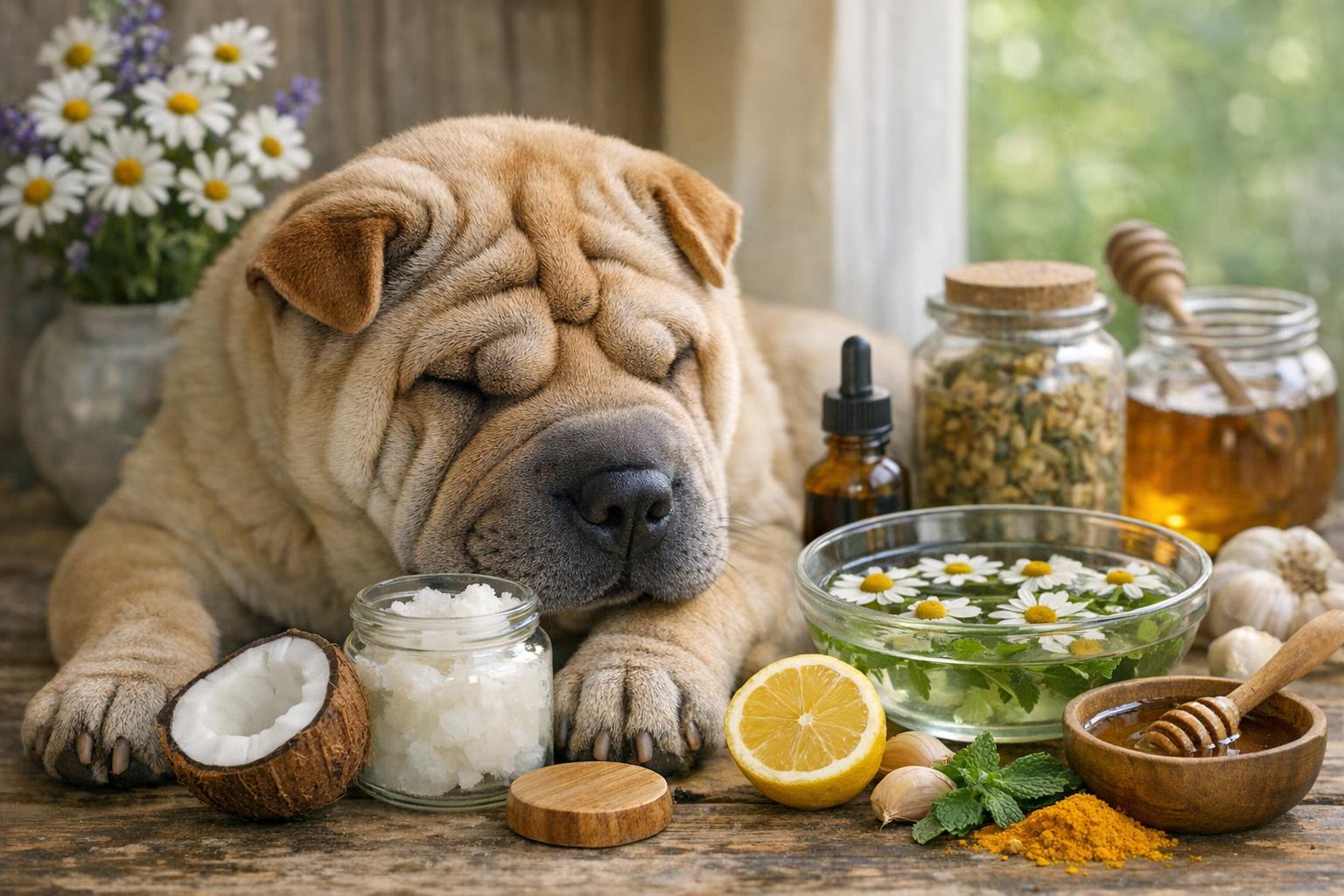
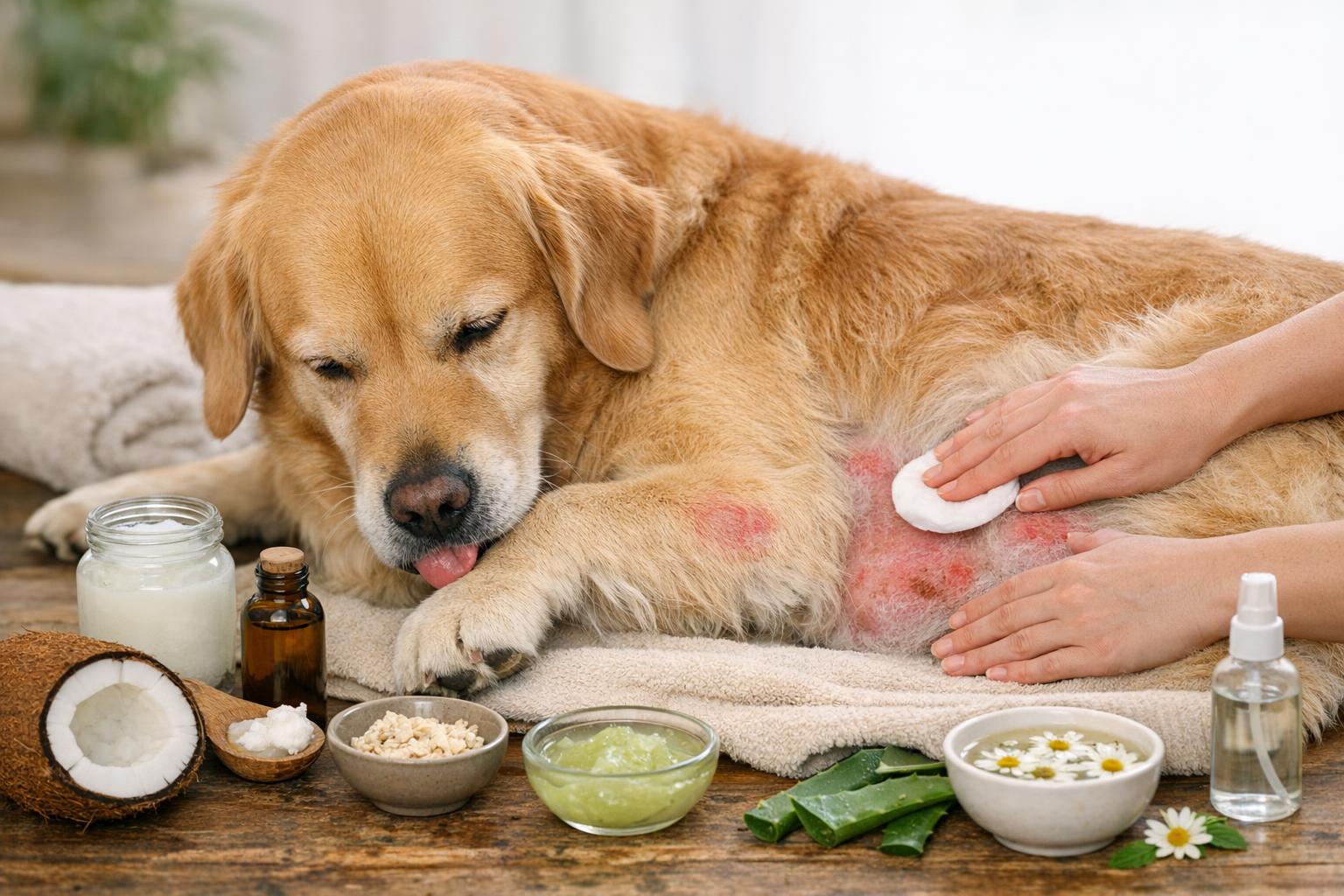
If your furry friend is scratching more than usual, sneezing, or getting red, flaky skin, you’ve probably done a little internet dive on causes and quick fixes. Relax — this guide is friendly, practical, and a bit like chatting with a neighbor who happens to love natural care. If you’re dealing with dogs and allergies, these everyday home remedies and management tips can help ease symptoms while you get to the bottom of the cause.
## Dogs And Allergies: How They Show Up
Allergies in dogs can look a lot like other problems, which is part of what makes them tricky. Typical signs include:
– Itchy, scratched or chewed skin
– Frequent ear infections or head shaking
– Sneezing, watery eyes, or runny nose
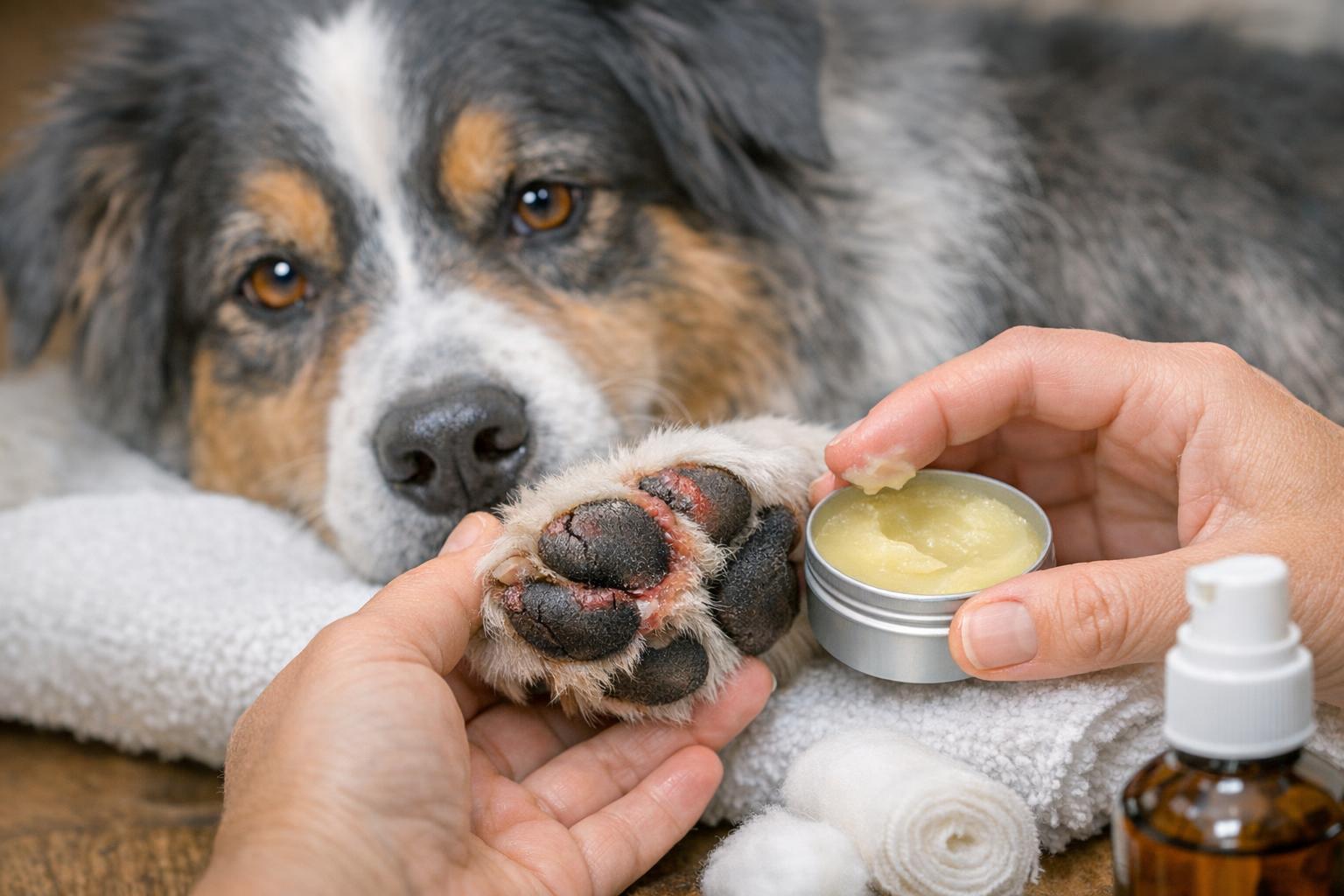
– Chronic licking of paws or red paw pads
– Recurrent hot spots and irritations
Understanding triggers—food, environmental allergens (pollen, dust mites, mold), or contact irritants (certain shampoos, cleaners, fabrics)—is the first step in helping your pet. While diagnosis and long-term treatment plans are veterinary territory, these natural, safe-at-home remedies can provide relief between appointments.
## 1. Soothing Oatmeal Bath For Itchy Dogs
This classic remedy gently reduces itching and calms inflamed skin. Use it for generalized itchiness or dry, flaky patches. When describing the preparation below, I’ll be more formal and precise so you can apply it correctly and safely.
### Ingredients
– 2 cups colloidal oatmeal (finely ground oatmeal; do not use sugary or flavored oats)
– 1/4 cup baking soda (sodium bicarbonate)
– Warm water (enough to fill a bathtub or large basin to a shallow level)
### Required Materials
– Non-slip mat for the tub
– Soft towel
– Measuring cup and stirring spoon
– Optional: plastic cup for pouring
### Step-By-Step Creation And Application
1. Fill the tub or basin with warm water — comfortably warm, not hot (about 37–38°C / 98–100°F).
2. Stir the colloidal oatmeal and baking soda into the water until uniformly dispersed. The water should feel silky and slightly thickened.
3. Place your dog in the bath, ensuring they feel secure (use a non-slip mat). Avoid forcing them if they’re stressed; short sessions are better than none.
4. Soak the affected areas for 8–10 minutes. For localized patches, gently pour the oatmeal water over the spot using a cup.
5. Do not apply any additional shampoos during this soak. After soaking, rinse with clean warm water if desired (not required unless there is residue).
6. Towel-dry gently and keep your dog warm for 20–30 minutes to avoid chill.
Frequency: Up to two times weekly during flare-ups. Monitor skin for improvement or irritation. Discontinue if symptoms worsen and consult your veterinarian.
#### Safety And Notes
– Avoid using human anti-itch additives; stick to pure colloidal oatmeal and baking soda.
– For dogs with open wounds or severe infections, seek vet care before bathing.
## 2. Local Honey And Quercetin Support (Oral) For Seasonal Symptoms
This combined approach aims to support immune response and reduce histamine-driven symptoms. It’s meant as supportive care, not a replacement for veterinary medications when those are required.
### Ingredients
– Raw, local honey (unfiltered)
– Quercetin supplement (formulated for pets or human grade after vet approval)
– Optional: a vet-approved probiotic
### Required Materials
– Measuring spoon
– Small bowl or your pet’s food bowl
### Step-By-Step Creation And Application
1. Determine Dosage: Consult your vet for precise dosing based on weight and medical history. As a rough general guideline (not a substitute for vet advice): honey at 1/4 teaspoon per 10 lbs once daily; quercetin dosing varies significantly by product and concentration—confirm exact amounts with your veterinarian.
2. Administering Honey: Mix the measured honey into a small amount of wet food or offer directly if your dog will lick it off a spoon. Local honey contains trace amounts of regional pollens which some owners find helpful for mild seasonal desensitization.
3. Administering Quercetin: Give the quercetin with food to improve absorption, following the recommended dose. It’s an antioxidant and natural antihistamine which may reduce seasonal sneezing and itching.
4. Complement with a probiotic as advised by your vet to support gut health, which can influence allergic responses.
#### Safety And Notes
– Never give honey to puppies under 12 weeks or any animal with a compromised immune system without veterinary consent.
– Quercetin can interact with medications. Always verify compatibility with your pet’s current prescriptions.
– These remedies can take 2–6 weeks to show noticeable benefit. Track symptoms in a journal to discuss with your vet.
## 3. Simple Saline Rinse For Allergic Eyes And Noses
This remedy is designed for minor eye irritation, mild conjunctival discharge, or nasal drip due to environmental allergens. Be precise and sterile in preparation.
### Ingredients
– 1 cup distilled or previously boiled and cooled water
– 1/4 teaspoon non-iodized salt (table salt without additives)
– Optional: pinch of baking soda for buffering
### Required Materials
– Sterile dropper or syringe without needle
– Small sterile container
### Step-By-Step Creation And Application
1. Preparation: Combine distilled or cooled boiled water with salt (and optional baking soda) in a clean container. Mix until dissolved.
2. Draw up a small amount into the sterile dropper or syringe.
3. For Eyes: Gently restrain your dog and apply one or two drops of saline into the lower eyelid. Allow the dog to blink; do not force the eye open. Use fresh saline for each application.
4. For Nostrils: Gently drip one drop of saline into each nostril to help flush pollen or dust. Do not force large volumes; a single small drop is sufficient.
5. Frequency: Up to three times daily for a few days. If discharge is thick, colored, or odoriferous, stop and consult a vet.
#### Safety And Notes
– Never use homemade saline that is cloudy or has been stored more than 24 hours.
– For severe or persistent eye/nasal symptoms, vet evaluation is mandatory.
## Managing Home Environment For Dogs And Allergies
Reducing exposure to triggers is often the most effective way to lower flare-ups. Here are practical, low-fuss strategies:
– Vacuum and dust regularly with a HEPA filter or similar to reduce pollen and dust mite levels.
– Wash bedding and soft toys weekly in hot water.
– Use an air purifier in common living areas, especially during high pollen seasons.
– Wipe paws and belly after outdoor walks to remove pollen, grass, and soil.
– Swap strong-scented cleaners and fabric softeners for fragrance-free, pet-safe options.
These steps are straightforward and can significantly impact how often your pet experiences allergic flares.
### When To Call The Vet
If over-the-counter or home treatments fail to improve symptoms in 7–10 days, or if your dog develops fever, lethargy, open sores, swelling of the face or throat, or severe respiratory distress, contact your veterinarian immediately. A professional may recommend allergy testing, prescription antihistamines, corticosteroids, allergy shots, or other targeted therapies.
#### Notes On Medications And Interactions
Always disclose natural supplements and home treatments to your veterinarian. Some herbal products and supplements can interact with prescription medications or be contraindicated in certain conditions (e.g., liver disease, pancreatitis). Your vet can advise on safe combinations and monitor for side effects.
Keep a symptom diary, photos of affected areas, and a log of any products you’ve tried; this makes the vet visit far more productive than a vague “it’s been itchy” conversation. A little detective work and natural at-home care can go a long way for dogs and allergies — and give your pup some welcome relief while you pursue the right long-term plan.








Leave a Reply