







Dogs don’t get cavities the exact same way humans do, but they do suffer from plaque, tartar, and yes — real decay that can make their mouths miserable. Think of this as your friendly, slightly witty field guide to keeping those pearly canines in tip-top shape without becoming a full-time tooth fairy.
## Practical Preventive Tips For Dental Decay In Dogs At Home
### Why Oral Care Isn’t Just A Fancy Extra
Dogs explore the world with their mouths. Add breed predispositions, diet, and age, and you’ve got a recipe where dental problems can creep in fast. Preventing dental decay in dogs improves breath, keeps chewing comfortable, and avoids painful infections that can affect organs over time. A little effort now saves a lot of vet bills and doggy sulking later.
### How To Recognize Early Signs
Keep an eye (and nose) out for these subtle cues: persistent bad breath, brownish tartar at the gumline, red or swollen gums, reluctance to chew, dropping food, or pawing at the face. If you notice any of these, it’s time to step up home care and consult your veterinarian.
## Daily Habits To Reduce Dental Decay In Dogs
### Brushing Routine That Won’t Turn Into A Wrestle
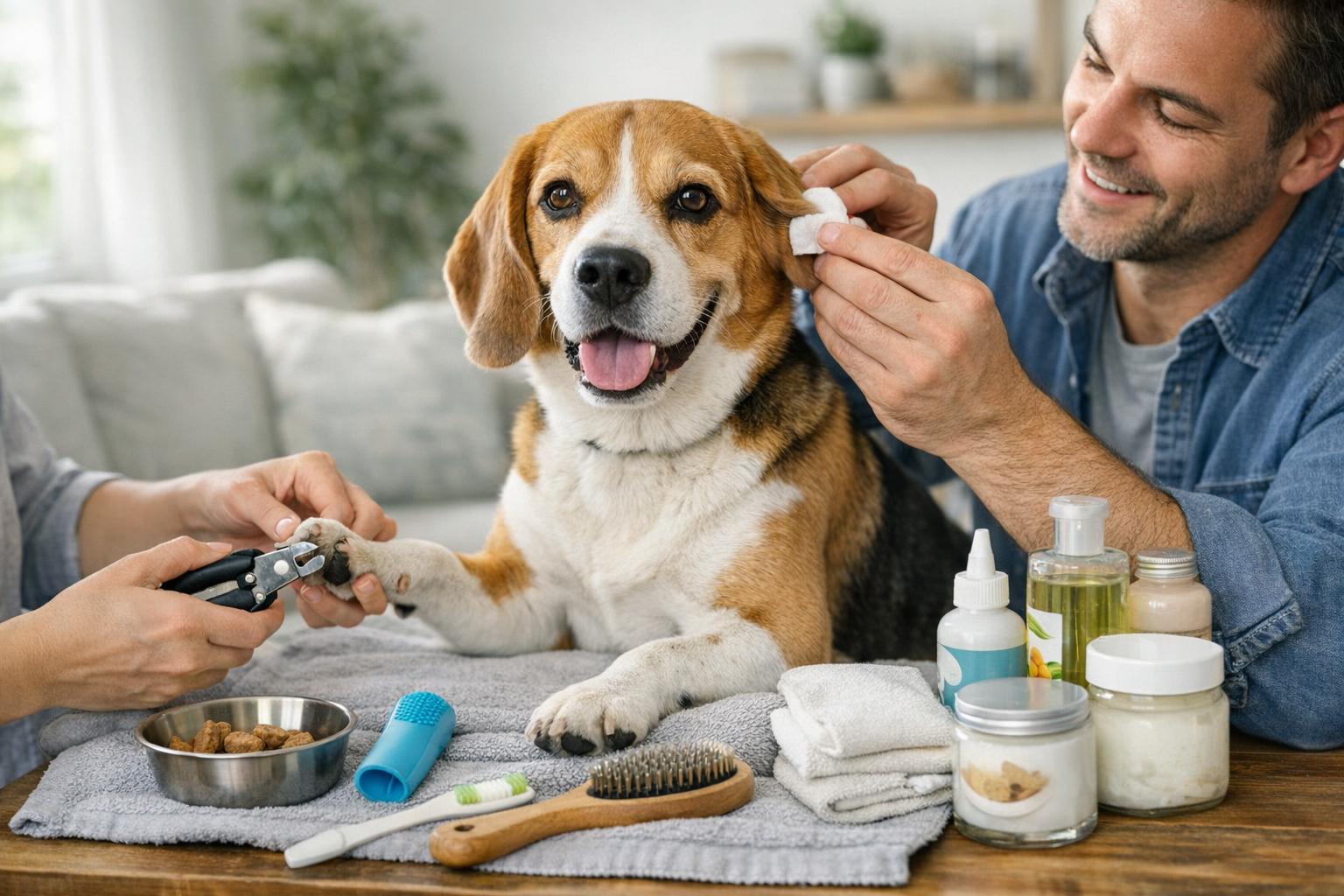
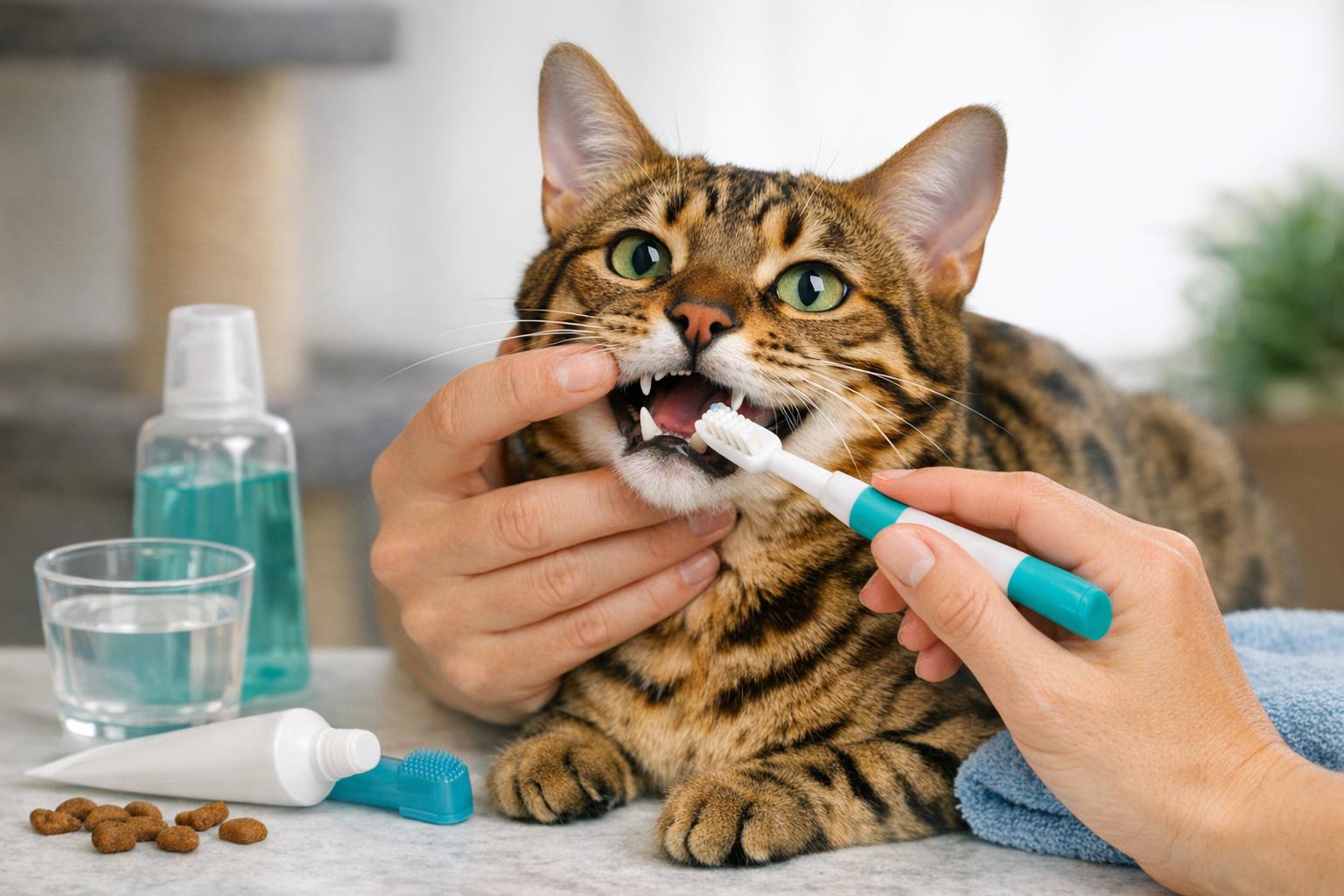
Brushing is the single most effective home habit to prevent plaque buildup and dental decay in dogs. Start slow: let your dog taste the paste, then touch their lips, then teeth, and build up to short, gentle sessions. Consistency matters more than duration — aim for several short sessions a week rather than one long, stressful attempt.
#### Tools You Need For Brushing
– A soft-bristled dog toothbrush or finger brush.
– Dog-specific toothpaste (never use human toothpaste).
– Treats and praise to reinforce calm behavior.
Step-by-step (brief):
1. Offer a lick of toothpaste so your dog gets used to the taste.
2. Gently lift the lip and brush in small circular motions along the gumline.
3. Focus on the outer surfaces (dogs usually swallow, so inner surfaces are less critical).
4. Keep sessions under a minute for beginners and increase gradually.
### Finger Checks And Quick Inspections
In between brushings, give a quick look and gentle feel along the gums and teeth once a week. Dogs often tolerate short, respectful checks, and you’ll become familiar with what “normal” feels like for your pet.
## Remedy 1: Homemade Antiseptic Rinse For Dental Care
When used as a supplement to brushing, a mild antiseptic rinse can reduce oral bacteria that contribute to dental decay in dogs. Use this only if your dog tolerates rinses and always consult your vet before introducing new solutions—especially for puppies, elderly dogs, or those with medical conditions.
Ingredients/Required Materials:
– 1 cup distilled water
– 1/2 teaspoon baking soda
– 1/2 teaspoon salt (use sparingly)
– 1 teaspoon unsweetened, xylitol-free coconut oil (optional, for flavor)
– Clean squeeze bottle or small spray bottle
Creation And Application (formal and precise):
1. Sterilize the bottle with boiling water and let cool.
2. Combine distilled water and baking soda in a clean container and stir until dissolved.
3. Add salt and coconut oil; mix thoroughly. Do not use sweeteners like xylitol—these are toxic to dogs.
4. Pour the mixture into the bottle and label it with the date. Store in the refrigerator and use within one week.
5. Application: After meals, gently squirt or spray a small mist toward the outer teeth and gums. If your dog resists, dip a piece of clean gauze in the solution and wipe along the gumline. Do not force the mouth open or administer a rinse unless your dog is calm and you can avoid aspiration.
6. Frequency: Use 2–3 times per week as a supplemental measure. Monitor for any signs of irritation; discontinue and consult your vet if gums become redder or your dog shows discomfort.
## Remedy 2: Coconut Oil Toothpaste For Dogs
A gentle, homemade toothpaste can encourage regular brushing and provide mild antimicrobial benefits. This is a supplement—not a replacement for professional dental cleaning when indicated.
Ingredients/Required Materials:
– 2 tablespoons virgin coconut oil (melted if solid)
– 1 tablespoon baking soda
– 1 teaspoon finely ground powdered seaweed (optional, for minerals and palatability)
– Small airtight jar
– Soft toothbrush or finger brush
Creation And Application (formal and informative):
1. Combine melted coconut oil and baking soda in a small bowl. Mix until a uniform paste forms.
2. Stir in powdered seaweed if using; this can improve taste and offers trace minerals.
3. Transfer the paste to an airtight jar and keep it refrigerated. Use within two weeks.
4. Application: Apply a pea-sized amount to the brush. Using gentle circular motions, brush the outer surfaces of the teeth and gumline for 30–60 seconds per side if tolerated.
5. Start with brief sessions and gradually increase time as your dog accepts the routine. Offer praise or a treat afterward as positive reinforcement.
## Food And Chews That Help Prevent Dental Decay In Dogs
### Smart Food Choices
Dry kibbles can help scrape plaque mechanically compared to soft foods, though not all kibbles are created equal. Look for formulas marketed for dental support — some have larger, denser kibble shapes that promote chews. Also consider including crunchy vegetables like carrot sticks as occasional chew treats, if your dog enjoys them and they are safe for your pet.
### Chews And Toys That Provide Real Benefits
Not all chew toys help teeth; some can actually fracture teeth if too hard. Opt for veterinarian-recommended dental chews with the Veterinary Oral Health Council (VOHC) seal, rubber toys with textured surfaces, and edible dental sticks designed to reduce plaque. Supervision is important: remove small or fraying pieces that could be swallowed.
## Supplements And Natural Aids
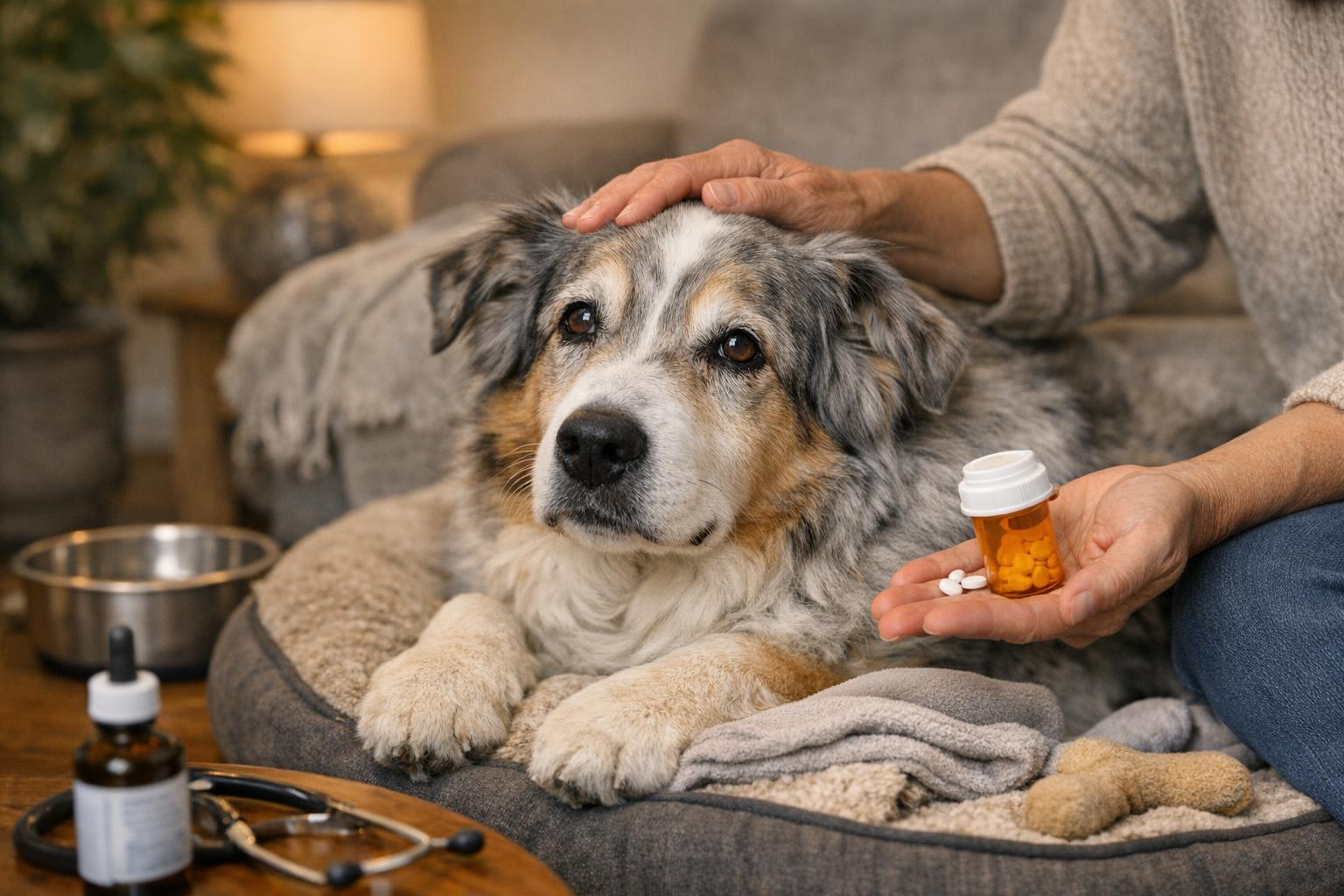
Certain supplements claim to reduce tartar or bacterial load. Ingredients like chlorhexidine rinses, enzymatic additives, and specific probiotics have evidence for helping oral health. Before adding supplements, check with your vet for safety and dosage — especially if your dog is on medications.
## Grooming, Age, And Breed Considerations
Smaller breeds often have crowding that predisposes to dental disease; brachycephalic breeds (short-nosed) can have particular alignment issues. Seniors may develop root exposure or periodontal disease without obvious signs. Tailor home care to your dog’s breed and life stage — for example, start brushing early in life to build tolerance.
## When To See Your Veterinarian
### Red Flags That Need Professional Attention
If you see loose teeth, heavy tartar buildup, pus around the gums, draining facial swellings, or if your dog refuses to eat and seems in pain, schedule a vet visit. Dental x-rays under anesthesia are often necessary to assess hidden decay and root infections. Early professional intervention can prevent more serious systemic health problems.
### Professional Cleaning: Why It May Be Necessary
Home care is preventive but not curative for advanced problems. Professional cleanings remove subgingival tartar and allow the vet to treat decay, extract irreparably damaged teeth, and prescribe appropriate follow-up care. Think of home remedies as your daily defense, not a full substitute for dental surgery when needed.
### Final Practical Notes (Non-Clinical, Friendly Tips)
Make dental care pleasant: pair brushing or rinsing with playtime, use a calm voice, and never punish a dog for mouthing during a session. Keep emergency chews and vet-approved toys on rotation so dental routines don’t become boring. If you fail spectacularly at introducing brushing, don’t despair—small, consistent steps are better than heroic all-or-nothing attempts.
Keep this checklist in your mental first aid kit: regular home inspections, consistent brushing with an approved paste, safe chews and toys, and vet visits when in doubt. With a little patience and the right tools, you can dramatically reduce the risk of dental decay in dogs and keep your companion smiling — even if their drool game is strong.














Leave a Reply