
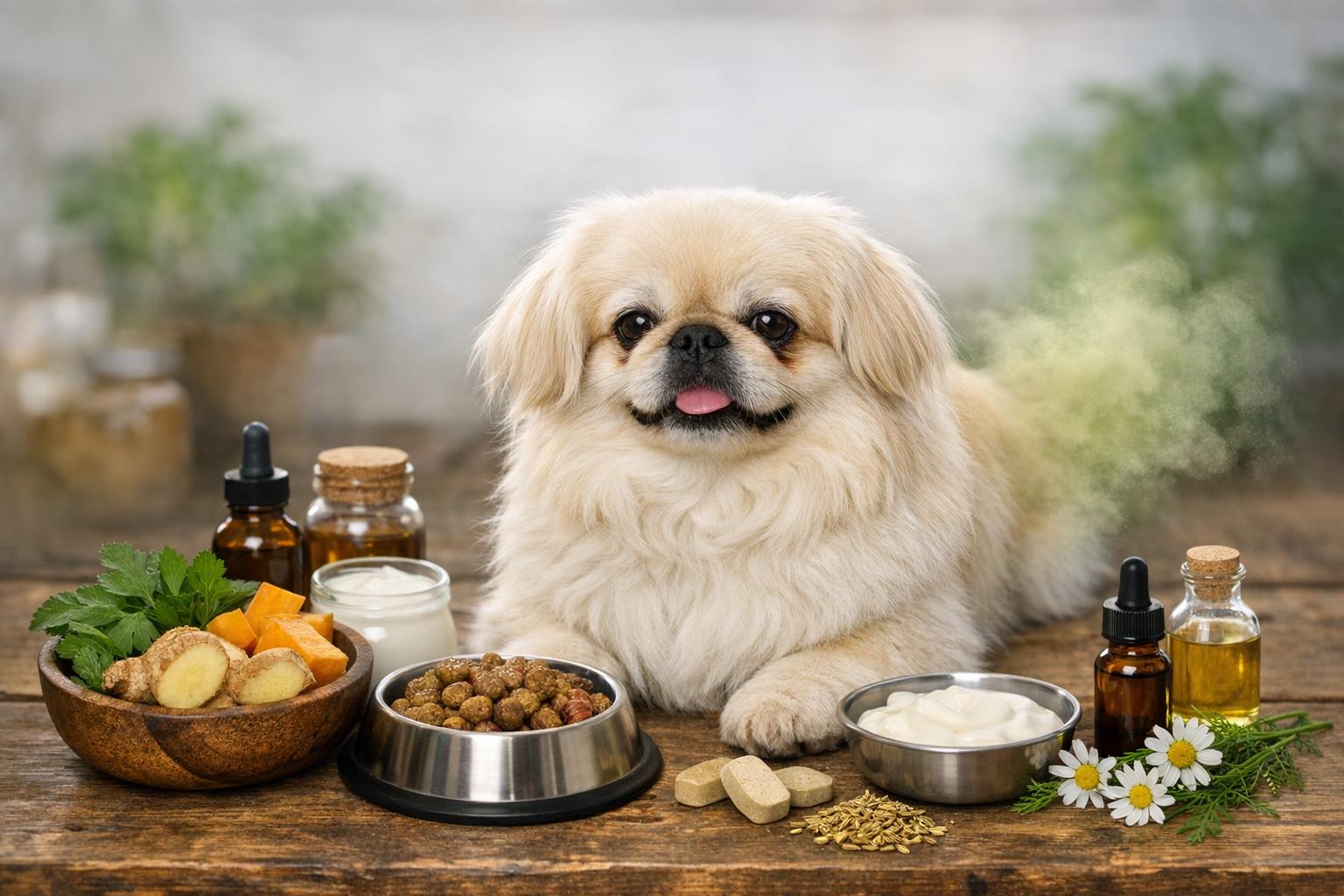
If your living room occasionally smells like a tiny wet lawn mower, you’re in the right place. Let’s talk about why dogs blow off gas, when it’s benign, and several natural, practical remedies you can try at home (with clear ingredients and steps). I’ll keep things friendly, but when we get into the remedies I’ll switch to a more formal, instructional tone so you can apply them safely.
## Why My Dog Keeps Farting: Common Causes
Dogs fart. It’s part of the package. But when it’s frequent enough to earn your couch a gas mask, it’s worth a closer look. If you’re worried because my dog keeps farting, start by checking recent changes: diet swaps, treats, table scraps, or new food bowls.
### Diet And Eating Habits
Dogs that eat too fast swallow air, which becomes gas. Foods high in fermentable carbohydrates (beans, peas, some root veg) and dairy for lactose-intolerant pups are classic culprits. Processed or cheap foods with low-quality proteins and fillers can also upset digestion.
### Gut Flora Imbalance And Digestive Issues
An imbalance of bacteria in the gut, parasites, or food intolerances can lead to excessive gas. If my dog keeps farting and stools are loose or disagreeable, the microbiome may need support.
### Breed And Anatomy Factors
Some breeds have a reputation for noisy digestion. Short-nosed breeds may gulp air more easily. Overweight dogs can have slower gut motility, which increases fermentation and gas production.
#### When To Take Gas Seriously
If my dog keeps farting but otherwise acts happily—eating, playing and eliminating normally—it’s usually a comfort issue rather than an emergency. However, if you notice vomiting, blood in stool, lethargy, weight loss, fever, or abdominal pain, contact your vet immediately. Chronic gas accompanied by these signs suggests an underlying medical problem.
## Remedy 1: Slow-Feeding Fix For When My Dog Keeps Farting
This addresses one of the most common human-caused causes: swallowing too much air.
Ingredients / Materials:
1. Slow-feed or puzzle bowl appropriate for your dog’s size.
2. Portion-controlled scoop (optional).
3. Measured daily food portions.
Step-By-Step Creation And Application:
1. Measure your dog’s normal meal portion so you’re not overfeeding. Consistent portions stabilize digestion.
2. Replace the regular bowl with a slow-feed or puzzle bowl designed to make your dog work a bit to get food. This reduces gulping and air intake.
3. If your dog still rushes, divide meals into smaller, more frequent feedings (3–4 times daily rather than 1–2).
4. Monitor for two weeks. Track frequency of gas and stool consistency. If no improvement, proceed to other interventions.
This approach is straightforward, low-risk, and often effective when the root cause is aerophagia (air swallowing). It also helps with portion control and can aid weight management.
## Remedy 2: Gentle Dietary Swap And Pumpkin Protocol
If the gas looks related to what’s being eaten, a temporary diet shift plus fiber can help normalize fermentation.
Ingredients / Materials:
1. Plain canned pumpkin (100% pumpkin, not pie mix).
2. A high-quality, limited-ingredient dog food (novel protein if food sensitivity suspected).
3. Measuring spoons or cups.
4. A food diary (notebook or app).
Step-By-Step Creation And Application:
1. Record current diet and treats for 3–5 days. Note when gas occurs most (after meals, overnight, after specific foods).
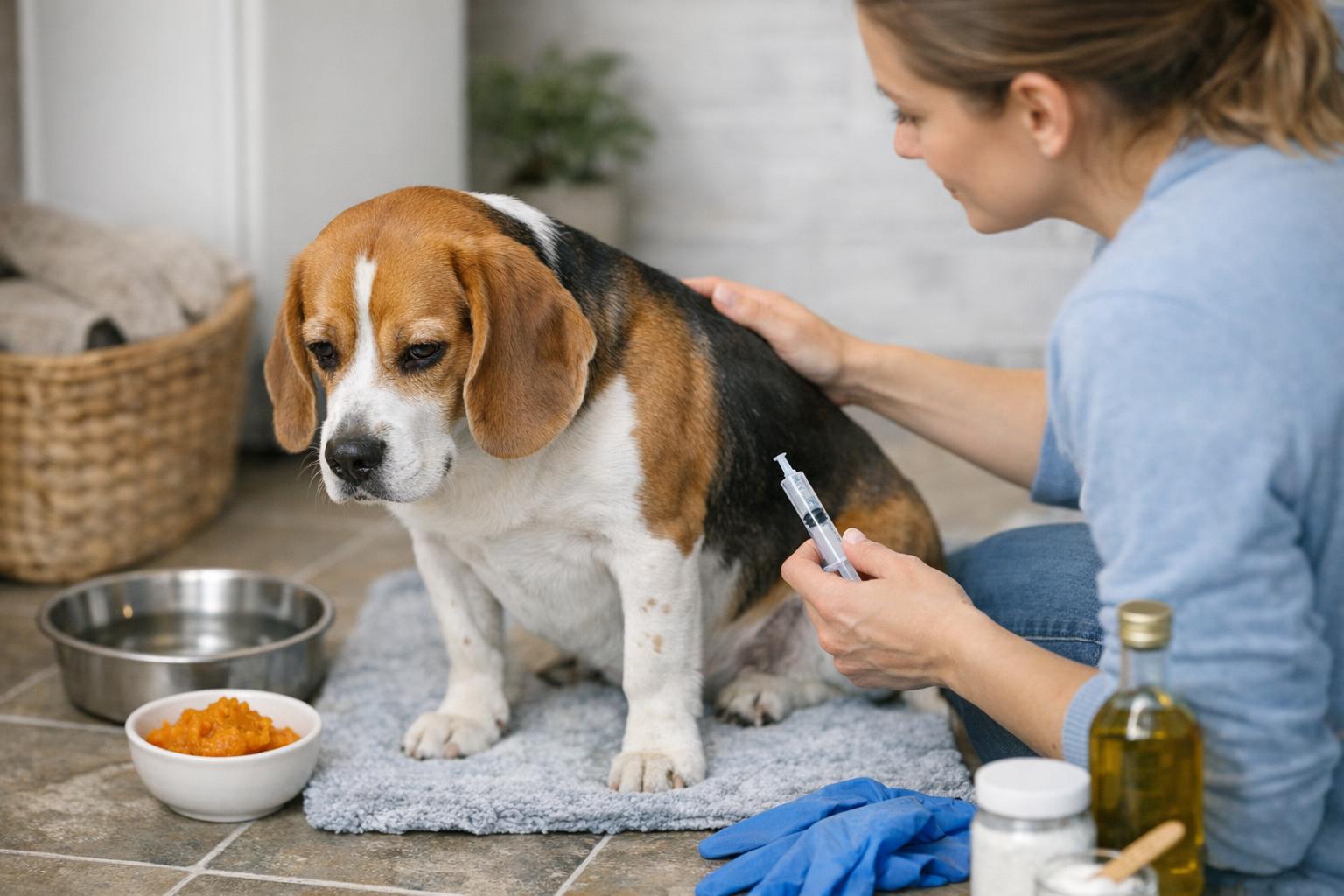
2. Introduce plain canned pumpkin at 1 teaspoon per 10 lbs of body weight once or twice daily for small dogs; up to 1–2 tablespoons for medium/large dogs. Pumpkin adds soluble fiber to regulate digestion.
3. Transition to a limited-ingredient or novel-protein diet over 5–7 days, mixing increasing amounts of the new food with the old to avoid sudden changes.
4. Continue to log symptoms. If gas improves within 7–14 days, maintain the new regimen for a month to confirm results.
5. If gas persists or stool becomes abnormal, stop pumpkin and consult your vet. Pumpkin is generally safe short-term but may not address all issues.
This dietary protocol is a conservative, evidence-informed approach to reducing fermentable substrate in the gut and supporting regular bowel function.
### Food Intolerance Testing
If the pumpkin and diet swap reduce symptoms but don’t eliminate them, consider a trial elimination of common offenders: dairy, wheat, soy, and beef. Remove one at a time for 2–3 weeks under vet guidance to identify triggers.
## Remedy 3: Probiotic And Digestive Enzyme Support
When the problem is microbiome imbalance or incomplete digestion, targeted supplements can be helpful.
Ingredients / Materials:
1. Vet-recommended canine probiotic (CFU count and strains labeled).
2. Digestive enzyme supplement formulated for dogs.
3. A calendar or reminder to track dosing.
Step-By-Step Creation And Application:
1. Consult with your veterinarian to choose a probiotic that lists strains and colony-forming units (CFU) suitable for dogs. Human probiotics aren’t always ideal.
2. Start probiotics at the manufacturer’s recommended dosage for your dog’s weight. Administer with food to improve survival through the stomach.
3. Add a digestive enzyme supplement if your dog shows signs of incomplete digestion (undigested kibble in stool, greasy stools). Follow label dosing and give at the start of meals.
4. Maintain supplementation for 4–8 weeks while monitoring stool quality and gas frequency. Keep a log to assess efficacy.
5. If improvement occurs, consult your vet about tapering or maintenance dosing. If no improvement, stop and reassess with professional guidance.
These interventions directly support digestive processes. Use only veterinary-approved formulations and keep medication history in mind (e.g., recent antibiotics can change needs).
### Natural Carminatives For Short-Term Relief
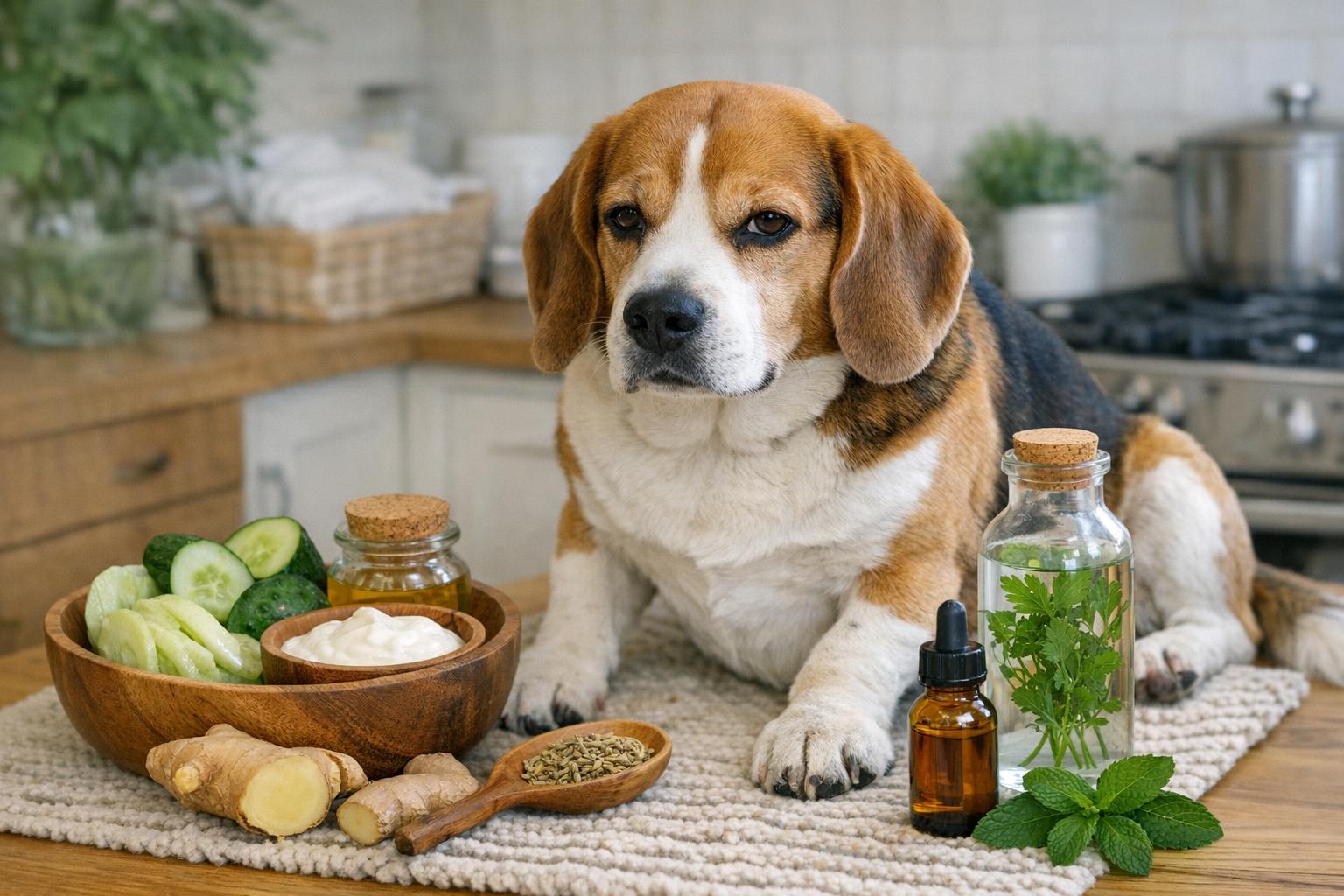
Ginger in small amounts can reduce gas and nausea in dogs. Always speak with your vet before introducing herbs.
Suggested Use (Formal Guidance):
– Fresh ginger: 1/8 to 1/4 teaspoon for small dogs; up to 1/2 teaspoon for larger dogs, once daily, mixed into food. Start with the smallest amount and watch for adverse reactions. Discontinue if vomiting or increased diarrhea occurs.
## Preventive Habits And Home Management
If my dog keeps farting intermittently, consistent habits reduce recurrence.
### Daily Routine Adjustments
Feed at regular times, use quality food, avoid table scraps, and supervise for scavenging when outside. Maintain healthy weight through portion control and exercise.
### Environmental Considerations
Swap plastic bowls for ceramic or stainless steel to prevent bacterial growth that might upset digestion. Clean bowls daily.
#### Keeping A Food And Symptom Diary
Document meals, treats, new foods, and times of flatulence. Note stool form, appetite, energy level, and any vomiting. Patterns often reveal the culprit.
## When To Seek Veterinary Tests
If symptoms persist despite dietary changes, slow-feeding, probiotics, and pumpkin, your vet may recommend stool testing for parasites, abdominal imaging, bloodwork for organ function, or allergy testing. These diagnostics identify medical causes beyond simple home remedies.
If my dog keeps farting and you notice persistent changes in behavior or stool, schedule a vet visit rather than doubling down on home treatments.
## Safety Notes And Common Mistakes
– Do not give human gas remedies (like simethicone) without veterinarian approval; dosing and safety differ.
– Avoid making multiple changes at once. Introduce one remedy at a time so you can see what helps.
– Homemade diets can be nutritionally unbalanced. If moving to a home-cooked plan, consult a vet or veterinary nutritionist.
If my dog keeps farting after trying the above responsibly, professional help will get to the root cause more quickly than prolonged guessing.
## Quick Troubleshooting Checklist
– Did the problem start after a new brand of food or a treat? Swap back.
– Is the dog eating too fast? Try Remedy 1.
– Are stools normal? If yes, probiotics or pumpkin may help.
– Are there systemic signs (vomiting, lethargy, weight loss)? See a vet.
If my dog keeps farting and you need help choosing a probiotic or diet, gather your dog’s medical records and recent diet list before your appointment to make the consultation brief and productive.

Leave a Reply