

If your pup is straining, producing small hard stools, or just seems uncomfortable, you’re in the right place. Let’s walk through practical, safe, natural ways to ease your dog’s constipation at home — with a relaxed vibe, a little kindness, and a tiny joke or two (dogs don’t read long articles anyway).
## How Do You Help A Dog With Constipation Naturally At Home?
Knowing how do you help a dog with constipation begins with observation. Constipation in dogs shows up as infrequent bowel movements, dry or hard stools, difficulty or pain when defecating, and sometimes licking at the rear or decreased appetite. The first step is to recognize the signs and rule out serious causes: ingestion of foreign objects, neurological issues, or systemic illness. When you’re confident this is a simple, short-term case, there are several safe home approaches you can try.
### Common Signs And Causes
Dogs may become constipated because of low water intake, low-fiber diets, ingestion of bones or hair, lack of exercise, certain medications, or underlying medical conditions like hypothyroidism or spinal problems. Small breed dogs and older dogs are more prone to slow gut motility. If your dog is otherwise bright, eating, and active, home remedies can be effective. If your dog is vomiting, has a painful abdomen, or hasn’t defecated for more than 48 hours, contact a veterinarian immediately.
#### Quick Red Flags To Watch For
– Vomiting or abdominal pain
– Bloody or tarry stool
– Straining for more than 48 hours with no bowel movement
– Lethargy or collapse
If you see any of the above, do not try home remedies — get veterinary care.
## 1. Increase Water Intake And Hydration
When considering how do you help a dog with constipation, hydration is the foundation. Proper hydration softens stool and promotes normal bowel movements. This remedy is safe, effective, and should be the first line of action.
Ingredients/Materials
– Fresh, clean drinking water
– Low-sodium chicken or beef broth (optional)
– Wet (canned) dog food or water-added kibble
– A pet water fountain (optional but helpful)
Step-by-Step Application
1. Replace water bowls with fresh water multiple times a day. Dogs often drink more if their water is clean and cool.
2. Add a small amount (1–2 tablespoons for small dogs, up to 1/4 cup for large dogs) of low-sodium broth to the water or pour over kibble to encourage drinking and moisture intake. Ensure no onion or garlic in the broth.
3. Switch to wet food for 48–72 hours or mix warm water into dry kibble to increase water in the diet: about one part water to one part food.
4. Consider a pet water fountain; moving water entices many dogs to drink more.
5. Monitor urine output and stool consistency daily. Increased water should gradually soften stools within 24–72 hours.
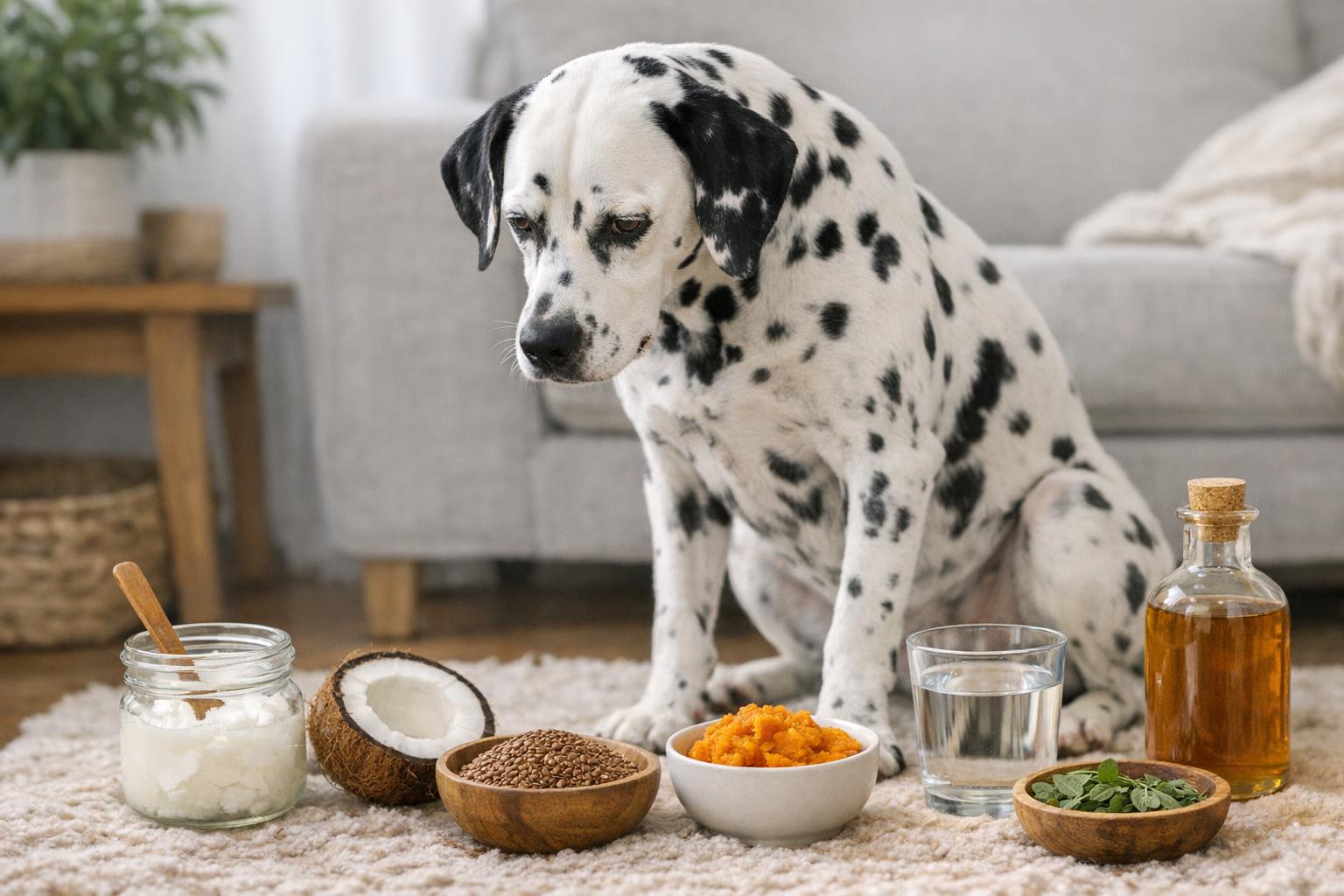
## 2. Dietary Fiber Boost With Pumpkin And Greens
Another answer to how do you help a dog with constipation is to increase soluble fiber, which helps retain water in the stool and promotes movement. Canned plain pumpkin is a time-tested, safe choice. Be formal here: follow safe dosages and monitor for changes.
Ingredients/Materials
– Canned plain pumpkin (not pumpkin pie filling)
– Cooked, plain green beans or spinach (optional)
– Plain canned low-fat pumpkin or a veterinary fiber supplement (if recommended by your vet)
Step-by-Step Creation And Application
1. Dosage: For small dogs (under 15 lb): 1/2 teaspoon to 1 teaspoon per meal. For medium dogs (15–30 lb): 1 teaspoon to 1 tablespoon per meal. For large dogs (over 30 lb): 1–2 tablespoons per meal. Give with food twice daily for up to 72 hours.
2. Mix the pumpkin thoroughly into your dog’s regular food. Start with the lower dose and increase if needed while watching for diarrhea (a sign to reduce or stop).
3. If using green beans or spinach, chop finely and mix in small amounts (no more than 10–15% of the total meal) to add bulk fiber without sudden diet change.
4. If constipation persists beyond 72 hours or if you see abdominal pain or vomiting, stop and consult a veterinarian.
## 3. Gentle Abdominal Massage, Exercise, And Safe Oils
For more persistent cases, how do you help a dog with constipation at home without causing harm? Combine gentle mechanical stimulation (massage and movement) with small amounts of safe dietary oils to lubricate the colon.
Ingredients/Materials
– Clean hands and a warm towel
– 100% pure olive oil or coconut oil (food grade)
– A leash for controlled walks
Step-by-Step Creation And Application
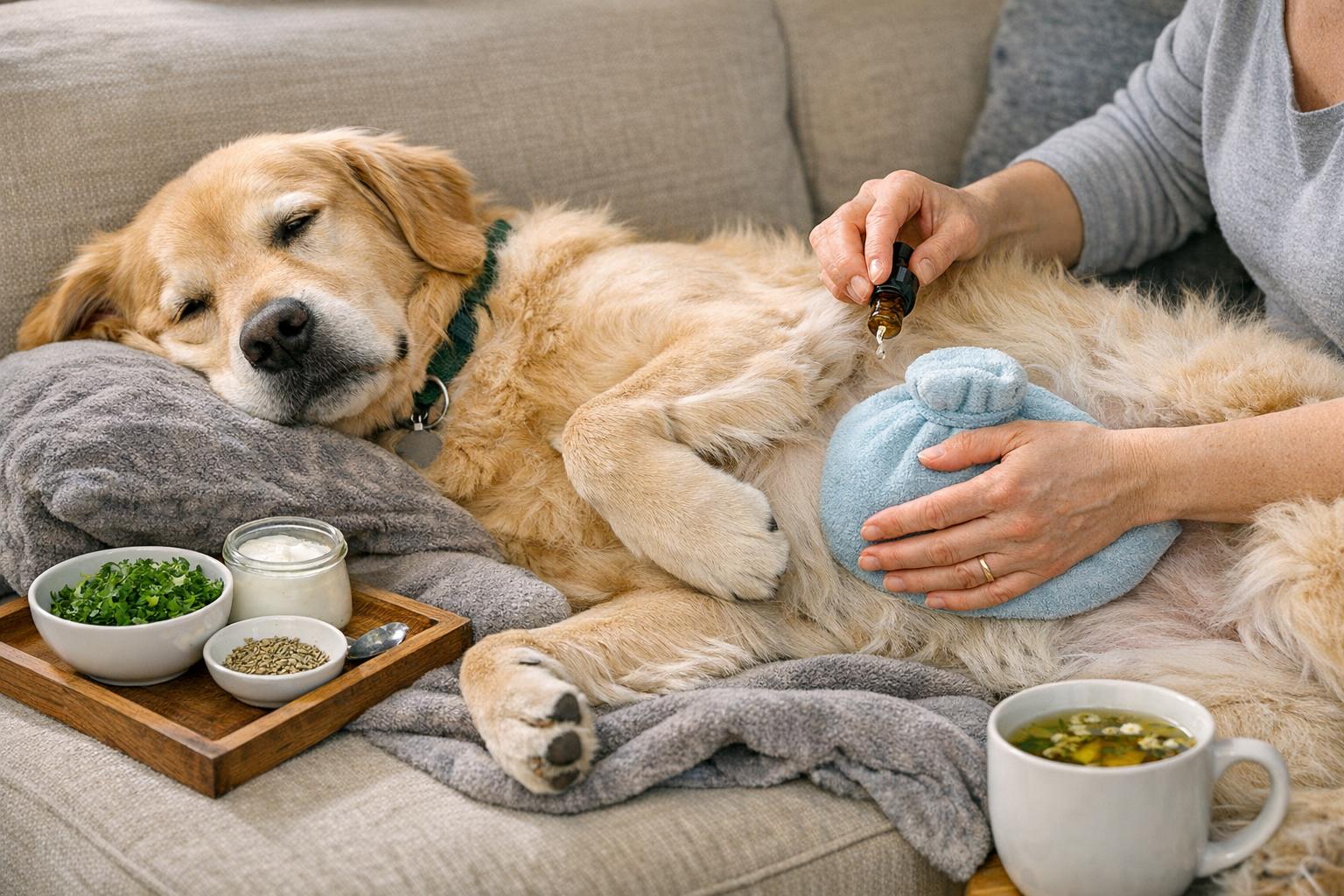
1. Massage Technique: Have your dog lie on its side. Using gentle, circular motions with the flat of your hand, massage the abdomen clockwise (following intestinal direction). Do this for 3–5 minutes, once or twice daily. Keep pressure light — never force.
2. Exercise: Take your dog for short, regular walks (10–20 minutes, depending on fitness level). Walking stimulates gut motility.
3. Oil Dosage: For small dogs, 1/4 teaspoon of olive oil mixed into food once. For medium dogs, 1/2–1 teaspoon. For large dogs, up to 1 tablespoon. Do not exceed this and do not use mineral oil unless directed by a vet.
4. Monitor: Oils can cause loose stools or vomiting if overdosed. If diarrhea develops, reduce or stop oil and consult your vet.
5. Repeat massage and walks daily for several days while observing stool output.
### Massage Cautions And When To Stop
If your dog shows signs of abdominal pain, aggression when touched, or worsening symptoms, stop the massage immediately and seek veterinary assessment. Do not attempt enemas at home unless specifically instructed and shown how by your veterinarian.
### When To See A Vet
There comes a point where home care is not the right answer. If your dog has not produced a stool in more than 48 hours, has abdominal swelling, severe pain, fever, blood in stool, or vomiting, contact your veterinarian. A professional may need to perform imaging, manual removal of impacted feces, or prescribe medical laxatives such as lactulose or a stool softener appropriate for dogs.
#### Tests And Treatments A Vet Might Use
– Abdominal X-rays or ultrasound to check for obstruction
– Manual removal of impacted stool under sedation
– Prescription stool softeners or laxatives
– IV fluids for dehydration
– Treatment of underlying disease if present
How do you help a dog with constipation safely? If home measures don’t work quickly, the vet will choose the safest, most effective option and avoid risky at-home interventions.
### Extra Tips And Prevention
Preventing constipation is easier than fixing it. Keep regular feeding schedules, provide constant access to fresh water, add a little canned pumpkin if your dog tends toward low-fiber kibble, and maintain a daily exercise routine. Regular grooming for long-haired dogs reduces hair ingestion, and avoiding bones is wise since cooked bones can cause impaction.
Remember: how do you help a dog with constipation is often a combination strategy — hydration, gentle fiber increase, movement, and monitoring. That said, when in doubt, check with your veterinarian before experimenting with human laxatives, enemas, or large oil doses. They’ll thank you (and your dog will be back to zoomies sooner).
Always document what you tried and how long you tried it before calling the vet — it helps them triage and decide the safest next steps. How do you help a dog with constipation? With observation, safe, measured home remedies, and a prompt vet visit when needed — plus patience and maybe a treat or two for cooperation.


Leave a Reply