

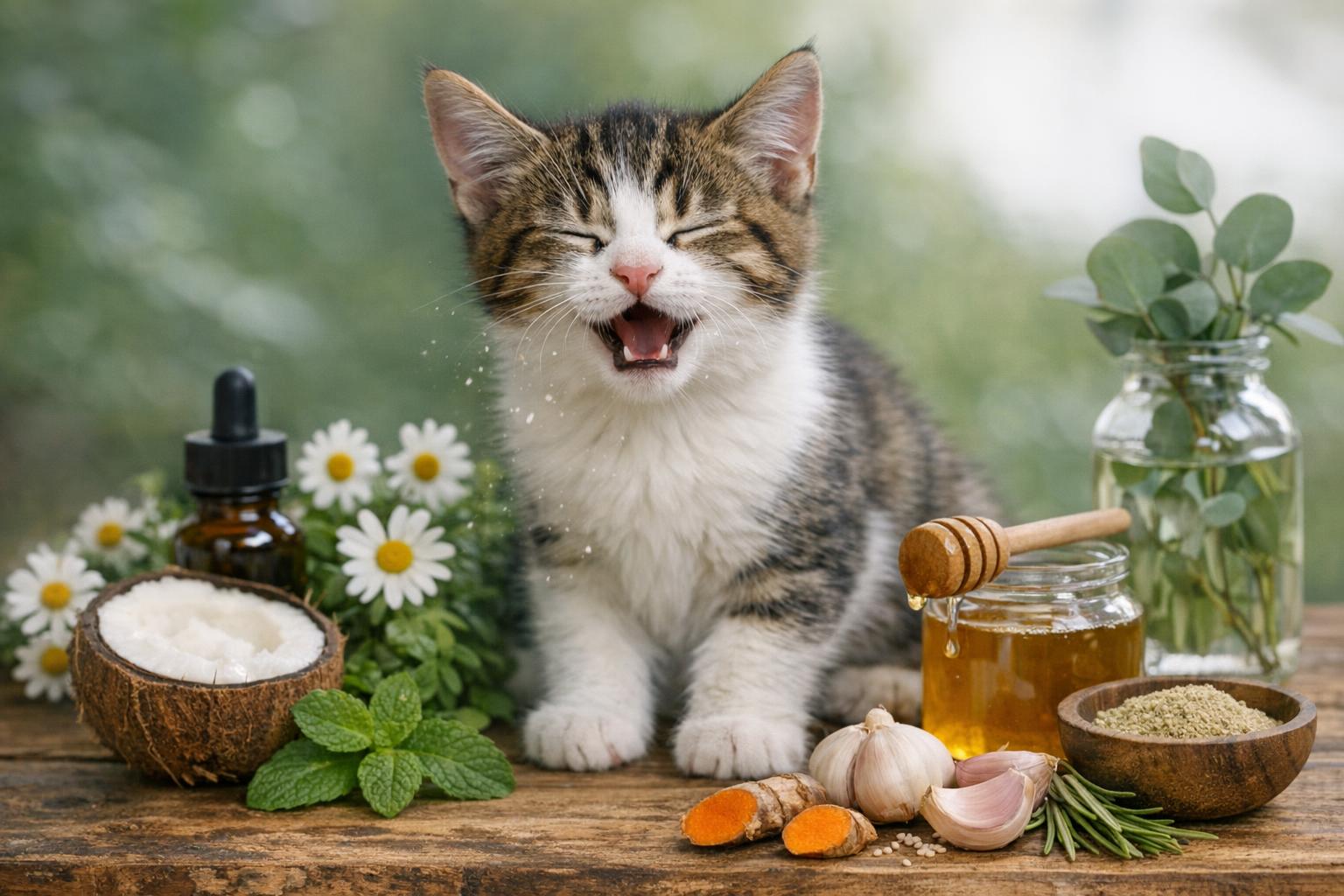
Hello and welcome — if your tiny fur tornado is making more nasal fireworks than usual, you’re in the right place. Sneezing can be as dramatic in a kitten as a soap-opera hiss, but many cases are mild and allergy-related. This article walks through friendly, natural steps to help with sneezing in kittens while keeping things safe, simple, and a little less sniffly for both of you.
## Understanding Sneezing In Kittens
Sneezing in kittens can have several causes: environmental allergens like dust or pollen, irritants (strong cleaning fumes or perfume), mild upper respiratory infections, or even nasal foreign bodies. Kittens’ immune systems are still developing, so their reactions can look outsized compared with adult cats. It’s important to distinguish simple allergen-triggered sneezing from symptoms that need medical attention, such as thick colored discharge, lethargy, loss of appetite, or breathing difficulty.
### Allergies Versus Infection
Allergic sneezing is usually intermittent, often seasonal or triggered by something in the environment. Infectious causes typically come with other signs — fever, eye discharge, or decreased activity. If you suspect allergies, a measured, natural approach can reduce exposure and soothe the nasal passages without heavy medications.
## 3 Natural Remedies For Allergy Friendly Relief
Below are three carefully described, allergy-friendly remedies that are commonly used to help reduce sneezing in kittens. Each remedy includes ingredients or materials and a formal, step-by-step application. Use these as supportive care and always prioritize safety and gentle handling.
### 1. Gentle Saline Nasal Rinse
This is a primary, evidence-based supportive measure that can help clear allergens and mucus from the kitten’s nasal passages.
#### Ingredients Or Required Materials
– Sterile saline solution (0.9% sodium chloride) from a pharmacy, or homemade saline prepared exactly as described below
– Small syringe (without a needle) or sterile dropper
– Clean towel
– Quiet room with minimal drafts
If making saline at home (only if you cannot obtain sterile saline):
– 1 cup boiled water (cooled to lukewarm)
– 1/4 teaspoon non-iodized salt
Sterilize water by boiling for 5 minutes, cool completely before using.
#### Step-By-Step Creation And Application
1. Prepare the saline: if using pharmacy saline, confirm it is unopened and within use date. If homemade, mix cooled boiled water with salt until dissolved and let it reach a warm-but-not-hot temperature.
2. Position the kitten: wrap the kitten gently in a towel to restrain paws and reduce stress. Keep head upright but not forced.
3. Administer saline: fill the syringe or dropper with saline. Gently place a drop at the outer edge of a nostril — allow the kitten to inhale naturally. Use 1–2 drops per nostril for very young kittens, up to 3–4 drops for larger kittens.
4. Allow sneezing and clearing: the goal is to loosen and flush debris. Do not force fluid deep into the nose; the kitten’s natural inhalation will draw in what’s needed.
5. Clean up: wipe away discharge with a soft, damp cloth. Offer quiet comfort and a treat if appropriate.
Notes: This procedure should be done no more than twice daily unless advised by a veterinarian. Always monitor for stress or difficulty breathing; stop if the kitten becomes distressed.
### 2. Steam And Humidification For Congestion
Controlled humidification can reduce irritation from dry air and help loosen mucus, decreasing the frequency of sneezing in kittens. This method should be applied conservatively and safely.
#### Ingredients Or Required Materials
– Humidifier (cool-mist preferred) or steam source (heat-safe bowl with warm water)
– Chamomile or plain steam option (optional, see safety note)
– Thermometer to ensure room temperature is comfortable
– Timer
#### Step-By-Step Creation And Application
1. Choose a method: a cool-mist humidifier is the safest option to increase ambient humidity. If using steam, prepare a bowl of warm water — do not use boiling water.
2. Set up the environment: place the humidifier in the kitten’s resting area, ensuring it is stable and out of reach. If using a bowl of water, place it on a low, stable surface where the kitten can benefit from the vapor but cannot access the water.
3. Optional gentle steam: for short sessions, steep a tea bag of plain chamomile (no additives) in warm water, remove the bag, and allow the steam to dissipate into the room. Do not expose the kitten to concentrated aromatic steam; some cats are sensitive.
4. Session timing: run the humidifier for 20–30 minutes while supervising. For steam bowl, limit exposure to 5–10 minutes and keep the kitten at a safe distance.
5. Monitor: observe for signs of comfort or stress. Discontinue if the kitten coughs, shows increased respiratory effort, or otherwise seems uncomfortable.
Formal caution: Never use essential oils around kittens — many are toxic. Avoid hot steam and direct vapors that could cause burns or overwhelming irritation.
### 3. Allergen Reduction Plan And Gentle Herbal Support
This remedy focuses on reducing environmental triggers and providing mild, safe supportive options to help the kitten’s immune system cope.
#### Ingredients Or Required Materials
– HEPA air purifier (appropriate for the room size)
– Low-dust, unscented litter
– Fragrance-free, hypoallergenic laundry detergent
– Clean, washable bedding
– Veterinarian-recommended kitten probiotic or omega-3 supplement (confirm safety for kittens)
– Optional: dried chamomile sachets kept away from direct access (for room freshness only)
#### Step-By-Step Creation And Application
1. Identify common triggers: check for strong cleaning chemicals, cigarette smoke, scented candles, or perfumed sprays in the kitten’s usual areas. Remove or minimize these immediately.
2. Improve air quality: run a HEPA air purifier in the primary room where the kitten spends time. Replace filters per manufacturer instructions.
3. Change litter and laundry products: switch to low-dust, unscented litter and wash all bedding with fragrance-free detergent. Maintain a weekly bedding wash routine.
4. Provide safe supplements: consult your veterinarian about a kitten-appropriate probiotic or fish-oil derived omega-3 supplement; if approved, administer as directed. Supplements are an adjunct to reduce general inflammation and support mucosal health rather than immediate anti-allergy cures.
5. Create a calm, allergen-free zone: set up a dedicated sleeping area with machine-washable blankets and limited access to windows during high-pollen times. Keep this area off-limits for high-dust activities like sweeping or dusting.
6. Observe and adapt: record changes in sneezing frequency and any patterns tied to household activities. Reducing exposure often produces meaningful improvements within days to weeks.
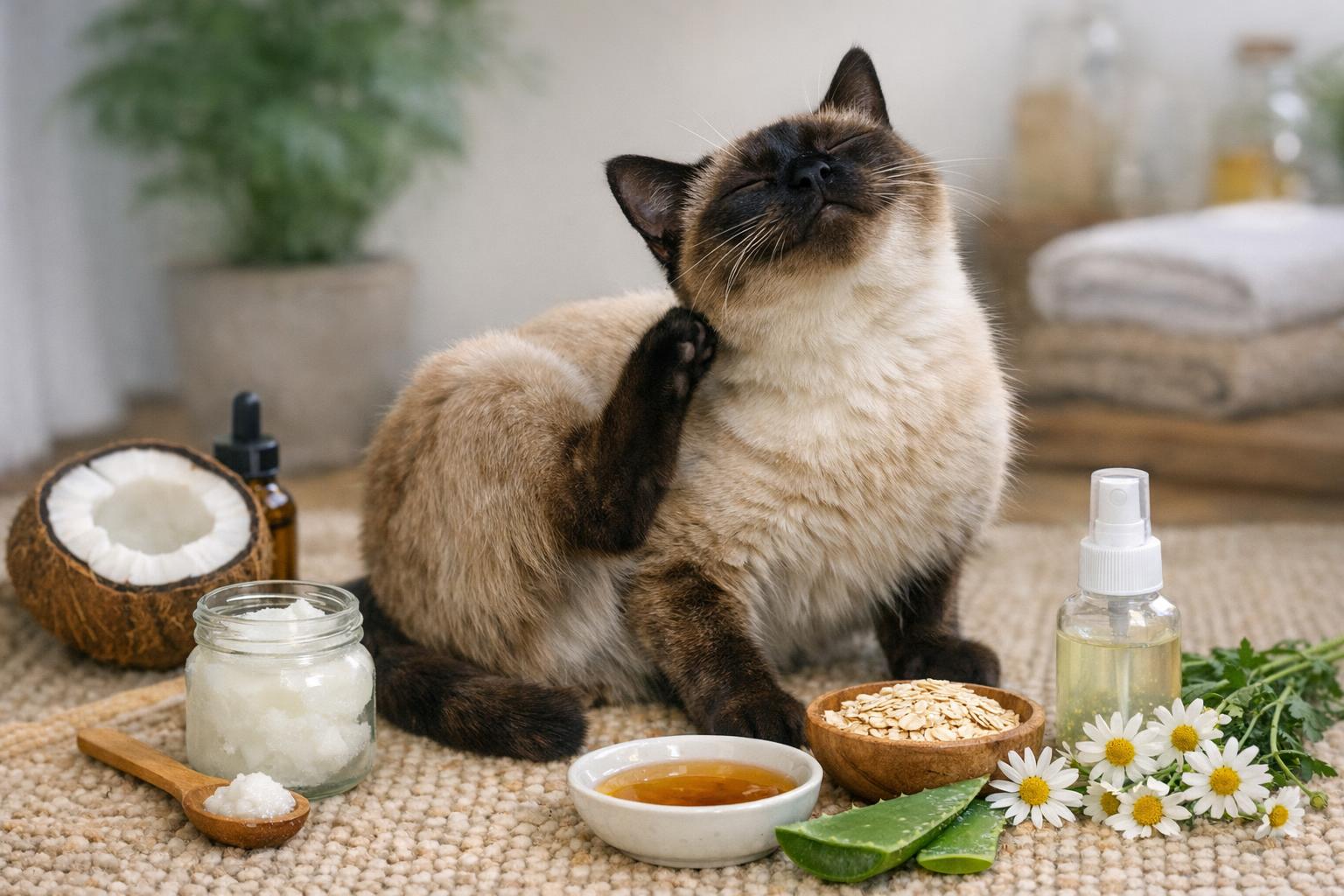
Formal note: Herbal remedies should be used with extreme caution in kittens. Most essential oils, concentrated herbal extracts, and many human over-the-counter treatments are unsafe. Only use mild chamomile as a room steam adjunct or consult your vet before oral/herbal administration.
## When To See A Veterinarian
While many cases of mild sneezing in kittens respond to the measures above, seek veterinary care promptly if you notice any of the following:
– Persistent sneezing beyond a few days or worsening symptoms
– Thick, colored nasal or eye discharge
– Labored breathing, wheezing, or open-mouth breathing
– Lack of appetite, vomiting, or lethargy
– Sudden onset of symptoms in multiple kittens (possible infectious outbreak)
Your veterinarian can perform a physical exam, recommend diagnostics (such as nasal swabs or imaging if needed), prescribe appropriate medications, and advise on safe, kitten-specific supplements or environmental strategies.
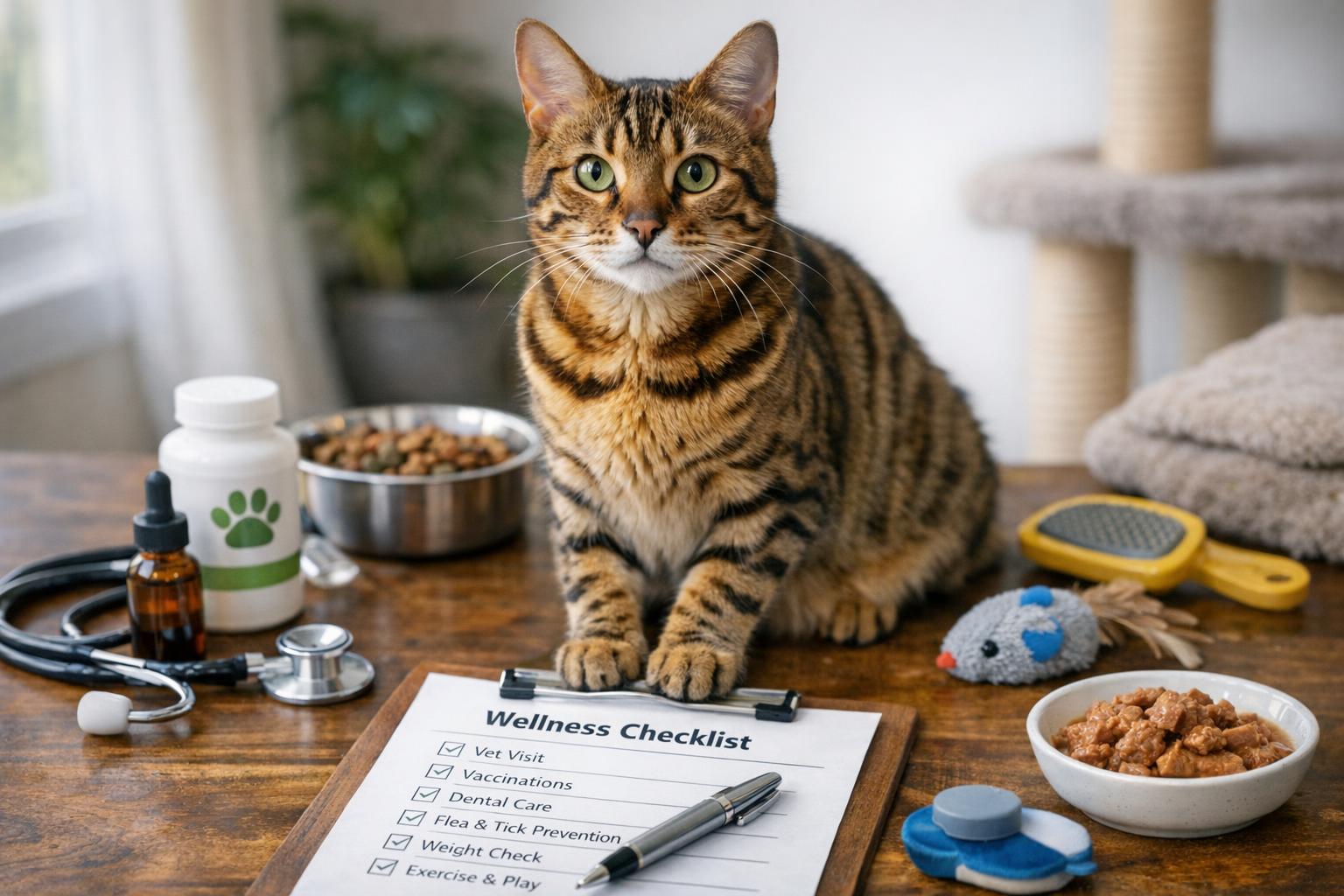
If you try the supportive remedies above, keep a log of when sneezing occurs and any changes you make. That information can be very helpful for a vet visit and can speed up accurate diagnosis and targeted treatment.
(End of article — follow up with your veterinarian for personalized care and to confirm any supplement or technique before regular use.)






Leave a Reply