





Algae isn’t a sign you’ve failed at fishkeeping. It’s just biology in motion. The trick is to stop it from taking over the glass, decorations, and plants so your tank actually looks like the hobby you signed up for.
## Aquarium Algae Control Tips For Practical Results
Start with predictable habits. A clear tank is mostly about routines you can stick to: predictable light, consistent water changes, and feeding that doesn’t leave leftovers to rot. These aquarium algae control tips aren’t magic; they’re small, repeatable decisions that add up fast.
### Understand Why Algae Shows Up
Algae grows when it has light and nutrients. Too much of either and you’ll see green fuzz, brown dust, or slimy patches. Lighting is the obvious lever: more light equals faster photosynthesis. Nutrients are less obvious because they hide in fish waste, uneaten food, and decaying plant matter. Even a finely filtered tank can accumulate nitrates and phosphates if you don’t do regular maintenance.
Think of algae as the symptom, not the disease. Fix the cause and the symptom recedes. That’s the baseline of good algae control and solid algae management.
### Get Lighting Right
Most community tanks do fine with 6 to 8 hours of light a day. Too long and you feed algae. Too intense and plant leaves can scorch, leaving nutrients in the water for algae. If you’re using LEDs, set a timer. It’s cheap and stops “I left the light on” from becoming the problem.
If you have live plants, aim for a balance: medium light for hardy stems and foreground plants, stronger light only when you’re ready to manage CO2 and dosing. Replace bulbs yearly if they’re old fluorescents; LEDs are stable but still drift after a couple of years. A simple test: if your plants look leggy and pale or algae starts showing when you’ve raised the light, cut back.
### Control Feeding And Nutrients
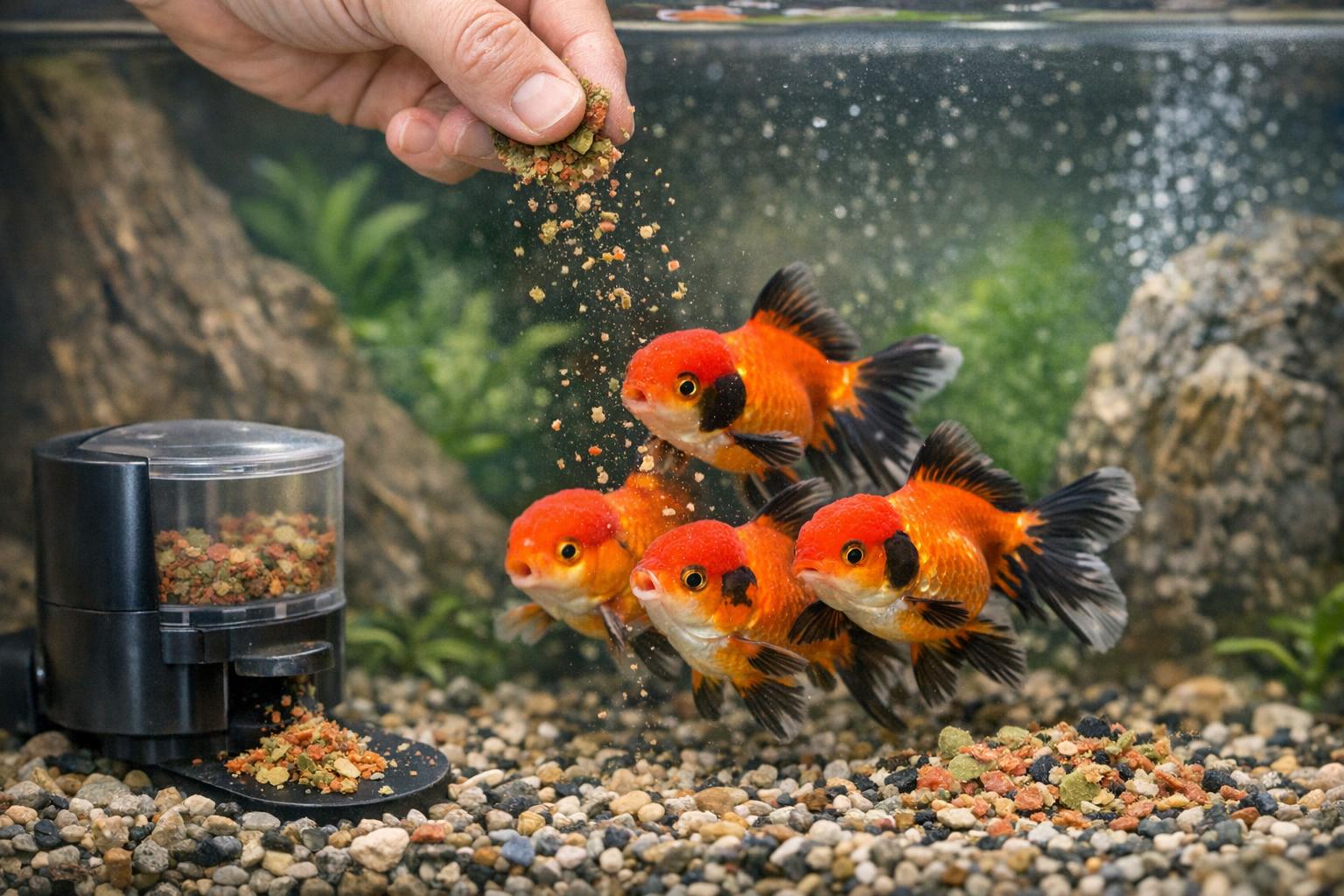
Overfeeding is the number one avoidable cause of algae. A common rule I use: feed what your fish can eat within two minutes, once or twice a day depending on species. Slow down the automatic feeder settings until you see no leftovers.
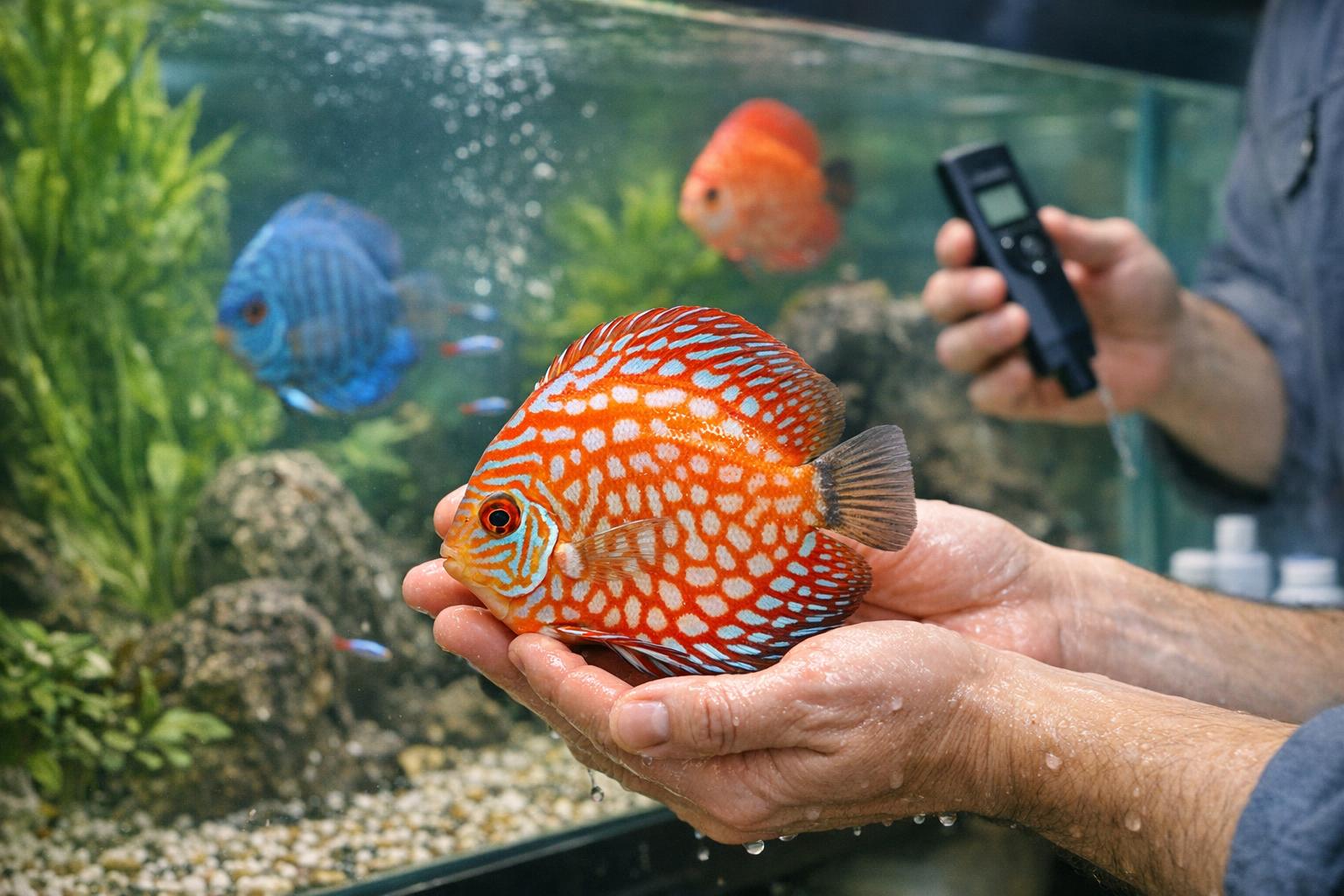
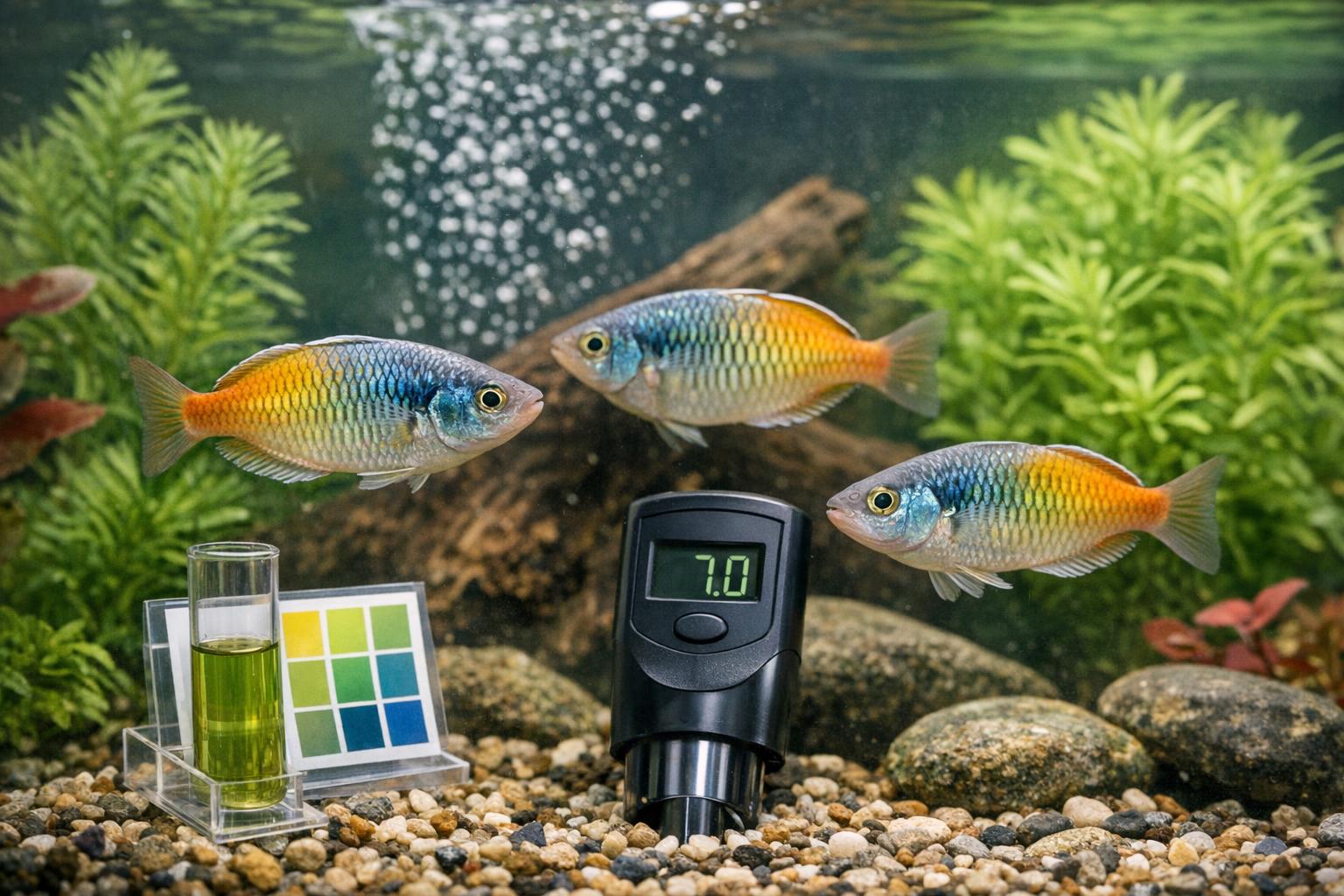
Test nitrates and phosphates once a month. If nitrates are consistently above 20–40 ppm in a planted tank, schedule more frequent water changes. Phosphate can be trickier because it comes from tap water or additives. If phosphate is high, a phosphate resin in the filter or a small drift algae trap can help.
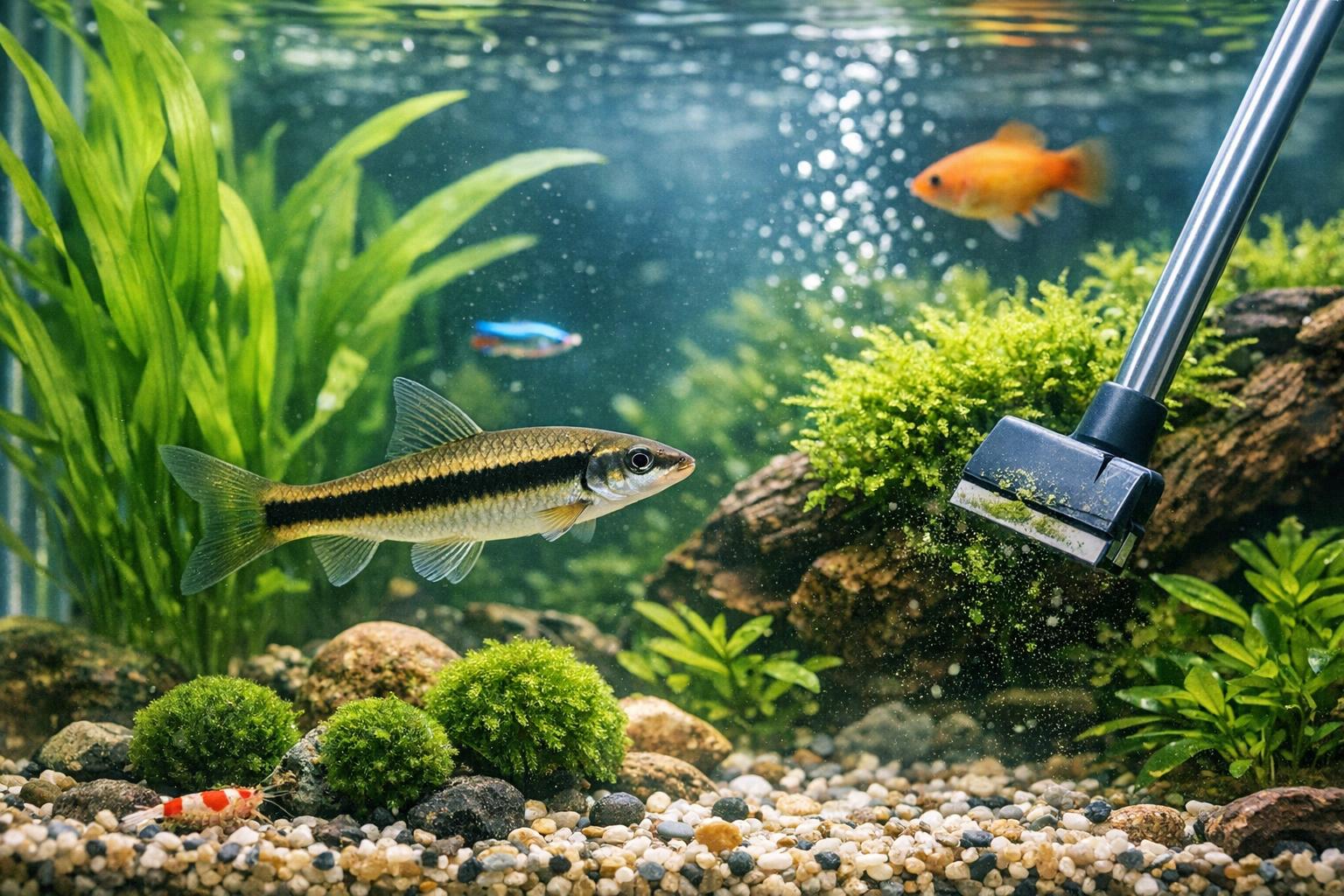
Add snails and shrimp carefully; they help clean but they don’t replace water changes. A Nerite snail will graze algae on glass and decorations, Amano shrimp will pick at soft algae on plants. They’re helpers, not a cure-all.
### Weekly And Monthly Tasks For Real Results
Do the simple things consistently. A short task list you can actually keep is better than an elaborate regimen you’ll ignore.
– Weekly: 20–30% water change, siphon substrate, clean the glass with a scraper.
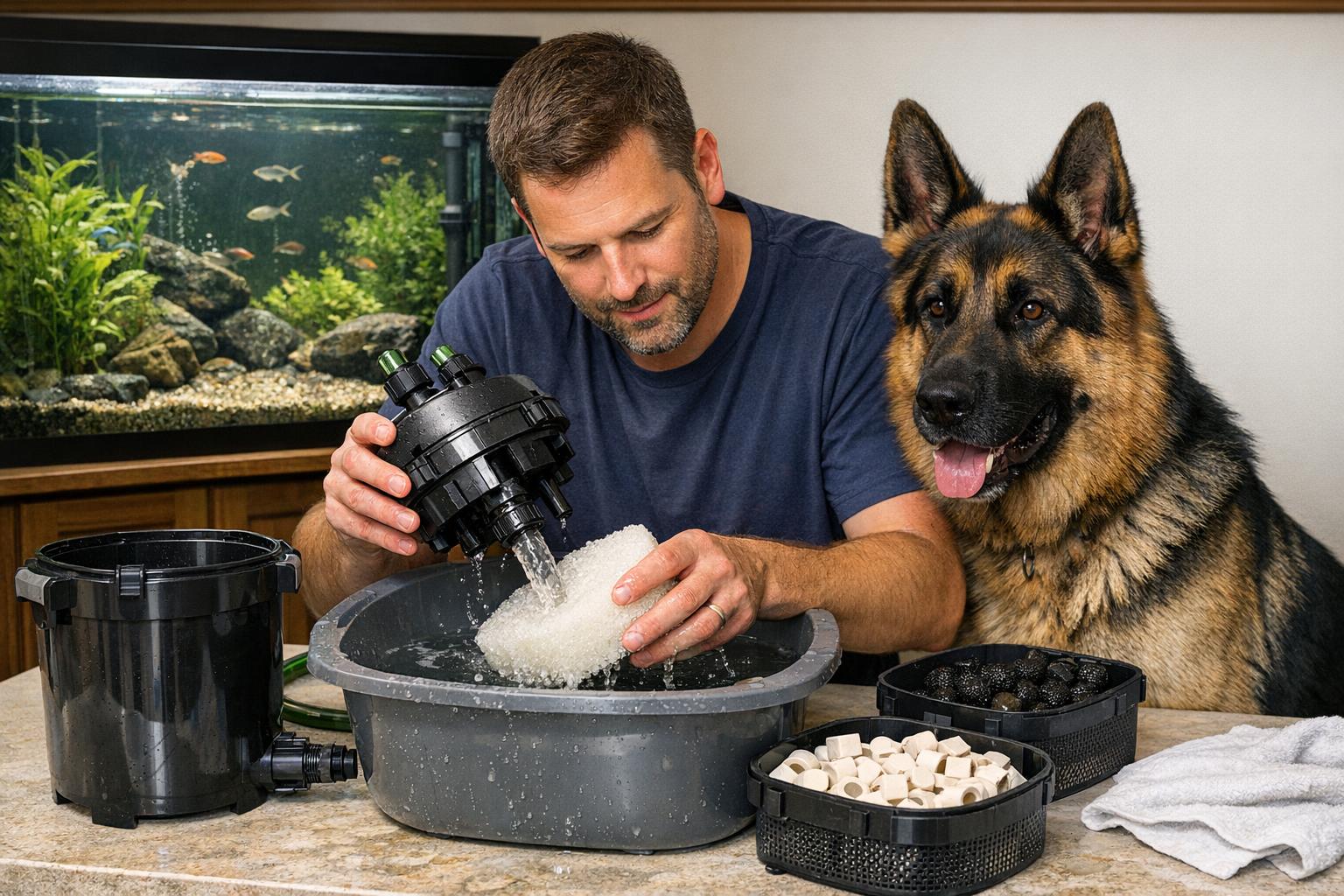
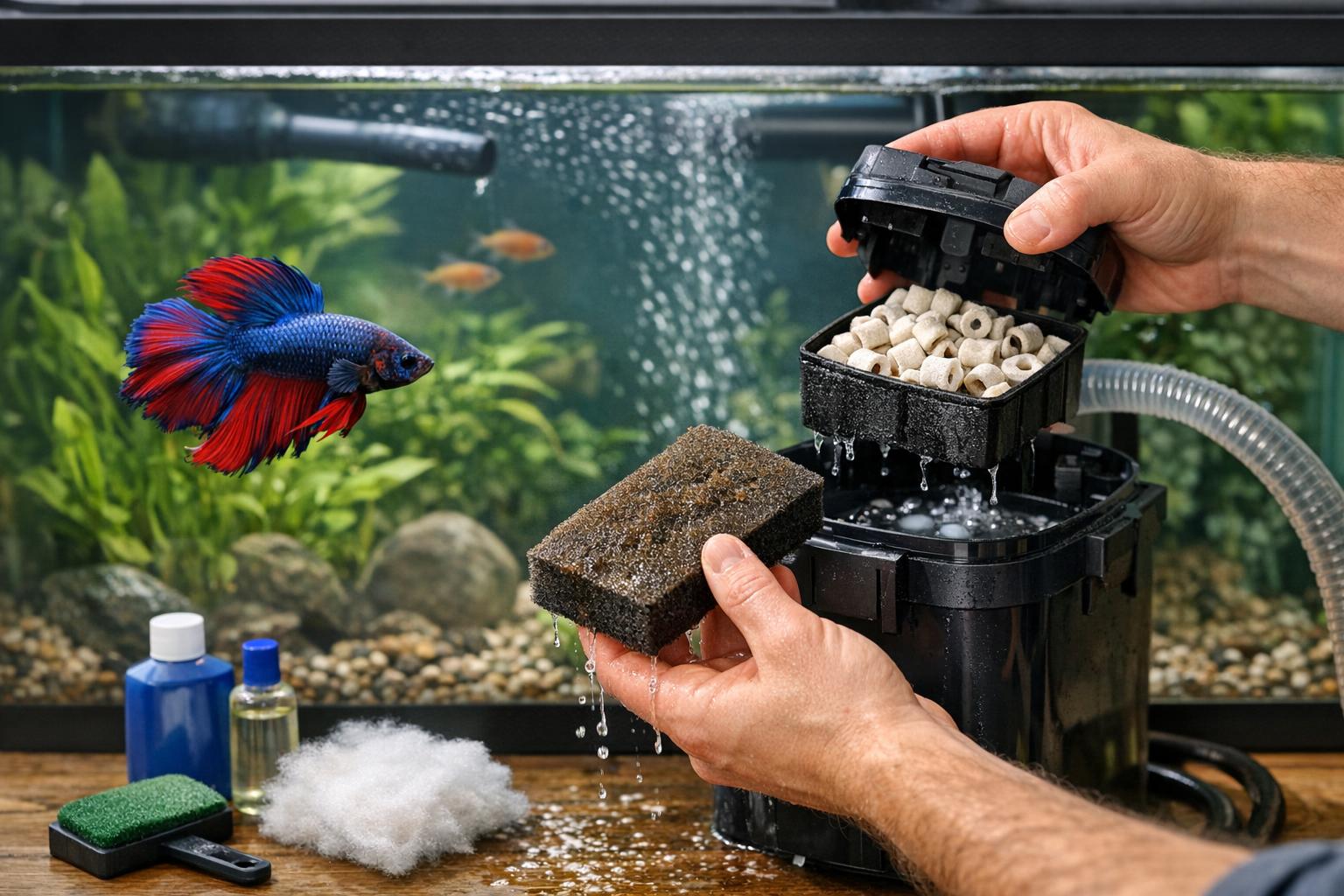
– Biweekly: Rinse filter media in tank water (not tap water) and check equipment for algae buildup.
– Monthly: Test water, trim dead plant material, and deep-clean decorations as needed.
These are practical algae management habits. They lower nutrient levels and physically remove algae before it becomes a problem.
#### Simple Steps When You Spot a Bloom
If you get a flare-up: reduce light by a couple of hours, do a 30–50% water change, and manually remove as much as you can. Move affected plants to a bucket with tank water to clean them more thoroughly. Consider a temporary 24–48 hour blackout for severe green water blooms, but be cautious with delicate plants and livestock.
### Use Plants To Your Advantage
Live plants are one of the most effective tools in algae control. Fast-growing stem plants like Hygrophila or Rotala outcompete algae for nutrients. Floating plants, such as duckweed or water lettuce, reduce light hitting the lower levels and cut down photosynthesis for algae.
When you have a thick carpet or many plants, algae has less opportunity because the plants use the nutrients first. That doesn’t mean you can skip maintenance, but it does mean you’ll spend less time scraping glass.
### Choose The Right Clean-Up Crew
Not every algae eater fits every tank. Siamese algae eaters and otocinclus handle some types of algae but require good water and steady food. Nerite snails are fantastic on glass and won’t reproduce in freshwater, which is a bonus if you don’t want a snail explosion. Amano shrimp are fantastic for soft green hair algae but won’t touch staghorn.
Match the species to the algae type and your tank conditions. A clean-up crew is part of algae control, not the full solution.
### When To Use Chemical Helpers
Products like phosphate removers, liquid carbon, or algae control treatments can work short-term. Use them sparingly and know what they do. A phosphate resin in the filter removes dissolved phosphates quickly. Liquid carbon products can knock back soft algae temporarily but can stress sensitive plants and invertebrates if overdosed.
If you choose chemical intervention, read directions and dose conservatively. Track changes to water chemistry. The best chemical help is a stopgap until you fix inputs: light and nutrients.
### Avoid Common Mistakes
Don’t rely on one tactic. People often try a single “fix,” like adding a snail or changing lighting, and expect the tank to stay perfect. It won’t. Also, don’t mistake cloudy green water for glass algae; different causes, different fixes. Green water usually means free-floating algae from excess nutrients and light; glass algae is a surface growth problem you remove physically.
Don’t panic clean. Scrubbing every surface aggressively can kick up debris and stress fish. Work methodically and remove chunks of algae rather than letting it break into fine particles that spread.
### Track What Works
Keep a simple log. Note light hours, water changes, feed amounts, and any product doses. After a month you’ll see patterns. Maybe more light on weekends correlates with a bloom mid-week. Maybe a different brand of fish food caused a phosphate spike. Tracking isn’t glamorous, but it makes your algae management smart instead of guesswork.
A quick example: I had a tank where green dust returned every three weeks. Once I started recording, I realized my tap water had higher phosphate on certain days because of local watering schedules. A small phosphate filter in the line fixed it for months.
### Practical Tools That Help
A good magnetic glass cleaner, an algae scraper blade for stubborn spots, a quality gravel vacuum, and a reliable test kit are all worth buying. Timers for lights and an inexpensive auto top-off for evaporation keep conditions steady. Stability reduces stress and slows algae growth.
Keep spare filter media and check the flow. Low flow zones collect detritus and invite algae. Adjust circulation with a wavemaker or reposition the filter outlet.
One small human note: don’t be afraid to ask for help at a local store, but bring samples and water parameters. Telling someone “my tank is cloudy” without numbers gets you generic advice. Bring actual data and you’ll recieve targeted suggestions.
Treat algae like a maintenance problem, not a chronic crisis. With predictable routines, the right helpers, and occasional fixes, you’ll spend less time scraping and more time enjoying what’s in the tank.





























Leave a Reply