

## Avian Molt Care Guide: Practical Steps For Owners
Molt is messy and noisy and normal. When feathers loosen, your bird will look rough for a while, but that’s not a reason to panic. This avian molt care guide exists to help you tell the ordinary from the dangerous, and to give specific things you can change at home so feathers and skin come back strong.
Feathers grow from living follicles. New shafts — pin feathers — are delicate and full of blood until they unfurl. That detail matters because how you touch, feed, and bathe a bird in molt affects both feather quality and skin health. If you’re focused on bird molt care the right way, you’ll reduce the number of broken feathers, avoid infections, and keep your bird comfortable through what can be a physically demanding season.
### Recognizing Normal Versus Problem Molts
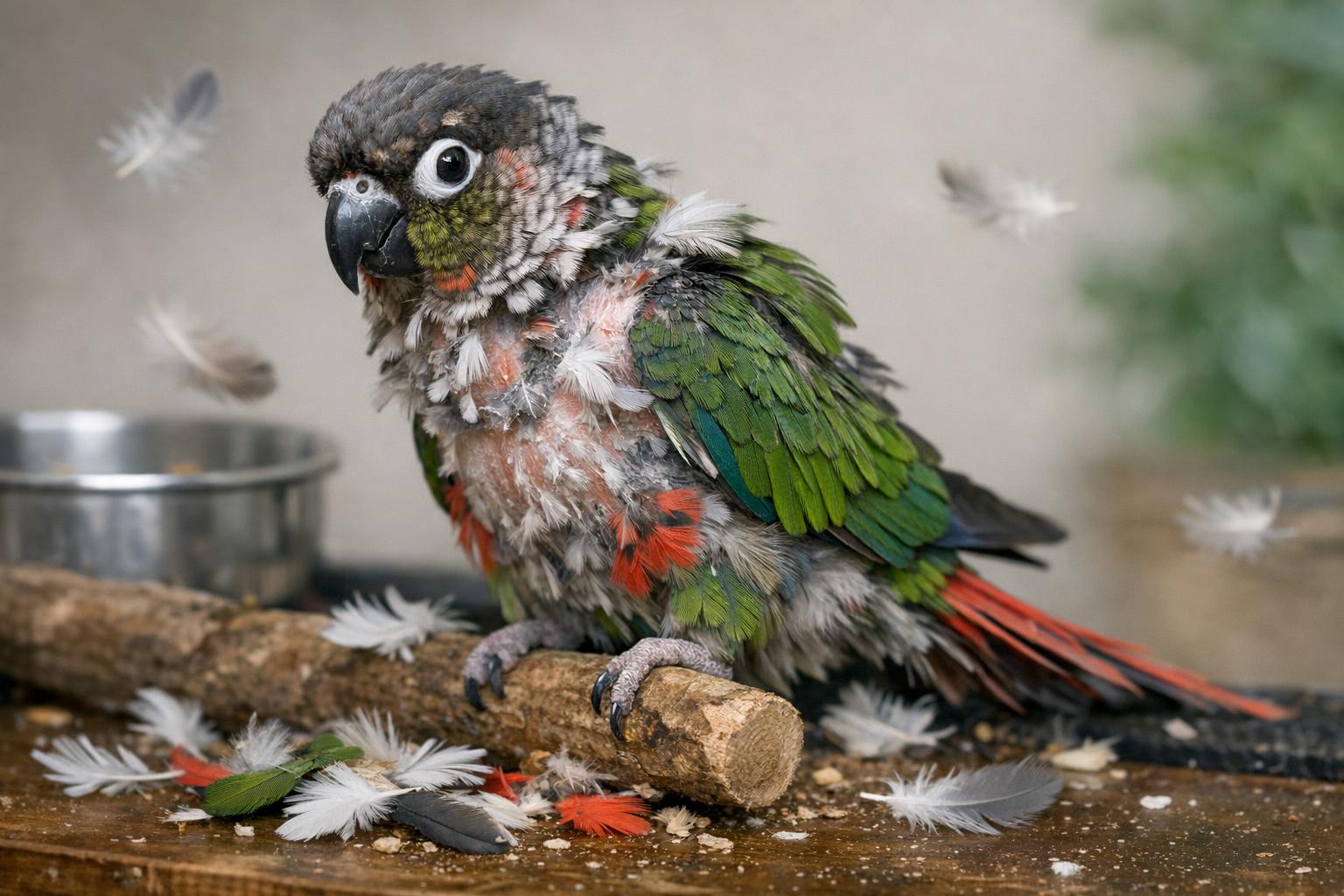
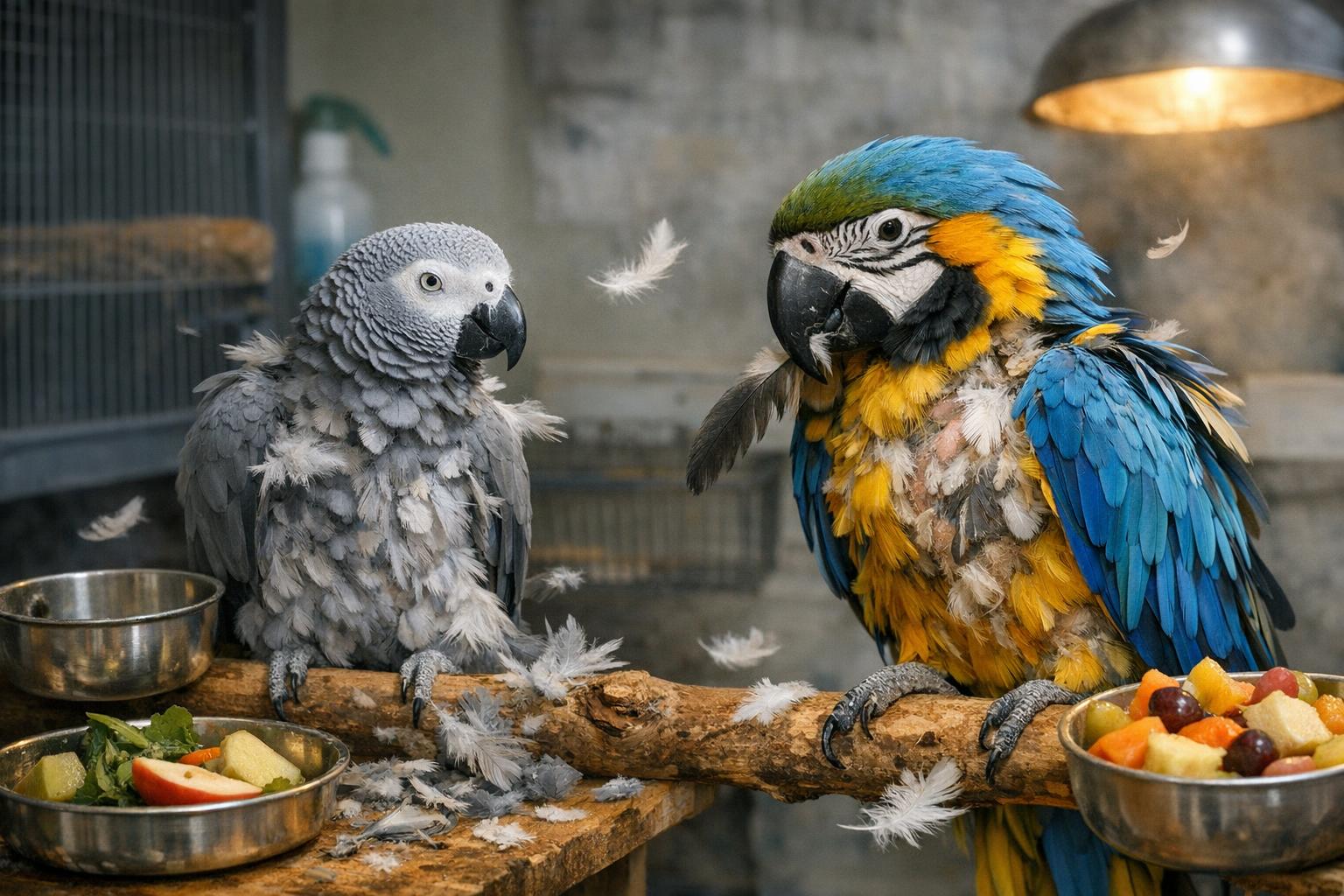
Not every feather loss is the same. A seasonal molt follows a pattern: old feathers shed and new feathers appear over weeks. The bird stays active, eats well, and preens its developing feathers. Compare that with a problematic molt where bald patches are uneven, the skin looks irritated, the bird stops eating, or it suddenly molts outside typical timing.
Look at pin feathers closely. They’re dark or pale rods with a thin sheath. If you see bright red at the base of a center shaft, that’s normal blood supply. If many feathers have broken shafts or the tips are ragged, the bird might be rubbing against cage bars or experiencing stress. This matters because proper bird molt care depends on diagnosing the cause: behavioral, nutritional, parasitic, or medical.
#### Pin Feathers And Skin Health
Pin feathers need space and gentle handling. They can hurt if pressure is applied; a sudden pull can bleed. Avoid cradling the wing tightly during molt and don’t try to speed a feather out. If you must move your bird, support its body with your hand so feathers aren’t pressed against hard surfaces. Keep the coop or cage clean so emerging quills don’t trap dirt that could lead to infection.
### Housing And Environment Adjustments
Small changes to the bird’s environment pay off. Lighting influences molts: inconsistent light cycles can disrupt timing, and overly bright artificial light at night can confuse hormones. Aim for a regular light-dark cycle that resembles natural dawn and dusk for your species.
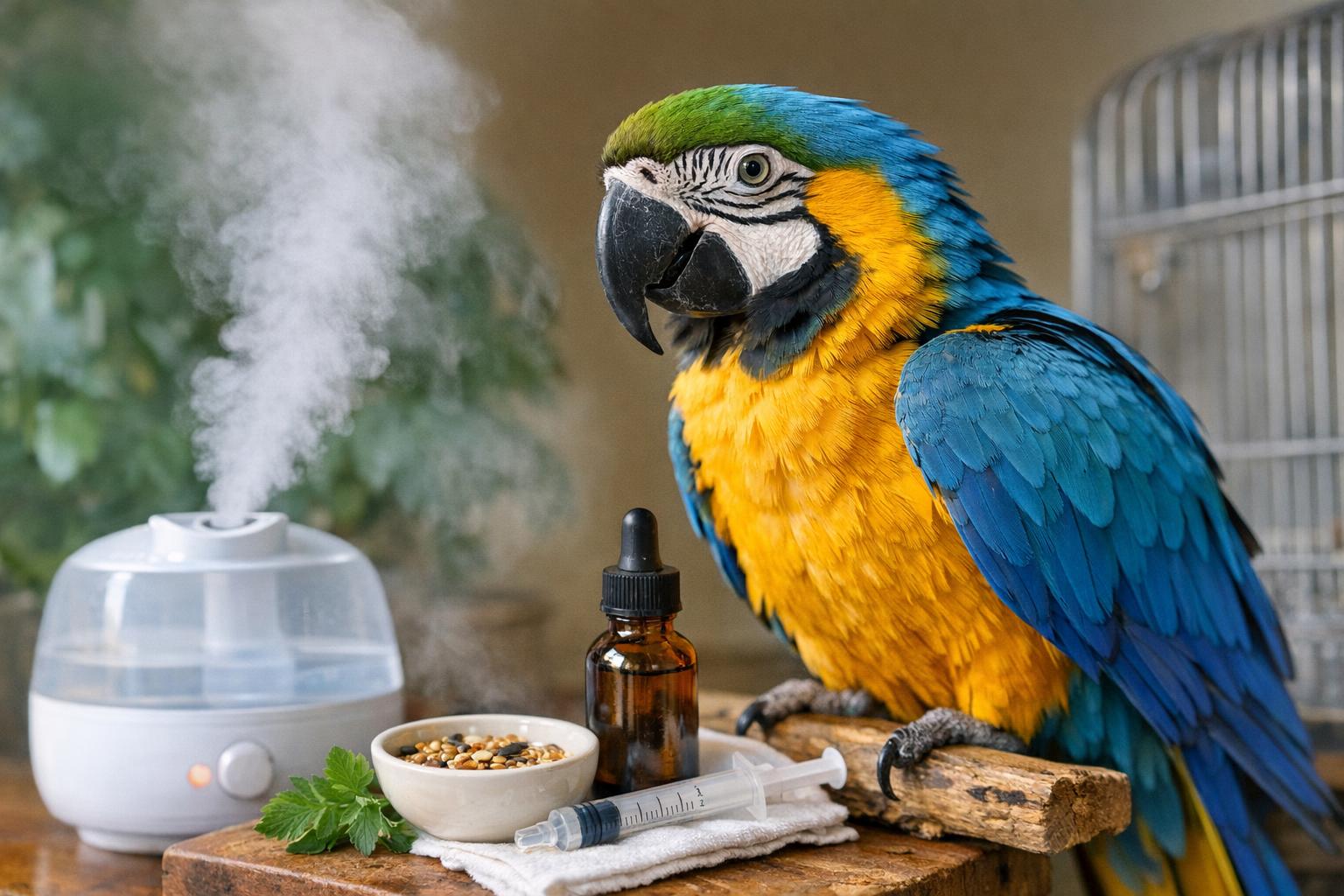
Humidity matters too. In dry indoor air, pin feathers can become brittle and break as they emerge. A simple room humidifier or a shallow water dish near the cage helps. Avoid sudden temperature swings; drafts over a molting bird can slow feather growth. Place perches away from direct vents, and choose perch materials that don’t abrade feathers. For birds that preen obsessively, rearranging perches and adding visual enrichment often reduces frustration.
The avian molt care guide you follow should include minimizing hazards inside the cage during this time: cover sharp toys, check for wire or elastic that can catch feathers, and replace abrasive perches with smoother wood or natural branches.
#### Sleep And Rest Considerations
Molting is energy-intensive. Your bird will need more uninterrupted sleep than usual. Try to reduce loud noises during the night and give the bird an extra hour of darkness if possible. That small buffer helps feather growth and reduces nighttime preening.
### Nutrition Is Not A Luxury
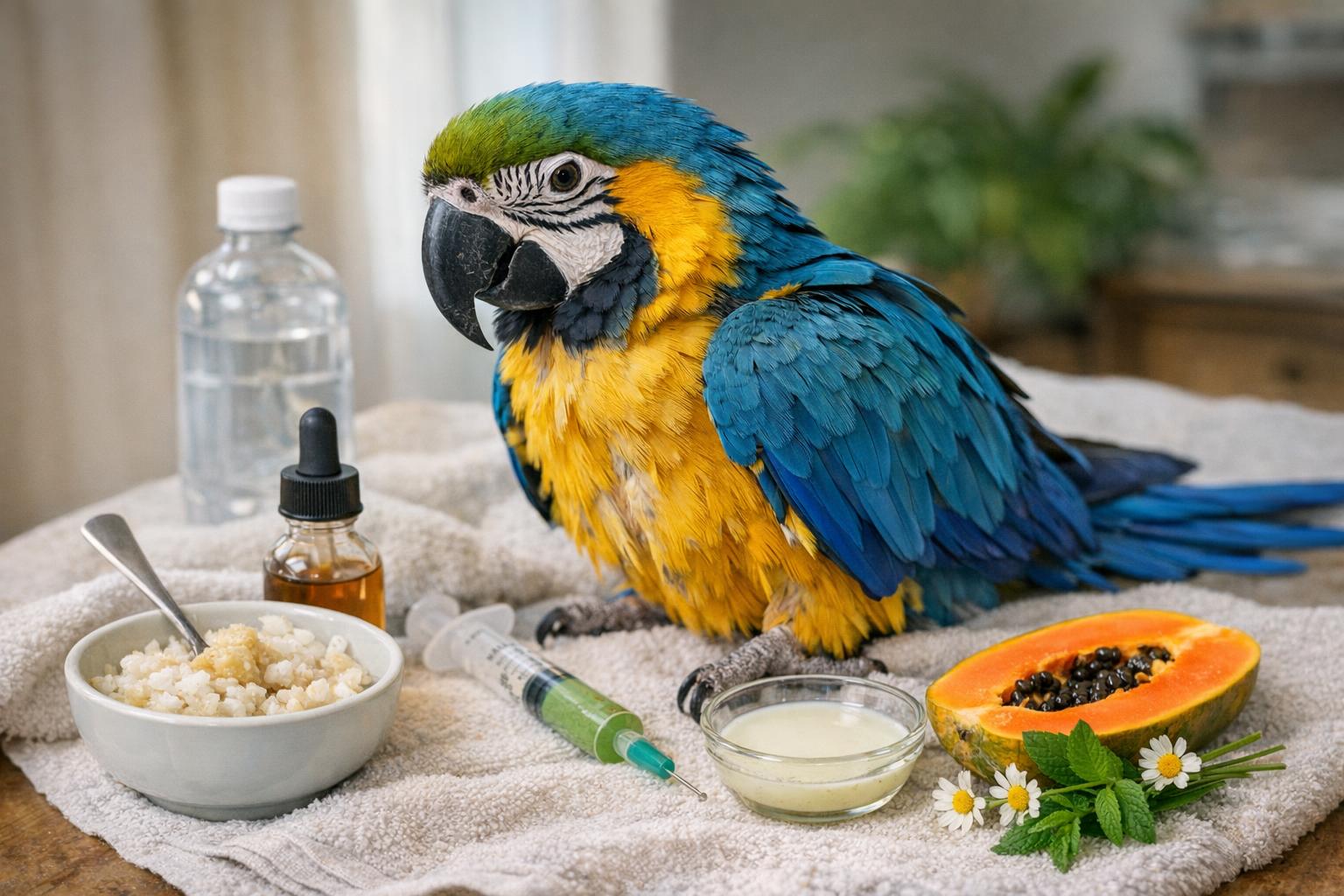
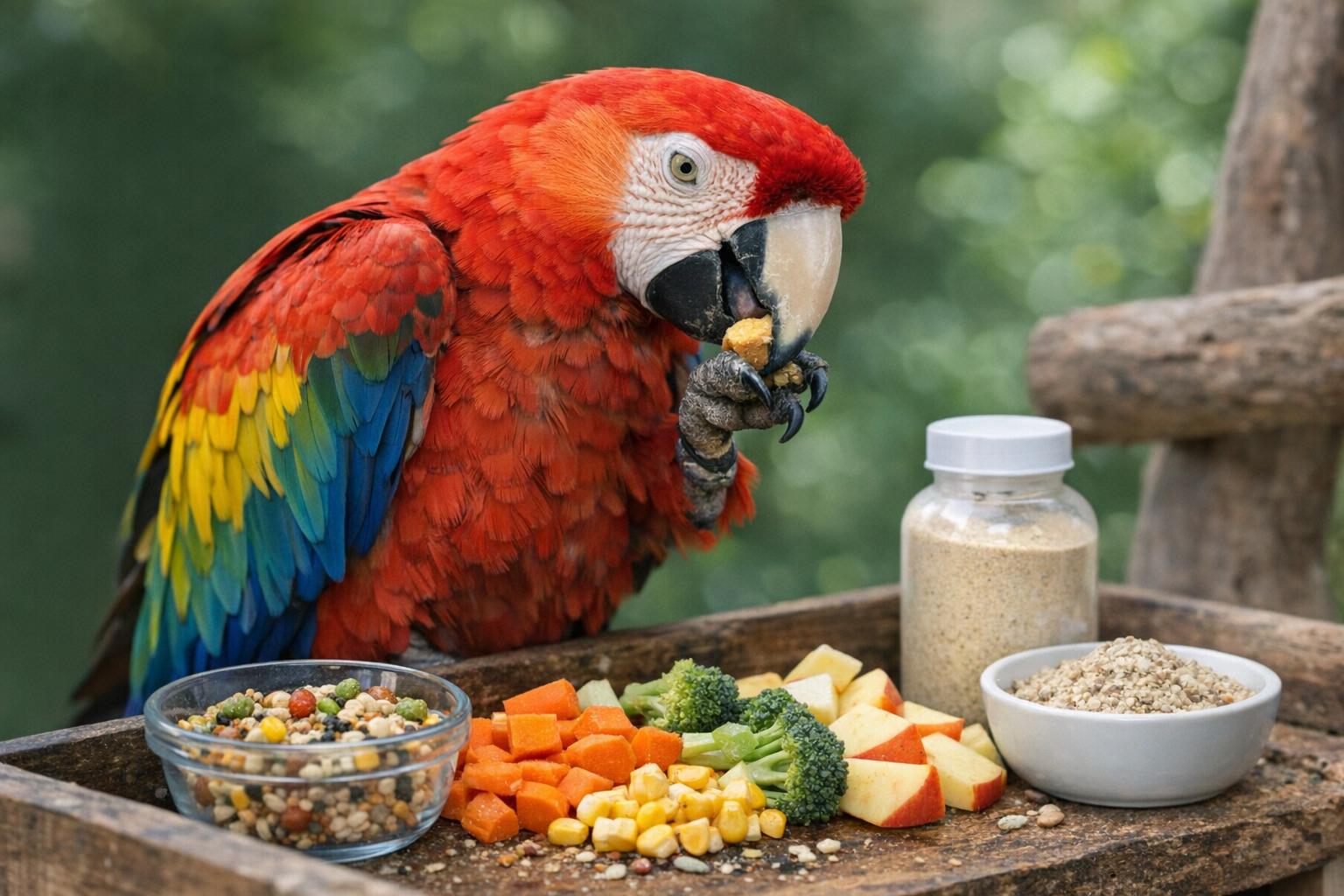
Feather is mostly protein. If you want thick vibrant plumes, feed solid protein sources during molt. Depending on species, boiled egg, cooked lean meats, sprouted seeds, and high-quality pellets formulated for breeding or molt can help. Fatty seeds like sunflower are energy-dense and useful in moderation, but they won’t replace the amino acids required for keratin production.
Vitamins and minerals matter. Vitamin A supports skin and mucous membranes. Zinc and biotin play roles in feather quality. Calcium supports overall health, especially for larger psittacines and birds that may develop calcium imbalances during heavy feather growth. Don’t dump supplements without guidance. Over-supplementation causes problems. Ask your avian vet for a targeted recommendation based on species, diet, and bloodwork when necessary.
If you’re tracking bird molt care, keep a food log for a few weeks. Note what you add when molt begins and how the bird’s weight, energy, and feather quality respond.
### Grooming, Baths, And Feather Maintenance
Bathing is one of the simplest ways to support skin and feathers. Many birds enjoy shallow baths and will preen themselves afterwards, which helps realign barbs and remove dander. Offer baths occassionally during molt; a lukewarm shower or mister works for species that dislike standing water. Don’t forcefully spray pin feathers — a fine mist is enough.
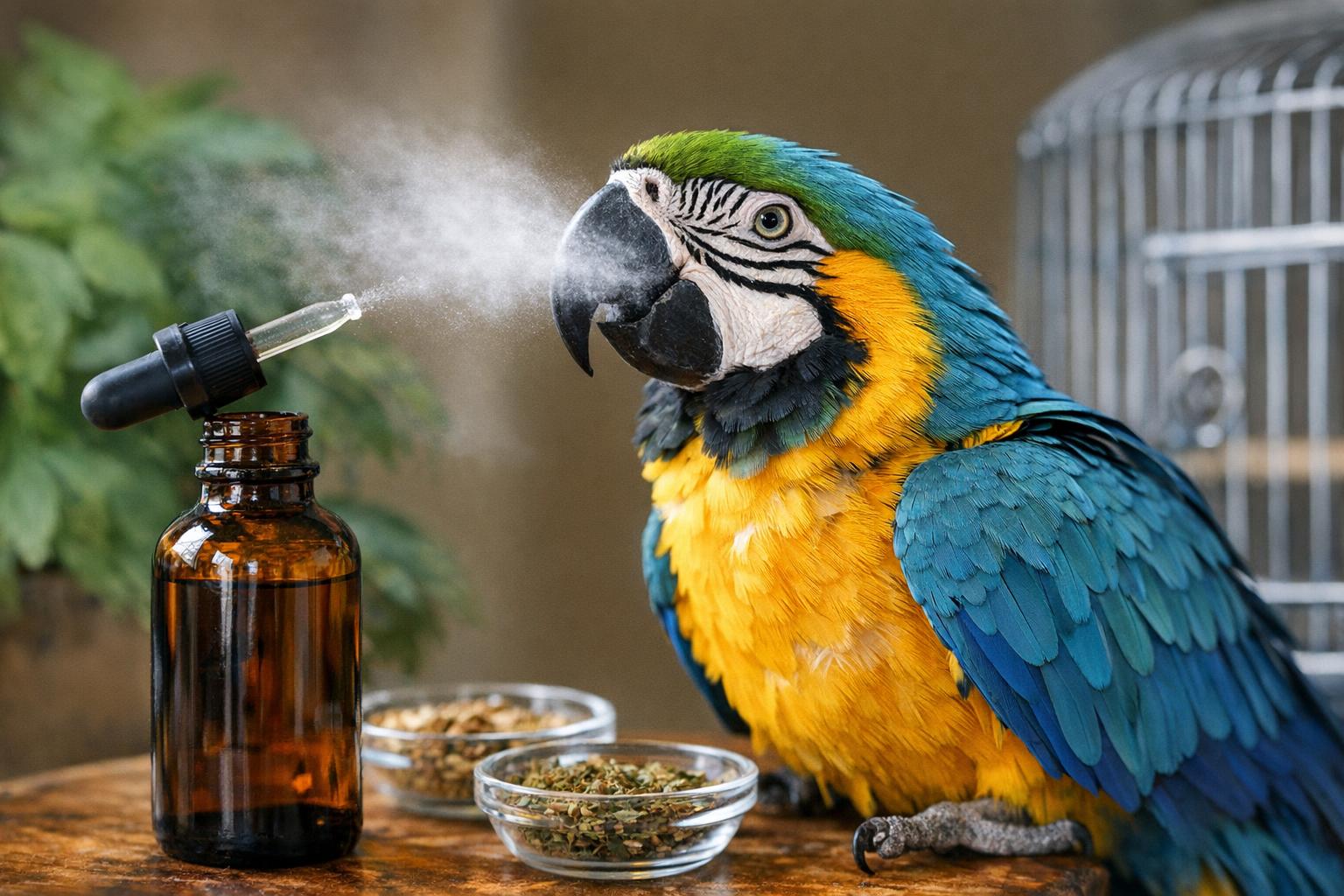
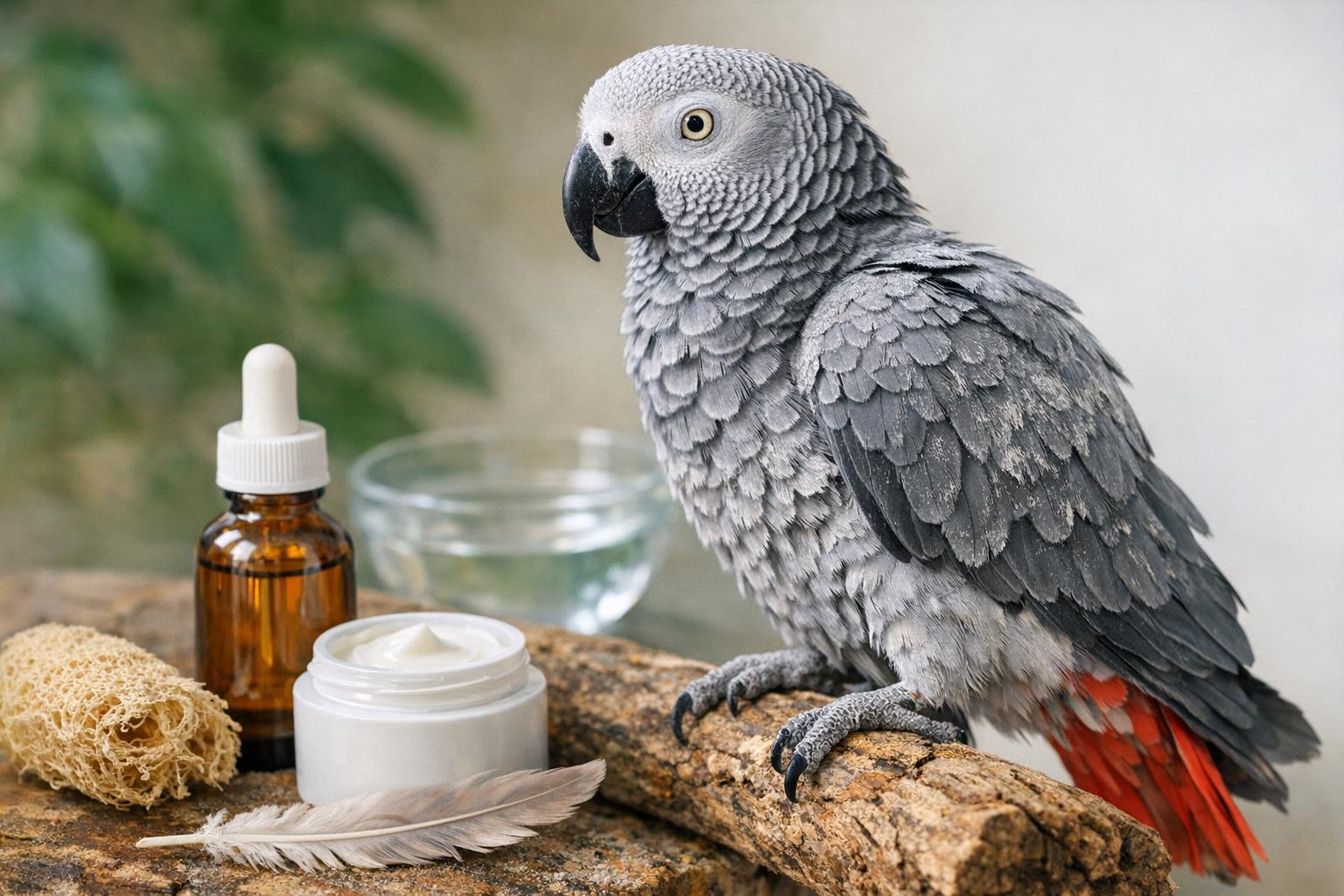
Avoid oiling feathers. Commercial feather oils can build up and interfere with normal feather structure. Natural preening oils produced by the bird’s uropygial gland are sufficient in most cases. If feathers look dirty, a gentle bath will remove grime without smothering the plumage.
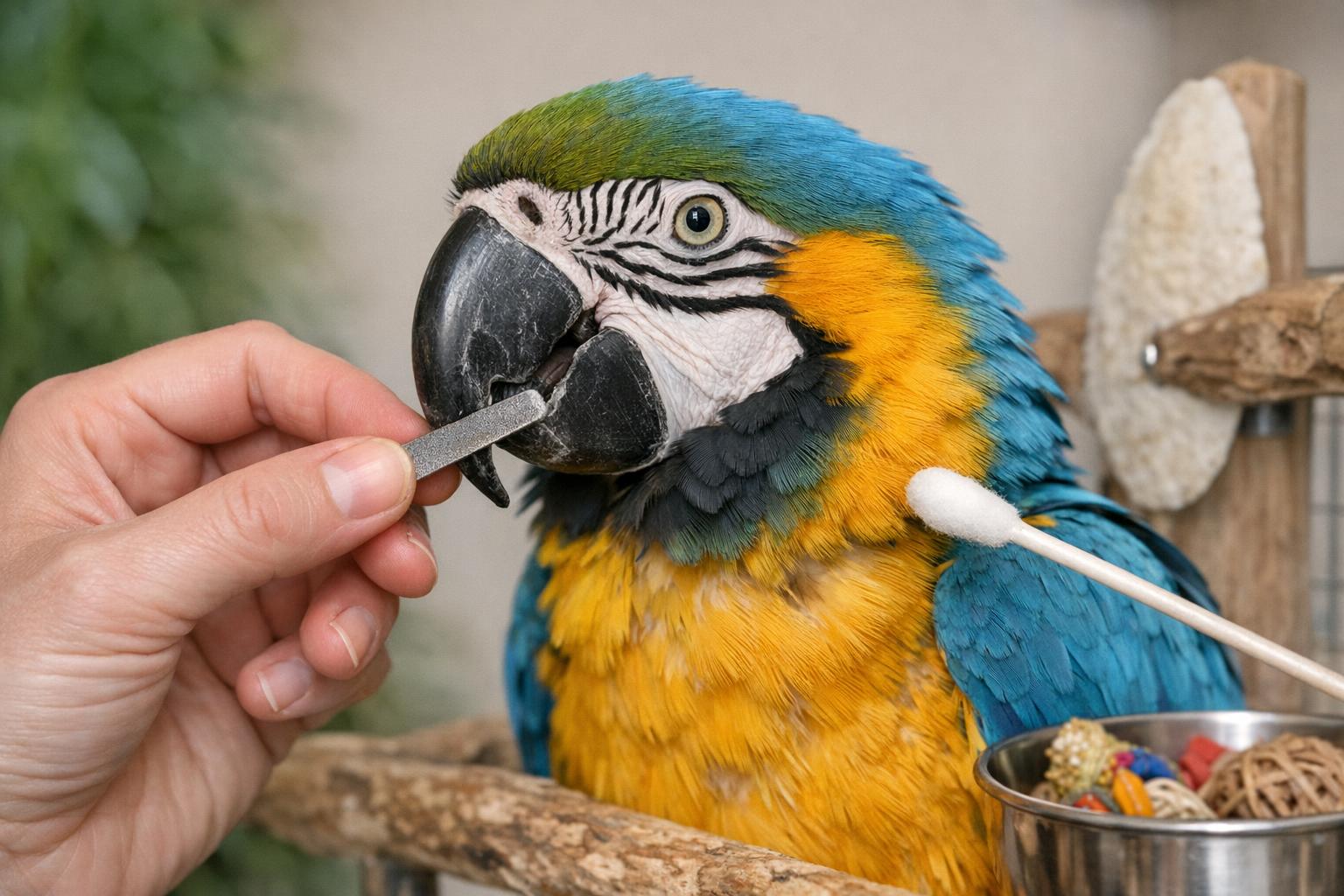
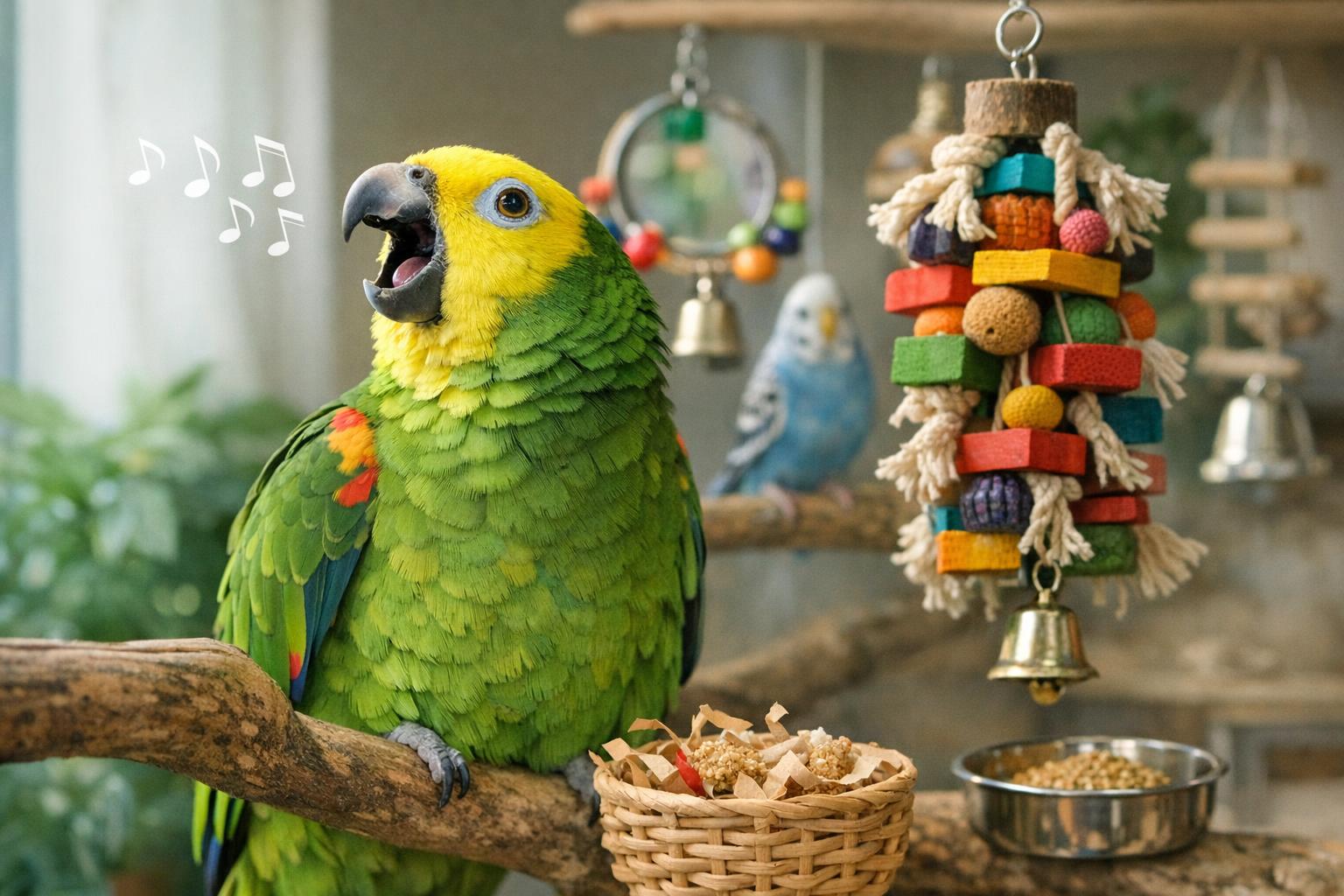
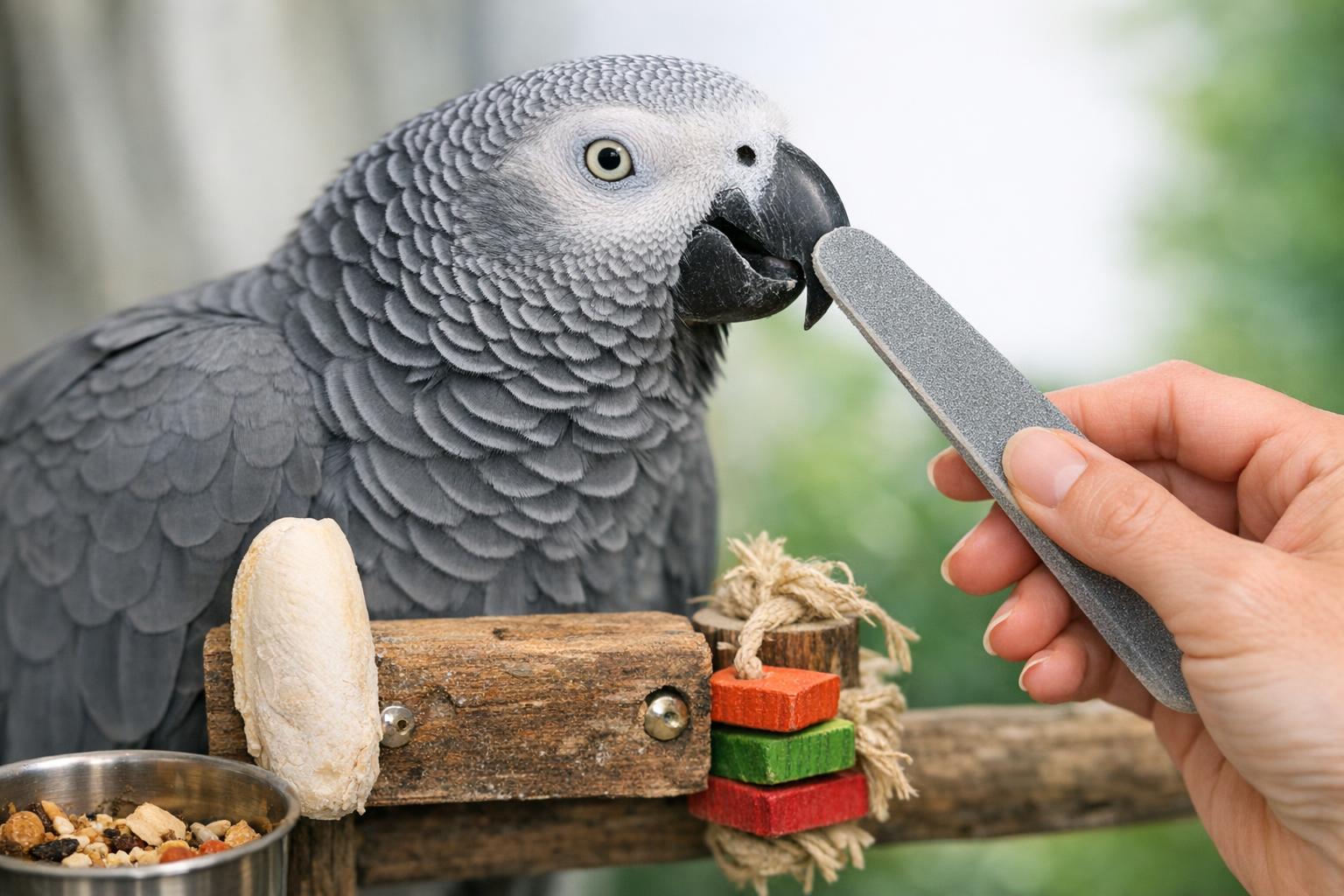
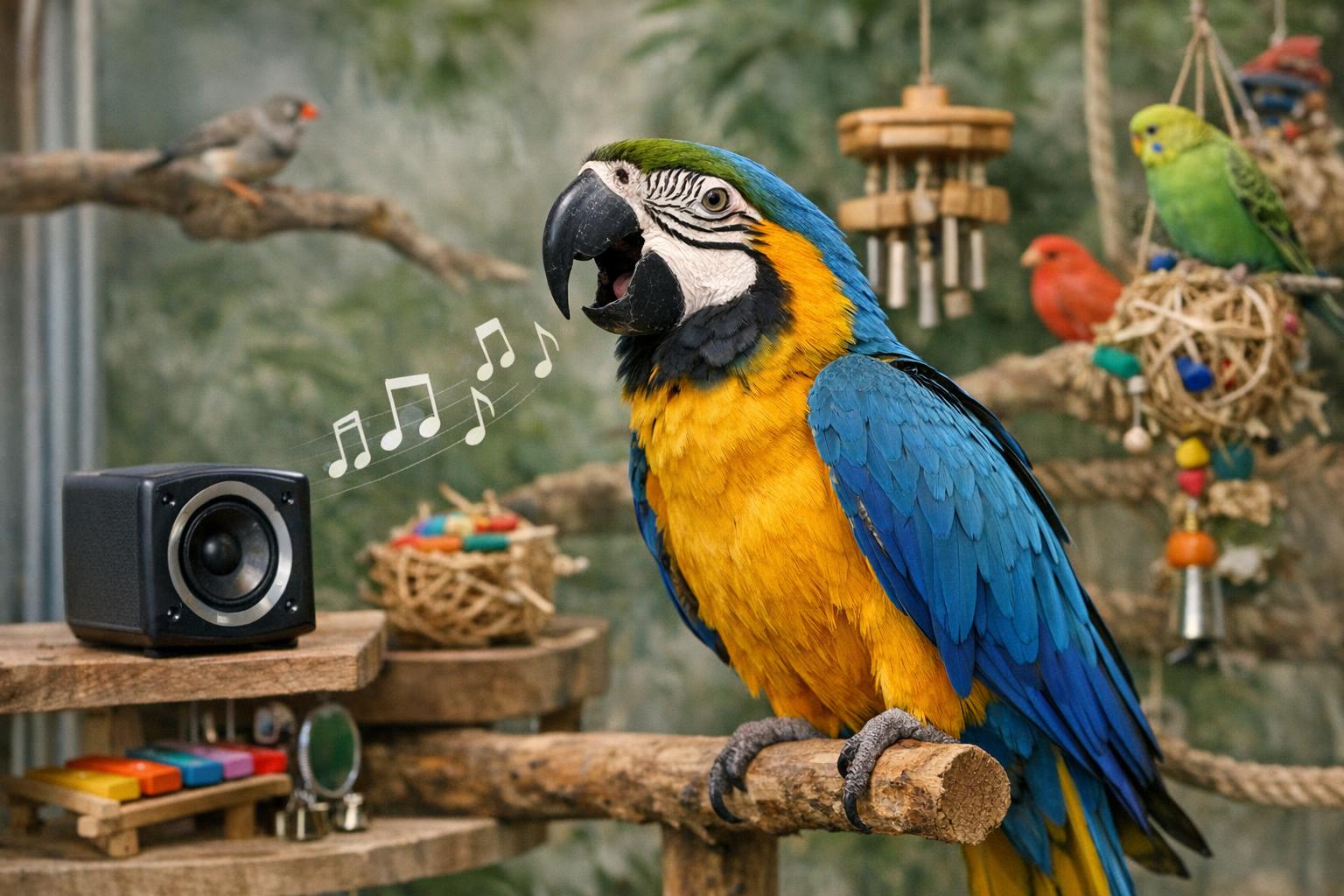
For birds that over-preen or pick at new feathers, provide alternatives: chew toys, foraging puzzles, and increased interaction. Distraction reduces boredom-related feather damage. When you offer grooming help, use clean hands and minimal pressure around the wings and tail.
#### When To Avoid Trying To Remove Feathers
It’s tempting to pull a dangling feather, but avoid doing that. You risk tearing the growing shaft and causing bleeding or infection. If a feather is clearly broken and the bird is distressed, consult an avian vet. Trimming a problematic tip may be appropriate, but only when you know the structure of the feather and the risk.
### When To Call A Vet
There are clear red flags. Seek veterinary help if you see persistent bleeding, swollen follicles, foul odor, crusting around the eyes or nares, or behavioral changes such as lethargy or disinterest in food. Unusual bald spots, especially if symmetric or spreading rapidly, may indicate mites, fungal infections, or nutritional deficiencies rather than a normal molt.
If more than a typical percentage of feathers are held in a different stage than the rest — for instance, many pins that never progress — diagnostics like skin cytology, feather pulp analysis, and bloodwork can pinpoint the issue. The avian molt care guide should advise owners to document changes: take photos every few days, note diet changes, and record environmental adjustments. That data speeds diagnosis.
### Seasonal Versus Stress Molts And Their Management
Some species have predictable seasonal molts. Others may molt in response to stress, illness, or reproductive cycles. Stress-related feather loss tends to be patchy and may coincide with life events like moving houses, new pets, or medication changes. If your bird goes into molt outside its usual window and you can’t connect it to a recent stressor, consider veterinary evaluation.
Behavioral support helps. Reduce environmental stressors, maintain consistent routines, and reinstate familiar people and objects when possible. If a medication correlates with molting changes, discuss alternatives with your vet rather than stopping treatment abruptly.
### Travel, Medications, And Stressors
Travel disrupts circadian rhythm and humidity, both of which affect feather growth. If you must travel with a molting bird, keep the carrier lined with soft fabric, avoid overcrowding, and minimize handling. Some medications cause feather change as a side effect. Record anything new and present it to your vet at the first sign of abnormal molt.
## Practical Daily Checklist
– Offer a balanced, protein-rich meal in the morning and fresh water; keep a small bowl of chopped cooked egg or sprouted seeds handy.
– Provide a short bath or misting session every few days and observe how pin feathers react.
– Keep light cycles regular and give the bird extra quiet time at night to promote rest.
– Inspect the cage quickly each day for anything that might snag feathers and remove hazards.
– Photograph the wings and back weekly to monitor feather development and spot early problems.
Keep interactions calm. Molting birds are vulnerable and can be cranky. Gentle handling and predictable routines go a long way.
### Notes On Long-Term Feather And Skin Health
Good bird molt care is preventive more than reactive. A consistent diet, stable environment, and routine vet checks reduce the risk of severe molts and chronic feather problems. If you keep multiple birds, watch for transmission of mites or feather parasites; isolated problems can spread in groups. Rotate enrichment and replace worn toys so feathers don’t become frayed by rough edges.
If you find yourself repeatedly treating the same issues, change one variable at a time. That way you’ll know whether a new food or perch improved feather quality. The avian molt care guide approach is pragmatic: observe, adjust, document, and consult. It’s about steady, practical steps that respect the biology of feather regrowth and protect the bird’s skin during a vulnerable period.



Leave a Reply