

A short, consistent daily habit at home catches small issues before they become vet-level problems. You don’t need fancy equipment. You need observation, a few minutes each day, and the discipline to do the same checks in the same order so you notice what changes.
## Build An At-Home Dog Wellness Routine You Can Actually Do
Start with a framework you can repeat. The point of an at-home dog wellness routine is to make prevention ordinary, not a chore. Think five to ten minutes in the morning and a second five- to ten-minute check in the evening. Over time you’ll recognize your dog’s baseline—coat sheen, breath, energy level—and that makes deviations obvious.
### Morning Quick-Check: Small Things That Matter
Spend two to three minutes on these everyday checks. They’re fast, but they’re where you’ll spot early trouble.
#### Eyes, Nose, Mouth
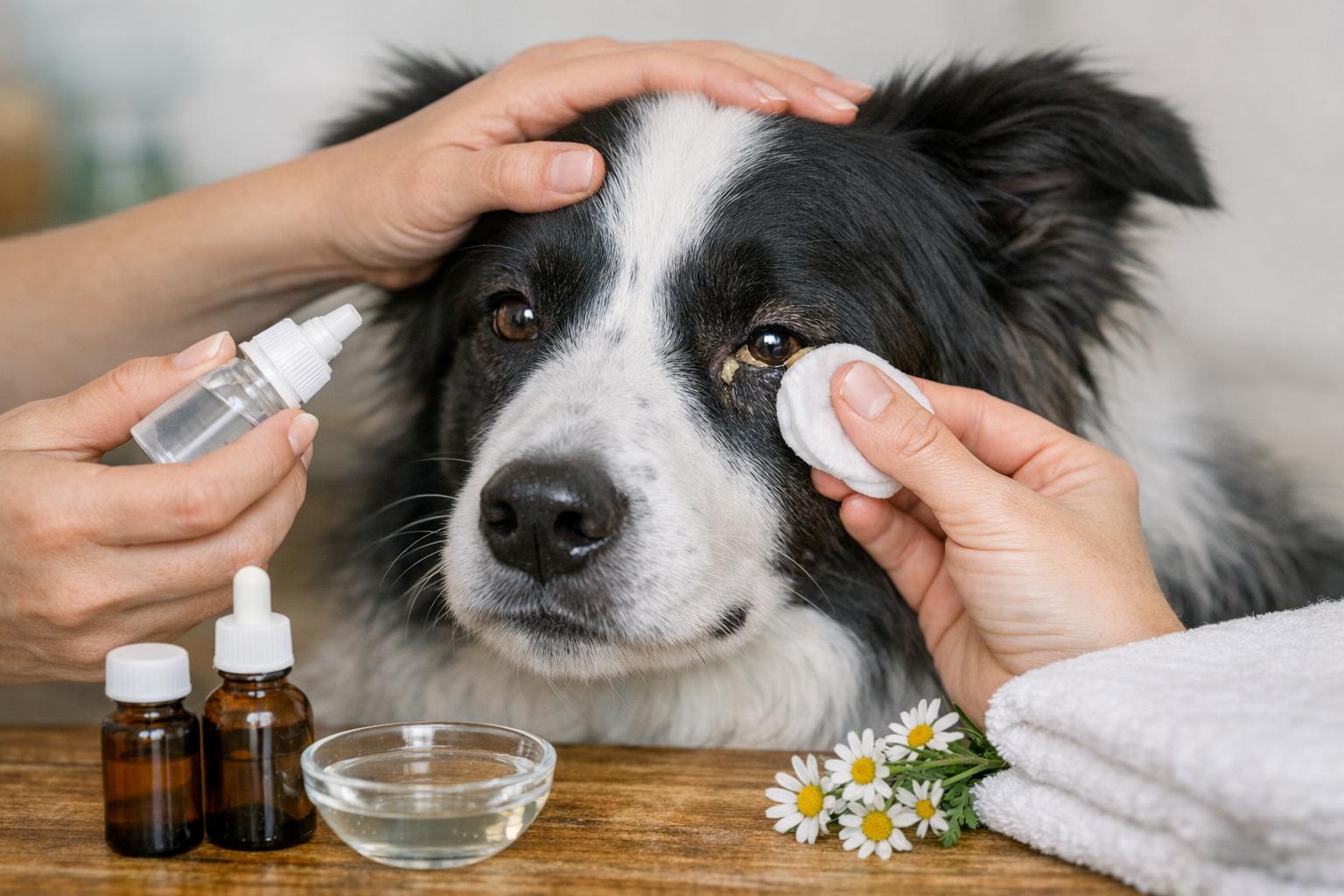
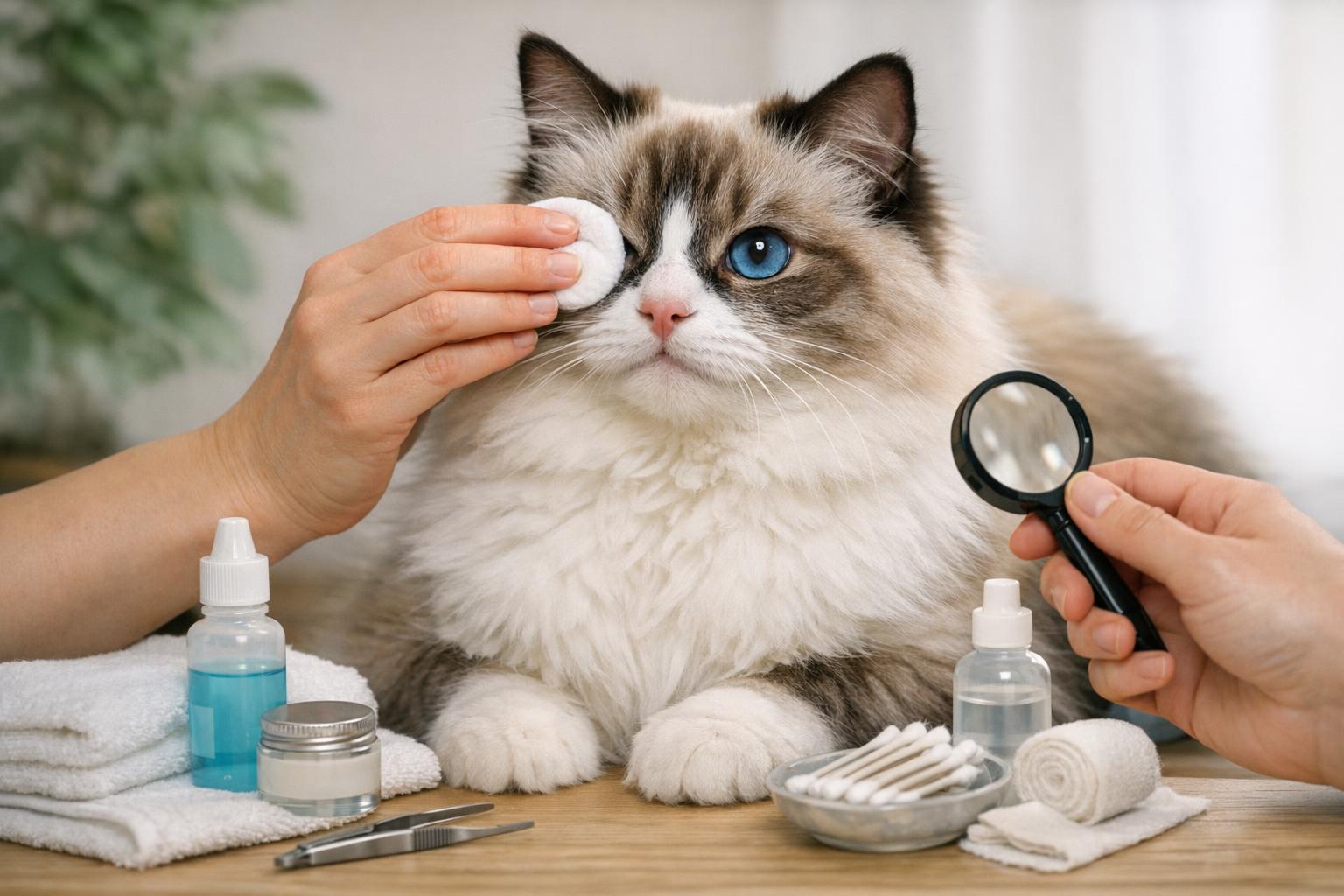
Check for clear eyes without excessive redness or discharge. A little tear staining is normal for some breeds; thick yellow or green gunk is not. Look at the nose—moist is typical, but dryness or cracking with crusts can signal dehydration or environmental issues. Lift the lips and glance at the gums; they should be pink, not chalky pale or overly red. If you see any sudden swelling, bad odor, or a shallow ulcer, make a note for the vet.
#### Ears And Head
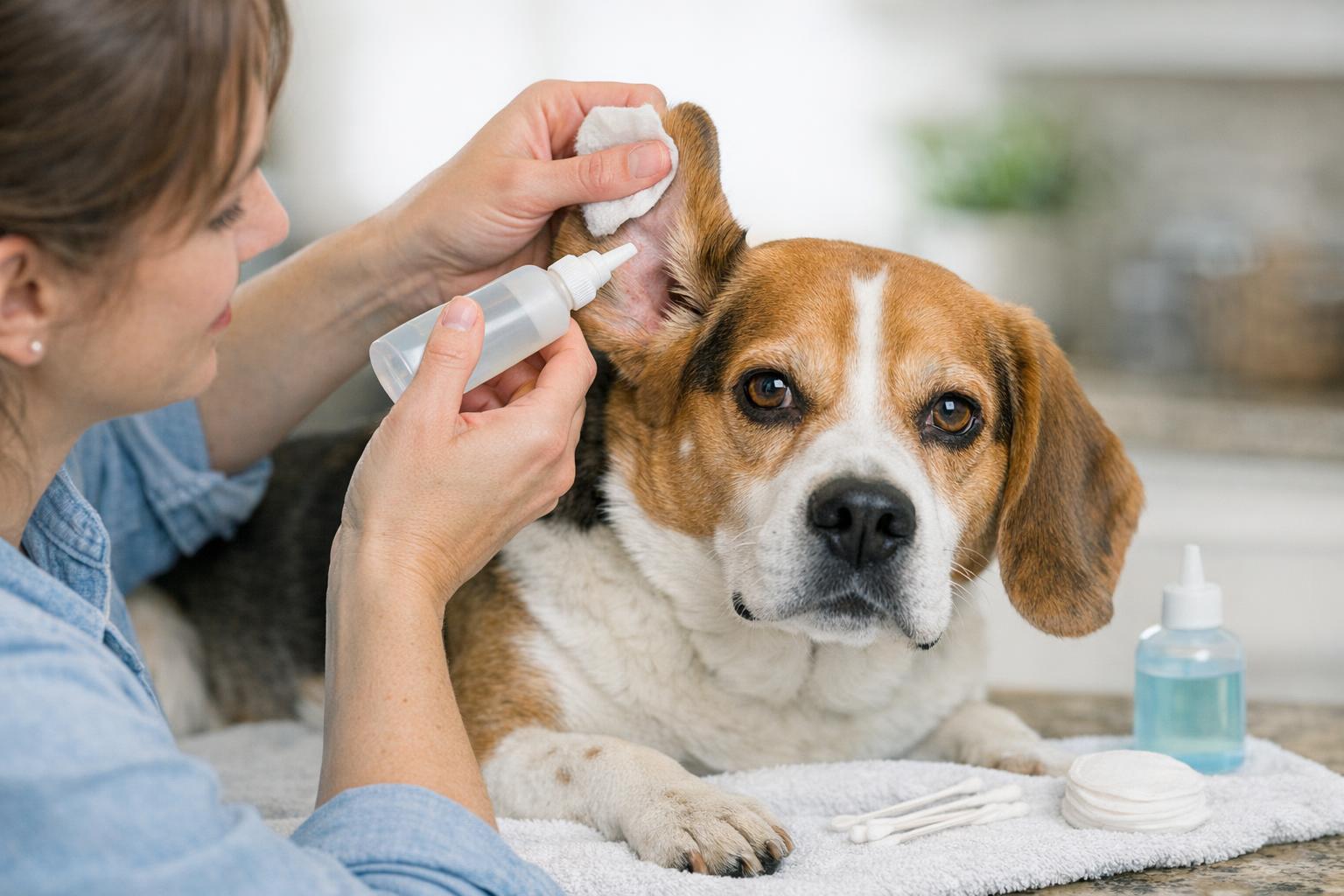
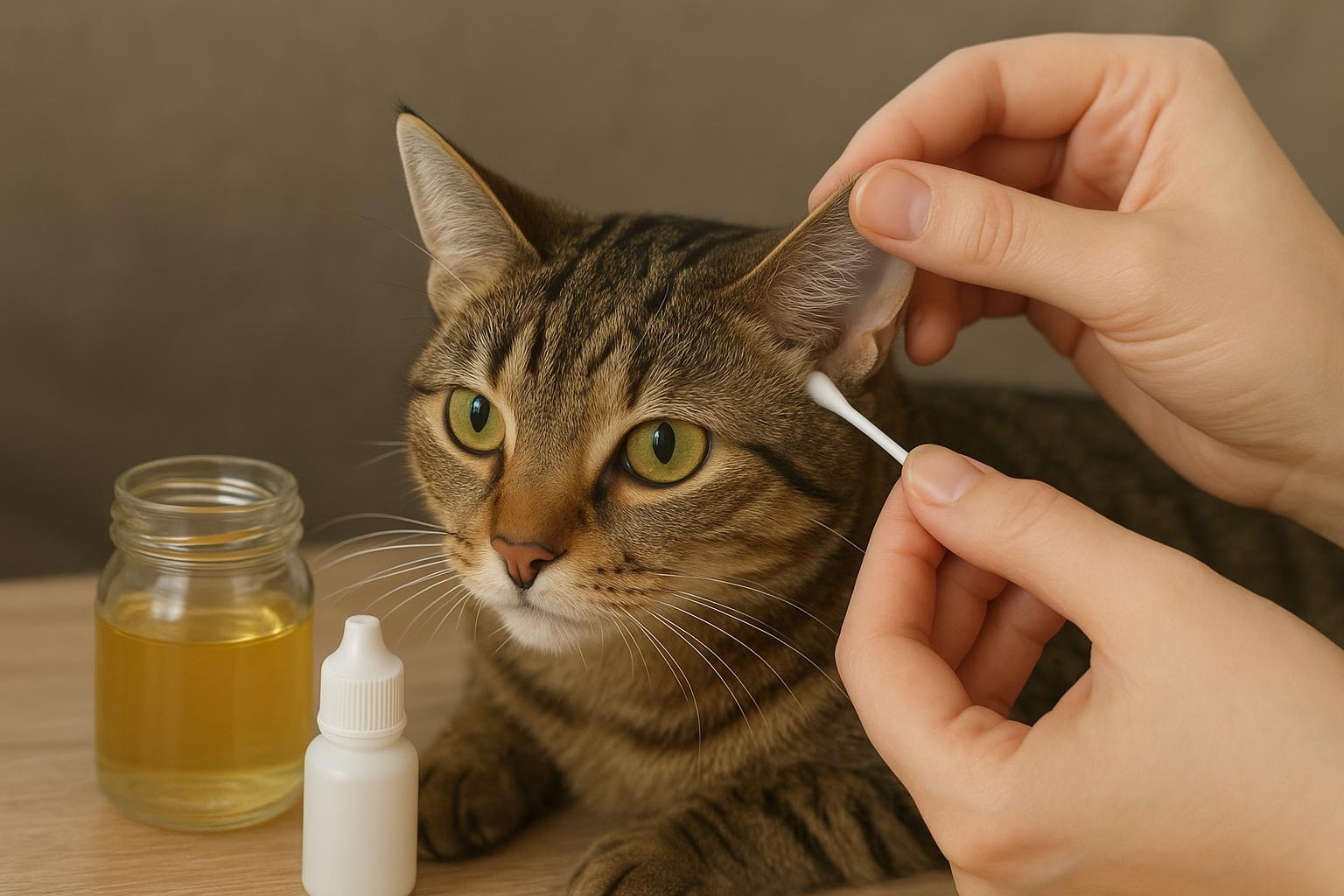
Gently press the base of each ear and smell. A foul smell, redness, or dark wax suggests an ear infection. Some dogs tolerate full ear inspections better than others—keep it quick and calm. If your dog shakes its head repeatedly or scratches more than usual, that’s a red flag for a closer look.
### Evening Wind-Down: Check Movement And Appetite
At the end of the day, pay attention while you’re petting or brushing. Is your dog limping? Stiff getting up after a nap? Reduced appetite? These are subtle signs of pain or early illness that a daily routine will surface before they worsen.
## Daily Grooming And Skin Care
Grooming is more than looks. It’s a palpation session where you feel for lumps, bumps, and skin problems.
### Brushing: Fur, Skin, And Lumps
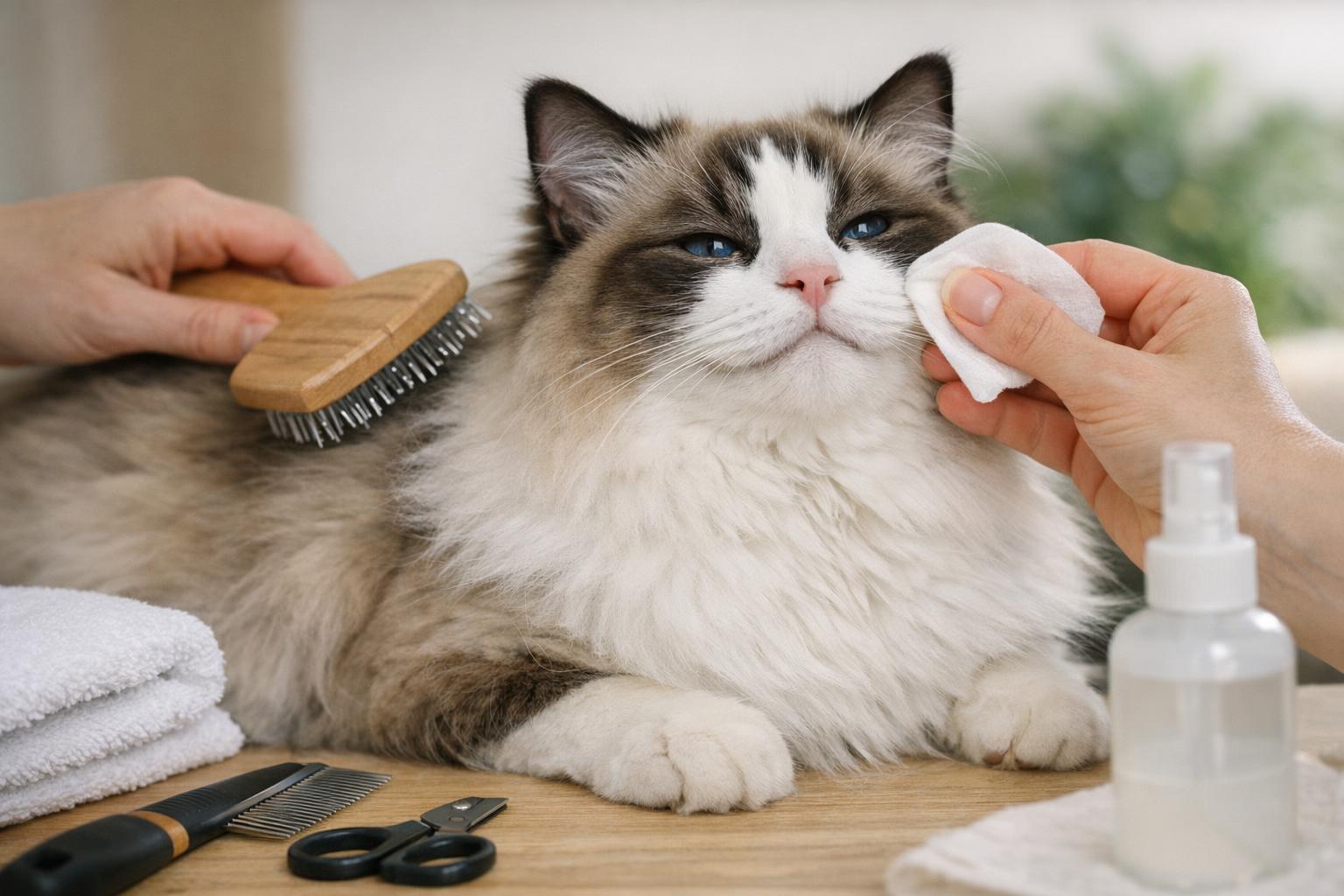
Brushing stimulates skin oils and gives you a chance to run your hands over the entire body. Long-haired dogs need daily brushing to prevent mats; short-haired breeds benefit from weekly vigorous rubs to remove loose hair and feel for abnormalities. When you brush, divide the dog into zones—neck, shoulders, ribs, hips, tail base—and spend a few passes on each.
#### Checking For Lumps And Parasites
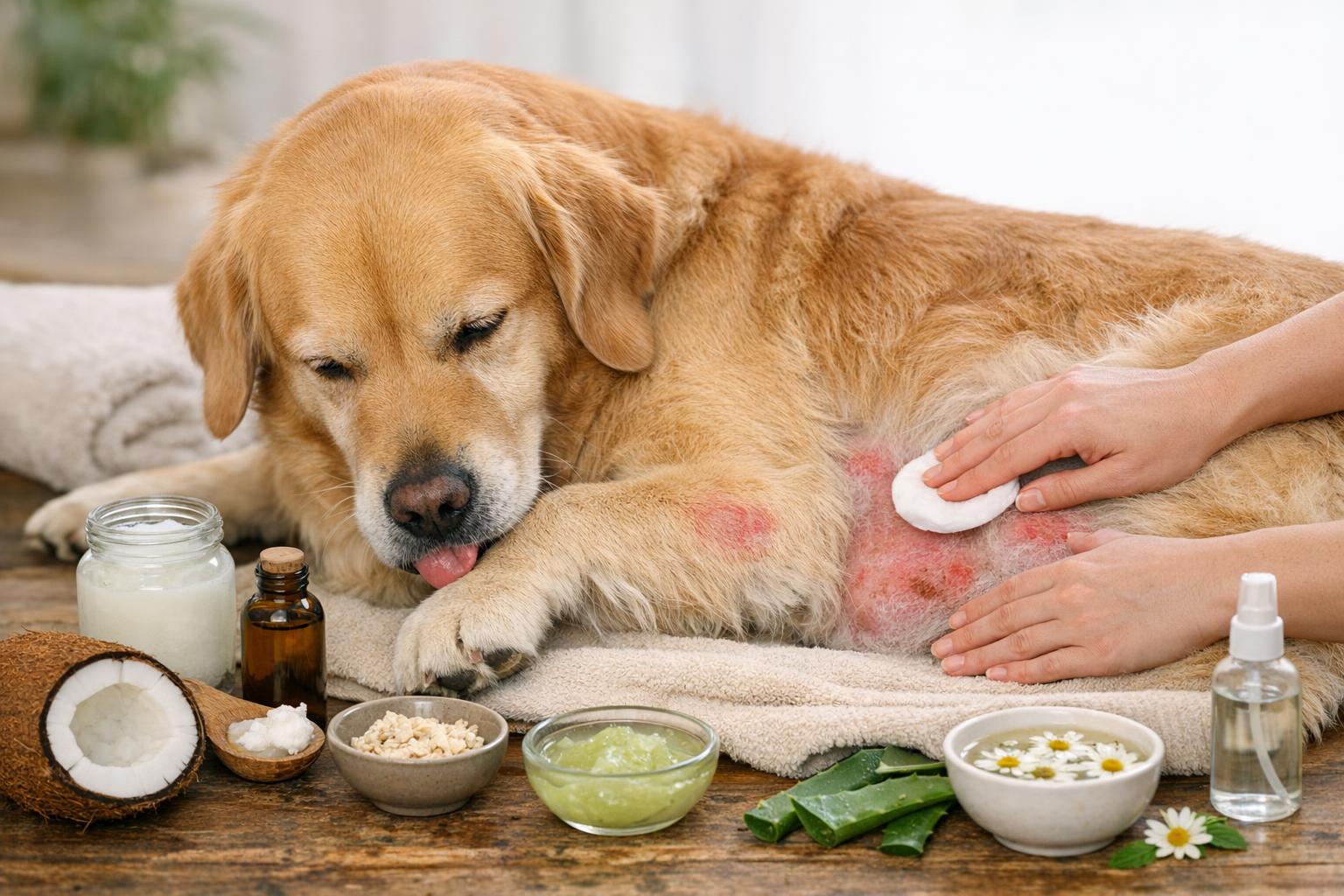
Use flat palms to press gently along the body. Lumps the size of a pea can be harmless fatty nodules in older dogs, but rapid growth, irregular shape, or tenderness merits a vet visit. Look closely between toes and under the belly for ticks, fleas, or scabs. Spotting a single tick early is much easier than treating an infection later.
– For fleas, a flea comb over a white paper towel makes eggs and dirt easy to see.
– For ticks, remove promptly with a removal tool, clean the site, and monitor.
– For suspicious lumps, photograph and measure them week to week.
## Oral Health: Daily Practice, Real Effects
Dental disease is the most overlooked part of dog preventive care. Bad teeth lead to infection and systemic inflammation.
### Brushing Teeth And Treats That Help
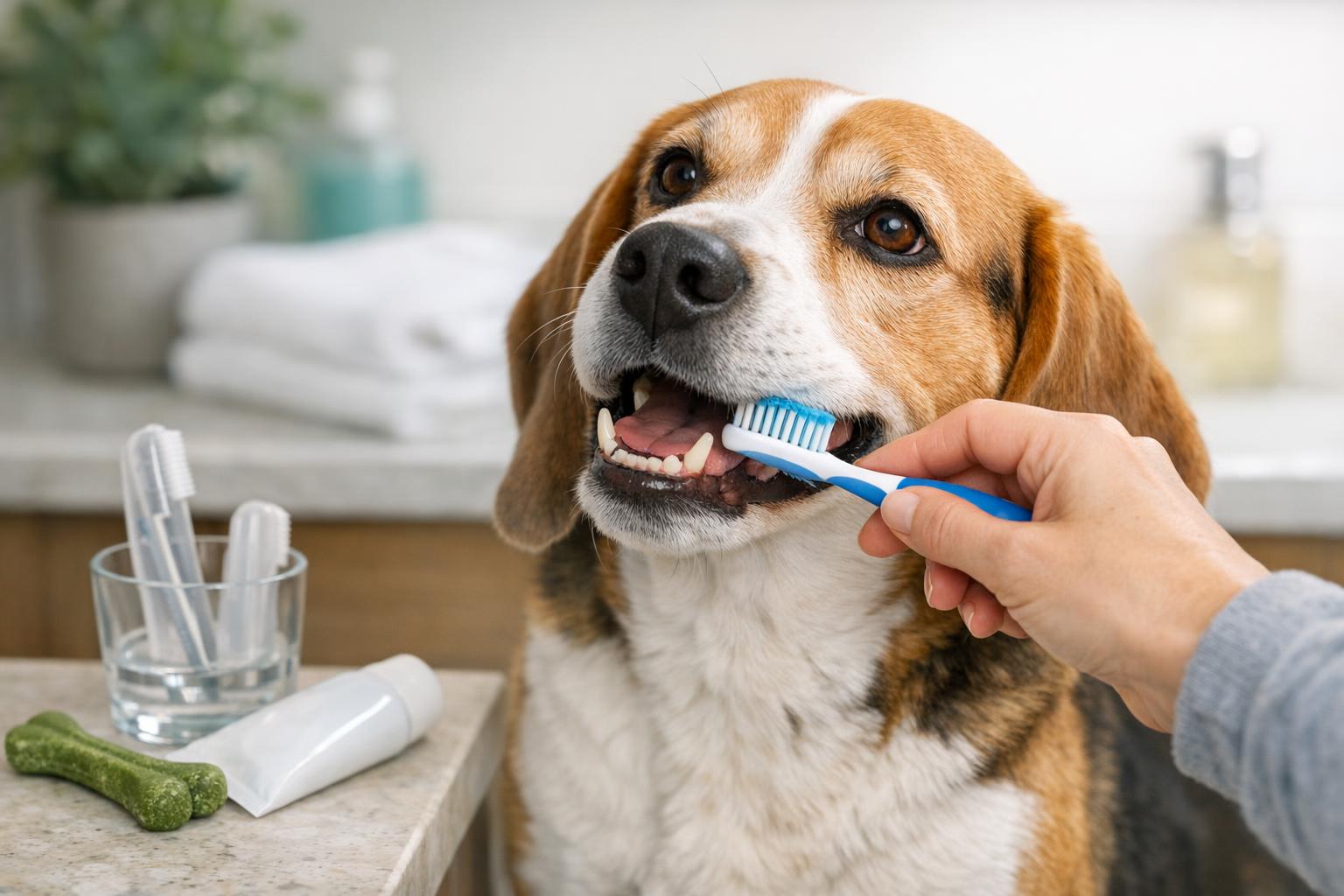
Try to brush your dog’s teeth daily with a pet-specific toothpaste. If full brushing is unrealistic, start with finger rubs or dental wipes. There are chew toys and dental chews that reduce tartar buildup—choose products cleared by veterinary dental bodies. Keep an eye on chronic bad breath; it’s not just a nuisance, it’s often a sign of periodontal disease.
## Nutrition, Weight And Hydration
A daily wellness routine must include a quick check of food, water, and body condition. These tell you a lot.
### Monitoring Body Condition
Learn your dog’s ideal body condition score. You should be able to feel the ribs without obvious fat covering but see a defined waist from above. Weigh your dog monthly or whenever you suspect change. Small shifts over a week matter. Weight loss can indicate digestive, endocrine, or cancer issues; weight gain hides problems like hypothyroidism or simply overfeeding.
#### Food, Portions, And Timing
Measure food. It sounds basic, but free-pouring kibble is how extra pounds creep on. Note any changes in appetite—sudden disinterest in a favorite food or scavenging between meals can both be meaningful. Keep fresh water available and check bowl cleanliness daily; algae or dirty water discourages drinking and can lead to dehydration.
## Preventive Treatments And Medications
Apply topical or oral preventives on schedule. Skipping doses because life gets busy is the most common failure in dog preventive care.
### Flea, Tick, And Heartworm Prevention
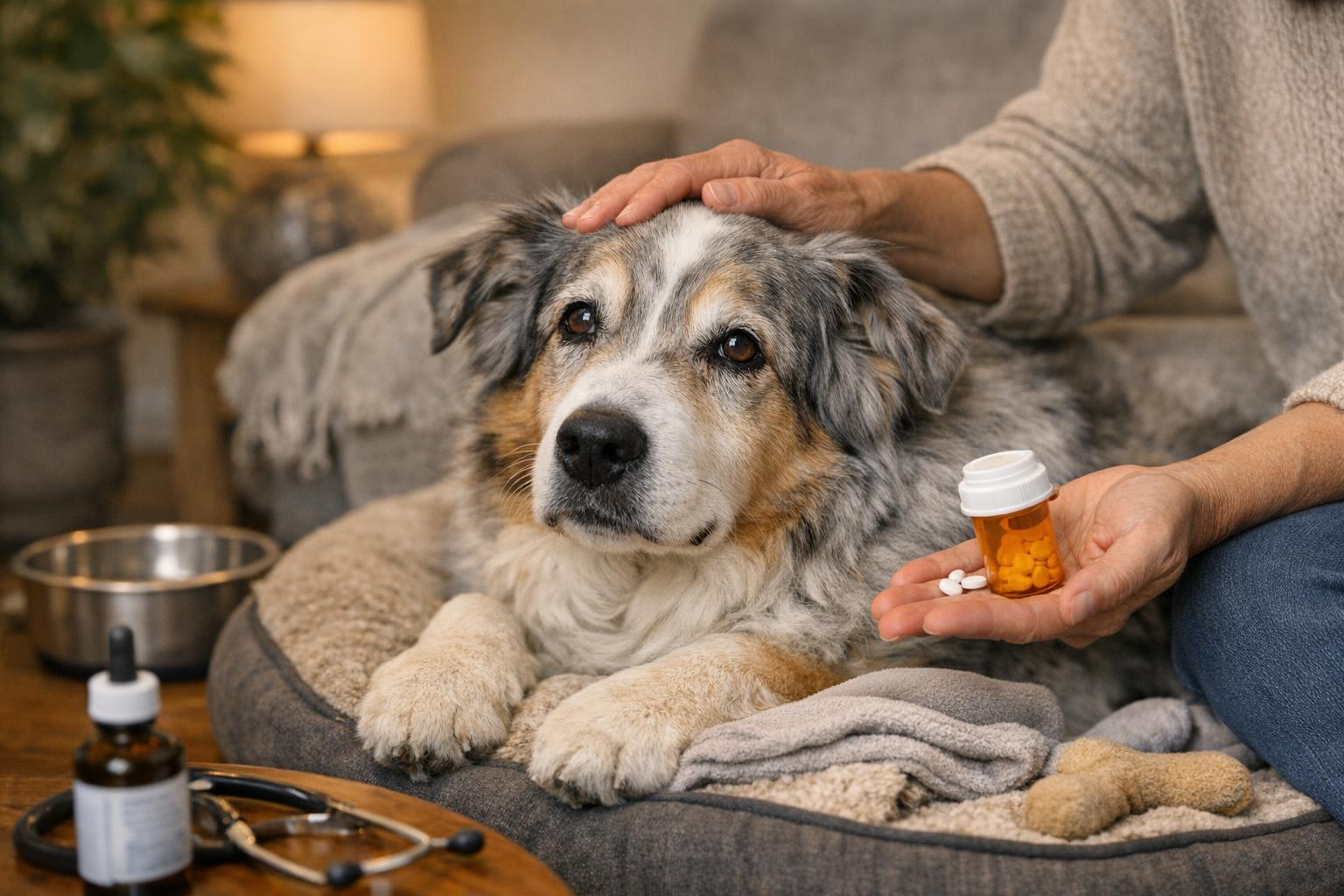
Set reminders on your phone for monthly preventives. If you use topical products, check the application site for irritation. If your dog vomits after an oral preventive, consult your vet—sometimes a dose needs repeating or changing. Keep packaging and lot numbers for reference in case of recalls.
#### Vaccines And Vet Visits
Annual or biannual wellness exams are part of canine wellness. Your at-home checks complement, not replace, vet visits. Bring notes about any changes you’ve tracked at home: appetite, lumps, stool consistency, energy levels. That data makes clinical decisions better.
## Mental Health, Exercise, And Behavior
Behavior is health. Changes in routine, restlessness, or withdrawal can point to pain, cognitive change, or anxiety.
### Structured Activity And Rest
A daily plan that balances exercise and calm time stabilizes mood. Short training sessions—five to ten minutes—stimulate the brain and strengthen your bond. For older dogs, reduce high-impact activities but keep them moving to maintain muscle mass and joint mobility.
#### Signs Of Pain And Cognitive Changes
Watch for pacing, difficulty navigating stairs, or altered sleep patterns in older dogs. Cognitive decline can show as disorientation, barking at nothing, or changing sleep/wake cycles. Early intervention—diet changes, enrichment, sometimes medication—works better when you catch things early.
## Record-Keeping And Communication With Your Vet
A simple log—paper or app—keeps your at-home dog wellness routine honest. Note weight, appetite, bowel movements, any lumps, and preventive medication dates. A photo of an odd lesion or a video of a limp is worth a thousand words in a vet consult.
### What To Tell Your Vet
When you contact the clinic, be specific. “Woke up limping today” is vague. “Limping on right hind leg since morning; no swelling, ate normally, limped after running in yard” is actionable. If you’ve recorded these details daily, your description will be clearer and the vet can triage more effectively.
## Grooming Tools, Supplies, And The Right Attitude
You don’t need a full salon setup. A few good tools and steady patience go a long way.
### Essentials To Keep On Hand
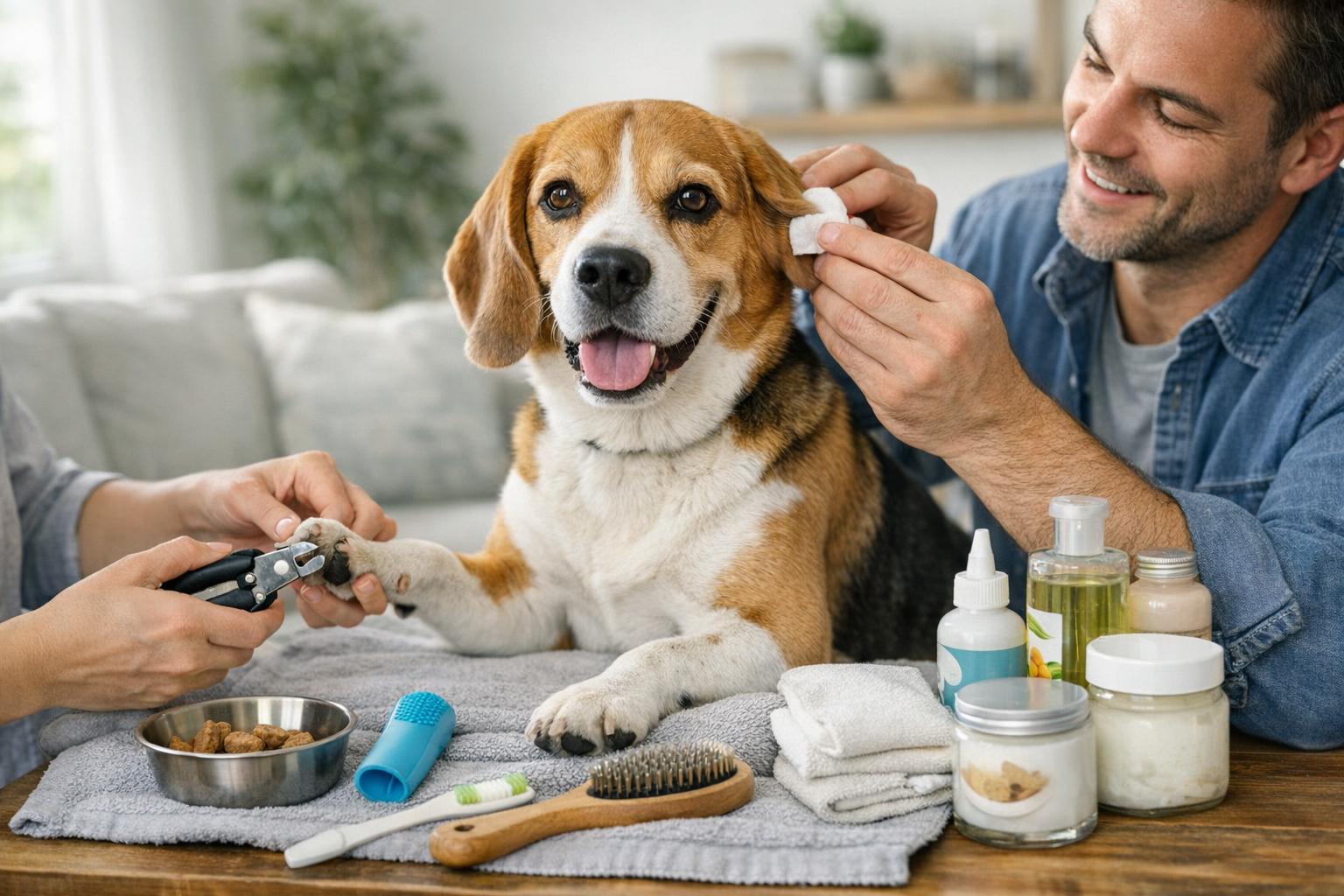
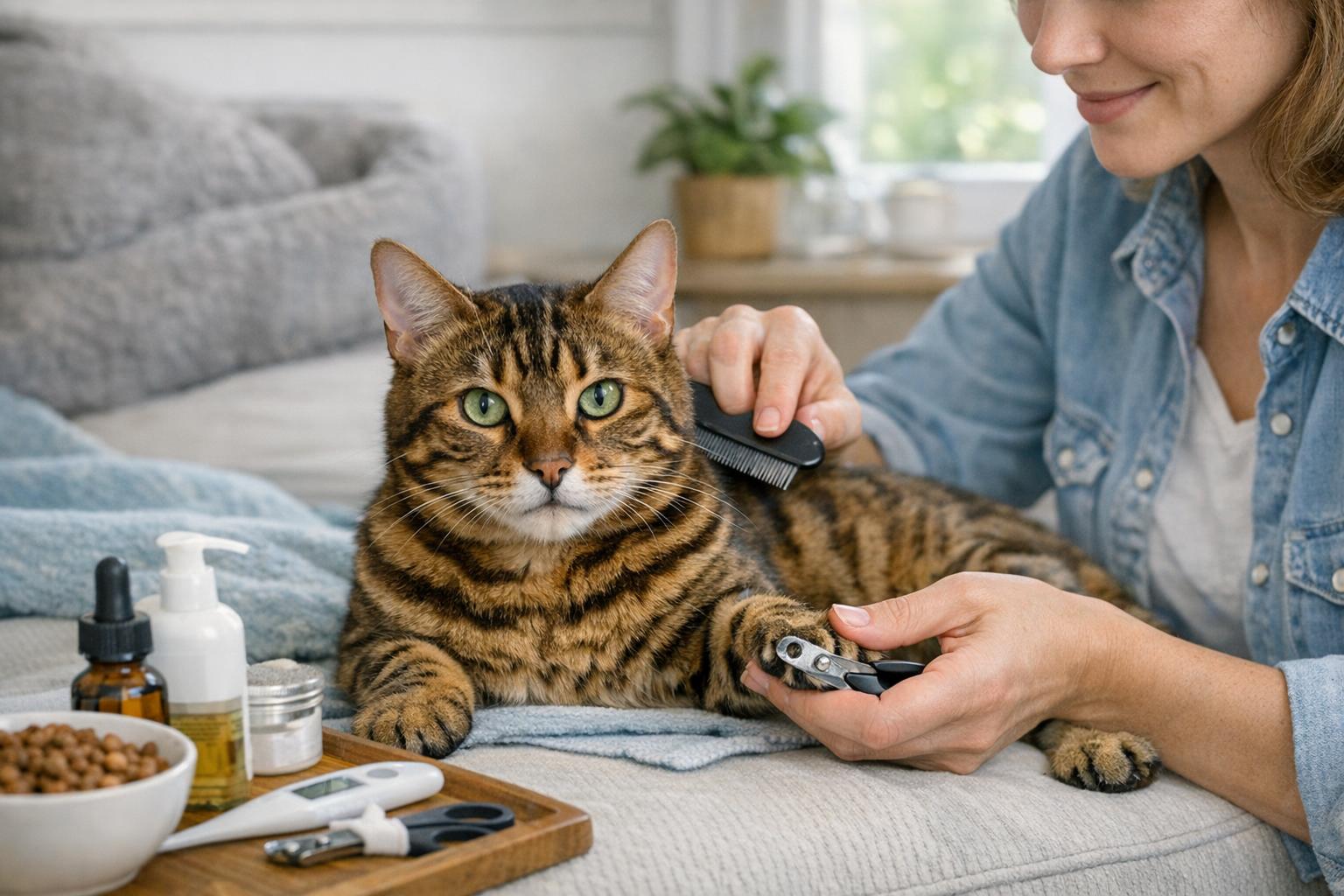
A medium-bristle brush, a flea comb, nail trimmers (or a grinder), toothbrush and pet toothpaste, an ear-cleaning solution, and a tick removal tool are the baseline. Store them in a small kit so you don’t have to hunt when you’re in a rush.
#### Training For Care Tasks
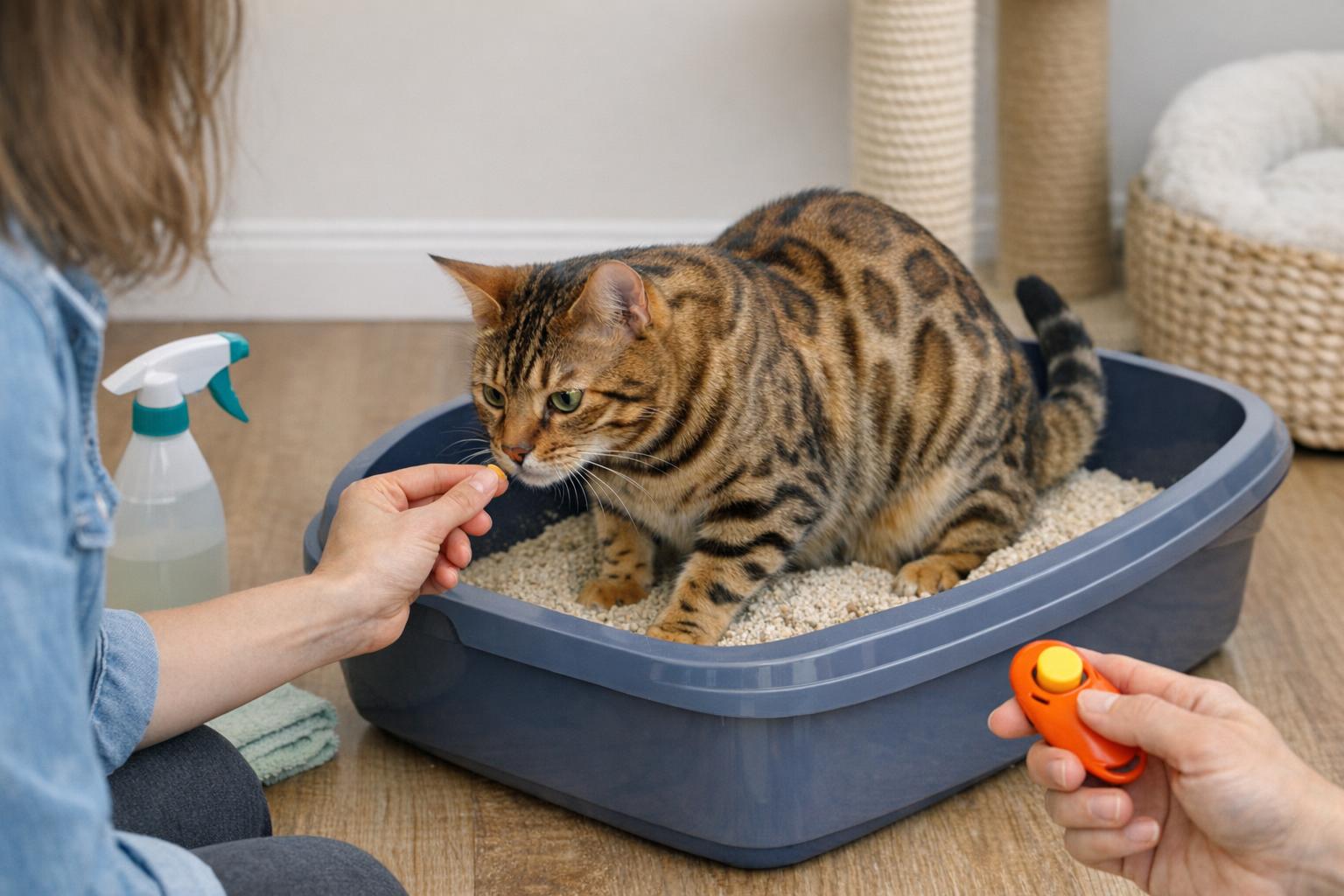
Make care tasks positive. Short sessions, high-value treats, and calm voices reduce resistance. If nail trimming ends in stress for you or your dog, break it into one or two nails per session until everyone relaxes. A trainer or vet tech can demonstrate techniques if you feel unsure.
## When To Escalate: Red Flags That Require Fast Action
An at-home dog wellness routine helps you spot changes quickly. Some signs need urgent attention: persistent vomiting, bloody diarrhea, difficulty breathing, collapse, severe bleeding, or seizures. Other issues—small wounds, mild limp, reduced appetite—warrant a same-day or next-day veterinary check depending on severity.
Give yourself permission to call the vet for advice if you aren’t sure. A quick photo or video uploaded to the clinic’s portal often clears up whether a visit is needed.
Keep this practice less about perfection and more about consistency. An at-home dog wellness routine done in small, manageable pieces becomes second nature. You’ll catch the small stuff, avoid many preventable problems, and make the vet’s job more about maintenance than rescue. And you’ll know your dog better—what they look like when they’re truly well versus just “fine” on a busy day. Occasionaly that one extra minute saves a lot of stress later.


Leave a Reply