

## Fish Disease Symptoms And Treatment: Immediate Signs To Watch
A terrifying ripple of panic can run through an aquarium owner when a single fish shows distress. This urgent aquarium alert covers the most alarming red flags so you can act fast. If you’ve been frantically googling fish disease symptoms and treatment, this article cuts through the noise with clear warning signs and practical remedies.
## Panic Symptoms: How To Spot A Tank In Trouble
The water may look calm, but an invisible wartime is often underway. Spotting early fish disease symptoms can mean the difference between saving a single pet and losing an entire community of fish. Watch for these dramatic changes.
### Sudden Behavior Changes
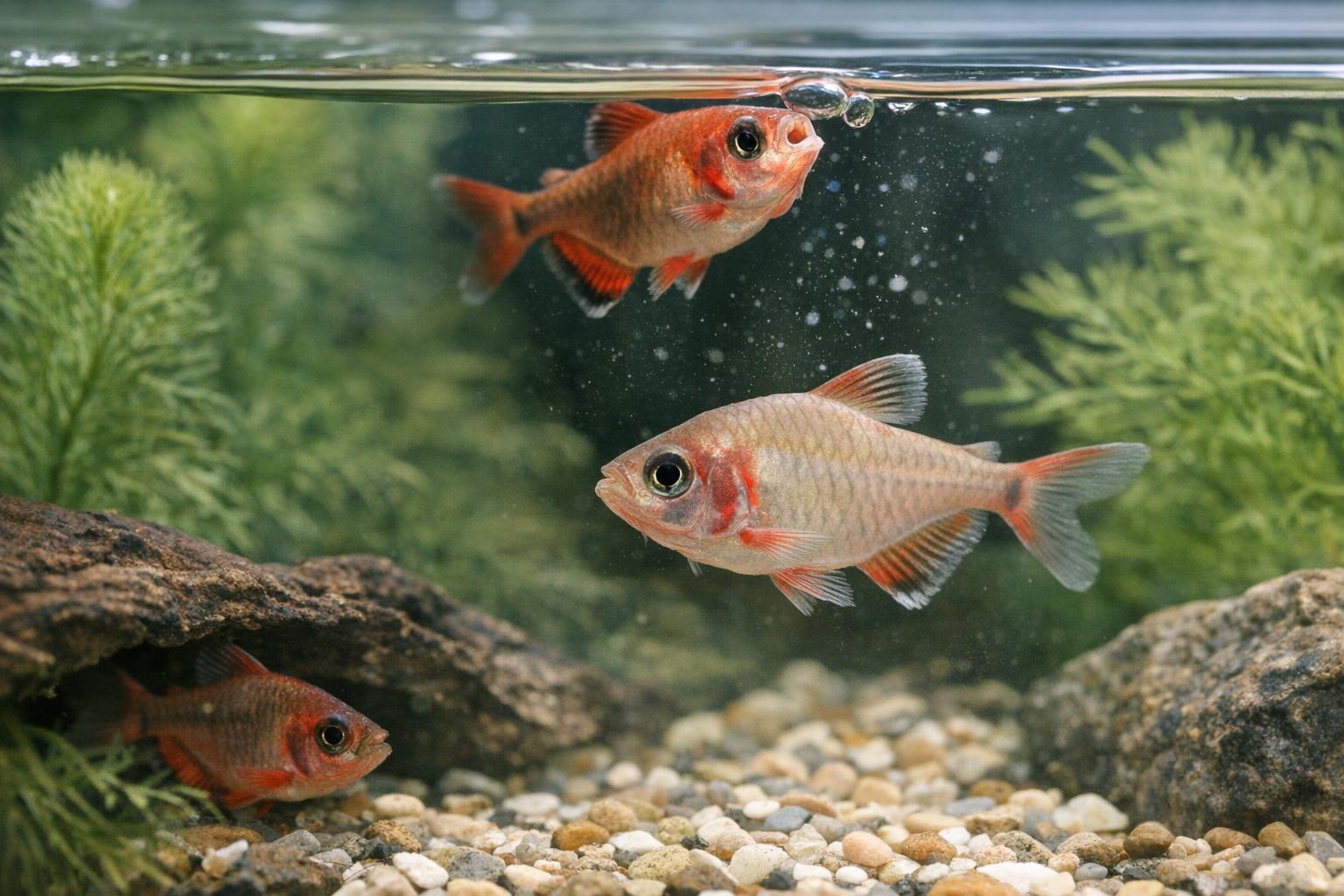
– Lethargy, gasping at the surface, hiding, or frantic flicking are instant alarm bells. These behaviors are often the first visible fish disease symptom before physical signs appear.
### Visible Lesions And Body Changes
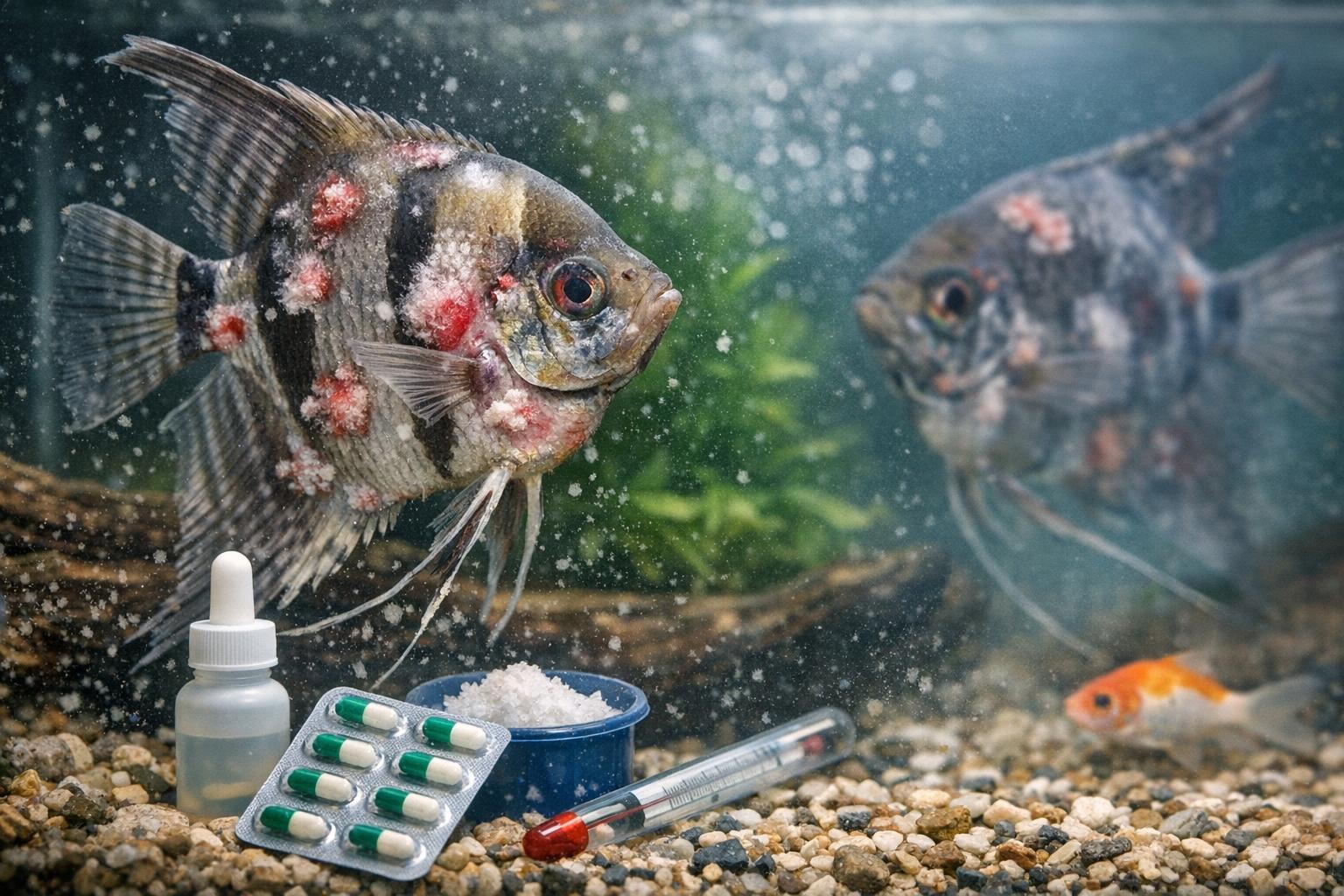
White spots, cotton-like growths, ulcers, red streaks, frayed fins, bulging eyes, a swollen belly (dropsy), or a curved spine — any of these may indicate a severe underlying fish disease. Some diseases mimic others; what looks like a harmless white speck might be a parasitic infestation known as ich.
### Fin And Scale Damage
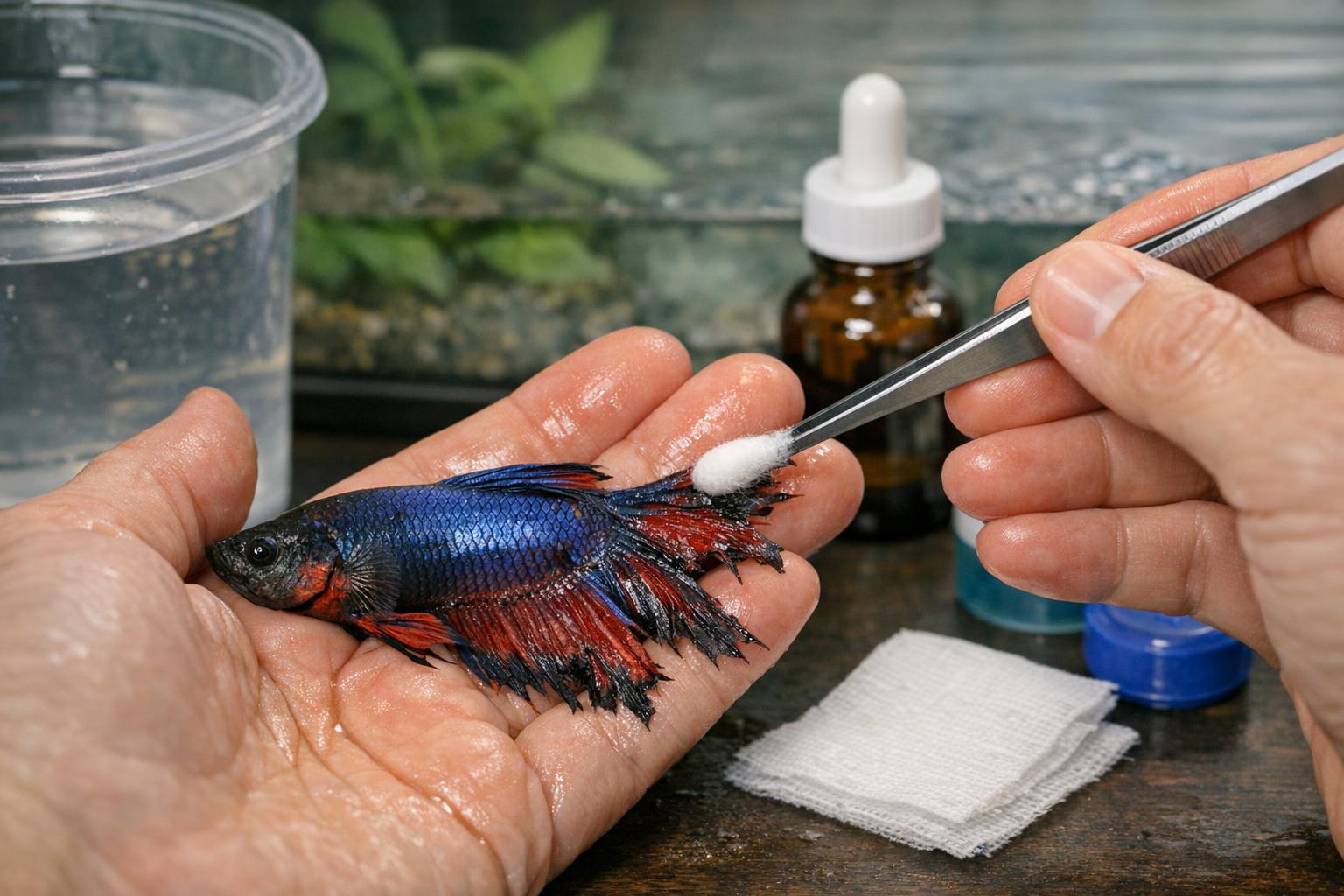
If fins look shredded or scales are raised like pinecones, you are likely dealing with bacterial infections, fungal invasion, or severe stress. Fin rot can progress quickly and become fatal if not treated.
### Breathing And Color Changes
Rapid gill motion, pale or darkened coloration, and clamped fins all signal distress. Poor water conditions often exacerbate these fish disease symptoms. Remember: water quality is the most common root cause.
### Erratic Swimming Or Buoyancy Problems
Fish that float upside down, struggle to maintain depth, or drift helplessly often suffer from swim bladder disorder or systemic infections. These are urgent conditions requiring immediate action.
## Common Culprits: What Causes These Horrors
The cause can be biological, chemical, or environmental. Common offenders include parasites (ich, flukes), bacteria (Aeromonas, Pseudomonas), fungi, poor water quality, overcrowding, and sudden temperature swings. Understanding the villain is essential for targeted fish disease symptoms and treatment.
### Parasites
External parasites attach to skin or gills and cause rapid irritation, white spots, flashing, and rubbing. Internally, parasites may cause weight loss and lethargy. Parasites are highly contagious and can spread through live plants, new fish, or contaminated nets.
### Bacterial Infections
Bacteria cause ulcers, fin rot, and septicemia. These often follow wounds or are triggered by chronic stress. Bacterial outbreaks can explode in poor water conditions.
### Fungal Infections
White cottony growth indicates fungal spores taking advantage of a weakened host. Fungal infections commonly complicate other problems like trauma or bacterial lesions.
### Environmental Causes
High ammonia, nitrite spikes, low oxygen, and incorrect pH are silent killers. These conditions compromise immune defenses and make fish vulnerable to infections.
## 2 Emergency Remedies: Quarantine Bath And Salt/Medicated Treatment
Act fast, act smart. Below are two formal, evidence-informed remedies to arrest the situation. Follow ingredients and step-by-step instructions exactly. When using medications, follow label directions and consult a veterinarian for severe cases.
### Remedy 1: Quarantine Dip (Emergency First Aid)
Quarantine dips remove external parasites and reduce pathogen load before full treatment. Use this as an emergency intervention for fish showing flashing, visible parasites, or severe irritation.
#### Ingredients / Materials
– Separate quarantine/container tank (10–20% of main tank volume, depending on fish size)
– Dechlorinated water of the same temperature as the main tank
– Aquarium salt (non-iodized)
– Oxymeter or aeration device (air stone)
– Net and soft towel for handling
– Timer
– Optional: over-the-counter parasiticide (follow label)
#### Step-By-Step Creation And Application
1. Prepare the quarantine tank with dechlorinated water matched to the main tank’s temperature and pH. Provide gentle aeration.
2. Dissolve aquarium salt at 1 tablespoon per 5 gallons (approx. 2 g/L) to create a mild antiseptic bath; adjust to species tolerance (some species are salt-sensitive—do not use on scaleless fish like some catfish or on invertebrates).
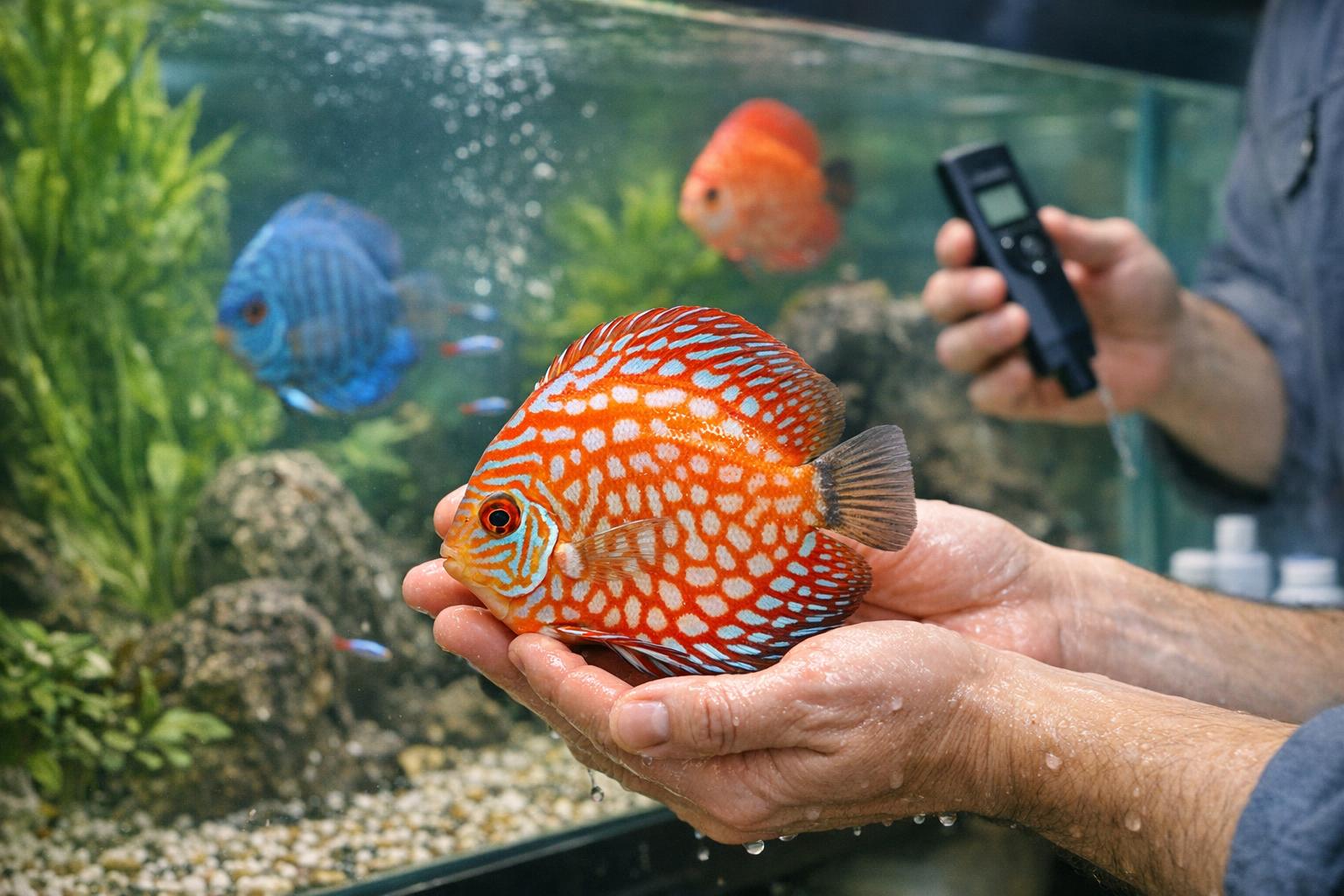
3. Place the affected fish gently into the quarantine bath using a soft net. Minimize handling time.
4. Monitor the fish closely for 5–10 minutes. If severe stress occurs (rapid gill movement, erratic swimming), return fish to a recovery container with clean water immediately.
5. For stubborn external parasites, a series of short dips may be performed—consult product labels for medicated dips and veterinarian guidance.
6. After dip(s), transfer the fish to the quarantine tank for observation and further treatment. Do not return directly to main tank until fully recovered and no longer contagious.
### Remedy 2: Medicated Treatment And Salt Therapy (Formal Protocol)
When infection is confirmed or suspected to be bacterial, fungal, or parasitic and a quarantine tank is available, use targeted medication plus supportive salt therapy to restore osmotic balance and reduce pathogen load.
#### Ingredients / Materials
– Quarantine tank with heater and filtration
– Aquarium salt (non-iodized)
– Antibacterial aquarium medication (broad-spectrum) or antibiotic prescribed by a vet
– Antiparasitic or antifungal medication as indicated (e.g., praziquantel for flukes, formalin-based treatments for external parasites, copper sulfate for protozoan control — use with caution)
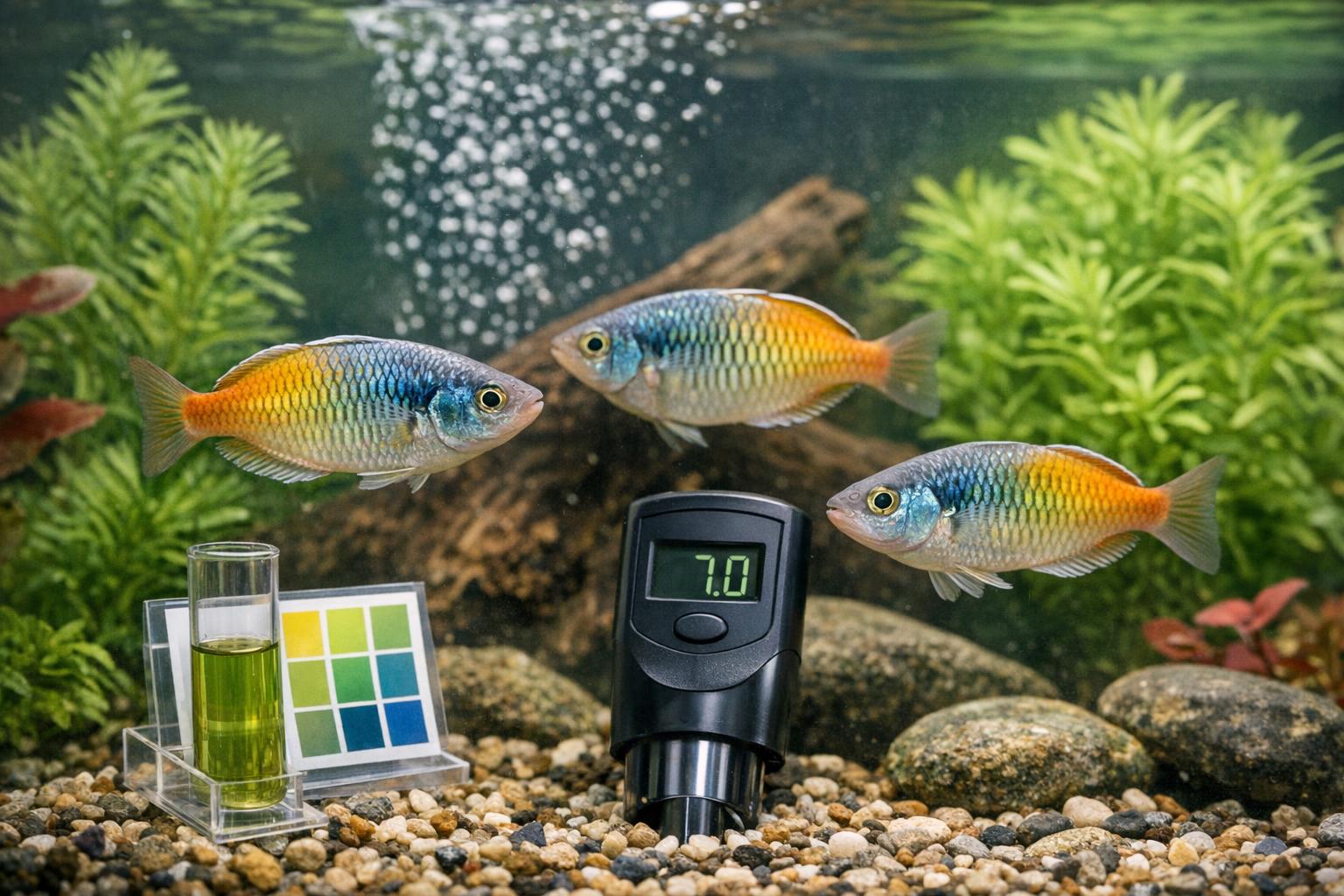
– Water test kit (ammonia, nitrite, nitrate, pH)
– Syringe or dosing tool for precise medication dosing
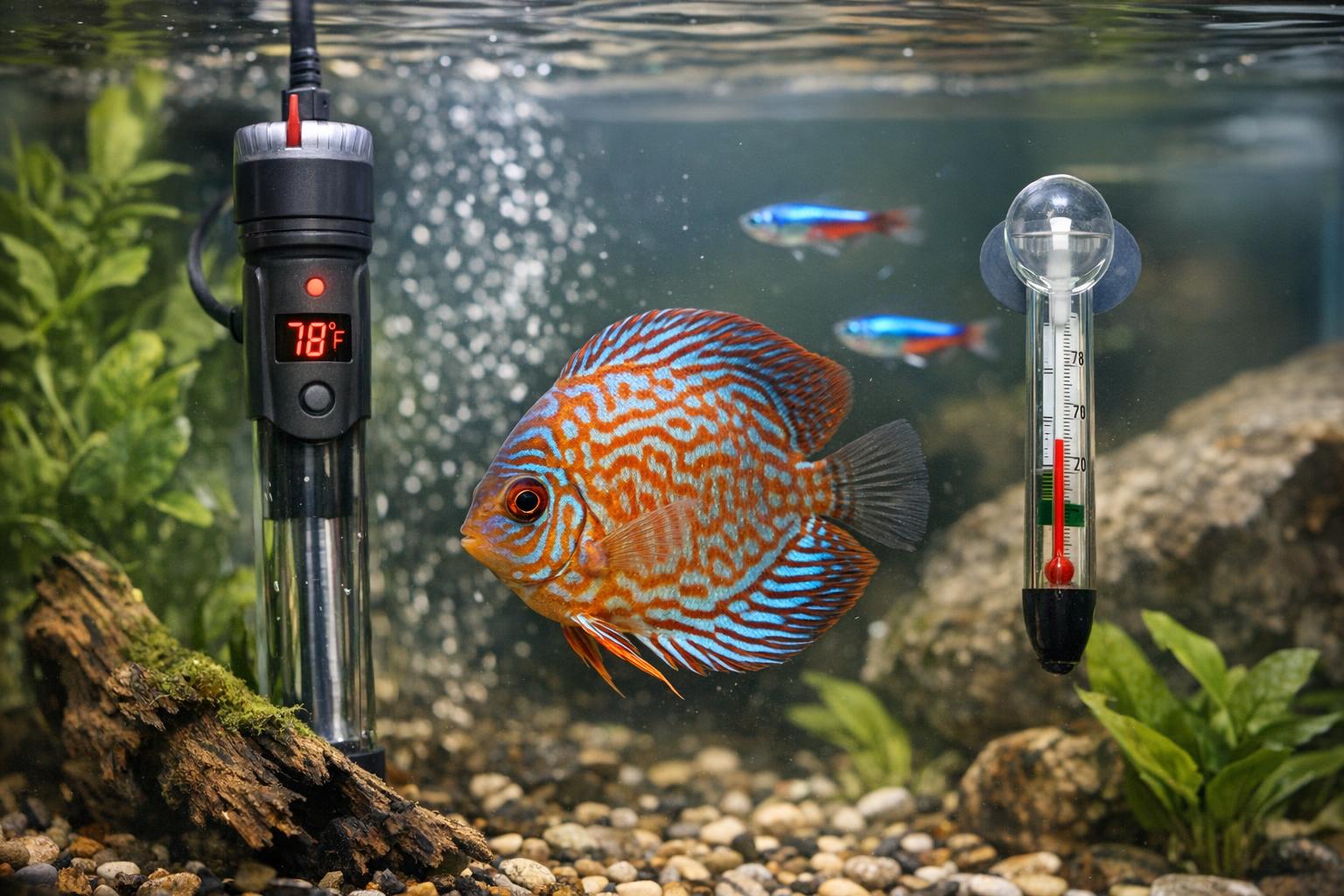
– Thermometer and aeration device
#### Step-By-Step Creation And Application
1. Test and stabilize quarantine water: ammonia and nitrite must be zero; nitrates low; temperature matched to the main tank. Correct parameters before medicating.
2. Add aquarium salt at a therapeutic concentration, typically 1–3 teaspoons per gallon (approx. 1–3 g/L), depending on species tolerance and manufacturer guidance. Salt can reduce osmotic stress and inhibit some pathogens.
3. Choose medication based on suspected diagnosis: antibacterial for ulcers/fin rot; antifungal for cottony growth; antiparasitic for visible parasites. If uncertain, use broad-spectrum treatments or seek veterinary diagnostics (gill/cloak scrapings).
4. Follow dosing instructions exactly. Overdosing is dangerous; underdosing is ineffective. Administer medication at manufacturer-recommended intervals, typically daily or per label until symptoms abate plus an extra 48 hours.
5. Maintain excellent water quality during treatment: perform partial water changes (20–30%) every 2–3 days using matching temperature dechlorinated water and re-dose medication per instructions if required after water changes.
6. Monitor fish daily for improvement: reduction in flashing, repaired fins, return of appetite, normalized breathing. If no improvement after full course, consult an aquatic veterinarian for culture or different antibiotic therapy.
## When To Call A Veterinarian Or Escalate The War
If multiple fish die suddenly, you see severe hemorrhaging, deep ulcers, bulging eyes (exophthalmia), or systemic symptoms like extreme bloating, seek professional help immediately. Diagnostic tests (microscopy, cultures) can identify specific pathogens and enable targeted treatment.
### Preventive Measures To Stop The Spread
Preventive vigilance saves lives. Quarantine new fish for 2–4 weeks, sanitize nets and equipment between tanks, avoid overfeeding, maintain regular water testing, and perform scheduled water changes. These measures address root causes and reduce the chance you’ll be searching for fish disease symptoms and treatment again.
### Managing Tank-Wide Outbreaks
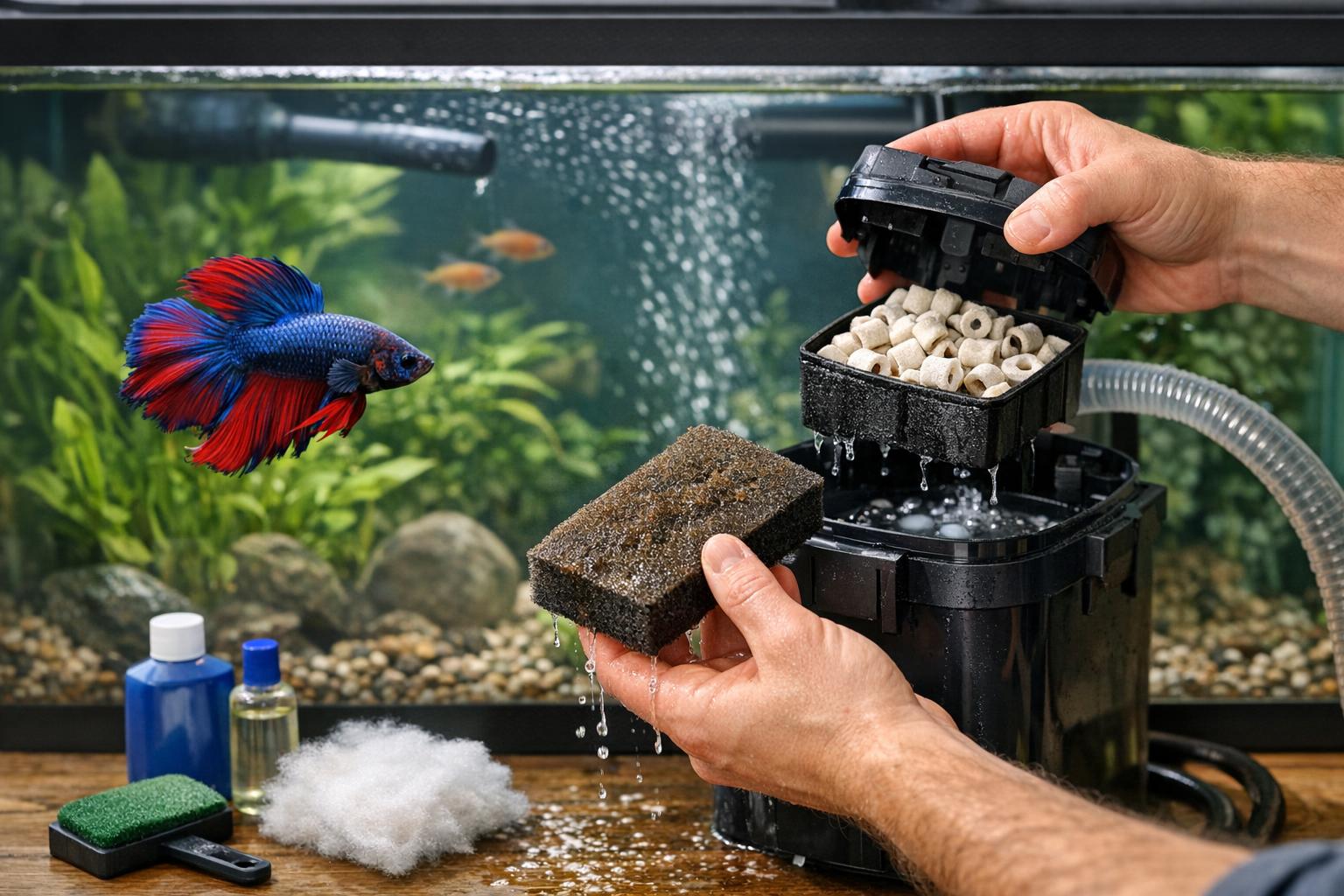
If contagion crosses into the main tank, consider treatment in-place only when safe for all inhabitants (some medications harm invertebrates). Alternatively, a partial depopulation and thorough tank cleaning with protocol-driven disinfection may be required. Always read medication compatibility before dosing a community aquarium.
## The Most Dangerous Mistakes That Kill Fish Fast
Ignoring subtle signs, delaying treatment, and blind dosing with multiple medications simultaneously are the three cardinal sins. Panic-driven overmedication can be as lethal as the disease. Follow measured, evidence-based steps and maintain composure.
## Rapid Checklist: First Ten Actions To Take Right Now
1. Remove obviously dying or severely infected individuals with care.
2. Test water for ammonia, nitrite, nitrate, pH, and temperature.
3. Increase aeration and stabilize temperature.
4. Set up a quarantine tank if possible.
5. Perform a 25% water change if water quality is poor.
6. Apply a quick quarantine dip for visible external parasites.
7. Begin targeted treatment in quarantine per diagnosis.
8. Avoid adding new fish or plants until the tank is clear.
9. Document symptoms and treatments to share with a vet if needed.
10. Communicate with other hobbyists or vets when in doubt.
Acting fast and methodically is your best defense against catastrophic loss. For more help identifying specific signs or choosing a medication, consult product guides or a qualified aquatic veterinarian.










Leave a Reply