





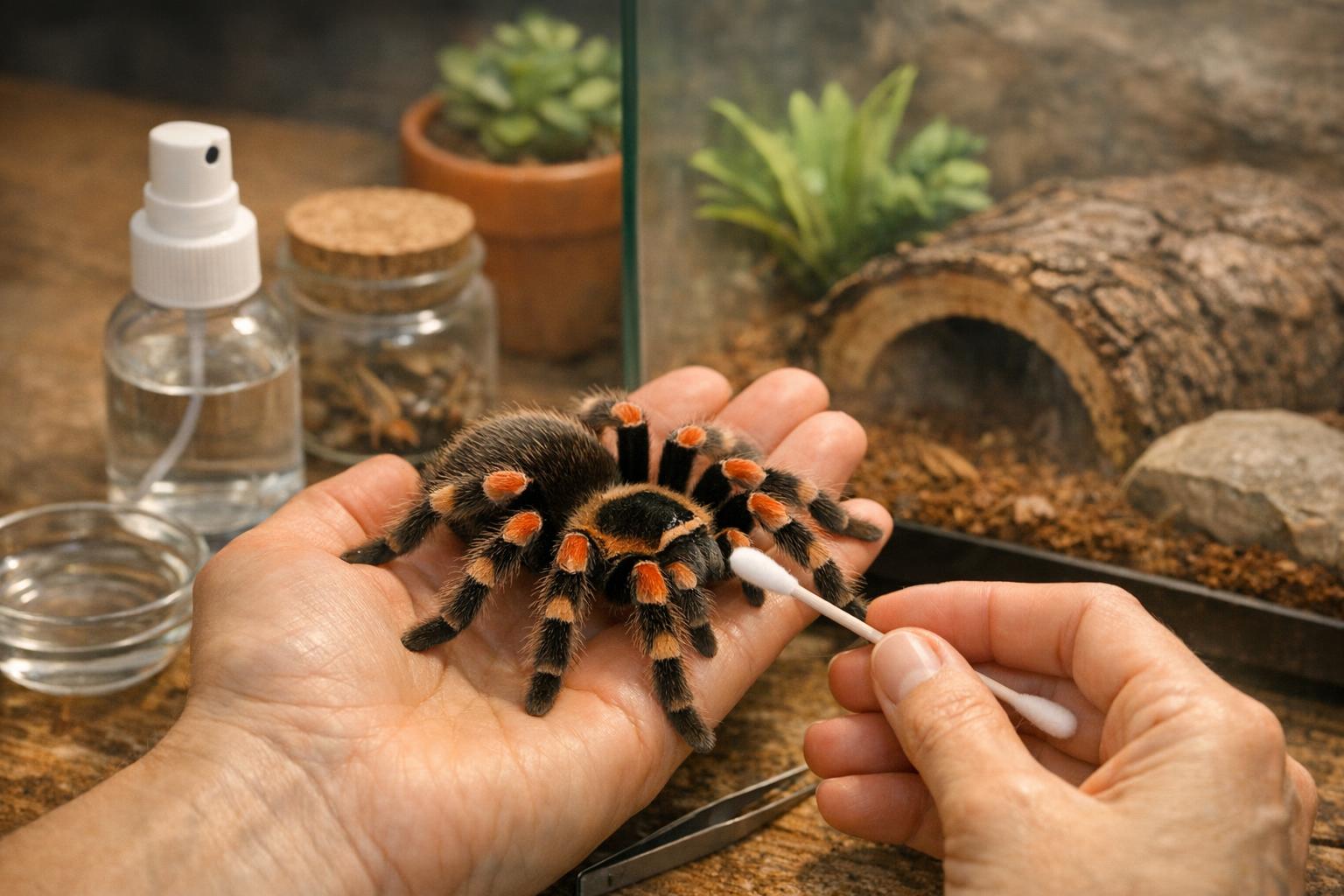
There’s a quiet, wiry grace to spiders—their patient architecture and tiny, precise movements can feel meditative. Whether you keep a delicate jumper, a velvet tarantula, or simply want to help a backyard orb-weaver, learning gentle husbandry and home remedies helps you be a better steward of these eight-legged companions. Below are practical, creative, and humane approaches to how to care for spiders that honor their biology and reduce stress.
## How To Care For Spiders: A Gentle Home Remedy Guide
### The Ethos Behind Spider Care
Spiders are not household pests in the same way many animals are; most are solitary, low-maintenance, and sensitive to environmental shifts. Good spider care begins with observation—watching posture, web-building frequency, mobility, and appetite. These clues tell you more than alarmist assumptions. When you approach the question of how to care for spiders, think like an architect and a quiet nurse: create the right space, then monitor and support.
### Understanding Species Needs
#### Match Enclosure To Natural Habitat
Different families have different needs. Jumping spiders want horizontal space and visual enrichment; burrowing species need deep substrate; arboreal tarantulas require vertical structures. When you research spider care, always prioritize species-specific natural history over broad advice.
#### Pay Attention To Size And Behavior
Young spiders (spiderlings) often need warmer, more humid conditions and finer food. Adult spiders may be content with a simpler setup. Accurate gender and age assessment helps you refine care, especially for species used in captivity such as common tarantulas.
## Enclosure Basics For Healthy Spider Care
### Substrate, Ventilation, And Furnishings
Good enclosures are secure, escape-proof, and sized appropriately. Use a substrate depth that suits the species: shallow for dwarf species, deeper for fossorial types. Ventilation should prevent stagnant air while keeping humidity stable. Offer hiding places—bark, cork, half-logs—arranged to allow natural movements without crowding.
### Temperature And Humidity Management
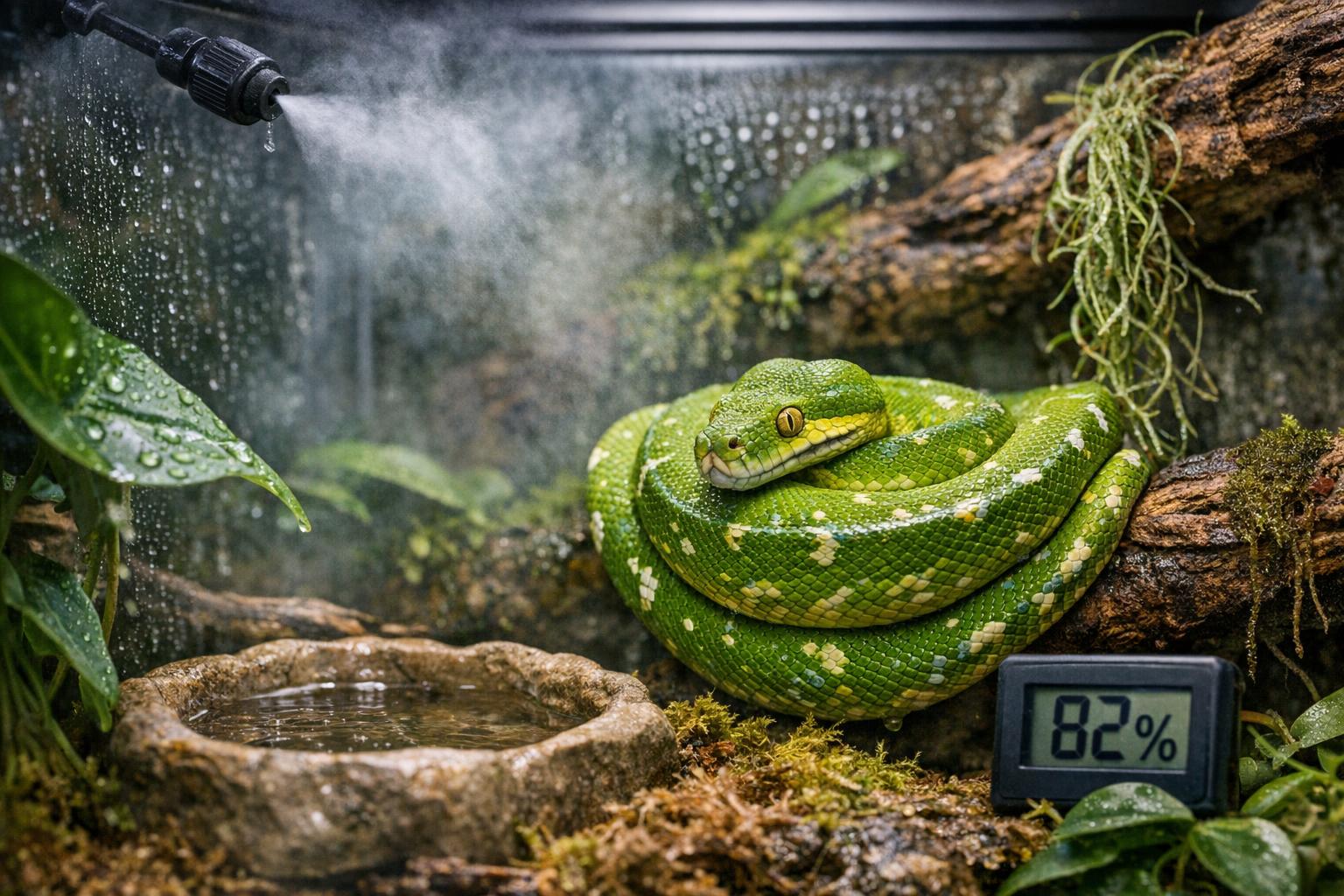
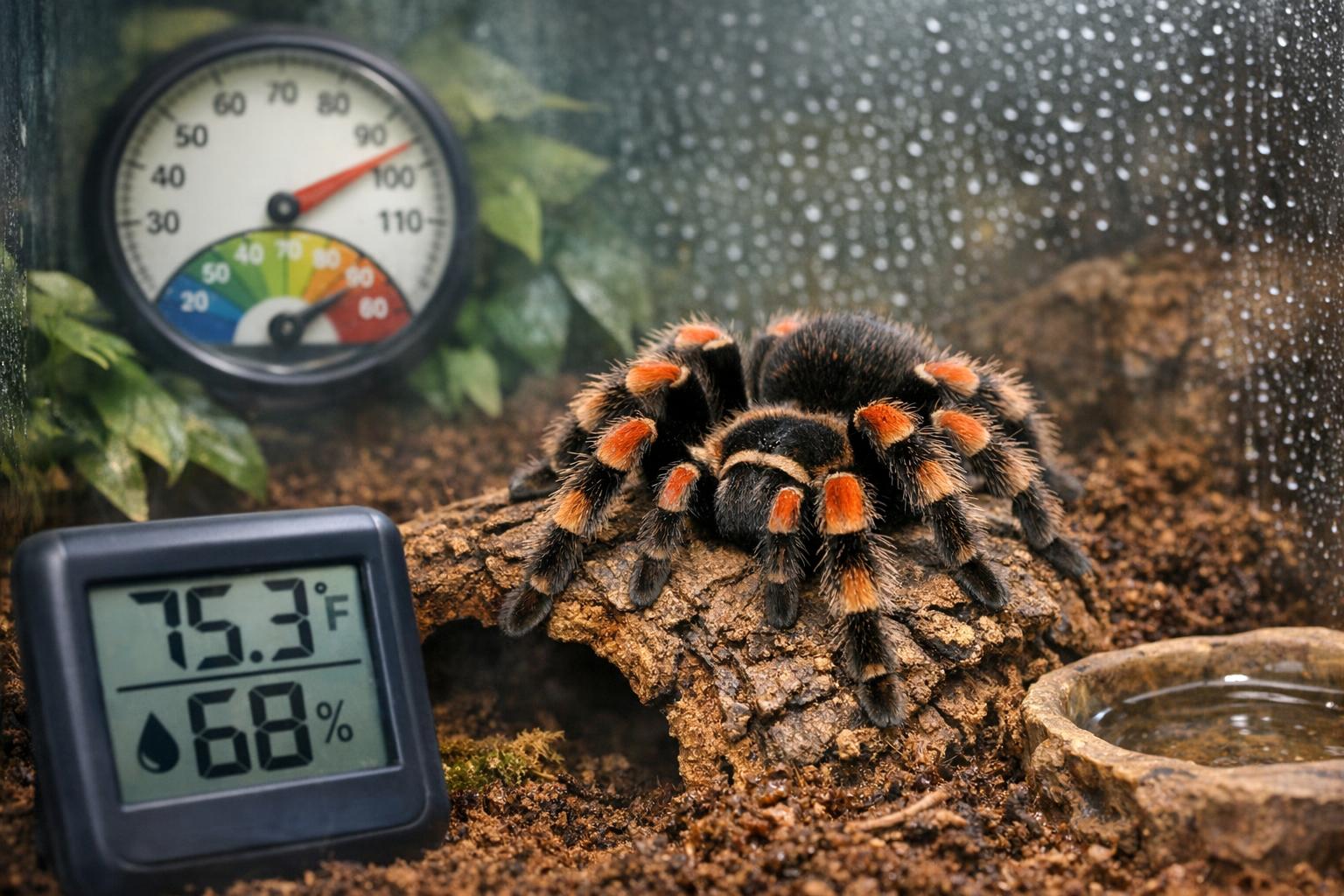
Many spiders tolerate room temperature, but tropical species and many tarantula care regimens demand a steady 75–85°F (24–29°C) with relative humidity adjusted for the species. Use a simple digital hygrometer/thermometer to monitor conditions. Avoid direct sunlight and heat pads unless carefully regulated and monitored.
## Feeding, Watering, And Nutritional Notes
### Prey Variety And Feeding Frequency
A staple diet of live insects—crickets, roaches, mealworms—provides enrichment and nutrition. For small species, provide appropriately sized prey. Feed spiderlings more frequently (every 2–4 days) and adults less often (weekly to biweekly, depending on species and condition). Avoid overfeeding; many spiders fast during molts.
### Watering With Care
Spiders often get moisture from prey and ambient humidity. A shallow water dish with clean, dechlorinated water can be useful for larger species, while misting is helpful for species that prefer higher humidity. In tarantula care, a single shallow water bowl is usually sufficient; ensure it cannot tip into the substrate and create drowning risks for small spiderlings.
## Handling, Stress Reduction, And Behavior
### When To Handle And When To Observe
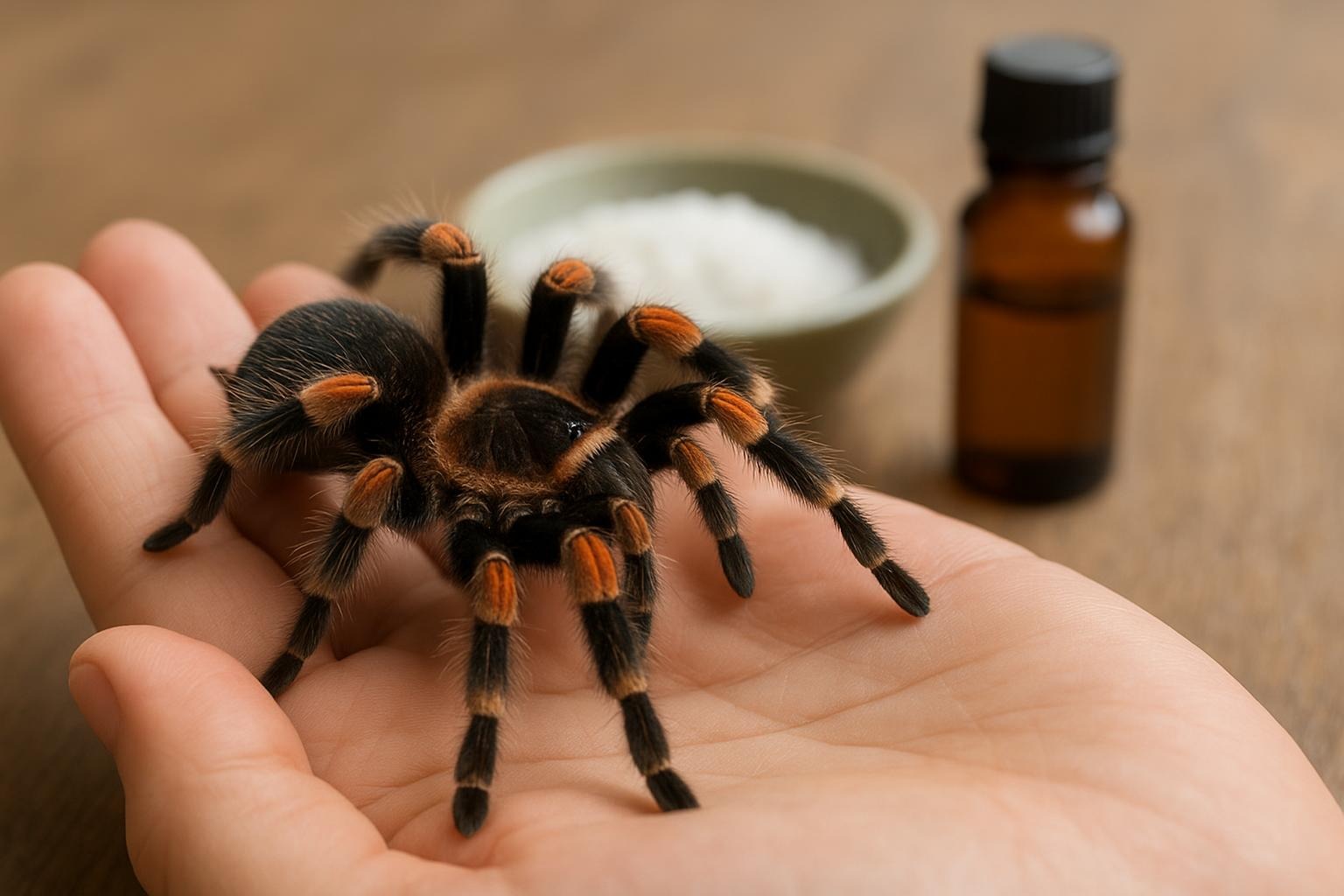
Many spiders are stressed by handling. Handling should be minimized and only done when necessary for transfers, inspections, or veterinary care. For tarantula care, handling is generally discouraged unless the animal is acclimated and the person experienced. Support the spider gently on a flat hand or let it walk onto a container for transfers.
### Signs Of Distress
Lethargy, refusal to eat (outside of molting), abnormal postures, or prolonged stillness can indicate health problems. Observing web patterns and activity cycles helps you detect early changes before they become emergencies.
## Knowing Common Health Issues And Gentle Remedies
### Preventive Measures
Good husbandry prevents most problems: clean enclosures, proper humidity, appropriate prey, and quiet conditions. Regular, calm observation is the simplest remedy for many issues—early detection means simpler fixes.
## 1. Remedy: Hydration Boost For Dehydrated Spiders
Ingredients / Materials:
– Clean, dechlorinated water
– Shallow ceramic or glass dish (wide and low)
– Sterile cotton ball or sponge
– Small pipette or turkey baster
– Hygrometer
Creation And Application (Formal Procedure):
1. Preparation: Clean the water dish with hot water and a mild, fragrance-free soap. Rinse thoroughly; residual soap is toxic.
2. Placement: Add 5–10 mL of dechlorinated water to the dish (enough to wet the dish without creating a deep pool). Place it in a stable area of the enclosure where the spider cannot tip it.
3. Micro-Hydration: For smaller spiders or those that appear dehydrated (shrunk abdomen, lethargy), moisten a sterile cotton ball lightly and place it on a tile inside the enclosure. The cotton provides a safe drinking surface and reduces drowning risk.
4. Direct Hydration (If Necessary): Using a small pipette, place a single droplet of water near the spider’s chelicerae (mouth area) if it is able to drink. Do not force water into the spider’s mouth. Observe for drinking behavior.
5. Monitoring: Record hygrometer readings twice daily. Increase ambient humidity gently by light misting once daily, avoiding saturating the substrate. Reassess hydration within 24–48 hours.
Safety Notes: Avoid introducing insects carrying parasites. If a spider cannot right itself or is severely desiccated, seek specialist veterinary assistance promptly.
## 2. Remedy: Humidity Patch For Molting Support
Ingredients / Materials:
– Peat-free substrate (coco fiber or sphagnum)
– Small plastic container with air holes
– Damp moss or coconut fiber
– Tweezers (sterilized)
– Hygrometer
Creation And Application (Formal Procedure):
1. Choose A Patch Container: Select a small ventilated container that fits inside the main enclosure and allows the spider to enter.
2. Prepare The Substrate: Moisten moss or coconut fiber until it is damp but not waterlogged. Squeeze out excess water; the material should hold shape but not drip.
3. Positioning: Place the damp patch in the container and situate the container where the spider typically retreats. For arboreal species, mount the container vertically as a humid retreat.
4. Transitioning: Encourage the spider to enter the patch by gently coaxing with a soft paintbrush if necessary. Do not chase or stress the spider.
5. Molting Support: Maintain the humidity patch during pre-molt and molting periods. Check daily and re-moisten as needed. Once the spider has completed its molt and dries, remove the patch or refresh substrate to prevent mold.
Safety Notes: Clean or replace the humidity patch every 7–10 days to prevent microbial growth. Monitor for mold and remove immediately.
## 3. Remedy: Mild Antiseptic Care For Small Wounds
Ingredients / Materials:
– Sterile saline solution (0.9% NaCl)
– Clean cotton swabs
– Medical-grade cyanoacrylate (veterinary skin adhesive) — optional and only for external cuts on larger species with appropriate guidance
– Gloves
– Tweezers (sterilized)
Creation And Application (Formal Procedure):
1. Assess The Injury: If the spider is bleeding heavily, in shock, or unable to move, limit handling and consult a veterinarian experienced with invertebrates. For small external abrasions, proceed carefully.
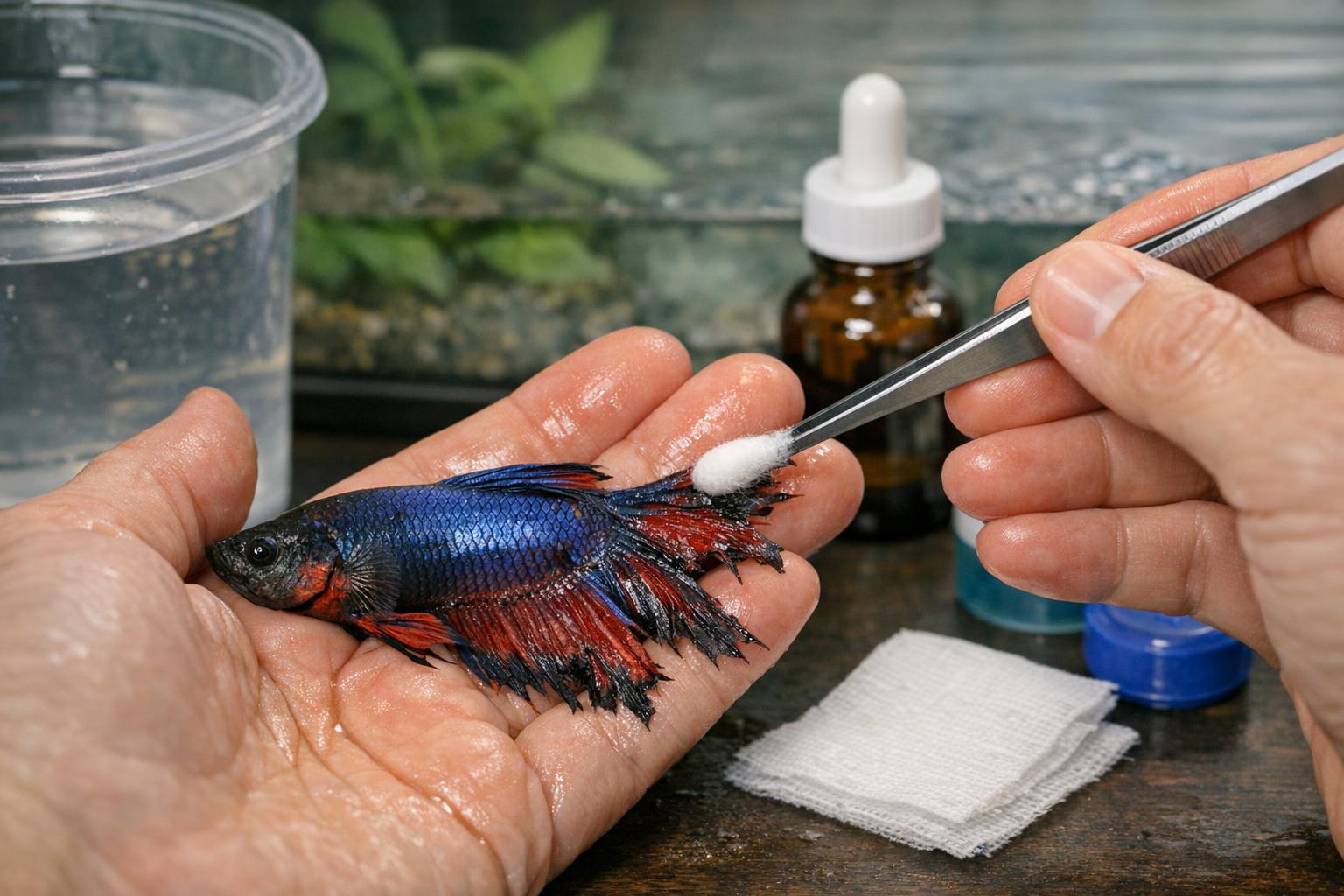
2. Clean The Area: Put on gloves. Using a sterile cotton swab dipped in saline, gently dab the wound to remove debris. Do not scrub; minimize disturbance.
3. Drying: Allow the area to air-dry briefly. For minor wounds on larger spiders (e.g., adult tarantulas), a veterinary skin adhesive can be applied in a single, tiny dot to close the superficial cut—only use adhesives designed for animals and follow product guidelines.
4. Isolation: Keep the spider in a clean, dry enclosure with minimal substrate contact to reduce the chance of contamination. Do not introduce live prey until the spider shows normal appetite.
5. Monitoring: Inspect the wound daily. If there is ongoing deterioration, swelling, or signs of infection (unpleasant odor, pus), seek professional care.
Safety Notes: Do not use human antiseptics that contain alcohol, iodine, or hydrogen peroxide—their cytotoxicity can harm spider tissue.
### When To Seek Professional Help
If a spider shows systemic signs—complete refusal to move, severe discoloration, or prolonged inability to right itself—contact an exotics veterinarian. Home remedies can support mild issues but are not substitutes for professional diagnosis in serious cases.
### Tarantula Care Specifics
When addressing tarantula care, remember that tarantulas are larger and can handle certain interventions better than tiny species, but they are still sensitive. Use larger water dishes for adult tarantulas, provide sturdy hiding places, and avoid frequent handling. If using adhesives or complex treatments, consult a specialist experienced in tarantula physiology.
### Recordkeeping And Gentle Observation
Keep a simple log: species, molting dates, feeding, humidity, and any treatments. This record empowers better decisions and helps you notice subtle trends. The art of how to care for spiders is as much about attentive, low-intervention stewardship as it is about remedies.
Continue to observe with empathy and patience. Spiders reward quiet care with stable behavior, fascinating displays of web architecture, and the calm satisfaction of a well-managed microhabitat.


























Leave a Reply