


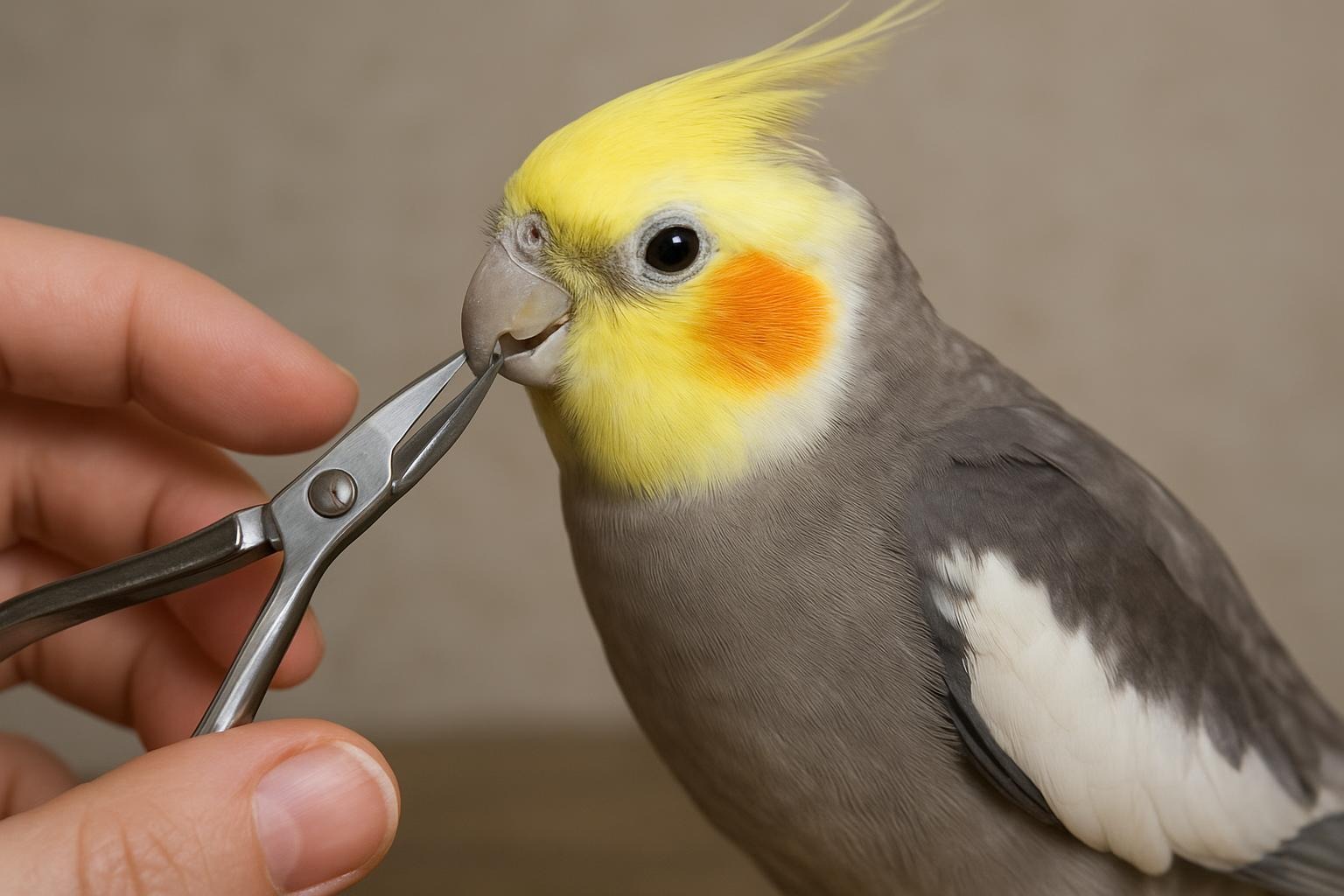
Hello there — glad you wandered in. I promise this will be more helpful than watching your cockatiel rearrange the living room cushions for the hundredth time. If you care about a happy, chirpy bird, a healthy cockatiel beak is a small but mighty detail that keeps feeding, preening, and play running smoothly.
## Beak Maintenance Tricks For A Healthy Cockatiel Beak
### Why The Beak Matters More Than It Looks
Your cockatiel’s beak does a lot: it grips, chews, climbs, grooms, and even expresses a bit of attitude. A beak that’s too long, overgrown, chipped, or misshapen can lead to trouble eating, molting, and even infections. Keeping a healthy cockatiel beak isn’t just cosmetic — it’s central to overall wellbeing.
### Common Signs Your Bird’s Beak Needs Attention
Watch for changes rather than panicking over a perfectly normal quirk. Indicators a beak may need help include visible overgrowth, an uneven tip, flaking that’s not part of normal molt, difficulty cracking seeds, or the bird favoring one side while eating. Drooling, bad breath, or reluctance to chew hard foods also merit a closer look. Spotting problems early keeps care simple.
### What Causes Beak Problems
Dietary imbalances, lack of chewable materials, injury, genetics, and liver or nutritional disease can all contribute to beak issues. Environmental factors matter too: cages without abrasive perches, soft-only diets, and boredom can allow a beak to grow past its functional length. A healthy cockatiel beak thrives on appropriate wear, balanced nutrition, and periodic checks.
### 1. At-Home Beak Check And Gentle Filing
This is your baseline maintenance routine; think of it as beak hygiene 101. Be gentle, consistent, and honest about your skill level — if you’re unsure or your bird is stressed, consult an avian vet.
#### Materials Needed
1. A towel for safe, calm restraint (or a helper).
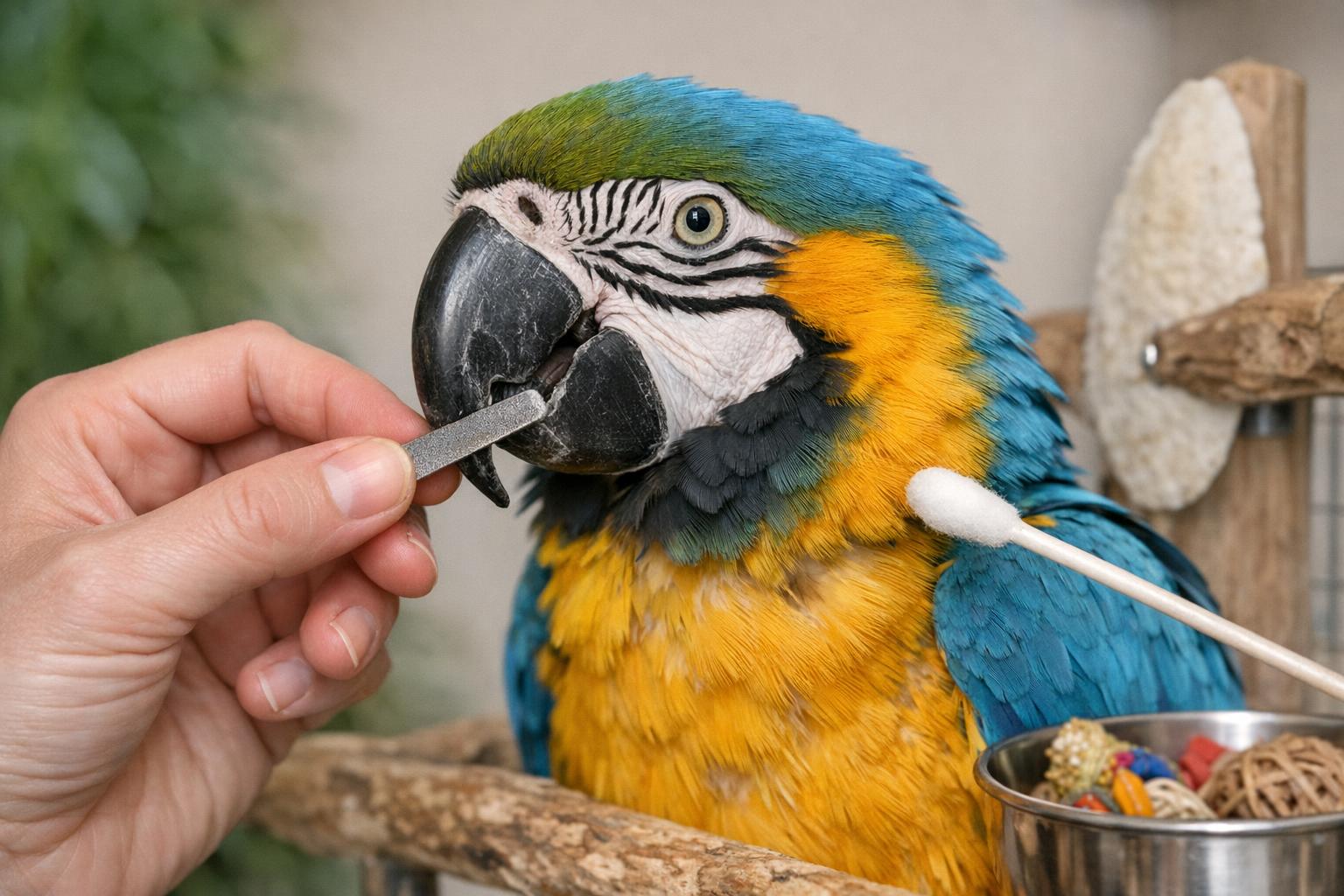
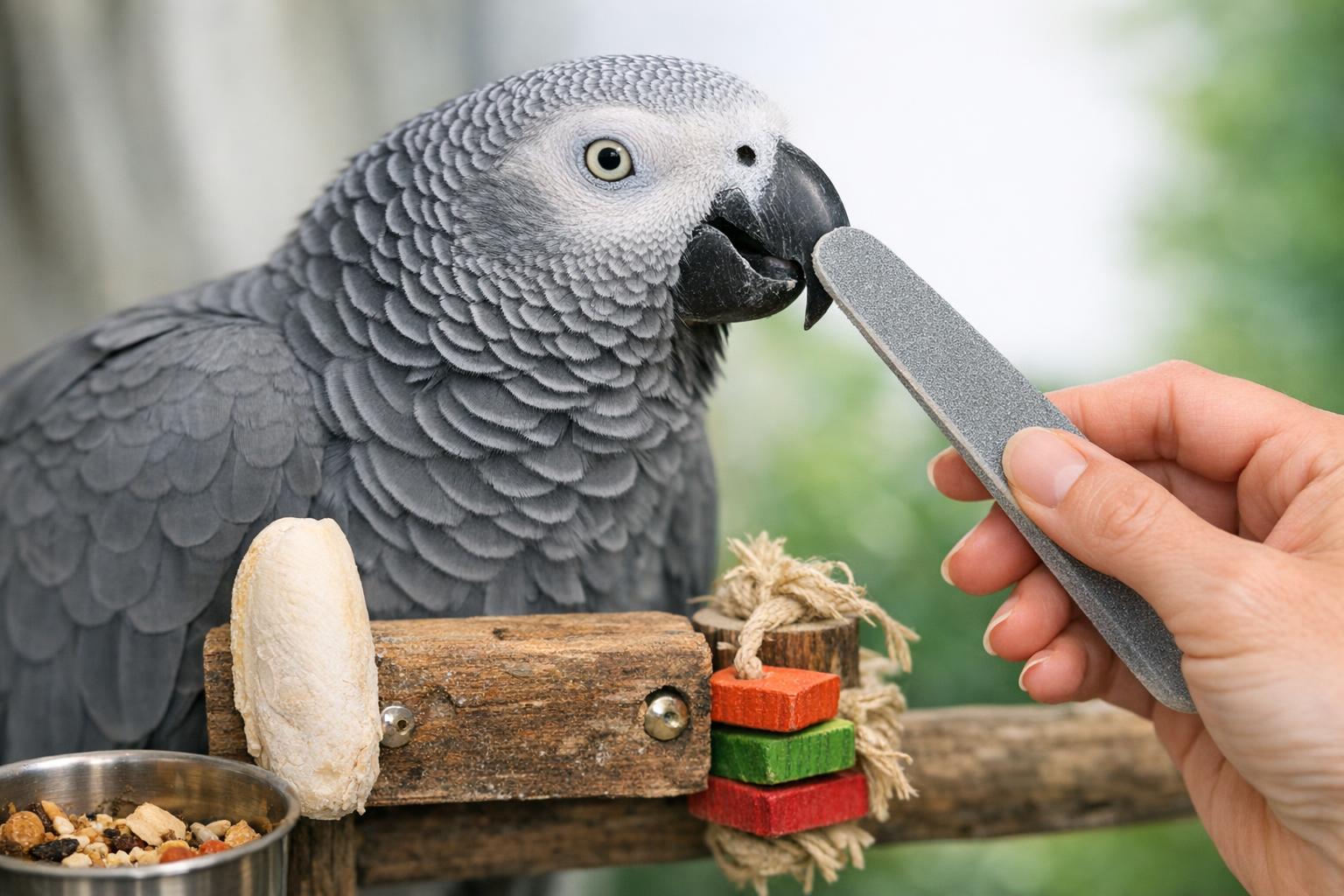
2. A fine, bird-safe nail file or rotary-tool attachment specifically designed for birds (use with caution).
3. Styptic powder (in case of minor nicks).
4. Soft treats for positive reinforcement.
#### Step-By-Step: Creation And Application
1. Prepare your bird: Offer treats, talk in a soothing voice, and let the cockatiel get used to your touch. Practice short handling sessions before doing any work.
2. Restraint: Gently wrap the bird in a towel, leaving the head exposed. If you have a calm helper, it’s much easier and safer.
3. Inspect: Check for cracks, splits, discoloration, or soft spots. If you see blood, swelling, or pus, stop and call a vet.
4. File only when necessary: Use slow, light strokes with the file to remove minimal length. Aim to reshape rather than rapidly shorten. Over-filing can cause pain and bleeding.
5. Work briefly: Keep sessions under a few minutes to avoid stress. Reward with a favored seed or millet afterwards.
6. Monitor healing: If you notice fresh raw areas, apply styptic powder cautiously and contact your vet if problems persist.
Note: If the beak is grossly overgrown or misshapen, do not attempt major correction at home. That requires veterinary trimming under stabilizing conditions.
### 2. Nutritional And Environmental Fixes For A Healthy Cockatiel Beak
A beak is living tissue that reflects diet and lifestyle. This remedy focuses on preventing problems by giving nature what it needs.
#### Materials Needed
1. A varied pellet-based diet supplemented with fresh vegetables and occasional seeds.
2. Hard-shelled nuts (unsalted) and safe chewing toys made of wood, leather, or mineral blocks.
3. Cuttlebone or mineral block for calcium and daily gnawing.
4. A selection of perches: natural wood, rope, and mineral perches of varying diameters.
#### Step-By-Step: Creation And Application
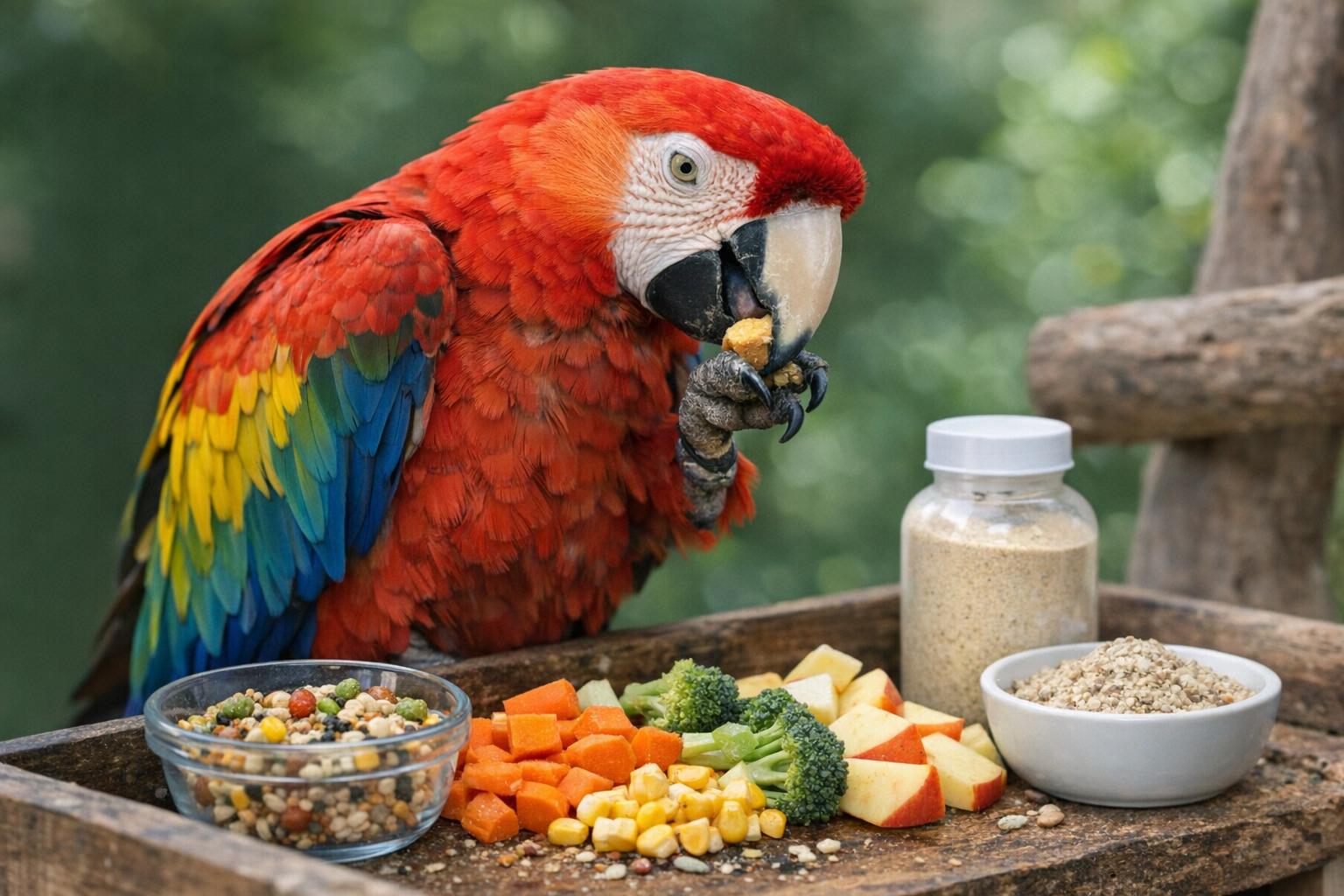
1. Audit the diet: Replace seed-only meals with high-quality pellets (about 70–80% of diet) and rotate in fresh greens, fruits in moderation, and vegetables daily. A balanced diet supports keratin health and overall beak integrity.
2. Add chewable items: Offer safe branches (apple, willow), wooden toys, and mineral blocks. Change and rotate these to maintain interest. Chewing is natural wear for a healthy cockatiel beak.
3. Provide calcium: Attach a cuttlebone or mineral block to the cage where your bird can use it. Calcium supports growth and can prevent brittle beak conditions.
4. Vary perches: Use multiple textures and diameters so the bird uses different grip muscles. Overuse of one soft perch type can reduce normal wear.
5. Monitor intake and weight: Keep an eye on how the bird eats. A sudden change in appetite can indicate pain or beak trouble requiring professional attention.
### Beak-Friendly Toys And Cage Setup Tips
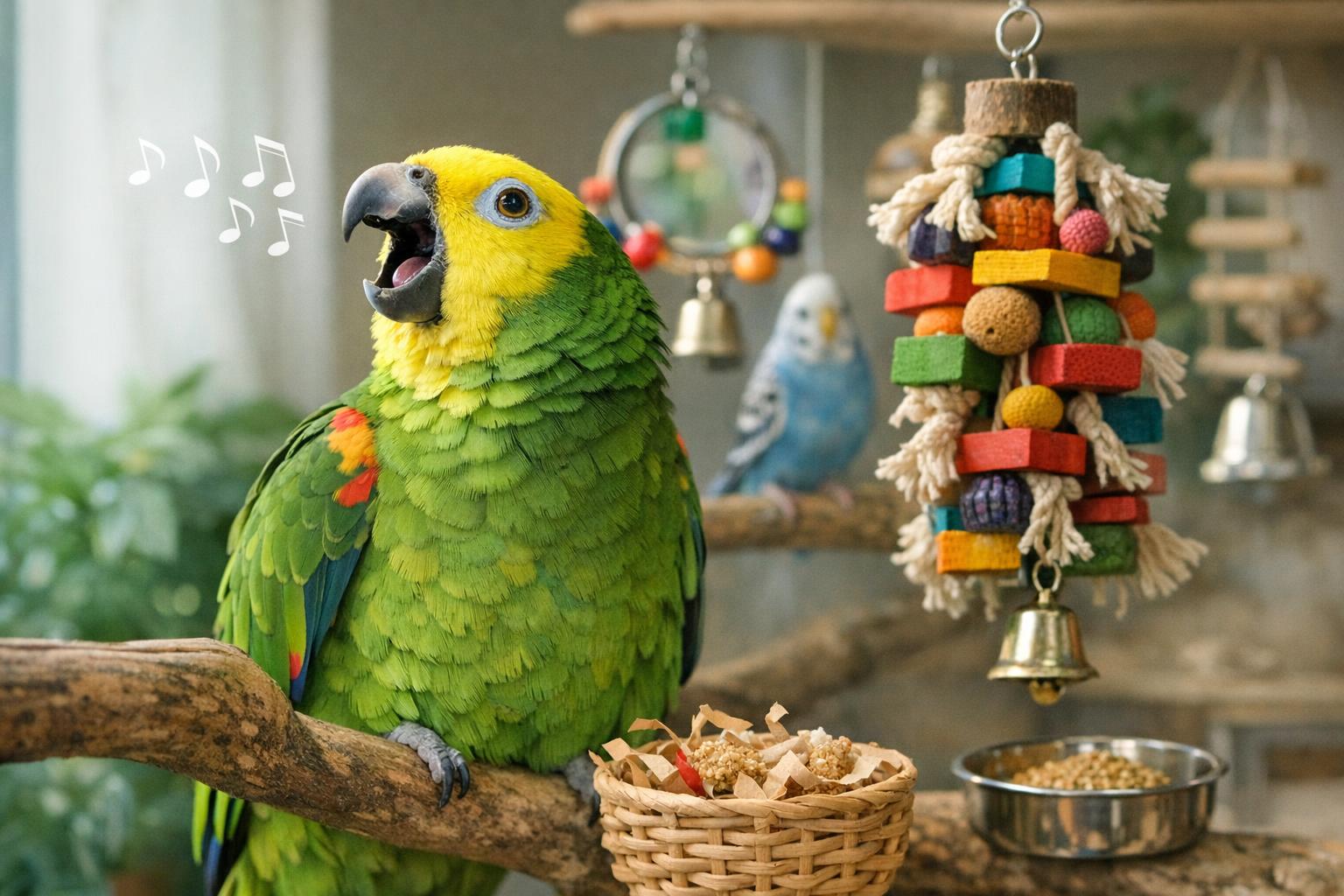
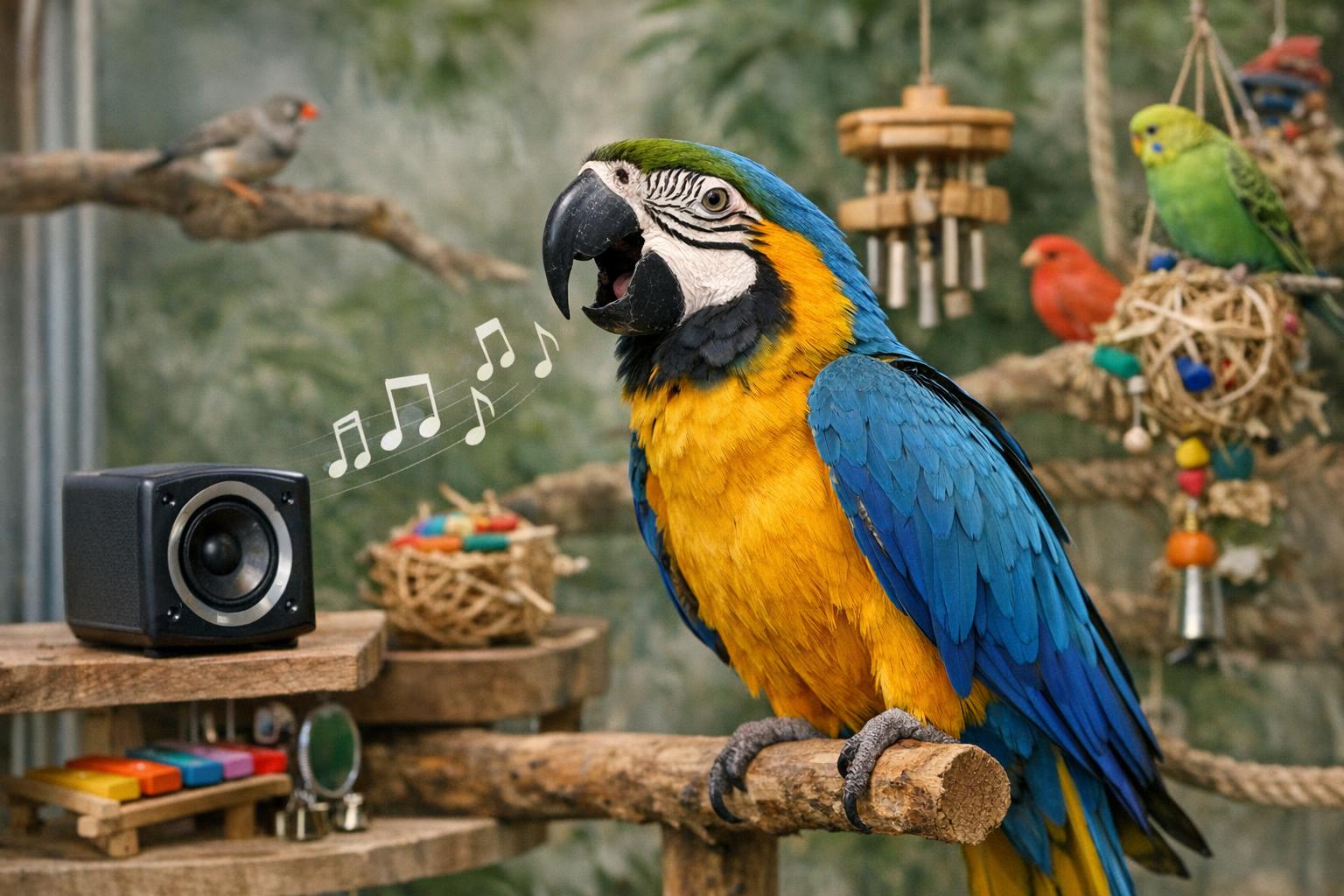
A few smart swaps can make maintenance effortless. Place chew toys near favorite perches, use foraging toys to encourage pecking and manipulation, and position cuttlebones within easy reach. Avoid plastic toys that can trap food or splinter. These small environmental tweaks go a long way toward promoting a healthy cockatiel beak.
### When To Call The Vet (And What To Expect)
If you see bleeding, deep cracks, soft or discolored patches, or if your cockatiel stops eating or loses weight, seek an avian vet. Professional care may include beak trimming, bacterial or fungal culture, x-rays, or bloodwork to rule out systemic causes. Vets can safely perform more aggressive reshaping and advise on supplements if a metabolic or liver condition is suspected.
### Grooming Mistakes To Avoid
Don’t over-file out of impatience; don’t rely solely on store-bought perches that are all the same; and never use household tools meant for people, like metal nail clippers, on a beak. These errors can cause chips, splits, and serious pain. If you’re not confident, it’s better to ask for help than create a problem you can’t reverse.
### Seasonal And Age Considerations
Young birds are growing and need ample calcium and nutrition; older birds may have naturally changing beak textures. Seasons can shift behaviors too — breeding season may increase wear from more aggressive chewing or mastication. These variations influence how often you check and maintain beak condition.
### Simple Daily Checks You Can Do
Set a routine: glance at your cockatiel’s beak during preening time, watch how it grips its seed or toy, and note any new chips or shifts. Simple daily observation helps you catch issues early without stressing the bird.
Keeping things light: think of beak maintenance like trimming houseplants and swapping light bulbs — boring but critical, and your cockatiel will thank you with delightful chirps (and the occasional dramatic head tilt).
If you want, I can draft a printable two-week beak-care checklist or a shopping list of recommended chew toys and pellets tailored to budgets and regional availability. Which would help you most right now?













Leave a Reply