





Keeping your aquarium’s pH steady is a bit like keeping a toddler away from the cookie jar: it takes attention, the right tools, and occasionally, strategic decoys (or in this case, driftwood). Relax — this guide walks you through natural, low-stress ways to maintain a healthy environment for your fish and aquatic plants without turning your tank into a chemistry lab.
## Why PH Matters In Your Tank
pH affects oxygen levels, toxicity, bacterial activity, and how well fish can absorb nutrients. Different species prefer different ranges: African cichlids thrive in higher (alkaline) pH, while many tetras and bettas prefer slightly acidic conditions. Sudden swings are worse than a steady pH that’s slightly off-target, so the goal isn’t perfection every hour — it’s consistency.
### Signs Of Unstable PH
– Cloudy water or sudden algae blooms.
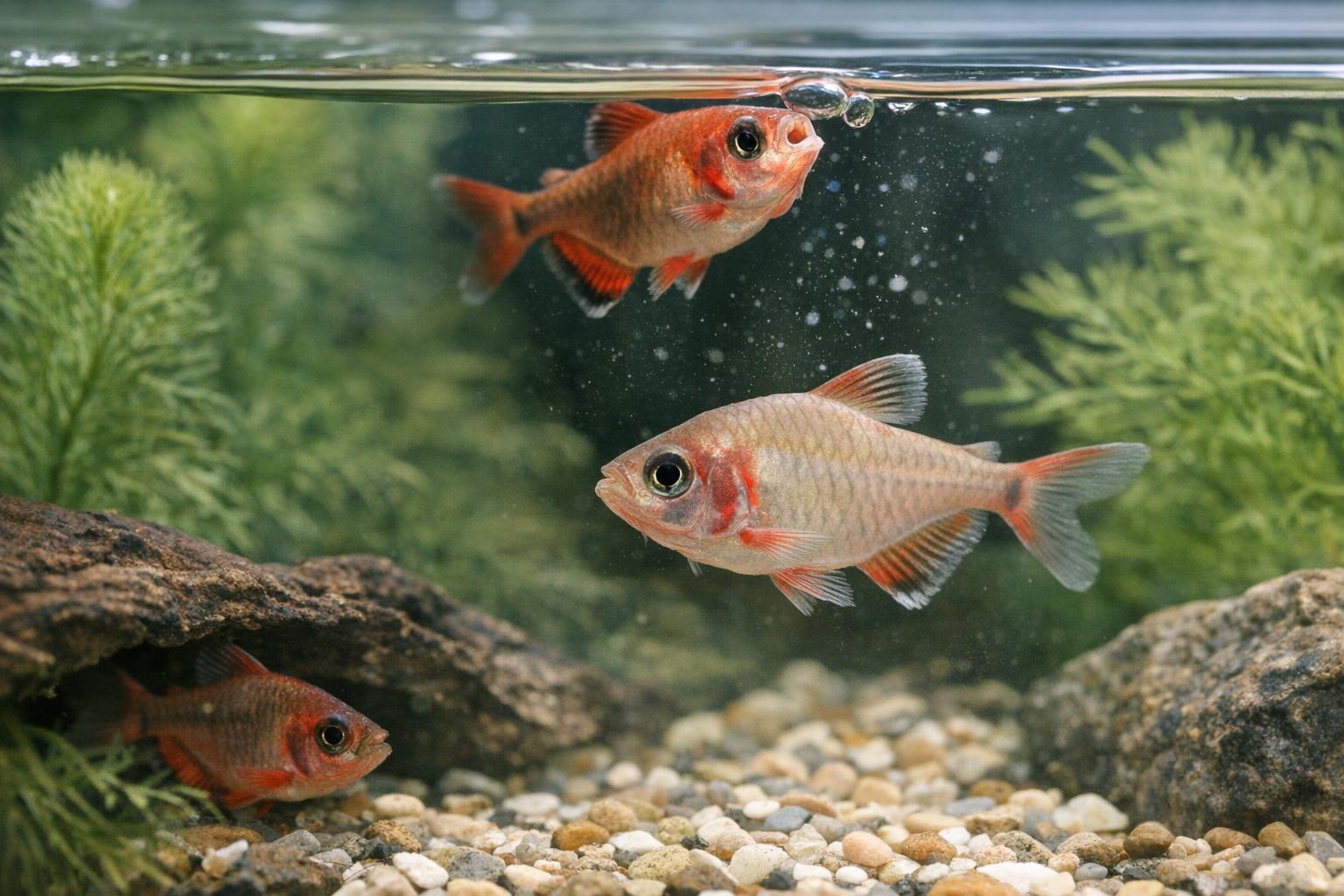
– Fish gasping at the surface or showing stress behaviors (clamped fins, hiding).
– New sudden deaths without visible disease.
– Plants struggling or unusual growth.
If you spot these, test the water immediately and take corrective action slowly. Fast changes are stressful for aquatic life.
## How To Maintain PH Level In Aquarium Naturally
This section explains several practical, natural approaches you can use to maintain ph level in aquarium. Use the remedy that matches your tank’s needs and the species you keep. Remember: when you change pH, do it gradually and monitor closely.
### Remedy 1: Use Natural Buffering Substrates
Materials/Ingredients:
1. Crushed coral or aragonite sand (for raising/maintaining higher pH)
2. Rinse bucket and gloves
3. Aquarium siphon for partial water changes
Creation And Application Steps:
1. Test your tank’s current pH and KH (carbonate hardness). If your pH is low and KH is low, crushed coral or aragonite can gently raise and buffer pH.
2. Rinse crushed coral thoroughly with tap water until runoff is mostly clear to remove dust.
3. Layer a thin substrate of aragonite or mix crushed coral into the existing substrate, avoiding burying plant roots directly if you have live plants.
4. Perform a partial water change (20-30%) after adding the substrate to remove suspended dust.
5. Monitor pH and KH weekly. Expect slow, gradual changes over days to weeks rather than overnight leaps.
Notes: This is best for tanks that naturally need a harder, more alkaline environment like cichlid tanks or marine setups. It’s a long-term, low-maintenance solution that helps maintain ph level in aquarium without daily fiddling.
### Remedy 2: Add Driftwood Or Peat To Lower PH Naturally
Materials/Ingredients:
1. Natural, aquarium-safe driftwood (e.g., Mopani, Malaysian driftwood) or aquarium-grade peat
2. Boiling pot for sterilizing driftwood (optional)
3. Mesh bag for peat (optional)
4. Test kit for pH and GH/KH
Creation And Application Steps:
1. Select driftwood that is rated safe for aquariums. Boil it for 20–60 minutes or soak for several days to remove tannins and unwanted organisms.
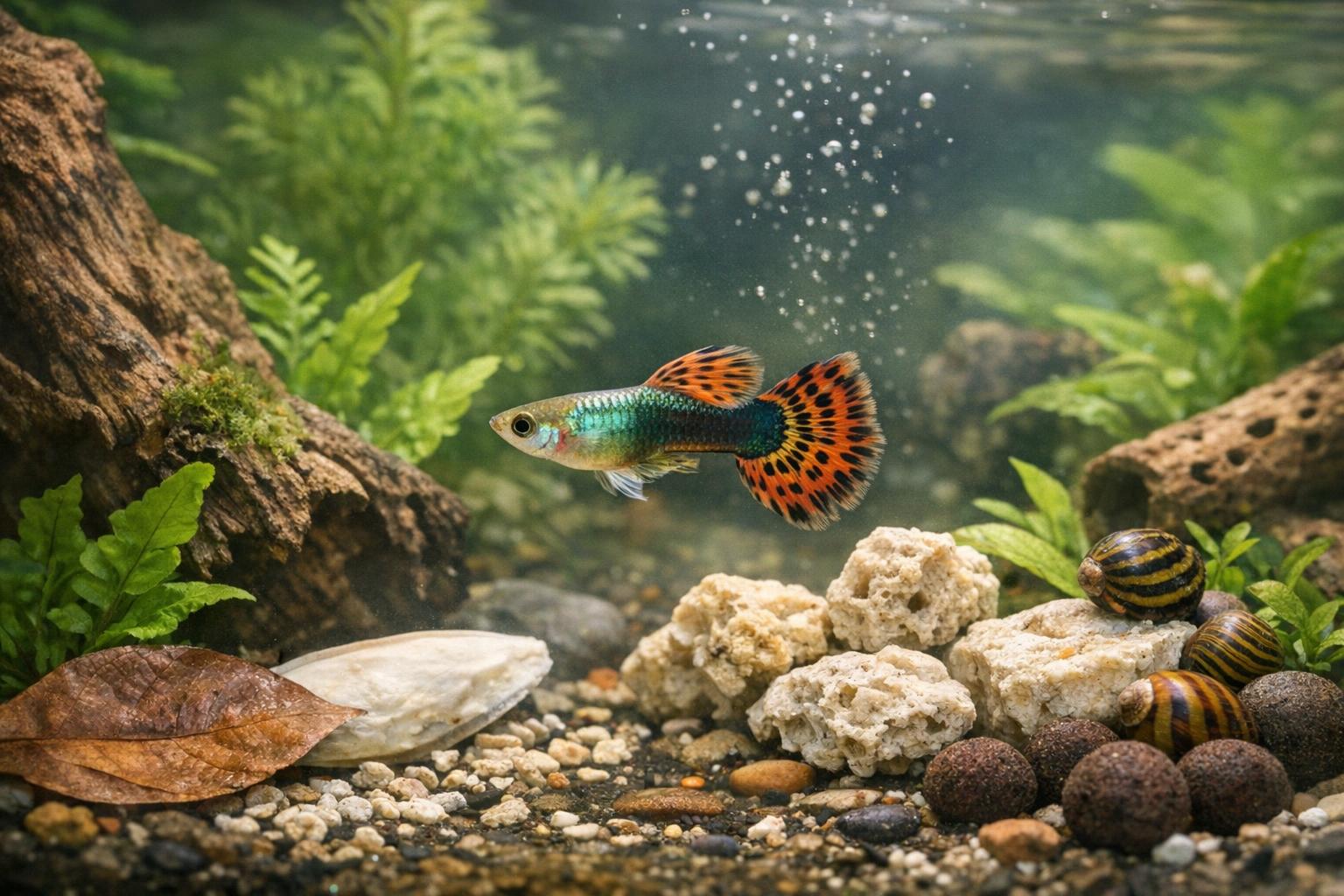
2. Place driftwood in the aquarium. Tannins will leach out slowly, gently lowering pH and softening water; the effect is gradual and predictable.
3. For peat, place it in a mesh bag and position it in the filter or a corner of the tank. Peat releases humic acids that can lower pH and reduce KH.
4. Monitor pH regularly. Tannins will give the water a tea-colored tint; this is not harmful and can be beneficial for species that prefer blackwater conditions.
5. Replace peat as needed (typically every 6–12 months) when its buffering effect diminishes.
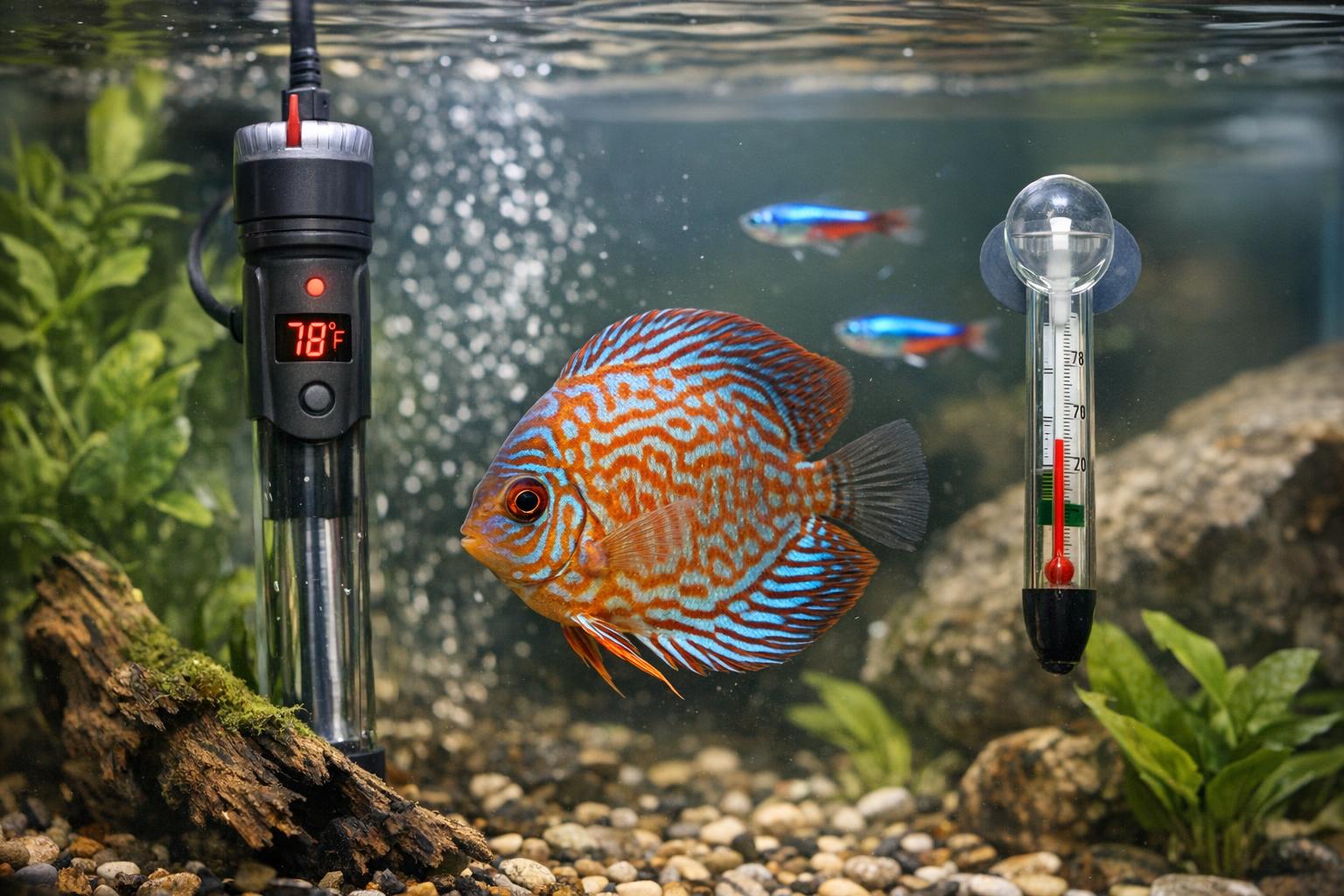
Notes: This remedy is ideal for species like bettas, tetras, or discus. It’s natural and aesthetic — your tank may look like a cozy Amazon stream.
### Remedy 3: Use Natural Mineral Additives To Raise PH (When Necessary)
Materials/Ingredients:
1. Seachem Equilibrium (or crushed coral/aragonite for DIY)
2. Measuring spoon or scale
3. Test kit for pH and KH
4. Container for dissolving (optional)
Creation And Application Steps:
1. Verify low pH is due to low KH. Use a KH test kit first; if KH is low, minerals can help stabilize pH.
2. For DIY, prepare a small batch of water mixed with crushed coral or aragonite in a separate container, let it sit until water chemistry adjusts, then slowly add to your tank during a water change.
3. If using commercial mineral supplements, follow manufacturer dosing based on tank volume and target KH/pH.
4. Add incrementally: small increases every 24–48 hours while monitoring pH and fish behavior.
5. Once the desired pH and KH are reached, maintain with regular partial water changes and periodic re-dosing if needed.
Notes: Formal handling and precise dosing are important with mineral additives. They’re effective to maintain ph level in aquarium when natural softening isn’t desired.
### Remedy 4: Stable Water Source Management (Numbered for Emphasis)
Materials/Ingredients:
1. Dechlorinator/water conditioner
2. Source water test kit (pH, GH, KH, nitrate)
3. Containers for storing treated water if using tap water
Creation And Application Steps:
1. Test your tap or source water. Municipal water can vary day to day. Knowing baseline parameters prevents surprises.
2. If tap water pH or KH is very different from tank water, consider mixing with reverse osmosis (RO) water or using a home-made remineralization mix to make a target blend.
3. Add dechlorinator to neutralize chlorine/chloramine when prepping water for changes.
4. Perform water changes with water that closely matches tank parameters to avoid shocking inhabitants.
5. Keep a log of source water results — small seasonal shifts can affect aquarium pH over time.
Notes: Consistent source water is one of the easiest ways to maintain ph level in aquarium. Prevention beats correction.
## Routine Monitoring And Practical Maintenance Tips
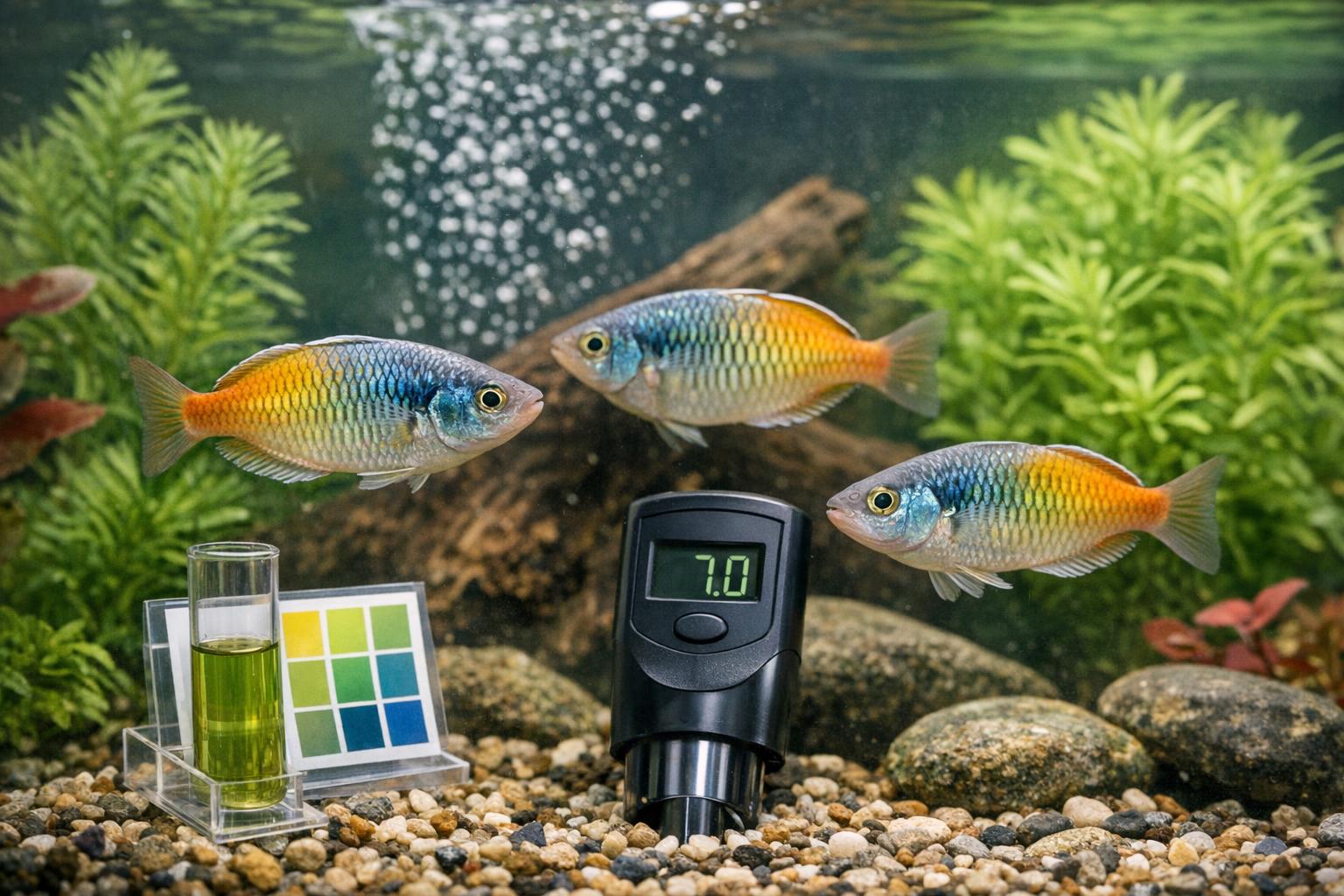
Maintain a testing schedule and stick to it like you’d stick to feeding time (fish are strict, people less so). Test pH and KH at least once a week for community tanks; more often if you’re adjusting parameters or running a sensitive species setup. Keep a log of readings — patterns quickly emerge and problems become solvable rather than mysterious.
– Use reliable liquid test kits over strip tests for more consistent results.
– When making changes, aim for pH shifts no greater than 0.2 units per day.
– Partial water changes (20–30% weekly) help dilute buildup of acids from waste and food.
– Avoid overfeeding and remove decaying plant matter promptly; organic decomposition lowers pH.
### How Plants And Biological Processes Help Maintain PH
Live plants consume CO2 during the day, which can raise pH slightly during daylight hours. Conversely, nighttime respiration lowers pH. A planted tank can act as a natural stabilizer, smoothing out extremes. Beneficial bacteria in the substrate and filter also help convert toxic ammonia to less acidic nitrate — a slow and steady process that favors stability.
#### When To Call In Professional Help
If pH is fluctuating wildly despite your best natural remedies, if fish show repeated unexplained illness, or if you can’t get source water parameters under control, consult an aquatics professional or veterinarian experienced in fish health. Some water issues require equipment upgrades (e.g., RO units, dedicated buffering systems) rather than purely DIY fixes.
## Quick Troubleshooting Checklist
If pH drops quickly:
– Check for decaying organic matter, dead fish, overfeeding.
– Test ammonia and nitrite (both indicate biological imbalance).
– Increase frequency of partial water changes with properly conditioned water.
If pH rises quickly:
– Check for an accidental addition of alkali (baking soda spills, improper dosing).
– Inspect new substrate or decorations that may be releasing minerals.
– Test source water and recent water change batches.
Keep in mind that the phrase maintain ph level in aquarium isn’t just about hitting a number — it’s about keeping that number stable for the health of your aquatic pets. With predictable water changes, appropriate substrates or natural additives, and consistent monitoring, you’ll spend less time panic-cleaning the tank and more time enjoying the calming view — and maybe practicing your best fish-impression for their amusement.
(Remember: slow and steady wins the race — and the fish stay happier for it.)




















Leave a Reply