



Cats are masters of looking calm while their whiskers are plotting world domination. But even the most composed feline can carry hidden tension. If you’re reading this, you probably want to reduce cat stress and anxiety with simple, repeatable habits that fit into your daily life — and that won’t require a PhD in Feline Emotional Engineering.
Most of what follows is user-friendly, realistic, and gentle on both you and your cat. I’ll sprinkle in a little levity here and there, but when we get to the remedies you’ll find clear, formal directions so you can act with confidence.
## Simple Daily Rituals To Alleviate Cat Stress And Anxiety
### Recognize The Signs Of Stress
Cats are subtle communicators. Before you implement rituals, learn to recognize the common signals that indicate cat stress and anxiety:
– Overgrooming, bald patches, or excessive shedding
– Hiding, reduced social interaction, or sudden aggression
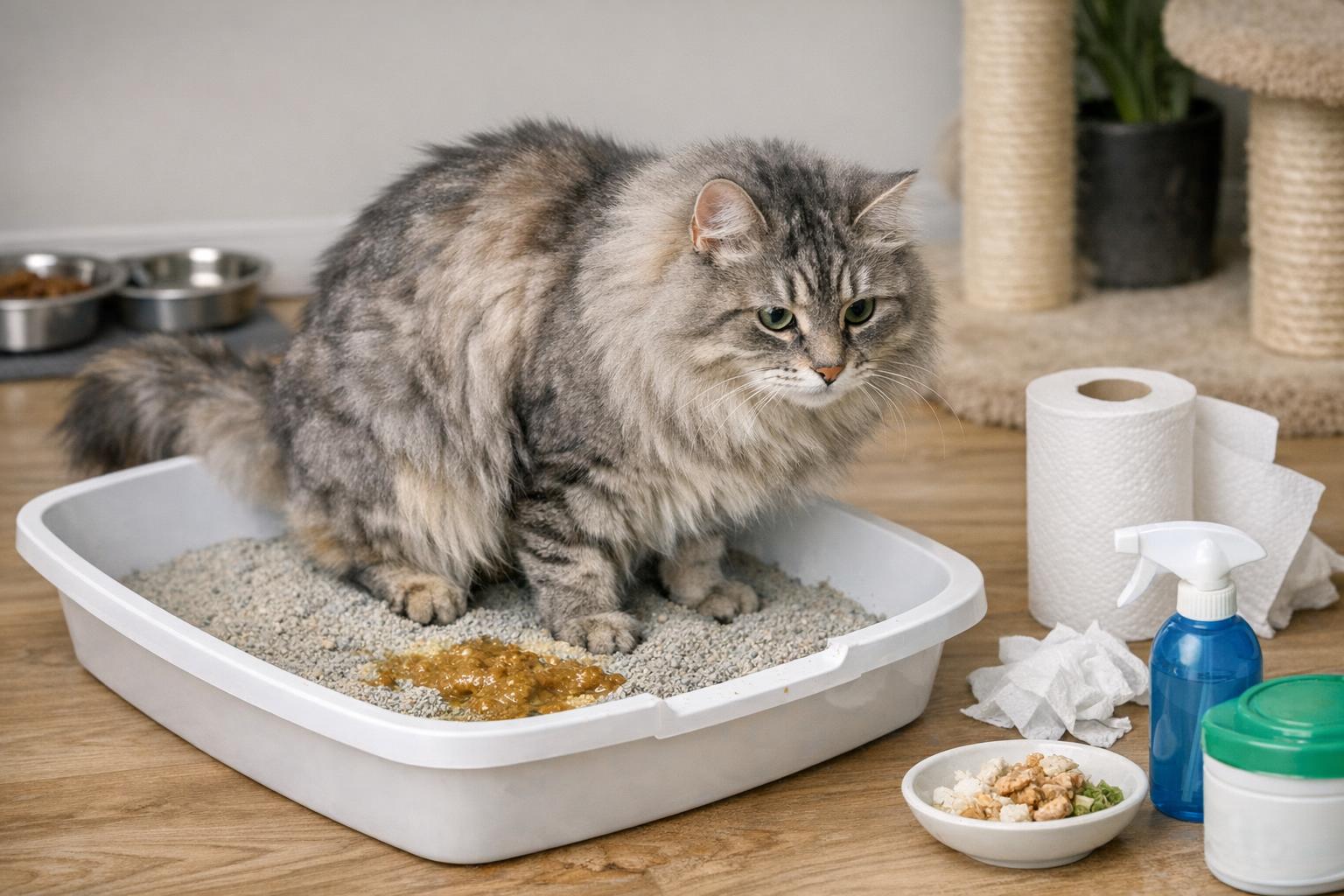
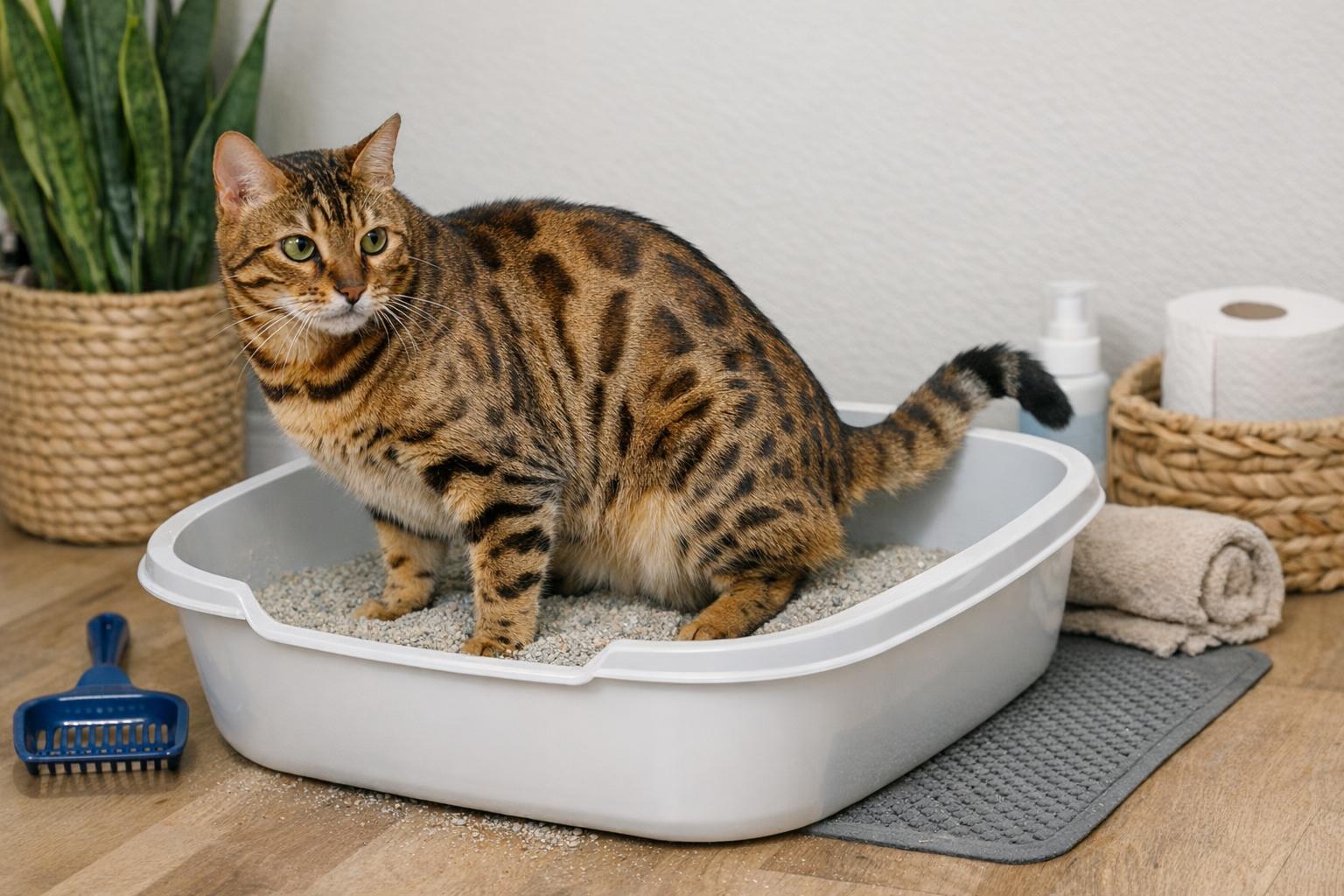
– Change in appetite, litter box avoidance, or vocalization changes
#### Why Small Daily Rituals Work
Daily rituals build predictability. Predictability lowers cortisol spikes by creating a reliable routine: same feeding window, same playtime, same quiet spot at night. Predictability gives cats a sense of control, which is the opposite of the unpredictability that fuels cat stress and anxiety.
## 1. Morning Enrichment And Feeding Ritual
### Why Morning Matters
Start the day with structured attention. Many cats are most active in the early hours; meeting their mental and physical needs early reduces pent-up energy and stress through the day.
#### Materials
– Puzzle feeder or treat-dispensing toy
– Interactive wand toy or small laser (use responsibly)
– 5–10 minutes of uninterrupted time
Step-By-Step Morning Routine (Formal Instructions)
1. Prepare breakfast in a puzzle feeder to slow eating and engage foraging instincts.
2. Spend 5–7 minutes on high-energy interactive play using a wand toy to promote natural hunting behaviors. Move the toy with sudden starts and stops to mimic prey.
3. Conclude play with an easy “catch” so the cat experiences success and satisfaction.
4. Offer a short grooming or petting session in the cat’s preferred spot — not forcibly, only if the cat solicits.
Benefits: This structured sequence — stimulation, exertion, and reward — reduces restlessness and lowers baseline anxiety. Regular play also helps maintain healthy weight and muscle tone, which indirectly supports emotional well-being.
## 2. Create A Safe Sanctuary For Quiet Periods
### The Science Of Safe Spaces
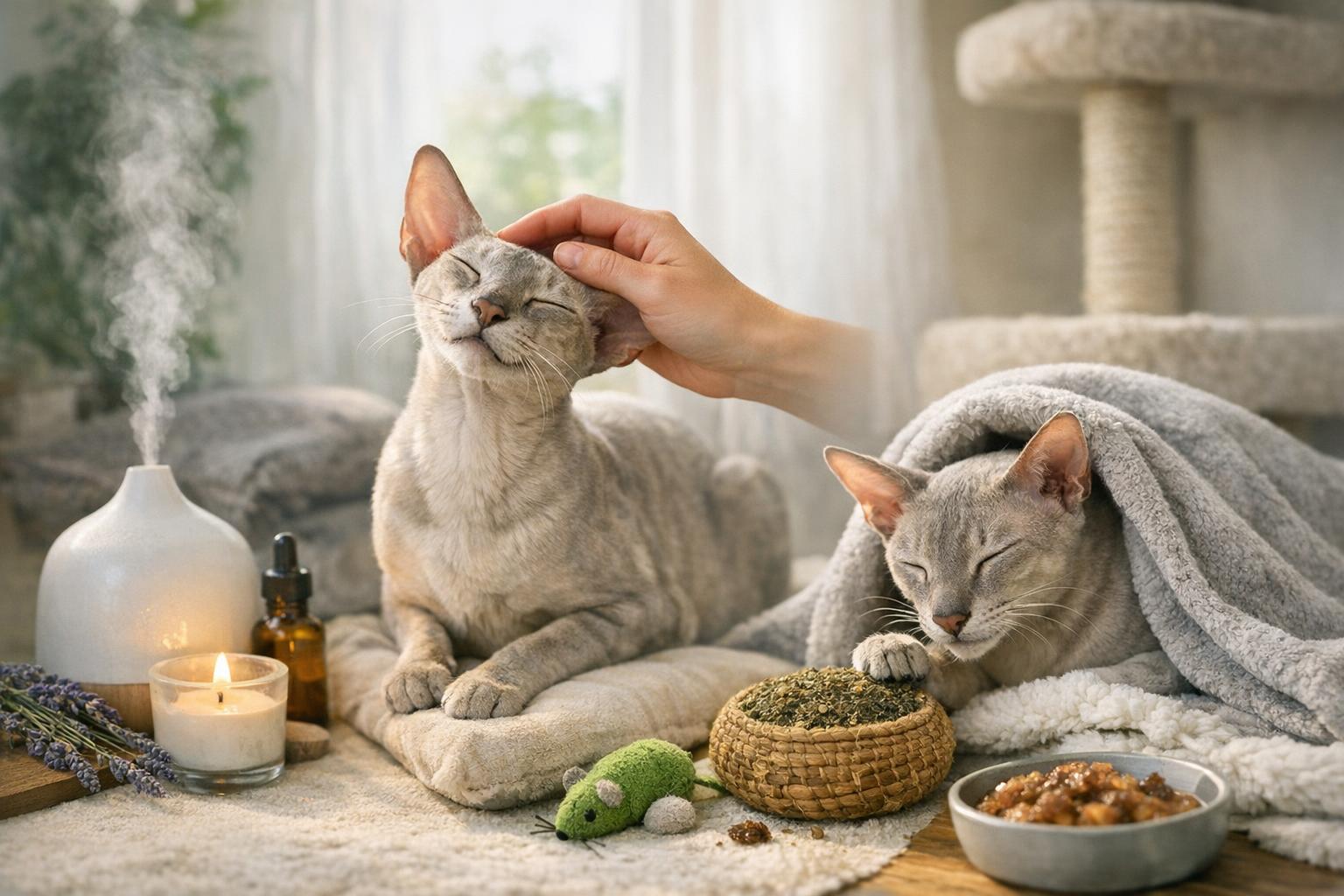
Cats reduce stress by controlling their environment. A designated sanctuary offers refuge from household noise, visitors, or other pets. It’s an anchor in a chaotic world.
#### Materials
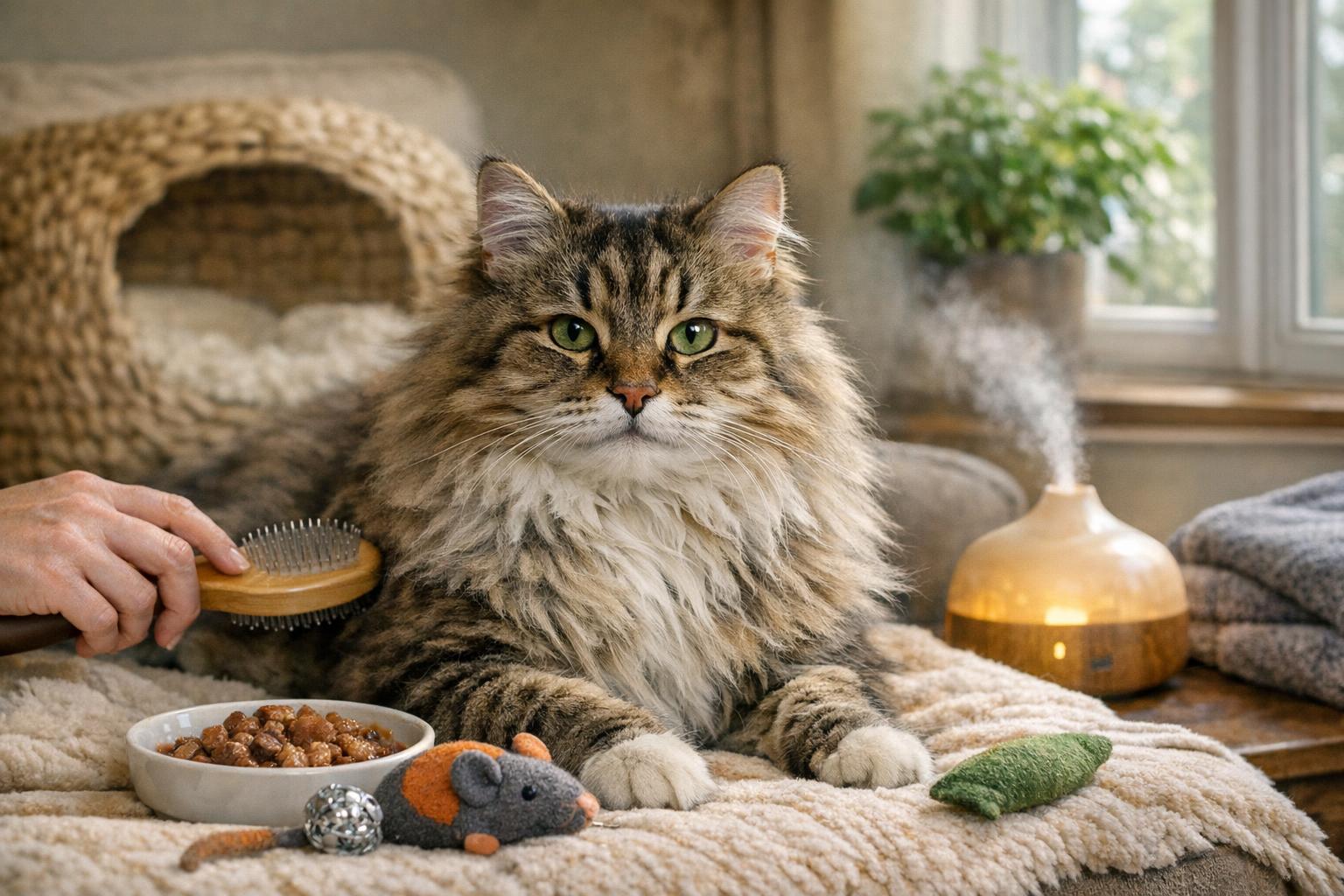
– Quiet room or high shelf/perch
– Soft bedding or towel
– Hiding box or covered bed
– Optional pheromone diffuser (vet-approved)
Step-By-Step Sanctuary Setup (Formal Instructions)
1. Choose a low-traffic area that receives light but not constant activity.
2. Place a bed or towel on an elevated surface if possible — cats feel safer off the ground.
3. Add a box or covered bed to provide a visual barrier and sense of concealment.
4. If using a pheromone diffuser, follow manufacturer dosing instructions and consult a veterinarian for chronic cases.
5. Teach family members to respect the sanctuary: no forced retrievals, no loud sounds, and no vacuuming within thirty minutes of the cat entering.
Use: Encourage the cat to explore and nap in this space by placing treats or toys inside. Allow the sanctuary to become a neutral, comforting environment associated with rest, not punishment.
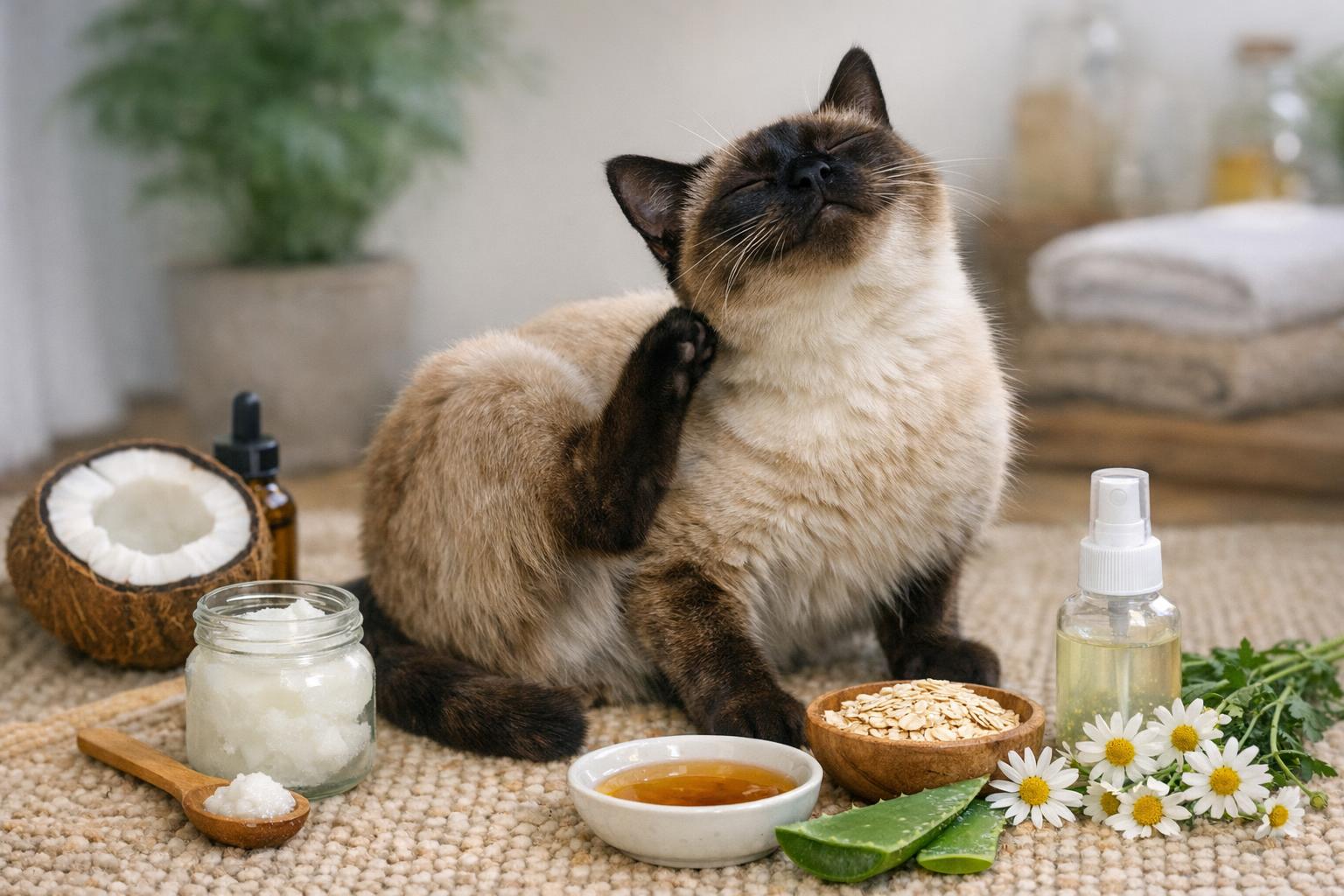
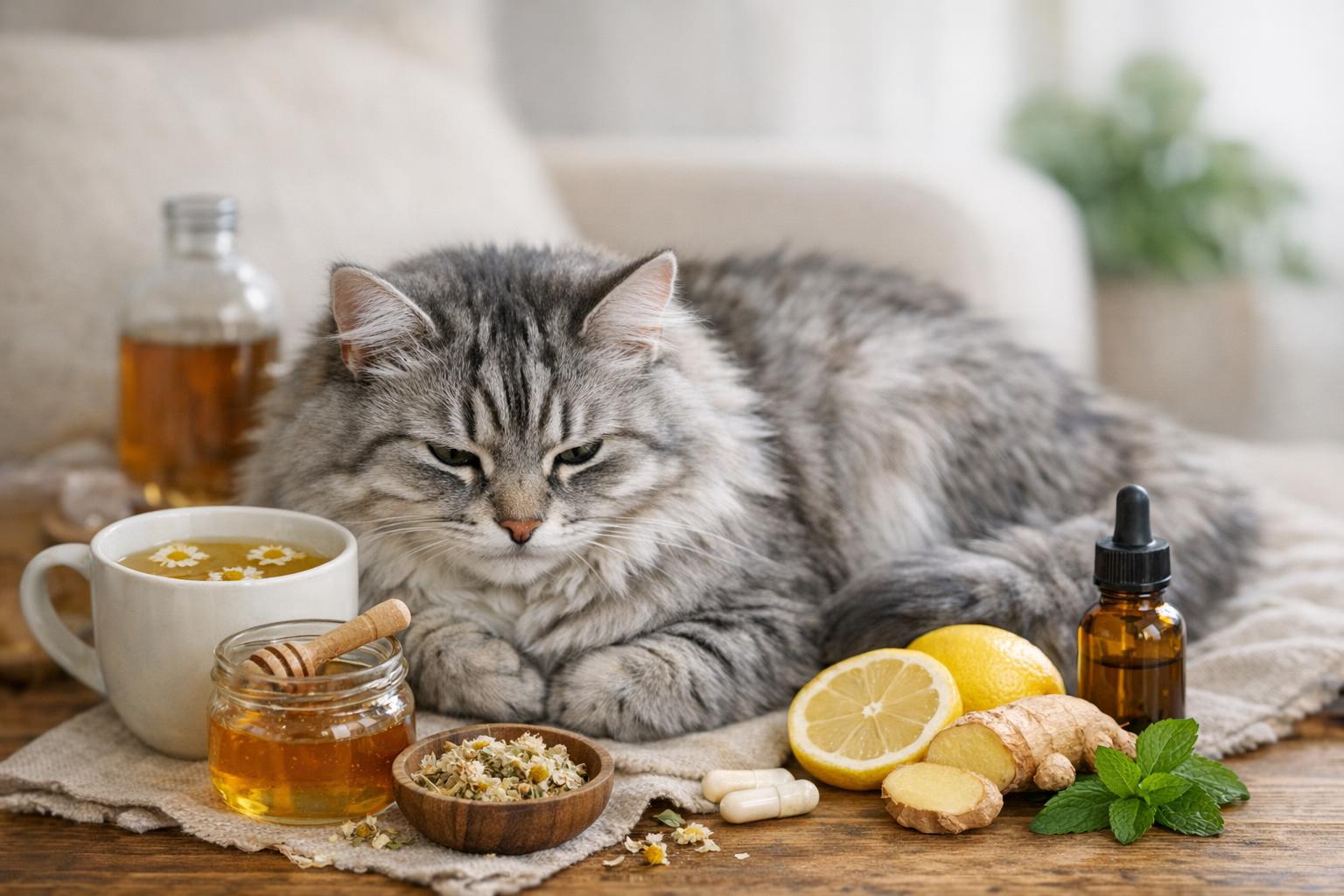
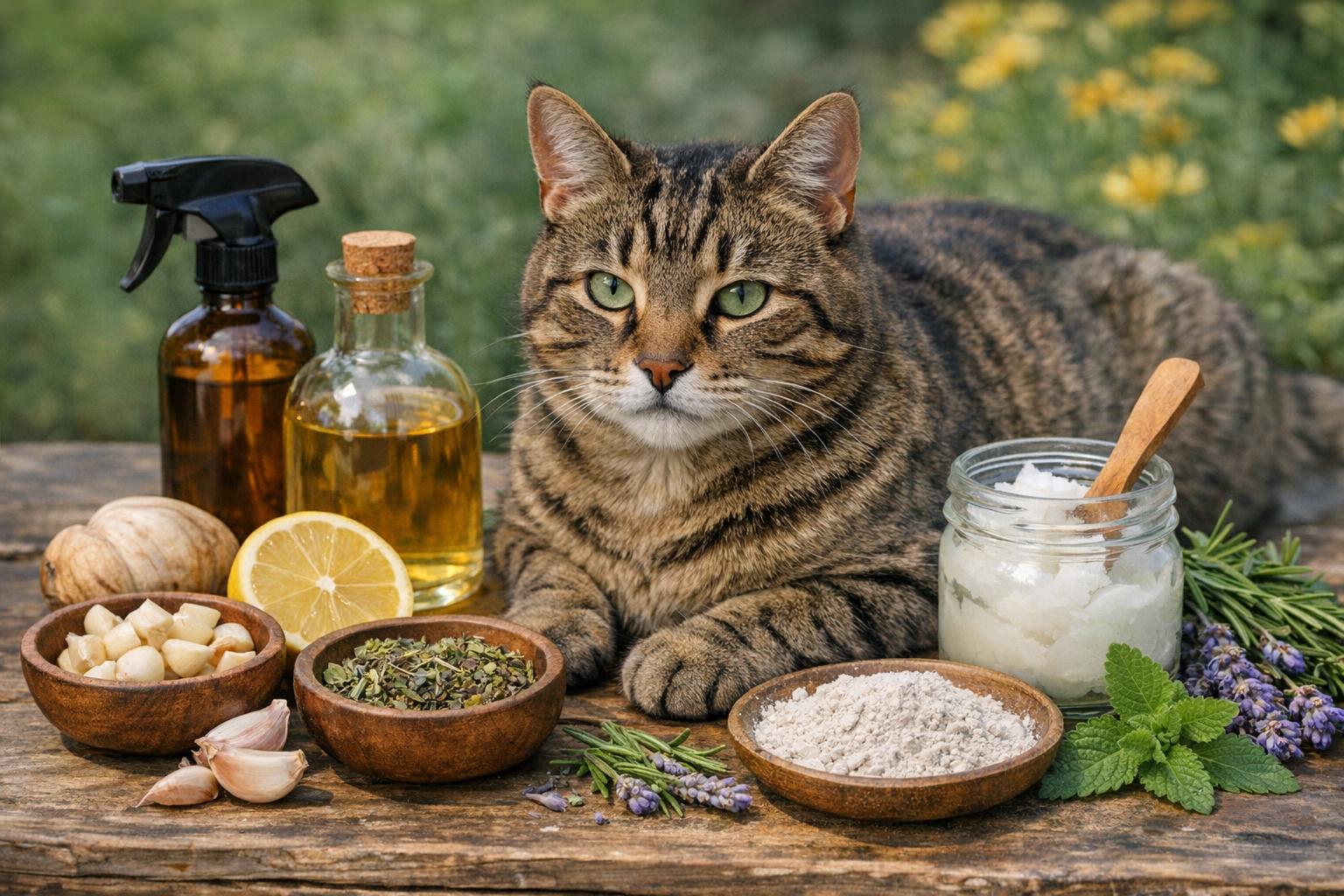
## 3. DIY Cat Calming Spray (A Gentle, Vet-Friendly Option)
### Evidence And Cautions
Topical and olfactory interventions can support a calm environment. Essential oils must be chosen carefully — many are toxic to cats. This spray uses cat-safe components and is meant for environmental use, not direct skin application.
#### Ingredients / Required Materials
– 1 cup distilled water
– 1 tablespoon white vinegar or witch hazel (as preservative and mild scent binder)
– 10 drops of chamomile hydrosol or 5 drops of chamomile essential oil diluted in a carrier (chamomile hydrosol is preferred)
– 1 clean spray bottle (glass recommended)
Step-By-Step Creation And Application (Formal Instructions)
1. Sterilize the spray bottle by rinsing with boiling water and letting it air dry.
2. Combine distilled water and white vinegar or witch hazel in the bottle.
3. Add chamomile hydrosol (or carefully add diluted chamomile if using oil). Chamomile has mild calming properties and is generally safe in hydrosol form.
4. Cap and shake gently to mix. Label the bottle with contents and date; use within two weeks and refrigerate if warm in your climate.
5. Application: Mist the cat’s bedding, favorite perch, and sanctuary area lightly once or twice daily. Avoid spraying directly on the cat and never near eyes or face.
6. Monitor your cat for any adverse reactions. Discontinue use if sneezing, coughing, or skin irritation occurs.
Notes: Chamomile hydrosol is preferred because it’s less concentrated than essential oil and safer for cats. Always consult your veterinarian before introducing aromatherapy, especially for cats with respiratory disease.
### Evening Wind-Down Rituals
Create a calm end-of-day sequence to signal that active time is over. The routine should be predictable: dim lights, 10–15 minutes of gentle petting (if desired by the cat), and a comfortable sleeping area warmed with a towel or heated pad (on a low, pet-safe setting). Avoid high-energy play within an hour of bedtime.
## Low-Effort Tools That Help Daily
### Pheromone Diffusers And Soundscapes
– Pheromone diffusers mimic feline facial pheromones that signal safety. Use according to product instructions and consult your vet for chronic anxiety.
– Soothing soundtracks (classical, low-frequency ambient) played at low volume can reduce reactivity in noise-sensitive cats.
#### Placement And Usage Tips
Place diffusers in rooms where the cat spends most time. Replace cartridges as recommended. For soundscapes, keep volume below conversational level and observe whether the cat chooses to stay in the area.
## Integrating Rituals With Multi-Cat Homes
### Reducing Competition And Conflict
In multi-cat households, duplicate resources. Provide multiple litter boxes, feeding stations, and sanctuary spots. Feed cats separately when introducing new routines to avoid resource guarding. Consistent rituals remain important, but distribution of resources reduces triggers that escalate cat stress and anxiety.
#### Practical Arrangement
– Litter boxes: one per cat plus one extra, located in quiet, separate areas.
– Feeding: staggered or isolated feeding to minimize competition.
– Vertical space: multiple perches and shelves so each cat can claim its own high ground.
## When To Seek Professional Help
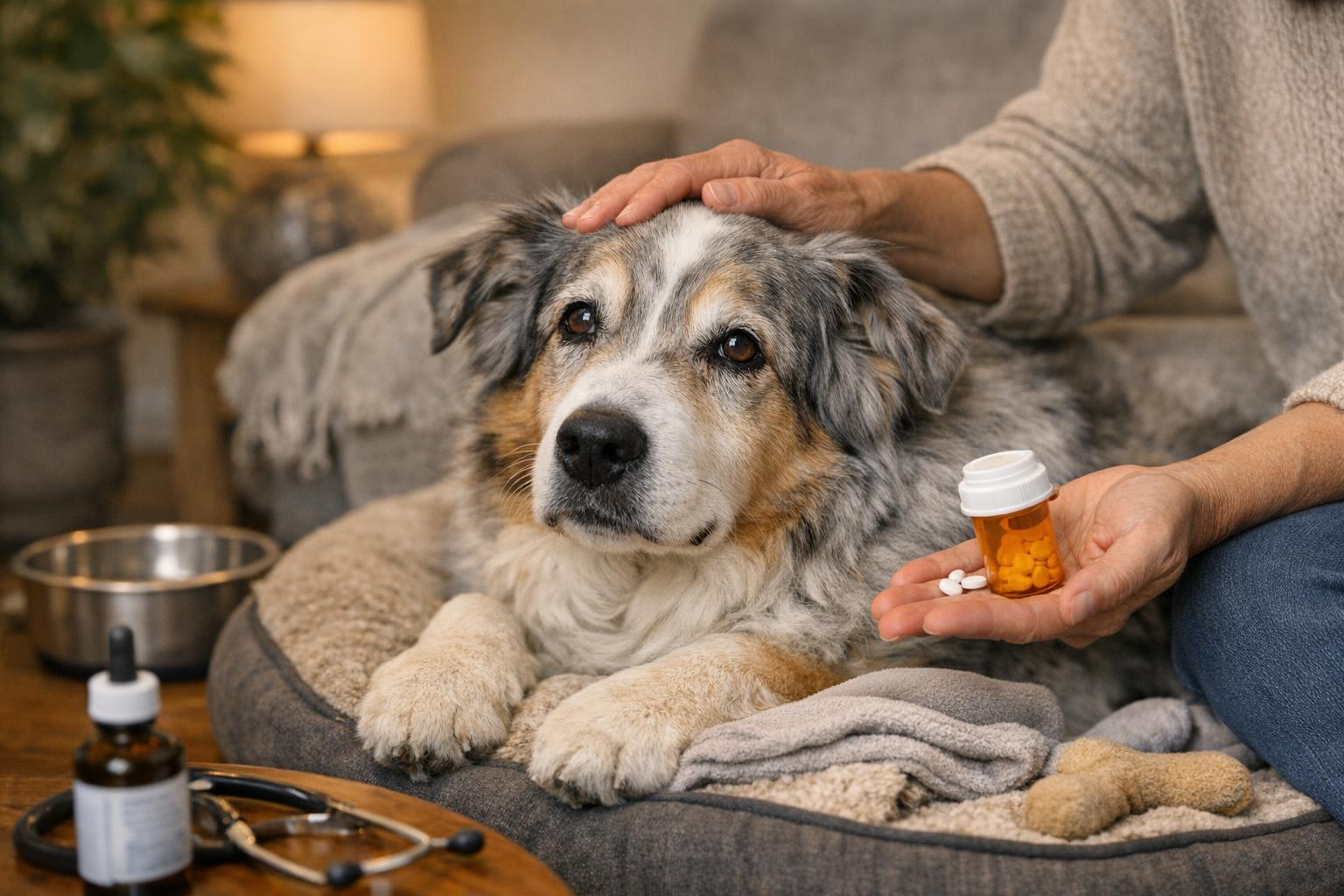
If daily rituals and environmental changes fail to reduce signs of stress, consult a veterinarian. Chronic cat stress and anxiety can lead to medical conditions like urinary problems or skin disorders. A vet may recommend behavioral therapy, prescription medications, or a combined approach.
### What To Bring To The Vet
– A journal of behaviors: times, triggers, and duration
– Notes on recent household changes
– List of products used (diffusers, sprays, supplements)
Being prepared helps your vet make targeted recommendations more quickly.
Small, consistent rituals are powerful. Through predictable feeding, play, sanctuary creation, and cautious use of calming aids, you can significantly reduce your cat’s daily tension. Remember: progress can be gradual. Celebrate tiny victories — a nap in the open, a relaxed blink, or a renewed interest in a toy — and always ask your vet if you’re unsure about a new product or serious behavior change.















Leave a Reply