






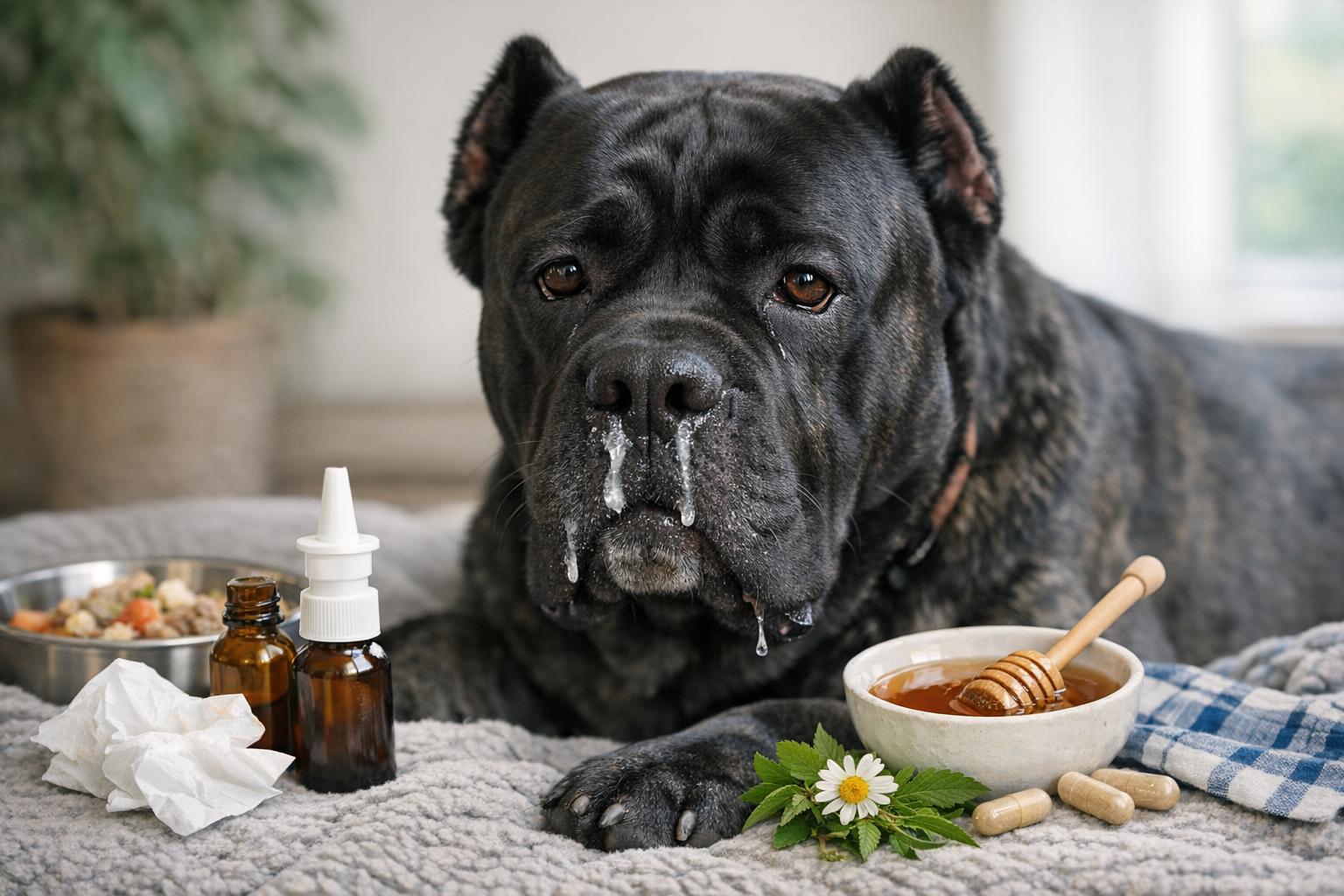
If your dog has runny nose, you’ve probably found yourself wiping little nasal puddles off the floor and wondering whether a tissue and a cuddle will fix it. Spoiler: sometimes yes, sometimes no. This guide will walk you through why it happens, when to worry, and three practical home remedies you can safely try before (or alongside) a vet visit. We’ll keep it friendly and a little cheeky, but when we get to the remedies, I’ll be formal and exact so you can do them safely and effectively.
## Allergies And Why Your Dog Has Runny Nose
Allergic reactions are a common cause when your dog has runny nose. Like humans, dogs sneeze, sniffle, and produce extra nasal discharge when their immune systems react to pollen, dust mites, molds, or household chemicals. But a runny nose in dogs isn’t always allergy-related — infections (viral, bacterial, fungal), foreign bodies (grass awns, seeds), dental disease, or structural nasal issues can also be to blame.
### Common Allergy Triggers
Pets living in urban, rural, or suburban homes can be exposed to different triggers. Pollen, cigarette smoke, cleaning sprays, strong perfumes, and even certain fabrics or bedding materials may lead to nasal irritation. Seasonal flares are typical: if your dog’s nose runs more in spring or fall, think pollen.
#### Mild Versus Severe Signs
A mildly runny nose that’s clear and intermittent often indicates irritation or mild allergy. Thick, colored discharge, blood, facial swelling, breathing difficulty, or lethargy are more serious and warrant a vet visit.
## When To See A Vet
If your dog has runny nose accompanied by any of the following, seek veterinary care promptly:
– Thick green/yellow discharge or blood
– Persistent sneezing or pawing at the nose
– Labored breathing, blue or pale gums
– Fever, loss of appetite, or lethargy
– Symptoms that worsen despite home care, or last more than a few days
A vet can examine for foreign objects, perform nasal swabs or imaging, and prescribe antibiotics, antifungals, or anti-inflammatories if needed. Never give human medications without a vet’s direction.
## 1. Saline Nasal Flush For Mild Runny Nose
This is a gentle, first-line remedy to clear irritants and thin secretions. It’s safe when done correctly and can provide immediate comfort.
### Ingredients Or Materials
– 0.9% sterile saline solution for nasal use (available at pharmacies) OR homemade isotonic saline (see safety note)
– 1–3 mL syringe without a needle, or a bulb syringe (small pediatric size)
– Clean towel
– Helper to gently hold the dog (if needed)
### Step-By-Step Creation And Application
1. Preparation: If using store-bought sterile saline, ensure it’s room temperature. If making saline at home, dissolve 1/4 teaspoon of non-iodized salt in 1 cup (240 mL) of previously boiled, cooled water — only if you cannot access sterile saline. Sterility matters; homemade saline is a last resort.
2. Positioning: Have your dog sit or stand comfortably. Use a towel to steady them. Speak calmly to reduce anxiety.
3. Administer: Fill the syringe with 0.5–1 mL for small dogs, and up to 2–3 mL for larger dogs. Gently hold the top of the muzzle and insert the tip at the outer corner of a nostril, aiming slightly backward (not upward) and allow the saline to flow in while the dog sniffs. Do not forcefully squirt.
4. Allow drainage: The dog will usually sneeze or shake, which helps expel fluid. Wipe away excess with the towel.
5. Frequency: Repeat once or twice daily for 48–72 hours. Stop if discharge becomes colored, or symptoms worsen.
Safety and Notes: Use only isotonic saline; hypertonic solutions can irritate mucosa. If your dog resists terribly or shows increased distress, stop and consult your vet.
## 2. Steam Therapy And Hydration
Humid air helps loosen mucus and soothe inflamed nasal passages. Steam therapy is noninvasive and supportive, not curative, but it often makes dogs more comfortable.
### Materials Required
– A steam source: a humidifier with warm-mist setting or a steam-producing bowl/shower
– Clean towel
– Warm (not hot) water for drinking
– Comfortable, calm room
### Step-By-Step Creation And Application
1. Setup Humid Environment: Use a warm-mist humidifier in a small room and set it to a moderate level. Alternatively, run a hot shower with the bathroom door closed to fill the room with steam (do not place the dog in the running shower).
2. Positioning: Sit with your dog in the steam-filled room for 10–15 minutes. Keep the dog at a comfortable distance from the steam to avoid burns; they should be in a warm, moist environment but not in direct contact with hot water.
3. Hydration: Provide fresh, lukewarm water. Encourage drinking to help thin secretions.
4. Frequency: Do this 1–2 times daily for a few days while monitoring breathing and overall behavior.
Clinical Note: Steam can ease symptoms from colds and mild allergies but will not resolve bacterial infections or foreign bodies. If wheezing, noisy breathing, or blue gums appear, stop steam and seek immediate care.
## 3. Allergen Reduction: Bedding, Diet, And Cleaning
Reducing allergen load in the home often prevents recurrent runny noses. This remedy focuses on environmental changes and mild dietary adjustments.
### Materials Or Supplies
– Hypoallergenic or washable bedding
– HEPA vacuum and HEPA air purifier (recommended)
– Unscented, pet-safe laundry detergent
– Grooming wipes or mild pet shampoo
– Notebook to track symptoms and triggers
### Step-By-Step Creation And Application
1. Bedding Swap: Replace or wash your dog’s bedding in hot water weekly. Use hypoallergenic materials and avoid feather fillings. Dry thoroughly to prevent mold.
2. Air Quality Control: Run a HEPA air purifier in commonly used rooms and vacuum floors and upholstery with a HEPA vacuum at least twice weekly to reduce dust and dander.
3. Fragrance Reduction: Stop using scented candles, plug-ins, or heavy air fresheners. Switch to unscented household cleaners where possible.
4. Grooming Routine: Wipe paws and coat after outdoor walks to remove pollen and irritants. Use a mild, hypoallergenic shampoo for weekly baths if tolerated.
5. Diet And Supplements: Discuss with your vet whether a limited-ingredient diet or omega-3 supplementation is appropriate; omega-3s can help reduce inflammation for some allergic dogs.
6. Tracking: Keep a simple diary of symptoms versus environment (new cleaning products, time of year, walks in certain areas) to identify patterns.
Evidence-Based Note: Environmental control is a cornerstone of managing allergic symptoms. For chronic or severe allergies, your vet may recommend allergy testing and immunotherapy.
### Monitoring And Follow Up
After trying these remedies, expect to see improvement in 48–72 hours for mild allergic or irritant causes. If the runny nose persists, becomes purulent, or other serious signs appear, schedule a veterinary appointment. Keep records of treatments tried, frequency, and any changes — it helps the clinician narrow down causes and choose targeted therapy.
## Home Remedies To Avoid
Some well-meaning home cures do more harm than good. Avoid:
– Essential oils near pets — many are toxic when inhaled or absorbed.
– Human decongestants, antihistamines, or topical nasal sprays without veterinary guidance.
– Applying oils, pastes, or unverified herbal concoctions inside the nostrils.
If you’re tempted to try a “natural” remedy you found online, double-check with your vet first.
## Practical Tips For Daily Management
Small habits often reduce flare-ups: wipe your dog’s nose gently after walks, keep feeding and walking areas clean, and introduce new products one at a time (so you can spot reactions). If your dog has seasonal patterns, plan proactive measures like increased cleaning and a short course of home-supportive steam or saline as their peak season approaches.
If your dog has runny nose and you’re unsure where to start, try the saline flush and environmental steps first — they’re low risk and often provide relief. If things aren’t improving or you see worrying signs, don’t wait: a veterinary visit can prevent complications and get your buddy back to snuffling for joy rather than for sympathy.
























Leave a Reply