






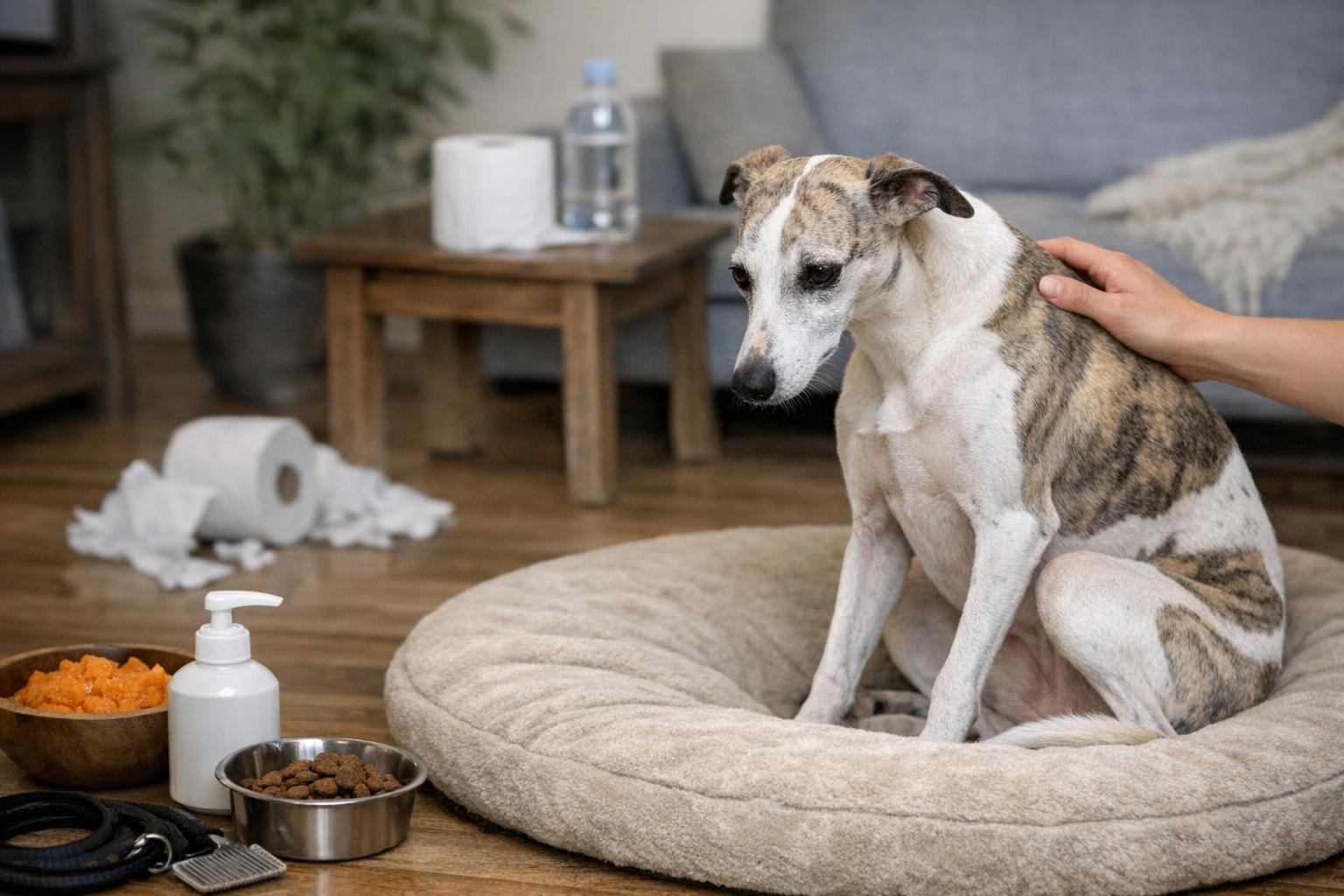
You notice your pup straining, doing that sad sniff-and-walk routine, and suddenly you’re on a mission: how to help a dog who is constipated. Don’t panic—this guide walks you through causes, practical home remedies, and clear signs to call the vet. Friendly tone here, slightly jokey at times (because dogs deserve a cheer squad), but when it’s remedy time I’ll be precise and serious.
## Constipation Care: How To Help A Dog Who Is Constipated
Constipation in dogs can be occasional or recurrent, mild or severe. Learning how to help a dog who is constipated means recognizing the symptoms—hard, dry stools; straining; reduced appetite; and lethargy—and offering safe, evidence-based interventions. Before trying anything new, assess severity: if there is repeated vomiting, blood in the stool, a bloated belly, or signs of severe pain, get veterinary help immediately.
### Why Dogs Get Constipated
There are many reasons why your dog might be backing up the plumbing. Common causes include:
– Not enough fiber or water in the diet.
– Eating non-food items (bones, toys, hair).
– Lack of exercise.
– Painful hips, spine, or anal problems that make defecation uncomfortable.
– Medications like opioids or some antacids.
– Underlying medical issues: megacolon, hypothyroidism, spinal disease, or pelvic injury.
Knowing the cause helps you decide what to try at home and when a vet visit is non-negotiable.
### When To Call The Vet
If the constipation lasts more than 48 hours despite home care, or if your dog shows vomiting, fever, severe abdominal pain, or collapse, contact your veterinarian. Also seek help if your dog has a history of chronic constipation or any neurological deficits that could affect bowel control. These aren’t just “I don’t want to deal with it” reasons—delays can lead to obstipation (severe blockage), which requires professional treatment.
## Remedy 1: Pumpkin Puree And Water Increase
This is a gentle first-line approach most dogs tolerate well.
#### Ingredients
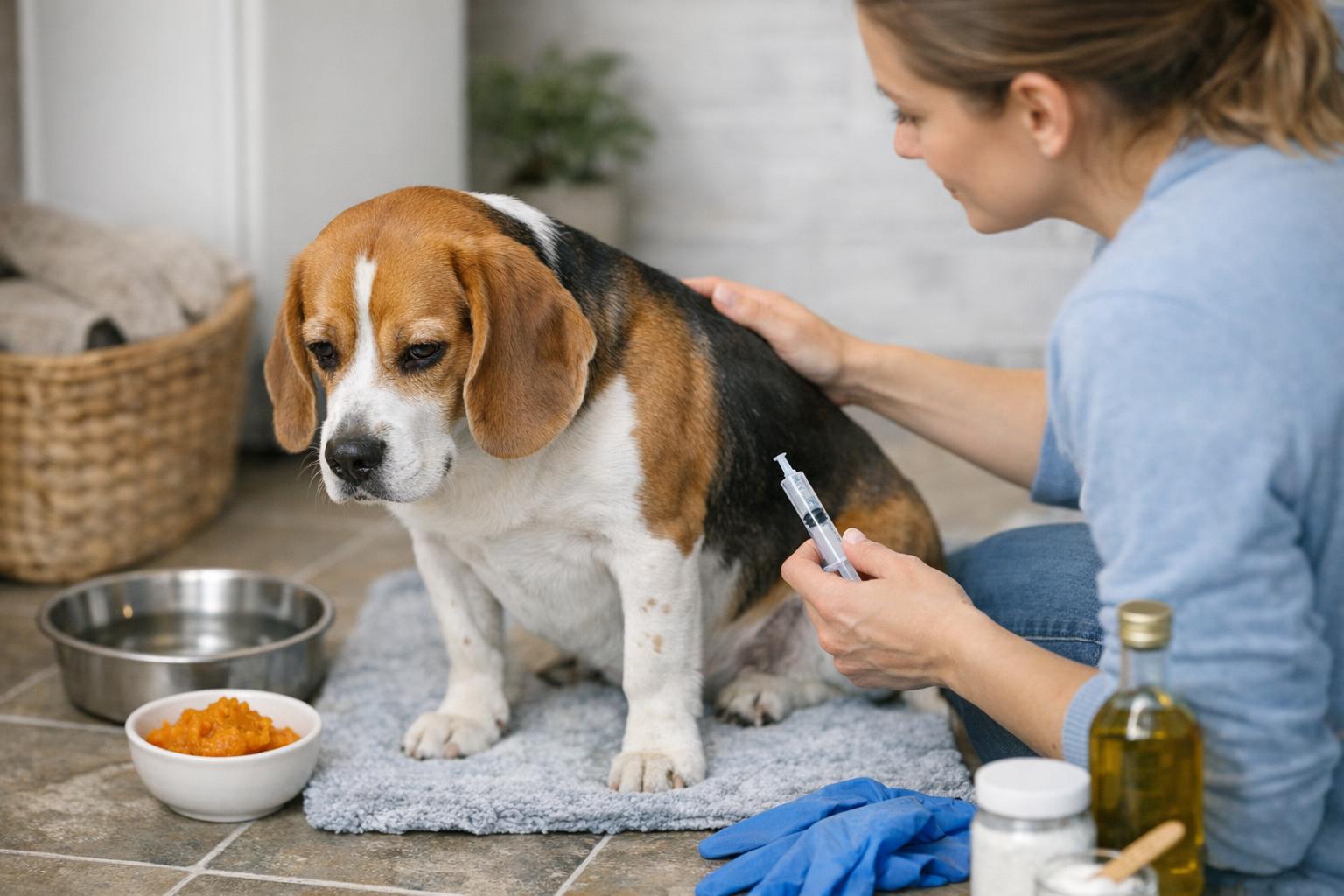
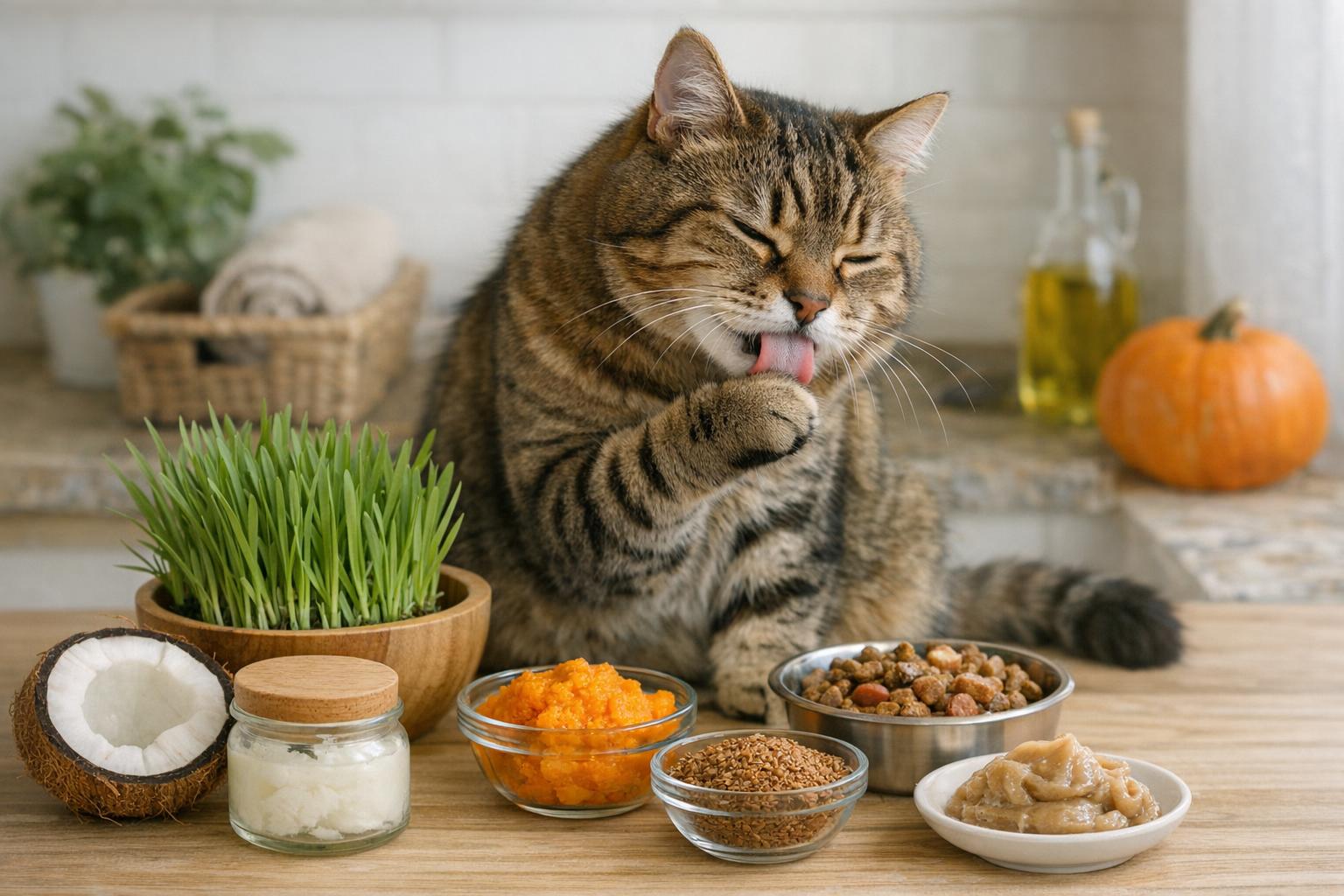
– 1–4 tablespoons plain canned pumpkin puree (not pumpkin pie filling) per meal, depending on dog size
– Fresh water available at all times
– Optional: a water bowl fountain or extra bowls to encourage drinking
#### Steps
1. Measure based on weight: small dogs (under 10 lbs) start with 1 teaspoon to 1 tablespoon; medium dogs (10–30 lbs) 1–2 tablespoons; large dogs (30–60 lbs) 2–4 tablespoons; very large dogs up to 4 tablespoons.
2. Mix the pumpkin into your dog’s regular food at mealtimes for up to 48–72 hours and monitor stool consistency.
3. Encourage extra drinking by refreshing water frequently and placing bowls in multiple spots. For picky drinkers, add a splash of low-sodium chicken broth to entice them.
4. If stools soften within 24–48 hours, continue pumpkin for a few days then taper to maintenance fiber (small daily amount) as needed.
5. Stop and consult a vet if there is no improvement within 48 hours or if symptoms worsen.
Pumpkin provides soluble fiber that holds water in the stool, softening and increasing bulk for easier passage. It’s safe, palatable, and inexpensive.
## Remedy 2: Psyllium Husk (Metamucil) — Use With Veterinary Guidance
Psyllium is an effective bulk-forming fiber but must be dosed correctly and given with enough water.
#### Ingredients
– Plain psyllium husk powder (no sweeteners or artificial ingredients)
– Measuring spoon
– Water or canine-appropriate food to mix with
– Access to fresh water for the dog
#### Steps
1. Confirm with your veterinarian that psyllium is appropriate for your dog—especially important if your dog has any esophageal, swallowing, or kidney issues.
2. Typical dosing: 1/2 teaspoon for small dogs, 1 teaspoon for medium dogs, and 1–2 teaspoons for large dogs, given once or twice daily. Start low and assess response.
3. Mix psyllium into a small amount of water or wet food immediately before serving. Ensure your dog drinks extra water after ingestion.
4. Monitor stool for softening over 24–72 hours. Adjust dose only under veterinary advice.
5. Avoid long-term unsupervised use; prolonged fiber supplementation should be part of a balanced diet plan.
Psyllium absorbs water and expands, increasing stool volume and promoting passage. It can be powerful—so precision and hydration are crucial.
## Remedy 3: Gentle Abdominal Massage And Exercise
Mechanical help is safe and supportive, especially alongside dietary changes.
#### Materials
– Towel and quiet area
– Treats for positive reinforcement
– Leash for a short walk
#### Steps
1. Place your dog on a comfortable surface. Speak calmly and use treats to keep them relaxed.
2. Gently palpate the abdomen in small circular motions, moving from the right lower quadrant upwards toward the ribs, then across and down the left side. Use light pressure—this is supportive, not forceful.
3. If your dog tolerates it, perform a 2–3 minute massage twice a day.
4. Follow massage with a short, brisk walk (10–20 minutes), which stimulates gut motility.
5. If your dog shows discomfort during massage, stop and consult your veterinarian.
Massage and movement promote normal peristalsis and help position formed stool for easier elimination. These are safe adjuncts to dietary remedies.
### Practical Tips For Safe Home Care
– Avoid oils like mineral oil unless instructed by a vet—mineral oil can be aspirated and cause pneumonia.
– Don’t give human laxatives (like senna or bisacodyl) unless prescribed. Some formulations are toxic to dogs.
– Keep the diet consistent. Sudden major dietary changes can cause GI upset.
– Monitor litter for other signs: blood, mucus, or extremely dark feces could indicate a more serious problem.
– For older or arthritic dogs, ensure the toilet area is accessible and comfortable; reluctance to squat can mimic constipation.
## Monitoring And Prevention
Long-term strategies for how to help a dog who is constipated focus on prevention: regular exercise, consistent feeding schedule, adequate hydration, and a balanced diet with appropriate fiber. Discuss with your vet whether a diet change to a weight- or fiber-managed formula is right for your dog.
### Special Considerations For Senior Dogs And Brachycephalic Breeds
Older dogs often have slower gut motility or dental issues that affect food intake; brachycephalic breeds (short-nosed puppies) may be more sedentary. Treat prevention proactively: smaller, more frequent meals; softer food if dental disease is present; and regular walks to keep GI transit moving.
### When Prescription Help Is Needed
If home measures fail, veterinarians may recommend:
– Manual removal of impacted feces under sedation
– Enemas administered in clinic (not to be attempted at home without instruction)
– Prescription laxatives (e.g., lactulose) or prokinetic drugs
– Fluid therapy for dehydration
These interventions are targeted and supervised to avoid complications.
## Safety Notes And Final Practical Advice
If you’re wondering how to help a dog who is constipated and your first-aid efforts aren’t working, don’t wait too long. Persistent straining can lead to distress and medical complications. Keep a log of symptoms—when the problem started, what you tried, dietary changes, and any vomiting or behavioral shifts—to share with your vet. That information speeds diagnosis and treatment.
If your dog has additional medical conditions (heart, kidney, neurologic disease) or takes ongoing medications, consult the veterinarian before starting pumpkin, psyllium, or other supplements. For acute, severe, or painful cases, emergency veterinary care is the right move. Contact your veterinarian about how to help a dog who is constipated if you’re unsure or if the situation worsens—better safe (and scooping) than sorry.

















Leave a Reply