

## Practical Avian Nutrient Support For Everyday Care
Good caretaking starts with what you put in the bowl. If you want to keep a bird active, social, and free of chronic gut trouble, focusing on avian nutrient support is where most gains happen. This isn’t about one miracle supplement. It’s about steady, sensible changes: better base diets, attention to hydration, and the right small interventions at the first sign of trouble.
### Observing Early Signs Of Digestive Distress
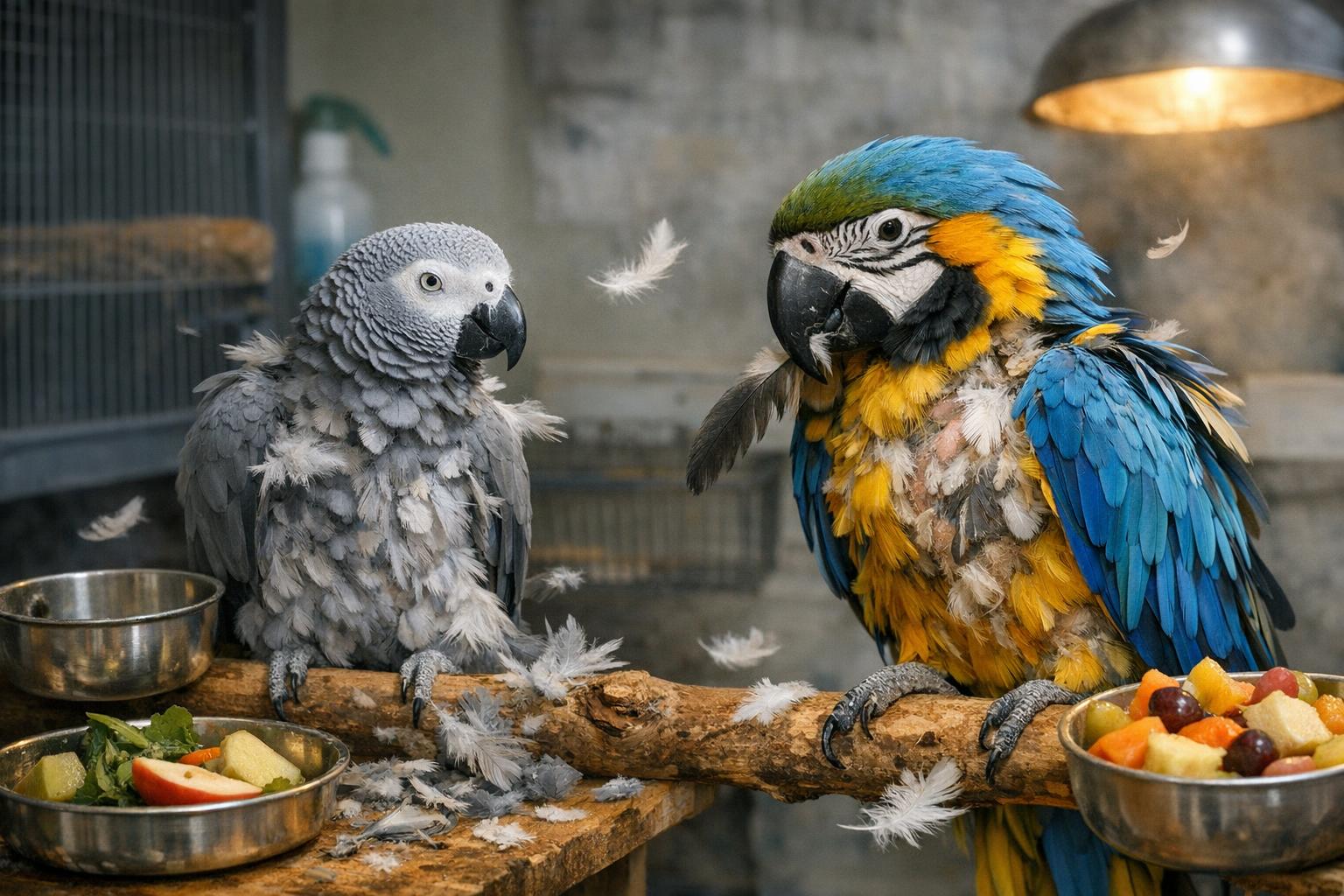
Birds hide illness well. A subtle change in droppings, a duller plumage, or less eager interaction at feeding time are early clues. For digestive issues look for:
– Changes in droppings: watery, very dark, foamy, or a sudden increase in undigested seed hulls.
– Appetite shifts: eating less, or conversely plucking food and not swallowing.
– Behavior signs: fluffed feathers, reluctance to move, or increased sleeping.
When you notice these, think about immediate tweaks to avian nutrient support: remove potential irritants, offer easily digestible foods, and make sure fresh water is available. If signs persist beyond 24–48 hours, call an avian vet.
## Common Digestive Issues And How Nutrients Help
Most pet birds face the same set of challenges: crop stasis, bacterial overgrowth, coccidiosis in young birds, or simple nutritional imbalances. The role of avian nutrition in preventing and managing these problems is direct. A diet lacking in variety or essential micronutrients weakens gut lining and shifts the microbiome toward opportunistic bugs.
### Nutrients That Matter Most
Protein, fiber, vitamins A and D, and select minerals matter more than fancy labels. Examples:
– Protein: essential for mucosal repair. Offer lean cooked legumes or formulated pellets with known protein levels.
– Vitamin A: supports the epithelial surfaces of the gut. Provide carrot, sweet potato, or dark leafy greens regularly.
– Soluble fiber: found in cooked oats, peas, and some veggies. It feeds beneficial microbes without irritating the gut like large amounts of whole seeds can.
Make changes gradually. Abrupt switches, even to healthier options, can upset a sensitive gut.
## Building A Balanced Plate For Bird Digestive Health
A baseline diet that supports longevity is predictable, measured, and varied. That sounds more complicated than it is.
### Daily Composition
Aim for:
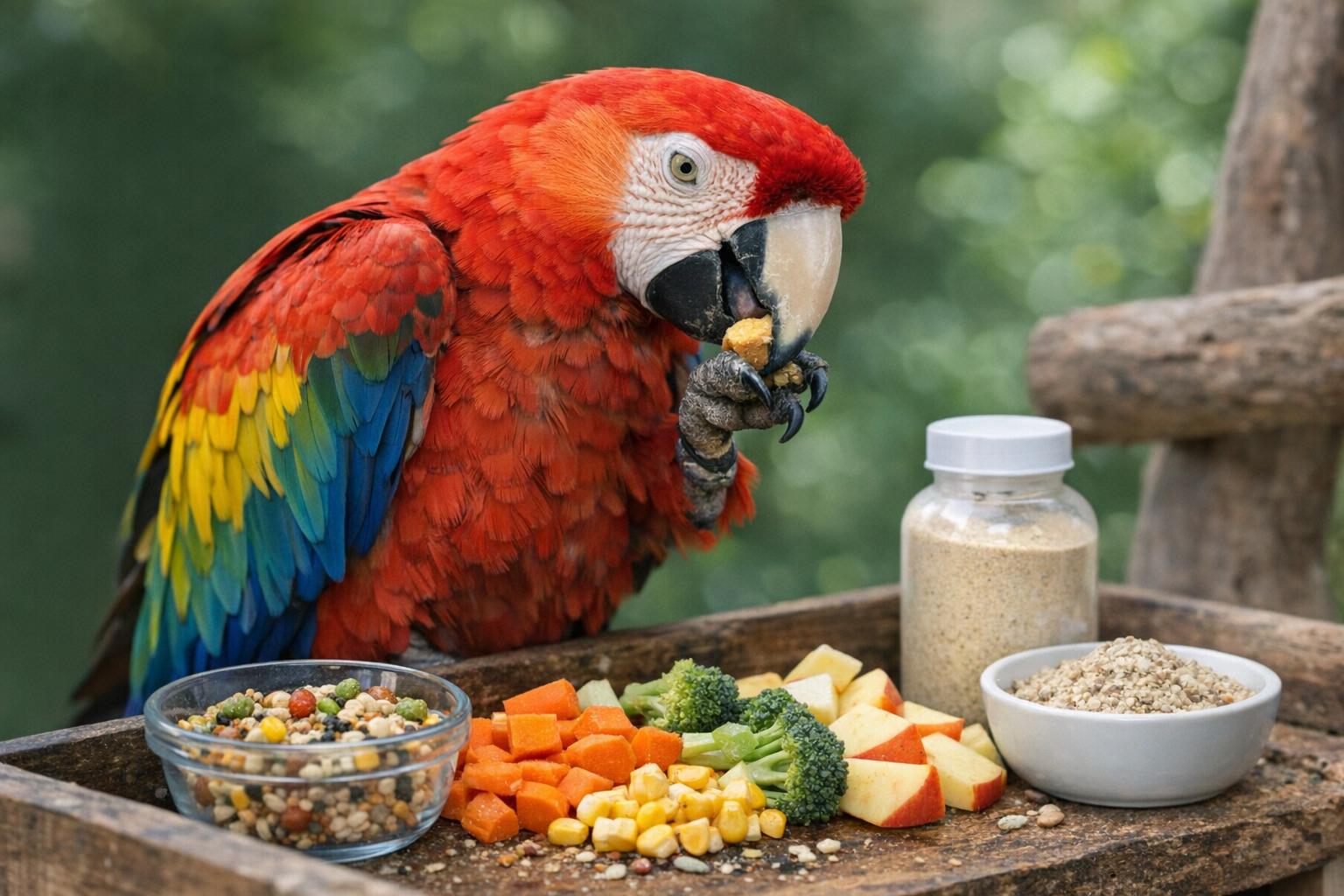
– Pellets as a core component for many species — they reduce selective eating and provide a consistent nutrient profile.
– Fresh vegetables and some fruits daily for fiber and vitamins.
– A small proportion of seeds or nuts for enrichment, not the bulk of the diet.
When you think of avian nutrient support, imagine stability. Pellets stabilize micronutrient intake. Veggies supply fiber and antioxidants. Seeds supply fat and interest.
### Portion And Presentation
Offer portions that match the bird’s size and activity. A cockatiel won’t need the same quantities as a macaw. Rotate the foods to keep birds curious and to cover nutrient gaps. Chop vegetables into bite-sized pieces for small birds, and steam tougher greens to make them more digestible.
## Supplements, Probiotics, And When To Use Them
Supplements can fill real gaps, but they aren’t a substitute for a balanced diet. Use them intentionally.
### Probiotics And Digestive Enzymes
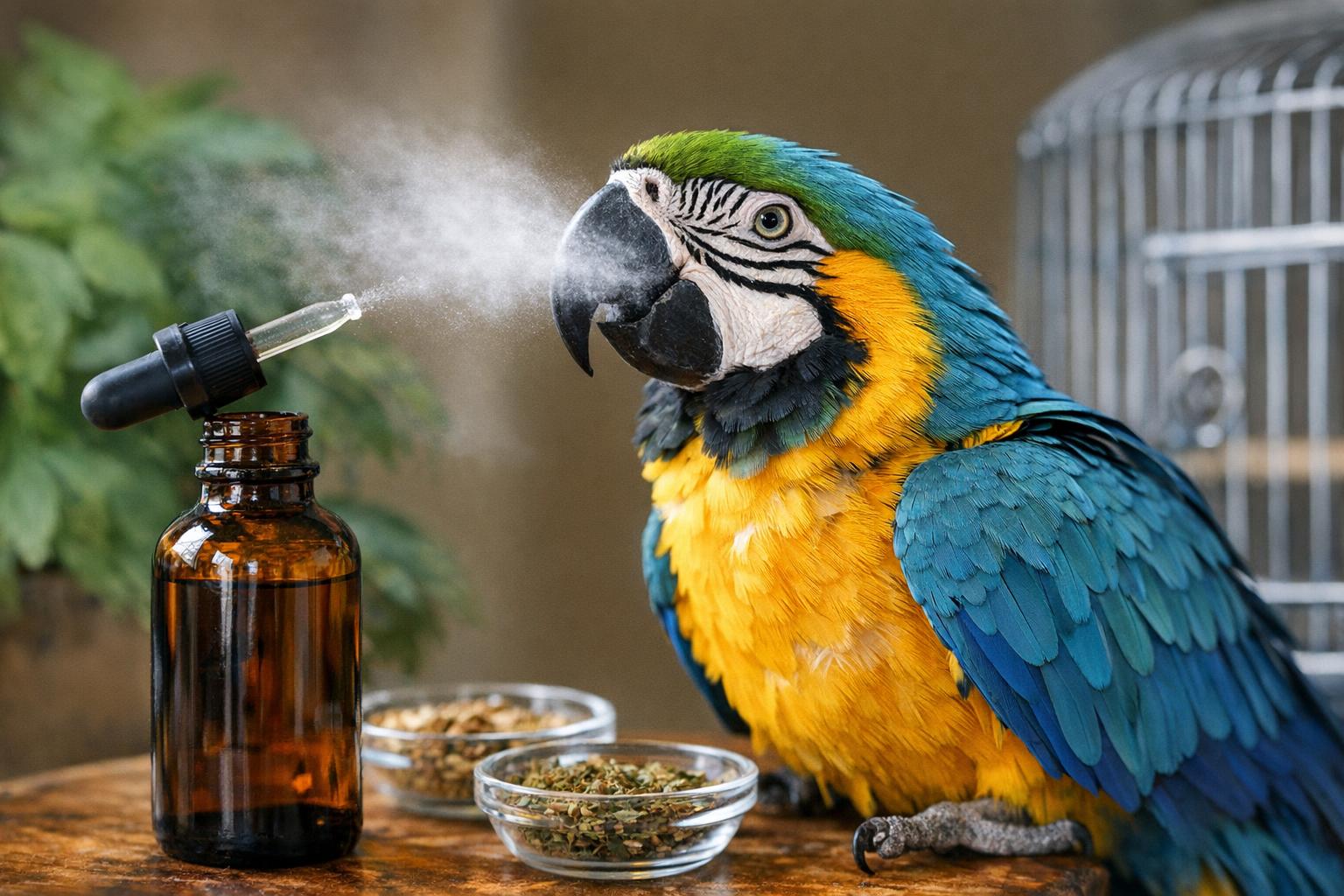
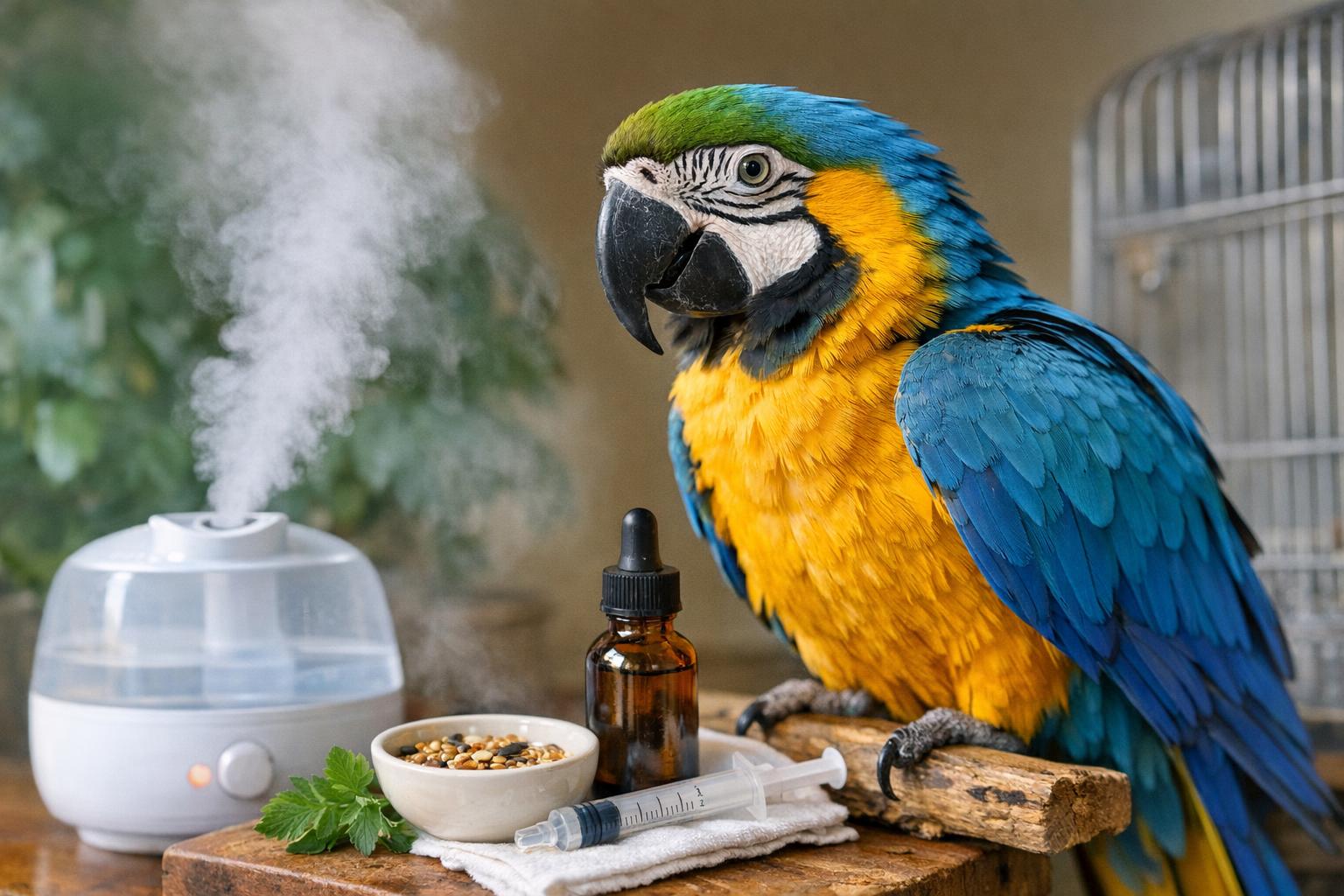
Probiotics can help reestablish a healthy microbiome after antibiotic use or an intestinal upset. Look for products made for birds or veterinary formulations. Species-appropriate strains such as certain Lactobacillus or Enterococcus species are commonly used. Start with manufacturer-recommended doses and monitor droppings and behavior.
Digestive enzyme supplements may help birds that struggle to digest certain foods, especially older birds with reduced digestive efficiency. Use under veterinary advice.
### Vitamins And Mineral Supplements
A complete pellet diet usually removes the need for multivitamin powders. Giving extra vitamins when the diet is already sufficient can cause imbalances. The most common useful additions are vitamin A precursors through fresh produce and, for birds that do not get natural sunlight, controlled vitamin D supplementation under vet guidance.
## Hydration And Gut Motility
Hydration is a simple, often-overlooked part of avian nutrient support. Birds require constant access to clean water. Dehydration leads to reduced crop motility and concentration of intestinal contents, which encourages bacterial overgrowth.
Encourage water intake by:
– Changing water twice daily and cleaning containers.
– Offering water-rich foods like cucumber or steamed vegetables.
– For picky drinkers, occasionally offering a shallow dish for bathing and sipping can stimulate interest.
## Foods To Avoid And Common Mistakes
Some items are obvious no-nos. Others are frequent blind spots.
### Watch These
– Avocado, chocolate, caffeine, and alcohol — toxic across many bird species.
– Excessive seed-only diets — lead to vitamin and mineral deficiencies.
– Uncooked beans and raw legumes — can be harmful if not fully prepared.
Many owners think grit or calcium blocks are always beneficial. For most companion parrots, grit is unnecessary. Calcium is important, but balance with phosphorous and vitamin D is key. Too much of one mineral can interfere with absorption of another.
#### Human Foods That Help And Hurt
Small amounts of cooked egg provide digestible protein after illness. Plain yogurt can be okay for some species as a probiotic source, but check species tolerance and use unsweetened types. Never give foods with added salt or sugar.
## Managing Stress And Environmental Factors
Stress affects digestion in birds. Changes in routine, new household pets, or noisy environments can reduce appetite and suppress gut motility. Good avian nutrient support includes managing stressors. Provide hiding places, predictable feeding times, and social interaction suited to the species.
### Simple Environmental Fixes
Place bowls where they’re comfortable eating, away from drafts and predators such as pet cats. Keep a consistent light-dark cycle to support natural feeding rhythms. These changes support digestion indirectly by encouraging consistent intake.
## When To See A Vet
If digestive symptoms are severe — persistent vomiting, blood in droppings, severe weight loss, or lethargy — seek immediate veterinary care. A vet can run fecal tests, crop cultures, blood panels, and imaging if needed. Early intervention often prevents chronic issues.
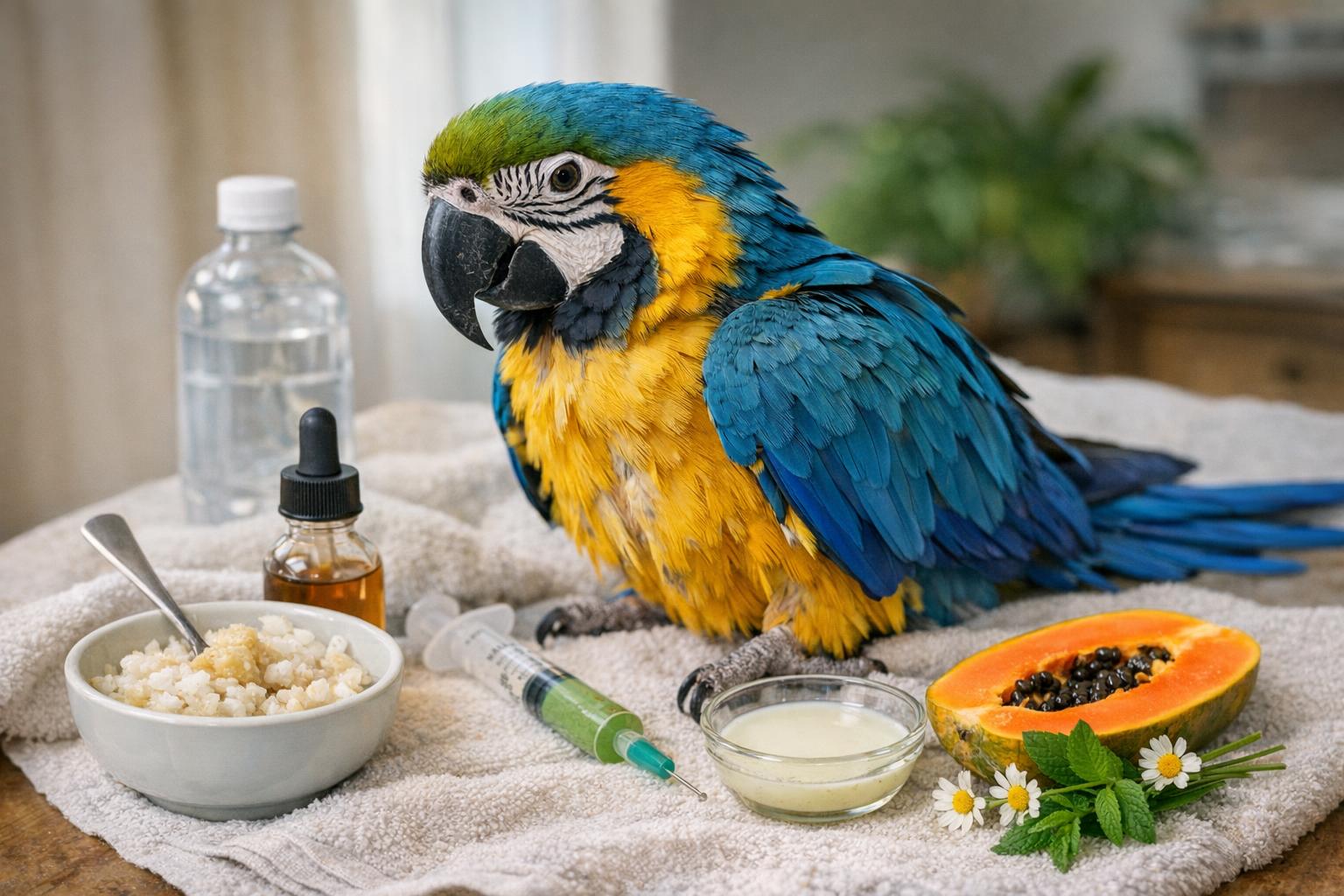
Use avian nutrient support as a preventative strategy and as part of recovery. For instance, a vet may recommend a short course of probiotics after antibiotics or a temporary diet of easily digestible foods while the gut mucosa heals.
## Practical Examples From Real Owners
A budgie owner noticed frequent watery droppings after switching to an all-seed mix. Adding a small proportion of pellet, daily steamed spinach, and a teaspoon of cooked oats reduced the problem within a week. A cockatoo with recurrent crop stasis benefitted from minor portioning changes, regular warm water soaks of pellet mash, and a vet-prescribed probiotic.
Owners often recieve conflicting advice online. Test small, reversible changes and record what happens. If a change makes things worse, revert and consult your vet.
#### Record Keeping And Routine
Keep a simple diary: foods offered, droppings, behavior, and any supplements. Over time patterns emerge and you can refine your avian nutrition approach to match your bird’s individual needs.
Keep in mind species differences. A conure’s digestive tolerance and requirements differ from a finch’s. Tailor avian nutrient support accordingly and use trusted resources or a vet to adjust for age, breeding status, or illness.
No single trick replaces thoughtful feeding, clean water, and a calm environment. Follow those basics, adjust when you observe problems, and lean on professional help when the situation calls for it.


Leave a Reply