




## Why Stable Water Is Nonnegotiable
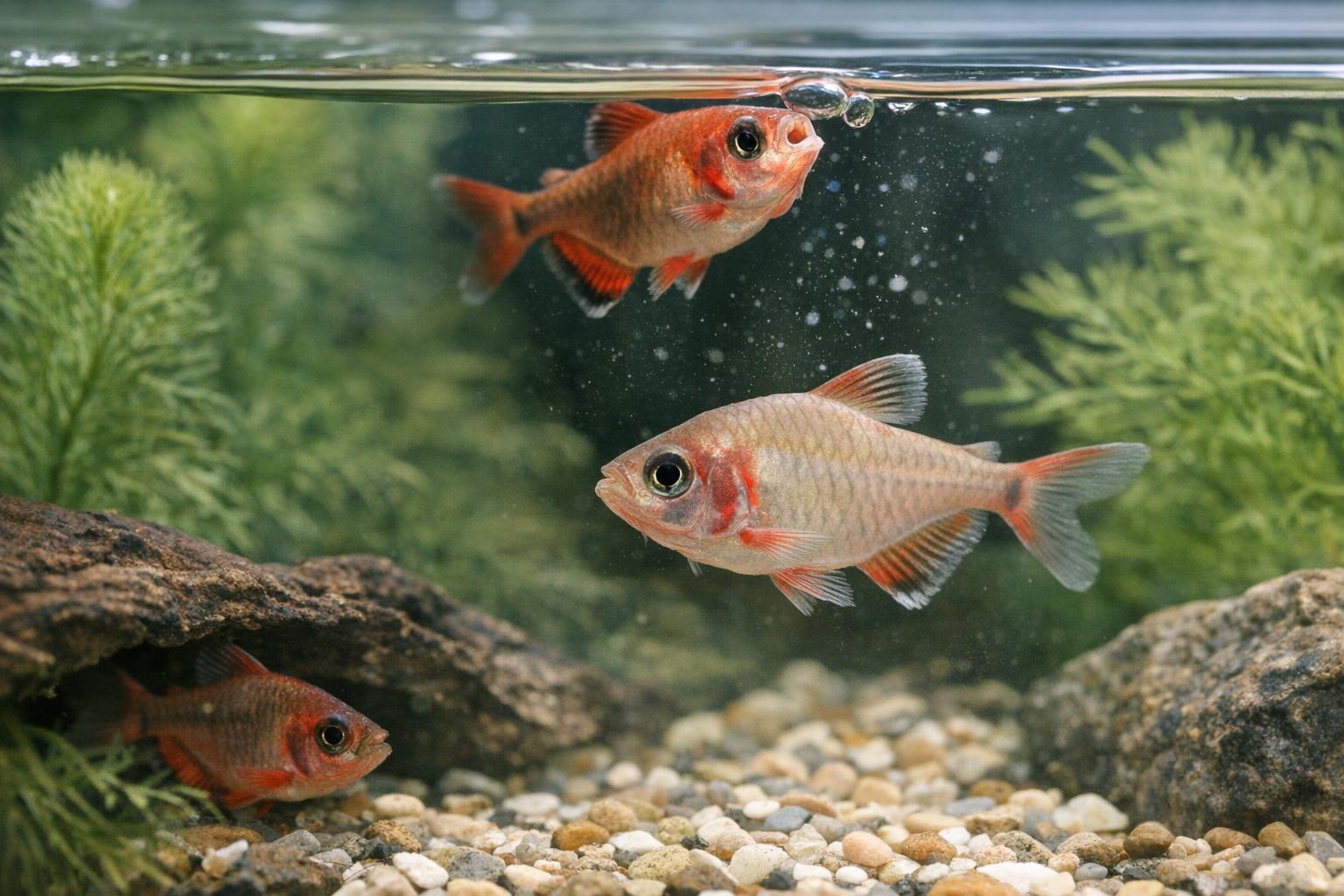
Fish don’t care about your schedule. They notice chemistry. When the water’s chemistry swings, their behavior changes fast: gasping at the surface, hiding, losing color, refusing food. That’s all tied to the ph level. A single sudden drop or spike can stress immune systems and trigger outbreaks. Real stability isn’t glamorous, but it’s the thing that keeps a tank quiet and predictable.
## Stabilizing Aquarium Ph Levels For Fish: Practical Steps
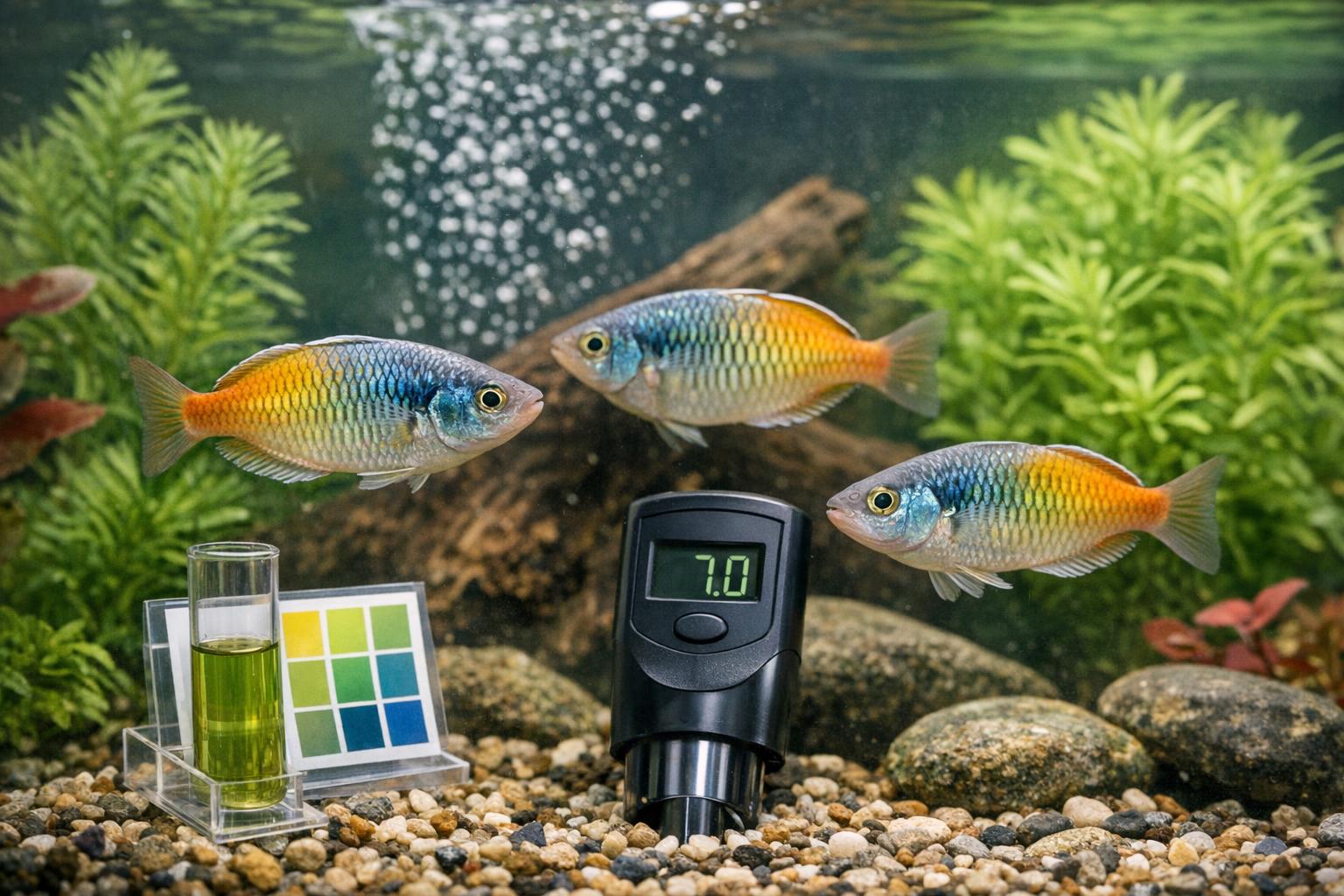
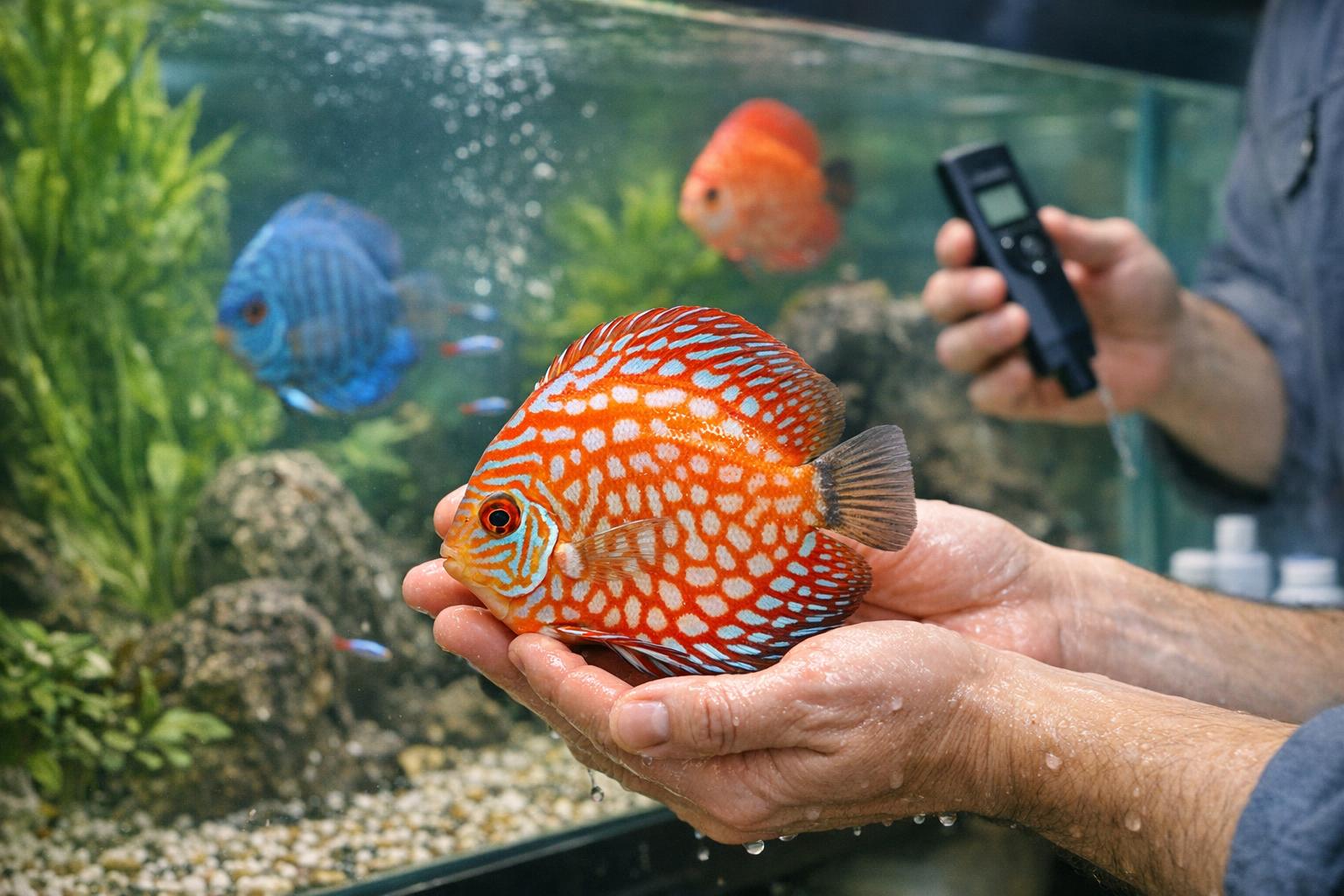
When it comes to stabilizing aquarium ph levels for fish, start with measurement. You can’t manage what you don’t test. Use a reliable liquid test kit or a digital meter, and take readings at the same time of day for a week to see the pattern. A single test is meaningless. Once you understand swings, choose actions that change the water slowly.
A checklist for stabilizing aquarium ph levels for fish includes testing, correcting only small amounts at a time, matching new water to the tank’s chemistry during changes, and addressing causes like rotten food or an overloaded filter. If you treat every problem with a pH-adjusting chemical, you’ll chase symptoms and miss the root cause.
### Test Regularly And Record Readings
Test strips lie and color charts confuse. A good liquid kit or calibrated meter costs more up front but saves fish. Record pH twice a week for a month. Note temperature and whether you recently did a water change. That record will tell you if your ph level shifts with feeding, lighting, or other maintenance.
Write down numbers. You’ll see patterns: maybe pH falls after heavy feeding, or climbs after adding tap water. Those patterns point to solutions.
### Adjust Slowly: How To Change Ph Without Shocking Fish
If you need to change pH, do it in stages over days, not hours. Rapid shifts are a bigger danger than being slightly off target. Lowering pH? Add small amounts of peat, driftwood, or a commercially prepared buffer, and wait. Raising pH? Baking soda works but requires tiny doses and patience.
Commercial products promise instant fixes. Use them sparingly and follow package math for your tank volume. And always test after each step. Maintaining ph balance means favoring gradual corrections over dramatic ones.
#### Controlled Water Changes And Mixing
When mixing replacement water, match its temperature and chemistry to the tank. Tap water often has a different ph level than your aquarium. Mix new water in a separate container until it’s within 0.1–0.2 of the tank’s pH, then add slowly. Use a dechlorinator every time.
A common mistake is tossing in a big water change and watching the pH swing back within hours. That usually happens because the new water isn’t chemically compatible with the old. Small, frequent water changes win.
## Common Causes Of Ph Swings
Most ph swings trace back to biological or water source issues. Decaying plant matter and uneaten food create acids during decomposition. High bioload raises waste products and shifts pH. CO2 buildup in a well-planted tank can lower pH overnight. Even new driftwood or certain substrates can change the ph level for weeks.
Tap water can be stable one week and different the next when municipal treatment changes. If your tap is the culprit, consider using reverse osmosis water re-mineralized to a known hardness, or keep a stable blend of tap and RO water you use consistently.
### Addressing Specific Tank Types
A planted tank and a community aquarium ask for different approaches. Planted tanks often have lower ph due to CO2 injection; they benefit from regular testing during light cycles. Cichlid tanks need a naturally higher, steady ph; they respond poorly to sudden drift toward acidity.
Focus on the target range for the species you keep. Achieving ph balance is about knowing what “stable” means for your fish, not trying to fit every species into a single number.
## Small Habits That Prevent Big Problems
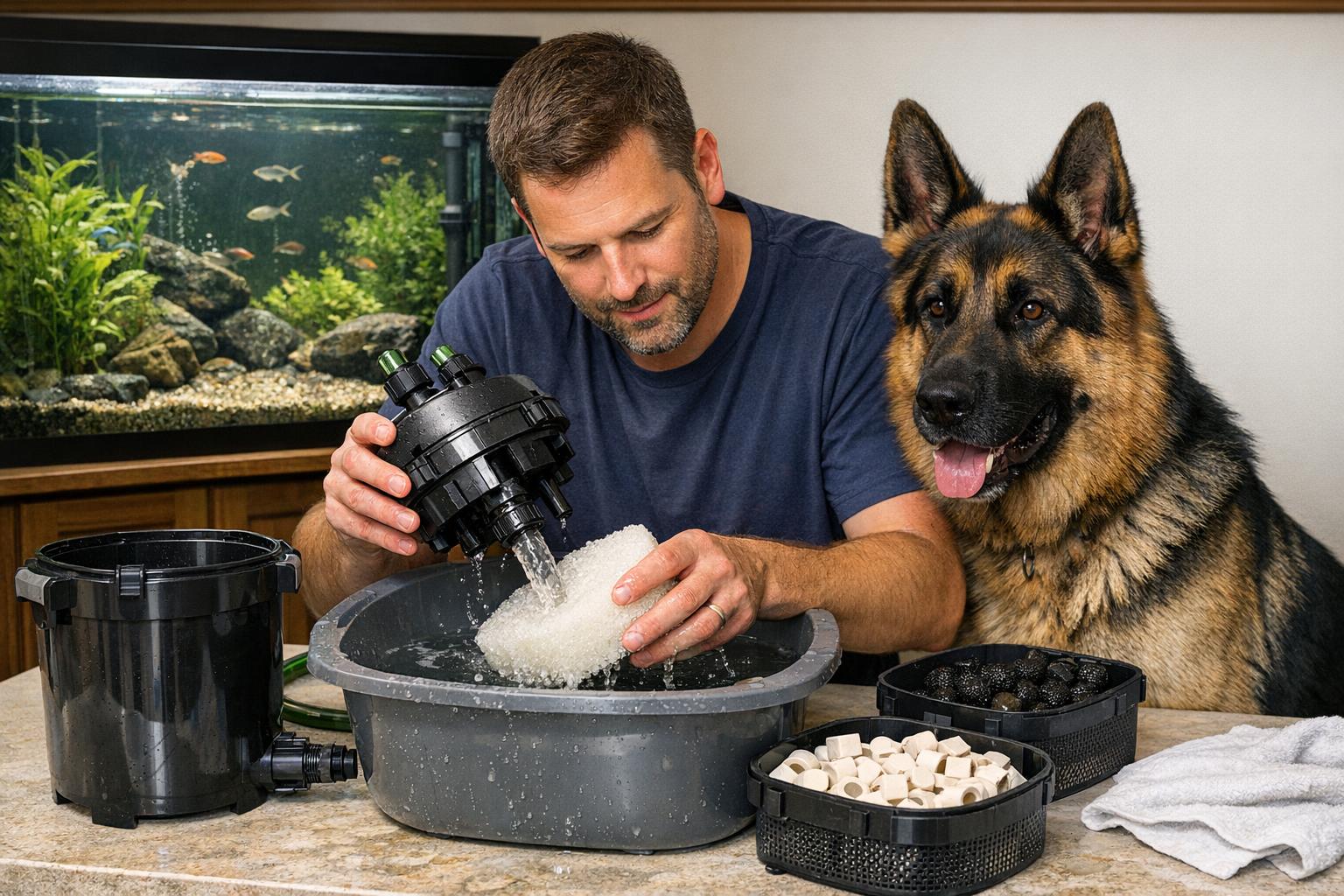
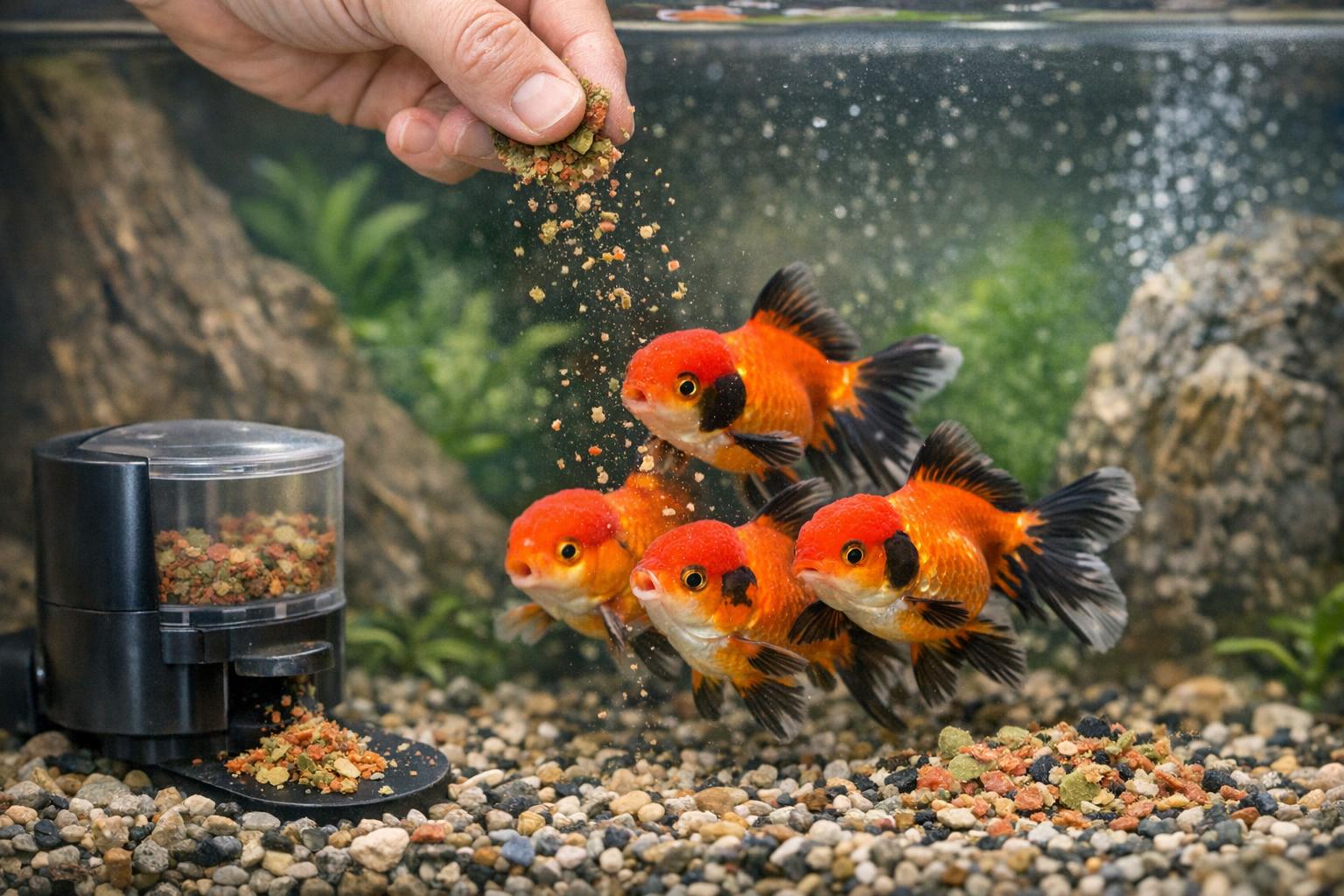
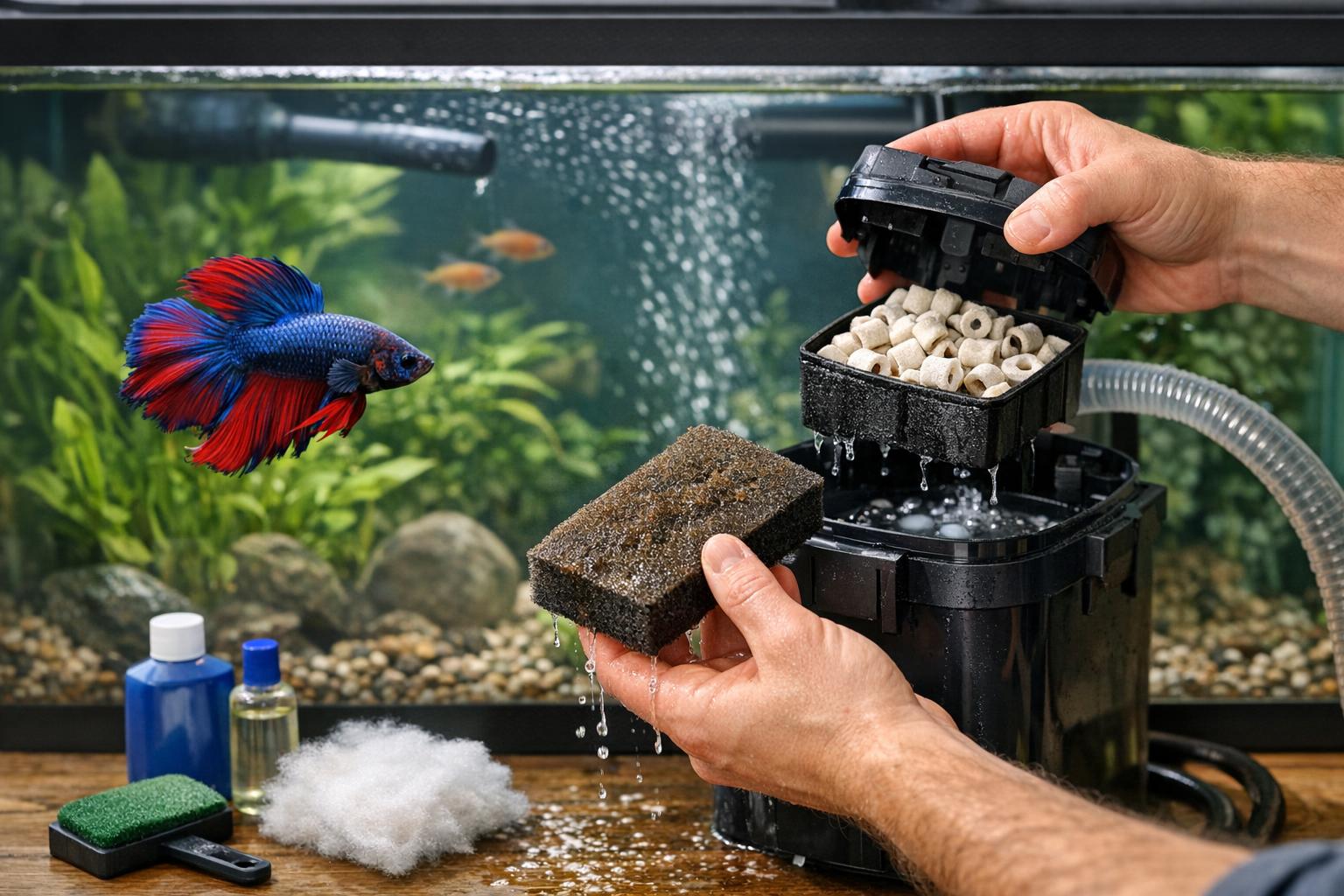
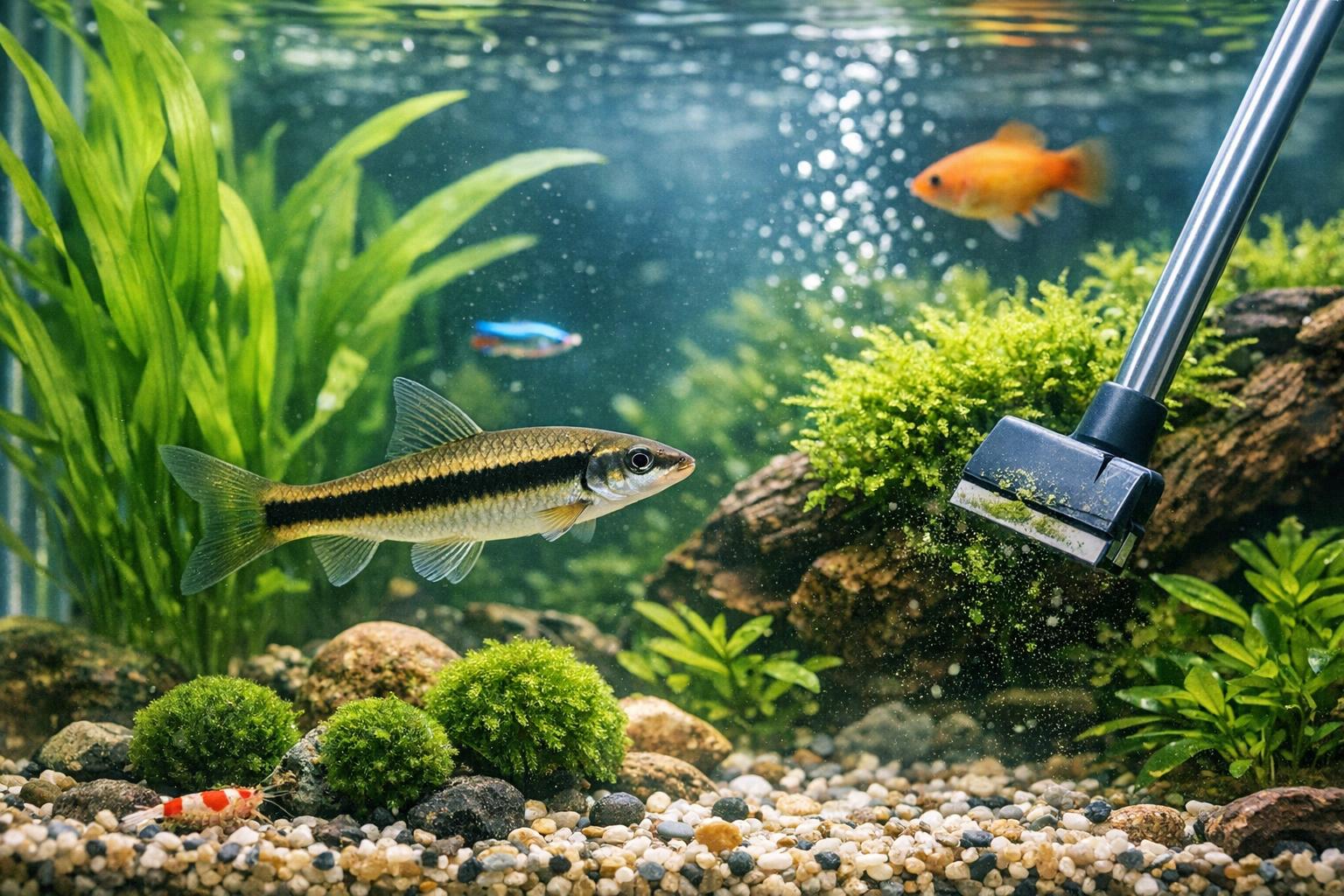
Daily habits beat crisis fixes. Rinse uneaten food before it reaches the tank. Don’t overstock. Clean filter media by rinsing in removed tank water, not with tap water that will strip beneficial bacteria. Monitor for signs of decomposition in planted tanks and remove brown, dying leaves promptly.
Long-term habits make stabilizing aquarium ph levels for fish effortless: consistent test schedules, measured water changes, and predictable feeding. Those habits stop most swings before they start.
### Tools And Additives That Help
Tools that help with stabilizing aquarium ph levels for fish include a quality meter, a dechlorinator, and buffering media sized to your tank’s needs. If you use RO/DI water, a remineralizer tailored to aquarium use will bring hardness and stability back without guesswork.
Use additives as refinements, not crutches. Buffers should be tuned to your tank’s carbonate hardness. If carbonate hardness is low, pH becomes fragile. Boosting KH creates a reserve that resists sudden shifts and improves ph balance.
## A Real-World Example
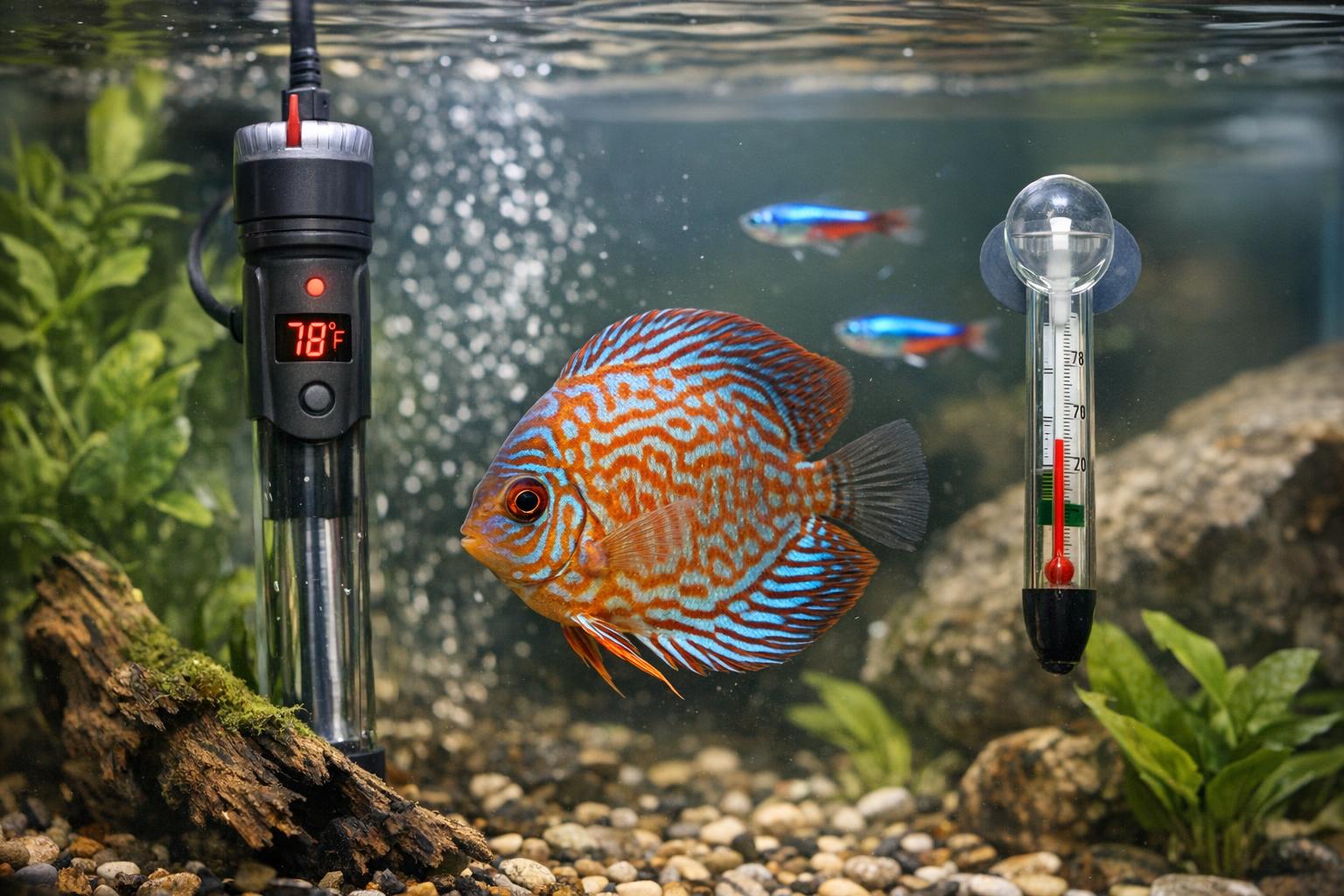
I inherited a ten-gallon community tank wth neon tetras that kept losing fish during an otherwise healthy-looking month. Tests revealed nightly pH drops of 0.8 points. The cause was a clogged heater cradle that trapped detritus and caused oxygen-poor pockets that acidified overnight. Cleaning the nook, adding a small powerhead, and doing measured water changes stopped the swings. The neon tetras stabilized within days.
Small fixes, realistic routines, and attention to the specific chemistry needs of your stock are what keep fish healthy. Stabilizing aquarium ph levels for fish is rarely glamorous, but it’s the most effective habit an aquarist can develop.


































Leave a Reply