## How Many Fish In A 20 Gallon Aquarium: Practical Limits
If you’ve Googled “how many fish in a 20 gallon aquarium” while sipping coffee and dreaming of a miniature aquatic city, you’re not alone. A 20 gallon tank looks spacious on a shelf, but water volume and fish needs don’t always match visual expectations. Too many fish = stressed fish, cloudy water, and a very unhappy hobbyist. Too few and you might be missing out on a lively community. Let’s find the sweet spot.
## Stocking Rules Of Thumb Versus Reality
Many hobbyists start with the old “one inch of fish per gallon” rule. It’s catchy, simple, and sadly misleading. That rule ignores fish body shape, waste production, territorial behavior, and the difference between surface swimmers and bottom dwellers. To answer “how many fish in a 20 gallon aquarium” accurately, you need to consider species, adult size, temperament, and filtration.
### Why Tank Shape And Fish Type Matter
A 20 gallon long tank gives more swimming room than a tall 20 gallon. Surface area affects oxygen exchange; more surface area means more oxygen for your fish. Active midwater swimmers (like danios) need lateral space, whereas shy bottom dwellers (like corydoras) prefer substrate hiding places. Likewise, a chunky, slow-moving species that reaches 4 inches as an adult will occupy more resources than a slender, 4-inch schooling fish.
### The Practical Answer To “How Many Fish In A 20 Gallon Aquarium”
A realistic general guideline:
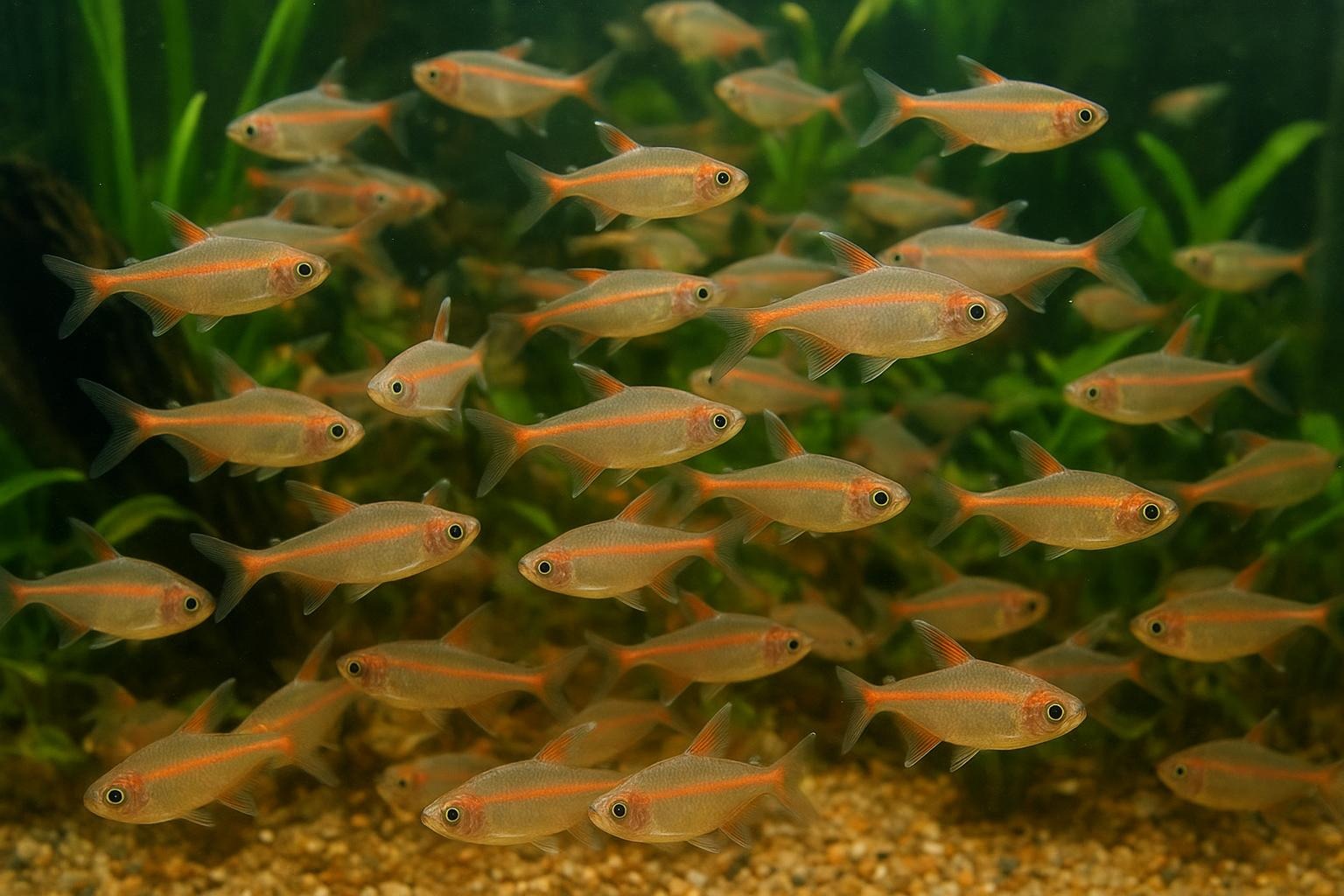
– For small schooling fish (0.75–1.5 inches adult): 8–12 in a 20 gallon long (if plenty of filtration and plants are present).
– For moderate-size community fish (2–3 inches adult): 6–8, depending on temperament.
– For larger or messier fish (3+ inches adult): 2–4, often best to keep just a pair or single specimen.
So when someone asks “how many fish in a 20 gallon aquarium,” the best response is: it depends — but err on the side of fewer, not more.
## Warning Signs Of Overcrowding
Before we move to fixes, know the red flags: frequent ammonia or nitrite spikes, persistent algae blooms, gasping fish at the surface, increased aggression, faded colors, and stunted growth. If you’re seeing these, the question of “how many fish in a 20 gallon aquarium” has likely been answered for you — it’s too many.
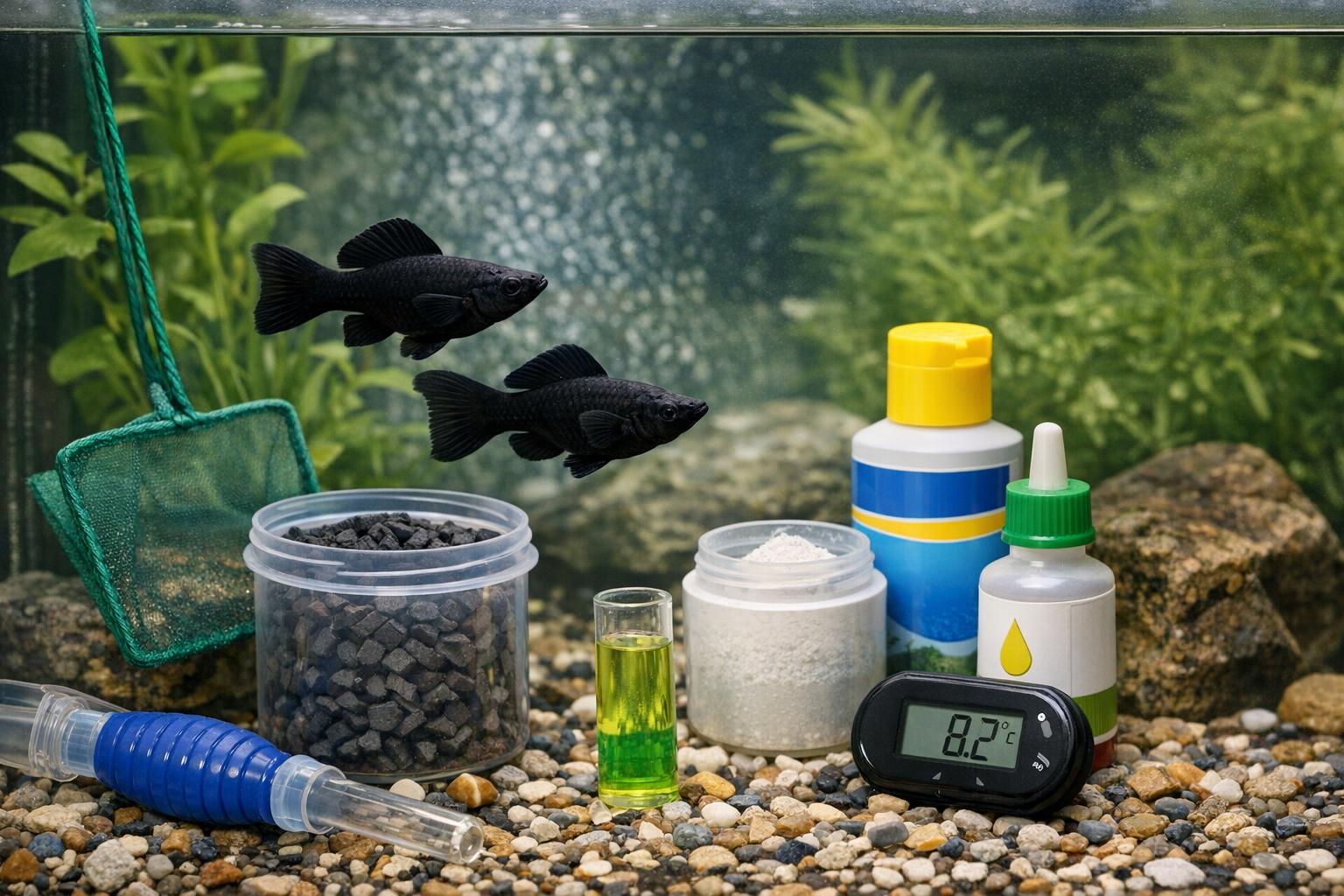
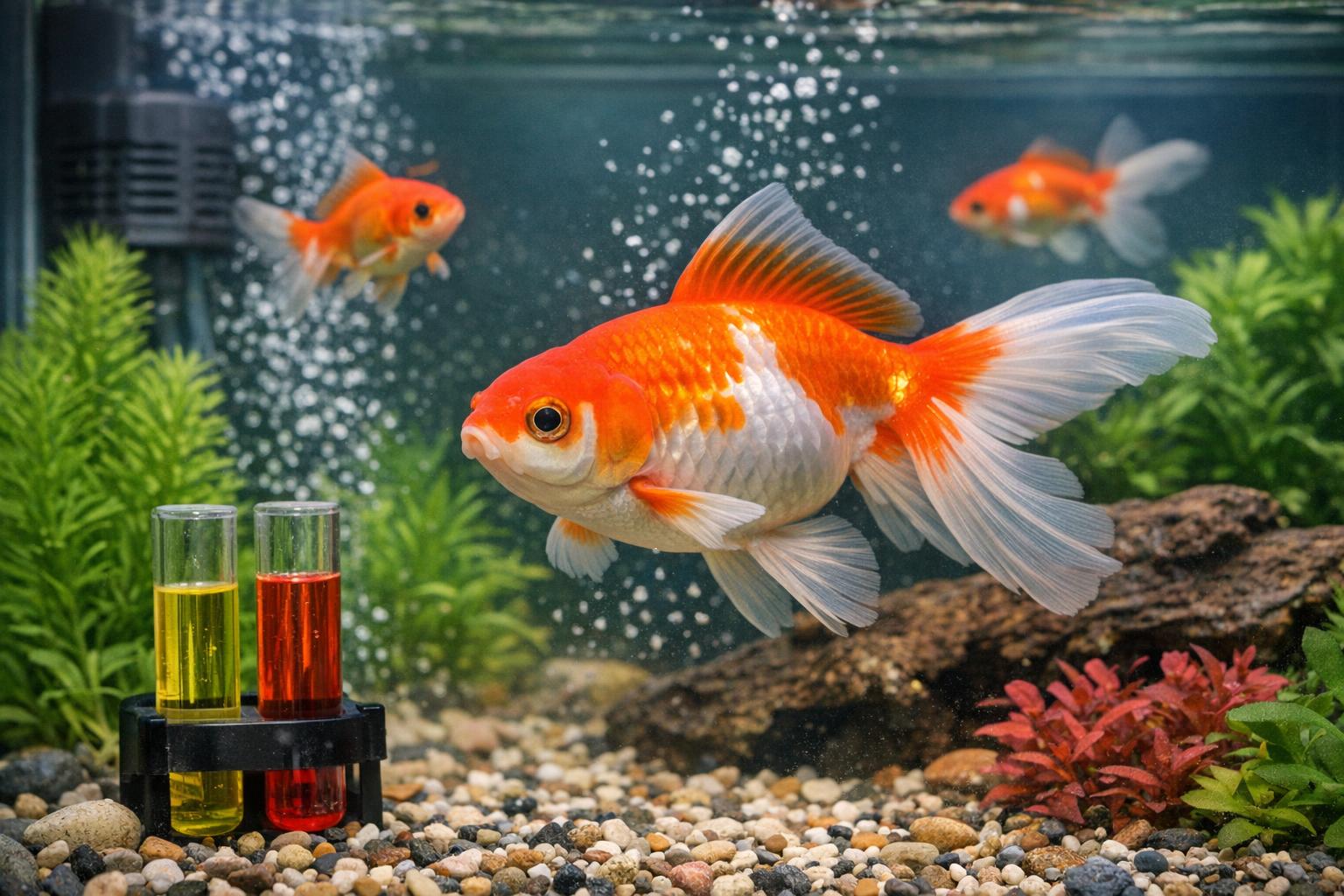
## Remedy 1: Regular Partial Water Changes (Essential)
Materials
– Dechlorinated water (prepared to tank temperature)
– Gravel vacuum/siphon
– Bucket reserved only for aquarium use
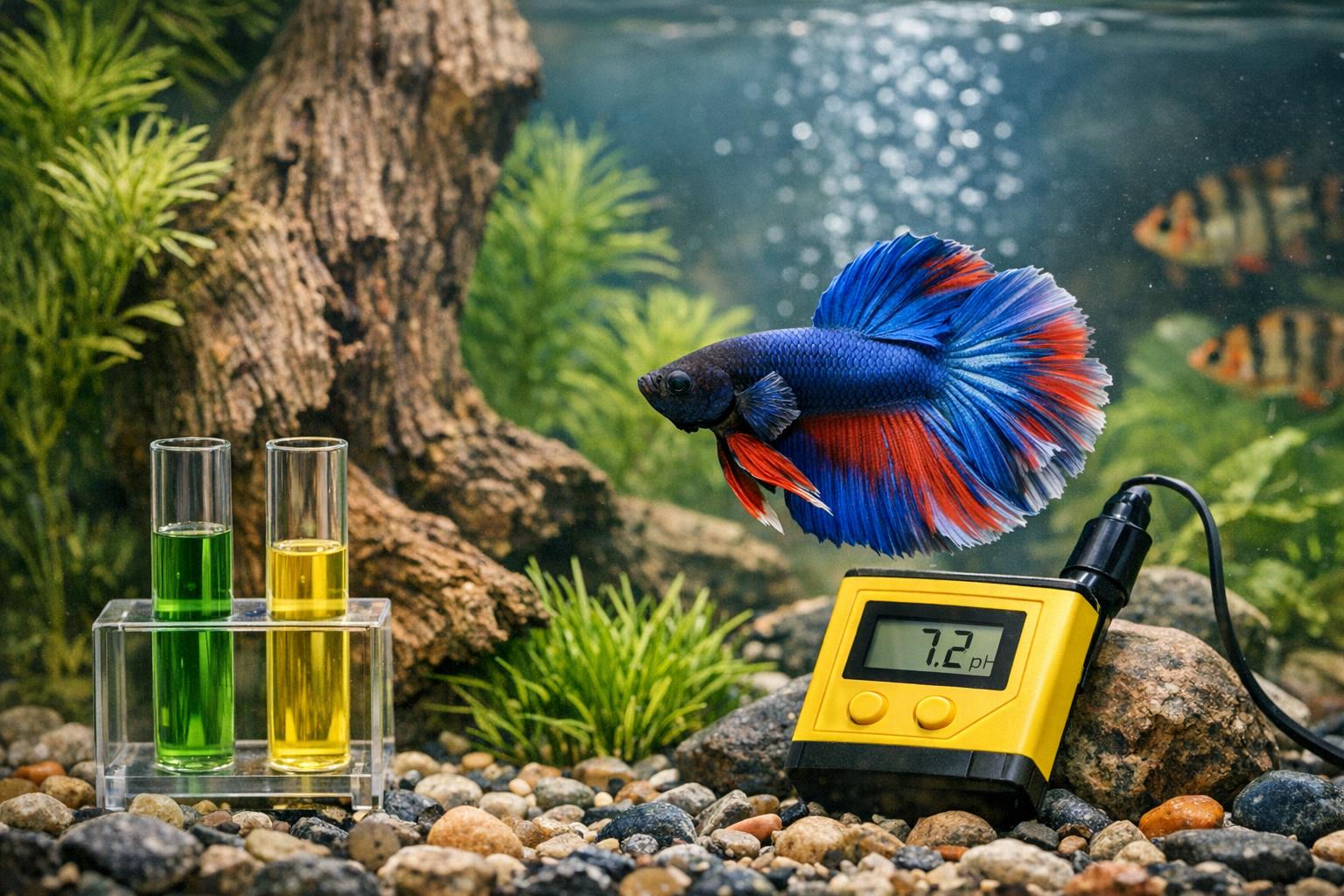
– Water test kit (ammonia, nitrite, nitrate)
Step-By-Step
1. Test water for ammonia, nitrite, and nitrate to establish baseline.
2. Prepare replacement water by treating tap water with a dechlorinator and matching the tank temperature as closely as possible.
3. Turn off electrical equipment if necessary to avoid damage while siphoning.
4. Use the gravel vacuum to remove 20–30% of tank water, siphoning debris from substrate as you go.
5. Replace with prepared water, pouring slowly to avoid disturbing fish.
6. Retest water 24 hours after change to ensure parameters are stable.
Formal Note: Partial water changes reduce toxic nitrogen compounds and dilute dissolved organics. For a moderately stocked 20 gallon, schedule 20–30% weekly water changes; for heavier loads, increase to twice weekly.
## Remedy 2: Upgrade Filtration And Maintenance
Materials
– Filter rated for at least 200% of tank volume (i.e., a filter rated 40 GPH for 20 gallons is minimal; aim for 40–60 GPH or higher)
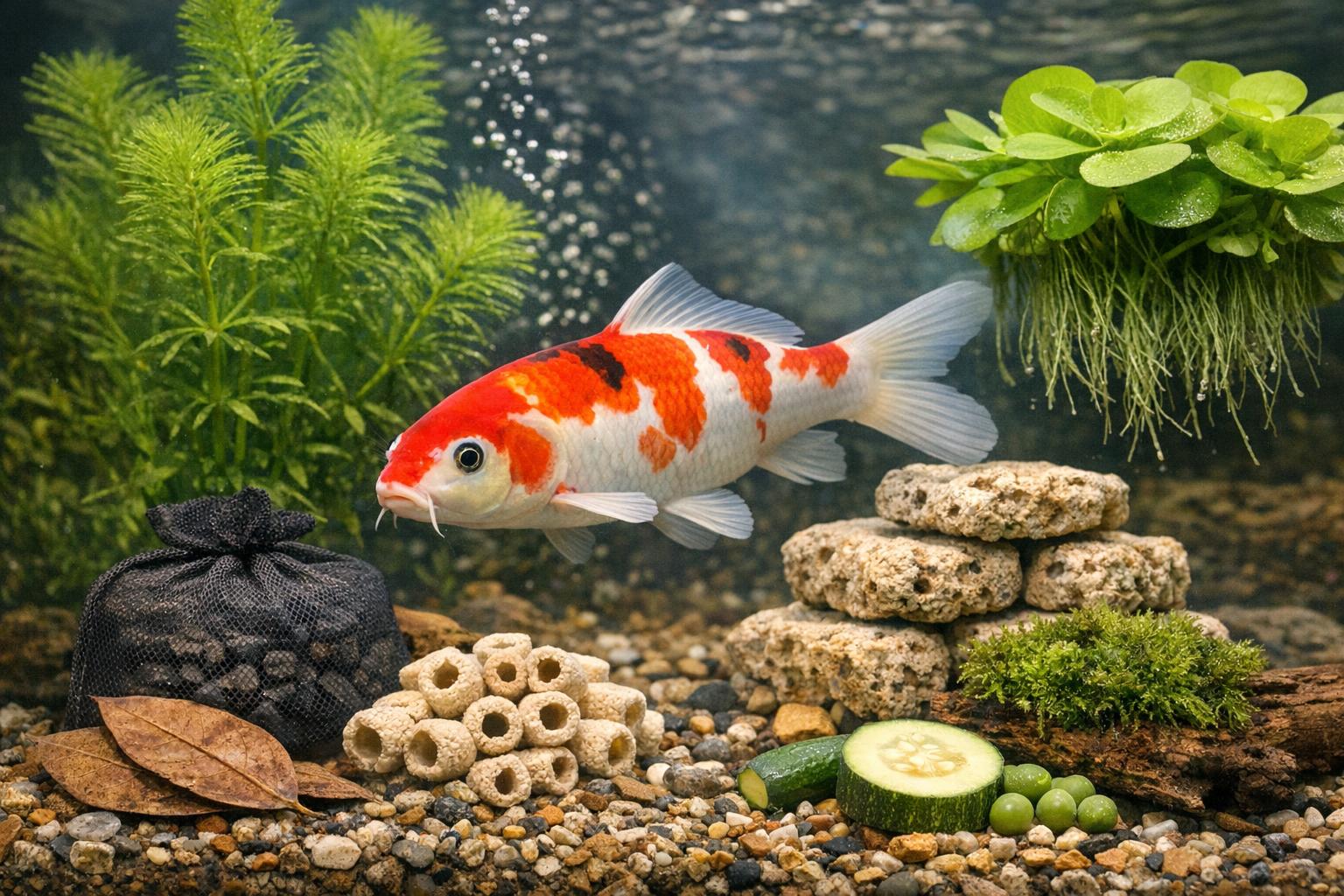
– Mechanical, chemical, and biological media (sponge, activated carbon, ceramic rings)
– Replacement media as specified by manufacturer
– Bucket and cleaning brush for filter maintenance
Step-By-Step
1. Choose a filter rated well above the tank volume; hang-on-back (HOB), canister, or sponge filters are common choices.
2. Install mechanical media to trap solids, biological media for beneficial bacteria, and optionally chemical media for clarity.
3. Prime and run the filter, ensuring proper flow without creating excessive current for your fish species.
4. Clean mechanical media monthly by rinsing in removed tank water (not tap water), and replace chemical media per manufacturer.
5. Monitor filter performance and check for reduced flow, which could indicate clogging that will increase bioload stress.
Formal Note: Efficient filtration supports a higher, healthier bioload by ensuring nitrification and physical removal of waste. However, filtration can’t compensate for severe overcrowding — it mitigates, not eliminates, the problems of too many fish.
## Remedy 3: Rebalance Stocking With Selective Relocation
Materials
– Quarantine/holding container (bucket or small tank)
– Net, acclimation materials (floating bag, drip line)
– Destination tank/owner or humane rehoming plan
Step-By-Step
1. Assess each species’ adult size, temperament, and waste output.
2. Prioritize rehoming those that will outgrow the tank, are aggressive, or produce excessive waste.
3. Set up a temporary holding container with aeration and stable water parameters if immediate rehoming isn’t possible.
4. Acclimate fish to the new environment using temperature and water-chemistry matching (drip acclimation if moving to a different water source).
5. Rehome via local fish clubs, reputable pet stores, or aquarium hobbyist groups; avoid releasing fish into local waterways.
Formal Note: Rebalancing stock is often the most direct remedy when a 20 gallon tank is overcrowded. Moving a couple of fish to larger homes can restore stability and reduce stress quickly.
## Remedy 4: Use Live Plants And Aquascaping To Increase Effective Space
Materials
– Fast-growing live plants (e.g., hornwort, java fern, anubias, Vallisneria)
– Substrate suitable for planted tanks (if replanting)
– Plant-safe fertilizers and CO2 if necessary
– Decorations that provide hiding places without reducing swimming space
Step-By-Step
1. Choose plants suitable to your lighting and water conditions; hardy, low-light plants work well in many 20 gallon setups.
2. Plant densely in background and midground to create a sense of territory and reduce aggression.
3. Add floating plants to increase surface coverage, which can help reduce nitrate spikes and offer shade.
4. Avoid overcrowding decor; aim for open swim lanes for schooling fish while providing hiding spots for shy species.
5. Monitor plant growth and prune as needed to maintain balance and water quality.
Formal Note: Live plants absorb nitrates and provide oxygen, improving water stability. They also create microhabitats, reducing territorial stress among fish. While plants don’t increase actual carrying capacity, they improve the tank’s resilience to higher stock levels.
### Practical Stocking Examples For A 20 Gallon Tank
– Peaceful Community Focus: 6–8 small tetras (1–1.5″), 4–6 corydoras (up to 2.5″), and 1 small pleco species or oto. Total: around 12–15 individuals depending on sizes.
– Schooling Small Fish: 10–12 neon tetras or ember tetras with a group of 4 corydoras.
– Larger Individual Focus: One to two dwarf gouramis with a small school of 6 rasboras and 4 corydoras.
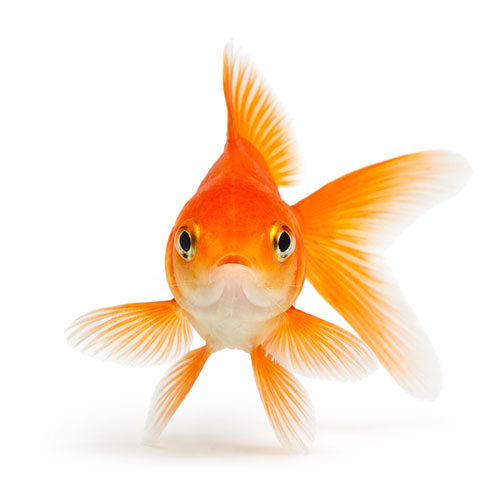
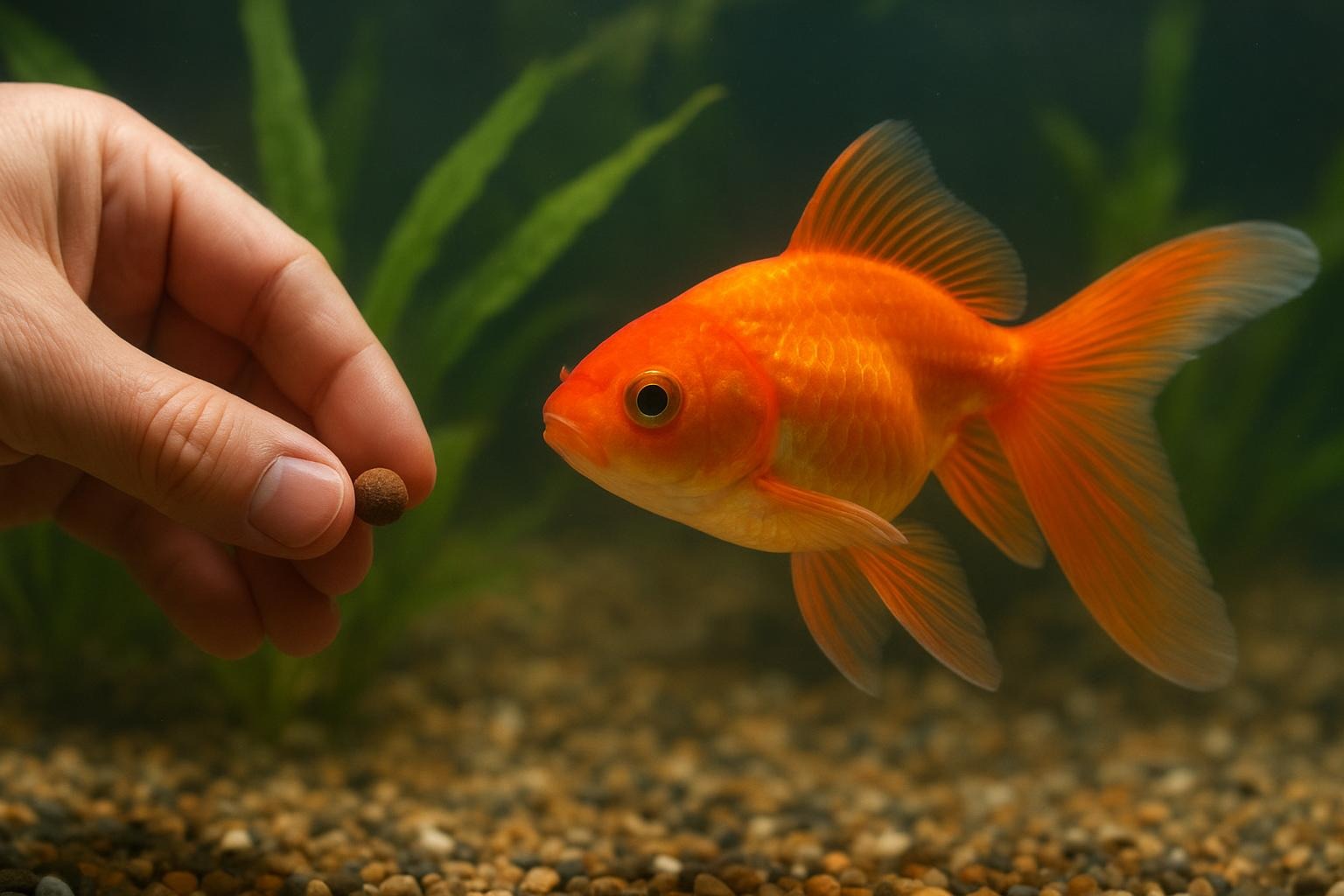
– Avoid: Multiple large cichlids, goldfish (which need far larger tanks and produce a lot of waste), or overstocked mixes that fill every niche.
Remember that stocking numbers above are estimates; always check adult sizes and temperament.
### Monitoring And Ongoing Care
Keep a log of water tests, behavior changes, and feeding. Overfeeding is a leading cause of ammonia spikes. Feed small amounts that fish consume within two minutes, once or twice daily. If you find the question “how many fish in a 20 gallon aquarium” creeping back into your mind as you add a new species, pause and consider the combined adult biomass and filtration capacity first.
## When To Consider Upsizing
If you love a particular species that will outgrow a 20 gallon, plan for a bigger tank before problems start. Transitioning fish to a larger, well-cycled aquarium is less stressful than repeatedly rehousing. A 40–55 gallon gives much more flexibility for community setups and larger species.
## Signs Your Plan Is Working
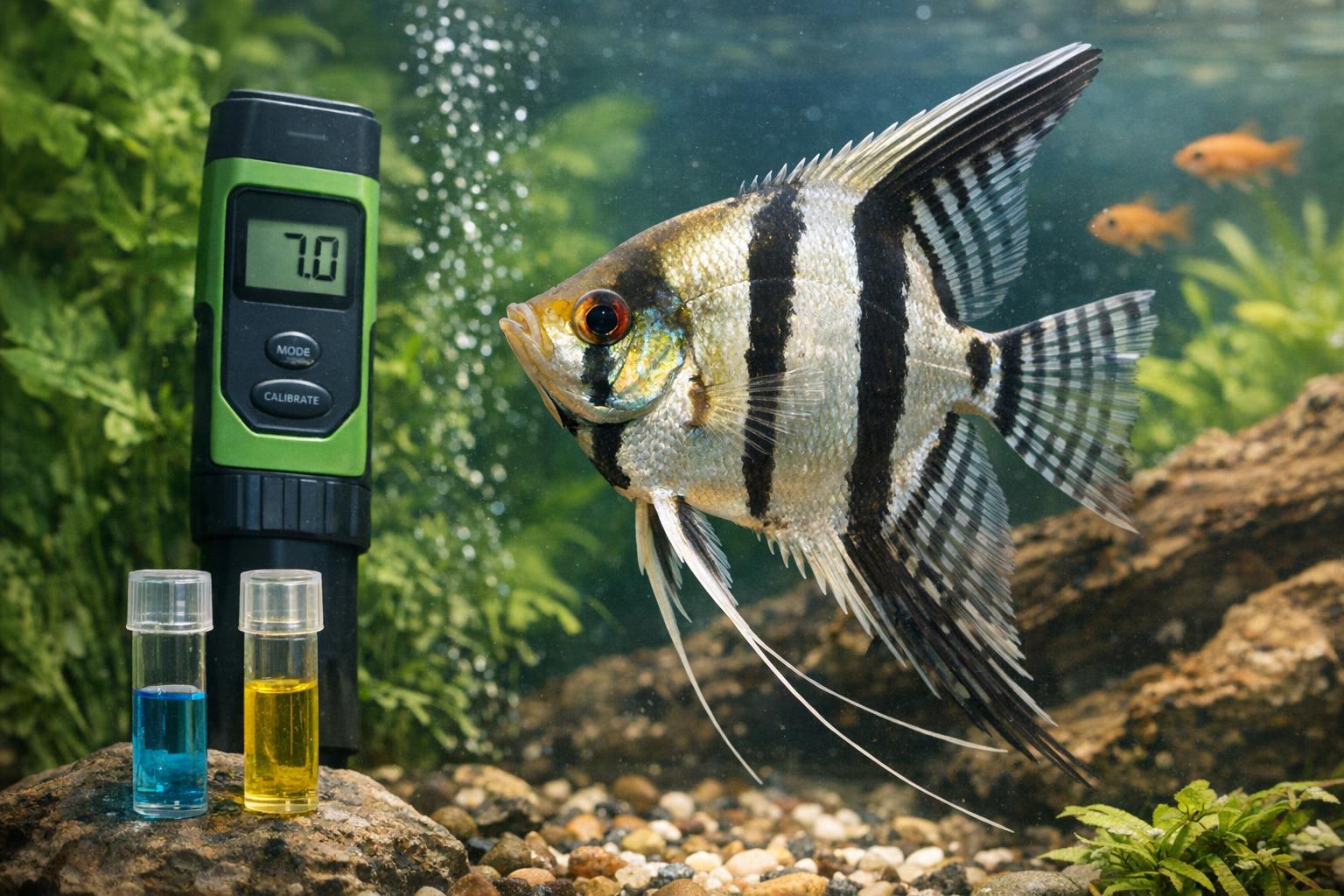
Post-remedy improvements include stable ammonia/nitrite at zero, nitrates under 40 ppm (lower is better), clearer water, calmer behavior, and normal appetite. If these signs don’t appear within a couple of weeks after changes, revisit stocking and filtration choices.
If you’re ever unsure, ask for help at a local fish club or a trusted aquarium store that prioritizes fish welfare. Asking “how many fish in a 20 gallon aquarium” is the right start — but good observation and regular care are what keep your little underwater neighborhood thriving.





Leave a Reply