





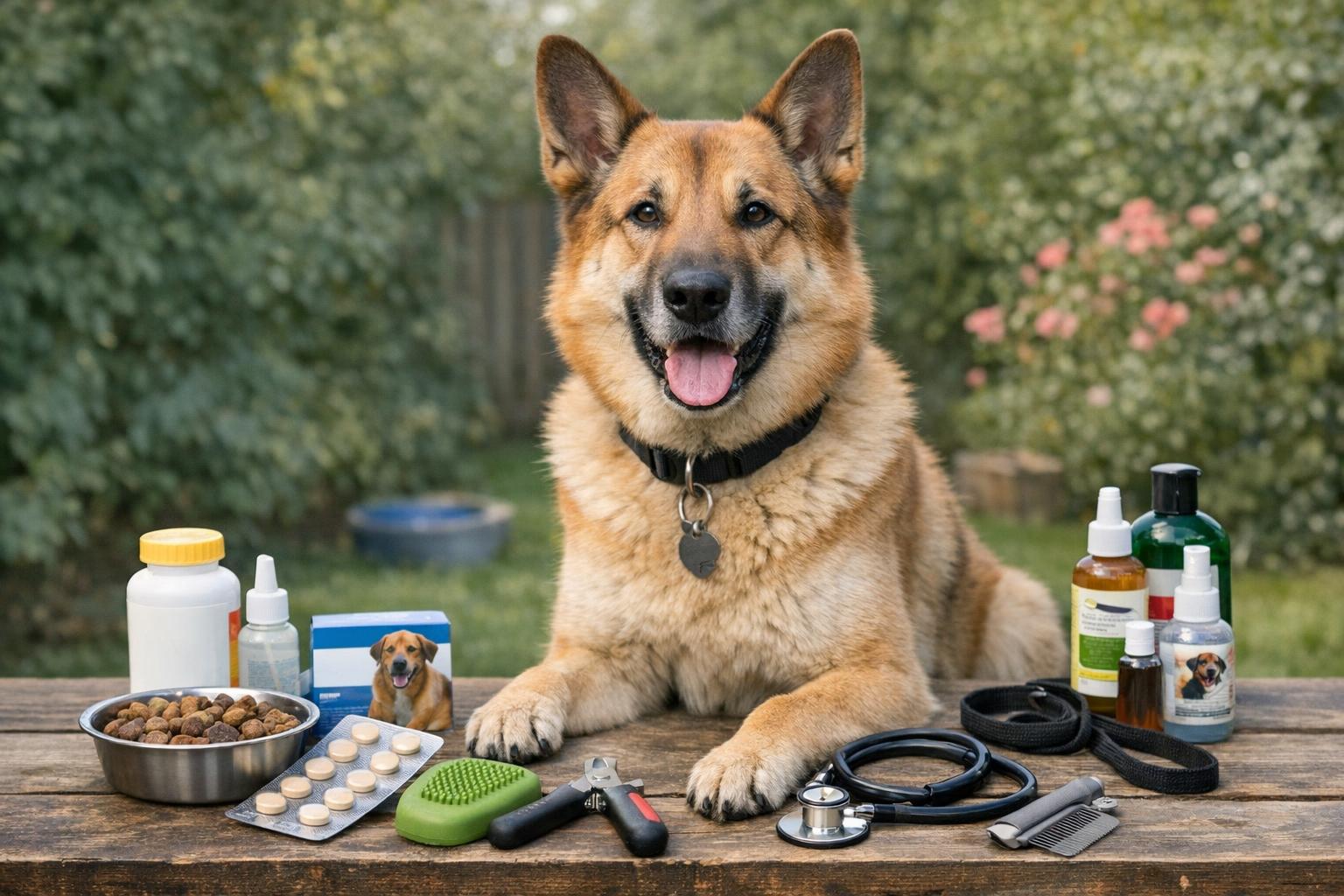
Keeping your dog healthy doesn’t have to feel like a never-ending series of appointments and pillboxes. With a mix of good daily habits, sensible vet care, and the right monthly products, you can prevent many common problems before they start — and spend more time playing fetch and less time stressing over mysterious itches. Below are practical preventive care tips and clear guidance about monthly preventatives for dogs, plus two DIY remedies you can safely use alongside veterinarian-recommended products.
## Why Preventive Care Matters
Preventive care is the most cost-effective and humane approach to pet health. Regular screenings, vaccinations, parasite control, and basic home care reduce the chance of serious disease, improve quality of life, and often catch problems early when they’re easiest to treat. Choosing the right monthly preventatives for dogs is one of the simplest, highest-impact things an owner can do — consistency matters more than complexity.
## Monthly Preventatives For Dogs: What They Cover
Monthly preventatives for dogs typically address a few major categories: heartworm prevention, flea and tick control, and protection against common intestinal parasites. Some products combine protections (flea + tick + intestinal worm control) while others are single-purpose. Here’s what to consider when comparing options:
### Heartworm Prevention
Heartworm disease is transmitted by mosquitoes and can be fatal. Most heartworm preventatives are oral or topical monthly medications that either kill infective larvae or stop their development. A negative heartworm test is usually required before starting preventive treatment. Follow your veterinarian’s schedule for testing and administration.
### Flea And Tick Control
Fleas and ticks do more than annoy: they can transmit tapeworms, Lyme disease, ehrlichiosis, and cause skin allergies. Monthly topical or oral products are very effective when used correctly. Environmental control (washing bedding, treating the yard) reduces reinfestation risk. Using monthly preventatives for dogs helps prevent these parasites from establishing a cycle in your home.
### Intestinal Parasite Programs
Many monthly preventatives include deworming activity against roundworms, hookworms, and tapeworms. Puppies often need more frequent deworming early in life, then monthly maintenance per your vet’s recommendation. Fecal testing at routine visits ensures the chosen regimen is working.
### Other Monthly Options
Some owners add parasite control for heartworm plus flea/tick in one product, while others use separate medicines because of tolerance, cost, or regional parasite pressure. Regular tick checks, even when using preventatives, are a good habit in higher-risk areas.
## Working With Your Vet On Monthly Preventatives For Dogs
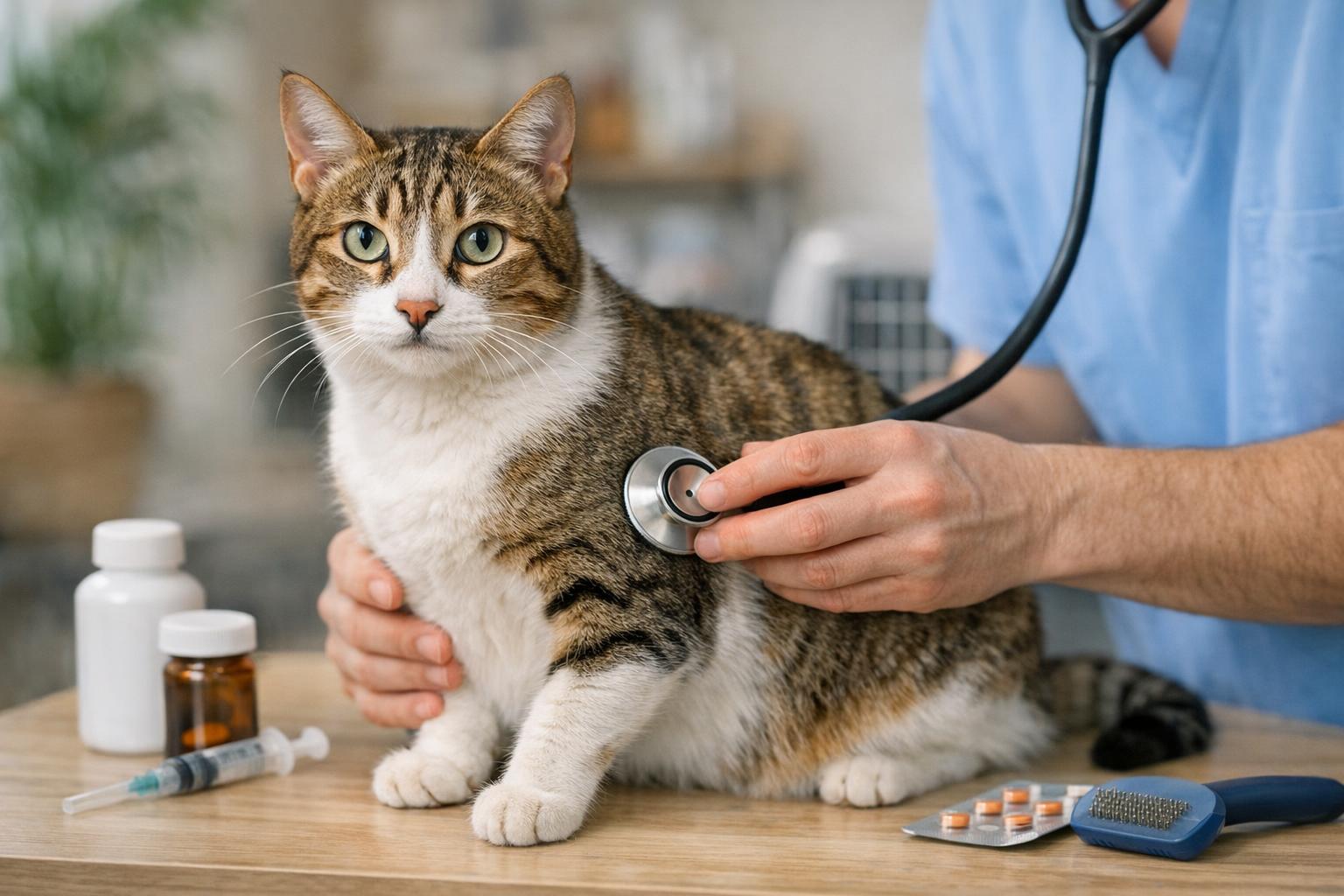
Your veterinarian is your best resource for tailoring a preventive plan. Factors to discuss include age, weight, lifestyle (indoor vs. outdoor, hiking frequency), travel, local parasite prevalence, and any pre-existing conditions. In many regions, monthly preventatives for dogs should be used year-round; in other areas, seasonal plans may be appropriate. Never switch or combine products without vet approval, and always confirm dosing based on current weight.
### Testing And Record Keeping
Establish a schedule for heartworm tests, fecal checks, and vaccine boosters. Keep a simple calendar or set phone reminders for monthly dosing. Consistent application is more important than brand — missed doses can leave dogs vulnerable, so plan around vacations and busy periods.
## Home And Lifestyle Preventive Measures
Note that medication is just one piece of prevention. Good daily care, environment management, and observation are essential complements.
### Nutrition And Weight Management
A balanced diet appropriate for life stage supports immune function and overall resilience. Obesity increases the risk of orthopedic and metabolic issues, so measure food portions and maintain an active routine.
### Dental Care
Daily tooth brushing and periodic professional cleanings reduce periodontal disease, which can affect the heart and kidneys over time. Begin dental routines when dogs are young to build tolerance and avoid stress during home care.
### Exercise And Mental Stimulation
Regular exercise prevents obesity, supports joint health, and reduces stress-related behaviors. Mental enrichment (puzzle toys, training) keeps senior dogs sharp and younger dogs appropriately challenged.
### Grooming And Skin Care
Regular brushing keeps the coat healthy and makes it easier to spot ticks or rash early. Bathing with a gentle, dog-formulated shampoo when needed prevents skin irritation — avoid over-bathing, which strips natural oils.
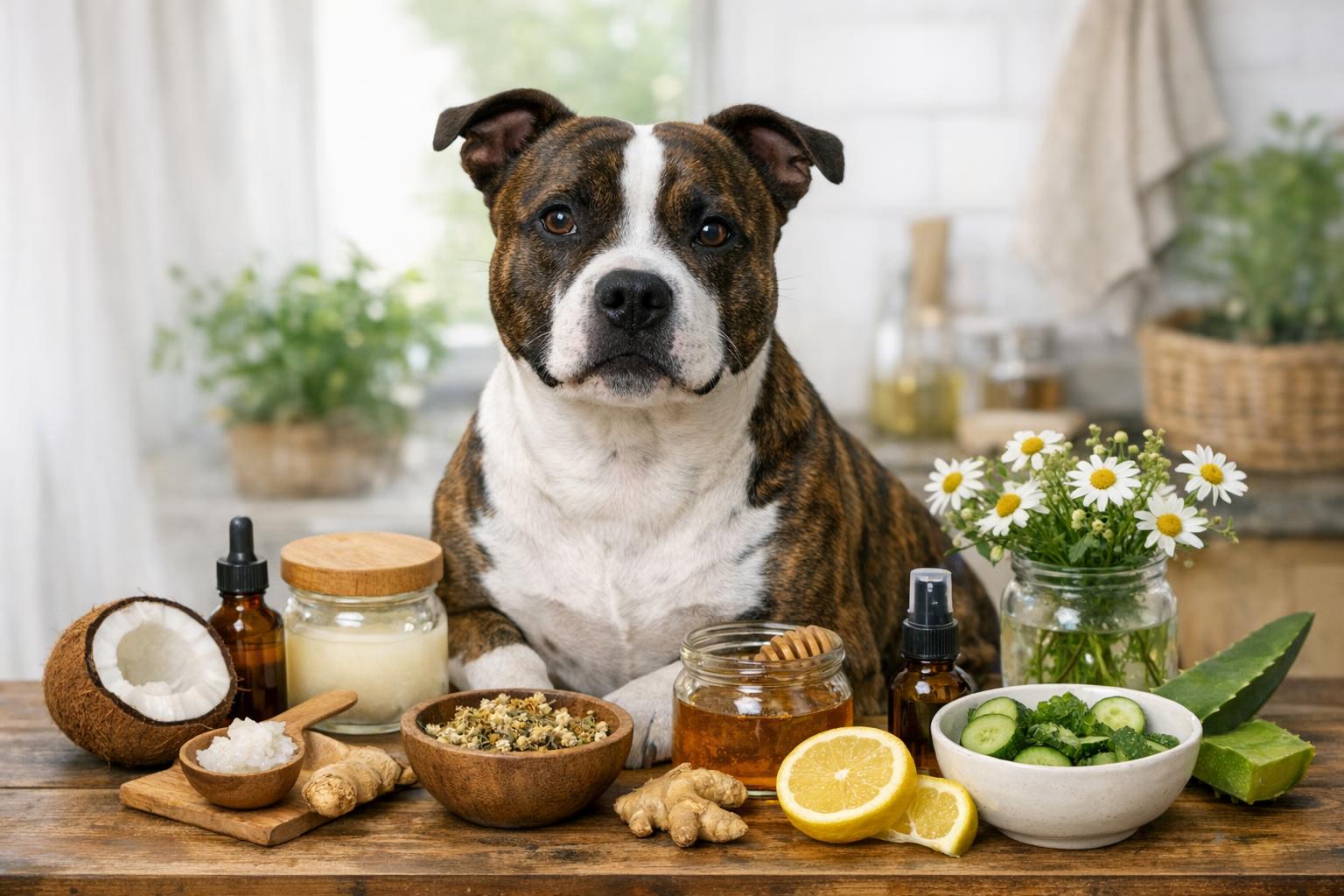
## 2 DIY Remedies: Natural Flea And Tick Spray And Soothing Paw Balm
Below are two veterinarian-safe, home-friendly remedies that can be used as adjuncts to prescribed monthly preventatives for dogs. These are not replacements for vet-recommended parasite control but can help soothe minor skin irritations and reduce superficial parasite attraction when used responsibly.
### 1. DIY Flea And Tick Spray
Use this spray as an environmental deterrent — on bedding, crates, and outdoor gear. Do not rely on it alone for parasite control. This remedy is for healthy adult dogs; consult your vet before using on puppies, seniors, pregnant or nursing dogs, or dogs with skin conditions.
Ingredients/Materials:
– 2 cups distilled water
– 1/2 cup apple cider vinegar
– 10 drops cedarwood essential oil (avoid if dog has known essential oil sensitivity)
– 10 drops lavender essential oil (calming and low-toxicity for dogs)
– 1 tablespoon witch hazel (as an emulsifier)
– A 16-ounce spray bottle (dark glass preferred)
Preparation and Application (formal instructions):
1. Sanitize the spray bottle with hot water and let dry.
2. Combine distilled water and apple cider vinegar in a clean mixing container.
3. Add witch hazel and essential oils. The witch hazel helps disperse the oils; shake thoroughly to combine.
4. Transfer the mixture into the spray bottle. Label with contents and date.
5. To use: shake bottle well and lightly mist bedding, crates, and outdoor gear from a distance of 8–12 inches. Avoid spraying directly onto the dog’s face, eyes, inner ears, or open wounds.
6. For use on the dog’s coat (optional and only after vet approval): spray lightly on the back and sides, then brush to distribute. Perform a patch test on a small area of skin and wait 24 hours to verify no irritation.
7. Reapply to fabrics and gear every 3–5 days in high-risk seasons; reapply to the dog only as recommended and with vet consent.
Storage: Keep in a cool, dark place for up to 4 weeks. Discard if the scent or color changes.
### 2. Soothing Paw Balm
This balm moisturizes cracked paw pads and soothes minor abrasions. It is not a substitute for veterinary wound care for deep lacerations or infected pads.
Ingredients/Materials:
– 2 tablespoons beeswax pellets
– 2 tablespoons coconut oil (virgin)
– 2 tablespoons shea butter
– 5 drops vitamin E oil (optional)
– Small clean tin or jar for storage
– Double boiler or heat-safe bowl over simmering water
Preparation and Application (formal instructions):
1. In a double boiler, melt beeswax, coconut oil, and shea butter together on low heat. Stir gently until fully liquefied and homogeneous.
2. Remove from heat and stir in vitamin E oil.
3. Pour mixture into a clean tin or jar. Allow to cool and solidify at room temperature.
4. Label with contents and date. Shelf life is approximately 6–12 months if kept dry and away from heat.
5. Application: Wash and dry the dog’s paws. Apply a small amount of balm to each pad and gently massage into the cracks. For dogs that lick, apply at bedtime and use socks for a short period to prevent ingestion, or give a lick-safe treat to distract until the balm absorbs.
6. Frequency: Use daily for dry, cracked pads until healed, then 2–3 times weekly as maintenance.
Cautions: Discontinue use if any irritation occurs. If pads are severely damaged, infected, or bleeding, consult your veterinarian immediately.
## When To Call The Vet
If you notice persistent scratching, hair loss, swelling at the bite site, limping, coughing, lethargy, sudden appetite change, or unusual behavior, contact your veterinarian promptly. Also schedule regular annual or biannual wellness checks so that preventive plans and monthly preventatives for dogs stay aligned with current health status and local parasite threats.
## Practical Tips For Sticking To A Preventive Plan
– Set a phone calendar reminder for dosing and refills.
– Keep a small chart by the food area with dates for heartworm tests, fecal checks, and vaccine boosters.
– Store oral medications in a designated container so they’re not missed.
– If a dose is missed, follow the product instructions or call your vet — do not double-dose unless explicitly directed.
– Combine life-stage nutrition, grooming, and exercise with medical monthly preventatives for dogs to get the best protective effect.
Using consistent preventive measures, staying observant at home, and collaborating with your veterinarian will give your dog the best chance at a long, healthy, and itch-free life. Remember: monthly preventatives for dogs protect your pet and your household — and peace of mind is worth its weight in peanut butter.





























Leave a Reply