



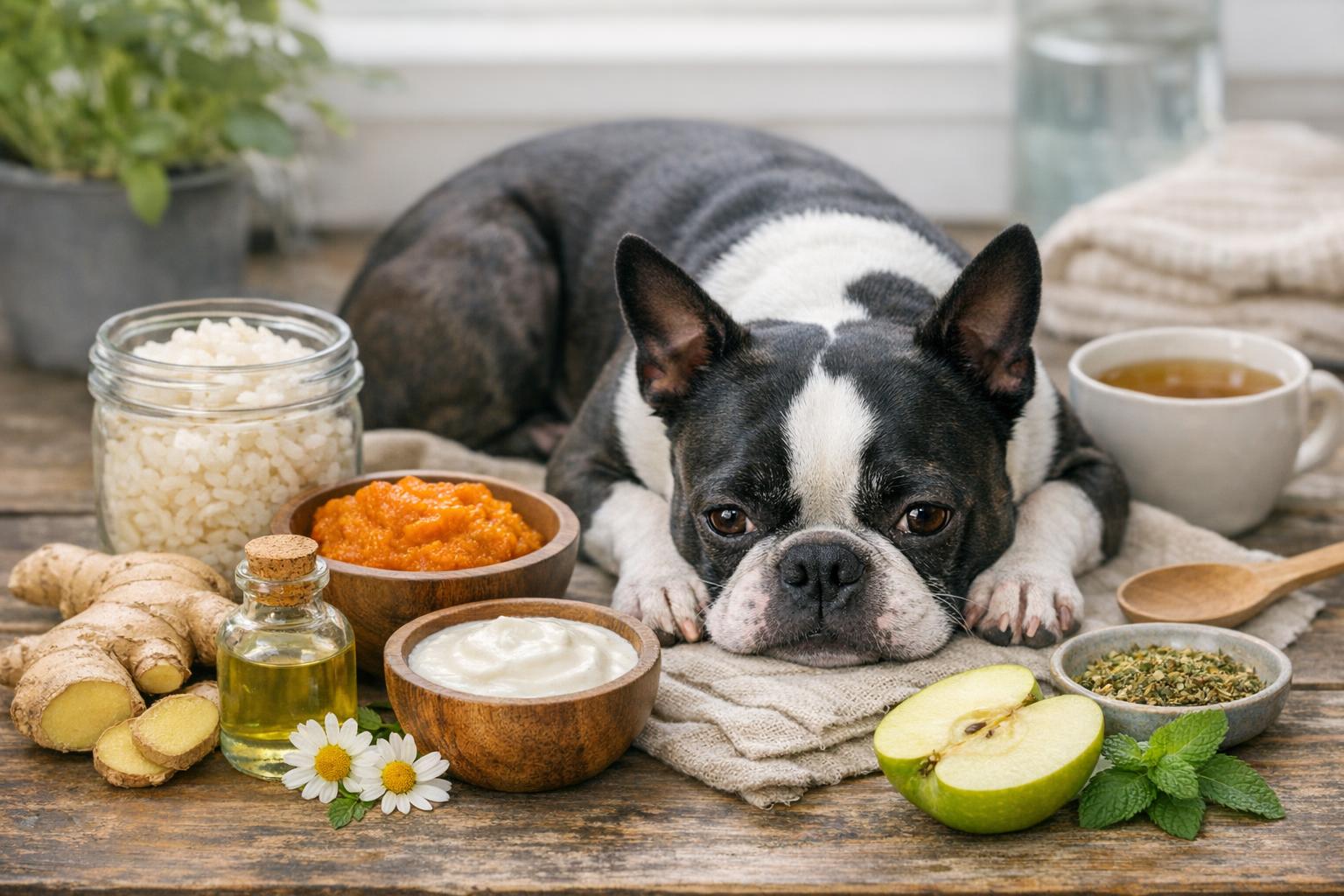
Dogs with tummies in revolt can make any pet parent nervous — but calm, practical care often helps. Below are friendly, realistic steps and several proven, natural remedies you can try at home. Read through the assessment first, then pick one of the numbered remedies below. When treating, be conservative and monitor your dog closely — and yes, ask the vet if anything seems off.
## How To Help A Dogs Upset Stomach: Quick Assessment
First things first: not every bout of diarrhea or vomiting is an emergency, but some are. Take stock calmly: how many times has your dog vomited? Is there blood in the vomit or stool? Is your dog lethargic, bloated, or in obvious pain? Has your dog eaten something toxic or a foreign object? Use your observations to decide whether to try gentle home care or head to the clinic.
### Signs Of Mild Versus Severe Cases
Mild: One or two vomits, loose stool for a day, normal energy, eating soon afterward.
Severe: Repeated vomiting, bloody stool, signs of dehydration (dry gums, sunken eyes, reduced skin elasticity), high fever, or collapse.
### When To Call The Vet
If you see any of the severe signs above, or if symptoms persist beyond 24–48 hours despite home care, call your veterinarian. Puppies, seniors, and dogs with existing health problems should be seen sooner. If you suspect poisoning or foreign body ingestion, go to emergency care immediately.
## Remedy 1: Bland Diet Fast (1) — Gentle Food Rest And BRAT Style Reintroduction
This is the classic first step many veterinarians recommend. When done correctly, it gives the gut a break and helps reduce inflammation and irritation.
#### Ingredients
– Plain, cooked white rice
– Boiled, skinless chicken breast or lean turkey (no bones, no seasoning)
– Small amount of low-fat cottage cheese or plain yogurt (optional and only if tolerated)
#### Steps
1. Withhold food for 8–12 hours for adult dogs that are otherwise alert and hydrated. Continue to offer small amounts of water (see hydration remedy if vomiting).
2. After the fast, introduce a bland meal: mix 3 parts cooked rice to 1 part shredded chicken. Feed small portions every 4–6 hours.
3. Monitor for improvement. If vomiting stops and stool firms over 24 hours, gradually reintroduce regular food over 3–5 days by mixing increasing amounts of the dog’s normal diet into the bland diet.
4. If diarrhea or vomiting returns when you reintroduce regular food, continue the bland diet and consult your vet.
Be formal and methodical when implementing a fasting and refeeding plan: maintain accurate timing, measure portions, and document any changes in output and behavior.
## Remedy 2: Pumpkin And Probiotic Blend (2) — Fiber To Firm Stool And Friendly Bacteria
Plain canned pumpkin (not pumpkin pie mix) is a safe, natural source of soluble fiber that can help normalize stool. Adding a canine-appropriate probiotic supports microbiome recovery.
#### Ingredients
– 1/4 to 1/2 cup plain canned pumpkin (for medium dogs; adjust smaller for toy breeds)
– Canine probiotic powder (veterinary brand preferred) or plain, unsweetened Greek yogurt if probiotics are unavailable
– A small amount of water or bland diet to mix
#### Steps
1. For dogs with mild diarrhea, mix 1–2 teaspoons (small dogs) or up to 1/4 cup (larger dogs) of pumpkin into a single bland meal once or twice daily.
2. Add probiotic according to product instructions; if using yogurt, use a tablespoon for small dogs and up to 1/4 cup for larger dogs, only if the dog tolerates dairy.
3. Continue for 2–3 days; the stool should begin to firm. If no improvement after 48 hours, consult your vet.
4. Discontinue pumpkin when stool normalizes; probiotics can be continued for up to a week as advised.
When using probiotics, follow dosing instructions and store products per label directions; reputable veterinary brands are preferable.
## Remedy 3: Ginger Tea For Mild Nausea (3) — Nausea Relief Without Strong Medicines
Ginger is an antiemetic in small, controlled amounts. Use it as a mild support, not a replacement for professional care.
#### Ingredients
– Fresh ginger root (about 1 inch) or 1/2 teaspoon ground ginger
– 1 cup water
– Small syringe or dropper for dosing (or a teaspoon)
#### Steps
1. Slice the ginger and simmer in 1 cup of water for 10 minutes, then let cool completely.
2. Strain the liquid. For dosing, give 1/4 to 1/2 teaspoon of the cooled tea to small dogs, up to 1 teaspoon for medium dogs, and up to 2 teaspoons for larger dogs, every 6–8 hours as needed. Use a syringe or dropper to administer slowly.
3. Do not force liquids if the dog continues to vomit; stop and consult your vet.
4. Use only fresh ginger tea and avoid commercial ginger supplements unless recommended by your veterinarian.
Be cautious: ginger is supportive for motion sickness and mild nausea but is not suitable for dogs with certain conditions (e.g., bleeding disorders) without vet approval.
## Remedy 4: DIY Hydration Electrolyte (4) — Preventing Dehydration
When diarrhea or vomiting occurs, replacing fluids and electrolytes is crucial. A homemade solution can help in mild cases when commercial electrolyte formulas aren’t available.
#### Ingredients
– 1 liter (about 4 cups) of clean water
– 1/2 teaspoon salt (preferably sea salt or kosher)
– 1 tablespoon sugar or honey
– 1/4 teaspoon baking soda (optional; use only if vet approves for your dog)
#### Steps
1. Mix the water, salt, and sugar until dissolved. If including baking soda, mix that in as well.
2. Offer the solution in small amounts frequently — a few teaspoons every 10–15 minutes for small dogs; a quarter cup for larger dogs. Do not force.
3. If the dog keeps the fluids down and shows improvement, gradually increase the volume and return to bland food as described in Remedy 1.
4. Consult your vet before using baking soda in dogs with heart or kidney disease.
Do not use sports drinks designed for humans (they can have high sugar content and artificial sweeteners like xylitol, which is toxic to dogs).
### Special Considerations For Puppies, Seniors, And Sensitive Breeds
Puppies and seniors dehydrate faster and should be seen by a veterinarian sooner rather than later. Dogs with chronic conditions or who are on medications need tailored care; always check with your vet before home treatments. Dogs with sensitive stomachs may benefit from smaller, more frequent feedings and a long-term switch to a veterinary-prescribed gastrointestinal diet if recommended.
## Home Care Tips To Prevent Future Upsets
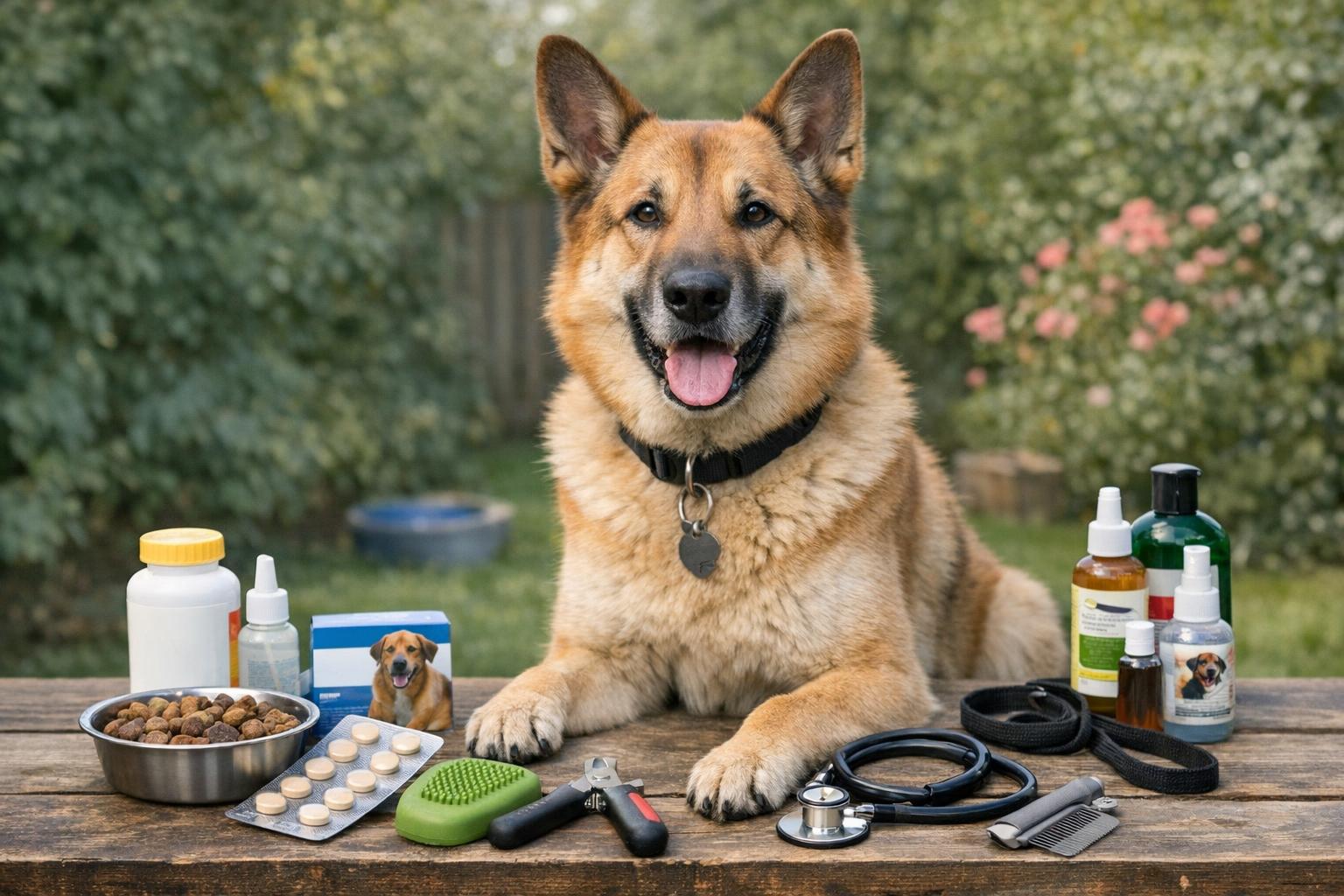
Consistency and caution are excellent preventative measures. Keep trash secured, avoid feeding table scraps (especially fatty or seasoned foods), introduce new foods slowly, and keep plants and chemicals out of reach. Regular deworming and parasite checks, plus an up-to-date vaccination schedule, will reduce infectious causes of upset stomachs.
### When A Home Remedy Is Helpful — And When It Isn’t
Home remedies are best for short-lived, mild cases with stable behavior and hydration. If symptoms are severe, persistent, or accompanied by systemic signs, seek veterinary care promptly. There’s no shame in bringing your dog in — they don’t bill the tail wags.
How To Help A Dogs Upset Stomach is often a mix of monitoring, gentle fasting, reintroducing bland food, and using supportive remedies like pumpkin, probiotics, ginger, and safe rehydration. Use these tools judiciously, and when in doubt, your veterinarian is the best next step. How To Help A Dogs Upset Stomach is not a one-size-fits-all situation; breed, age, size, and medical history all matter. If symptoms worsen or fail to improve within 24–48 hours, contact your vet. How To Help A Dogs Upset Stomach can be manageable at home, but remember the line between DIY care and professional help — and don’t be shy about crossing it. How To Help A Dogs Upset Stomach sometimes requires more than patience; it may require medical attention. How To Help A Dogs Upset Stomach should always prioritize hydration, safety, and careful monitoring. How To Help A Dogs Upset Stomach with natural remedies can work well, but they must be used responsibly and stopped if adverse signs appear.



Leave a Reply