





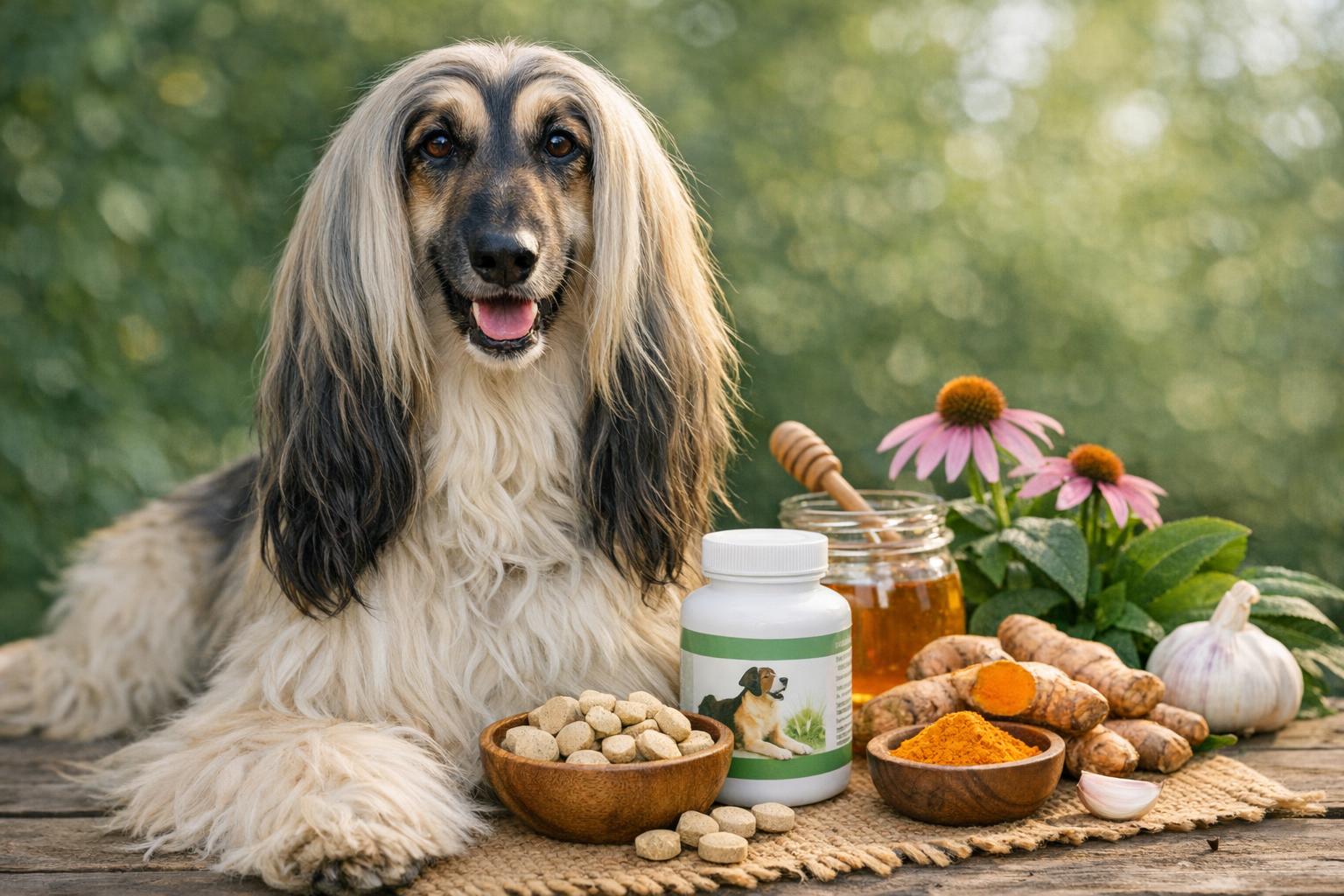
Keeping your pup’s immune system in tip-top shape is a lot like keeping the garden watered: a little effort every day goes a long way, and sometimes the secret is good soil (or in this case, good nutrition). Whether you’re considering commercial products or DIY additions, building a balanced approach makes the most sense. Below you’ll find practical info, friendly guidance, and two home remedies with clear ingredient lists and step-by-step instructions. A dash of humor is included for free—no prescription required.
## Dog Immune Support Supplement: Natural Choices
When you search for a dog immune support supplement, you’ll see products touting everything from probiotics and beta-glucans to mushroom blends and colostrum. The truth is most healthy dogs benefit from a multi-pronged strategy: whole-food nutrition, targeted supplements when needed, healthy lifestyle practices, and routine veterinary care.
Choosing a good dog immune support supplement means understanding what your dog’s body needs and avoiding hyperbolic marketing. Look for clinically studied ingredients, transparent labeling, and doses appropriate for canine physiology. Also, remember that what works for a senior retriever might not be right for a sprightly terrier puppy.
### Why Immune Support Matters
A resilient immune system helps dogs fight infections, recover faster from illness, and maintain energy levels as they age. Factors that weaken immunity include poor diet, chronic stress, obesity, unmanaged dental disease, and certain medications. Boosting immune health is preventive medicine: it’s cheaper, kinder, and often more effective than firefighting a problem once it’s full-blown.
#### Signs Of A Struggling Immune System
– Frequent infections (ear, urinary, skin)
– Slow wound healing
– Chronic diarrhea or digestive upsets
– Recurrent respiratory issues
If you notice these signs, consult your vet—there may be an underlying condition that needs diagnosis and treatment.
### Key Nutrients And Ingredients
A sensible dog immune support supplement will typically include:
– Probiotics to support gut-associated immunity.
– Vitamin C and E as antioxidants.
– Zinc and selenium as trace mineral cofactors.
– Omega-3 fatty acids (EPA/DHA) to reduce chronic inflammation.
– Beta-glucans and certain mushroom extracts (reishi, shiitake) for immune modulation.
– Colostrum or transfer factors in some formulations (used cautiously and vet-advised).
When shopping for a dog immune support supplement, pick products that list ingredient amounts and preferably reference canine studies. Avoid proprietary blends that hide exact doses.
## 1. Homemade Immune-Boosting Bone Broth (Remedy)
Bone broth is a gentle, nutrient-rich way to support digestion, hydration, and immune function. It’s not a miracle cure, but used correctly it’s an excellent complement to a complete diet and/or a dog immune support supplement.
### Ingredients
– 3–4 pounds of raw chicken frames, beef bones, or a mix (including joints if possible)
– 1 apple cider vinegar (2 tablespoons) — helps extract minerals
– 1–2 carrots, chopped
– 1 celery stalk, chopped
– Optional: a small knob of turmeric (1/2 teaspoon powdered or 1-inch fresh), peeled
– Filtered water to cover bones
– Optional finishing: 1 teaspoon plain, unsweetened yogurt (for probiotics) — add after cooling
### Steps
1. Place bones in a large stockpot or slow cooker. Cover with filtered water, leaving a couple inches at the top.
2. Add apple cider vinegar and allow to sit 20–30 minutes. The vinegar helps leach minerals from the bones.
3. Add carrots and celery for flavor and trace nutrients. If using turmeric for its mild anti-inflammatory properties, add now.
4. Simmer on low: 12–24 hours for chicken bones, 24–48 hours for beef. If using a slow cooker, set on low and check occasionally.
5. Skim foam occasionally in the first few hours. After cooking, strain the broth through a fine-mesh sieve.
6. Cool the broth and refrigerate. Remove the solidified fat layer if you want lower fat content; otherwise, it’s fine in moderation.
7. If using yogurt for probiotics, add a teaspoon to each serving just before offering (must be cooled; heat kills probiotic bacteria).
#### How To Serve And Dosage
– Puppies: 1–2 tablespoons per feeding as a topper.
– Small adult dogs (under 20 lbs): 1–2 tablespoons added to food once daily.
– Medium dogs (20–50 lbs): 2–4 tablespoons once or twice daily.
– Large dogs (50+ lbs): 1/4–1/2 cup once or twice daily.
Bone broth is best used as a complementary food enhancer, not a sole diet. If your dog is on a commercial dog immune support supplement, bone broth pairs nicely as an additional nutrient-dense food.
#### Safety Notes
– Avoid adding onions, garlic, chives, leeks, or excessive salt—these are toxic or unhealthy for dogs.
– Check bones for sharp fragments before serving solids; if you include meat on the bones, remove large pieces to avoid choking.
– If your dog is on a restricted sodium diet or has pancreatitis, consult your vet before adding broth.
## 2. Probiotic Yogurt And Pumpkin Treats (Remedy)
Gut health and immunity are tightly connected. These simple treats combine probiotics and fiber to support the microbiome and are an easy home-made complement to a dog immune support supplement.
### Ingredients
– 1 cup plain, unsweetened Greek yogurt (full fat for adults; use low-fat if vet advises)
– 1/2 cup canned plain pumpkin (not pie filling)
– 1 tablespoon ground flaxseed or chia seeds (optional, for omega-3s and fiber)
– 1 cup oat flour (made by blending oats) or whole wheat flour if tolerated
– Optional: 1 egg (binds the mixture, omit for egg allergies)
### Steps
1. Preheat oven to 350°F (175°C). Line a baking sheet with parchment.
2. In a bowl, mix yogurt, pumpkin, and egg until smooth. Fold in flaxseed or chia if using.
3. Gradually add oat flour until dough forms; it should be pliable but not sticky.
4. Roll out dough to about 1/4 inch thickness and cut into small shapes or drop spoonfuls for bite-size treats.
5. Place on baking sheet and bake 15–20 minutes until firm. Let cool completely.
6. Store treats in an airtight container in the fridge for up to one week, or freeze for longer storage.
#### Application And Dosing
– Use treats as training rewards or as a probiotic snack.
– For small dogs: 1–2 treats daily.
– Medium to large dogs: 2–4 treats daily.
– If you are giving a commercial dog immune support supplement containing probiotics, alternate days or adjust per your vet’s guidance to avoid overloading with live cultures.
#### Safety Notes
– Introduce probiotic treats gradually. Sudden changes can cause mild diarrhea as the microbiome adjusts.
– Avoid yogurts with added sugars, xylitol, or artificial sweeteners—xylitol is highly toxic to dogs.
– If your dog has a dairy sensitivity, opt for fermented goat yogurt or a vet-approved probiotic powder instead.
### Combining Foods, Supplements, And Lifestyle
A balanced plan blends diet, supplemental support, and daily habits. Regular exercise, dental care, grooming, stress reduction, and vaccines where appropriate all play into immune resilience. When choosing a dog immune support supplement, check for interactions with medications and consult your veterinarian—especially for seniors, pregnant dogs, or those on immune-modulating drugs.
#### Vet Consultation And Quality Control
Always check product sourcing, third-party testing, and ingredient transparency. If you’re uncertain about doses, bring the supplement label to your vet. If your dog is currently ill, a supplement should never replace prescribed medications or targeted veterinary care.
A thoughtful approach that pairs whole-food remedies like bone broth and probiotic treats with a carefully chosen dog immune support supplement and good daily care will give your furry friend the best chance to stay healthy and happy.













Leave a Reply