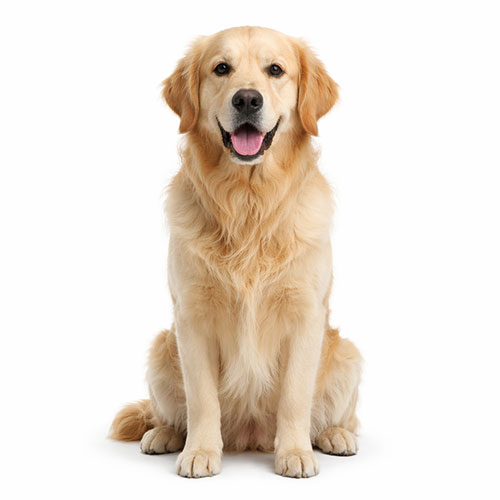
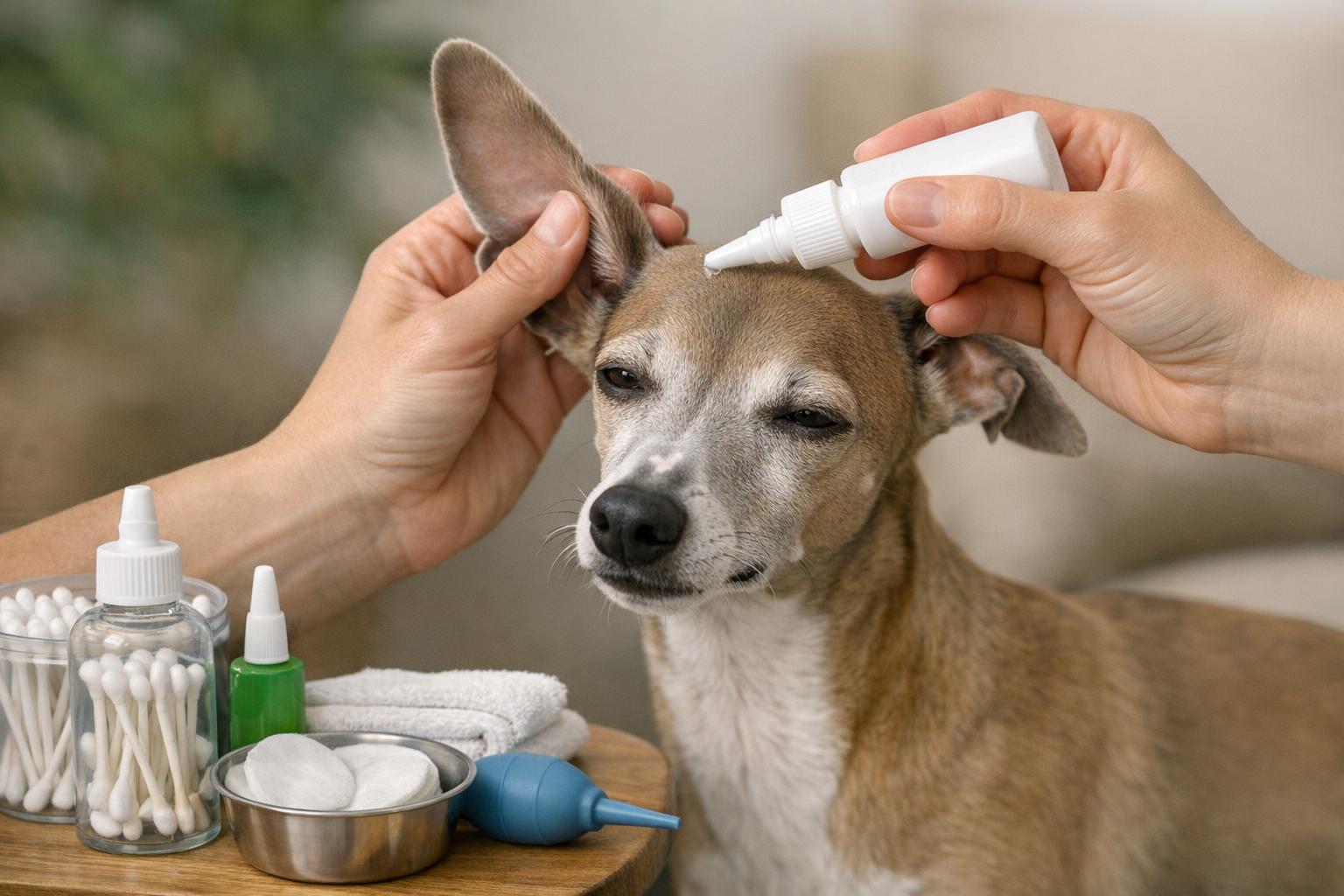
Keeping your pup’s ears clean doesn’t have to be a wrestling match or a chemistry exam. With a few safe habits and a gentle, vet-friendly DIY, you can prevent common problems and keep those ears smelling fresh. Below are practical tips, red flags to watch for, and two easy at-home formulas for a dog safe ear cleaner you can make today.
## Why Ear Care Matters
Ears that look fine on the outside can hide trouble. Wax, dirt, moisture and hair can trap bacteria and yeast, leading to infections that are painful and sometimes chronic. Regular checks and gentle cleaning reduce odor, scratching, head shaking, and the need for more serious interventions. Think of routine ear care as preventive dental care for the ears — small effort now saves a lot of stress later.
## 1) Dog Safe Ear Cleaner: Gentle Saline Rinse
This is the daily-maintenance option. Use it whenever your dog’s ears look mildly dirty, or after swimming. It’s the safest, least irritating solution for routine use and qualifies as a basic dog safe ear cleaner for most dogs.
### Ingredients And Materials
#### Materials
– Clean, soft towel
– Cotton balls or gauze pads
– Small syringe (without a needle), dropper, or squeeze bottle
– A helper if your dog wiggles a lot
#### Ingredients
– 1 cup (240 ml) distilled or previously boiled water, cooled to body temperature
– 1/2 teaspoon (about 2.5 g) non-iodized salt (table salt is fine)
### Step-By-Step Creation And Application (Formal Instructions)
1. Prepare the Saline: Dissolve the salt completely in the warm, cooled distilled or boiled water. Warm solution is more comfortable for the dog.
2. Position Your Dog: Have your dog sit or lie comfortably. Wrap with a towel if needed to prevent sudden spins.
3. Inspect The Ear: Look for redness, swelling, discharge (pus, blood), or strong odor. If any of these are present, do not clean at home — consult a veterinarian.
4. Administer The Rinse: Gently pull the ear flap upward to straighten the ear canal. Using the syringe or dropper, place 1–2 ml (for small dogs) or up to 5–10 ml (for large dogs) of saline into the ear canal. Do not force the tip deep into the canal.
5. Massage The Base: With the ear closed, gently massage the base of the ear for 20–30 seconds to help loosen debris.
6. Wipe Out Debris: Allow your dog to shake its head (this helps expel fluid and debris). Use a cotton ball or gauze to wipe away loosened debris from the visible part of the ear. Never insert cotton swabs down the canal.
7. Repeat If Needed: If the ear remains dirty, you may repeat this once more. For routine cleaning, once a week or every 2–4 weeks is typically adequate depending on breed and activity level.
This saline rinse functions as a non-irritating dog safe ear cleaner designed for repeated use when ears are not inflamed. Document if any irritation or renewed symptoms appear after cleaning.
## 2) Dog Safe Ear Cleaner: Vinegar-Based Yeast Control (Use Cautiously)
For smelly, yeast-prone ears without signs of severe inflammation, a diluted vinegar solution can help restore a less hospitable environment for yeast. Use this remedy only when the ear is not raw, excessively red, bleeding, or painful. If in doubt, contact your veterinarian.
### Ingredients And Materials
#### Materials
– Same materials as the saline rinse (towel, cotton balls, syringe/dropper)
– Optional: disposable gloves
#### Ingredients
– 1/2 cup (120 ml) distilled white vinegar
– 1/2 cup (120 ml) distilled water
### Step-By-Step Creation And Application (Formal Instructions)
1. Mix Solution: Combine equal parts distilled white vinegar and distilled water in a clean container. Mix well.
2. Check The Ear: Examine for redness, swelling, pus, blood, or severe pain. If any of these are present, do not use the vinegar solution; seek veterinary care.
3. Administer The Cleaner: With the ear flap lifted, place a small amount (1–3 ml for small dogs; 5–10 ml for large dogs) of the diluted vinegar into the ear canal using a syringe or dropper.
4. Massage: Gently massage the base of the ear for 20–30 seconds to distribute the cleaner.
5. Let Sit Briefly: Allow the solution to work for up to 1 minute, then permit the dog to shake its head.
6. Wipe Clean: Remove loosened debris with a cotton ball or gauze. Do not insert anything deep into the canal.
7. Frequency: Limit use to once every 7–10 days for maintenance, or as directed by a veterinarian.
Formally, the diluted vinegar acts as a mild acidifier to discourage yeast growth. Do not use this remedy if you suspect a ruptured eardrum or if the ear canal shows signs of severe infection.
### When To Avoid Home Cleaning
#### Immediate Veterinary Evaluation Needed If You See:
– Thick, yellow, green, or bloody discharge
– Strong, foul odor that doesn’t improve after a gentle rinse
– Intense redness, swelling or pain when you touch the ear
– Your dog shows signs of systemic illness (fever, lethargy)
– Your dog shakes its head uncontrollably or is uncoordinated
These signs may indicate a bacterial infection, a ruptured eardrum, foreign body, or ear tumor — conditions that require professional treatment. A dog safe ear cleaner cannot replace antibiotics or prescription treatments when those are required.
## Picking A Store-Bought Dog Safe Ear Cleaner
Not all commercial products are created equal. Look for cleaners labeled for canine use with ingredients such as saline, glycerin, or aloe for moisturizing, and a mild acidifier like lactic acid or boric acid (used in safe concentrations). Avoid products with high concentrations of alcohol, hydrogen peroxide, or essential oils (some oils can be irritating or toxic if olfactory mucosa is breached). If you’re unsure, bring the product to your vet and ask.
### Tips For Stress-Free Ear Cleaning
#### Calm Preparation
– Choose a quiet time: A calm dog is easier to manage.
– Positive reinforcement: Offer treats and praise during and after the session.
– Short sessions: If your dog is anxious, clean one ear at a time over multiple short sessions.
#### Technique Pointers
– Never force the tip of a syringe or dropper into the ear canal.
– Use your free hand to steady the head when needed.
– If your dog resists strongly, consider professional cleaning or sedation under veterinary supervision.
## How Often Should You Clean Ears?
Breed matters. Dogs with floppy ears (like Cocker Spaniels, Basset Hounds) or those with lots of ear hair and frequent swimmers may need weekly cleaning. Others may only need attention monthly or after outdoor adventures. Use inspection rather than a strict calendar: visible dirt, wax buildup, or odor are good reasons to clean.
## Final Notes And Practical Safety
A reliable dog safe ear cleaner routine is about gentleness, proper products, and vigilance. Homemade saline and diluted vinegar formulas can be effective and economical when used correctly and cautiously. If cleaning causes your dog discomfort or if signs worsen, stop and seek veterinary advice.
If you’d like, I can create a printable quick-reference card for your vet-approved ear-cleaning routine or suggest specific over-the-counter dog safe ear cleaner brands based on your dog’s breed and history.










Leave a Reply