
## Ball Python Care Basics
Welcome to the cozy, slightly damp world of ball python care. If you’ve chosen one of these gentle, cinnamon-rolled serpents as a companion, you’re in for low-maintenance charm with a few specific needs. Think of them as introvert roommates: they like a predictable routine, warm blankets, and a place to hide from your enthusiastic check-ins.
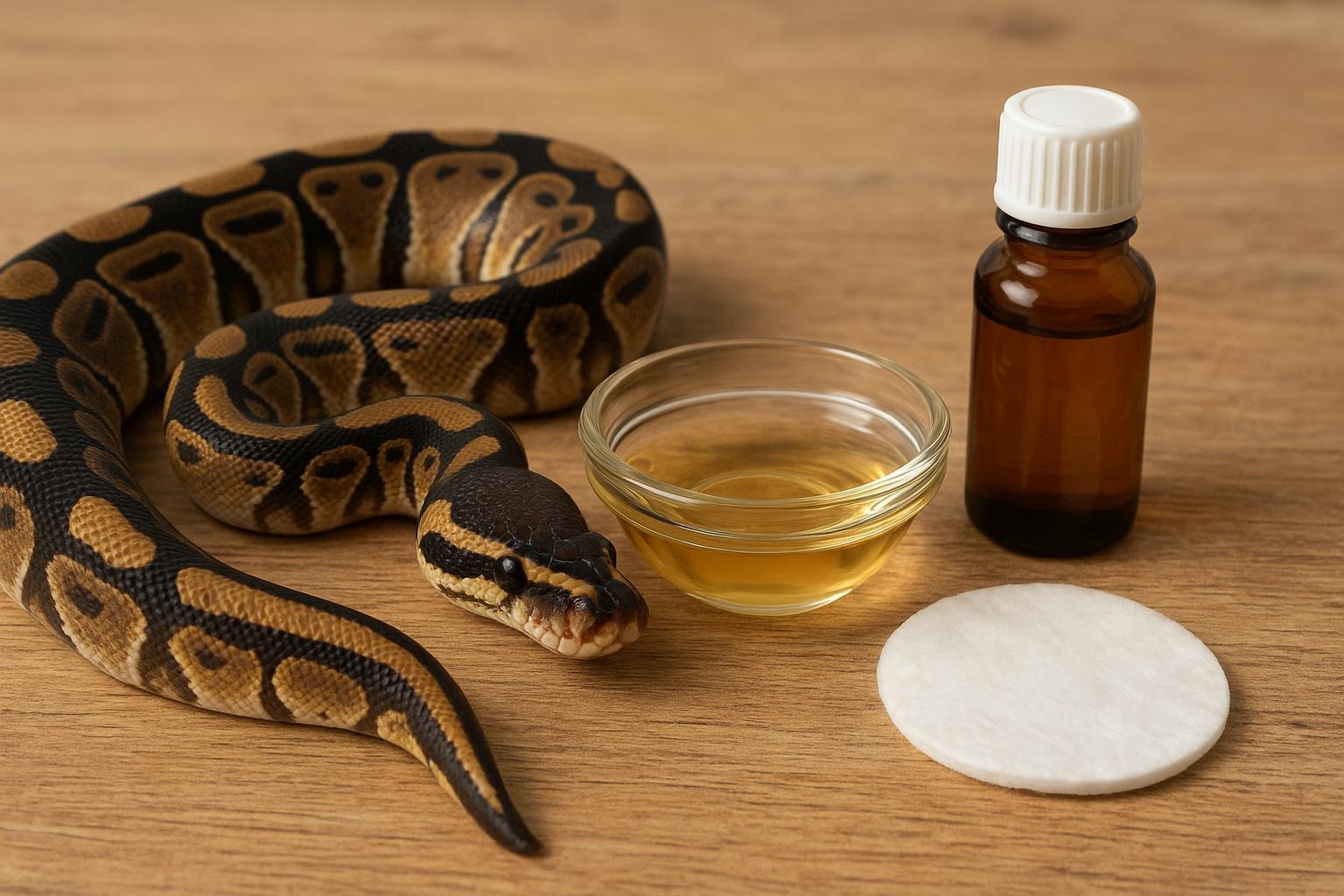
Ball pythons originate from West Africa and are built for a life that’s warm, humid, and full of small, nervous movements. Good ball python care focuses on stable temperatures, proper humidity, secure hides, a stress-minimizing feeding routine, and attentive observation. This article blends practical husbandry with a couple of safe, do-it-yourself quick fixes for common minor issues.
## Housing And Temperature
A secure enclosure is the foundation of proper ball python care. Most adults do well in 40–75 gallon tanks or appropriately sized reptile enclosures that allow for a temperature gradient: a warm side for thermoregulation and a cooler side for rest.
– Warm Side: 88–92°F (31–33°C)
– Cool Side: 75–80°F (24–27°C)
– Night Temps: can drop a few degrees but generally stay above 72°F (22°C)
Use an under-tank heater or a ceramic heat emitter controlled by a thermostat; thermostats are non-negotiable for steady ball python care. Overhead lighting is optional for photoperiod but avoid using heat lamps that create dangerous hot spots near the decor.
### Substrate And Humidity
Choose a substrate that holds some moisture without molding: cypress mulch, coconut coir, or aspen mixed with paper towels for easy cleaning. Humidity should sit around 50–60% most of the time, rising to 60–70% during shedding. A reliable hygrometer is worth its weight in frozen mice.
#### Hides And Furnishings
Ball pythons love a good, snug hide on both warm and cool sides. Provide at least two hides and a secure water dish big enough for soaking if needed. Branches and low, sheltered décor add enrichment without encouraging climbing beyond their comfort zone.
## Feeding And Handling
Feeding is straightforward but requires consistency. Juveniles eat weekly; adults typically eat every 7–14 days depending on size and condition. Prey size should be roughly as wide as the snake at its widest point. Use pre-killed or frozen-thawed prey to avoid injury.
Handling should be calm and minimal during the first week after feeding. Ball pythons can be shy; approach gently, support the body, and avoid sudden movements. Proper ball python care includes learning your snake’s cues—tight curling, hiding, or refusal to move often means “leave me alone.”
### Recognizing Normal Versus Worrisome Behavior
Appetite changes around shedding are normal; refusal to eat occasionally is not an automatic emergency. However, prolonged anorexia, labored breathing, constant open-mouth posture, or skin lesions are signs to address promptly. Chronic issues often stem from husbandry lapses, so double-check temperatures, humidity, and cleanliness.
## Common Problems And Quick Fixes
Ball pythons will send you subtle hints before things get serious. Here are two practical, vet-friendly DIY remedies for issues commonly tied to husbandry: shedding problems and mild retained shed. These are intended for minor issues only—if anything looks infected, you’re missing weight, or the snake behaves lethargically, see a reptile vet.
### Remedy 1: DIY Humidity Hide For Shedding Support
When your snake is getting ready to shed and humidity is low, a simple humidity hide gives a reliable, safe moisture boost without soaking the whole enclosure.
Required Materials:
– A medium-sized plastic container with a snap-on lid (opaque is fine)
– Drill or sharp tool to cut an entrance hole
– Damp sphagnum moss or coconut coir (sterile, free of additives)
– A thermometer/hygrometer (small stick-on or digital probe)
– Clean water
Creation And Application (Formal Instructions):
1. Prepare the Container: Clean and sanitize the plastic container with a reptile-safe cleaner or diluted bleach solution (1:10 bleach to water), then rinse thoroughly and dry.
2. Cut An Entrance: Use a drill or heated metal tool to create a circular entrance approximately 3–4 inches in diameter. Smooth rough edges to prevent injury.
3. Prepare the Bedding: Moisten sphagnum moss or coconut coir until it is damp but not dripping. Squeeze excess water from the material to avoid water pooling.
4. Assemble The Hide: Place the damp bedding into the container to a depth of 1–2 inches. Position the thermometer/hygrometer so it reads internal humidity.
5. Placement: Put the hide on the warm side of the enclosure where your snake typically basks. Monitor the internal humidity; aim for 60–75% inside the hide.
6. Monitoring And Maintenance: Check daily. Replace the bedding if it becomes moldy or excessively dirty. Use the hide during pre-shed and remove or reduce humidity after complete shedding.
Notes: This humidity hide is a temporary, clean method to give the snake a microclimate conducive to healthy shedding. It avoids saturating the whole enclosure and reduces the chance of respiratory issues from prolonged excess moisture.
### Remedy 2: Gentle Soak For Retained Shed
Retained shed, especially around the eyes (“eye caps”) or tail tip, is a common issue that responds well to a monitored soak before attempting removal.
Required Materials:
– Shallow plastic tub or sink basin
– Clean, lukewarm water (about 88–92°F / 31–33°C)
– Soft, clean towels
– Tongs or a gloved hand (optional)
– Non-perfumed baby oil or ophthalmic saline (for eye caps only; see instructions)
– Clean cotton-tipped applicators (as needed)
Creation And Application (Formal Instructions):
1. Prepare The Soak: Fill the tub with lukewarm water deep enough for the snake to comfortably submerge its belly but not so deep that it must swim. Maintain water temperature within the snake’s preferred range.
2. Calm Handling: Gently lift the snake and place it into the water. Support the snake if it seems anxious; some will soak willingly, others will explore.
3. Soak Duration: Allow the snake to soak for 15–30 minutes while observing closely. This softens stuck shed and hydrates scales.
4. Checking Shed Progress: After soaking, remove the snake and blot gently with a towel. Use a soft, damp cotton-tipped applicator to test areas of retained shed. Do not force or pull hard.
5. Removing Eye Caps: If an eye cap remains slightly loose, apply a small amount of ophthalmic saline to the area to lubricate, then gently assist with a moistened cotton applicator. Never use sharp objects. If the eye cap does not loosen easily, stop and consult a vet.
6. Post-Soak Care: Return the snake to its enclosure with the humidity hide available for additional support. Clean and dry the soaking tub thoroughly to prevent contamination.
Notes: The soak method is a controlled, non-invasive first step for retained shed. If shed remains stubbornly attached after repeated soaks, or if you see wounds, infection, or behavioral changes, seek veterinary care.
## Enrichment And Socialization
Good ball python care includes mental stimulation. Offer different textures, rearrange hides occasionally, and introduce a new hide or scent item now and then. Avoid excessive handling during stressors like shedding or immediately after feeding—your snake is not trying to be coy; it’s conserving energy.
### When To See A Vet For Ball Python Care Issues
If you notice prolonged refusal of food beyond a normal fasting period, weight loss, discolored or bloody stools, persistent wheezing, open-mouthed breathing, pus, or swelling, contact a qualified reptile veterinarian. Home remedies are supportive; they do not replace diagnostics or prescription treatments for infections or parasites.
## Routine Maintenance Checklist
Keep a habit-check routine: clean water daily, spot-clean waste, do a full substrate change periodically, and log temperatures and humidity. Routine care is the unsung hero of good ball python care — boring, dependable, and highly effective.
Now go forth and be the kind of keeper your ball python will appreciate: consistent, a little patient, and always ready with a humidity hide that says, “I’ve got you.”


















Leave a Reply