





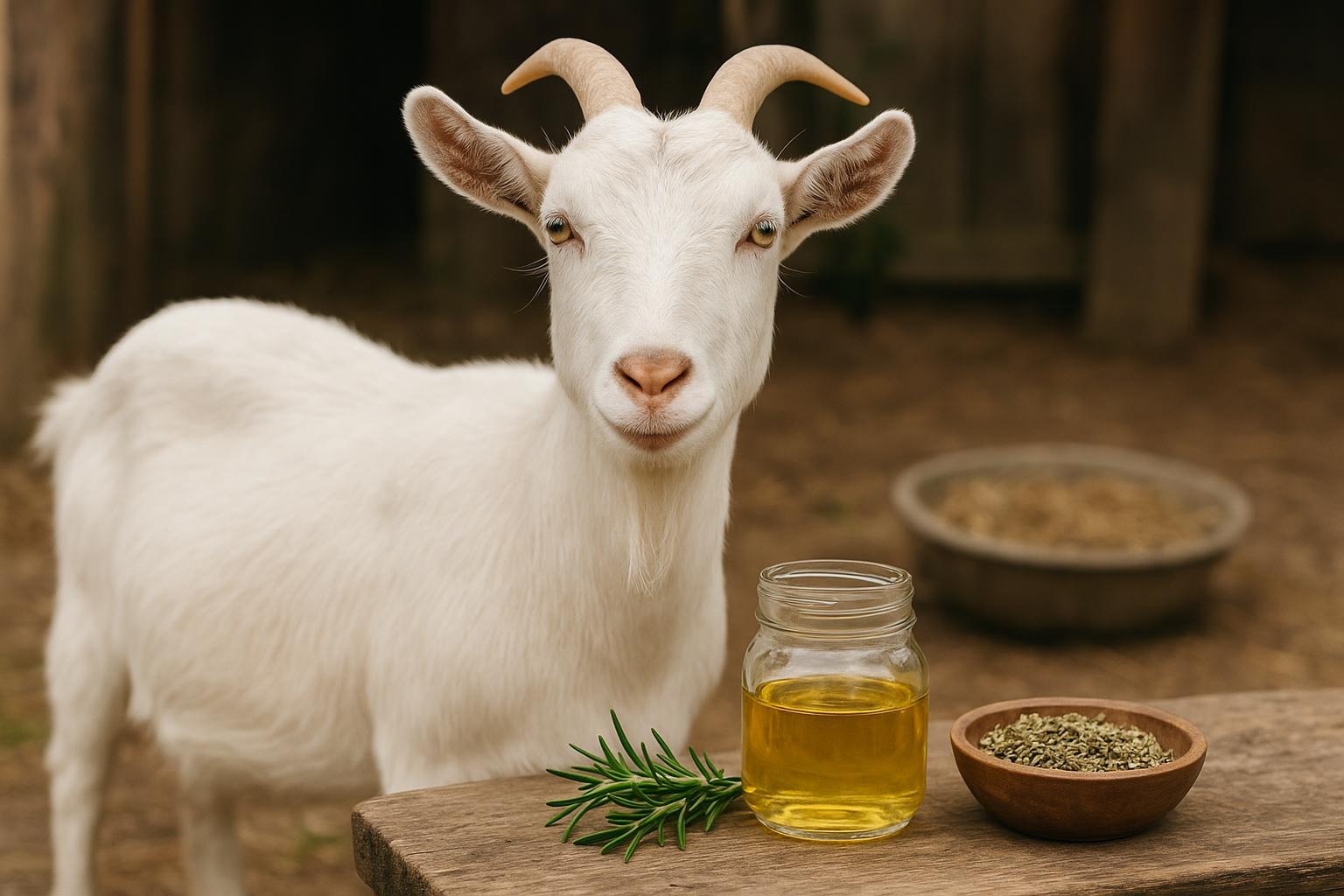
Welcome to an easygoing guide to keeping your cloven companions comfy. If you’re into hands-on, natural approaches and want practical, do-it-yourself solutions, you’ve come to the right place. This article focuses on straightforward goat care tips and home remedies that are gentle, inexpensive, and sensible for everyday use. Think of it as your pocket-friendly goat nurse handbook—with fewer bandages and more herbal tea (for you, not the goat).
## Goat Care Basics
### Daily Health Checks And Routine
A quick daily once-over is the single most effective habit in goat care. Look for bright, curious eyes, clean noses, normal breathing, and steady eating. Palpate the goat’s abdomen gently, check the hooves for cracks or soft spots, and run your hand along the coat to feel for lumps or damp patches. Early detection of a small problem saves a lot of worry and vet bills.
### Shelter, Bedding, And Comfort
Goats tolerate a range of temperatures but need dry bedding and shelter from wind and driving rain. Straw or wood shavings make good bedding; change soiled material promptly to reduce parasites and skin irritation. Keep feeders and waterers clean; goats can be picky about water quality, and hydration is a cornerstone of good goat care.
### When To Call The Vet
Home remedies are for mild problems and first aid. Contact a veterinarian immediately for high fever, severe lameness, persistent diarrhea, inappetence longer than 24 hours, or any sudden dramatic change in behavior. If you’re ever unsure, it’s better to call—goats are good at hiding illness until they’re pretty sick.
## Remedy 1: Natural Hoof Soak For Mild Thrush
### When To Use This Remedy
Hoof thrush shows as a foul odor and black, crumbly material in the frog area. Use this soak for mild thrush or as a preventive weekly treatment if your herd lives on wet ground. Severe infections or lameness need veterinary attention.
### Ingredients And Materials
– 1 bucket large enough for a goat hoof
– 1 cup apple cider vinegar
– 1 cup Epsom salt
– 3 liters (about 3 quarts) warm water
– Clean towels
– Hoof pick and soft brush
– Disposable gloves (optional)
### Preparation And Application
1. Mix warm water, apple cider vinegar, and Epsom salt in the bucket until salts dissolve. The solution should be warm but not hot; test with your wrist.
2. Secure the goat calmly—use a halter or have an assistant gently hold the animal’s head to keep it steady.
3. Pick and brush the hoof to remove visible debris, taking care not to push filth deeper into the frog.
4. Submerge the affected hoof in the soak for 10–15 minutes. For multiple hooves, repeat the soak individually or use several buckets.
5. After soaking, gently scrub the frog and sulci with the brush, rinse briefly with clean water, and dry thoroughly with a towel.
6. Repeat daily for 3–5 days, then reduce to weekly maintenance until the tissue looks healthy. If there’s no improvement after 5 days or the goat is lame, stop home treatment and consult a vet.
## Remedy 2: Soothing Skin Salve For Minor Scrapes And Itch
### When To Use This Remedy
This salve helps minor abrasions, dry itchy patches, and light fly irritation. Do not use on deep wounds, surgical sites, or infected lesions—those require professional care and possibly antibiotics.
### Ingredients And Materials
– 1/2 cup coconut oil
– 2 tablespoons beeswax pellets
– 2 tablespoons calendula oil (or 1/4 cup calendula-infused oil)
– 10 drops lavender essential oil (optional; very well diluted)
– Small sterilized jars for storage
– Double boiler or heatproof bowl and pot
– Spoon and thermometer (optional)
### Preparation And Application
1. In a double boiler, gently melt coconut oil and beeswax together over low heat until fully liquid. Keep temperature moderate; do not overheat essential oils later.
2. Remove from heat and stir in calendula oil. If using lavender, allow the mix to cool slightly (to below 50°C/122°F) before adding essential oil—this preserves its properties and minimizes irritation.
3. Pour into sterilized jars and allow to solidify at room temperature. Label with date; use within 6 months.
4. To apply, clean the area with clean water and pat dry. Apply a thin layer of salve and gently massage into surrounding skin. Use 1–2 times daily until healed.
5. For areas frequented by flies, apply a light coat in the evening. Monitor for any signs of sensitivity; discontinue use if redness or swelling increases.
## Remedy 3: Homemade Electrolyte Solution For Mild Dehydration
### When To Use This Remedy
Use for mild dehydration caused by heat stress, mild diarrhea, or after strenuous exertion. If the goat is severely depressed, recumbent, has bloody diarrhea, or refuses to drink, seek veterinary care immediately.
### Ingredients And Materials
– 1 liter (about 1 quart) clean, lukewarm water
– 1 tablespoon sugar (or plain molasses as an alternative)
– 1/2 teaspoon non-iodized salt
– 1/2 teaspoon baking soda
– Clean container and spoon
– Measuring spoons
### Preparation And Application
1. Combine all ingredients in the clean container and stir until dissolved. Ensure the solution is lukewarm—goats may refuse cold fluids when weak.
2. Offer small amounts frequently: 50–150 ml (a few ounces) every 30–60 minutes for an adult goat, depending on size and willingness to drink. Allow the goat to drink voluntarily rather than forcing fluids.
3. Continue for 12–24 hours or until normal hydration (moist gums, normal skin tenting, alertness) returns. Resume regular feed slowly; fresh hay is helpful to stimulate rumination.
4. If the goat’s condition does not improve within 24 hours, or if symptoms worsen, discontinue home treatment and contact a veterinarian.
## Remedy 4: Natural Fly Repellent Spray
### When To Use This Remedy
Use to reduce fly annoyance on pasture or near housing. This is a maintenance spray—if a goat has open wounds, treat wounds separately and avoid applying strong sprays to damaged skin.
### Ingredients And Materials
– 500 ml (about 2 cups) clean water
– 1/2 cup apple cider vinegar
– 1 tablespoon neem oil or a very mild vegetable oil (helps the spray stick)
– 10–15 drops of a goat-safe essential oil blend (e.g., low concentration of cedarwood or lemongrass; test on one goat first)
– Spray bottle
– Funnel and measuring cups
### Preparation And Application
1. In the spray bottle, combine water and apple cider vinegar. Add the neem or vegetable oil and shake well to emulsify.
2. Add essential oils sparingly. Shake thoroughly before each use because oils separate from water.
3. Test on a small patch of skin and wait 24 hours to observe any irritation. If no reaction occurs, lightly mist the goat’s coat, focusing on rump, chest, and ears—avoid eyes, nostrils, and udder.
4. Reapply every 24–48 hours during high fly pressure or after heavy rain. Do not over-apply oils; dilute concentrations keep things safe and effective.
### Safety Notes For Home Remedies
– Always use clean, food-grade ingredients and sterilized equipment where practical.
– Introduce new topical products with a small patch test and wait 24 hours.
– Pregnant, lactating, or very young animals may react differently—when in doubt, consult your vet.
– Home remedies are for mild, short-term issues. Persistent, severe, or systemic signs require professional veterinary assessment.
Now you’ve got a handful of practical, down-to-earth options to support gentle goat care at home—simple steps to help keep your herd comfortable, healthy, and mostly nonjudgmental about your DIY flair.













Leave a Reply