
First things first: if your fish looks like it lost a wrestling match with a castle of gravel, you’re not alone. Scale issues are common and often fixable at home, but “common” doesn’t mean “ignore it.” This guide walks you through why scales go wrong, how to spot trouble early, and four practical home remedies you can try safely. I’ll keep things friendly and light—no fishy puns overdone—then get formal and precise for the remedies so you can follow step-by-step.
## Fish Scale Disease: Signs And Causes
Fish scale disease is a catch-all phrase many hobbyists use for visible scale problems: missing or lifted scales, reddened patches where scales are gone, white fuzzy growths, or the dreaded “pineconing” (scales standing out). The term doesn’t point to a single bug or pathogen—rather it describes the symptom of compromised skin and scale integrity.
Common causes:
### Poor Water Quality
Ammonia, nitrite spikes, or very high nitrate weaken skin and make infection likely.
### Physical Trauma
Rubbing against sharp decor, net mishaps, or aggressive tankmates can physically remove scales and open the door to infection.
### Parasites, Bacteria, Or Fungi
Secondary infections (bacterial ulcers, Columnaris, fungal mats) often show up after scale damage.
### Internal Illness Or Osmotic Stress
Dropsy and other internal disorders can push scales outward or cause poor healing.
Watch for lethargy, loss of appetite, clamped fins, rapid breathing, and visible ulcers. Early detection matters—scales won’t magically reattach once gone, but surrounding skin can heal and keep infections at bay.
## Preventing Scale Trouble
Prevention is where most of the work is done—less dramatic and far more effective than playing firefighter later.
### Maintain Stable Water Parameters
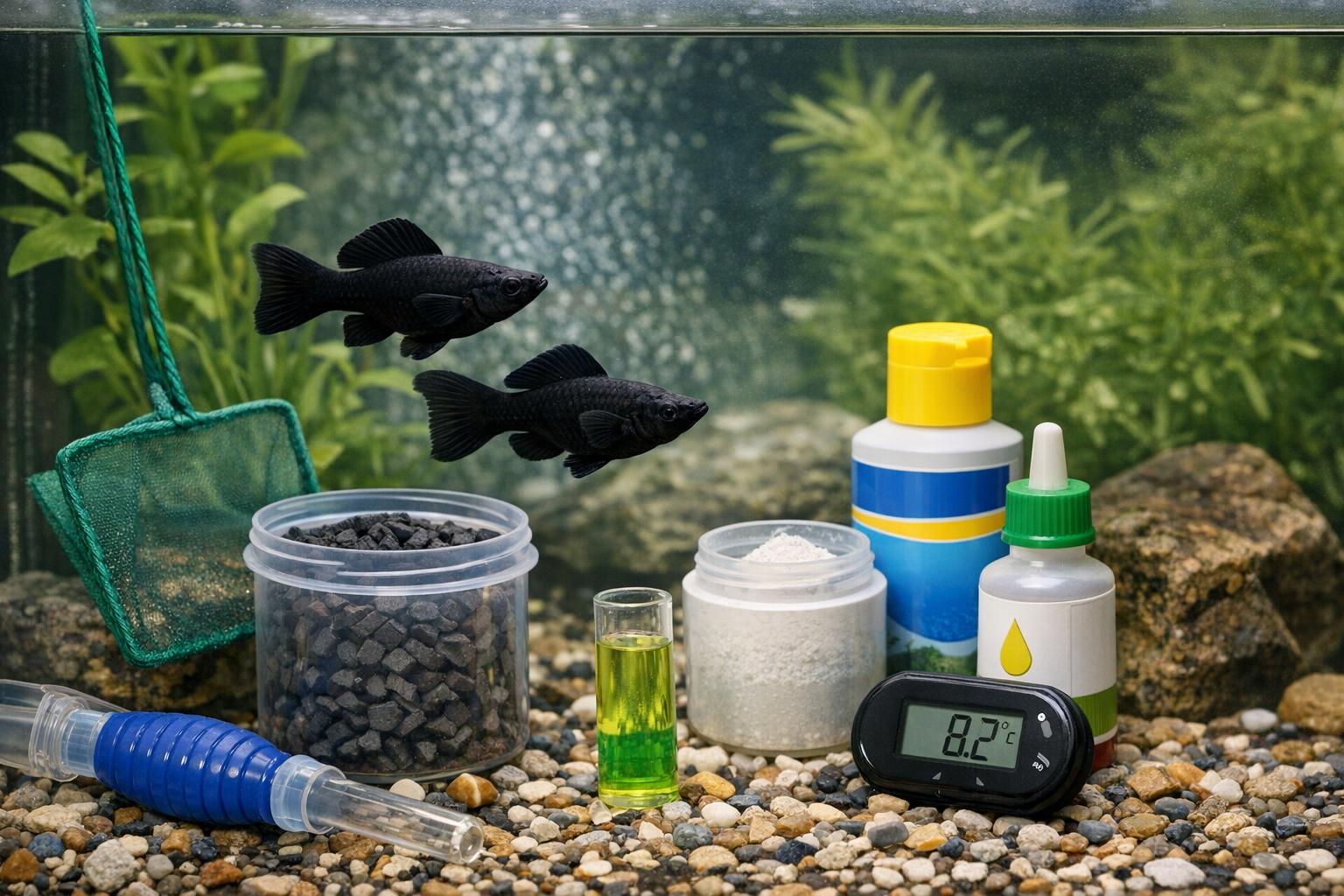
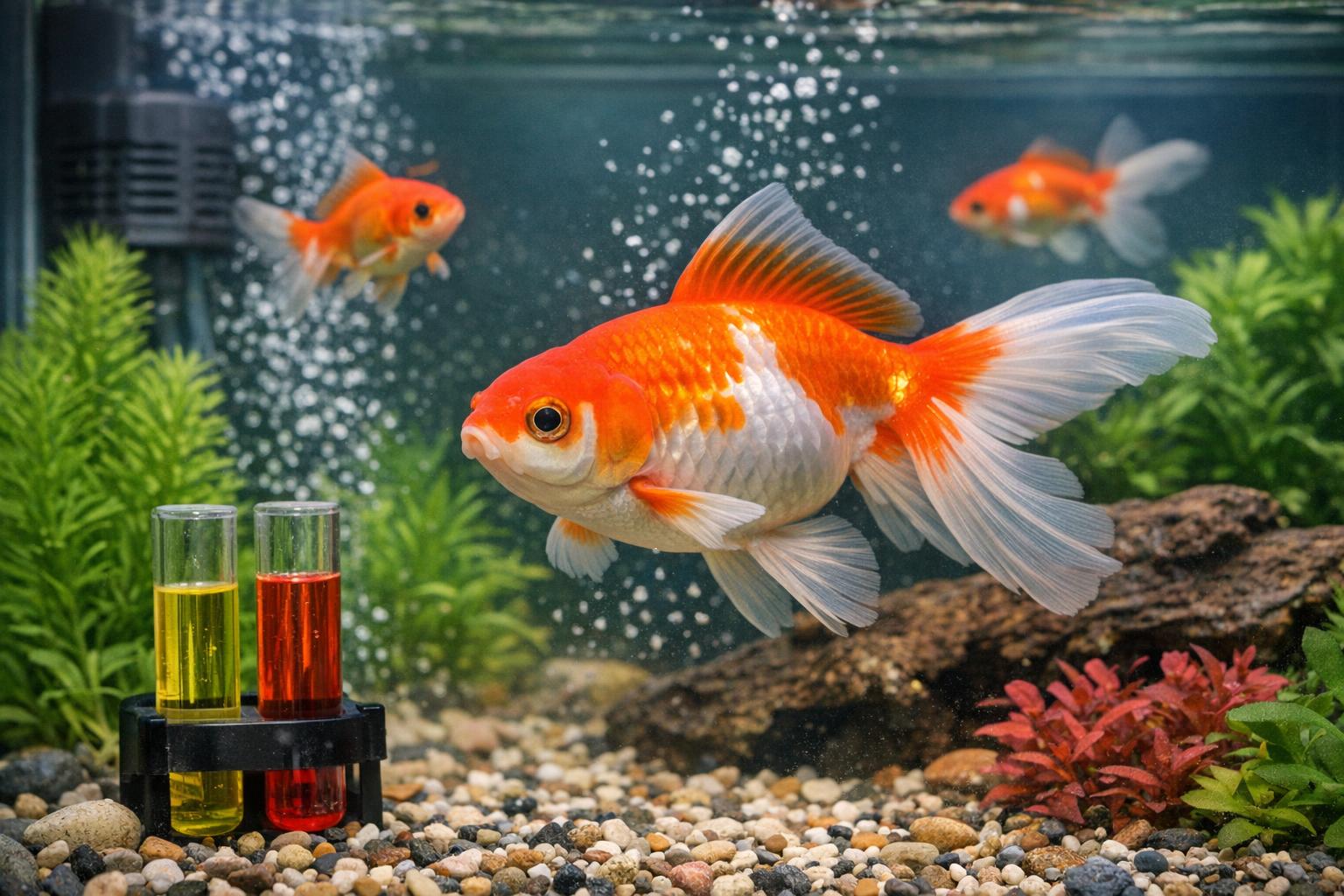
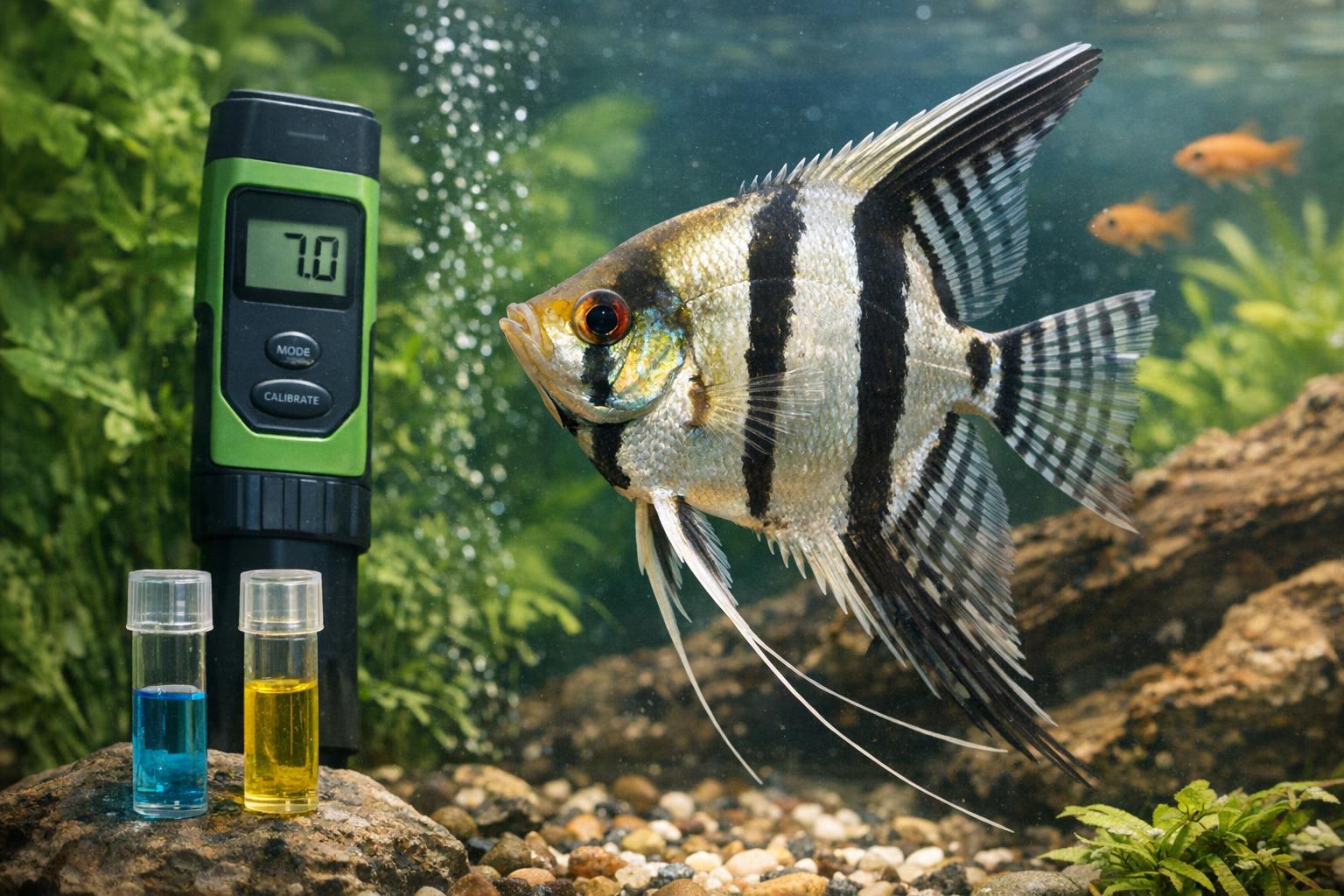
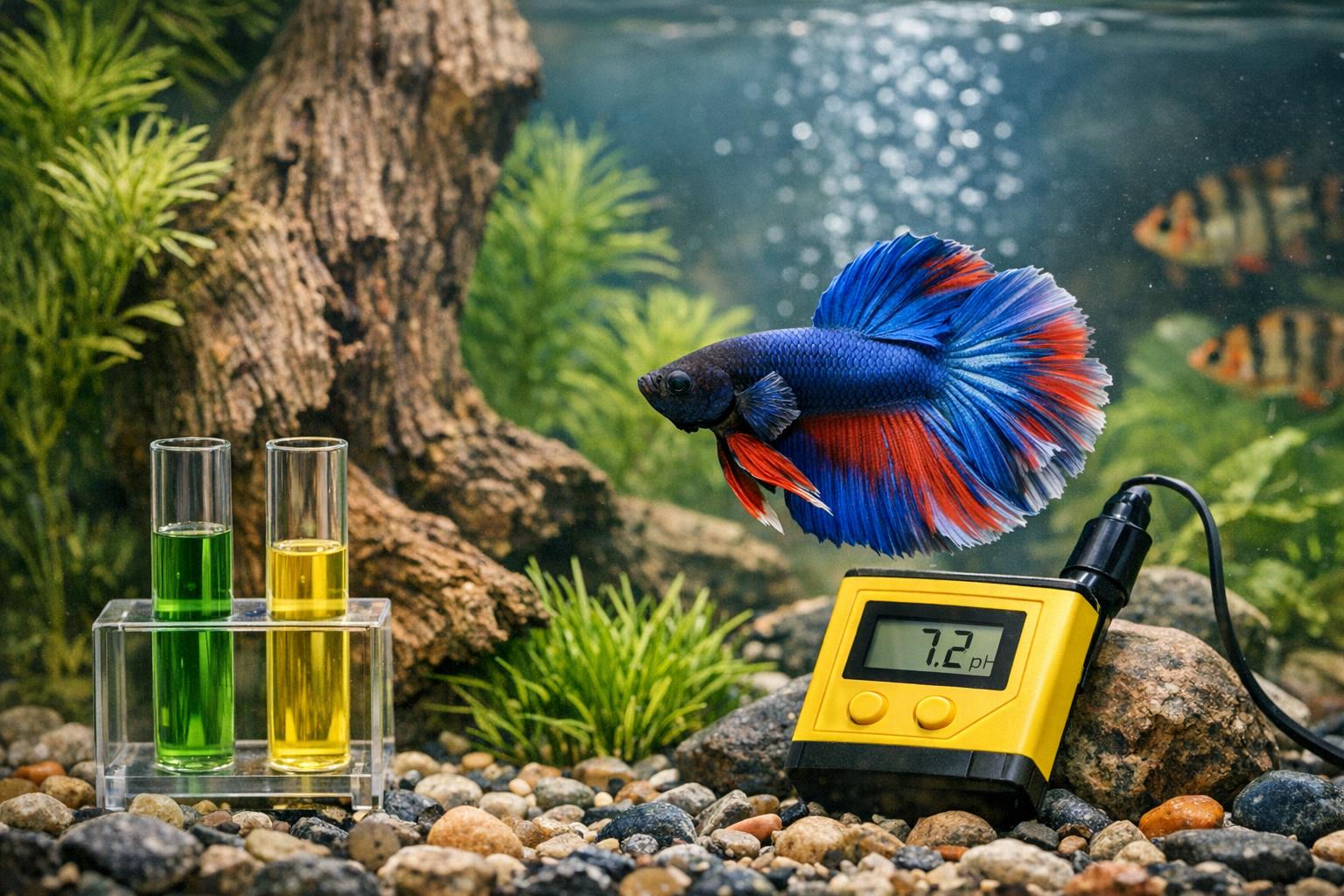
Test regularly for ammonia, nitrite, nitrate, pH, and temperature. Small, frequent water changes are better than occasional panic changes.
### Inspect Tank Decorations And Tankmates
Round off sharp edges, avoid rough gravel, and separate known fin-nippers.
### Quarantine New Arrivals
A 2–4 week quarantine will save you headaches (and friends) later.
### Feed A Balanced Diet
High-quality food, occasional live or frozen protein, and vitamin-enriched options help skin and immune function.
## Remedy 1: Quarantine And Water Care (Immediate First Aid)
When you see scale damage, move quickly. Isolate the affected fish to limit stress and cross-contamination.
Materials/Ingredients:
– Hospital/quarantine tank (5–20 liters or larger depending on fish size)
– Dechlorinated water
– Heater and thermometer
– Sponge filter or gentle filtration
– Net and soft mesh
– Water test kit
Step-By-Step Application (Formal Instructions):
1. Prepare the Hospital Tank: Fill with conditioned water matching the main tank’s temperature and pH as closely as possible. Use dechlorinator according to label.
2. Install Filtration And Heat: A small sponge filter is ideal—gentle flow and biological filtration. Adjust heater to match the main tank temp.
3. Transfer Carefully: Use a soft net or container; minimize handling. Transfer the affected fish quickly to reduce stress.
4. Stabilize Water Quality: Monitor ammonia, nitrite, and nitrate daily. Do 25–50% water changes as needed to keep parameters stable.
5. Observe And Record: Note lesions, appetite, behavior, and any progression. Take photos for comparison.
Formal note: Quarantine reduces cross-infection, makes treatment dosing predictable, and reduces stress—critical components for healing.
## Remedy 2: Salt Bath For Fish Scale Disease (Short-Term Therapeutic Soak)
A controlled salt bath can reduce osmotic stress and help control some external bacteria and parasites. Not all fish tolerate salt—scaleless species (e.g., loaches, some catfish) and many invertebrates are sensitive. Always check species tolerance.
Materials/Ingredients:
– Commercial aquarium salt (do not use table iodized salt)
– Small container or hospital tank
– Dechlorinator
– Thermometer
– Net
Step-By-Step Creation And Application (Precise Directions):
1. Read Species Tolerance: Confirm that your fish species can tolerate salt baths. Skip this remedy for scaleless or sensitive species.
2. Mix The Bath Water: Prepare dechlorinated water in the hospital tank. Match the main tank temperature.
3. Dose The Salt: Use the aquarium salt manufacturer’s recommended concentration for short baths. If no instructions are available, a commonly used starting concentration for a short-term salt dip is one tablespoon of aquarium salt per 5 gallons of water—only as an initial, conservative dose. (If you are unsure, consult species-specific resources or a vet.)
4. Place The Fish In The Bath: Gently move the fish into the salt bath and observe closely for stress signs (heavy breathing, erratic swimming).
5. Time The Soak: For a short dip, watch for 5–20 minutes; for a therapeutic soak in a hospital tank, baths are often left for 24–72 hours with daily monitoring. Do not exceed the species’ tolerance.
6. Return Or Continue Treatment: If signs improve, continue supportive care in the hospital tank. If condition worsens, consult an aquatic vet; prolonged salt exposure can be harmful.
Formal caution: Salt is an effective adjunct but not a cure-all. Use measured doses and monitor the fish closely.
## Remedy 3: Epsom Salt Soak Plus Indian Almond Leaves (For Swelling And Mild Infection)
Epsom salt (magnesium sulfate) can reduce edema and promote osmotic balance in fish showing swelling or mild dropsy-like symptoms. Indian almond leaves (Terminalia catappa) release tannins that have mild antiseptic and healing properties.
Materials/Ingredients:
– USP-grade Epsom salt (magnesium sulfate)
– Indian almond leaves (dried)
– Hospital tank or container
– Dechlorinator
– Thermometer and gentle filter
Step-By-Step Creation And Application (Formal Procedure):
1. Prepare A Hospital Tank: Set up clean, dechlorinated water at the same temperature as the main tank.
2. Add Epsom Salt: Dissolve Epsom salt into the hospital tank. A commonly used starting concentration is one teaspoon per gallon; start with this conservative dose and observe. Increase only if advised by an experienced aquarist or vet.
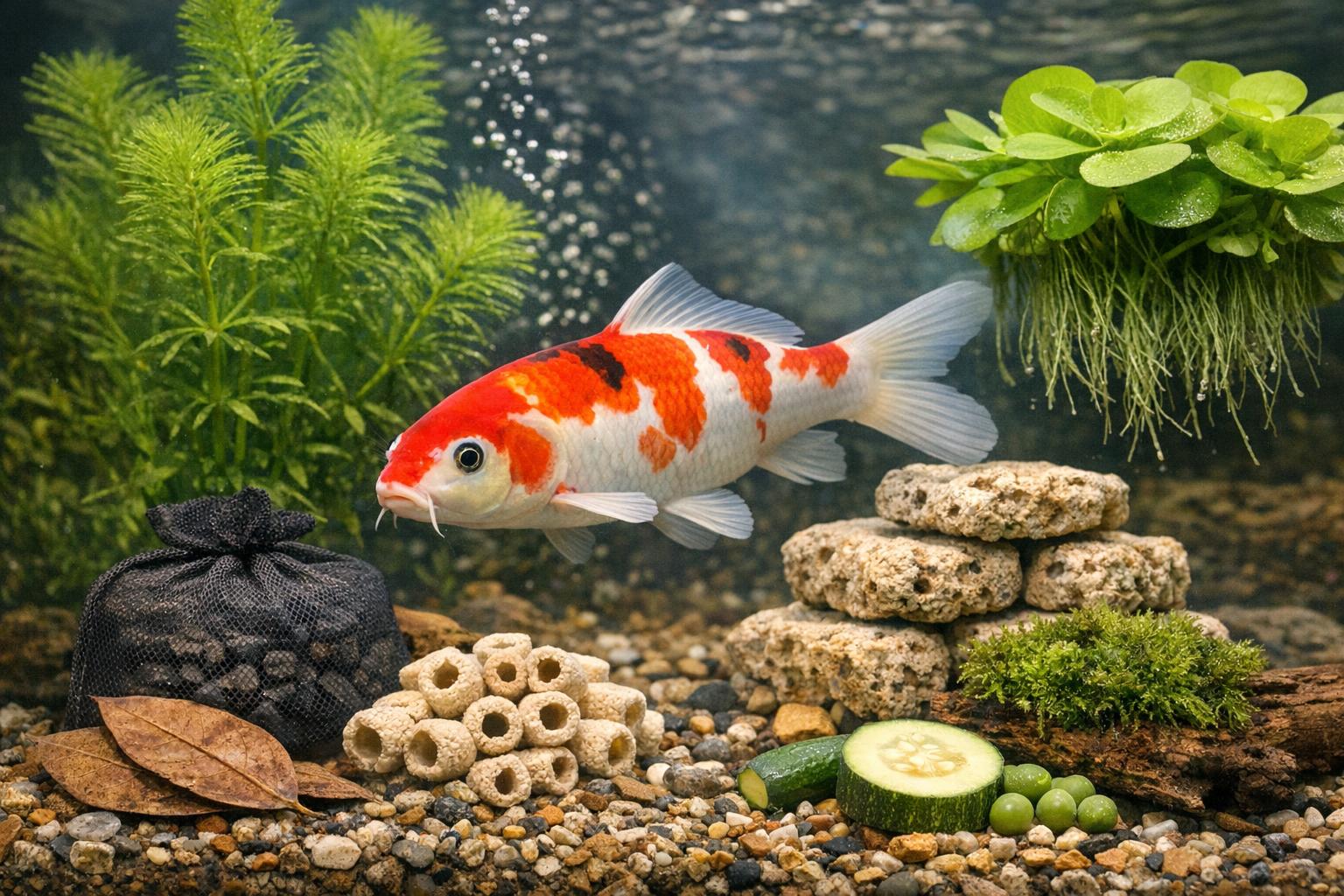
3. Add Indian Almond Leaves: Place one or two dried leaves (or a small bag of crushed leaves) into the tank. The leaves will release tannins, slightly lowering pH and tinting the water amber—this is normal and often beneficial.
4. Monitor And Maintain: Observe the fish every few hours. Epsom baths are typically given for 24–72 hours with partial water changes to maintain cleanliness. Replace leaves as needed.
5. Follow-Up: After the soak, reassess the fish. Repeat treatment cycles only if improving and within species tolerance limits.
Formal note: Epsom salt addresses internal swelling and can make external healing easier; the almond leaves provide a gentle antiseptic environment. Both are supportive—they do not replace targeted medications when a serious bacterial or fungal infection is present.
## Remedy 4: Nutritional Support With Garlic-Infused Food (Immune Boost)
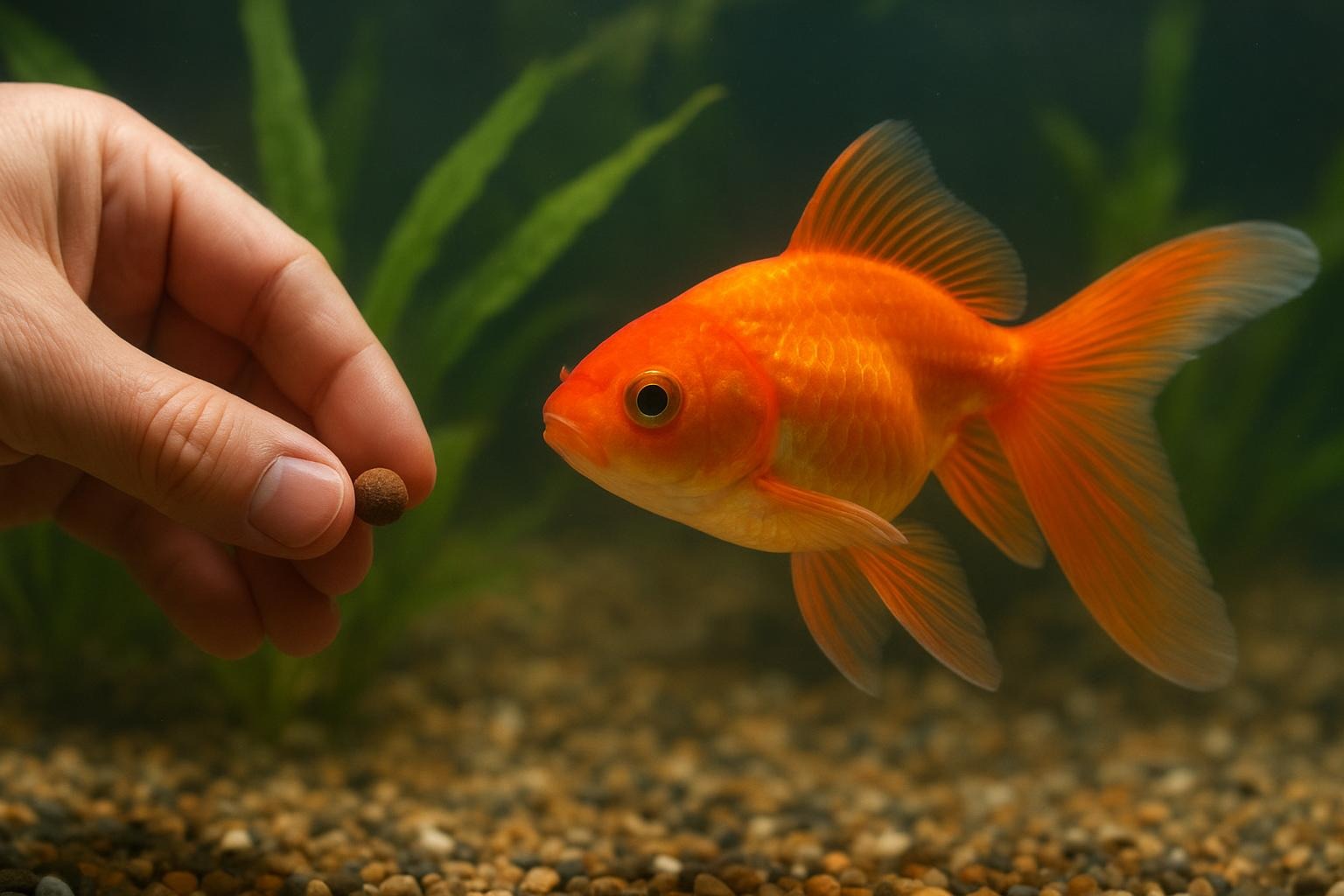
Good nutrition speeds recovery. Garlic can help stimulate appetite in sick fish and has mild immune-supporting properties.
Materials/Ingredients:
– High-quality flakes or pellets
– Fresh garlic or garlic oil suitable for fish
– Small bowl
Step-By-Step Creation And Application:
1. Prepare Garlic Infusion: Crush a clove of garlic and soak it briefly in a small amount of warm water or use a drop of commercially prepared garlic oil designed for aquarium use.
2. Soak The Food: Place a portion of food in the garlic liquid for a few minutes so pellets/flakes absorb the aroma—don’t oversaturate.
3. Feed Small Amounts: Offer tiny portions 2–3 times a day. Only feed what the fish consumes in a few minutes to avoid fouling.
4. Monitor Appetite: If appetite returns, gradually transition back to normal feeding while maintaining some vitamin-rich foods and occasional treats.
Formal tip: Appetite stimulation can be the difference between recovery and decline. Keep feedings small and frequent to prevent water quality dips.
## When To Seek Professional Help
If lesions worsen, the fish becomes listless, or systemic symptoms appear (bulging eyes, severe dropsy, rapid deterioration), seek an aquatic veterinarian. Home remedies are supportive and often effective for mild cases of fish scale disease, but serious infections require targeted medication and professional assessment.
No summary here—just practical, usable steps you can start today to help your scaly friend heal and get back to being the fabulous swimmer they were meant to be.




Leave a Reply