

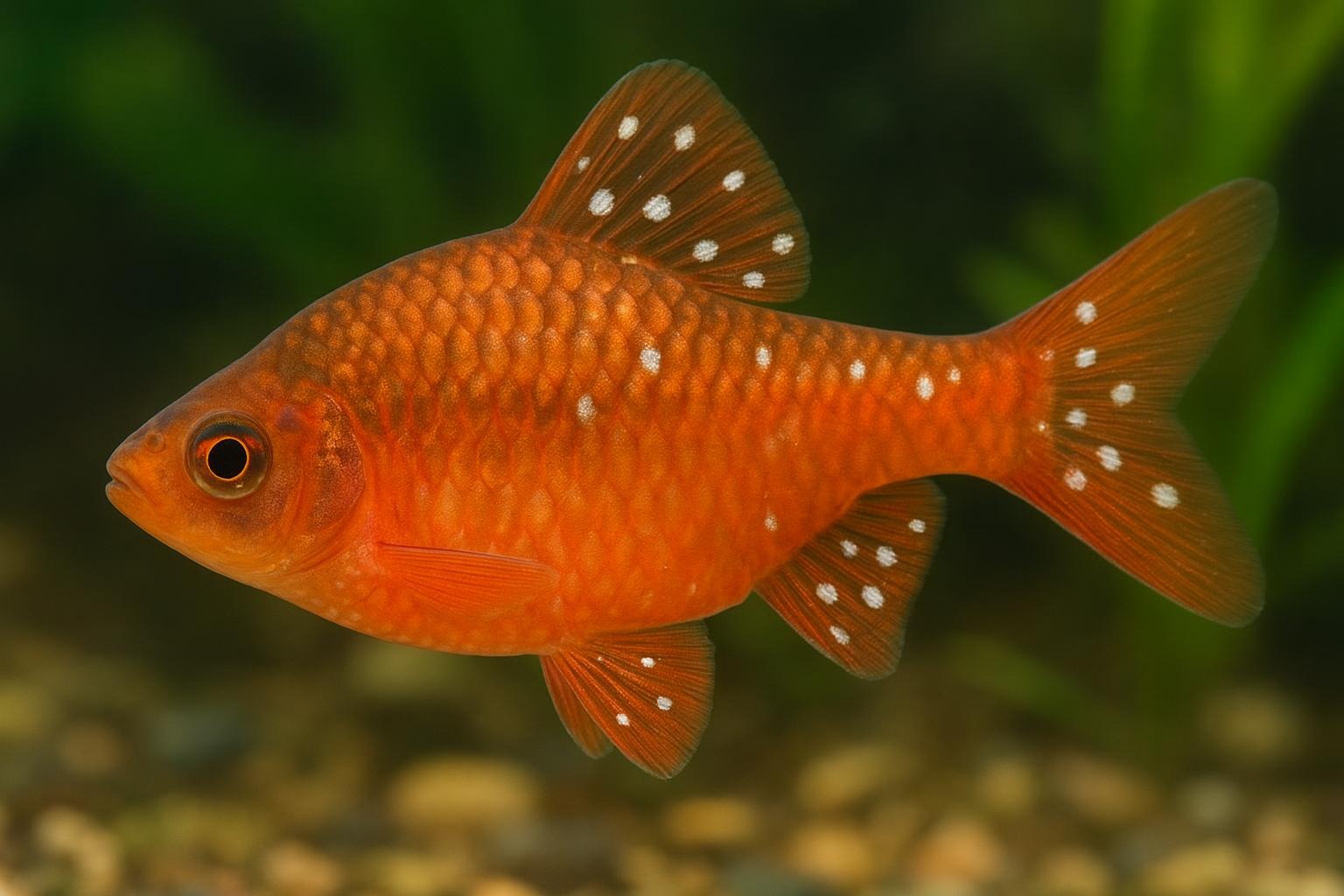
You hover over your tank and notice tiny, grainy dots decorating the fins. Cue the low-key panic, the Google deep-dive, and the “did I overfeed?” self-blame. Relax—this is one of the most common aquarium issues, and many causes are treatable with careful observation and simple DIY care.
## Fish White Spots On Fins: What They Usually Mean
White spots on fins can signal several things. Most often it’s ich (Ichthyophthirius multifiliis), a parasitic infection that looks like salt grains sprinkled on fins and body. Other possibilities include fungal growths, secondary bacterial infections, physical damage or ammonia burns that later get overgrown by fungus, and mineral deposits in very hard water. The key is differentiating between those causes so you treat appropriately—because the wrong treatment can stress your fish more than the spots do.
### Ich Vs. Fungus Vs. Damage
Ich typically shows as discrete, round, white specks (pinpoint to pea-sized) across fins and body. Infected fish may flash against decor, breathe fast, and become lethargic. Fungus looks cottony or filamentous—think tiny tufts rather than discrete pearls. Physical or chemical damage often presents as frayed edges, pale patches, or irregular white scars rather than neat dots.
### How Spread And Progression Look
Ich is highly contagious in freshwater and has a lifecycle that includes a free-swimming infectious stage, which is why whole-tank treatment is usually necessary. Fungal infections often appear where tissue is already damaged (so they’re secondary). Knowing which pattern you see helps pick the right remedy.
## How To Diagnose Correctly
Diagnosis is mostly observational plus a couple of simple water checks. Accurate diagnosis leads to less guesswork and better outcomes.
### Observation Checklist
Note where the spots are (fins only, body, gills), how many fish are affected, behavior (scratching, isolation), appetite, and timing (acute vs. slow). Photograph the spots if you can—photos can help later if you ask a vet or an experienced hobbyist.
### Quick Water Tests And What They Tell You
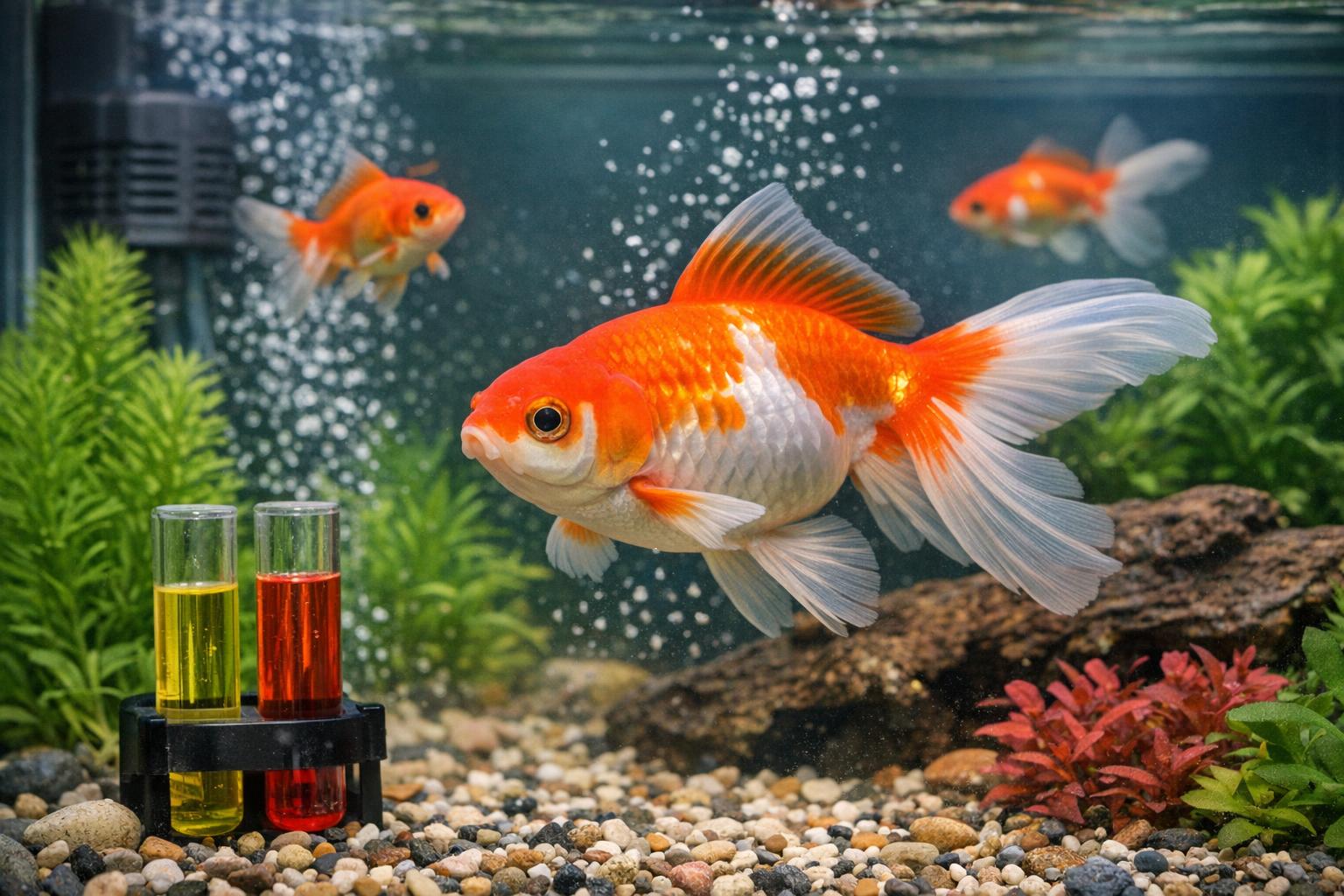
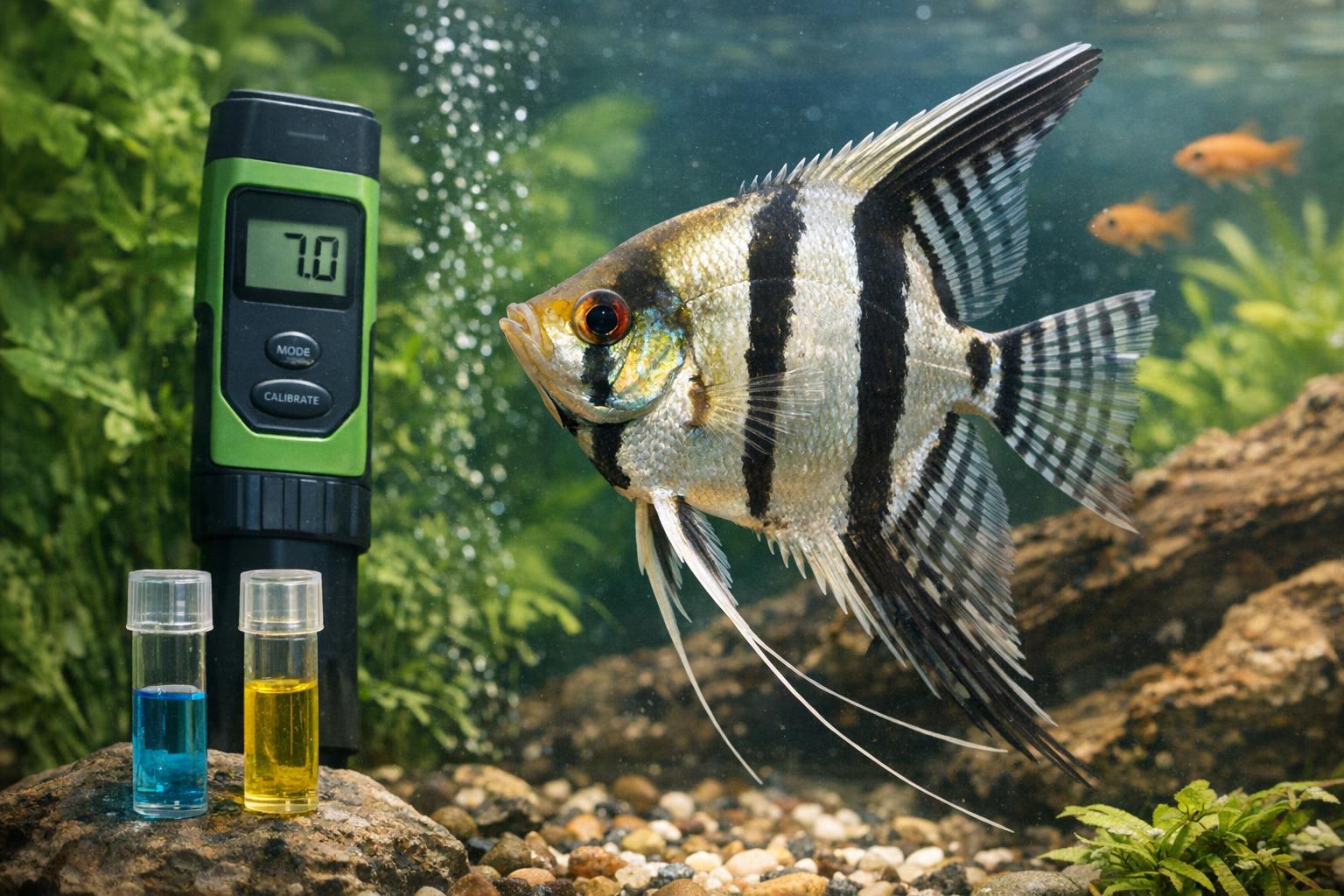
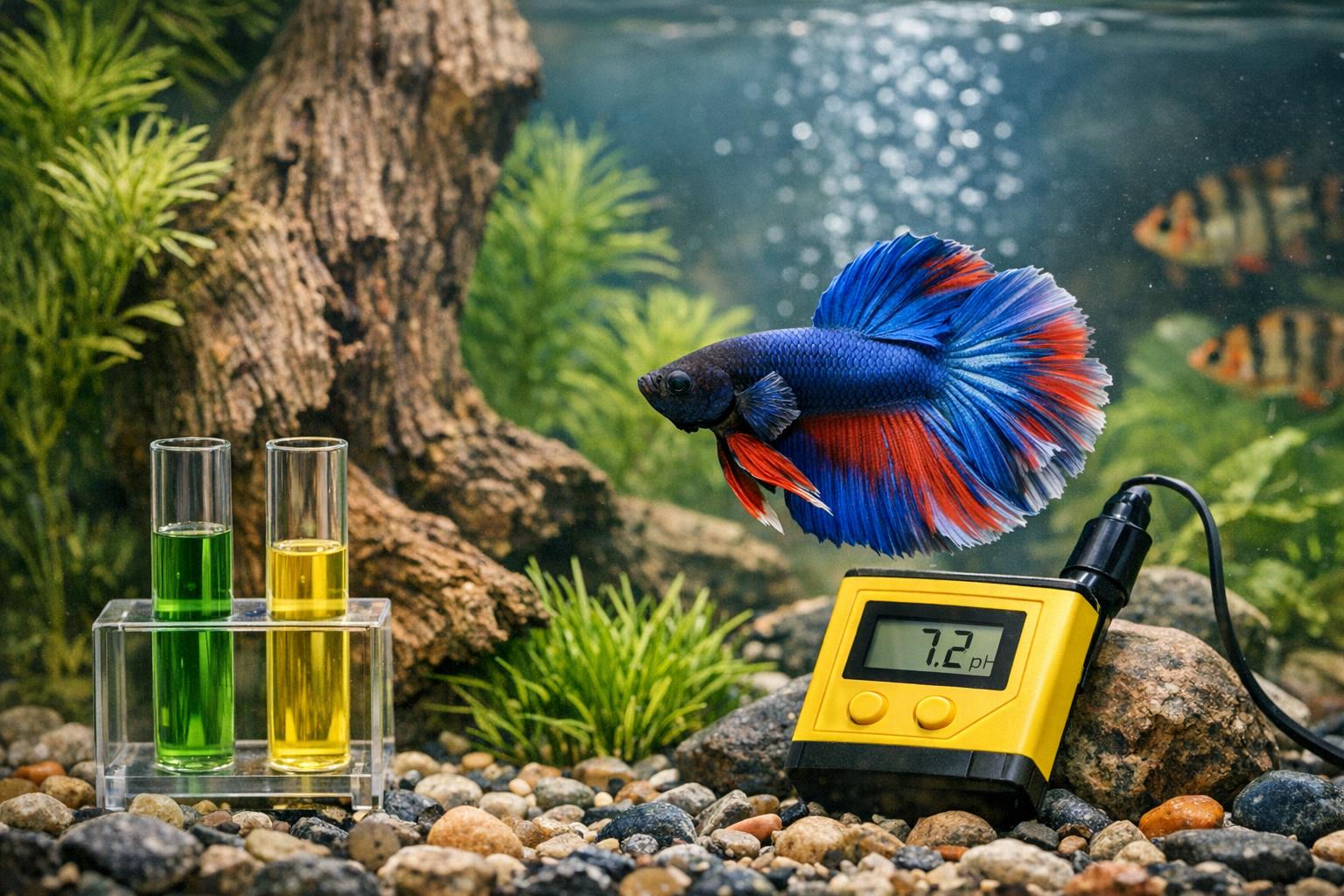
Test for ammonia, nitrite, nitrate, pH, and temperature. High ammonia/nitrite often causes reddened, damaged tissue that looks pale or white as it heals; this predisposes fish to fungus and bacteria—not to mention being harmful in its own right.
#### Take Photos And Keep Notes
Put dates on photos and note any changes you make (water changes, new fish, feeding), so you can correlate the remedy with improvement or decline.
## Remedy 1: Salt Tank Treatment And Thermal Management For Ich
This is the classic, widely used home remedy for ich when treating many common freshwater species. It’s effective because salt and a higher temperature speed up the parasite lifecycle and create an environment less hospitable to the parasite.
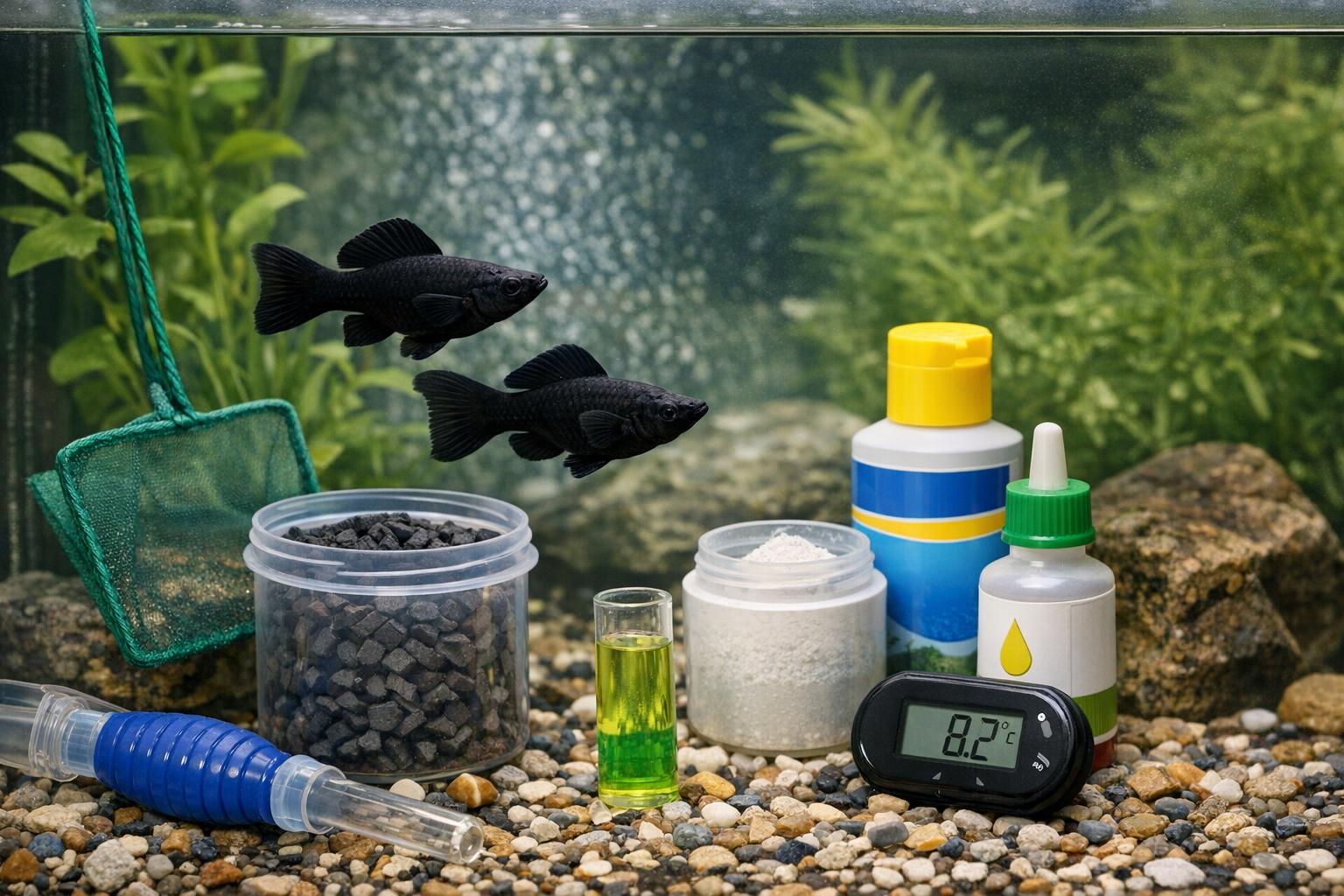
Materials / Ingredients
– Aquarium salt (non-iodized, free of additives) — avoid table salt with anti-caking agents or iodine
– Reliable heater and thermometer
– Water test kit (ammonia, nitrite, nitrate, pH)
– Clean bucket for mixing
– Optional: Sponge filter or gentle aeration
Step-By-Step Application
1. Confirm Species Safety: Check whether your fish tolerate salt (avoid using with scaleless species like many Loaches, Plecos, and some catfish).
2. Measure Baseline: Test water parameters and note temperature and current salinity (if any).
3. Perform Partial Water Change: Replace 20–30% of tank water with dechlorinated water at the target treatment temperature.
4. Initial Salt Dose: Add aquarium salt at 1 tablespoon per 5 gallons (approximate community-recommended dose). Dissolve salt in a bucket of tank water before adding to the tank to avoid local hotspots.
5. Raise Temperature Gradually: Increase temperature by 2–4°F (1–2°C) over 12–24 hours, aiming for the higher end of your fish’s comfortable range (commonly 78–82°F for tropical species). This accelerates the parasite lifecycle.
6. Maintain Aeration: Warmer water holds less oxygen; add aeration if needed.
7. Monitor Daily: Check behavior, appetite, and water chemistry daily. Repeat salt dosing after partial water changes following manufacturer guidance; many hobbyists continue the dose for 7–10 days after symptoms vanish to ensure lifecycle interruption.
8. Taper Down: Gradually lower temperature back to normal and reduce salt by performing partial water changes until salt levels return to baseline.
Notes And Warnings
– Not all freshwater fish tolerate salt—verify compatibility and avoid in planted tanks where plants are sensitive.
– If you use medication (formulated ich treatments), follow the manufacturer instructions and avoid mixing with salt unless stated safe.
## Remedy 2: Topical Care And Epsom Baths For Fungal Or Bacterial Lesions
When white on fins looks cottony or tissue appears eroded, this remedy focuses on stopping opportunistic infections and aiding tissue recovery.
Materials / Ingredients
– 3% hydrogen peroxide (for spot treatment only)
– Cotton swabs or soft toothbrush
– Epsom salt (magnesium sulfate)
– Quarantine bucket or hospital tank
– Dechlorinated water and thermometer
– Fish-safe antibacterial or antifungal medication if needed (optional, consult directions)
Step-By-Step Application
1. Move Fish If Necessary: If the affected fish is clearly stressed or losing appetite, gently transfer it to a quarantine tank with matching temperature and water parameters.
2. Epsom Salt Bath Preparation: Dissolve 1–2 teaspoons of Epsom salt per gallon in the quarantine tank to create a mild soaking solution. This can help reduce edema and has mild antiseptic properties. Soak for 10–30 minutes while observing closely; do not leave the fish unattended the first few times.
3. Spot Clean: For small, cottony patches, dip a cotton swab in 3% hydrogen peroxide and briefly dabbing only the affected area can help remove surface fungus. Do this sparingly and gently—overuse can damage delicate tissue.
4. Maintain Clean Water: Perform small, frequent water changes (20–30% every other day) in the quarantine tank to keep ammonia and nitrite at zero and promote healing.
5. Monitor For Secondary Infection: If tissue is deeply eroded or deterioration continues, use an appropriate topical antibacterial/antifungal as directed or consult an aquatic vet.
Notes And Warnings
– Hydrogen peroxide should never be poured into the main tank; use only as a local spot treatment in a separate container or on a stationary fish in hand (not recommended for small or extremely stressed fish).
– Epsom baths are not a substitute for addressing poor water quality or the root cause.
## Prevention And Tank Care
A couple of smart habits greatly reduce the chance you’ll see fish white spots on fins in the first place.
### Quarantine New Fish And Plants
Always quarantine new arrivals for 2–4 weeks. Many outbreaks start with an asymptomatic carrier. Use the quarantine period to watch for ich, flukes, or fungus and treat early.
### Regular Water Maintenance
Frequent partial water changes, routine substrate vacuuming, and avoiding overfeeding keep ammonia and nitrite low. A stable environment is often more protective than any specific home remedy.
#### Test Parameters Regularly
Make testing part of your schedule: weekly for most community tanks, more often if something’s off. Record readings—trends tell more than a single number.
### Avoid Overcrowding And Stress
Less crowded tanks are healthier tanks. Stress weakens fish immune systems and makes white spots more likely to take hold and spread.
If you’re unsure at any point, take clear photos and reach out to a fish-savvy vet or an experienced aquarist—many problems are much easier to fix early, and the right diagnosis limits unnecessary tinkering.








Leave a Reply