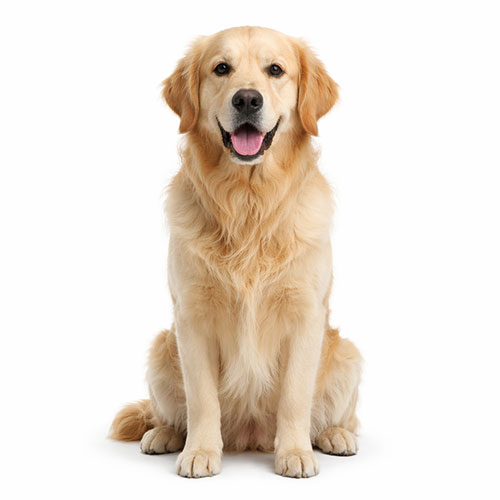


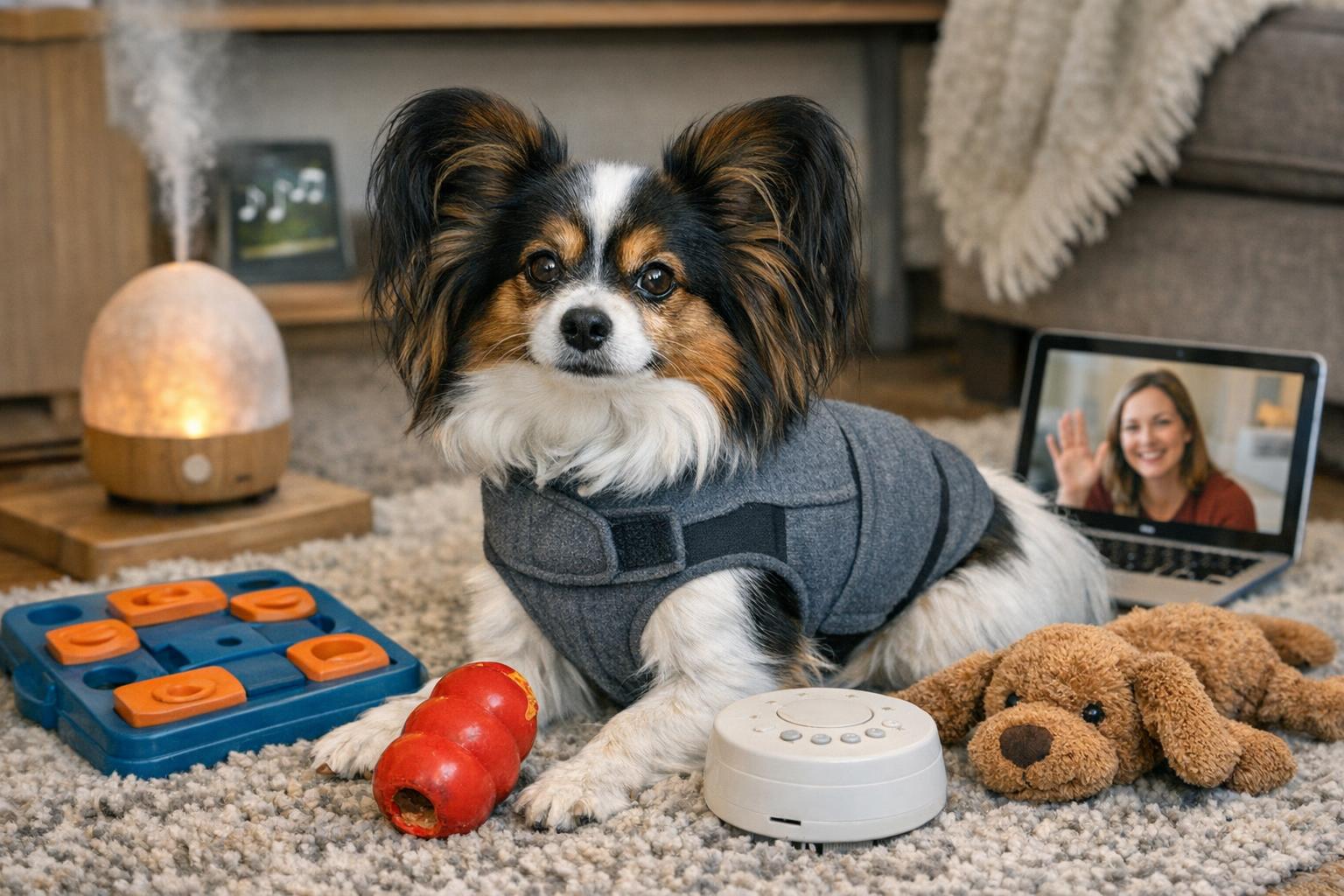
Separation anxiety in dogs can turn your cheerful goodbye into a small drama production — barking, pacing, and the occasional couch redesign. The good news: you don’t need to call in reinforcements from the high-tech, high-expense aisle. Here are smart, practical, and mostly low-cost remedies you can make and use at home to reduce your dog’s distress — with a touch of calm and a pinch of common sense.
## 1. Remedies For Separation Anxiety In Dogs: DIY Calming Spray
### Ingredients/Materials
– 1 cup distilled water
– 1 tablespoon witch hazel (or plain vodka as a preservative)
– 5 drops lavender essential oil (do NOT use directly on puppies or dogs with health issues without vet approval)
– 3 drops chamomile essential oil
– 1 teaspoon vegetable glycerin (optional, for better scent adherence)
– Small spray bottle (4–8 oz), labeled
### Steps To Create And Use
1. Sterilize the spray bottle with hot water and allow to dry.
2. Combine the distilled water and witch hazel in a clean container.
3. Add essential oils and mixer (glycerin), and shake well to emulsify.
4. Pour the mixture into the spray bottle using a funnel.
5. Lightly mist bedding, a blanket, or the entrance area before leaving. Do not spray directly on the dog’s face. Allow the scent to settle for a minute.
#### Application Notes
– Use sparingly — a little scent goes a long way. Too much can be overwhelming or even irritating.
– Test a small amount on fabric to ensure no staining.
– Replace the spray every 2–3 weeks for freshness.
This remedy provides a gentle, consistent olfactory cue associated with calm times. It’s not a sedative; the goal is to create a predictable, soothing environment that helps lower baseline arousal.
## 2. DIY Thundershirt Alternative: Compression Wrap For Comfort
### Materials
– A snug-fitting, stretchable cotton or spandex fabric (old athletic sleeve or T-shirt)
– Scissors and safety pins or Velcro strips
– A soft fleece pad for the inside (optional)
### Instructions To Make And Use
1. Measure around your dog’s chest and belly to determine the wrap size.
2. Cut the fabric into a long band wide enough to cover the chest comfortably.
3. Add Velcro strips or pins to create adjustable closures.
4. Optional: sew or pin a soft fleece pad on the inside where the wrap contacts the ribcage.
5. Fit the wrap snugly but not tightly. Observe your dog’s breathing and movement to ensure comfort.
6. Wear the wrap during short trial sessions at home, gradually increasing duration to build acceptance.
#### Formal Application Guidance
– Compression should be firm but allow for normal respiration and motion. Pressure that restricts breathing, movement, or causes agitation should be reduced immediately.
– Use the wrap in conjunction with desensitization training, not as a stand-alone fix. The wrap gives proprioceptive feedback that can reduce stress hormones for some dogs, but it is most effective when paired with behavior modification.
## 3. Treat-Dispensing Puzzle (Numbered Remedy) For Mental Occupation
### Materials
– Empty, clean plastic bottle with cap (2-liter or smaller)
– Sharp scissors or utility knife
– Dry kibble or high-value treats
– Duct tape (to smooth edges)
– Alternatively: a sturdy PVC pipe cap and drill for holes
### Construction And Usage Steps
1. Clean and dry the bottle. Remove labels.
2. Cut 4–6 small holes around the sides (size should let a kibble fall out with a roll).
3. Sand or tape the hole edges to prevent sharpness.
4. Fill the bottle with kibble or puzzle treats and secure the cap.
5. Supervise initial play; roll it around to demonstrate dispensing.
6. Increase difficulty by reducing hole size or adding a few non-food fillers.
#### Practical Application
– Use these puzzles during departures to create a positive association with being alone. Rotate fillings and complexity to sustain interest.
– For dogs prone to resource guarding or ingestion of non-food items, supervise early sessions and only use durable containers.
This physical and cognitive work helps burn nervous energy, encouraging calmer behavior in the absence of the owner.
## 4. Safe Den With Comfort Scent (Numbered Remedy)
### Materials
– Small crate or enclosed bed space
– Thick blanket or bed pad
– Old T-shirt or hoodie with your scent
– Soft lighting or nightlight
– Optional: low-volume white noise machine or classical music playlist
### Step-By-Step Setup And Usage
1. Choose a low-traffic area where the dog can feel secure but not isolated.
2. Fit the crate with a comfortable bed and cover part of the crate to create a den-like atmosphere.
3. Place a folded T-shirt with your scent inside the den.
4. Introduce the space during calm, positive times: toss treats in, feed meals there, and praise relaxed behavior.
5. Gradually increase the time your dog spends there while you remain in another room, using short sessions of absence practice.
6. When leaving, ensure a predictable routine: prepare the space, provide a treat puzzle, and then depart calmly.
#### How This Helps
Dogs are den animals by instinct; a purpose-built, scent-rich space offers predictability and the calming association of the owner’s smell. The addition of a predictable routine reduces anticipatory stress related to departures.
## 5. Training Protocol: Gradual Desensitization And Counterconditioning
### Materials
– Treats your dog adores (small, high-value)
– Clicker (optional)
– Timer
– Notebook to record progress
### Formal Steps For Implementation
1. Identify triggers associated with your departures (keys, shoes, coat).
2. Create a hierarchy of triggers from least to most provoking.
3. Begin by presenting the mildest trigger without leaving. Pair it with treats and praise until your dog remains relaxed.
4. Progressively combine triggers and slightly increase distance and duration. Always return before the dog becomes anxious.
5. Practice frequent, short departures: step out for 10–30 seconds, return calmly, reward calm behavior, and repeat dozens of times daily.
6. Gradually extend absence duration only when your dog remains relaxed at the previous level.
#### Important Training Notes
– Consistency and patience are crucial. Regression is normal; step back if anxiety increases.
– If destructive or severe anxiety persists, consult a veterinarian or certified behaviorist. Medication or specialized behavior plans may be necessary in some cases.
This method changes the dog’s emotional response from “panic” to “predictable, manageable,” which is the core of effective behavior change.
### Extra Tools And Small Tricks To Support These Remedies
– Use low-volume classical music or podcasts to mask environmental triggers.
– Adopt a short “out-the-door” ritual: a calm pet, a treat, then a calm exit — no emotional leave-taking.
– Rotate toys and puzzles weekly to maintain novelty.
Keep in mind that these remedies for separation anxiety in dogs work best in combination — environmental changes, calming cues, structured training, and enrichment together create the strongest, longest-lasting improvements. DIY approaches can be highly effective when applied consistently and monitored carefully. If progress stalls or the dog’s health is affected, seek professional veterinary or behavioral help immediately.
Note: Always check with your veterinarian before using essential oils or trying significant changes in care, especially for dogs with health issues, respiratory problems, or very young/old animals. Remedies for separation anxiety in dogs should support humane, safe, and gradual behavior change — not replace professional advice when needed.









Leave a Reply