


Dogs get tummy troubles. Maybe it was the sneaky sock snack, a new kibble, or that suspicious picnic droppings. Whatever the trigger, knowing how to soothe a dog’s upset stomach at home can save you a late-night panic trip to the vet — or at least buy you time while you decide whether to call one. Read on for clear, practical home remedies (with step-by-step instructions and ingredients) and sensible guidance on when to seek professional help.
## Quick Signs Your Dog Might Have An Upset Stomach
Recognizing the problem early makes everything easier. Common signs of an upset stomach include:
– Vomiting or repeated retching.
– Diarrhea, sometimes with mucus or an unusual color.
– Loss of appetite or sudden disinterest in treats.
– Gassiness, bloating, or obvious abdominal discomfort.
– Lethargy or unusual whining when touched near the belly.
If your dog is acting off but still bright, drinking water, and producing normal amounts of urine, many home remedies can safely help. If you see blood, severe pain, repeated vomiting (more than three times in a few hours), distended belly, or collapse, get to a vet immediately.
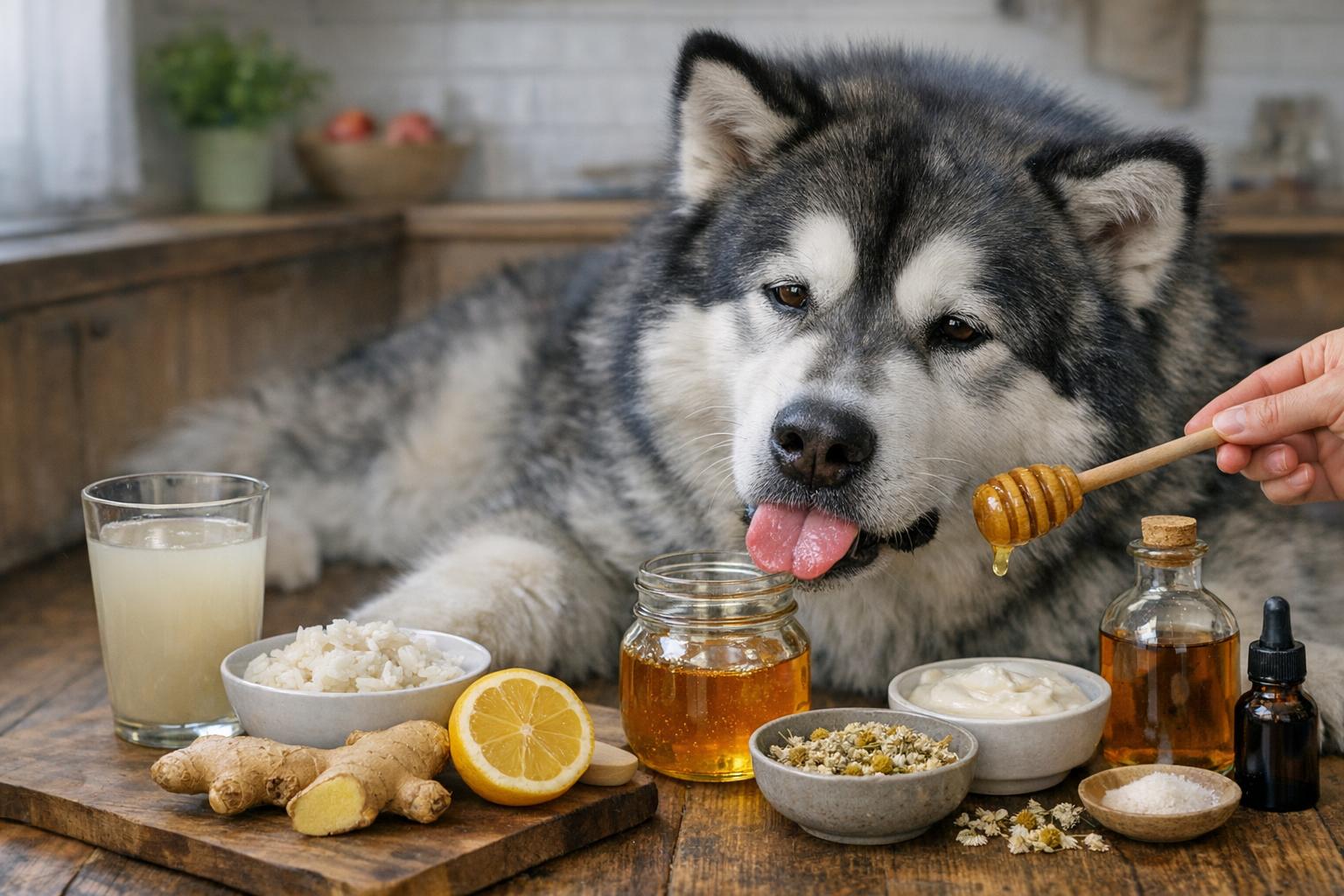
## How To Soothe A Dog’s Upset Stomach: 3 Home Remedies
Below are three practical, vet-safe remedies you can try at home. Each remedy includes ingredients and a formal, step-by-step application protocol. Use one method at a time and monitor your dog closely. If symptoms persist beyond 24 hours (or sooner for puppies, seniors, or small breeds), consult your veterinarian.
### 1. Bland Diet: Boiled Chicken And Rice
This is the classic go-to for mild vomiting or diarrhea. It’s gentle, easy to digest, and helps firm stools.
#### Ingredients Or Required Materials
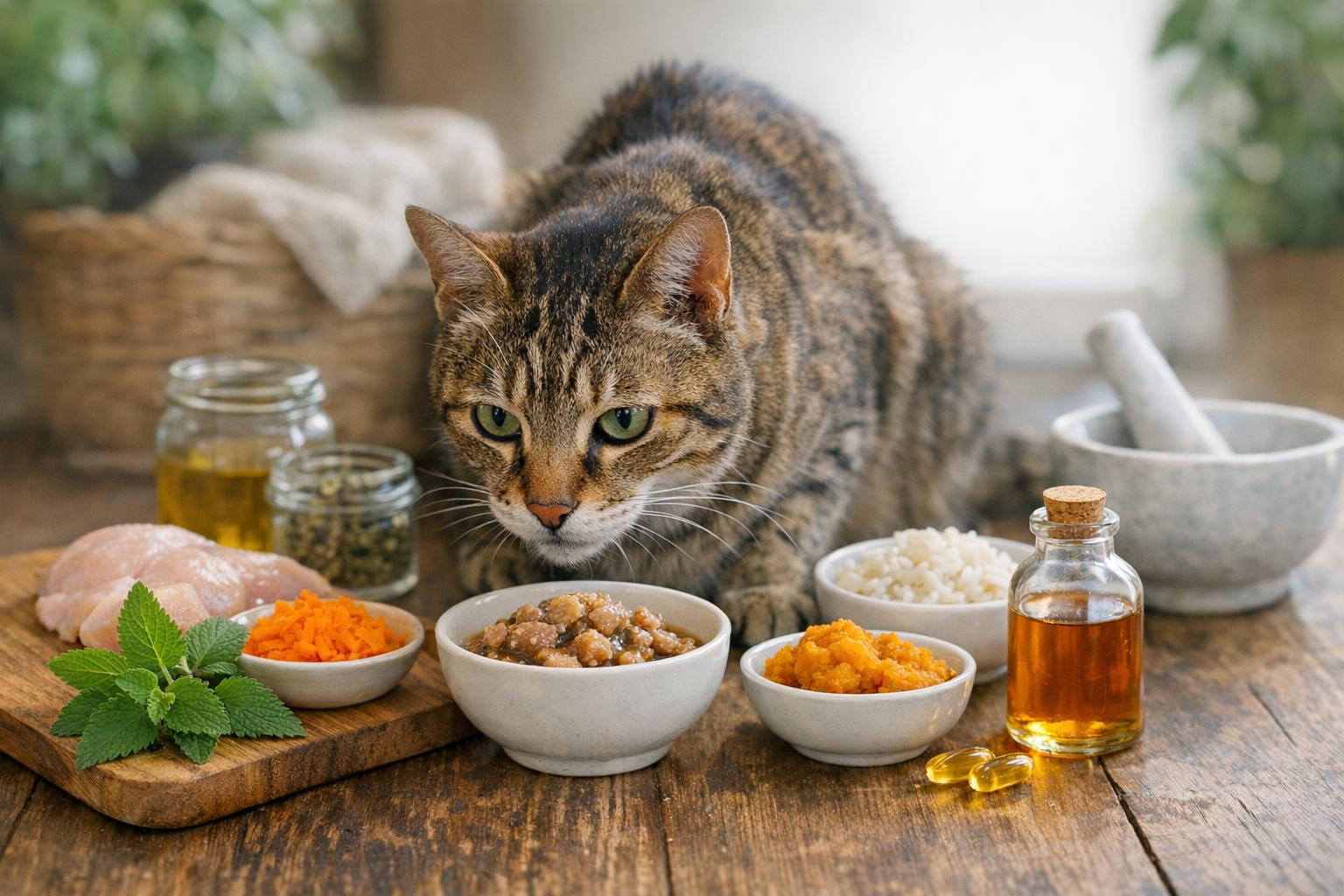
1. Skinless, boneless chicken breast or thigh.
2. White rice (not brown; easier to digest).
3. A pot and clean water.
4. Measuring spoon for portion control.
#### Steps For Creation And Application
1. Preparation: Place chicken in a pot, cover with water, bring to a gentle boil, then simmer for 10–15 minutes until fully cooked through. Avoid adding salt, oil, or seasonings.
2. Rice: While chicken cooks, rinse 1 cup of white rice under cold water. Cook the rice in plain water according to package directions.
3. Shred: Remove chicken and shred it finely with a fork. Ensure there are no bones and that the pieces are small.
4. Mix Ratio: Combine shredded chicken and rice at roughly a 1:2 ratio (one part chicken to two parts rice) for adult dogs. For small dogs, reduce portions accordingly.
5. Feeding Schedule: After a 8–12 hour fast for adult dogs (provide water during fasting), offer a small portion — about 1/4 to 1/2 of the dog’s normal meal size. Observe for vomiting for one hour.
6. Progression: If tolerated, feed the bland diet every 6–8 hours for 24–48 hours. Gradually reintroduce regular food over 2–3 days by mixing increasing amounts of regular kibble with the bland mix.
7. Cautions: Do not fast puppies, very small dogs, or diabetic dogs without veterinary advice. If symptoms worsen, stop and consult a vet.
### 2. Canned Pumpkin Puree For Firming Stools
Plain canned pumpkin is a fiber-rich, gentle fix that can help both constipation and mild diarrhea. Use 100% pumpkin — not pie filling with sugar and spices.
#### Ingredients Or Required Materials
1. Canned 100% pumpkin puree (no additives).
2. Measuring spoons.
3. Small spoon or bowl for serving.
#### Steps For Creation And Application
1. Dose By Size: For small dogs (under 15 lbs) give 1/2 to 1 teaspoon. For medium dogs (15–50 lbs) give 1 to 2 teaspoons. For large dogs (over 50 lbs) give 1 to 3 tablespoons. Start at the low end if you’re unsure.
2. Administration: Offer the pumpkin directly or mixed into a small portion of their bland diet or regular food.
3. Frequency: Give once or twice daily for up to 3 days. Monitor stool consistency and frequency.
4. Adjustment: If stools become too firm or constipation occurs, reduce or stop the pumpkin and consult a vet.
5. Safety Note: Do not give canned pumpkin pie filling; it contains sugars and spices harmful to dogs.
### 3. Probiotic Yogurt Or Canine Probiotics For Gut Balance
Probiotics help rebalance digestive flora and can shorten the recovery period. Use plain, unsweetened yogurt with live cultures, or a veterinary-recommended canine probiotic supplement.
#### Ingredients Or Required Materials
1. Plain, unsweetened yogurt with active cultures (or a commercial canine probiotic capsule/powder).
2. Measuring spoon.
3. Optionally, a syringe or spoon if the dog is fussy.
#### Steps For Creation And Application
1. Choosing A Product: If using yogurt, pick full-fat plain yogurt with no artificial sweeteners (xylitol is toxic to dogs). For more reliable dosing, use a dog-specific probiotic product recommended by your vet.
2. Dose: For small dogs, 1/2 teaspoon of yogurt once daily; for medium dogs, 1 teaspoon; for large dogs, 1–2 tablespoons. For probiotic capsules, follow manufacturer/veterinary dosing guidelines.
3. Administer: Mix into a small portion of bland food or offer alone. If using powder, sprinkle over food and mix thoroughly.
4. Duration: Continue probiotics for 5–7 days or as advised by your vet. For chronic GI issues, a vet may recommend a longer course.
5. Monitoring: Monitor stool quality and overall behavior. Stop if any allergic reaction occurs and seek advice.
## When To Call The Vet Immediately
Knowing how to soothe a dog’s upset stomach is useful, but it’s equally important to recognize red flags:
– Persistent vomiting or diarrhea beyond 24 hours.
– Blood in vomit or stool.
– Severe abdominal pain or a hard, distended abdomen.
– Signs of dehydration: dry gums, sunken eyes, decreased skin elasticity.
– Repeated attempts to vomit without producing anything.
– Neurological signs, collapse, or difficulty breathing.
If any of these appear, treat the situation as potentially urgent. Better safe than tragic.
## Gentle Hydration: Electrolyte Support For Mild Cases
Keeping a dog hydrated is crucial. Small amounts of water frequently are safer than a large gulp that might trigger vomiting. An oral electrolyte solution formulated for pets or diluted pediatric electrolyte (no artificial sweeteners) can help.
### Hydration Steps
1. Offer small sips every 10–15 minutes.
2. If vomiting continues after sips, stop and contact a vet.
3. For dogs that won’t drink, try ice chips or a flavorless broth (no onion/garlic) in small amounts.
## Preventing Future Tummy Troubles
Being proactive saves you messes and heartache. Consider these practical tips:
– Keep trash secured and don’t leave food unattended.
– Avoid sudden diet changes; transition over 7–10 days.
– Keep human foods that are toxic (chocolate, grapes, xylitol, onions, garlic, alcohol) well out of reach.
– Regularly check collars, toys, and bedding for small parts that can be swallowed.
## A Note On Medication And Human Remedies
It’s tempting to reach for whatever’s in the medicine cabinet, but many human remedies are unsafe for dogs. Never give NSAIDs (ibuprofen, naproxen), acetaminophen, or any medication without veterinary approval. For anti-nausea or anti-diarrheal drugs, consult a vet first and get dosage guidance.
## Signs Of Improvement To Track
You’ll know the chosen remedy is working if your dog:
– Stops vomiting and can keep water down within 12–24 hours.
– Has firmer, fewer, or normal stools over the next day or two.
– Shows more normal energy, interest in food, and regular thirst.
How to soothe a dog’s upset stomach is often a matter of careful observation, gentle care, and the right home remedies. If in doubt, call your veterinarian — they’ll appreciate the proactive approach and can guide you to the safest next steps.




Leave a Reply