## Antibacterial Wash For Dog Paws: Why It Matters
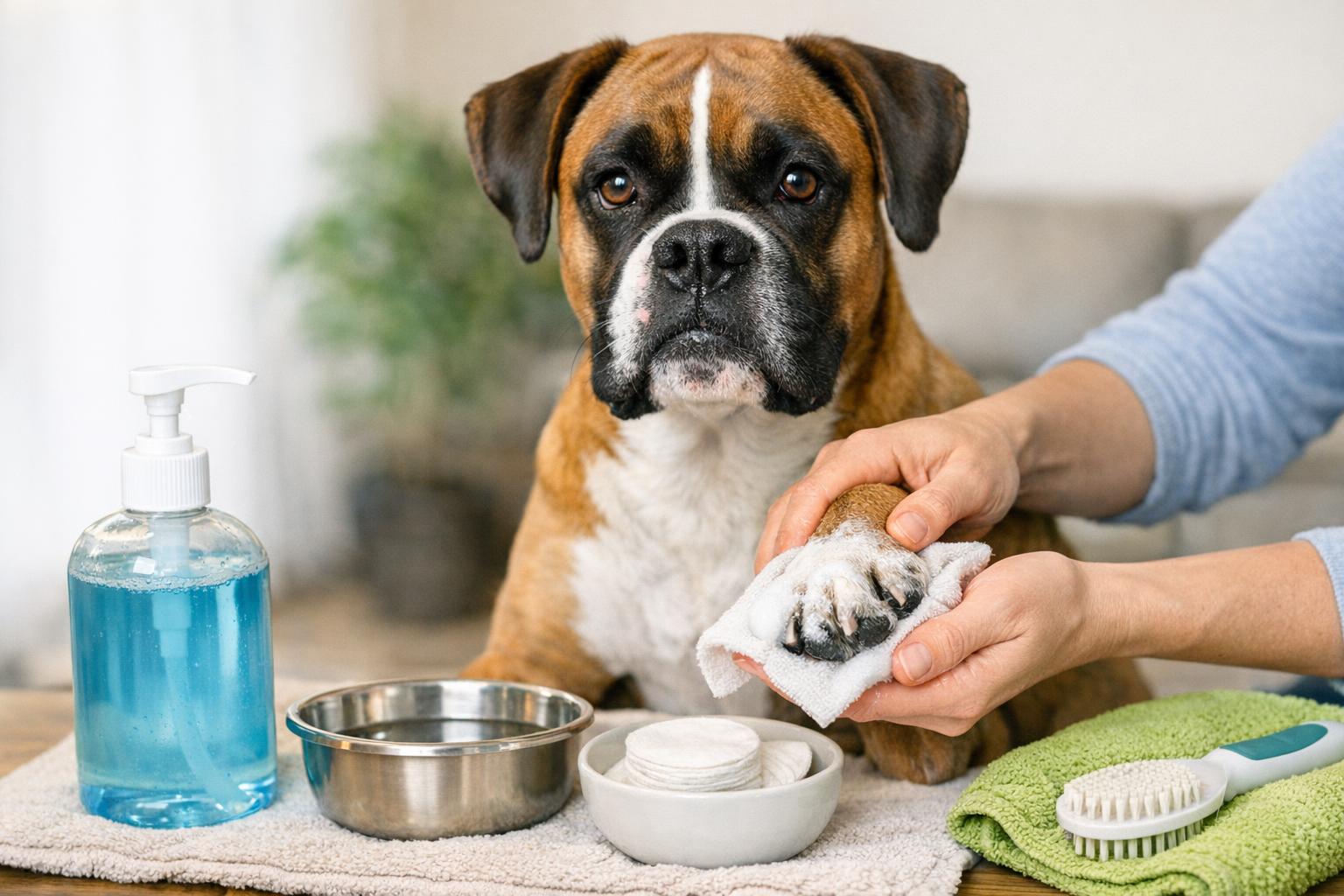
Your dog’s paws are miniature weather stations — they track everything from mud puddles to stray barbecue sauce. They also pick up bacteria, allergens, ice-melt salts, and tiny plant nasties that can irritate skin or cause infection. Using an antibacterial wash for dog paws can reduce microbial load, soothe irritated pads, and cut down on paw-related licking that leads to more problems. Think of it as tidy-up time after a day of adventures.
### Everyday Risks To Paw Health
#### Environmental Irritants
Salt and ice-melt chemicals in winter, lawn fertilizers in spring, and hot asphalt in summer all stress paw pads. These exposures can create breaks in the skin, which invite bacteria.
#### Microbial Buildup And Smells
Normal walking surfaces are loaded with benign bacteria — most are harmless, but if the skin is compromised or your dog licks excessively, opportunistic infections can start.
#### Allergies And Contact Dermatitis
Paws are often the first place you’ll see allergic reactions: redness, swelling, and chronic licking. A targeted antibacterial wash for dog paws doesn’t cure allergies, but it can help control secondary infections that complicate healing.
## When To Use An Antibacterial Wash For Dog Paws
### Signs That Your Dog Needs A Paw Clean
– Persistent licking or chewing at paws
– Red, swollen, or cracked pads
– Foul odor coming from feet
– Visible debris or sticky residue after walks
– Small cuts, but not deep lacerations (see precautions)
If you spot any of these, consider a gentle antibacterial wash for dog paws as part of a treatment routine. If signs are severe or worsen within 24–48 hours, consult your veterinarian.
### Precautions Before Washing
– Do not apply home washes to deep wounds, punctures, or heavily bleeding areas.
– Dogs with known sensitivities should be patch-tested on a small area first.
– Avoid human antiseptics with high alcohol concentrations; they can sting and dry paw pads excessively.
## Remedy 1: Gentle Homemade Antibacterial Paw Wash (1)
This formula is designed to clean, reduce bacteria, and soothe. The instructions are evidence-informed and conservative: the aim is hygiene, not surgery. Use formal care and measure ingredients precisely.
Ingredients / Required Materials
– 1 cup distilled water (boiled then cooled if distilled is unavailable)
– 1/4 cup unscented liquid castile soap
– 1 tablespoon raw honey (medical-grade if possible) or Manuka honey
– 1 teaspoon colloidal silver solution (optional; skip if you prefer no metallic agents)
– 1 teaspoon aloe vera gel (pure, alcohol-free)
– Small clean spray bottle or shallow bowl and soft cloth
– Clean towel or microfiber cloth for drying
– Gloves (optional)
Step-By-Step Creation
1. Sterilize your bottle or bowl with hot water and let cool.
2. Combine distilled water and castile soap in a clean container. Stir gently to avoid excessive suds.
3. Add honey, ensuring it dissolves evenly. Honey adds mild antibacterial properties and hygroscopic benefits for skin.
4. Stir in aloe vera gel. If using colloidal silver, add now and mix thoroughly.
5. Pour the mixture into your clean spray bottle or leave in the bowl.
Application Procedure
1. Have your dog calm and positioned. If using a spray bottle, lightly mist the paw pads and between toes. If using a bowl, dip a soft cloth and gently wipe paw surfaces, including nails and interdigital spaces.
2. Allow the wash to sit for 30–60 seconds to act (longer on visibly dirty paws, shorter on sensitive skin).
3. Rinse with a little cool distilled water if irritation is a concern; otherwise wipe away excess with a damp cloth.
4. Dry paws thoroughly with a clean towel, gently separating toes to remove moisture.
5. Apply a thin layer of pet-safe paw balm if pads look dry or cracked.
Dosage And Frequency
– For routine cleaning after walks in dirty conditions: 2–3 times per week.
– For mild irritation or early infection signs: once daily for up to 7 days, then reassess.
– Stop use and seek veterinary advice if no improvement or worsening occurs.
## Remedy 2: Quick Vinegar-Based Antibacterial Wash For Dog Paws (2)
This is a simple, low-cost option for quick rinses. Be formal and cautious: vinegar is acidic and effective against many bacteria but can sting open wounds.
Ingredients / Required Materials
– 1 part white distilled vinegar
– 3 parts water
– Small bowl or shallow container
– Soft cloth or disposable wipes
– Clean towel
Step-By-Step Creation
1. Mix the vinegar and water in a clean container in the 1:3 ratio.
2. Dip a soft cloth into the solution and wring out excess so it’s damp but not dripping.
3. Gently wipe the paw pads and between toes. Avoid scrubbing vigorously.
4. Rinse with clear water if the paw is sensitive or if you notice stinging.
5. Dry thoroughly.
When To Use This Option
– After exposure to potentially odorous or mildly contaminated surfaces.
– As a quick deodorizing rinse, not as a prolonged treatment for infected wounds.
Contraindications
– Do not use on open, bleeding, or deeply cracked wounds — vinegar is harsh and may delay healing or cause pain.
### Choosing A Store-Bought Product If You Prefer
If DIY isn’t your jam, pick a pet-specific antibacterial paw wash. Look for:
– pH-balanced formulas made for canine skin
– Ingredients like chlorhexidine at low concentrations (0.05–0.12%) or benzalkonium chloride for short-term use
– Fragrance-free or lightly scented products to avoid irritation
– Veterinary or dermatologist recommendations for recurrent infections
## Post-Wash Care And Prevention
### Drying And Moisturizing
Always dry paws completely after washing. Moist environments breed bacteria and yeast. After drying, use a thin layer of pet-safe moisturizer if pads are dry or cracked. Avoid heavy human creams that can be toxic if ingested.
### Trimming And Inspection
Regularly check between toes for foreign bodies like foxtails or burrs. Keep the hair trimmed to reduce matting and debris buildup. Trim nails to prevent abnormal gait that leads to paw stress.
### Seasonal Tips
– Winter: Rinse to remove deicing salts and apply a barrier balm before walks.
– Summer: Avoid hot asphalt; check paw pads frequently for burns.
– Rainy Seasons: Dry paws inside and consider booties for sensitive dogs.
### Behavioral Tricks To Make Paw Care Easier
– Reward your dog with treats and praise during and after washing.
– Start slow: touch paws frequently in calm situations so washing feels familiar.
– Use a non-slip surface or mat to keep your dog steady during care.
## When To See The Vet
### Red Flags Requiring Professional Care
– Deep wounds, continuous bleeding, or puncture wounds
– Pus, rapidly spreading redness, or fever
– Severe limping, loss of appetite, or lethargy
– Persistent ear infections or skin issues coinciding with paw problems
A professional exam may include cytology, cultures, or topical/systemic treatments beyond home care.
## Troubleshooting Common Issues
### Sensitivity Or Stinging
If your dog balks at the wash or appears to be in pain, discontinue use. Rinse with plain water and consult your veterinarian. You can attempt a milder formula (reduce soap concentration, omit vinegar) once healed.
### No Improvement After Home Care
If symptoms fail to improve in 48–72 hours despite correct use of an antibacterial wash for dog paws, escalation is needed. A vet can prescribe targeted antibiotics or antifungal agents, and will check for underlying causes like allergies or endocrine disorders.
### Licking After Washing
Some dogs lick to dry or soothe. Distract with a toy or treat and consider a light application of a bitter-safe topical deterrent if licking persists. Persistent licking can inhibit healing and spread bacteria.
Some dogs dislike the scent of an antibacterial wash for dog paws, which is fine — experiment with different gentle formulas or techniques to keep paw care low-stress and effective.
Enjoy the walks, mud, and sniffs — and remember: clean paws mean fewer problems and more happy adventure time together.



Leave a Reply