



Your dog walks through life on four tiny, hard-working carpets — their paws. When those carpets get red, sore, or flaky, it’s worrying for both of you. This guide offers friendly, practical, natural options for dog paw care, sprinkled with clear steps and safety notes so you can treat irritated paws calmly and correctly.
## Dog Paws Irritated Treatment: When To Start At Home And When To Call A Vet
If you’re searching for dog paws irritated treatment, start by assessing the problem. Mild redness, licking, or a little flaking after a long walk often responds well to at-home care. Deep cracks, pus, heavy swelling, bleeding, or a sudden severe limp require immediate veterinary attention.
Signs that you can try home dog paws irritated treatment:
– Mild redness or heat
– Occasional licking or chewing of paws
– Dry, flaky pads or small cracks
– Mild irritation between toes without foul odor
Stop home care and see a vet if you notice:
– Open wounds, bleeding, or discharge
– Intense pain, refusal to walk, or limping
– Rapid spreading redness or fever
– Visible foreign body embedded in paw
### Why Paws Get Irritated
Paw irritation comes from several sources: hot pavement in summer, ice-melting salts in winter, plant foxtails, grass seeds, allergies, fungal or bacterial infections, or simply dry skin. Understanding the cause helps you choose an effective dog paws irritated treatment plan rather than guessing and prolonging discomfort.
## Gentle First Steps Before Treatment
Before applying remedies, do a calm, methodical check:
– Clean: Rinse the paws with lukewarm water to remove debris.
– Inspect: Look between pads, toes, and around nails for cuts, foreign material, or swelling.
– Dry: Pat thoroughly. Moisture trapped between toes can worsen infections.
– Trim Fur: If long hair traps dirt, trim carefully with blunt-tipped scissors or ask a groomer.
If these checks show only mild symptoms, proceed with one of the natural dog paws irritated treatment methods below. If in doubt, consult your veterinarian.
### Remedy 1: Oatmeal Soak For Soothing Irritation
Oatmeal is anti-inflammatory and gently cleansing — a classic, veterinarian-friendly home remedy.
#### Ingredients
– 1 cup plain, unsweetened colloidal oatmeal (or grind rolled oats to a fine powder)
– Warm (not hot) water in a shallow basin
– Clean towel
#### Creation And Application Steps
1. Prepare: Fill a shallow basin with warm water (enough to cover paw pads when dipped).
2. Mix: Stir in the colloidal oatmeal until the water becomes milky.
3. Soak: Gently hold your dog and submerge the affected paw(s) for 5–10 minutes. Keep your tone calm; offer treats if needed.
4. Rinse: Remove and rinse the paw with clean, warm water.
5. Dry: Pat completely dry, especially between toes.
6. Frequency: Repeat once or twice daily for up to 7 days. If no improvement after 48 hours, reassess or seek veterinary care.
Be formal and precise when applying: ensure water temperature is safe, do not force a resistant dog, and monitor for signs of worsening.
### Remedy 2: Apple Cider Vinegar Spray (With Caution)
Apple cider vinegar (ACV) has antimicrobial properties but can sting open sores. Only use on intact skin.
#### Ingredients
– 1 part raw, unfiltered apple cider vinegar
– 1 part distilled water
– Spray bottle or clean cloth
#### Creation And Application Steps
1. Dilute: Mix vinegar and water equally (50/50). For extra sensitivity, dilute to 1 part vinegar to 2 parts water.
2. Test: Dab a tiny amount on an unaffected area and observe for 10 minutes.
3. Apply: Lightly spray or wipe the diluted solution onto the paw pads and between toes. Avoid open wounds.
4. Dry: Allow to air dry or pat lightly.
5. Frequency: Apply once daily, up to twice. Discontinue immediately if the dog shows discomfort or if any skin breaks are present.
Formally, note that ACV is not a substitute for veterinary antibiotics if there is a bacterial infection. Use it only for mild surface issues and always avoid application to raw, bleeding skin.
### Remedy 3: Homemade Paw Balm To Protect And Heal
A barrier balm locks in moisture, soothes cracked pads, and helps prevent infection. This is preventive as much as therapeutic.
#### Ingredients
– 2 tbsp beeswax pellets
– 2 tbsp coconut oil (virgin)
– 1 tbsp shea butter
– Optional: 1–2 drops vitamin E oil (skin-friendly)
– Small clean tin or glass jar
#### Creation And Application Steps
1. Melt: In a double boiler, gently melt beeswax, coconut oil, and shea butter until combined. Stir slowly.
2. Add: Remove from heat; stir in vitamin E if using.
3. Pour: Transfer into a sterilized container and let cool until solid.
4. Apply: Use a small amount, warming between fingers, then massage onto clean, dry paw pads and between toes. A thin layer is sufficient.
5. Frequency: Apply 1–3 times daily until pads improve, then apply as maintenance during harsh weather.
This balm is designed to be safe if licked in small amounts, but discourage licking immediately after application by distracting the dog briefly.
## Simple Preventive Habits To Reduce Future Irritation
Simple daily routines cut down the need for dog paws irritated treatment:
– Rinse paws after walks in salt or after grassy areas; dry thoroughly.
– Apply paw balm before long walks in hot or cold weather.
– Trim hair around paw pads to prevent matting and collection of debris.
– Use dog booties for long hikes on hot pavement or icy streets.
– Regularly check for foreign bodies like seeds or thorns.
### Seasonal Considerations
– Summer: Pavement can exceed skin-safe temperatures. Test surface with your hand for 7–8 seconds before walks.
– Winter: Salt and deicers are irritating; rinse paws after outings. Avoid rock salt when possible.
– Spring/Fall: Grass seeds, burrs, and foxtails can lodge between toes — check carefully after outings.
## When Home Dog Paws Irritated Treatment Isn’t Enough
If home measures don’t yield steady improvement within 48–72 hours, or if symptoms escalate, professional care is warranted. Your vet can determine if there’s a fungal or bacterial infection requiring prescription medications, or if an underlying allergy or systemic condition is contributing.
If your dog has recurring paw issues, document the pattern (season, activities, diet changes) and bring this information to your vet — it helps them pinpoint causes and adjust long-term care.
### Safe Practices And Red Flags
– Avoid human topical medications unless advised by your vet.
– Don’t use undiluted essential oils on paws; many are toxic to dogs.
– Watch for signs of secondary infection: persistent odor, pus, or worsening redness.
– Avoid ointments on heavily licking dogs unless you can prevent licking for a short period.
## Quick At-Home Supplies To Keep Handy
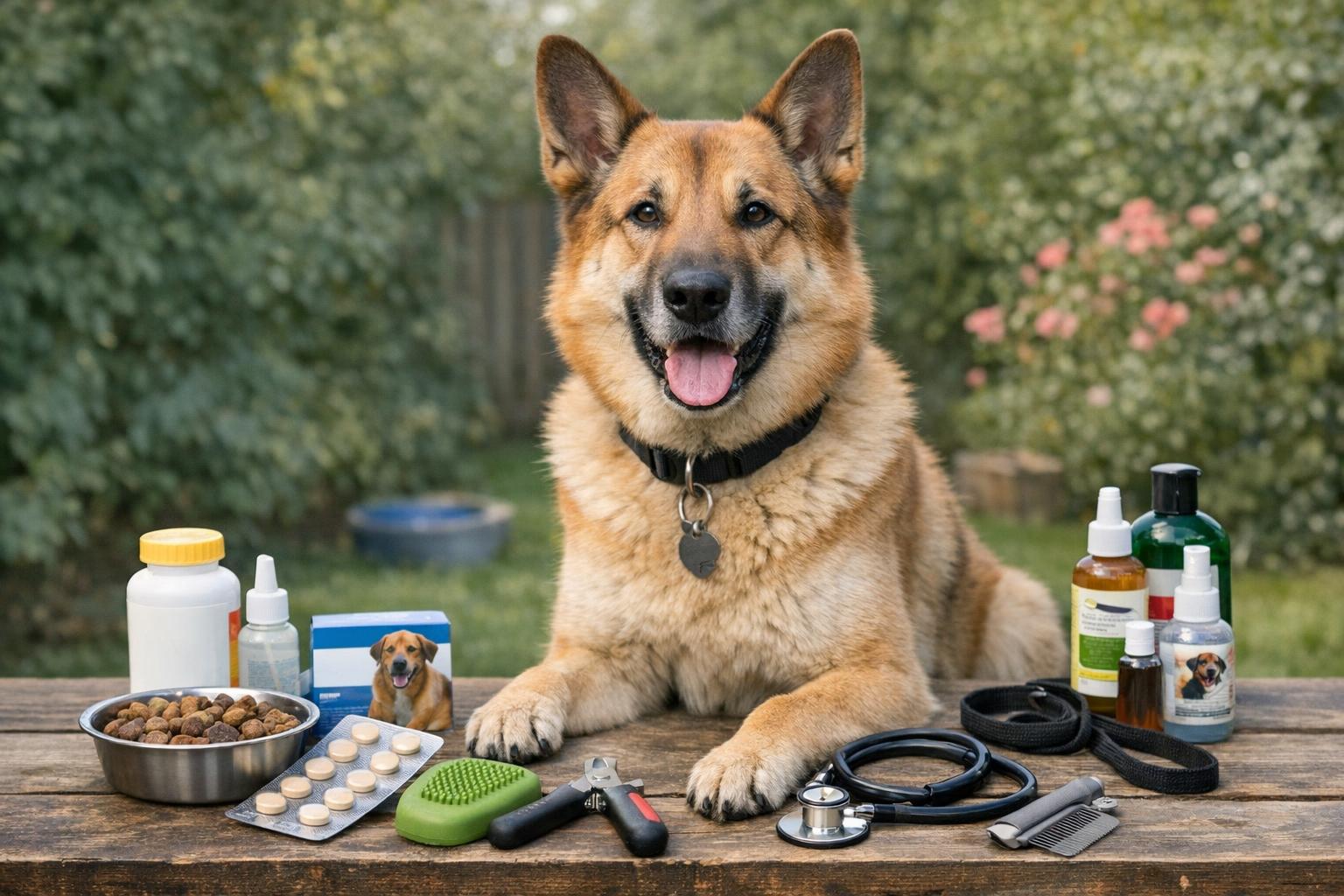
A small kit helps you act fast when irritation appears:
– Colloidal oatmeal or rolled oats
– Mild, fragrance-free dog shampoo
– Clean basin for soaks
– Diluted apple cider vinegar solution (pre-made)
– Homemade paw balm or commercial dog-safe balm
– Tweezers and magnifying glass for seed removal
– Soft towel and small treats for comfort
A proactive approach that combines inspection, gentle cleaning, and appropriate natural remedies can resolve most mild cases. If uncertainty lingers, a prompt vet consultation is the safest route — professional diagnosis prevents missteps and ensures the right dog paws irritated treatment is applied.




Leave a Reply